
Corporate Event Entertainment Trends Reshaping 2026 | DJ Will Gill
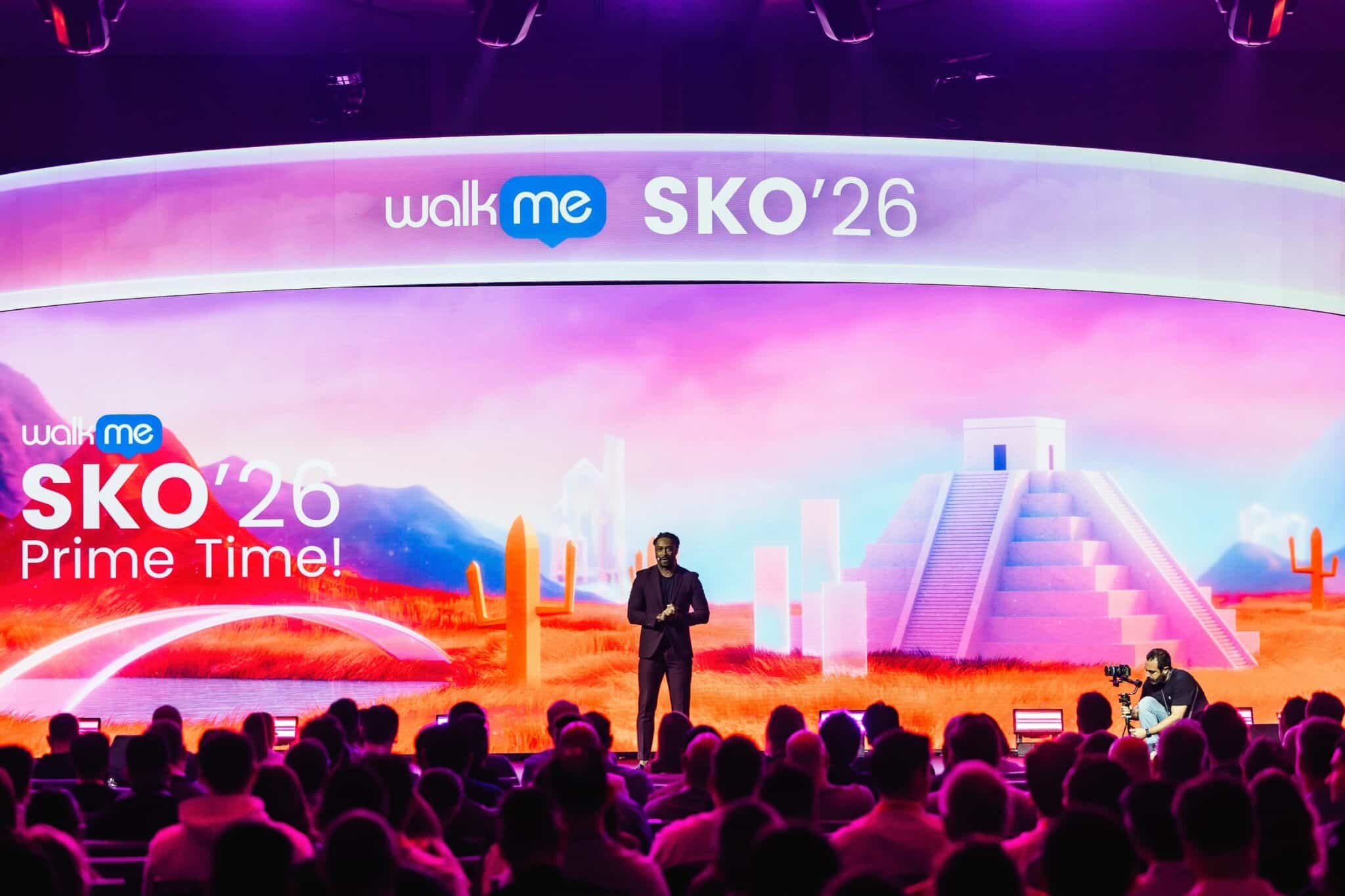
Corporate event entertainment in 2026 does not look like corporate event entertainment in 2022. The trend deck that planners were quoting three years ago (live-streamed keynotes, custom hashtags, generic gamification) has been replaced by a substantially different playbook. AI has moved from experiment to expectation. Hybrid has evolved from workaround to standard. Personalization has gone from marketing pitch to attendee-controlled reality. Executive expectations for measurable event ROI have hardened. Multi-generational rooms, wellness programming, and participation-over-spectation have become defaults rather than differentiators. Corporate planners who are still running the 2022 playbook are running an event their competitors already stopped running.
This is not a comprehensive industry-wide trend piece. It is a focused breakdown of the six trends specifically reshaping corporate event entertainment, from the operator’s perspective. The data behind these trends is now specific and well-documented. Industry coverage of the current AI adoption rate captures the scale of the shift directly: according to Bizzabo, 95 percent of surveyed organizers expect their organization’s use of AI in events to increase this year, especially across event marketing, analytics, communications, and agenda design, reflecting AI moving from a future topic to a core part of the operating model shaping how teams plan, market, personalize, and measure experiences. That shift is not evenly distributed across the industry. Some planners are already three cycles ahead. Others are still in the discovery phase. This piece walks through the six trends that matter most for corporate entertainment specifically and what right-now execution actually looks like.
Want a corporate DJ operating on the 2026 playbook, not the 2022 one? Contact DJ Will Gill.
Key Takeaways
- Corporate event entertainment in 2026 is being reshaped by six specific trends: AI-powered personalization, multi-generational default audiences, interactive/gamified programming, embedded wellness, harder ROI pressure, and matured hybrid.
- AI adoption in event planning has moved from experiment to expectation. 95 percent of organizers expect AI use to increase this year, according to Bizzabo.
- Hybrid formats have evolved into “phygital” experiences that deliver 65-78 percent engagement (vs 40-50 percent for traditional) and 25-35 percent lead conversion (vs 10-15 percent).
- Participation beats spectation. The strongest 2026 corporate entertainment formats turn attendees into content creators, not just audiences.
- Executive ROI pressure is real and measurable. Entertainment budgets are being scrutinized against business outcomes more rigorously than any year prior.
1. Why 2026 Is a Turning Point for Corporate Event Entertainment
Every year gets called a “turning point” by trend articles. Most years are not. 2026 actually is. Three separate structural shifts have converged into the same 12-month window, and the combined effect is genuinely different from what corporate event planners were running even 18 months ago.
The three structural shifts:
- AI has crossed the “practical expectation” threshold. The wave of generative AI experimentation is over. What remains is accountability for tangible outcomes. Industry coverage of the 2026 shift is specific about this: AI has moved from experimentation to expectation, with the 2026 focus on practical use cases, clear outcomes, and proving the value of AI across the event lifecycle, and today’s emergence of agentic AI marking the shift from early generative wave to teams being deliberate about where AI is embedded into everyday workflows.
- Attendee expectations have hardened. Post-pandemic attendees are less tolerant of low-effort programming than any cohort in the past decade. Passive keynotes at generic ballrooms with generic music no longer meet the bar for what a corporate event is expected to deliver.
- Executive ROI scrutiny has intensified. C-suite leaders are asking harder questions about what events actually deliver. The trend forcing this change is measurable. Entertainment and event budgets are increasingly being defended against business-outcome metrics.
These three shifts are not independent. They compound. AI expectations require better data. Higher data quality enables better personalization. Better personalization drives higher engagement. Higher engagement produces defensible ROI. ROI defensibility unlocks bigger budgets. Bigger budgets fund better entertainment. And so on. The planners who catch this cycle early are already producing better events at similar cost. The planners who miss it are producing events that feel dated by comparison.
2. Trend #1: AI-Powered Music and Personalization at Scale
The biggest story in 2026 corporate entertainment is what AI is doing to programming. Not the marketing hype about AI. The actual working use cases. AI is now embedded in music playlist generation, attendee agenda personalization, session matchmaking, and post-event content creation. Industry data on the scale is specific: according to Quickspace’s 2026 event guide, 85 percent of events now integrate AI for personalization, and research highlighted by Aanmelder shows that modular sessions with AI-driven recommendations increase audience retention by 30 percent.
Specifically for entertainment, AI is showing up in three practical ways:
- Music programming and playlist generation. AI tools now build corporate-appropriate playlists by tempo, key, and harmonic similarity rather than genre tags. This is a meaningful shift. Genre-based programming works for weddings and clubs. Corporate rooms respond to tempo and energy curves. AI tools that understand this produce measurably better sets.
- Personalized attendee experiences. Smart badges, mobile apps, and AI-driven session recommendations tailor the event to each individual. The framing has shifted: personalization in 2026 is shifting to something attendees actively shape themselves, putting them in the driver’s seat and allowing them to choose their own journey, with AI playing a practical role because personalization at scale is difficult to do manually but AI can surface what matters most to each attendee based on real behavior and engagement.
- AI-generated content activations. Photo booths that generate personalized AI portraits. Persona quizzes that produce shareable custom results. Trading card generators. These formats scale to thousands of attendees without proportional staffing.
For corporate DJs specifically, AI-powered playlist generation is the most consequential shift. A DJ working with AI playlist tools can prepare a customized set for a specific corporate audience in a fraction of the time it took two years ago. That efficiency shows up in better pre-event briefings, more room-specific programming, and less reliance on generic default sets. The underlying music theory principle is well-established. What’s new is the AI tooling that makes it practical to apply at scale.
For a deeper look at why tempo-based programming (which AI tools now make trivial to implement) outperforms genre-based programming at corporate networking hours, the underlying theory lives in the why tempo matters more than genre at networking hours analysis. The 2026 shift is that what used to require years of experience to intuit can now be executed by tools that quantify it directly.
3. Trend #2: The Multi-Generational Room Is the New Default
Corporate audiences in 2026 span a wider generational range than at any point in recent memory. A typical Fortune 500 event now includes Gen Z employees (early 20s), millennial mid-career professionals (late 20s to early 40s), Gen X leaders (mid-40s to late 50s), and boomer executives (60+). Programming that assumes one dominant demographic no longer fits the reality of the room.
The generational programming implications are specific:
- Music that works across 40 years of pop culture. A single genre or decade will alienate at least half the room. Cross-generational programming (decade mashups, era-spanning sets, hybrid formats) is the default.
- Interactive formats that work for digital natives AND executives. Gen Z expects mobile-first participation. Executives expect frictionless UX. The interactive format has to work equally well for both.
- Cultural references that land across the room. A reference that Gen X gets is invisible to Gen Z. A meme that lands with Gen Z reads as random noise to boomers. Entertainment programming has to work in the shared cultural space rather than any single generation’s default.
- Communication styles that respect different expectations. Younger attendees are more responsive to peer-to-peer engagement. Senior attendees are more responsive to expertise-led delivery. Both are in the room. Both need to feel served.
The venue-side operators have adapted. Industry coverage of the shift documents specific programming pivots: designing an event for 2026 means designing for Gen Z and Millennial attendees, two groups whose expectations look very different from the old coffee-break-and-ballroom model, with hospitality operators expanding wellness-focused programming, healthier nutrient-rich food and beverage options, mindfulness-driven break experiences, movement-friendly spaces, and outdoor activations designed to support balance during multi-day events. What venues are doing at the property level, entertainment programming has to do at the audience level.
For the operational framework on how a professional DJ actually reads and programs a multi-generational corporate room in real time, the underlying skill set is covered in depth in the how to tell if a corporate DJ can read a mixed audience analysis. In 2026, this skill has moved from nice-to-have to non-negotiable. The DJ who cannot do this is not equipped for the current standard.
4. Trend #3: Interactive and Gamified Programming Beats Passive Content
The move from spectation to participation is the most durable trend of the past 24 months. Industry framing of the 2026 standard is direct on this shift: the best corporate event entertainment in 2026 is participatory, not passive, with attendees creating content rather than just watching performers, and the strongest formats serving at least two goals at once by entertaining while capturing leads, audience data, or shareable branded content. Watching a performer is passive. Creating something is active. The best 2026 corporate entertainment pulls people in rather than displays for them at a distance.
Specific formats that are working:
- Live game shows with corporate customization. Trivia formats built around company-specific content, team-based competition, and visible leaderboards. Fully hosted by a professional team-building host, not an internal volunteer.
- Gamified engagement systems. Points, digital scavenger hunts, real-time leaderboards. Industry coverage of gamification’s staying power is specific: gamification continues to dominate as one of the most engaging events trends in both virtual and in-person settings, with gamified elements such as points systems, digital scavenger hunts, trivia challenges, and interactive leaderboards designed to deepen engagement, drive session participation, and encourage networking.
- AI-generated content activations. Attendees create personalized branded content (AI portraits, custom quizzes, trading cards) that they naturally share on social media.
- Live polling integrated into keynote content. Speaker asks a question. Room responds in real time. Result appears on screen. Speaker responds to the room’s actual answer. This flips the keynote from monologue to dialogue.
- Interactive DJ engagement. Live song request systems, audience-driven set adjustments, real-time energy metering that the DJ can respond to.
For corporate DJs and emcees specifically, this trend elevates the role. The DJ who runs a passive background set is a commodity. The DJ who runs interactive programming (live requests, audience-driven decisions, integrated with game show or live polling elements) is a strategic engagement asset. Same person, same booth, different job description.
The specific game mechanics that drive engagement in interactive corporate programming are covered in the 5 game mechanics that always win at corporate events analysis. Getting these right is the difference between “interactive programming” that feels forced and interactive programming that actually lands.
The specialized team-building host is separately becoming a distinct entertainment category in 2026, with its own vetting framework and hire discipline. The commercial argument for hiring a dedicated team-building host rather than defaulting to internal volunteers is covered in the corporate audience-engagement hosts as the hidden engagement lever analysis. The role is separately budgeted at more corporate events in 2026 than any prior year.
5. Trend #4: Wellness Programming Is Now Embedded, Not an Add-On
Corporate event wellness has moved from optional add-on (a yoga session in the morning that no one attended) to embedded feature (movement, hydration, and rest woven into the run-of-show itself). Industry coverage of the specific pivot documents the change: key 2026 event trends include hybrid formats, AI-powered personalization, immersive brand environments, sustainability, wellness initiatives, and data-driven engagement, with organizers now planning generous breaks, wellness zones, and outdoor areas offering attendees time to recharge during long agendas rather than packing non-stop sessions.
For entertainment programming specifically, embedded wellness shows up in:
- Volume calibration during multi-day events. Sustained loud volume across 8-hour days is now recognized as a wellness issue. Modern corporate DJ programming targets 60-75 dB background and 75-82 dB peaks, well below the 85-95 dB club standard.
- Circadian-aware music programming. Higher tempo interstitials during the 1:30pm-3:30pm afternoon slump. Slower recovery music mid-lunch. Warm morning-open tempo. The music actively supports the audience’s biological energy curve rather than fighting it.
- Break-integrated entertainment. Guided stretch moments with music. Meditation-adjacent breaks with ambient soundscapes. Not “wellness sessions” as separate program items, but wellness elements integrated into the main program.
- Sensory design that supports focus. Lighting, volume, and music density calibrated to support attention and recovery cycles rather than assault the audience with maximum stimulation.
The daytime DJ role has evolved specifically around this trend. A DJ who understands the audience’s biological state at 2:30pm on a Wednesday and adjusts programming accordingly is doing wellness work whether or not it’s labeled that way. The DJ who runs the same 4pm energy at 10am, 2pm, and 6pm is fighting the biology of the room every hour.
For a detailed operational framework on how daytime corporate DJ programming actually maps to the audience’s biological energy curve (which is functionally the same as wellness-integrated programming), the analysis lives in the how to get real energy from a DJ set at a daytime corporate event piece. The 2026 shift is that this level of programming discipline is now expected across all corporate DJ work, not just daytime.
6. Trend #5: Executive ROI Pressure Is Reshaping Entertainment Budgets
The C-suite has always asked what events are for. In 2026, they are asking harder, and requiring evidence. Every entertainment line item is being defended against a business outcome. Industry coverage of the specific measurement shift is direct: executives increasingly require clear evidence that events generate measurable business outcomes, with 40 percent of organisers still reporting challenges in demonstrating event ROI according to the 2026 State of Events Benchmark Report, though this marks an improvement from the 70 percent who struggled with it in 2025, reflecting a more mature approach to measurement.
The ROI pressure is producing specific budget shifts:
- Entertainment budgets are being reallocated, not cut. Wasteful decor and generic swag are being cut. Entertainment that drives measurable engagement is being protected and often increased.
- Post-event survey scores are getting scrutinized. Entertainment that pulls down NPS or engagement scores gets replaced next year. Entertainment that lifts them gets rebooked.
- Content generation is being valued more. Entertainment that produces shareable photo and video moments (visible on internal channels and social media) is worth more than entertainment that produces nothing.
- Executive perception risk is being budgeted. Cheap entertainment that reflects badly on the company is now recognized as a real cost, not just a quality-of-service issue. The economics of “cheap price is not cheap cost” is finally reaching finance teams.
This trend is producing a bifurcation. High-quality, right-priced professional entertainment is being defended and increased in budget. Cheap-quote defaults are being cut. The middle ground is shrinking. For corporate planners, this means the argument for professional entertainment is easier to win in 2026 than in any prior year. The data is on the professional side.
The specific economic argument planners need to make to defend right-priced entertainment against cheap-quote alternatives (and the 6 hidden costs that make the cheapest option almost always the most expensive) is covered in the why booking the cheapest DJ costs the most analysis. This argument has landed with finance teams in 2026 in ways it did not land in 2024.
7. Trend #6: Hybrid Has Matured Into “Phygital” (and What Good Looks Like)
Hybrid events in 2026 are not what hybrid events were in 2021 or 2022. The “livestream the keynote and hope remote attendees stick around” era is over. What replaced it is a fundamentally integrated experience where in-person and remote audiences participate in the same event, using the same tools, with the same expected engagement quality. Industry framing of this shift now calls it “phygital” rather than hybrid: a phygital hybrid event combines physical and digital participation into a single integrated experience rather than treating them as separate streams, and the comparison shows phygital events increase audience reach by 40 to 60 percent, deliver engagement rates of 65 to 78 percent (compared to 40 to 50 percent for traditional events), and achieve 25 to 35 percent lead conversion rates (versus 10 to 15 percent for traditional formats).
What matured hybrid looks like in practice:
- Same interactive tools for both audiences. Live polling, Q&A, gamification systems work equally for in-room and remote attendees. Nobody feels second-tier.
- Dedicated remote-audience moderators. A human host manages the remote audience specifically, not just the general chat.
- DJ programming that hits both audiences. Music mix that translates to the livestream without becoming background noise. This requires specific technical setup that most DJs still do not have.
- Multi-camera production, not one-camera livestream. The remote audience sees the event with production values, not a static wide shot.
- Pre-recorded flexibility for high-stakes content. Speaker segments that must land can be pre-recorded and integrated cleanly, without the risk of live tech failure.
For corporate DJs and emcees specifically, hybrid maturity has raised the technical bar. The DJ setup that worked at an in-person-only event is not sufficient for a phygital event. Backup audio interfaces, dedicated stream feeds, monitoring separate from in-room sound, and coordination with the video production team are all required.
The specific gear inventory that a corporate DJ needs to run a matured phygital event (which is the gear that most planners forget to specify in the brief) is covered in the hybrid event DJ setup gear checklist. Comparing your DJ’s actual rig against that checklist before booking is one of the most consequential briefing steps in 2026.
8. What Corporate Planners Should Actually Do About These Trends
Six trends is a lot to act on. Not every trend applies equally to every event. A working framework for planners:
- 1. Audit your current vendor stack against 2026 standards. Does your current DJ handle multi-generational programming? Does your emcee understand interactive engagement? Does your AV team support phygital production? Vendors who are still running 2022 playbooks are dragging down your event.
- 2. Prioritize the trends that align with your event goals. A sales kickoff benefits most from interactive engagement (Trend #3) and multi-generational programming (Trend #2). A leadership summit benefits most from wellness (Trend #4) and ROI measurement (Trend #5). A product launch benefits most from AI personalization (Trend #1) and phygital reach (Trend #6). Match trends to goals rather than trying to implement all six equally.
- 3. Update your vendor briefs. The brief you sent last year does not reflect the 2026 standard. Rewrite the do-not-play list, the must-play list, the run-of-show, and the engagement expectations. Do not just copy last year’s document.
- 4. Build ROI measurement into every entertainment line. Pre-define what success looks like. Post-event survey scores, engagement metrics, content generation, executive feedback. Then measure. This is what defends the entertainment budget next year.
- 5. Ask vendors what THEY are doing differently in 2026. A DJ who cannot articulate how their approach in 2026 differs from their approach in 2023 is a vendor running an obsolete playbook. A DJ who can articulate 3 to 5 specific 2026 shifts is the vendor you want.
- 6. Do not chase every trend at once. Trend fatigue is real. Attendees can tell when an event is trying too hard to be current. Pick 2 to 3 trends per event to execute genuinely well, rather than 6 trends executed superficially.
Corporate event entertainment in 2026 is being reshaped by six trends that compound rather than compete. AI-powered personalization, multi-generational programming as the default, participation over spectation, embedded wellness, executive ROI pressure, and matured phygital hybrid. Each trend is real, measurable, and here to stay. The planners who catch these trends early are producing measurably better events at similar cost. The planners who miss them are still running events that feel like they belong to a different era.
The specific execution playbook varies by company, audience, and business goal. But the underlying discipline is universal: audit vendors against 2026 standards, prioritize trends against event goals, update briefing documents, measure outcomes, ask vendors what they are doing differently, and resist the temptation to chase everything at once. The broader inventory of common corporate event execution failures (which these trends are collectively addressing) lives in the 9 most common corporate event entertainment mistakes analysis. Getting the 2026 trend response right is functionally equivalent to avoiding those 9 mistakes at higher production values.
Frequently Asked Questions
What are the biggest corporate event entertainment trends in 2026?
Six trends are reshaping corporate event entertainment in 2026: AI-powered music and personalization at scale, the multi-generational room as the default audience, interactive and gamified programming beating passive content, wellness programming embedded rather than added on, executive ROI pressure reshaping how entertainment budgets get defended, and hybrid formats maturing into “phygital” experiences that treat in-person and remote attendees as equal participants. These trends compound rather than compete, and planners who catch them early are producing measurably better events at similar cost.
How is AI changing corporate event music and entertainment?
Three practical ways. First, AI-powered playlist generation now builds corporate-appropriate music sets by tempo, key, and harmonic similarity rather than genre tags, producing better tempo curves for daytime and networking programming. Second, AI-driven personalization delivers tailored session recommendations, matchmaking, and content pathways to individual attendees at scale. Third, AI-generated content activations (custom portraits, persona quizzes, trading cards) let attendees create shareable branded content. According to Bizzabo, 95 percent of organizers expect their organization’s use of AI in events to increase this year, and 85 percent of events now integrate AI for personalization.
Is hybrid still relevant for corporate events in 2026?
Yes, and it has matured significantly. The 2022 model of “livestream the keynote to remote attendees” is obsolete. Modern hybrid (now often called “phygital”) integrates in-person and remote audiences into a single experience with the same interactive tools, dedicated remote-audience moderation, and multi-camera production. The engagement data is significantly better than traditional events: phygital events deliver 65-78 percent engagement (vs 40-50 percent for traditional) and 25-35 percent lead conversion rates (vs 10-15 percent). The technical bar for the DJ, AV, and production team is meaningfully higher than it was 3 years ago.
What do Gen Z and Millennial attendees expect at corporate events now?
Participation over spectation. Interactive rather than passive formats. Mobile-first engagement tools that work frictionlessly. AI-generated shareable content moments. Genuine wellness programming (not “wellness room” checkboxes). Cross-generational music and cultural references rather than programming that assumes one dominant demographic. Real business relevance in the content, not filler. Above all, they expect to be treated as active participants shaping the event, not as attendees who came to watch. The strongest 2026 corporate entertainment formats reflect this expectation.
How is executive ROI pressure changing corporate event entertainment budgets?
Entertainment budgets are being reallocated, not simply cut. The trend is bifurcation. Cheap-quote defaults are being cut because they cannot demonstrate business outcomes. Right-priced professional entertainment that drives measurable engagement (higher NPS, better post-event survey scores, more shareable content, stronger executive perception) is being defended and often increased. The “cheap price is not cheap cost” economic argument has finally landed with finance teams. According to the 2026 State of Events Benchmark, 40 percent of organizers still struggle to demonstrate event ROI (down from 70 percent in 2025), so measurement rigor is improving fast.
Should we still book DJs and traditional entertainment in 2026?
Yes, but with meaningfully different expectations. A DJ operating on a 2022 playbook (background music, generic sets, no interactive engagement, evening-defaults-at-daytime) is not equipped for the current corporate standard. A DJ operating on a 2026 playbook (AI-informed tempo programming, multi-generational programming, integrated with game show and live polling elements, phygital-ready tech setup, wellness-calibrated volume and tempo curves, ROI-defensible outcomes) is a strategic engagement asset. Traditional entertainment categories are still relevant. What has changed is what “professional” means within each category. The vetting questions have gotten sharper.
What Corporate Clients Are Saying
About the Author
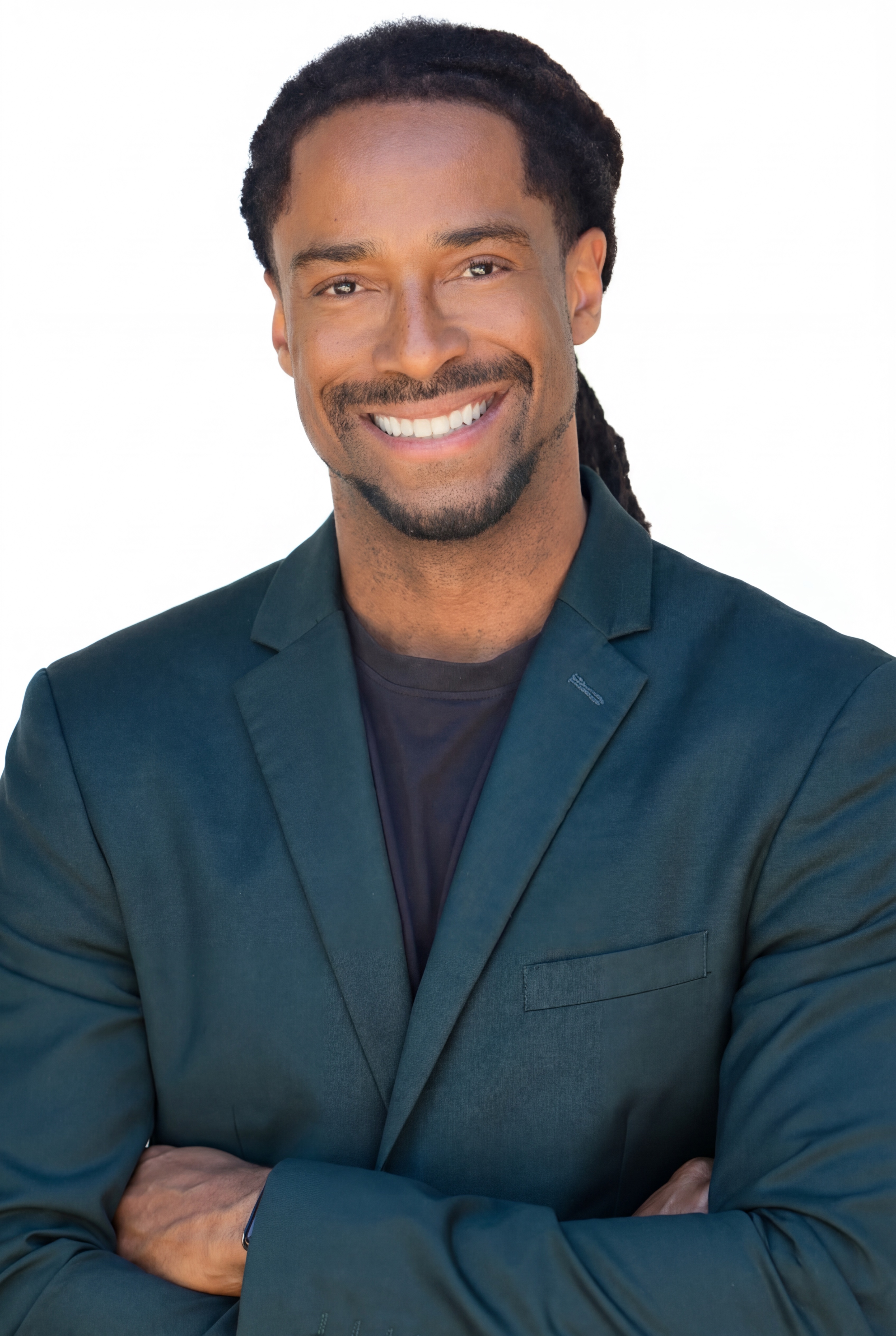
William “DJ Will Gill” Gilbert is a corporate event DJ, emcee, and engagement expert whose work supporting employee morale through virtual events was highlighted by The Wall Street Journal. He is also a Forbes Next 1000 honoree. He has designed and executed 2026-standard programming for Fortune 500 corporate events, including AT&T Business, CDW, Virgin Galactic, NeoGenomics, PepsiCo, PayPal, and the United Nations, with 2,520+ five-star Google reviews from corporate clients across the United States. He is also the founder of THEAIDJ, an AI-powered playlist generation tool built for DJs and event planners that programs music by tempo, key, and harmonic similarity rather than genre tags.
Book Will for your next 2026 corporate event at djwillgill.com/contact.