
The 9 Most Common Corporate Event Entertainment Mistakes | DJ Will Gill
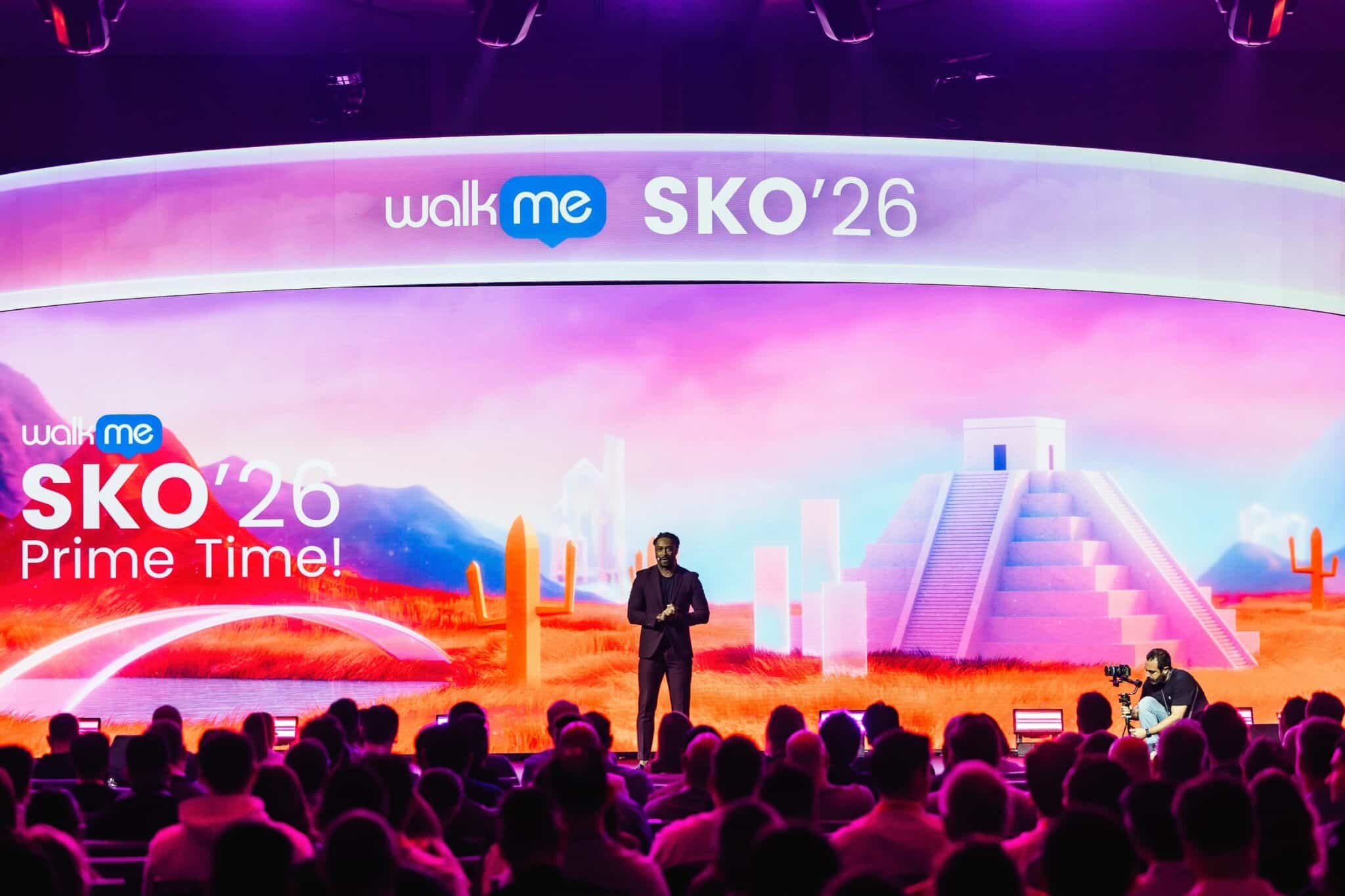
Corporate event entertainment fails in predictable ways. The same nine mistakes show up across industries, budgets, and event types. A Fortune 500 sales kickoff and a regional law firm anniversary will make most of the same errors if no one is watching for them. The mistakes are not exotic. They are not industry-specific. They are not unique to first-time planners. Experienced corporate event planners with seven-figure budgets make all nine, often at the same event. What separates the events people talk about Monday morning from the ones nobody mentions is not the budget or the venue. It is whether the entertainment was treated as a strategic infrastructure decision or as a line item to be filled.
The cost is measurable. Industry research on corporate event ROI is now direct on the scale: recent 2025 industry audits reveal that 68% of corporate gatherings fail to hit ROI targets because they fall into predictable traps, with over 5.2 million corporate gatherings globally each year falling into what is being called the “engagement gap”: a void where generic events fail to resonate. Most of those 68% failures trace back to a handful of repeated mistakes in how the entertainment was scoped, briefed, and executed. This piece walks through the 9 most common corporate event entertainment mistakes, what each one costs, and how planners can avoid them.
Want a corporate event entertainment operator who avoids every one of these mistakes by design? Contact DJ Will Gill.
Key Takeaways
- Corporate event entertainment fails in predictable ways. The same 9 mistakes appear across industries, budgets, and event types.
- 68% of corporate gatherings fail to hit ROI targets, and most of those failures trace back to entertainment scoping, briefing, and execution mistakes that were preventable.
- Entertainment is infrastructure, not decoration. Treating it as a line item to be filled produces predictable failures.
- Highlight reels are marketing. Corporate-specific experience is the actual qualifying credential.
- The fix for almost all 9 mistakes is one habit: brief the talent specifically for THIS event, not generically as a vendor task.
1. Why Entertainment Mistakes Cost More Than Other Event Mistakes
If signage is slightly off, most guests will not notice. If one appetizer is unpopular, attendees move on. If the venue lighting is dim, nobody talks about it Monday morning. Entertainment is different. It shapes the mood of the room, the energy of the program, and the memorability of the event simultaneously. Industry coverage of corporate entertainment risk frames the underlying point directly: entertainment is different from other event details because it shapes the mood of the room, affecting energy, engagement, conversation, and memorability all at once, which is why corporate event entertainment mistakes tend to be noticed quickly.
Three specific reasons entertainment mistakes outweigh other event mistakes:
- Entertainment is what attendees post about. The dance floor moment, the keynote opening, the emcee transition. These are the social-shareable moments. When they fail, the failure spreads through the post-event conversation immediately.
- Entertainment mistakes compound through the night. A bad cocktail hour primes the audience incorrectly for dinner. A bad emcee transition damages the keynote that follows. A bad DJ open kills the dance floor for the next 90 minutes. The damage is sequential, not isolated.
- Leadership notices entertainment mistakes most. Executives at the back tables are the audience least forgiving of energy gaps. Catering issues they will overlook. A dead room they will remember next year when budget conversations start.
Industry data on event stress and execution complexity reinforces the scale of what is at stake: event management ranks as the third most stressful job role, with one in four professionals finding their workload overwhelming, often because the gap between an event that merely happens and one that truly resonates depends on getting a small number of high-leverage decisions right. Entertainment is one of the highest-leverage decisions. The 9 mistakes below are the ones that recur most often.
2. Mistake #1: Treating Entertainment as a Line Item Instead of as Infrastructure
The most expensive corporate event entertainment mistake happens at the budget stage, months before the event. Planners allocate spend to venue, catering, AV, and production. Entertainment gets whatever budget is left, usually under 10 percent of the total event cost. The downstream consequence is that the entertainment hire is constrained from the start. The planner books whoever fits the leftover budget rather than whoever fits the event.
Entertainment is not decoration. It is the operating system of the event. The dance floor energy, the emcee transitions, the keynote opener, the awards stings, the cocktail hour pulse, the closing track. These are not nice-to-haves. They are the structural elements that determine whether attendees remember the event as a great night or as a forgettable corporate obligation. Treating entertainment as the variable spend (the line that flexes when other costs run over) is treating the operating system as optional.
The fix:
- Allocate entertainment budget against the event’s success metric, not against leftover dollars. If the event is supposed to drive engagement, the entertainment line should reflect that priority.
- Reserve 15 to 25 percent of the total event budget for entertainment at events where engagement is the success metric. The exact percentage varies by event type. Awards galas, sales kickoffs, and recognition programs benefit from the higher end.
- Stop comparing entertainment cost to AV cost. AV is hardware. Entertainment is craft. The pricing structures are different and the value structures are different.
When entertainment is treated as infrastructure, the booking conversation changes from “who can we afford?” to “who is right for this event?” That shift alone prevents the next six mistakes from cascading.
3. Mistake #2: Booking Entertainment Without Defining the Event’s Goal First
Many planners book entertainment before they have answered the most important strategic question about the event: what is this event actually for? Without a clear answer, every downstream entertainment decision is essentially guesswork. Industry coverage of corporate event entertainment hiring frames the missed step directly: entertainment should never be chosen in a vacuum, and before even looking at performers, planners should ask what the event is meant to do, because each goal (encouraging networking, celebrating employees, impressing clients, adding prestige to a gala, re-energizing a conference audience, driving traffic at a trade show booth) calls for a different kind of entertainment.
The same mistake at a different layer: industry coverage of why corporate events fall flat captures the audience-misalignment cost: many events look impressive on paper but fall flat because the organisers did not consider what the audience actually wants, with this common mistake leading to poor engagement, low participation, and an event that feels disconnected, particularly when planners focus only on internal ideas instead of audience needs.
The fix:
- Write the event’s primary goal in one sentence before contacting any entertainment vendor. “Celebrate the 2026 top performers in a way leadership will be proud to invite executives to” is a usable goal. “Have a great event” is not.
- Identify the success metric you will measure against. Dance floor saturation? Awards engagement? Post-event survey scores? The metric determines what kind of entertainment delivers it.
- Filter every entertainment vendor through the goal. A great DJ for a sales kickoff is not the same as a great DJ for a client appreciation gala. Same craft, different fit.
A 30-minute meeting to define the event’s goal saves 30 hours of misaligned entertainment vendor conversations later.
4. Mistake #3: Hiring Entertainment Based on Highlight Reels, Not Corporate-Specific Experience
A 90-second highlight reel is marketing material, not professional qualification. The footage shows the dance floor at peak capacity, the audience cheering, the lighting at its most impressive. None of that proves the entertainer can do the work that corporate events specifically require: tone awareness, schedule flexibility, executive-friendly delivery, and the discipline to represent a client company well in front of the people who actually pay for it.
Industry coverage of this specific mistake offers a working example: at one corporate dinner, the planner booked an act that looked fantastic on video, with energetic performances and strong-seeming reviews, but the clips were mostly from public events and casual parties, not corporate functions, and when the performance began the issue became obvious right away because the style was too loud for the room, the humor was too loose for a mixed audience of executives and clients, and the pacing did not match the elegant dinner format.
The same source captures why corporate experience matters more than general entertainment talent: a performer can be talented and still be wrong for a corporate environment, because corporate events require a specific kind of awareness where timing matters, tone matters, professionalism matters, and flexibility matters, with the performer needing to work around speeches, adjust to a delayed schedule, engage mixed groups, avoid risky humor, and represent the host company well, which is a very different skill set from performing at weddings, birthday parties, clubs, festivals, or general public events.
The fix:
- Ask for footage from corporate events specifically, not wedding receptions or club gigs. If the entertainer cannot provide it, they do not have the experience.
- Request references from corporate clients in your industry tier. Fortune 500 references are different from local SMB references.
- Ask specific questions about their corporate-event flexibility. How they handle delayed schedules. How they adjust to last-minute program changes. How they work around executive sensitivities.
The highlight reel filter is necessary but not sufficient. The corporate-specific experience filter is what actually qualifies the booking.
5. Mistake #4: Skipping the Audience-Specific Brief
Most planners brief their entertainment vendor on the run-of-show, the venue, and the budget. Few brief them on the audience itself. The result is that the DJ, emcee, or band shows up with a generic plan and figures out the room in real time. This works at low-stakes events. It fails at events where the audience composition is unusual, complex, or strategically sensitive.
A working audience brief should answer:
- Generational composition. Boomers, Gen X, Millennials, Gen Z. Approximate percentages.
- Role and department mix. Sales, engineering, finance, executive leadership. Different teams bring different default energies.
- Internal vs external mix. Employees only, clients-and-employees, prospects-and-clients. Each has different sensitivity to tone.
- Cultural composition. International team members, regional preferences, ethnic music anchors that matter.
- Industry-specific norms. A pharma audience is not a tech audience is not a finance audience. Sensitivities and dance-floor behaviors differ.
- Known sensitivities. Recent layoffs, ongoing legal matters, leadership transitions. Things the entertainment needs to know to avoid stepping on landmines.
Industry coverage of audience-format matching is direct on the underlying point: matching format to audience type matters because employees, partners, clients, or executives each need different styles of interaction, and tailoring event planning to audience profiles is what ensures the day feels relevant, engaging, and aligned with what participants truly expect. Without an audience brief, the entertainment defaults to whatever works at most events, which is rarely the best fit for any specific event.
The fix is simple: send a one-page audience brief with the contract. The 20 minutes spent writing it return hours of vendor adjustment time during the event.
6. Mistake #5: Treating the Run-of-Show as the Talent Brief
The run-of-show is a logistics document. It lists times, segments, and speakers. It is necessary. It is not a talent brief. A run-of-show tells the DJ that the dance floor opens at 9:30pm. It does not tell the DJ what kind of energy the dance floor needs at 9:30pm, what the audience will have just heard, or what success looks like at 11:00pm.
Most entertainment vendors get a run-of-show and nothing else. They are expected to infer the actual brief. The good ones can sometimes do this. The average ones cannot. The result is generic entertainment delivered against a logistics schedule, which is exactly the gap between “the event ran on time” and “the event landed.”
A working talent brief should include:
- The energy arc you want across the night. Where should peaks land? Where should breathing room exist?
- The transition logic between segments. Hard cuts? Bleeds? Specific stings? Walk-on music for keynote speakers?
- The “do not play” list. Specific tracks, themes, or topics to avoid. Recent layoffs, ongoing strikes, controversial political moments.
- The known cultural anchors. Tracks that always play at year-end, songs leadership has requested in the past, themes the company has institutional history with.
- The narrative arc of the program. What story is the event telling? How should the entertainment support that story?
- The success metric for the entertainment specifically. Full dance floor by 10pm? Executives still in the room at 11pm? Survey scores above a specific threshold?
Run-of-show plus audience brief plus talent brief is the minimum documentation for a successful corporate event entertainment hire. Most planners send the first one and skip the other two. The reliability of the outcome reflects the difference.
7. Mistake #6: Ignoring the Transitions Between Program Segments
Corporate event planners spend disproportionate attention on the major segments: the keynote, the awards, the dance floor, the cocktail hour. Then they spend almost no attention on the transitions between them. Industry research on attendee disengagement is direct on what this costs: a 2024 study by EventMB indicated that 18% of attendees disengage during poorly managed transitions, with professional moderators preventing this attrition by maintaining a crisp, energetic pace that keeps participants in their seats until the final closing remarks.
An event with 5 major segments has 4 transitions between them. Each transition is a moment where attention can drift, energy can drop, and the room can fragment into side conversations. The good professional events treat transitions as their own designed moment. The average ones treat them as logistical gaps to be filled.
Industry coverage of professional event timing supports this with a specific framework: professional planners build in “Buffer Beats” by allowing 15-minute transition windows between major segments to account for human lag, which prevents the most common timing failures and gives the entertainment and AV teams space to manage the handoff rather than scrambling.
The fix:
- Plan each transition explicitly. What music plays during it? Who covers the mic? What does the audience see and hear during the handoff?
- Build buffer time into the run-of-show. 5 to 15 minutes between major segments. Without it, every minor delay cascades.
- Coordinate the entertainment, AV, and emcee on the transition specifically. Who triggers which cue? What is the fallback if something goes wrong?
- Treat transitions as their own segments. The best emcees and DJs lift the energy through transitions rather than letting them dip.
Events that handle transitions well feel cohesive. Events that ignore them feel like a series of disconnected segments. The audience cannot articulate the difference, but they feel it.
8. Mistake #7: Asking the Keynote Speaker to Double as the Emcee
A keynote speaker is hired for content depth. An emcee is hired for room operations. The two skill sets overlap but are not the same. Most senior keynote speakers are not natural emcees, and most professional emcees are not natural keynote thought leaders. Asking one person to do both at the same event almost always compromises one of the two functions.
The cost of the dual role:
- The keynote is diluted. A keynote speaker who is also running the program cannot fully commit to the content moment because they are simultaneously running logistics.
- The emcee function is amateur. A keynote speaker without emcee training will not have transition craft, mic recovery moves, or audience-reading instincts in real time.
- The transitions collapse. The most common moment for a dual-role keynote-emcee to lose the room is in the transition between their own keynote and the next segment.
- The speaker’s value drops. A high-fee keynote speaker who is also running the awards is not delivering keynote-level value during the awards segment. The hourly economics are wrong for both functions.
Industry coverage of professional emcee value frames the underlying principle: securing a world-class keynote speaker often requires a significant financial commitment, but without a professional emcee to frame the presentation, that investment risks losing its potency, with an elite host ensuring high-fee talent lands perfectly by preparing the room, setting the emotional temperature, and bridging the gap between the speaker’s expertise and the organization’s specific goals.
The fix:
- Hire a dedicated emcee separately from the keynote speaker. Two different roles. Two different skill sets.
- Let the keynote speaker focus on the keynote. Their value lives in the content moment. Logistics dilute it.
- Brief the emcee on how to set up the keynote without stepping on it. The emcee’s job is to make the keynote land harder, not to compete with it.
The keynote-and-emcee separation is almost always worth the additional spend. It protects the keynote investment that was usually already the largest line item in the entertainment budget.
9. Mistake #8: No Tech Redundancy for Critical Entertainment Infrastructure
At a corporate event, the entertainment is supported by a chain of technical systems: laptops, audio interfaces, mixers, microphones, speakers, streaming encoders, lighting controllers. Every link in that chain is a potential point of failure. A single failed component can take down the entire entertainment program in real time.
Most planners assume the AV vendor handles redundancy. Most AV vendors assume the planner has specified redundancy in the scope. Neither is always true. The result is corporate events with single-point-of-failure tech stacks that work great until the moment they do not.
Industry coverage of professional event AV redundancy makes the underlying expectation explicit: comprehensive contingency planning is essential, requiring backup systems for internet connectivity (such as redundant connections from different providers or 4G/5G hotspots), power (UPS systems for critical equipment), and key production equipment (spare cameras, microphones, and computers), with specific response protocols for common failure scenarios and a “failure mode” rehearsal where teams intentionally test their response to simulated technical issues.
Where redundancy matters most for entertainment:
- The DJ’s playback laptop. Backup laptop with mirrored show file, powered on, pre-cued.
- The wireless mic system. Backup handheld and lavalier mics within arm’s reach.
- Audio interface and mixer. Spare audio interface tested and standby. Critical for both in-room and stream feeds.
- Power. UPS battery backup on the entire entertainment rig. A 30-second power glitch should not take the room silent.
- Streaming encoder (for hybrid events). Backup encoder and secondary streaming endpoint.
- Pre-staged sting library on a separate device. Walk-on music, awards stings, and transition beds available even if the main rig fails.
The planner question to ask before signing the AV contract: “What is our recovery time if the DJ’s primary laptop fails mid-event?” A pro AV team answers in seconds. A pretender answers with a story about backups being “in the truck.”
10. Mistake #9: Skipping the Pre-Event Rehearsal With the Entertainment Team
The final common mistake is treating the load-in as the rehearsal. The entertainment vendor arrives, sets up the gear, does a quick sound check, and the program begins. There is no walk-through of the transitions, no coordination with the AV team, no run of the stings, no rehearsal of the walk-on music for keynote speakers. The first time anyone has run through the actual event flow is the event itself.
Industry coverage of professional entertainment hiring practice is direct on the cost of skipping this step: to save time and money, some conference organizers will forgo a rehearsal or sound check, which could be a big mistake, since just like the rest of the production members rehearse, planners need to request that their entertainers do as well, particularly to avoid technical issues.
A working pre-event rehearsal should cover:
- Sound check across all entertainment elements. DJ rig, microphones, walk-on music, awards stings, presentation audio.
- Run of major transitions. The handoff from cocktail to dinner, from dinner to awards, from awards to dance floor.
- Run of any planned audience-engagement moments. If the emcee is running games, polls, or audience activities, walk through them.
- Failure-mode walk-through. What happens if the mic fails during the keynote? What if the DJ laptop crashes? Specific recovery protocols, briefly rehearsed.
- Coordination across all entertainment vendors. DJ, emcee, AV, lighting, video. Everyone in the same room running through the show together.
A 60 to 90 minute pre-event rehearsal usually prevents 5 to 10 small problems from compounding into one big problem during the event. The planners who skip this step are usually the same planners who spend the actual event putting out small fires that could have been prevented.
Corporate event entertainment fails in predictable ways. The 9 mistakes above account for the majority of preventable failures. None of them require larger budgets to fix. Most of them require 30 minutes of intentional planning per mistake. The 4.5 hours of total planning effort spent avoiding these 9 mistakes is the single highest-leverage time a planner can spend on a corporate event.
The underlying pattern across all 9 mistakes is the same: treat entertainment as a strategic infrastructure decision, not as a vendor task to be filled. Brief specifically for THIS event, not generically. Vet for corporate-specific experience, not general entertainment talent. Build redundancy, rehearse the transitions, and protect the keynote investment with proper emcee support. Get those right and the entertainment lands. Skip them and the event ends up in the 68% of corporate gatherings that miss their ROI targets.
What Corporate Clients Are Saying

About the Author
William “DJ Will Gill” Gilbert is a corporate event DJ, emcee, and audience-engagement professional featured by The Wall Street Journal for helping virtual events support employee morale. He is also a Forbes Next 1000 honoree. He has worked corporate events for Fortune 500 clients including AT&T Business, CDW, Virgin Galactic, NeoGenomics, PepsiCo, PayPal, and the United Nations, with 2,520+ five-star Google reviews from corporate clients across the United States. He is also the founder of THEAIDJ, an AI-powered playlist generation tool built for DJs and event planners.
Book Will for your next corporate event at djwillgill.com/contact.