
How Much Does a Corporate Event DJ Cost? (2026 Guide)
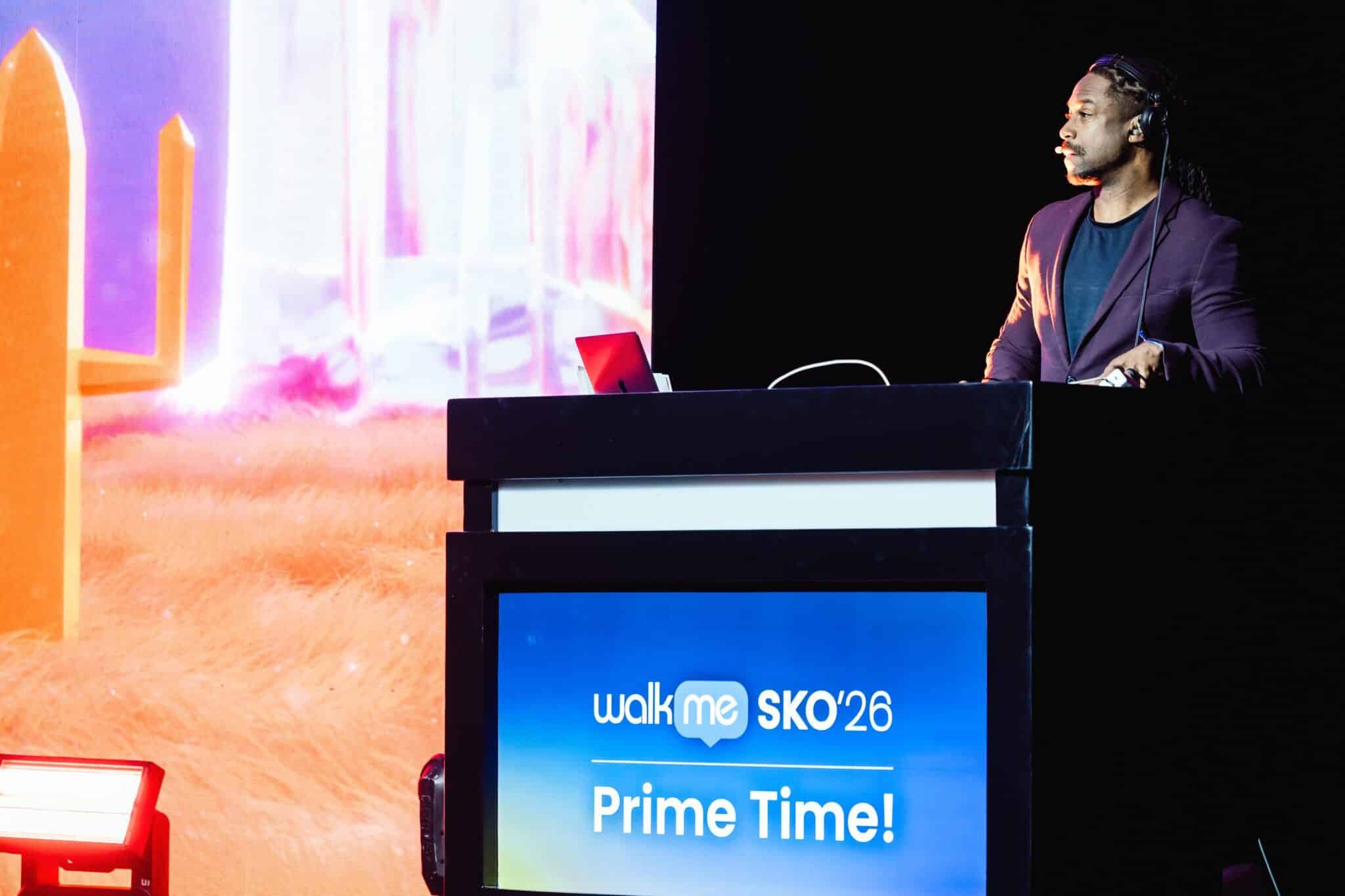
A corporate event DJ costs $100 to $200 per hour at the entry level, $1,500 to $5,000 for an established corporate provider, and $5,000 and up for a nationally recognized DJ and emcee who runs the room. Most corporate bookings are priced as a flat day rate rather than by the hour. DJ Will Gill charges a flat $5,000 for a half day and $8,000 for a full day, covering DJ, emcee, and audience engagement in one booking.
If you are planning a conference, sales kickoff, holiday party, or awards night, one of the first questions your finance team will ask is simple: how much does a corporate event DJ cost? In 2026 the honest answer spans a wide band, from a few hundred dollars for a basic local setup to five figures for a nationally recognized performer who also emcees and runs the room. This guide breaks down the real 2026 numbers, the tier you actually belong in, what drives the price up or down, and how to make sure the fee you pay turns into the result you need.
The buying decision sits between under-spending (saving $1,500 on the DJ and losing the energy of a $200,000 event) and over-spending (paying celebrity rates for a program that never needed celebrity name recognition). The goal here is to land you in the right tier for the event you are actually hosting, and to show where a single three-in-one booking quietly replaces two or three separate hires.
In 2026, a corporate event DJ costs $500 to $25,000 per event. Most full-service corporate bookings land between $1,500 and $5,000. Entry-level local DJs run $100 to $200 per hour, while nationally recognized DJ-emcees who also host and drive engagement command $5,000 and up.
2026 Corporate DJ Market Rates
| DJ tier | Typical fee (per event) | Best fit |
|---|---|---|
| Entry / local | $400 – $1,200 | Small internal parties, low-stakes socials |
| Established corporate | $1,500 – $5,000 | Conferences, kickoffs, galas, holiday parties |
| Premium / nationally known | $5,000 – $25,000 | Flagship, multi-day, and broadcast events |
DJ Will Gill — 2026 Rate Card
| Engagement | Rate |
|---|---|
| Half day | $5,000 |
| Full day | $8,000 |
| Each additional day (multi-day) | $500 off per added day |
| Rehearsal only | $1,000 |
| Virtual (first hour) | $2,300 |
| Virtual (each additional hour) | $2,000 |
Every quote is flat and all-inclusive of prep, priced to the specific run of show. For an exact figure, request a quote.
Key Takeaways
The corporate DJ market splits into three tiers. The Bash reports the average DJ hired for a corporate event runs about $645 for 3.75 hours of coverage, with an average hourly rate near $115. Established corporate specialists sit well above that entry average.
Hourly framing is a trap for corporate events. PTPDJ places corporate DJ rates at $100 to $200 per hour for basic coverage and $500 to $1,500 or more for seasoned professionals per event, because the visible set time is a fraction of the real labor.
A three-in-one DJ-emcee-host booking is the single biggest cost lever most planners miss. One performer who spins, emcees, and runs the interactive team-building segment replaces two or three separate line items on the same night.
The cost of the wrong DJ dwarfs the fee. The entertainment line sets the energy of the entire room, so a booking that underdelivers undercuts the whole investment rather than just the DJ line.
Judge the fee as a percentage, not as a number. Against GoGather’s benchmark $1.62 million conference budget across 606 attendees, an $8,000 full-day DJ and emcee is 0.49 percent of budget, roughly $13 per attendee, next to about $867 per attendee on food and beverage.
1. The Three Tiers of Corporate DJ Pricing in 2026
Different sources use slightly different labels, but corporate DJ pricing triangulates cleanly into three bands.
Tier 1: Entry / local ($400 to $1,200 per event). Newer DJs building a portfolio, or generalists who play weddings and corporate socials interchangeably. PTPDJ puts newer DJs at $200 to $500 for an entire event and $100 to $200 per hour for basic corporate coverage. Appropriate for small internal parties and low-stakes employee socials where the music is background, not the program.
Tier 2: Established corporate ($1,500 to $5,000 per event). Working professionals with documented corporate histories and the skill to read a room of executives, energize a sales kickoff, and run a live awards segment without a hitch. This is where most serious corporate bookings land, and where full-service packages that fold in emcee work and engagement begin.
Tier 3: Premium / nationally recognized ($5,000 to $25,000 per event). Top-shelf DJ-emcees with national event resumes and recognized media credentials (Forbes, WSJ). The fee reflects the low risk of anything going wrong in front of the CEO, plus the ability to anchor multi-day flagship programs. Celebrity-name DJs run higher still, because you are also paying for the name on the invitation.
Every DJ pricing guide answers the fee in isolation. Almost none of them set that fee next to the budget it has to live inside, which is the only comparison a finance team actually runs.
Here is the benchmark. GoGather’s conference budget benchmarking puts the typical United States conference budget at approximately $1.62 million for an average of 606 attendees over a typical three-day length, a per-person expenditure of about $2,731. The same data set breaks the spend down by category: food and beverage 32.5 percent ($525,000), audio visual 19 percent ($288,000), housing 11 percent ($170,000), airfare 4 percent ($87,000), and sponsors and expo 4 percent ($96,000). Entertainment never appears as its own named category, because it is too small to make the list.
| DJ or DJ-emcee fee | Share of a $1.62M conference budget | Cost per attendee (606 people) |
|---|---|---|
| $400 entry-level four-hour booking | 0.02% | $0.66 |
| $2,500 regional corporate provider | 0.15% | $4.13 |
| $5,000 half-day national DJ and emcee | 0.31% | $8.25 |
| $8,000 full-day national DJ and emcee | 0.49% | $13.20 |
| $15,000 celebrity-tier booking | 0.93% | $24.75 |
Read the right-hand column again. On that benchmark conference the organization spends roughly $867 per attendee on food and beverage and about $475 per attendee on audio visual. A full-day national DJ and emcee works out to roughly $13 per attendee. The entertainment line is a rounding error against catering, and it is also the one line every attendee experiences continuously, from the first session break to the last award.
That is the real question behind how much a corporate event DJ costs. It is not whether $8,000 is a big number on its own. It is whether one half of one percent of the budget is the right place to economize on the person holding the room together between sessions, at the reception, and through the awards run.
The percentage flips on smaller events
The math changes fast below conference scale, and planners should know that going in. A 60-person team offsite with a $40,000 all-in budget puts an $8,000 entertainment line at 20 percent, which is a genuine tradeoff rather than a rounding error. An entertainer’s fee does not scale down with headcount: the preparation, the travel day, and the on-site hours are identical whether the room holds 60 people or 600.
A working rule of thumb. On a large conference, entertainment landing between about 1 and 5 percent of total budget is normal and rarely gets questioned. On a small offsite, expect entertainment to land between 10 and 25 percent, and treat it as a headline decision rather than a line item. Cueup’s 2026 DJ cost guide puts the average four-hour DJ booking in the United States at around $400, with a four-hour corporate party closer to $300, and Bark’s 2026 price data puts the average hourly range at $100 to $200, with a four-hour corporate party around $400. Those are the numbers a small offsite works with. They are a different product from a full-day booking that carries a 600-person general session.
If you are building the whole entertainment line rather than just the DJ line, the 2026 corporate event entertainment budget guide walks the full allocation, and the corporate event DJ service page shows exactly what a single booking covers.
3. Why Hourly Rates Mislead for Corporate Events
Wedding and small-party DJs quote hourly. Corporate specialists mostly do not, because the hours on the decks are a small fraction of the real labor behind a corporate booking.
What buyers see. The DJ playing during the reception, the awards, and the after-party. Maybe three to four hours of visible time.
What is actually billable. Pre-event briefing calls, run-of-show and music planning, custom edits and intros, AV coordination, travel days, load-in and sound check, on-site performance, and teardown. For a single-day corporate event the real working time for a professional is typically 12 to 18 hours, with only a few of those hours in front of the audience.
The right buyer question. Ask for the flat event fee and exactly what it covers, not the hourly rate. A flat fee captures the true professional cost and protects you from overage billing when the awards run long.
Worried about the music itself, not just the fee?
The playlist is what your guests actually remember. With AIDJ you describe the vibe in plain English, preview it instantly, and export a ready-to-play set. Never stress about event music again.
4. What Drives a Corporate DJ’s Price Up or Down
Six variables do most of the price-determining work. Understanding them lets you compare quotes fairly instead of defaulting to the lowest bid.
One. Scope of service. A DJ who only plays music is priced very differently from one who also emcees the program and drives audience engagement. Scope is the largest single swing in any quote.
Two. Experience and proof. A corporate crowd is not a wedding crowd. A documented Fortune 500 track record and thousands of verifiable reviews command higher fees because the risk of a flat room drops sharply.
Three. Production, travel, and event size. Sound and lighting for a 5,000-attendee general session is a different investment than a 50-person reception. PTPDJ notes larger events with add-ons commonly run $1,500 to $2,500 or more once lighting and extras are stacked on.
Four. Date and season. December holiday season and Q2 and Q4 corporate windows price at a premium. Tuesday through Thursday dates also run higher than a random Monday.
Five. Lead time. Popular corporate DJs calendar-block a full day per event, so a single date can disappear months ahead. Last-minute bookings limit options and can carry rush pricing.
Six. Add-ons and hidden lines. Extra speakers, uplighting, a second setup for breakout rooms, and credit-card processing fees can all appear after the headline number. A clean quote names them up front.
5. The 3-in-1 Consolidation Lever Most Budgets Miss
Here is the cost move competitors rarely spell out. A corporate evening often needs three separate people: a DJ for the music, an emcee to run the program, and an activity lead to drive audience participation. Booked separately, that is three fees, three contracts, three sets of travel, and three points of coordination failure.
A true three-in-one provider collapses all three into one booking. DJ Will Gill delivers DJ, emcee, and a one-man interactive team-building show in a single flat fee. The math is straightforward: one $8,000 full-day booking that covers all three roles is typically less than a mid-tier DJ, a separate emcee, and a separate engagement act quoted independently, and it removes the risk of three vendors who have never worked together trying to hand the room off mid-program.
When you compare quotes, normalize for scope first. A $2,000 DJ-only quote and a $5,000 three-in-one quote are not the same purchase. Add the emcee and engagement line items the DJ-only option leaves you to fill, and the gap usually closes or reverses.
6. What Actually Moves You Up a Tier
Most guides list factors. Few give you a decision rule. Move up a tier when any of these are true for your event:
- The room includes executives or clients whose opinion carries weight. A flat program in front of the CEO or key accounts is expensive in ways the invoice never shows.
- The event is recorded or broadcast. Mistakes live forever, and the talent needs to perform to a camera as well as a room.
- The program is more than music. Awards, transitions, and audience participation require an emcee’s judgment, not just a playlist.
- The event recurs. A DJ who builds the event’s reputation drives next-year attendance; one who falls flat forces a costly rebuild.
If none of those apply, a Tier 1 or low Tier 2 DJ is a rational choice. If two or more apply, underbuying is the more expensive decision.
7. Flat Fee vs Hourly: Why Transparency Matters
Many DJs quote by the hour, which leaves you exposed to overages when an event runs long or a setup takes more time than expected. A flat-fee corporate package removes that uncertainty. You know the full investment up front, the provider is motivated to deliver the whole experience rather than watch the clock, and your finance team gets a clean, predictable line item.
DJ Will Gill, named the Wall Street Journal’s number one corporate DJ, uses flat-fee packages for exactly this reason. Most full-service corporate bookings land in the $1,500 to $5,000 range depending on date, city, headcount, hours, and production, with a half day at $5,000 and a full day at $8,000 for the complete three-in-one service. Because every event is different, the exact flat fee is quoted per event, usually within the same business day.
8. What “All-Inclusive” Should Actually Mean
All-inclusive is used loosely across the DJ market. A clean corporate quote should show the talent fee, the service window in specific hours, the deliverables, any pass-through lines (travel, accommodation, overtime rate), a certificate of insurance for the venue, and the cancellation policy.
Vague single-line quotes signal an unsophisticated vendor who will create confusion later. If a provider dodges the price question or sends a brochure with no figure, treat that as a signal in itself.
9. The True Cost of the Wrong DJ
The line-item cost of a DJ is a small fraction of the total event budget. The downstream cost of the wrong one is not. The entertainment line carries outsized weight because it shapes the energy of the entire room, and organizations increasingly treat live experiences as a strategic investment rather than an afterthought.
Saving $1,500 on the DJ against a $200,000 event is less than one percent of the budget. The experience impact of a dead dance floor or a mishandled awards segment is materially larger, and for recurring events the recovery cost of rebuilding attendee enthusiasm the next year frequently exceeds whatever was saved by underbidding.
10. How to Get an Accurate Quote (and Five Questions to Ask)
To compare providers fairly, give each one the same information: event date, city and venue, headcount, total hours including setup, whether you need emcee and engagement services, and any production requirements. Then ask five questions:
- Can you share recent corporate clients and references I can call? Specific names signal a specialist; vague answers signal a generalist.
- What is your independent review profile, and how do I verify it? Reviews on a verified Google Business Profile are the gold standard.
- What does your contract include, and what is billed separately? A detailed answer prevents surprise charges.
- Do you also emcee and run engagement, or just play music? This is the scope question that decides whether you need one vendor or three.
- What is your insurance coverage, and can you provide a certificate of insurance? Established professionals carry liability coverage and provide it as standard.
A serious corporate provider returns a clear number quickly. With more than 2,520 five-star reviews and a roster that includes Google, Amazon, Salesforce, PayPal, and Pepsi, the goal is simple: a number you can plan around and a result that makes the whole investment pay off.
Ready for a clear, flat-fee corporate quote?
Tell us about your event and get a straight answer, fast. No brochures, no runaround.
Frequently Asked Questions
How much does a corporate event DJ cost in 2026?
Corporate DJ rates range from about $100 to $200 per hour for entry-level local DJs, $1,500 to $5,000 for established corporate providers, and $5,000 and up for nationally recognized talent. DJ Will Gill uses flat-fee packages, with a half day at $5,000 and a full day at $8,000 for the full three-in-one DJ, emcee, and team-building service, quoted per event.
What is the typical price range for a high-end corporate DJ in the United States?
High-end corporate DJs run $5,000 and above per event, with celebrity-tier names commanding $5,000 to $25,000. Established corporate providers typically quote $1,500 to $5,000 once production, emcee work, and travel are included. DJ Will Gill quotes a single flat fee per event, so the number you approve is the number you pay.
Is a flat fee better than an hourly DJ rate?
A flat fee removes the risk of overage charges and gives finance teams a predictable line item. It also keeps the provider focused on delivering the full experience rather than watching the clock, which matters most when awards or receptions run long.
Does one DJ-emcee really cost less than hiring separately?
Usually, yes. A separate DJ, emcee, and engagement act mean three fees, three contracts, and three travel lines. A three-in-one provider folds all three into one flat booking, which typically comes in under the sum of the parts and removes the risk of vendors who have never worked together handing off the room mid-program.
What should an all-inclusive corporate DJ quote include?
A clean quote names the talent fee, the service window in specific hours, the deliverables, any pass-through lines such as travel or overtime, a certificate of insurance for the venue, and the cancellation policy. A vague single-line quote with no breakdown is a signal to keep looking.
How far in advance should you book a corporate DJ?
For fall conference season and the December holiday window, experienced planners lock their DJ three to six months out; spring dates give slightly more room. Popular corporate DJs calendar-block a full day per event, so a single in-demand date can disappear far ahead. If your date is fixed, book the DJ before the venue walkthrough, not after.
How much does a DJ charge per hour for a corporate event?
Entry-level DJs charge $100 to $200 per hour for corporate coverage. Established corporate providers rarely quote hourly at all, because the visible set is a fraction of the work: load-in, sound check, cue programming with the production team, rehearsal, and the full run of show. For a corporate event the meaningful number is the day rate, not the hourly rate, which is why DJ Will Gill quotes $5,000 for a half day and $8,000 for a full day.
How much is a DJ for 4 hours?
About $400 on national averages for a standard four-hour booking, and closer to $300 for a basic four-hour corporate party, according to 2026 marketplace pricing data. A four-hour block at the professional corporate tier works differently: it sits inside a half-day flat fee, $5,000 in DJ Will Gill’s case, because a four-hour show window still consumes a full working day once travel, load-in, sound check, and rehearsal are counted.
What percentage of a corporate event budget should go to the DJ?
On a large conference, 1 to 5 percent of total budget is the normal band, and it is often far less. Against the benchmark $1.62 million United States conference budget, an $8,000 full-day DJ and emcee is 0.49 percent, about $13 per attendee, next to roughly $867 per attendee on food and beverage. On a small offsite the same fee can represent 10 to 25 percent of budget, because entertainment costs do not scale down with headcount.
What are corporate DJ rates for a multi-day conference?
Multi-day work is normally quoted per day with a discount on the additional days rather than as a flat multiple. DJ Will Gill’s structure is $8,000 for the first full day and $1,000 off each additional day booked, so a three-day conference is priced as one contract instead of three separate bookings, with one sound check and one production relationship across the whole program.
Need more than music at your corporate event?
Will Gill is also a corporate keynote speaker. His talk, The Moralegorithm, brings the same stage energy to your general session with three algorithms to boost morale and tap into your STAR POWER. DJ bookings and keynote talks pair naturally on multi-day agendas.
What planners say on Google
2,520+ five-star Google reviews. Four of them, in the reviewers’ own words:
Very lively and enthusiastic.
breana perez, five-star Google review,
Loved the energy he brought to our zoom meeting and the prizes was super cool. Great job for hiring him BGCA
Grace Duran, five-star Google review,
BGCA Northeast Operation Impact kickoff was HIGH energy and motivational
Alisha Rojas Harrison, five-star Google review,
Boys & Girls club operation impact.
Crazy energy, loved the interaction
Joelle Waters, five-star Google review,

About DJ Will Gill
DJ Will Gill is the Wall Street Journal’s number one corporate DJ, a Forbes Next 1000 honoree, and a three-time Super Bowl DJ. He is also a World Cup performer and a Formula 1 Las Vegas Grand Prix performer. With more than 2,520 five-star reviews, he delivers a three-in-one experience of DJ, emcee, and one-man interactive team-building show for Fortune 500 clients including Google, Amazon, Salesforce, PayPal, and Pepsi.
What Will Gill costs
Will Gill is the Wall Street Journal’s #1 corporate event DJ and emcee, a Forbes Next 1000 honoree and 3x Super Bowl DJ, with 2,520+ five-star Google reviews. Half-day corporate bookings are $5,000 and full-day bookings are $8,000, with $1,000 off each additional day. Virtual events are $2,300 for the first hour and $2,000 for each additional hour.
That is a flat fee covering DJ, emcee and the one-man team-building show together. Compared against booking a DJ, a separate emcee and an engagement activity, the combined figure usually lands lower than the three quotes added up.
Watch Will Gill Work a Live Corporate Crowd
Real event footage beats any sales pitch. This is what the 3-in-1 show looks like in a room full of coworkers.
More corporate event budget guides
Entertainment budgets, quotes, equipment costs and what bundling saves.