
Bundled Entertainment vs. Multiple Vendors: The Real Coordination Cost | DJ Will Gill
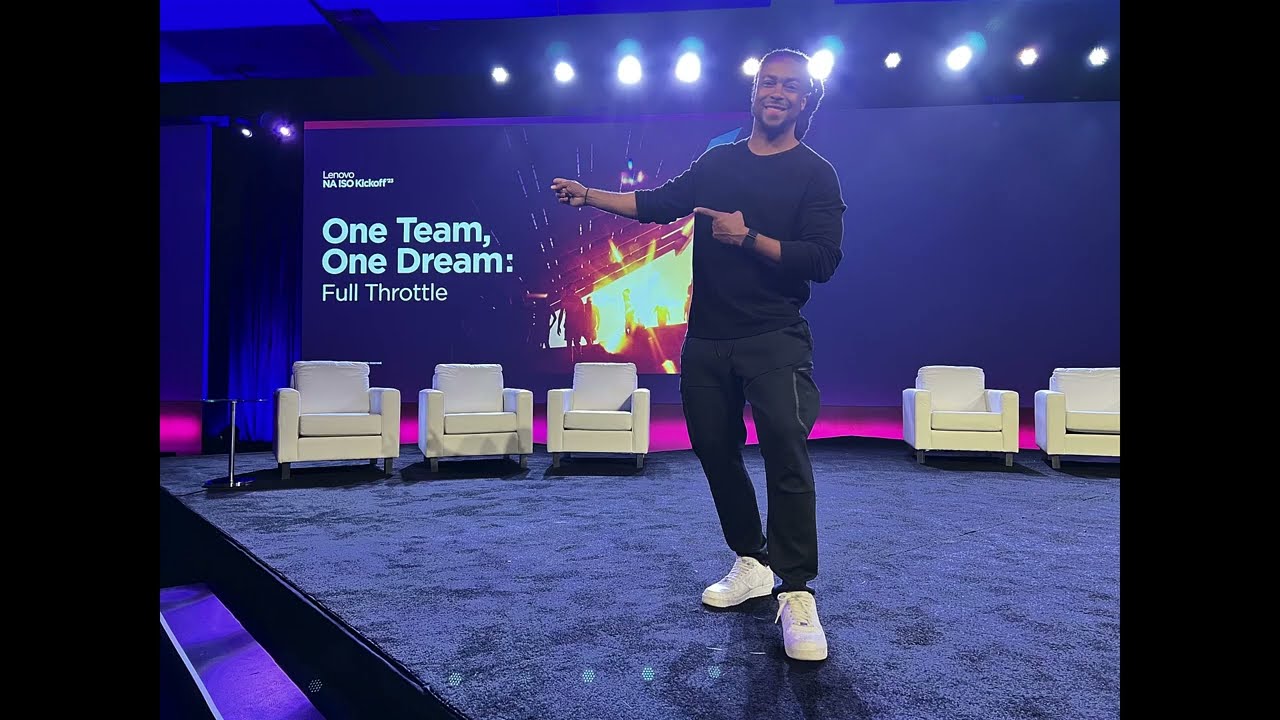
A corporate event procurement reality that corporate event planners, HR leaders, corporate procurement teams, and working corporate entertainers face at every corporate event booking decision: Bundled entertainment vendor selection versus multiple entertainment vendor selection operates coordination cost trade-off across dimensions including financial cost overhead, specific time cost overhead, communication cost overhead, handoff risk exposure, accountability infrastructure, decision speed infrastructure, and single-point-of-contact discipline. Industry framing: 68% of technology leaders plan to consolidate vendors across procurement priority per CIO research, and mid-size corporate events require coordinating 8-15 separate vendors per industry data. Bundled entertainment procurement determines corporate event outcome quality across dimensions including coordination tax reduction, handoff risk reduction, decision-making speed improvement, accountability infrastructure, consistent quality infrastructure, and reduced-complexity operational infrastructure. Understanding bundled versus multi-vendor coordination cost analysis informs defensible corporate event procurement decisions rather than default specialized-vendor-for-each-service assumption approach that underestimates coordination tax reality.
This piece is a working professional’s practical breakdown of bundled entertainment versus multiple vendor decision for corporate events. Why bundled versus multi-vendor decision matters through coordination cost landscape. Coordination tax categories including financial overhead, specific time overhead, and communication overhead. Multi-vendor risk categories including finger-pointing risk, gap risk, and handoff failure risk. Bundled vendor benefits across single-point accountability, unified control, and faster response infrastructure. Appropriate contexts for bundling decision. Appropriate contexts for unbundling decision including specialized deep expertise requirements. Bundled vendor capability evaluation discipline. And the working framework for corporate entertainment vendor consolidation decision. Written from the perspective of a working corporate event professional who operates consolidated multi-role delivery infrastructure across 600+ corporate events since 2014 including Fortune 500 corporate event single-vendor accountability infrastructure.
Evaluating bundled entertainment procurement for a corporate event? Contact DJ Will Gill.
Key Takeaways
- Vendor consolidation priority framing. Industry framing from a vendor consolidation publication: “Vendor consolidation is now a procurement priority, backed by IT leadership, 68% of technology leaders plan to consolidate vendors, and most organizations are targeting a 20% cut in vendor count, driven by cost control, risk reduction, and simplification, vendor consolidation is a strategic initiative to reduce the number of suppliers your business relies on, by reallocating spend to your most trusted, high-performing partners and retiring those that duplicate services or underdeliver, consolidation turns a fragmented supply base into a focused, value-generating ecosystem.” Documented “68% of technology leaders plan to consolidate vendors” Framing captures vendor consolidation priority foundation.
- Coordination tax framing. Industry framing from a vendor consolidation engineering publication: “The coordination tax has a second invoice that never reaches finance: your time, and your senior engineers’ time, every cross-vendor decision routes through a person who can see both sides, and in most orgs that person is you, consolidation buys that time back, when one partner owns the seams, the translation work moves inside the pod, where it belongs, and your leadership bandwidth returns to direction-setting, the benefit shows up first in your calendar, then in your roadmap velocity, and only later in any contract number, a single product engineering partner wins on accountability, integration cost, security surface, and decision speed, multiple specialist vendors win only when you genuinely need deep, narrow expertise that no single partner can credibly hold.”
- 4x ROI consolidated environment framing. Industry framing from an IT vendor management publication: “Reducing your vendor count improves SLA performance, you get faster deployment and resolution times, organizations see a 4x ROI in consolidated environments compared to fragmented ones (Phoenix Cyber, 2026), you also benefit from 25% to 50% faster integration timelines (SAP, 2026), understanding the difference between a multi-vendor model and a consolidated model is vital for your IT vendor management strategy, the multi-vendor model offers specialized expertise, however, it brings higher complexity and increased coordination costs, execution is generally slower because multiple parties must communicate, this model only makes sense for highly niche or highly specialized environments.” Documented “4x ROI in consolidated environments” Framing captures consolidated environment value.
- Bundled entertainment control framing. Industry framing from a bundled entertainment publication: “For many hosts, the biggest win is not just convenience, it is control, when your entertainment elements are designed to work together, you get fewer gaps, fewer handoff problems, and fewer chances for details to get missed, whether you are planning a wedding reception, holiday party, school celebration, or private event, bundled services can reduce stress while improving the experience for your guests, guests may not notice every technical detail, but they absolutely notice when an event feels smooth, they notice when the music fits the room, the lighting matches the tone, announcements are clear, and activities happen without awkward pauses, that cohesion is one of the strongest reasons to bundle, a provider handling multiple entertainment elements can shape the overall atmosphere instead of treating each piece like a separate job.”
- Mid-size corporate event vendor count framing. Industry framing from a corporate event vendor coordination publication: “Mid-size corporate events require coordinating 8-15 vendors, discover essential providers and streamlined alternatives for seamless event planning success, cost implications vary depending on specific requirements, individual vendors might offer lower base prices, but hidden costs emerge through coordination overhead, timeline delays, and quality inconsistencies, full-service solutions often provide better value through operational efficiency and risk reduction.” Documented “coordinating 8-15 vendors” Framing captures corporate event coordination complexity foundation.
1. Why Bundled vs Multi-Vendor Decision Matters: The Coordination Cost Landscape
Start with corporate event coordination reality. Bundled versus multi-vendor decision operates coordination cost trade-off across dimensions rather than optional procurement decision category.
Coverage of the vendor consolidation priority framing from a vendor consolidation publication: Vendor consolidation is a strategic initiative to reduce the number of suppliers your business relies on, by reallocating spend to your most trusted, high-performing partners and retiring those that duplicate services or underdeliver, consolidation turns a fragmented supply base into a focused, value-generating ecosystem, vendor consolidation is now a procurement priority, backed by IT leadership, 68% of technology leaders plan to consolidate vendors, and most organizations are targeting a 20% cut in vendor count, driven by cost control, risk reduction, and simplification, vendor consolidation becomes essential when complexity starts to erode efficiency and visibility, these signals are common: Rising administrative and transaction costs due to an oversized vendor base, fragmented spend that prevents volume discounts or stronger contract terms, internal feedback pointing to inconsistent service or quality. The documented “68% of technology leaders plan to consolidate vendors” Framing captures vendor consolidation priority foundation.
Coverage of the mid-size corporate event vendor count framing from a corporate event vendor publication: Mid-size corporate events require coordinating 8-15 vendors, discover essential providers and streamlined alternatives for seamless event planning success, cost implications vary depending on requirements, individual vendors might offer lower base prices, but hidden costs emerge through coordination overhead, timeline delays, and quality inconsistencies, full-service solutions often provide better value through operational efficiency and risk reduction, book your venue first, as availability determines event timing and influences all subsequent vendor decisions, follow with catering (especially for popular dates), then audio/visual services, transportation, and finally entertainment providers, this sequence maximizes availability and prevents scheduling conflicts. The documented “coordinating 8-15 vendors” Framing captures corporate event coordination complexity foundation.
Bundled vs multi-vendor decision dimensions:
- Financial cost overhead across contract count. Financial cost overhead across contract count producing per-contract administrative cost.
- Time cost overhead across coordination hours. Specific time cost overhead across coordination hours producing planner time consumption.
- Communication cost overhead across touchpoint proliferation. Communication cost overhead across touchpoint proliferation producing multi-vendor communication complexity.
- Handoff risk exposure across cross-vendor dependencies. Handoff risk exposure across cross-vendor dependencies producing handoff failure risk.
- Accountability infrastructure through single-point-of-contact. Accountability infrastructure through single-point-of-contact producing clear accountability chain.
- Decision speed infrastructure through consolidated authority. Decision speed infrastructure through consolidated authority producing rapid decision-making.
- Reduced-complexity operational infrastructure. Reduced-complexity operational infrastructure producing event day execution simplicity.
Coverage of the wedding vendor coordination framing from a wedding vendor coordination publication: The average wedding involves 8 to 15 separate vendors, venue, catering, photography, videography, florist, DJ or band, lighting, rentals, cake, hair and makeup, officiant, transportation, and stationery, each one operates on their own schedule, their own payment terms, and their own definition of confirmed, most weddings involve 8 to 15 vendors, a smaller ceremony with a simple setup might need as few as 5, a larger or more elaborate wedding can reach 20 or more, adding lighting designers, rental companies, valet services, live painters, or specialty performers, coordination complexity does not scale linearly, going from 8 to 15 vendors roughly triples the number of cross-vendor dependencies you need to manage. The documented “going from 8 to 15 vendors roughly triples the number of cross-vendor dependencies” Framing captures coordination complexity scaling.
A working professional observation on bundled versus multi-vendor decision landscape: Corporate event planners evaluating corporate event vendor procurement must recognize coordination cost trade-off across dimensions including financial cost overhead, specific time cost overhead, communication cost overhead, handoff risk exposure, accountability infrastructure, decision speed infrastructure, and reduced-complexity operational infrastructure. Bundled versus multi-vendor decision operates procurement discipline foundation rather than default specialized-vendor-for-each-service assumption category.
The coordination cost analysis that documents 3-in-1 DJ/emcee/game show host coordination cost trade-off (which is directly relevant to bundled entertainment decision because 3-in-1 coordination cost operates consolidated delivery infrastructure) is covered in the DJ plus emcee plus game host: The coordination cost planners underestimate Analysis. 3-in-1 coordination cost operates consolidated delivery infrastructure applicable across bundled entertainment discipline.
2. The Coordination Tax: What Multi-Vendor Coordination Actually Costs
The coordination tax across dimensions of multi-vendor coordination cost. Understanding coordination tax dimensions informs defensible bundled versus multi-vendor decisions.
Coverage of the coordination tax framing from a vendor consolidation engineering publication: The coordination tax has a second invoice that never reaches finance: Your time, and your senior engineers’ time, every cross-vendor decision routes through a person who can see both sides, and in most orgs that person is you, consolidation buys that time back, when one partner owns the seams, the translation work moves inside the pod, where it belongs, and your leadership bandwidth returns to direction-setting, the benefit shows up first in your calendar, then in your roadmap velocity, and only later in any contract number, CTOs who consolidate well report the relief in that order, a single product engineering partner wins on accountability, integration cost, security surface, and decision speed, multiple specialist vendors win only when you genuinely need deep, narrow expertise that no single partner can credibly hold, for most mid-market product orgs, that exception is rarer than the current vendor count suggests. The documented “coordination tax has a second invoice that never reaches finance: your time” Framing captures coordination tax foundation.
Coverage of the multi-vendor coordination cost framing from an IT vendor management publication: Reducing your vendor count improves SLA performance, you get faster deployment and resolution times, organizations see a 4x ROI in consolidated environments compared to fragmented ones (Phoenix Cyber, 2026), you also benefit from 25% to 50% faster integration timelines (SAP, 2026), understanding the difference between a multi-vendor model and a consolidated model is vital for your IT vendor management strategy, the multi-vendor model offers specialized expertise, however, it brings higher complexity and increased coordination costs, execution is generally slower because multiple parties must communicate, this model only makes sense for highly niche or highly specialized environments, the consolidated model offers simplified management, you achieve a lower total cost and much faster resolution times, accountability is much better because one partner handles the workflow. The documented “multi-vendor model brings higher complexity and increased coordination costs” Framing captures multi-vendor cost foundation.
Coordination tax dimensions:
- Planner time consumption through cross-vendor decision routing. Planner time consumption through cross-vendor decision routing producing time cost that never reaches finance invoice.
- Communication touchpoint proliferation through multi-vendor contact chain. Communication touchpoint proliferation through multi-vendor contact chain producing notification-and-update overhead.
- Contract administration overhead through per-contract cost. Contract administration overhead through per-contract cost producing paperwork multiplication.
- Invoicing complexity overhead through separate invoicing. Invoicing complexity overhead through separate invoicing producing accounts payable complexity.
- Payment terms variation overhead through separate payment terms. Payment terms variation overhead through separate payment terms producing cash management complexity.
- Insurance coordination overhead through separate COI requirements. Insurance coordination overhead through separate COI requirements producing compliance verification complexity.
- Timeline coordination overhead through separate schedule alignment. Timeline coordination overhead through separate schedule alignment producing run-of-show complexity.
- Load-in coordination overhead through separate arrival timing. Load-in coordination overhead through separate arrival timing producing venue access complexity.
- Technical rider integration overhead through separate technical specifications. Technical rider integration overhead through separate technical specifications producing AV coordination complexity.
- Cancellation policy variation overhead through separate cancellation terms. Cancellation policy variation overhead through separate cancellation terms producing risk management complexity.
Coverage of the time cost framing from a corporate IT publication: IT managers can spend significant amounts of time coordinating contracts, training, renewals, and the other joys that come with each vendor, this is essential time taken away from innovation, problem solving, and other more important tasks, and ultimately, in a world where time is money, this becomes an additional cost, from overlapping contracts to disparate software systems that don’t interact, managing a widely spread vendor ecosystem often creates more headaches than value, one of the underrated perks of consolidating vendors is how much easier it is to manage relationships, it becomes simpler to enforce compliance, monitor performance, and ensure accountability, centralized governance streamlines audits, accelerates risk assessments, and helps you jump on compliance deadlines before they start looming. The documented “significant amounts of time coordinating contracts” Framing captures time cost dimension.
Coverage of the threat surface framing from a corporate technology consolidation publication: IT teams spend extra hours coordinating between providers, troubleshooting, and scheduling on-site visits, this lack of a consolidated point of contact prolongs downtime, reduces productivity, and creates widespread operational frustration, particularly when systems are integrated or dependent on one another, when vendors fail to communicate efficiently, issues often get passed around rather than solved quickly, each new vendor introduces additional access points, protocols, and data touchpoints, expanding the organization’s threat surface, maintaining unified security standards becomes difficult, especially when systems don’t share a common framework. The documented “lack of a consolidated point of contact prolongs downtime” Framing captures multi-vendor operational cost.
A working professional observation on coordination tax discipline: Corporate event planners evaluating bundled versus multi-vendor decision must recognize coordination tax dimensions including planner time consumption, communication touchpoint proliferation, contract administration overhead, invoicing complexity, payment terms variation, insurance coordination overhead, timeline coordination overhead, load-in coordination overhead, technical rider integration overhead, and cancellation policy variation overhead rather than default hidden-cost assumption approach.
The what corporate DJs need framework that documents coordination discipline across delivery infrastructure (which is directly relevant to coordination tax dimensions because coordination discipline operates time cost mitigation infrastructure) is covered in the What corporate DJs need from planners 30, 14, and 3 days out Analysis. Coordination discipline operates time cost mitigation infrastructure applicable across bundled entertainment execution.
3. Multi-Vendor Risk Categories: Finger-Pointing, Gaps, Handoff Failures
The multi-vendor risk categories including finger-pointing risk, gap risk, and handoff failure risk. Understanding multi-vendor risk categorization informs defensible multi-vendor risk assessment decisions.
Coverage of the finger-pointing framing from a corporate technology vendor management publication: You might find your team spending hours coordinating between an access control provider, a video surveillance technician, and an emergency communications specialist, when a critical incident occurs, this divided approach often leads to delayed response times and frustrating blame games between different contractors, the administrative overhead alone drains resources that your team could otherwise dedicate to proactive facility improvements, effective security vendor management requires a shift away from this chaotic patchwork approach, your organization needs a cohesive strategy that prioritizes reliability, seamless operation, and clear accountability across all critical systems, by understanding the hidden expenses and operational friction caused by managing too many disparate providers, you can make informed decisions to consolidate your infrastructure. The documented “delayed response times and frustrating blame games between different contractors” Framing captures finger-pointing risk foundation.
Multi-vendor risk dimensions:
- Finger-pointing risk between vendors during event day incidents. Finger-pointing risk between vendors during event day incidents producing accountability dispute exposure.
- Coverage gap risk between vendors across handoff moments. Coverage gap risk between vendors across handoff moments producing no-one-is-responsible exposure.
- Handoff failure risk between vendors during transition moments. Handoff failure risk between vendors during transition moments producing mic-during-vows-type failure exposure.
- Timeline conflict risk between vendors requiring same-space same-time. Timeline conflict risk between vendors requiring same-space same-time access producing setup collision exposure.
- Communication breakdown risk between vendors regarding cross-dependencies. Communication breakdown risk between vendors regarding cross-dependencies producing misalignment exposure.
- Quality inconsistency risk across multi-vendor deliverables. Quality inconsistency risk across multi-vendor deliverables producing uneven-quality exposure.
- Timeline delay risk across cross-vendor sequencing. Timeline delay risk across cross-vendor sequencing producing cascade-delay exposure.
- Approval routing risk across multiple vendor approvals. Approval routing risk across multiple vendor approvals producing decision delay exposure.
- Financial exposure risk from late-vendor-cancellation cascading impact. Financial exposure risk from late-vendor-cancellation cascading impact producing multi-vendor risk multiplication exposure.
- Threat surface expansion risk from additional vendor access points. Threat surface expansion risk from additional vendor access points producing compliance-gap exposure.
Coverage of the handoff failure framing from a wedding entertainment package publication: The most stressful moments I’ve witnessed at weddings had nothing to do with song selection, they happened when no one knew who was responsible for the microphone during the vows, or when the cocktail hour music cut out because the DJ was still setting up in the reception room, those are coordination failures, not entertainment failures, they’re entirely preventable with a clear handoff plan and a vendor team that communicates, my honest advice: Before you ask a vendor what songs they know, ask them how they handle the transition from ceremony to cocktail hour, ask what happens if a speaker fails, ask who manages the timeline if the ceremony runs 20 minutes long, the answers to those questions tell you far more about what your wedding day will actually feel like than any demo reel. The documented “coordination failures, not entertainment failures” Framing captures handoff failure risk foundation.
Coverage of the cross-vendor coordination framing from a corporate event vendor coordination publication: Create detailed run-of-show documents that outline exactly when each vendor’s services begin and end, including transition periods between different event phases, clear documentation prevents confusion and ensures smooth handoffs between service providers, successful vendor coordination ultimately comes down to clear communication, detailed planning, and choosing partners who understand the collaborative nature of corporate events, while managing multiple vendors can seem overwhelming, establishing strong systems and relationships makes the process significantly smoother for future events. The documented “transition periods between different event phases” Framing captures handoff moment risk infrastructure.
A working professional observation on multi-vendor risk discipline: Corporate event planners evaluating multi-vendor procurement must recognize risk categories including finger-pointing risk, coverage gap risk, handoff failure risk, timeline conflict risk, communication breakdown risk, quality inconsistency risk, timeline delay risk, approval routing risk, financial exposure risk, and threat surface expansion risk rather than default multi-vendor-is-safer assumption approach.
The backup entertainment framework that documents risk management infrastructure (which is directly relevant to multi-vendor risk categories because risk management infrastructure operates cross-vendor risk mitigation) is covered in the When to hire backup entertainment for high-stakes corporate events Analysis. Risk management infrastructure operates cross-vendor risk mitigation applicable across bundled entertainment execution.
4. Bundled Vendor Benefits: Single-Point Accountability, Unified Control, Faster Response
The bundled vendor benefits across single-point accountability, unified control, and faster response infrastructure. Understanding bundled vendor benefit categorization informs defensible bundling decisions.
Coverage of the bundled entertainment benefits framing from a bundled entertainment publication: For many hosts, the biggest win is not just convenience, it is control, when your entertainment elements are designed to work together, you get fewer gaps, fewer handoff problems, and fewer chances for details to get missed, whether you are planning a wedding reception, holiday party, school celebration, or private event, bundled services can reduce stress while improving the experience for your guests, guests may not notice every technical detail, but they absolutely notice when an event feels smooth, they notice when the music fits the room, the lighting matches the tone, announcements are clear, and activities happen without awkward pauses, that cohesion is one of the strongest reasons to bundle, a provider handling multiple entertainment elements can shape the overall atmosphere instead of treating each piece like a separate job. The documented “the biggest win is not just convenience, it is control” Framing captures bundled entertainment benefit foundation.
Coverage of the single-point accountability framing from a bundled entertainment publication: Coordinating professional entertainment services for events, technical AV, and lighting separately no longer makes logistical or financial sense for most sizable programs, here’s the business case for a single full service entertainment company: Single-point accountability, one entity responsible for the complete experience, from show flow and talent to sound, visuals, and technical uptime, reduced risk, bundled teams have proven processes for integrating staging, audio, lighting, and live-stream or video production, lowering your exposure to tech failure or schedule slips, consistent quality and fewer surprises, from talent and MCs to lighting cues and AV, everything is coordinated for a unified attendee experience, this means you spend less time chasing vendors and more time measuring event impact. The documented “single-point accountability” Framing captures bundled entertainment accountability foundation.
Bundled vendor benefit dimensions:
- Single-point-of-contact discipline reducing communication overhead. Single-point-of-contact discipline reducing communication overhead producing streamlined coordination infrastructure.
- Single contract discipline reducing administrative overhead. Single contract discipline reducing administrative overhead producing consolidated contract infrastructure.
- Single invoice discipline reducing accounts payable complexity. Single invoice discipline reducing accounts payable complexity producing consolidated financial infrastructure.
- Unified control across delivery elements. Unified control across delivery elements producing cohesive-atmosphere infrastructure.
- Faster decision speed through consolidated authority. Faster decision speed through consolidated authority producing rapid response infrastructure.
- Single-point accountability preventing finger-pointing scenarios. Single-point accountability preventing finger-pointing scenarios producing clear accountability chain.
- Coordinated handoff discipline preventing gap moments. Coordinated handoff discipline preventing gap moments producing seamless-transition infrastructure.
- Consistent quality delivery across multi-role execution. Consistent quality delivery across multi-role execution producing unified attendee experience.
- Bundled pricing negotiation power producing better contract terms. Bundled pricing negotiation power producing better contract terms per consolidation savings.
- 4x ROI in consolidated environments per industry data. 4x ROI in consolidated environments per Phoenix Cyber 2026 industry data producing consolidation value evidence.
Coverage of the single vendor event production framing from a single vendor event production publication: Single vendor event production means one company manages the technical and operational elements that shape the live experience, that can include audio, lighting, staging, projection, LED video walls, crew, show flow, setup, live operation, and strike, in some cases, it also includes planning support, venue coordination, and production management, the key benefit is not simply getting all services from one place, it is that the same team is making decisions across departments, your audio plan is not created in isolation from your stage layout, your video setup is not being figured out after the lighting rig is already designed, for planners, that shift is not just about convenience, it affects budget control, response time, accountability, and the guest experience, whether you are building a corporate conference, wedding, festival, trade show, or private event, fewer handoffs usually mean fewer surprises. The documented “same team is making decisions across departments” Framing captures unified decision-making infrastructure.
Coverage of the DJ/emcee bundled framing from a DJ/emcee bundled service publication: Companies that offer both services often have bundled options that save you money and ensure you’re getting pros who already know how to collaborate, whether you’re planning a wedding, a corporate event, or a fundraiser, working with a team that provides both DJ and emcee services takes a lot off your plate and adds a lot of value, when you work with a team that offers both DJ and emcee services, you’re not just checking two boxes, you’re making sure the flow, sound, and structure of your event are handled by people who know how to work together and keep things running smoothly, it depends, many companies offer bundled packages that include both services at a better rate than hiring separately, plus the added value in coordination and professionalism often outweighs the additional cost. The documented “bundled options that save you money and ensure you’re getting pros who already know how to collaborate” Framing captures bundled service benefit foundation.
A working professional observation on bundled vendor benefit discipline: Corporate event planners evaluating bundled entertainment procurement must recognize bundled vendor benefits across single-point-of-contact discipline, single contract discipline, single invoice discipline, unified control, faster decision speed, single-point accountability, coordinated handoff discipline, consistent quality delivery, bundled pricing negotiation power, and 4x ROI evidence rather than default cheapest-vendor-per-service assumption approach..
5. When to Bundle: Appropriate Contexts
The appropriate contexts for bundling decision. Understanding bundling context informs defensible bundling decisions.
Coverage of the bundled entertainment application framing from a bundled entertainment publication: Weddings often see the biggest payoff from bundled services because they include so many distinct moments in one day, ceremony audio, cocktail hour music, grand entrance, first dance, toasts, open dancing, and special effects or enhancements all need to work together, bundling helps create a cleaner experience between those moments, instead of relying on separate vendors to interpret the same timeline, one team can guide the event with consistency, cost is one reason many people consider packages, and yes, bundled entertainment can be more economical than booking every service separately, providers often price packages more competitively because they are already on-site, using one coordinated crew and one planning process, that said, cheaper is not always the real value, sometimes a bundled package costs more upfront than a bare-bones DJ booking, but it delivers stronger results because you are getting MC support, better lighting, or an interactive feature that keeps guests engaged. The documented “bundling helps create a cleaner experience between those moments” Framing captures bundling context foundation.
Bundling appropriate context dimensions:
- Multi-role complementary services within single delivery scope (DJ + Emcee + Game Show Host). Multi-role complementary services within single delivery scope producing consolidated multi-role bundling context.
- Single-day corporate events with multiple entertainment moments requiring coordination. Single-day corporate events with multiple entertainment moments requiring coordination producing bundling context.
- Multi-day corporate conferences with continuity across programming. Multi-day corporate conferences with continuity across programming producing bundling context.
- Corporate holiday parties requiring DJ plus MC support integration. Corporate holiday parties requiring DJ plus MC support integration producing bundling context.
- Corporate sales kickoffs requiring multi-role energy management. Corporate sales kickoffs requiring multi-role energy management producing bundling context.
- Corporate awards ceremonies requiring DJ plus emcee integration. Corporate awards ceremonies requiring DJ plus emcee integration producing bundling context.
- Corporate all-hands meetings requiring interactive engagement integration. Corporate all-hands meetings requiring interactive engagement integration producing bundling context.
- Corporate galas requiring multi-moment coordination. Corporate galas requiring multi-moment coordination producing bundling context.
- Small to mid-size corporate events with budget consciousness. Small to mid-size corporate events with budget consciousness producing bundling context per consolidation savings.
- Corporate procurement environments prioritizing single-vendor accountability. Corporate procurement environments prioritizing single-vendor accountability producing bundling context per enterprise-tier procurement standard.
Coverage of the bundled context framing from a bundled entertainment publication: Reduced risk, bundled teams have proven processes for integrating staging, audio, lighting, and live-stream or video production, lowering your exposure to tech failure or schedule slips, consistent quality and fewer surprises, from talent and MCs to lighting cues and AV, everything is coordinated for a unified attendee experience, this means you spend less time chasing vendors and more time measuring event impact, always ask your prospective entertainment provider to demonstrate previous work on hybrid or video-driven events, even if your current event seems traditional, the right partner will have live-stream samples or on-demand highlight reels ready, to test real integration, arrange a virtual technical rehearsal with all key crew before you sign, disjointed teams will show cracks at this stage, true bundled providers shine here. The documented “consistent quality and fewer surprises” Framing captures bundling context value.
Coverage of the single vendor context framing from a single vendor event production publication: Corporate meetings and conferences are a strong fit because they often depend on timing, presentations, panel changes, confidence monitors, room audio, and branded visuals all working in sync, weddings also benefit because the production team often supports moments that cannot be repeated, from ceremony audio to first dance lighting to reception entertainment, festivals, outdoor events, and multi-zone activations can gain even more because logistics are more demanding, power, staging, front-of-house position, screen visibility, weather backup plans, and crew movement all need centralized oversight, trade shows and brand events are another common fit, especially when the client needs a mix of rental equipment, scenic support, and technical staff without building a long vendor list, on the West Coast, where venue rules, access windows, and labor timing can vary widely between cities and properties, having one production partner manage the moving parts can remove a lot of risk. The documented “corporate meetings and conferences are a strong fit” Framing captures bundling appropriate context validation.
A working professional observation on bundling context discipline: Corporate event planners evaluating bundling decision must match event context to bundling appropriateness criteria including multi-role complementary services, single-day multi-moment events, multi-day continuity requirements, corporate holiday parties, sales kickoffs, awards ceremonies, all-hands meetings, galas, budget-conscious mid-size events, and procurement environments prioritizing single-vendor accountability.
The interactive experience framework for corporate all-hands programming that documents interactive engagement discipline (which is directly relevant to bundling context because interactive engagement discipline operates multi-role delivery infrastructure) is covered in the Turning company all-hands meetings into interactive experiences Analysis. Interactive engagement discipline operates multi-role delivery infrastructure applicable across bundled entertainment execution.
6. When to Unbundle: Appropriate Contexts for Specialized Needs
The appropriate contexts for unbundling decision including specialized deep expertise requirements. Understanding unbundling appropriate contexts informs defensible unbundling decisions rather than default bundle-everything approach.
Coverage of the unbundling appropriate context framing from a vendor consolidation engineering publication: A single product engineering partner wins on accountability, integration cost, security surface, and decision speed, multiple specialist vendors win only when you genuinely need deep, narrow expertise that no single partner can credibly hold, for most mid-market product orgs, that exception is rarer than the current vendor count suggests, keep deep specialists whose work does not tightly integrate with your core, and vendors holding irreplaceable domain context you cannot transfer in a quarter, the model is a quarterly business review against outcomes, not a weekly ticket-counting standup, the risk people raise is concentration: if one partner owns everything, am I exposed? The honest answer is that you trade many small risks for one larger, more manageable one. The documented “multiple specialist vendors win only when you genuinely need deep, narrow expertise that no single partner can credibly hold” Framing captures unbundling appropriate context foundation.
Unbundling appropriate context dimensions:
- Large-scale enterprise conference (5,000+ attendees) requiring specialized production tiers. Large-scale enterprise conference requiring specialized production tiers producing unbundling appropriate context for scale-specific expertise.
- Highly specialized entertainment requirement outside consolidated vendor scope. Highly specialized entertainment requirement outside consolidated vendor scope producing unbundling appropriate context for niche expertise (celebrity keynote speaker, aerial performers, cultural entertainment).
- Enterprise-tier production requirement with dedicated AV/lighting production company. Enterprise-tier production requirement with dedicated AV/lighting production company producing unbundling appropriate context for large-scale production.
- Multi-venue simultaneous programming requiring separate on-site vendor teams. Multi-venue simultaneous programming requiring separate on-site vendor teams producing unbundling appropriate context for multi-venue scale.
- Regulated industry compliance requirement with specialized vendor expertise. Regulated industry compliance requirement with specialized vendor expertise producing unbundling appropriate context for compliance-specific requirements.
- Existing established vendor relationships with irreplaceable domain context. Existing established vendor relationships with irreplaceable domain context producing unbundling appropriate context for relationship continuity.
- Concentration risk mitigation requirement across risk-averse procurement. Concentration risk mitigation requirement across risk-averse procurement producing unbundling appropriate context for risk diversification.
- Specialized featured performer requirement (celebrity DJ, celebrity band, celebrity emcee). Specialized featured performer requirement for celebrity DJ, celebrity band, or celebrity emcee producing unbundling appropriate context for celebrity performer-tier engagement.
Coverage of the concentration risk framing from a vendor consolidation publication: Consolidation creates real risks that must be managed, not dismissed: Dependence on a single vendor for multiple security functions creates a single point of failure, a vendor outage, acquisition, or product discontinuation becomes a critical risk, maintain diversity in at least two or three strategic security platforms, platforms that cover multiple security domains often provide shallower capability in each domain than specialized best-of-breed tools, evaluate whether the platform’s depth meets your requirements before assuming consolidation improves capability, consolidating to a single vendor reduces your negotiating leverage for renewal pricing. The documented “consolidation creates real risks that must be managed, not dismissed” Framing captures concentration risk consideration.
Coverage of the depth consideration framing from a vendor consolidation publication: Despite the advantages, a key risk of vendor consolidation is increased supplier dependency, where a single vendor’s operational failure or price hike could have a disproportionate impact on the business, aim to consolidate vendors in the leverage quadrant, where there is low supply risk and high profit impact, in a center-led procurement model, a central team sets the overall category strategies and leads strategic sourcing initiatives like vendor consolidation, they provide tools, templates, and best practices, while local teams handle day-to-day purchasing, this model provides the spend visibility and coordination needed for effective vendor consolidation. The documented “increased supplier dependency” Framing captures consolidation risk consideration.
A working professional observation on unbundling appropriate context discipline: Corporate event planners evaluating unbundling decision must match event context to unbundling appropriateness criteria including large-scale enterprise conferences, specialized entertainment requirements outside consolidated vendor scope, enterprise-tier production requirements, multi-venue simultaneous programming, regulated industry compliance, irreplaceable domain context relationships, concentration risk mitigation, and specialized featured performer requirements rather than default unbundle-everything-for-safety assumption approach.
7. Evaluating Bundled Vendor Capability Discipline
The bundled vendor capability evaluation discipline. Understanding bundled vendor capability evaluation informs defensible bundled vendor procurement decisions.
Coverage of the bundled vendor evaluation framing from a bundled entertainment publication: To test real integration, arrange a virtual technical rehearsal with all key crew (AV, lighting, talent) before you sign, disjointed teams will show cracks at this stage, true bundled providers shine here, always ask your prospective entertainment provider to demonstrate previous work on hybrid or video-driven events, even if your current event seems traditional, the right partner will have live-stream samples or on-demand highlight reels ready, single-point accountability: One entity responsible for the complete experience, from show flow and talent to sound, visuals, and technical uptime, reduced risk: Bundled teams have proven processes for integrating staging, audio, lighting, and live-stream or video production, lowering your exposure to tech failure or schedule slips, consistent quality and fewer surprises: From talent and MCs to lighting cues and AV, everything is coordinated for a unified attendee experience. The documented “test real integration, arrange a virtual technical rehearsal” Framing captures bundled vendor evaluation foundation.
Bundled vendor capability evaluation dimensions:
- Multi-role delivery experience verification through event volume. Multi-role delivery experience verification through event volume (600+ events, 3,000+ events) producing multi-role reliability signal.
- Multi-role delivery demonstration through sample reel. Multi-role delivery demonstration through sample reel producing multi-role capability evidence.
- Fortune 500 client history verification through enterprise-tier delivery. Fortune 500 client history verification through enterprise-tier delivery producing enterprise-tier reliability signal.
- Reference verification through Fortune 500 references. Reference verification through Fortune 500 references producing enterprise-tier validation.
- Single-contract discipline verification through contract infrastructure. Single-contract discipline verification through contract infrastructure producing single-vendor accountability signal.
- Bundled pricing transparency verification through pricing infrastructure. Bundled pricing transparency verification through pricing infrastructure producing pricing clarity signal.
- COI compliance verification through insurance infrastructure. COI compliance verification through insurance infrastructure producing risk transfer signal.
- Coordination discipline verification through pre-event communication. Coordination discipline verification through pre-event communication producing delivery readiness signal.
- Backup infrastructure verification through equipment redundancy. Backup infrastructure verification through equipment redundancy producing risk management signal.
- Handoff-free execution verification through single-performer discipline. Handoff-free execution verification through single-performer discipline producing seamless-transition capability signal.
Coverage of the vendor evaluation criteria framing from a vendor consolidation publication: Once consolidation opportunities are identified, carefully evaluate your vendors using objective, consistent criteria, consider: Vendor portals and Smart Forms capture key data once, agents continuously score risk and flag anomalies based on performance, financial, and compliance signals, implementation requires a clear, coordinated approach, key actions include: Developing a phased implementation plan with timelines, milestones, and accountability, managing contractual transitions meticulously to ensure all legal and compliance obligations are met, communicating changes clearly and early to both internal stakeholders and affected vendors, monitoring progress actively and adjusting strategy based on execution feedback. The documented “carefully evaluate your vendors using objective, consistent criteria” Framing captures vendor evaluation discipline foundation.
Coverage of the single-vendor evaluation framing from a single vendor event production publication: A true production partner should be able to translate goals into a workable technical plan, that includes asking smart questions early, identifying risk areas, and recommending solutions that match the event rather than upselling equipment you do not need, experience across different event formats matters because a conference general session, a wedding reception, and a music performance all place very different demands on sound, lighting, and crew, inventory depth matters too, but so does operational discipline, a large catalog of equipment is useful only if the company can prep it properly, transport it reliably, and support it with technicians who know how to use it under pressure, you also want clarity around who is doing what, will the same team handle prep calls, venue walkthroughs, load-in, show operation, and strike? Who is your lead on site?. The documented “clarity around who is doing what” Framing captures single-vendor evaluation clarity requirement.
A working professional observation on bundled vendor capability evaluation discipline: Corporate event planners evaluating bundled vendor procurement must verify bundled vendor capability across multi-role delivery experience, multi-role delivery demonstration, Fortune 500 client history, reference verification, single-contract discipline, bundled pricing transparency, COI compliance, coordination discipline, backup infrastructure, and handoff-free execution dimensions rather than default assume-bundled-capability approach.
8. Working Framework: Corporate Entertainment Vendor Consolidation Decision
The closing framework. Working discipline for corporate event planners, HR leaders, corporate procurement teams, and working corporate entertainers evaluating bundled versus multi-vendor entertainment procurement across defensible framework.
Working framework corporate entertainment vendor consolidation decision:
- Recognize bundled versus multi-vendor decision as documented coordination cost trade-off rather than default assumption. Bundled versus multi-vendor decision recognized as documented coordination cost trade-off rather than default assumption producing defensible procurement discipline.
- Recognize 68% technology leader vendor consolidation priority per industry data. 68% technology leader vendor consolidation priority recognized per industry data producing defensible consolidation discipline.
- Recognize mid-size corporate event 8-15 vendor coordination complexity per industry data. Mid-size corporate event 8-15 vendor coordination complexity recognized per industry data producing defensible complexity assessment.
- Recognize 4x ROI in consolidated environments per industry research. 4x ROI in consolidated environments recognized per industry research producing defensible consolidation value evidence.
- Assess coordination tax dimensions across all cost categories. Coordination tax dimensions assessed across all cost categories including financial, specific time, communication, administrative, insurance, timeline, load-in, technical, and cancellation policy overhead.
- Assess multi-vendor risk categories across all risk dimensions. Multi-vendor risk categories assessed across all risk dimensions including finger-pointing, coverage gap, handoff failure, timeline conflict, communication breakdown, quality inconsistency, timeline delay, approval routing, financial exposure, and threat surface expansion.
- Recognize bundled vendor benefits across all benefit dimensions. Bundled vendor benefits recognized across all benefit dimensions including single-point-of-contact, single contract, single invoice, unified control, faster decision speed, single-point accountability, coordinated handoff, consistent quality, bundled pricing negotiation, and 4x ROI evidence.
- Match event context to bundling appropriate context criteria. Event context matched to bundling appropriate context criteria across multi-role complementary services, single-day multi-moment events, multi-day continuity requirements, and procurement environments prioritizing single-vendor accountability.
- Match event context to unbundling appropriate context criteria when applicable. Event context matched to unbundling appropriate context criteria when applicable across large-scale enterprise conferences, specialized entertainment requirements outside consolidated vendor scope, and concentration risk mitigation requirements.
- Verify bundled vendor capability across all evaluation dimensions. Bundled vendor capability verified across all evaluation dimensions including multi-role delivery experience, Fortune 500 client history, single-contract discipline, bundled pricing transparency, COI compliance, coordination discipline, backup infrastructure, and handoff-free execution.
- Arrange pre-signature virtual technical rehearsal validating bundled vendor integration. Pre-signature virtual technical rehearsal arranged validating bundled vendor integration per industry practice.
- Request Fortune 500 reference verification for enterprise-tier bundled vendor engagement. Fortune 500 reference verification requested for enterprise-tier bundled vendor engagement producing enterprise-tier validation.
- Recognize concentration risk consideration when evaluating single-vendor consolidation. Concentration risk consideration recognized when evaluating single-vendor consolidation producing defensible risk assessment discipline.
- Ask smart questions early identifying risk areas per industry practice. Smart questions asked early identifying risk areas per industry practice producing defensible evaluation infrastructure.
- Prioritize operational discipline over inventory depth per industry framing. Operational discipline prioritized over inventory depth per industry framing producing defensible capability assessment.
The bottom line for corporate event planners: Bundled versus multi-vendor decision operates coordination cost trade-off across dimensions including financial cost overhead, specific time cost overhead, communication cost overhead, handoff risk exposure, accountability infrastructure, decision speed infrastructure, and single-point-of-contact discipline. Industry standards include 68% technology leader consolidation priority, 20% vendor reduction target, 4x ROI in consolidated environments, mid-size corporate event 8-15 vendor coordination complexity, and coordination tax that never reaches finance invoice but consumes planner time and decision-making bandwidth. Bundled entertainment procurement operates single-point accountability, unified control, faster response infrastructure, coordination tax reduction, and handoff risk mitigation. Unbundling decision operates appropriate context including large-scale enterprise conferences, specialized entertainment requirements outside consolidated vendor scope, and concentration risk mitigation requirements. Corporate event planners operating bundled versus multi-vendor discipline produce defensible corporate event procurement decisions across Fortune 500 corporate event procurement standards.
For a working practicing corporate event professional perspective on bundled entertainment infrastructure across Fortune 500 corporate event delivery (with 600+ corporate events delivered across 12 years of Fortune 500 corporate delivery including consolidated 3-in-1 delivery model integrating DJ, emcee, and interactive game show host roles in single working professional engagement, single-point-of-contact discipline eliminating handoff risk between DJ role and emcee role and game show host role, single contract discipline reducing administrative overhead, single invoice discipline reducing accounts payable complexity, unified control across DJ music curation and emcee delivery and interactive game show host role, coordinated handoff-free discipline preventing gap moment exposure, consistent quality delivery across multi-role execution, bundled pricing negotiation power supporting corporate procurement value, and delivery-first ethical positioning across consolidated entertainment infrastructure) the service line is on the Contact page. Bundled entertainment procurement deserves defensible consolidation discipline through framework rather than default specialized-vendor-for-each-service assumption approach. Consolidated multi-role entertainment infrastructure supports defensible Fortune 500 corporate event procurement across dimensions.
Frequently Asked Questions
What is the real coordination cost of hiring multiple vendors vs. one bundled entertainment vendor?
Framing: “The coordination tax has a second invoice that never reaches finance: your time, and your senior engineers’ time, every cross-vendor decision routes through a person who can see both sides, and in most orgs that person is you.” Coordination cost dimensions include financial cost overhead, time cost overhead, communication cost overhead, handoff risk exposure, contract administration overhead, invoicing complexity, payment terms variation, insurance coordination overhead, timeline coordination overhead, load-in coordination overhead, technical rider integration overhead, and cancellation policy variation. Industry data indicates 4x ROI in consolidated environments compared to fragmented ones and 25-50% faster integration timelines.
How many vendors does a typical corporate event require?
Industry framing: “Mid-size corporate events require coordinating 8-15 vendors.” The average wedding involves 8 to 15 separate vendors. Going from 8 to 15 vendors roughly triples the number of cross-vendor dependencies you need to manage. Coordination complexity does not scale linearly. Vendor categories include venue, catering, audio/visual, entertainment (DJ, emcee, game show host, band), lighting, photography, videography, transportation, decor/florals, rentals, and specialty performers. Bundling reduces coordination complexity significantly.
What are the main risks of hiring multiple vendors vs. one bundled entertainment vendor?
Multi-vendor risk categories include finger-pointing risk (delayed response times and blame games between contractors), coverage gap risk between vendors during handoff moments, handoff failure risk during transition moments (no one knowing who is responsible for the microphone during the vows), timeline conflict risk, communication breakdown risk, quality inconsistency risk, timeline delay risk, approval routing risk, financial exposure risk from late-vendor-cancellation cascading impact, and threat surface expansion from additional vendor access points.
When does bundled entertainment make more sense than multiple vendors?
Bundling makes more sense for multi-role complementary services (DJ + Emcee + Game Show Host), single-day corporate events with multiple entertainment moments, multi-day corporate conferences with continuity requirements, corporate holiday parties, sales kickoffs, awards ceremonies, all-hands meetings, galas, small to mid-size corporate events with budget consciousness, and procurement environments prioritizing single-vendor accountability. Framing: “For many hosts, the biggest win is not just convenience, it is control.”
When does hiring multiple vendors make more sense than bundled entertainment?
Framing: “Multiple specialist vendors win only when you genuinely need deep, narrow expertise that no single partner can credibly hold.” Unbundling appropriate contexts include large-scale enterprise conferences (5,000+ attendees) requiring specialized production tiers, highly specialized entertainment requirements outside consolidated vendor scope (celebrity keynote speaker, aerial performers, cultural entertainment), enterprise-tier production with dedicated AV/lighting production company, multi-venue simultaneous programming, regulated industry compliance, established vendor relationships with irreplaceable domain context, concentration risk mitigation, and specialized featured performer requirements.
How do you evaluate a bundled entertainment vendor’s capability?
Bundled vendor capability evaluation dimensions include multi-role delivery experience verification through event volume, multi-role delivery demonstration through sample reel, Fortune 500 client history verification, reference verification, single-contract discipline verification, bundled pricing transparency verification, COI compliance verification, coordination discipline verification through pre-event communication, backup infrastructure verification through equipment redundancy, and handoff-free execution verification through single-performer discipline. Framing: “Arrange a virtual technical rehearsal with all key crew before you sign, disjointed teams will show cracks at this stage, true bundled providers shine here.”
What Corporate Clients Are Saying

About the Author
William “DJ Will Gill” Gilbert is a corporate event DJ, emcee, and audience-engagement expert known for creating interactive event experiences that enhance employee morale and strengthen team connections. His work has been recognized by The Wall Street Journal, and he is a Forbes Next 1000 Honoree. He is also the founder of THEAIDJ, an AI-powered playlist generation platform developed for DJs and corporate event planners creating music for in-person, hybrid, and virtual events.