
When to Hire Backup Entertainment for High-Stakes Corporate Events | DJ Will Gill
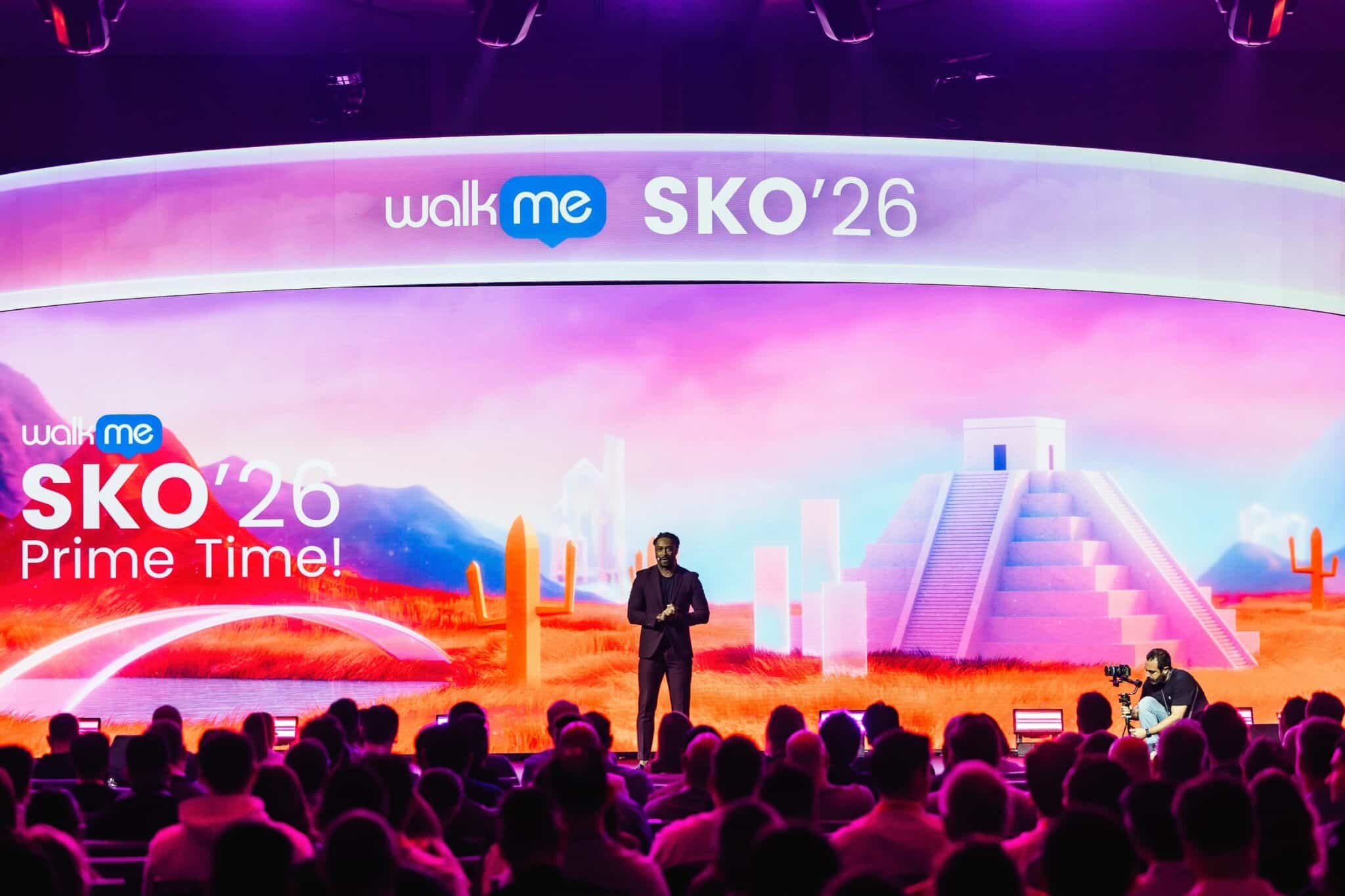
A corporate event procurement reality that corporate event planners, HR leaders, corporate procurement teams, and working corporate entertainers face at every high-stakes corporate event decision: Backup entertainment infrastructure operates risk management foundation across dimensions including vendor cancellation risk, equipment failure risk, transportation disruption risk, personnel unavailability risk, weather disruption risk, and venue emergency risk. Industry framing: 15% of event professionals have dealt with a vendor no-show or last-minute cancellation across career experience per industry survey data, and 67% of event planners in 2026 cite flight delays and travel disruptions as primary concern for program success per industry research. Backup entertainment infrastructure determines corporate event success outcome across high-stakes event categories including product launches, executive keynotes, gala fundraisers, sales kickoffs, C-suite events, shareholder meetings, and major corporate conferences. Understanding backup entertainment discipline informs defensible corporate event procurement decisions rather than default single-vendor-no-backup assumption approach that underestimates corporate event risk landscape complexity.
This piece is a working professional’s practical breakdown of backup entertainment infrastructure for high-stakes corporate events. Why backup entertainment matters through risk landscape. High-stakes corporate event categories requiring backup infrastructure across product launches, executive keynotes, gala fundraisers, sales kickoffs, and major corporate conferences. Backup infrastructure categories across equipment redundancy, personnel bench depth, transportation redundancy, and activation protocols. Risk categories that trigger backup requirements. Vendor backup capacity evaluation discipline across vendor evaluation dimensions. Contractual backup provisions and Force Majeure clause requirements. Backup activation protocols and communication infrastructure. And the working framework for corporate event backup entertainment discipline. Written from the perspective of a working corporate event professional who operates enterprise-tier backup entertainment infrastructure across 600+ corporate events since 2014 including Fortune 500 corporate event risk management infrastructure.
Evaluating backup entertainment infrastructure for a high-stakes corporate event? Contact DJ Will Gill.
Key Takeaways
- Vendor cancellation frequency framing. Industry framing from an event vendor cancellation publication: “It’s 48 hours before a wedding and your florist just called to say they can’t make it, or maybe the DJ for a corporate gala sends an apologetic email at 9 PM on a Thursday, your stomach drops, your client is counting on you, what now? Vendor cancellations are one of the most stressful situations in event planning, according to industry surveys, roughly 15% of event professionals have dealt with a vendor no-show or last-minute cancellation at least once in their career, the difference between a disaster and a minor hiccup comes down to one thing: whether you had a plan.” Documented “roughly 15% of event professionals have dealt with a vendor no-show or last-minute cancellation” Framing captures vendor cancellation frequency foundation.
- Flight delay concern framing. Industry framing from an event contingency planning publication: “Did you know that 67% of event planners in 2026 cite flight delays and travel disruptions as their primary concern for program success? It’s a valid anxiety, a sudden empty podium can instantly jeopardize your organization’s reputation and financial ROI, you’ve likely spent months curating a high-stakes atmosphere, only to face the sudden risk of a last-minute talent withdrawal, developing a robust event contingency plan for speaker cancellation is no longer a luxury, it’s a fundamental requirement for the modern corporate leader.” Documented “67% of event planners in 2026 cite flight delays and travel disruptions as their primary concern” Framing captures travel disruption concern.
- High-stakes corporate event risk landscape framing. Industry framing from a corporate AV risk publication: “Large corporate events carry significant risk, a failed microphone can interrupt a keynote, a dropped stream can damage credibility with remote stakeholders, a last-minute technical glitch can create unnecessary stress for executives and event planners alike, we revisit contingency planning because the stakes of corporate events continue to rise, executive summits, shareholder meetings, and product launches often represent months of preparation and substantial investment, in these moments, there is no room for improvisation, redundancy is the foundation of contingency planning, for audio systems, this may include backup microphones, duplicate wireless frequencies, and spare mixing components.”
- Plan B and Plan C framing. Industry framing from a corporate event entertainment publication: “Our backup plans are comprehensive and designed to eliminate any potential disruptions to your event, we maintain a fully stocked warehouse of redundant audio and visual equipment, ensuring immediate replacements are available should any technical issues arise, beyond our internal resources, we’ve established strong partnerships with several leading entertainment companies in the region, this collaborative network allows us to swiftly access additional equipment, personnel, or expertise, guaranteeing a seamless continuation of your event, regardless of unforeseen challenges, we understand that your event’s success is paramount, and our robust backup infrastructure ensures that Plan B, and even Plan C, are readily available.”
- Common corporate event contingency risk categories. Industry framing from a corporate event contingency planning publication: “The most common risks that require contingency planning include venue emergencies, speaker cancellations, technology failures, severe weather, catering issues, and transportation delays, each of these scenarios can severely impact attendance, engagement, and overall event success if not properly addressed, corporate event risk management also protects your budget by establishing cost controls and alternative solutions before emergencies arise, this proactive approach prevents panic decisions that often result in expensive last-minute arrangements and compromised event quality.”
1. Why Backup Entertainment Matters for High-Stakes Corporate Events: The Risk Landscape
Start with high-stakes corporate event risk reality. Backup entertainment infrastructure operates risk management foundation across liability landscape rather than optional procurement category.
Coverage of the high-stakes risk landscape framing from a corporate AV risk publication: Large corporate events carry significant risk, a failed microphone can interrupt a keynote, a dropped stream can damage credibility with remote stakeholders, a last-minute technical glitch can create unnecessary stress for executives and event planners alike, while we have discussed risk mitigation in the past, it never hurts to revisit the fundamentals, in fact, for high-stakes events, a refresher is essential, we revisit contingency planning because the stakes of corporate events continue to rise, executive summits, shareholder meetings, and product launches often represent months of preparation and substantial investment, in these moments, there is no room for improvisation, when corporations partner with an experienced AV provider, they gain more than technical support, they gain strategic foresight, they gain preparation, they gain peace of mind, one of the most overlooked risk factors in corporate events is human error. The documented “no room for improvisation” Framing captures high-stakes corporate event risk landscape.
Coverage of the vendor cancellation frequency framing from an event vendor cancellation publication: It’s 48 hours before a wedding and your florist just called to say they can’t make it, or maybe the DJ for a corporate gala sends an apologetic email at 9 PM on a Thursday, your stomach drops, your client is counting on you, what now? Vendor cancellations are one of the most stressful situations in event planning, according to industry surveys, roughly 15% of event professionals have dealt with a vendor no-show or last-minute cancellation at least once in their career, the difference between a disaster and a minor hiccup comes down to one thing: Whether you had a plan, without a plan: DJ cancels 24 hours before a corporate event, you spend 3 hours calling random contacts, you find someone available but they charge 2x the rate, they arrive without knowing the playlist requirements or the venue’s sound setup, with a plan: DJ cancels 24 hours before, you open your vendor dashboard, see your backup DJ’s contact info and their rate card, you call them directly. The documented “15% of event professionals have dealt with a vendor no-show or last-minute cancellation” Framing captures vendor cancellation frequency foundation.
High-stakes corporate event risk dimensions:
- Vendor cancellation risk across 15% career-experience frequency. Vendor cancellation risk across 15% career-experience frequency producing statistically significant risk profile.
- Flight delay and transportation disruption risk per 67% planner concern. Flight delay and transportation disruption risk per 67% event planner primary concern producing major risk category.
- Equipment failure risk across technical infrastructure dependencies. Equipment failure risk across technical infrastructure dependencies producing equipment redundancy requirement.
- Personnel illness or unavailability risk across individual dependencies. Personnel illness or unavailability risk across individual dependencies producing personnel bench depth requirement.
- Venue emergency risk across physical infrastructure. Venue emergency risk across physical infrastructure producing backup venue coordination requirement.
- Weather disruption risk across outdoor and travel dependencies. Weather disruption risk across outdoor and travel dependencies producing weather contingency requirement.
- Reputational damage risk from event failure exposure. Reputational damage risk from event failure exposure producing brand protection requirement.
Coverage of the flight delay concern framing from an event contingency planning publication: Did you know that 67% of event planners in 2026 cite flight delays and travel disruptions as their primary concern for program success? It’s a valid anxiety, a sudden empty podium can instantly jeopardize your organization’s reputation and financial ROI, you’ve likely spent months curating a high-stakes atmosphere, only to face the sudden risk of a last-minute talent withdrawal, developing a robust event contingency plan for speaker cancellation is no longer a luxury, it’s a fundamental requirement for the modern corporate leader, this guide will show you how to transform a potential crisis into a seamless logistical pivot that protects your brand’s prestige and ensures your event’s transformative impact remains intact. The documented “67% of event planners in 2026 cite flight delays and travel disruptions as their primary concern” Framing captures travel disruption concern.
Coverage of the common risk framing from a corporate event contingency planning publication: Event planning backup strategies are crucial because corporate events involve significant financial investment, stakeholder expectations, and brand reputation, without proper preparation, a single vendor failure or weather incident can derail months of planning and damage professional relationships, the most common risks that require contingency planning include venue emergencies, speaker cancellations, technology failures, severe weather, catering issues, and transportation delays, each of these scenarios can severely impact attendance, engagement, and overall event success if not properly addressed, corporate event risk management also protects your budget by establishing cost controls and alternative solutions before emergencies arise, this proactive approach prevents panic decisions that often result in expensive last-minute arrangements and compromised event quality. The documented “common risks that require contingency planning” Framing captures risk category foundation.
A working professional observation on high-stakes corporate event risk landscape: Corporate event planners evaluating high-stakes corporate events must recognize risk landscape across dimensions including vendor cancellation (15% career frequency), transportation disruption (67% planner concern), equipment failure, personnel unavailability, venue emergency, weather disruption, and reputational damage risk. Backup entertainment infrastructure operates risk management foundation rather than optional procurement compliance category.
The what corporate DJs need framework that documents coordination discipline across delivery infrastructure (which is directly relevant to backup entertainment risk landscape because coordination discipline operates backup infrastructure execution) is covered in the What corporate DJs need from planners 30, 14, and 3 days out Analysis. Coordination discipline operates backup infrastructure execution applicable across corporate event risk management.
2. High-Stakes Corporate Event Categories Requiring Backup Infrastructure
The high-stakes corporate event categories that require backup entertainment infrastructure. Understanding event-category-specific requirements informs defensible backup procurement decisions.
Coverage of the high-stakes event category framing from a corporate AV risk publication: We revisit contingency planning because the stakes of corporate events continue to rise, executive summits, shareholder meetings, and product launches often represent months of preparation and substantial investment, in these moments, there is no room for improvisation, when corporations partner with an experienced AV provider, they gain more than technical support, they gain strategic foresight, they gain preparation, they gain peace of mind, risk-proofing an event is not about assuming something will go wrong, it is about respecting the scale of investment and the importance of the moment, for large corporations hosting major events, preparation is a reflection of leadership, thorough contingency planning signals professionalism, discipline, and strategic foresight, significant corporate events do not succeed by chance, they succeed because experienced teams plan for every possibility. The documented “executive summits, shareholder meetings, and product launches” Framing captures high-stakes event category foundation.
High-stakes corporate event category dimensions requiring backup infrastructure:
- Corporate product launch event backup requirement. Corporate product launch event backup requirement producing product launch reputation protection across brand-defining moment.
- Executive keynote event backup requirement. Executive keynote event backup requirement producing executive credibility protection across C-suite speaking engagement.
- Corporate gala fundraiser event backup requirement. Corporate gala fundraiser event backup requirement producing donor experience protection across mission-driven fundraising context.
- Corporate sales kickoff (SKO) event backup requirement. Corporate sales kickoff event backup requirement producing sales team morale protection across annual sales momentum context.
- Shareholder meeting event backup requirement. Shareholder meeting event backup requirement producing investor relations protection across regulatory compliance context.
- Major corporate conference event backup requirement. Major corporate conference event backup requirement producing multi-day attendee experience protection across substantial-investment context.
- C-suite executive appreciation event backup requirement. C-suite executive appreciation event backup requirement producing executive-audience experience protection across high-visibility context.
- Corporate awards ceremony event backup requirement. Corporate awards ceremony event backup requirement producing recognition-moment protection across career-defining context.
- Client appreciation event backup requirement. Client appreciation event backup requirement producing client relationship protection across revenue-critical context.
- Corporate anniversary or milestone event backup requirement. Corporate anniversary or milestone event backup requirement producing brand moment protection across once-in-history context.
Coverage of the Fortune 500 event navigation framing from a corporate event planning publication: Corporate events aren’t just meetings anymore, in 2026, they’re brand-defining moments, they’re the stage where companies announce bold visions, where employees feel inspired, and where clients and partners walk away saying, Wow, I’ll never forget that, but here’s the truth: Planning a corporate event that truly lands is no small feat, the stakes are higher, budgets are bigger, and expectations? Through the roof, have backup vendors, check insurance clauses, build contingency plans for weather, tech failures, even flight delays, make sure to keep key stakeholders informed and involved in your risk management strategies so everyone is prepared to respond quickly, the Temple House team has navigated last-minute curveballs for Fortune 500 clients, from power outages to missing shipments, without skipping a beat, that’s the kind of safety net you want. The documented “have backup vendors” Framing captures Fortune 500 corporate event backup requirement.
Coverage of the brand-defining moment framing from the same corporate event planning publication: The stakes are higher, budgets are bigger, and expectations through the roof, corporate events in 2026 aren’t about nice dinners or polished speeches, they’re brand-defining moments, they’re the stage where companies announce bold visions, where employees feel inspired, and where clients and partners walk away saying they’ll never forget that, corporate events include product launches, sales kickoffs, annual conferences, C-suite retreats, executive summits, shareholder meetings, and major client-facing events across venues that transform into anything you can imagine, brands like Rolls Royce, American Express, PepsiCo, Bentley and Dior trust venues that support 360-degree projection mapping. The documented “brand-defining moments” Framing captures high-stakes corporate event category foundation.
A working professional observation on high-stakes event category discipline: Corporate event planners evaluating high-stakes corporate event backup infrastructure must recognize event category requirements rather than default single-vendor-no-backup approach. Product launches, executive keynotes, gala fundraisers, sales kickoffs, shareholder meetings, major corporate conferences, C-suite events, corporate awards ceremonies, client appreciation events, and corporate anniversary events require backup infrastructure per industry standard practice.
The opening session engagement framework that documents tactical delivery for multi-day corporate events (which is directly relevant to high-stakes event category backup requirements because tactical delivery operates high-stakes event execution infrastructure) is covered in the Opening session engagement tactics that set the tone for multi-day events Analysis. Tactical delivery operates high-stakes event execution infrastructure applicable across backup entertainment requirements.
3. Backup Infrastructure Categories: Equipment, Personnel, Transportation, Protocols
The backup infrastructure categories including equipment redundancy, personnel bench depth, transportation redundancy, and activation protocols. Understanding backup infrastructure categorization informs defensible backup requirement decisions.
Coverage of the backup infrastructure framing from a corporate event entertainment publication: Our backup plans are comprehensive and designed to eliminate any potential disruptions to your event, we maintain a fully stocked warehouse of redundant audio and visual equipment, ensuring immediate replacements are available should any technical issues arise, beyond our internal resources, we’ve established strong partnerships with several leading entertainment companies in the region, this collaborative network allows us to swiftly access additional equipment, personnel, or expertise, guaranteeing a seamless continuation of your event, regardless of unforeseen challenges, we understand that your event’s success is paramount, and our robust backup infrastructure ensures that Plan B, and even Plan C, are readily available. The documented “Plan B, and even Plan C, are readily available” Framing captures backup infrastructure depth foundation.
Coverage of the DJ redundancy framing from a corporate DJ hiring publication: What backup equipment do you bring? A professional always has redundancy, a backup speaker, mixer, and music source, so a single failure never derails the event, can you coordinate with our venue and AV team? Larger events often involve a venue contact, a slideshow, or a presentation the DJ needs to work around, do you provide a written contract? A clear agreement protects both sides and signals you’re working with a real professional, whatever the format, the priorities stay the same: Keep the program on schedule, keep the energy right for the moment, and keep every guest engaged, with more than 3,000 events performed and a 5.0-star rating, the focus is always on delivering a night that reflects well on your company. The documented “backup speaker, mixer, and music source, so a single failure never derails the event” Framing captures DJ equipment redundancy foundation.
Backup infrastructure category dimensions:
- Equipment redundancy infrastructure across audio system dimensions. Equipment redundancy infrastructure across audio system dimensions including backup microphones, duplicate wireless frequencies, spare mixing components, backup speakers, and backup music source.
- Equipment redundancy infrastructure across presentation system dimensions. Equipment redundancy infrastructure across presentation system dimensions including duplicate laptops and mirrored playback systems.
- Equipment redundancy infrastructure across power system dimensions. Equipment redundancy infrastructure across power system dimensions including uninterruptible power supplies and generator backups.
- Personnel bench depth infrastructure through peer network partnerships. Personnel bench depth infrastructure through peer network partnerships producing personnel swap capability.
- Personnel bench depth infrastructure through backup entertainer contact. Personnel bench depth infrastructure through backup entertainer contact producing immediate replacement capability.
- Transportation redundancy infrastructure through alternative routes. Transportation redundancy infrastructure through alternative routes producing travel disruption protection.
- Transportation redundancy infrastructure through early-arrival discipline. Transportation redundancy infrastructure through early-arrival discipline producing travel-buffer protection.
- Communication protocol infrastructure through chain-of-command. Communication protocol infrastructure through chain-of-command producing decision-making authority infrastructure.
- Activation protocol infrastructure through trigger conditions. Activation protocol infrastructure through trigger conditions producing rapid response infrastructure.
- Documentation infrastructure through backup vendor briefs. Documentation infrastructure through backup vendor briefs producing seamless handoff capability.
Coverage of the redundancy foundation framing from a corporate AV risk publication: Redundancy is the foundation of contingency planning, for audio systems, this may include backup microphones, duplicate wireless frequencies, and spare mixing components, for presentations, duplicate laptops or mirrored playback systems ensure that a technical malfunction does not halt the program, power reliability is another critical component of contingency planning, large-scale corporate events often rely on significant electrical loads for lighting rigs, LED walls, sound systems, and streaming infrastructure, power distribution must be carefully calculated to avoid overloads, in high-stakes environments, uninterruptible power supplies and generator backups can prevent catastrophic interruptions, clear chain-of-command structures further reduce risk, during complex events, decision-making authority must be defined in advance. The documented “redundancy is the foundation of contingency planning” Framing captures redundancy foundation infrastructure.
Coverage of the hot standby framing from an event contingency planning publication: Since virtual fees in 2026 are typically 50% to 75% of in-person rates, this is a fiscally responsible way to guarantee content delivery, a hot standby setup requires pre-vetted technical requirements, including high-speed dedicated lines and backup audio feeds, to ensure the transition is imperceptible to the audience, this hybrid approach is now a permanent model for 80% of event planners who prioritize reliability and narrative continuity, establishing these protocols during the initial booking phase transforms your strategy from reactive to resilient. The documented “hybrid approach is now a permanent model for 80% of event planners” Framing captures hot standby infrastructure adoption.
A working professional observation on backup infrastructure category discipline: Corporate event planners evaluating event DJ or event emcee vendors must require backup infrastructure across equipment redundancy (backup speakers, backup mixer, backup music source, backup microphones), personnel bench depth (peer network partnerships and backup entertainer contacts), transportation redundancy (alternative routes and early-arrival discipline), and activation protocols (chain-of-command and trigger conditions) rather than default no-backup assumption approach.
The COI requirements framework that documents procurement compliance across insurance infrastructure (which is directly relevant to backup infrastructure categories because insurance infrastructure operates risk management infrastructure) is covered in the What COI requirements to ask from your event DJ or emcee (and why) Analysis. Insurance infrastructure operates risk management infrastructure applicable across backup entertainment execution.
4. Risk Categories That Trigger Backup Requirements
The risk categories that trigger backup entertainment requirements. Understanding risk category triggers informs defensible backup activation decisions.
Coverage of the risk categorization framing from an event risk management publication: Financial risks (unexpected costs, vendor failures), operational risks (technical failures, logistics breakdown), reputational risks (bad press, attendee dissatisfaction), legal risks (permit issues, non-compliance, data privacy breaches), with today’s events taking place in volatile environments ranging from unpredictable weather to rapid technological changes and global health concerns, the likelihood of disruptions is significantly higher, what makes these disruptions an even more serious matter is that stakeholder confidence, attendee experience, and business continuity all rely strongly on risk management, use tools like SWOT analysis, PESTLE (Political, Economic, Social, etc.), and a Risk Matrix to categorize risks, tap into local risk reports, interview vendors, venue managers, and medical responders, and use checklists to surface blind spots. The documented “financial risks, operational risks, reputational risks, legal risks” Framing captures risk categorization foundation.
Risk category dimensions triggering backup requirements:
- Financial risk category triggering backup entertainment requirement. Financial risk category triggering backup entertainment requirement including vendor failure, unexpected costs, and last-minute rate inflation exposure.
- Operational risk category triggering backup entertainment requirement. Operational risk category triggering backup entertainment requirement including technical failures and logistics breakdown exposure.
- Reputational risk category triggering backup entertainment requirement. Reputational risk category triggering backup entertainment requirement including bad press exposure and attendee dissatisfaction exposure.
- Legal risk category triggering backup entertainment requirement. Legal risk category triggering backup entertainment requirement including permit issues, non-compliance exposure, and data privacy exposure.
- Weather risk category triggering backup entertainment requirement. Weather risk category triggering backup entertainment requirement including severe weather, temperature extremes, rain, and lightning exposure.
- Transportation risk category triggering backup entertainment requirement. Transportation risk category triggering backup entertainment requirement including flight delays, ground transportation disruption, and route closures.
- Health risk category triggering backup entertainment requirement. Health risk category triggering backup entertainment requirement including entertainer illness and medical emergency exposure.
- Equipment risk category triggering backup entertainment requirement. Equipment risk category triggering backup entertainment requirement including microphone failure, speaker failure, mixer failure, and music source failure.
- Venue risk category triggering backup entertainment requirement. Venue risk category triggering backup entertainment requirement including power outage, structural damage, and venue emergency exposure.
- Personnel availability risk category triggering backup entertainment requirement. Personnel availability risk category triggering backup entertainment requirement including double-booking, illness, family emergency, and personal emergency exposure.
Coverage of the risk scoring framing from an event risk management publication: For corporate event planners, risk management is not about predicting every possible failure, it is about identifying the scenarios most likely to affect safety, operations, reputation, budget, and the attendee experience, then building realistic backup plans, that includes weather and venue contingencies, vendor alternatives, emergency communications, insurance conversations, and a clear day-of escalation path, use this guide as a working framework, then adapt it with your venue, vendors, internal stakeholders, and qualified safety, legal, and insurance professionals, ask venue teams, vendors, security leads, and first responders what could fail in their area, their answers often reveal gaps that a planner cannot see alone, use event contingency planning to pair each major risk with a practical backup response, give every risk a likelihood score and an impact score from one to five, multiply those scores to set a priority level. The documented “pair each major risk with a practical backup response” Framing captures risk-to-backup pairing infrastructure.
Coverage of the risk ranking framing from an event risk publication: Each stakeholder should also help develop contingency plans, where applicable, for each risk, go through the list you created in the previous step and rank each event risk by severity and likelihood, put items most likely to happen or those with the greatest severity or risk level near the top and prioritize them, during this stage you should also assign stakeholders or owners for each risk or risk category, think about which stakeholders are most relevant to the given event risk and then reach out to them about having ownership over that risk, develop contingency plans for event risks based on their ranking in your list, those most likely to occur or those with the greatest severity should take top priority. The documented “rank each event risk by severity and likelihood” Framing captures risk ranking discipline.
A working professional observation on risk category discipline: Corporate event planners evaluating backup entertainment requirements must recognize risk categories across financial, operational, reputational, legal, weather, transportation, health, equipment, venue, and personnel availability dimensions rather than default single-risk assumption approach. Risk category recognition operates backup activation trigger infrastructure.
The coordination cost analysis that documents consolidated single-vendor delivery versus multiple vendor coordination (which is directly relevant to risk category triggers because consolidated vendor infrastructure operates reduced-risk infrastructure) is covered in the DJ plus emcee plus game host: The coordination cost planners underestimate Analysis. Consolidated vendor infrastructure operates reduced-risk infrastructure applicable across backup entertainment discipline.
5. Vendor Backup Capacity Evaluation Discipline
The vendor backup capacity evaluation discipline across vendor evaluation dimensions. Understanding vendor backup capacity evaluation informs defensible vendor procurement decisions.
Coverage of the vendor evaluation framing from a corporate DJ hiring publication: What backup equipment do you bring? A professional always has redundancy, a backup speaker, mixer, and music source, so a single failure never derails the event, can you coordinate with our venue and AV team? Larger events often involve a venue contact, a slideshow, or a presentation the DJ needs to work around, do you provide a written contract? A clear agreement protects both sides and signals you’re working with a real professional, you should book a corporate event DJ at least one to three months in advance, and earlier for events during the busy fall and winter season, November and December are the peak corporate period because of holiday parties, and quality DJs book up fast during those months. The documented “what backup equipment do you bring” Framing captures vendor evaluation question foundation.
Vendor backup capacity evaluation dimensions:
- Vendor equipment redundancy verification through backup gear inventory. Vendor equipment redundancy verification through backup gear inventory producing redundancy signal.
- Vendor peer network partnership verification through partner relationships. Vendor peer network partnership verification through partner relationships producing personnel bench depth signal.
- Vendor backup entertainer identification through named backup contact. Vendor backup entertainer identification through named backup contact producing immediate replacement capability signal.
- Vendor event history capacity through volume delivery. Vendor event history capacity through volume delivery (600+ events, 3,000+ events, etc.) producing reliability signal.
- Vendor Fortune 500 client history through enterprise-tier delivery. Vendor Fortune 500 client history through enterprise-tier delivery producing enterprise-tier reliability signal.
- Vendor written backup provisions in contract language. Vendor written backup provisions in contract language producing contractual accountability infrastructure.
- Vendor insurance infrastructure through COI compliance. Vendor insurance infrastructure through COI compliance producing risk transfer signal.
- Vendor communication response time verification through pre-event responsiveness. Vendor communication response time verification through pre-event responsiveness producing crisis communication capability signal.
- Vendor early-arrival discipline verification through arrival protocol. Vendor early-arrival discipline verification through arrival protocol producing transportation buffer signal.
- Vendor reference verification through Fortune 500 references. Vendor reference verification through Fortune 500 references producing enterprise-tier reliability signal.
Coverage of the preparation-difference framing from a vendor cancellation publication: Without a plan: DJ cancels 24 hours before a corporate event, you spend 3 hours calling random contacts, you find someone available but they charge 2x the rate, they arrive without knowing the playlist requirements or the venue’s sound setup, the event runs, but the audio is mediocre, your client notices, with a plan: DJ cancels 24 hours before, you open your vendor dashboard, see your backup DJ’s contact info and their rate card, you call them directly, they’re available, you send over the event brief (already documented in your system) and they show up prepared, the client never knows there was a change, having a solid day-of coordination checklist makes these handoffs even smoother because every vendor’s requirements and timeline are already documented in one place, the difference isn’t luck, it’s preparation, vendor cancellations affect roughly 10-15% of event professionals each year. The documented “the difference isn’t luck, it’s preparation” Framing captures preparation discipline foundation.
Coverage of the backup vendor pre-negotiation framing from a corporate event budget publication: Financial risk management is a fundamental component of professional event execution, you must anticipate disruptions that could inflate your entertainment expenses, a robust contingency fund acts as a critical buffer against unforeseen circumstances, you should allocate a minimum of fifteen percent of your total budget for unexpected costs, this reserve protects your core financial strategy when vendors introduce sudden surcharges, you can absorb these variations without compromising other essential elements of your corporate gathering, you must also develop alternative entertainment scenarios, your primary entertainment provider might experience a sudden cancellation or logistical failure, you are then forced to secure a replacement at exorbitant last-minute rates, you should identify backup vendors and pre-negotiate emergency rates during your initial planning phase. The documented “identify backup vendors and pre-negotiate emergency rates during your initial planning phase” Framing captures backup pre-negotiation discipline.
A working professional observation on vendor backup capacity evaluation discipline: Corporate event planners evaluating event DJ or event emcee vendors must verify backup capacity across equipment redundancy, peer network partnerships, backup entertainer identification, event history capacity, enterprise-tier client history, written backup provisions, insurance infrastructure, communication response time, early-arrival discipline, and reference verification dimensions rather than default assume-they-have-backup approach.
6. Contractual Backup Provisions and Force Majeure Clauses
The contractual backup provisions and Force Majeure clause requirements. Understanding contractual backup provisions informs defensible contract execution decisions.
Coverage of the Force Majeure and backup clause framing from an event contingency planning publication: Modern contracts must reflect the complexities of the current event landscape, in the post-pandemic era, a standard Force Majeure clause is insufficient, you need backup-friendly agreements, while many organizations rely on a broad Contingency plan for general risks, a specialized speaker-focused framework is essential for maintaining the prestige of high-tier corporate gatherings, this isn’t merely a Plan B, it’s a strategic roadmap that preserves the intellectual integrity of your event when the unexpected occurs, in 2026, the financial and brand stakes are higher than ever, with 67% of event planners expressing concern over flight cancellations, the likelihood of a disruption is statistically significant, a dedicated Speaker Clause within your planning documents provides the legal and operational roadmap to handle these moments with grace, it distinguishes between Force Majeure events, such as documented medical emergencies or government travel restrictions, and simple scheduling conflicts. The documented “backup-friendly agreements” Framing captures contract backup provision requirement.
Contractual backup provision dimensions:
- Force Majeure clause distinguishing qualifying events. Force Majeure clause distinguishing qualifying events (medical emergencies, government travel restrictions) from simple scheduling conflicts.
- Backup performer provision specifying replacement discipline. Backup performer provision specifying replacement discipline producing immediate replacement contractual obligation.
- Equipment redundancy provision specifying backup gear. Equipment redundancy provision specifying backup gear producing equipment continuity contractual obligation.
- Deposit forfeit provision specifying vendor accountability. Deposit forfeit provision specifying vendor accountability producing financial accountability for vendor breach.
- Refund provision specifying rate refund conditions. Refund provision specifying rate refund conditions producing client protection infrastructure.
- Cancellation notice provision specifying timing requirements. Cancellation notice provision specifying timing requirements producing notice-delivery accountability.
- Substitute performer approval provision specifying client approval right. Substitute performer approval provision specifying client approval right producing client decision authority.
- Pre-event brief transfer provision specifying documentation handoff. Pre-event brief transfer provision specifying documentation handoff producing seamless substitute-performer preparation.
- Emergency rate lock provision specifying rate protection. Emergency rate lock provision specifying rate protection producing last-minute rate inflation protection.
- Insurance requirement provision specifying coverage continuity. Insurance requirement provision specifying coverage continuity across substitute performer producing risk transfer continuity.
Coverage of the contract clause discipline framing from an event risk publication: While not always feasible, depending on what’s involved in the backup plan, it’s a good idea to run through trials with your contingency plans, this can be as simple as sitting down at the table with your stakeholders and walking through the plan, step-by-step, to see if there are any hangups or potential points of failure, event risk management is critical to the long-term success of your venue or organization, one disaster is all it takes for people to lose trust in your business, or worse, with the right steps you can develop processes that help reduce the likelihood of risks coming to fruition, while still delivering great events. The documented “one disaster is all it takes for people to lose trust in your business” Framing captures reputational risk severity discipline.
Coverage of the contingency budget allocation framing from a corporate event planning publication: Here’s a tip: Add a 10-15% contingency line right from the start, establishing a realistic budget and tracking your event budget throughout the planning process helps you stay on top of expenses and ensures you don’t exceed your financial limits, would you rather explain to leadership why you went over budget, or show them you came in right on target? Have backup vendors, check insurance clauses, build contingency plans for weather, tech failures, even flight delays, make sure to keep key stakeholders informed and involved in your risk management strategies so everyone is prepared to respond quickly. The documented “10-15% contingency line right from the start” Framing captures contingency budget discipline.
A working professional observation on contractual backup provision discipline: Corporate event planners evaluating event DJ or event emcee vendors must require contractual backup provisions across Force Majeure clause discipline, backup performer provision, equipment redundancy provision, deposit forfeit provision, refund provision, cancellation notice provision, substitute performer approval provision, pre-event brief transfer provision, emergency rate lock provision, and insurance requirement provision dimensions rather than default standard contract acceptance approach.
7. Backup Activation Protocols and Communication Infrastructure
The backup activation protocols and communication infrastructure. Understanding activation protocol and communication infrastructure informs defensible backup execution decisions.
Coverage of the emergency communication framing from a corporate event contingency planning publication: An effective emergency communication plan establishes clear contact hierarchies, defines decision-making authority, creates notification systems for different stakeholder groups, and provides templates for various emergency scenarios, this framework ensures coordinated response efforts and consistent messaging during event disruptions, contact hierarchies should clearly define who communicates with whom during emergencies, establish primary and backup contacts for each stakeholder group, including attendees, speakers, vendors, venue management, and internal team members, include mobile numbers, email addresses, and backup communication methods, decision-making authority must be clearly assigned to prevent confusion during crisis situations, designate team members with authority to implement contingency plans, approve additional expenses, and communicate with external parties without requiring multiple approvals. The documented “emergency communication plan establishes clear contact hierarchies” Framing captures communication infrastructure foundation.
Backup activation protocol and communication infrastructure dimensions:
- Chain-of-command definition through decision-making authority. Chain-of-command definition through decision-making authority producing rapid decision infrastructure.
- Trigger condition definition through activation criteria. Trigger condition definition through activation criteria producing backup activation clarity.
- Primary and backup contact hierarchies for each stakeholder group. Primary and backup contact hierarchies for each stakeholder group producing notification infrastructure.
- Attendee communication template for change scenarios. Attendee communication template for change scenarios producing consistent messaging.
- Stakeholder communication template for change scenarios. Stakeholder communication template for change scenarios producing consistent messaging.
- Media inquiry holding statement template for crisis scenarios. Media inquiry holding statement template for crisis scenarios producing reputation protection.
- Vendor swap communication protocol through handoff briefing. Vendor swap communication protocol through handoff briefing producing seamless substitute-performer preparation.
- Tabletop exercise infrastructure through pre-event testing. Tabletop exercise infrastructure through pre-event testing producing activation protocol validation.
- Post-event debrief protocol through lessons-learned capture. Post-event debrief protocol through lessons-learned capture producing continuous improvement infrastructure.
- Real-time communication tool infrastructure through modern platforms. Real-time communication tool infrastructure through modern platforms (text, app, email, radio) producing rapid coordination.
Coverage of the tabletop exercise framing from an event risk publication: While not always feasible, depending on what’s involved in the backup plan, it’s a good idea to run through trials with your contingency plans, this can be as simple as sitting down at the table with your stakeholders and walking through the plan, step-by-step, to see if there are any hangups or potential points of failure, for example, say you want to run a trial of a weather contingency plan, sit down with any relevant stakeholders and walk, step-by-step, through the process, it’s the day of the event and it’s raining, now what? Who moves the event to a new location or makes sure covers are put up? What could go wrong during these processes?. The documented “run through trials with your contingency plans” Framing captures tabletop exercise discipline.
Coverage of the external communication framing from a corporate event contingency publication: External communication strategies maintain professional relationships and protect your organization’s reputation, prepare holding statements for media inquiries, apology templates for attendee communications, and status update formats for stakeholder briefings, testing your communication plan before events reveals gaps and ensures team familiarity with procedures, conduct tabletop exercises with your team and verify that all contact information remains current throughout your planning process, effective corporate event planning checklist implementation protects your investment while maintaining the professional standards your attendees expect. The documented “prepare holding statements for media inquiries” Framing captures external communication discipline.
A working professional observation on backup activation protocol and communication infrastructure discipline: Corporate event planners evaluating backup activation infrastructure must require chain-of-command, trigger condition definition, stakeholder communication hierarchies, communication templates, vendor swap protocols, tabletop exercise infrastructure, post-event debrief protocols, and real-time communication tool infrastructure rather than default improvised response approach.
8. Working Framework: Corporate Event Backup Entertainment Discipline
The closing framework. Working discipline for corporate event planners, HR leaders, corporate procurement teams, and working corporate entertainers evaluating backup entertainment infrastructure across defensible framework.
Working framework corporate event backup entertainment discipline:
- Recognize backup entertainment as documented risk management foundation rather than optional category. Backup entertainment recognized as documented risk management foundation rather than optional category producing defensible procurement discipline.
- Identify high-stakes event category triggering backup requirement. High-stakes event category identified triggering backup requirement across product launches, executive keynotes, gala fundraisers, sales kickoffs, shareholder meetings, major corporate conferences.
- Recognize 15% vendor cancellation career-experience frequency across event professionals. 15% vendor cancellation career-experience frequency recognized across event professionals per industry survey data.
- Recognize 67% flight delay primary concern across 2026 event planners. 67% flight delay primary concern recognized across 2026 event planners per industry research.
- Require equipment redundancy including backup speakers, mixer, and music source. Equipment redundancy including backup speakers, mixer, and music source per DJ redundancy standard.
- Require personnel bench depth through peer network partnerships. Personnel bench depth through peer network partnerships producing immediate replacement capability.
- Require transportation redundancy through alternative routes and early-arrival discipline. Transportation redundancy through alternative routes and early-arrival discipline producing travel disruption protection.
- Require backup activation protocols with chain-of-command and trigger conditions. Backup activation protocols with chain-of-command and trigger conditions producing rapid response infrastructure.
- Verify vendor backup capacity across all evaluation dimensions. Vendor backup capacity verified across all evaluation dimensions including equipment redundancy, peer network, backup entertainer identification, event history, Fortune 500 references, and insurance infrastructure.
- Require contractual backup provisions with Force Majeure discipline. Contractual backup provisions with Force Majeure discipline distinguishing qualifying events from simple scheduling conflicts.
- Require substitute performer approval provision preserving client authority. Substitute performer approval provision preserving client authority producing client decision infrastructure.
- Require emergency rate lock provision protecting against last-minute inflation. Emergency rate lock provision protecting against last-minute rate inflation producing financial protection.
- Allocate 10-15% contingency budget line for backup entertainment activation. 10-15% contingency budget line allocated for backup entertainment activation per industry standard.
- Conduct pre-event tabletop exercise validating activation protocol execution. Pre-event tabletop exercise conducted validating activation protocol execution per industry standard practice.
- Consider consolidated single-vendor delivery reducing multi-vendor coordination risk. Consolidated single-vendor delivery considered reducing multi-vendor coordination risk producing reduced-risk infrastructure.
The bottom line for corporate event planners: Backup entertainment infrastructure operates risk management foundation across dimensions including vendor cancellation risk, equipment failure risk, transportation disruption risk, personnel unavailability risk, weather disruption risk, venue emergency risk, and reputational damage risk. Industry standards include 15% vendor cancellation career-experience frequency, 67% flight delay primary concern across 2026 event planners, equipment redundancy discipline, personnel bench depth infrastructure, transportation redundancy protocol, backup activation protocols with chain-of-command, contractual backup provisions with Force Majeure discipline, substitute performer approval provision, emergency rate lock provision, and 10-15% contingency budget allocation. High-stakes corporate event categories requiring backup infrastructure include product launches, executive keynotes, gala fundraisers, sales kickoffs, shareholder meetings, major corporate conferences, C-suite events, corporate awards ceremonies, client appreciation events, and corporate anniversary events. Corporate event planners operating backup entertainment discipline produce defensible risk management infrastructure across Fortune 500 corporate event procurement standards.
For a working practicing corporate event professional perspective on backup entertainment infrastructure across Fortune 500 corporate event delivery (with 600+ corporate events delivered across 12 years of Fortune 500 corporate delivery including equipment redundancy infrastructure with backup speakers, backup mixer, backup music source, and backup microphones, personnel bench depth infrastructure through peer network partnerships with backup entertainer contact discipline, transportation redundancy through early-arrival protocol, backup activation protocols across chain-of-command and trigger conditions, contractual backup provisions across Force Majeure discipline and substitute performer approval discipline, Inland Marine Miscellaneous Property Floater equipment coverage through COI infrastructure, and delivery-first ethical positioning across backup entertainment infrastructure) the service line is on the Contact page. Backup entertainment infrastructure deserves defensible risk management discipline through framework rather than default single-vendor-no-backup assumption approach. Enterprise-tier backup entertainment infrastructure supports defensible Fortune 500 corporate event risk management across dimensions.
Frequently Asked Questions
What high-stakes corporate events require backup entertainment planning?
Industry framing identifies executive summits, shareholder meetings, and product launches as representing “months of preparation and substantial investment” Where “there is no room for improvisation.” High-stakes corporate event categories requiring backup infrastructure include product launches, executive keynotes, gala fundraisers, sales kickoffs (SKO), shareholder meetings, major corporate conferences, C-suite executive appreciation events, corporate awards ceremonies, client appreciation events, and corporate anniversary or milestone events. Any event where reputational damage from failure would be significant requires backup entertainment planning.
What backup infrastructure should you require from your corporate event DJ or emcee?
DJ redundancy framing: “A professional always has redundancy, a backup speaker, mixer, and music source, so a single failure never derails the event.” Required backup infrastructure includes equipment redundancy (backup speakers, mixer, music source, microphones, wireless frequencies), personnel bench depth (peer network partnerships and named backup entertainer contacts), transportation redundancy (alternative routes and early-arrival discipline), and activation protocols (chain-of-command and trigger conditions). Industry framing identifies “Plan B, and even Plan C, are readily available” As the enterprise-tier standard.
What percentage of corporate events experience vendor cancellations?
Industry survey framing: “According to industry surveys, roughly 15% of event professionals have dealt with a vendor no-show or last-minute cancellation at least once in their career.” Additionally, industry research indicates 67% of event planners in 2026 cite flight delays and travel disruptions as their primary concern for program success. Vendor cancellations affect roughly 10-15% of event professionals each year according to industry data. These statistics justify the requirement for defensible backup entertainment infrastructure.
What contractual backup provisions should you require in a corporate DJ or emcee contract?
Required contractual backup provisions include Force Majeure clause distinguishing qualifying events (medical emergencies, government travel restrictions) from simple scheduling conflicts, backup performer provision specifying replacement discipline, equipment redundancy provision, deposit forfeit provision, refund provision, cancellation notice provision, substitute performer approval provision preserving client approval right, pre-event brief transfer provision, emergency rate lock provision protecting against last-minute rate inflation, and insurance requirement provision specifying coverage continuity across substitute performer.
How do you evaluate a vendor’s backup capacity before booking?
Vendor backup capacity evaluation dimensions include vendor equipment redundancy verification through backup gear inventory, vendor peer network partnership verification through partner relationships, vendor backup entertainer identification through named backup contact, vendor event history capacity, vendor Fortune 500 client history, vendor written backup provisions in contract language, vendor insurance infrastructure through COI compliance, vendor communication response time verification, vendor early-arrival discipline verification, and vendor reference verification. Ask “what backup equipment do you bring” As a industry standard vetting question.
What backup entertainment activation protocol should you establish for high-stakes events?
Backup activation protocol infrastructure includes chain-of-command definition through decision-making authority, trigger condition definition through activation criteria, primary and backup contact hierarchies for each stakeholder group, attendee communication templates for change scenarios, stakeholder communication templates, media inquiry holding statement templates, vendor swap communication protocol through handoff briefing, tabletop exercise infrastructure through pre-event testing, post-event debrief protocol, and real-time communication tool infrastructure (text, app, email, radio). Testing communication plan before events reveals gaps and ensures team familiarity.
What Corporate Clients Are Saying

About the Author
William “DJ Will Gill” Gilbert is a corporate event DJ, emcee, and audience-engagement expert specializing in interactive event experiences that help organizations improve employee morale and foster stronger team connections. His work has been recognized by The Wall Street Journal, and he is also a Forbes Next 1000 Honoree. He is the founder of THEAIDJ, an AI-powered playlist generation platform built to help DJs and corporate event planners create music for in-person, hybrid, and virtual events.