
Turning Company All-Hands Meetings Into Interactive Experiences | DJ Will Gill
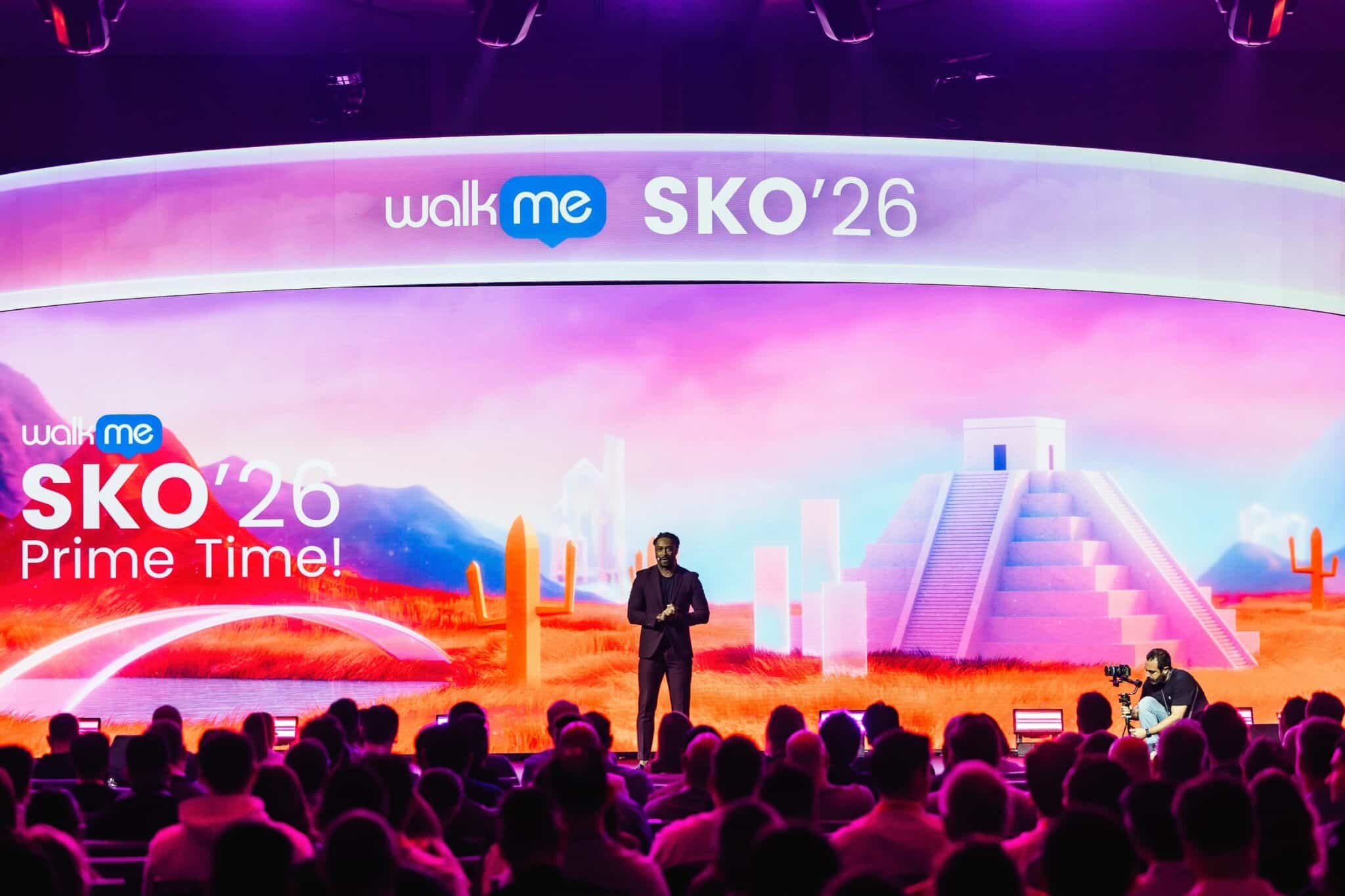
A corporate communication reality that HR leaders, internal communications teams, and executive assistants face at every quarterly all-hands cycle: Traditional all-hands format produces employee disengagement within ten minutes of CEO opening remarks. Executives deliver slides. Remote attendees watch webcast passively. In-office attendees scroll email. Q&A section produces low-engagement participation. Event ends with employees feeling same disconnection they felt before event. Interactive experience design transforms same all-hands programming into engaging corporate communication event that produces employee alignment, executive credibility, and culture reinforcement outcomes that justify all-hands time investment.
This piece is a working professional’s practical breakdown of interactive all-hands programming design. Why traditional all-hands fails and what research shows about engagement gaps. The documented “Remote-First” Design principle that 2026 hybrid workforce requires. The engagement rhythm of interactive moments every 5-10 minutes. The music and energy layer that working professional DJs bring to executive communication events. The emcee-craft applied to all-hands including executive introductions, segment bridges, and Q&A moderation. The game-show format applied to all-hands programming for structured interactive engagement. The hybrid all-hands coordination framework. And the working framework for building interactive all-hands programs that move corporate culture. Written from the perspective of a working corporate entertainer who delivers 3-in-1 DJ, emcee, and interactive team-building programming for Fortune 500 corporate all-hands and town hall programs.
Planning a corporate all-hands meeting and want interactive experience design guidance? Contact DJ Will Gill.
Key Takeaways
- Engagement rhythm principle for interactive all-hands. Industry framing from a corporate all-hands publication: “Increase engagement by incorporating live polls and Q&A tools, rotating presenters across departments, including employee recognition segments, using visual aids and videos, adding icebreaker activities, and dedicating substantial time to genuine questions, anonymous question submission creates psychological safety for honest dialogue, build interactive moments every 5-10 minutes, virtual all-hands meetings work best at 45-60 minutes, as remote attendees lose focus after one hour, in-person or hybrid meetings can extend to 90 minutes with breaks.”
- Documented “Remote-First” Design principle for hybrid all-hands. Industry framing from a corporate all-hands publication: “To elevate your all hands meetings, you must design for a Remote-First experience, this means ensuring that digital participants have the same ability to ask questions, react in real-time, and participate in breakout sessions as those sitting in the front row of a physical office, equalize the screen: if you have a physical stage, ensure the camera is at eye level so remote viewers feel they are being spoken to, not just observing, Digital-First Q&A: always take the first question from a remote employee, this signals that their presence is valued and encourages active listening from the virtual room, synchronized engagement: use interactive polling tools that both in-person and remote staff can access via their mobile devices or laptops simultaneously.”
- Workforce preference data drives all-hands design imperative. Industry framing from a corporate hybrid meetings publication: “54% of workers preferring remote or flexible arrangements according to McKinsey’s 2026 American Opportunity Survey.” The workforce preference drives remote-first design imperative for 2026 corporate all-hands programming.
- All-hands structure framework. Industry framing from a corporate hybrid work publication: “Monthly all-hands meetings are the heartbeat of hybrid culture, structure matters: 15 minutes: company updates from leadership (not reading slides — tell stories), 10 minutes: team spotlights (rotate which team presents a recent win), 10 minutes: live Q&A (anonymous question submission via Slido or similar), record every all-hands and post it within 2 hours.” The documented “not reading slides, tell stories” Reality captures executive delivery discipline that interactive experience design supports.
- Game-show format applies to town halls and all-hands. Industry framing from a corporate interactive game show publication: “Interactive game-show segments can be repurposed to surface employee questions and test executive messaging in a nonconfrontational way, best for: town halls and end-of-year celebrations, let executives submit a few insider questions to make it authentic, live buzzer rounds do more than entertain, they accelerate decision-making skills, create shared emotional peaks, and force teams to practice concise communication under pressure, after a buzzer session teams experience improved listening, clearer handoffs, and higher morale.”
1. Why Most All-Hands Meetings Are Broken (And Why That’s Fixable)
Start with reality. Traditional all-hands format fails at engagement outcomes. Understanding failure modes informs interactive experience design priorities.
Coverage of the all-hands failure modes from a corporate all-hands publication: You’ve seen it happen, the CEO kicks off the all-hands meeting, slides start rolling, and within ten minutes half your team is checking, fix: Build interactive moments throughout, use polls, chat reactions, and questions during the presentation, not just at the end, when leadership dodges tough questions or gives evasive non-answers, trust evaporates, according to Harvard Business Review, the worst thing leaders can do is downplay issues, shift blame, or fail to show genuine understanding of employee concerns (HBR, 2025), fix: Address hard questions directly, if you can’t share details, explain why, in hybrid settings, remote attendees often feel invisible, their chat messages go unread, their questions get skipped, they’re watching a show, not participating in a meeting, fix: Assign someone to monitor remote chat and advocate for remote participants, avoid one-way presentations without audience interaction, skipping or rushing Q&A time, ignoring remote participants in hybrid settings, avoiding difficult questions or giving evasive answers, failing to follow up on commitments made, and scheduling meetings without clear purpose or agenda. The failure modes frame interactive experience design priorities.
All-hands failure mode categories:
- The ten-minute attention drop. Engagement decline within ten minutes of CEO opening slides. Employees check email, Slack, unrelated tasks.
- One-way presentation without interaction. Traditional all-hands operates one-way information broadcast from executives to employees rather than two-way dialogue.
- Q&A rushed or skipped. Q&A section rushed at end of meeting or skipped entirely when presentation runs over.
- Remote participants invisible. Hybrid settings produce remote attendee invisibility with chat messages unread and questions skipped.
- Evasive responses to hard questions. Leadership dodging tough questions producing trust evaporation across workforce.
- No follow-up on commitments. Commitments made during meeting not tracked to completion.
- No clear purpose or agenda. Meetings scheduled without purpose producing attendee time waste feeling.
- Executive slide reading. Executives reading prepared slides rather than telling stories that produce emotional connection.
Coverage of the workforce preference data from a corporate hybrid meetings publication: This shift reflects broader workforce preferences, with 54% of workers preferring remote or flexible arrangements according to McKinsey’s 2026 American Opportunity Survey, understanding how hybrid meetings differ from virtual ones helps you choose the right format for your goal, while both rely on digital tools, the experience they create is very different, virtual meetings keep things simple since everyone joins on equal footing, that makes participation easier to manage and more balanced across the board, hybrid meetings, on the other hand, introduce more moving parts, you are balancing two different experiences at once, which directly affects how people communicate, collaborate, and stay engaged. The McKinsey 54 percent remote preference data captures structural workforce reality that drives all-hands design imperative.
A working professional observation on all-hands failure modes: Corporate communication events fail primarily at interactive engagement design rather than at content quality. Corporations invest meaningful preparation into executive content but neglect interactive experience layer that transforms content delivery into engaged corporate communication. Interactive experience design produces meaningful engagement improvement without content restructuring.
The corporate emcee versus internal host framework that informs decision about external professional versus internal executive as all-hands host (which is directly relevant to failure mode analysis because host selection drives engagement outcomes) is covered in the Corporate emcee versus internal host: When to hire a professional Analysis. Host selection frames engagement outcomes.
2. The Documented “Remote-First” Design Principle
The documented “Remote-First” Design principle that 2026 hybrid workforce requires. Understanding design principle informs all-hands programming discipline.
Coverage of the documented “Remote-First” Design framework from a corporate all-hands publication: To elevate your all hands meetings, you must design for a Remote-First experience, this means ensuring that digital participants have the same ability to ask questions, react in real-time, and participate in breakout sessions as those sitting in the front row of a physical office, equalize the screen: if you have a physical stage, ensure the camera is at eye level so remote viewers feel they are being spoken to, not just observing, Digital-First Q&A: Always take the first question from a remote employee, this signals that their presence is valued and encourages active listening from the virtual room, synchronized engagement: Use interactive polling tools that both in-person and remote staff can access via their mobile devices or laptops simultaneously, if you are running a big company you can bring everyone in your company through all hands meetings. The documented “Remote-First” Framework captures design discipline.
Specific “Remote-First” Design principle dimensions:
- Camera at eye level. Physical stage camera positioned at eye level so remote viewers feel spoken to rather than observing.
- Digital-first Q&A protocol. First question taken from remote employee. Signal to virtual audience that presence valued.
- Synchronized interactive polling. Interactive polling tools accessible from mobile devices and laptops simultaneously across in-person and remote attendees.
- Dedicated remote chat monitor. Team member assigned to monitor remote chat and advocate for remote participant questions during meeting.
- Remote video tile prominence. Remote attendee video tiles shown on in-person room screens. Chat messages read aloud. Questions acknowledged.
- Anonymous question submission infrastructure. Anonymous question submission creating psychological safety for honest dialogue across in-person and remote audiences.
- Breakout room equal access. Breakout sessions structured for equal in-person and remote participation rather than in-person-only structures.
- Time zone-aware scheduling. Meeting timing respecting distributed workforce time zones with recording availability for asynchronous access.
Coverage of the remote participant infrastructure from a corporate hybrid meetings publication: Design for equal participation: Structure meetings so remote attendees are actively included, for example by speaking first and using shared digital tools that give everyone the same ability to contribute, invest in the right technology setup: High quality cameras, microphones, and displays are essential to ensure remote participants can see, hear, and engage as clearly as those in the room, prepare with clear goals and inclusive structure: Define outcomes, assign roles, and plan interaction methods in advance to avoid confusion and keep both in person and remote participants aligned, larger events need strong technical support and a clear setup for both in person and virtual audiences, in addition, each audience should have its own engagement approach to keep the experience balanced. The specific “each audience should have its own engagement approach to keep the experience balanced” Framing captures design discipline that interactive experience design enables.
A working professional observation on Remote-First design discipline: Practicing corporate emcees who operate Remote-First discipline produce superior engagement outcomes across in-person and remote audiences. Traditional in-person-first design produces remote attendee disengagement that compromises overall all-hands effectiveness. Remote-First design operates as engagement multiplier across both audience segments.
The vendor consolidation framework that supports single-vendor delivery of music, emcee, and engagement roles across hybrid all-hands programming (which is directly relevant to Remote-First design because consolidated vendor simplifies hybrid coordination) is covered in the Vendor consolidation: The case for one talent in three roles Analysis. Consolidated vendor enables hybrid coordination.
3. Building Interactive Moments Every 5-10 Minutes: The Engagement Rhythm
The engagement rhythm principle that interactive all-hands programming operates. Understanding rhythm discipline informs programming structure priorities.
Coverage of the engagement rhythm framework from a corporate all-hands publication: Increase engagement by incorporating live polls and Q&A tools, rotating presenters across departments, including employee recognition segments, using visual aids and videos, adding icebreaker activities, and dedicating substantial time to genuine questions, anonymous question submission creates psychological safety for honest dialogue, build interactive moments every 5-10 minutes, virtual all-hands meetings work best at 45-60 minutes, as remote attendees lose focus after one hour, in-person or hybrid meetings can extend to 90 minutes with breaks, regardless of format, prioritize quality over quantity, a focused 45-minute session delivers more value than a meandering two-hour meeting, avoid one-way presentations without audience interaction, skipping or rushing Q&A time, ignoring remote participants in hybrid settings, avoiding difficult questions or giving evasive answers, failing to follow up on commitments made, and scheduling meetings without clear purpose or agenda. The specific “build interactive moments every 5-10 minutes” Rhythm principle captures programming discipline.
Coverage of the structure framework from a corporate hybrid work publication: Monthly all-hands meetings are the heartbeat of hybrid culture, structure matters: 15 minutes: Company updates from leadership (not reading slides — tell stories), 10 minutes: Team spotlights (rotate which team presents a recent win), 10 minutes: Live Q&A (anonymous question submission via Slido or similar), record every all-hands and post it within 2 hours, effective hybrid culture is built through consistent, low-pressure connection rituals, not forced fun, the highest-impact practices are: Random coffee pairing tools that match two people weekly for 15-minute virtual chats, quarterly in-person team gatherings, working sessions with open Zoom rooms for silent co-working, and rigorous hybrid meeting etiquette where remote participants get equal airtime. The 15/10/10 structure framework captures programming discipline.
Interactive moment categories supported by working professional emcees:
- Live polling checkpoints. Live polling checkpoints every 5-10 minutes producing audience temperature check and engagement data.
- Chat reaction prompts. Chat reaction prompts inviting emoji reactions, brief chat responses, quick engagement checks.
- Quiz question rounds. Quiz question rounds tied to company culture, milestones, product knowledge for gamified engagement.
- Anonymous question submission windows. Anonymous question submission windows producing psychological safety for honest employee questions.
- Employee recognition segments. Employee recognition segments celebrating individual and team accomplishments across rotating recognition categories.
- Team spotlight rotations. Team spotlight rotations featuring different teams presenting recent wins across meeting cycles.
- Executive Q&A moderation. Executive Q&A moderation ensuring tough questions addressed rather than dodged.
- Video and story moments. Video and story moments breaking slide-driven monotony with emotional engagement.
- Music transitions. Music transitions bridging segments with energy management and emotional pacing.
- Interactive icebreakers. Interactive icebreakers launching meetings with energy and inclusion.
Coverage of the practical structure from a corporate all-hands publication: Allocate time for each topic to keep the meeting within a reasonable timeframe, ideally between 60-90 minutes, share the agenda in advance, allowing participants to prepare, encourage interactivity: Make the meeting a two-way conversation by including a Q&A session and encouraging employees to ask questions, consider using a digital tool that allows participants to submit questions anonymously for more honest feedback, celebrate achievements: Recognize individual and team accomplishments to grow a culture of appreciation, highlighting successes boosts morale and reinforces company values, follow up with a recap: After the meeting, send a summary that includes key takeaways, action items, and any additional materials, this follow-up keeps everyone on the same page and serves as a reference for those who may have missed the meeting. The 60-90 minute framework and two-way conversation discipline captures programming standards.
The audience participation and engagement discipline that drives interactive moment execution excellence (which is directly relevant to engagement rhythm because working professional engagement discipline produces interactive moment quality) is covered in the The “get real” Of audience participation in keynote programming Analysis. Engagement discipline operates across all-hands and keynote contexts.
4. The Music and Energy Layer: What DJs Bring to Executive Communication
The music and energy layer that working professional DJs bring to executive communication events. Understanding music and energy discipline informs all-hands programming enhancement.
Music and energy layer contributions dimensions:
- Pre-meeting energy building. Pre-meeting music building room energy before first executive speaks. Arrival experience transformed from silent waiting to anticipated energy.
- Executive walk-on music. Executive walk-on music choreographed for each executive presentation. Music selection aligned to executive personality and presentation tone.
- Segment transition music. Segment transition music bridging programming segments with energy management. Dead air eliminated between segments.
- Recognition moment stingers. Recognition moment stingers supporting employee recognition segments with celebratory music energy.
- Break music curation. Break music curation sustaining room energy during break periods without silent room feeling.
- Video roll-in bed music. Video roll-in bed music supporting video content with emotional layer beyond video audio.
- Q&A period ambient music. Q&A period ambient music sustaining room energy while Q&A operates.
- Closing music send-off. Closing music send-off producing energetic close rather than abrupt meeting termination.
- Brand-aligned music selection. Brand-aligned music selection respecting corporate cultural sensitivities and brand voice.
- Corporate-appropriate edited versions. Edited versions of popular songs appropriate for corporate contexts.
A working professional observation on music and energy layer discipline: Corporate all-hands without music and energy layer operates specific “silent waiting” Experience that compromises engagement outcomes. Music layer operates as engagement multiplier that produces superior attendee experience without content restructuring. Corporate cultural sensitivity and brand voice discipline distinguish working professional DJ from generic DJ approach.
The AI-augmented music curation approach that enables efficient corporate music selection across all-hands programming (which is directly relevant to music layer because AI-augmented curation extends vendor capacity for corporate music selection quality) is covered in the How AI playlist tools are changing pre-event music curation Analysis. AI-augmented music curation supports corporate all-hands music quality.
5. Emcee-Craft for All-Hands: Executive Introductions, Segment Bridges, and Q&A Moderation
The emcee-craft dimensions that working professional emcees bring to all-hands programming. Understanding emcee-craft dimensions informs all-hands programming excellence.
Emcee-craft dimensions applied to all-hands programming:
- Crowd warmup before first executive speaks. Crowd warmup producing engaged room energy before first executive presentation. Executives inheriting warmed-up audience rather than inheriting silent room.
- Executive introductions with credential-appropriate framing. Executive introductions framing each executive with credential-appropriate authority signal. Accurate pronunciation, role clarity, relevance framing.
- Segment bridge transitions. Segment bridge transitions connecting programming segments with narrative continuity rather than abrupt topic shifts.
- Q&A moderation discipline. Q&A moderation ensuring tough questions addressed rather than dodged. Specific time management ensuring meaningful Q&A time rather than rushed closure.
- Voice-of-God announcements. Voice-of-God announcement discipline managing in-room and remote audience direction with authority and clarity.
- Timeline discipline with grace. Timeline discipline operating run-of-show adherence with graceful adjustments when programming deviates.
- Executive coaching in real-time. Executive coaching in real-time supporting executives with real-time cues, energy management support, timing coordination.
- Improvisation when programming shifts. Improvisation when programming shifts. Dead air eliminated when unexpected delays occur.
- Recognition moment execution. Recognition moment execution producing meaningful employee recognition rather than perfunctory recognition delivery.
- Cultural sensitivity across diverse workforce. Cultural sensitivity across diverse workforce ensuring inclusive delivery across cultural, generational, and role demographics.
- Remote audience explicit acknowledgment. Remote audience explicit acknowledgment throughout programming maintaining remote engagement across hybrid meeting duration.
- Executive protection from Q&A ambush. Executive protection from hostile Q&A ambush through graceful question reframing when necessary.
Coverage of the conversational framing from a corporate all-hands publication: Knowing your audience is always important, but when it comes to company-wide meetings, think of your employees as participants, engage employees in a conversation that happens over time, consider some of the following tactics to involve employees in a two-way dialogue rather than a top-down approach: Crowd-source your agenda topics, allow employees to shape the internal discussion in a transparent way by asking them to submit and vote on issues most important to them, this gives leaders a sense of what’s really on the minds of employees and creates a forum for the most important issues to rise to the surface, invite customers as guest speakers, connecting day-to-day work to the customer experience is one of the stickiest ways to engage employees, hearing customers share their success story provides a big energy boost and gives employees a first-hand look at the impact they’re making in the world. The specific “think of your employees as participants” Reframe captures emcee-craft discipline that working professional emcees operate through delivery approach.
A working professional observation on emcee-craft discipline: Practicing corporate emcees operating full emcee-craft across all-hands programming produce engagement outcomes that internal host or casual DJ approach cannot match. Emcee-craft discipline operates meaningful engagement multiplier across corporate communication events.
The multi-hyphenate operational framework that integrates emcee-craft with DJ energy and interactive engagement in consolidated 3-in-1 delivery (which is directly relevant to emcee-craft because consolidated model produces coordinated delivery excellence across all-hands programming) is covered in the How to run a conference where your DJ, emcee, and engagement host are the same person Analysis. Consolidated 3-in-1 model operates across all-hands programming.
6. The Game-Show Format Applied to All-Hands: Structured Interactive Programming
The game-show format applied to corporate all-hands programming. Understanding game-show format expands interactive experience programming options.
Coverage of the game-show format application from a corporate interactive game show publication: Live emcees and interactive formats are ideal for indoor corporate entertainment at resorts and convention centers, tailor the energy level to your audience, from polished trivia to improvisational challenges, why it works: Fast, family-friendly rounds that reward consensus and persuasion, best for: Company parties and client-facing events, why it works: Nostalgia + recognition creates instant smiles and team chatter, best for: Mixed-age audiences and after-dinner entertainment, pro tip: Create a playlist reflecting your workforce diversity, from classic hits to viral tunes, why it works: Breaks hierarchy for an hour and humanizes leadership, best for: Town halls and end-of-year celebrations, pro tip: Let executives submit a few insider questions to make it authentic, live emcees turn ordinary company gatherings into high-energy, memorable team-building experiences that drive employee engagement and connection. The documented “breaks hierarchy for an hour and humanizes leadership” Framing captures game-show format value proposition applicable to town halls.
Coverage of the executive messaging test framing from a corporate interactive game show publication: Interactive game-show segments can be repurposed to surface employee questions and test executive messaging in a nonconfrontational way, objective: Improve transparency and two-way communication, live buzzer rounds do more than entertain, they accelerate decision-making skills, create shared emotional peaks, and force teams to practice concise communication under pressure, after a buzzer session teams experience improved listening, clearer handoffs, and higher morale, trackable metrics include participation rate, repeat engagement, and post-event survey NPS, all of which tend to show measurable improvement when game-show elements are used strategically, live game shows turn routine gatherings into high-energy team building moments that boost employee engagement and leave teams laughing together, interactive game show formats transform meetings and awards into memorable experiences that improve morale, communication, and collaboration. The documented “surface employee questions and test executive messaging in a nonconfrontational way” Framing captures game-show value proposition applicable to corporate all-hands.
Game-show format applications for all-hands programming:
- Company trivia rounds. Company trivia rounds tied to company history, product line, milestones for gamified engagement.
- Executive Q&A game show format. Executive Q&A restructured as game show format where executives compete on insider questions submitted by employees.
- Team spotlight competitive rounds. Team spotlight competitive rounds featuring different teams competing on company knowledge or product knowledge.
- Product launch quiz integration. Product launch quiz integration reinforcing product knowledge through gamified engagement.
- Values reinforcement games. Values reinforcement games tied to company core values, mission statement, strategic priorities.
- Recognition awards ceremony gamification. Recognition awards ceremony gamification producing game show energy around employee recognition delivery.
- Cross-team collaboration game shows. Cross-team collaboration game shows producing cross-functional relationship building through gamified competition.
- Milestone celebration formats. Milestone celebration formats producing memorable milestone celebrations (anniversaries, product launches, major deals closed).
- Everyone-plays mobile phone participation. Mobile phone participation enabling every attendee simultaneous play across in-person and remote audiences.
- Anonymous polling gamification. Anonymous polling gamification producing psychological safety for honest employee feedback delivered as gamified engagement.
Coverage of the town-hall-scale game show infrastructure from a corporate interactive game show publication: Every group is different, from Family Feud-style competitions to interactive trivia, music, and beat-the-clock challenges, each format is professionally hosted and built to keep the whole room engaged from start to finish, a survey-based showdown for two teams while the rest of the room plays along, custom company surveys, branded boards, full host production, every guest plays simultaneously from their phone, built for keynotes, town halls, and large-room conference programs, custom puzzles built from company slogans, leadership inside-jokes, or industry terms, spin, solve, react, categories and point values your way, fast-moving competition that’s accessible without dumbing down. The documented “every guest plays simultaneously from their phone” Framework captures town-hall-scale game show infrastructure that supports large-room engagement.
A working professional observation on game-show format discipline: Game-show format operates meaningful engagement multiplier across corporate all-hands programming because competitive framework produces structured interactive engagement that traditional programming cannot match. Game-show format breaks hierarchy for brief periods that humanize leadership and produce culture-building experiences.
The split-versus-single keynote budget framework that informs budget allocation across keynote, interactive segments, and game-show programming (which is directly relevant to game-show format application because budget allocation frames programming component decisions) is covered in the Should you split your keynote budget across multiple shorter talks Analysis. Budget allocation informs programming component decisions.
7. Hybrid All-Hands Coordination: The Practical Working Framework
The practical working framework for hybrid all-hands coordination. Understanding hybrid coordination discipline informs working professional delivery approach.
Hybrid all-hands coordination dimensions:
- Technical infrastructure planning. Technical infrastructure supporting broadcast-quality video, broadcast-quality audio, redundant internet connectivity, studio lighting if applicable.
- Chat platform selection. Chat platform selected for concurrent participant scale. Framing: “Video platforms like Zoom, Teams, and Google Meet have built-in chat, but these tools weren’t designed for thousands of concurrent participants.”
- Anonymous question infrastructure. Anonymous question submission infrastructure enabling psychological safety across in-person and remote audiences.
- Live polling platform integration. Live polling platform integrated with presentation infrastructure enabling synchronized polling across in-person and remote audiences.
- Dedicated remote chat monitor. Team member assigned to monitor remote chat and escalate relevant questions to emcee or executives.
- Camera positioning discipline. Camera positioning at eye level for remote audience direct address feeling.
- Audio quality across in-person and remote. Broadcast-quality microphones ensuring remote audience audio quality matching in-person audience audio quality.
- Executive coaching for hybrid delivery. Executive coaching for hybrid delivery ensuring executive comfort with dual audience management.
- Backup systems and contingency planning. Backup systems and contingency planning for technical failure scenarios.
- Recording infrastructure. Recording infrastructure capturing full meeting for asynchronous access. Framing: “Record every all-hands and post it within 2 hours.”
- Time zone-aware scheduling. Specific time zone-aware scheduling respecting distributed workforce time zones with recording availability for different time zones.
- Pre-meeting technical rehearsal. Pre-meeting technical rehearsal testing all technical infrastructure before live meeting.
Coverage of the equal-participation framework from a corporate hybrid workshops publication: Facilitating hybrid workshops demands a unique skillset, with teams split between physical and virtual spaces, engagement can quickly falter without intentional strategies, the facilitator’s role is to create a seamless, interactive experience where every participant feels valued, regardless of location, inclusivity sits at the heart of successful hybrid workshops, facilitators must actively bridge the gap between in-person and remote attendees, start by welcoming both groups explicitly, acknowledge remote participants by name and encourage video presence where possible, assign equal speaking opportunities, alternate questions between remote and in-person attendees, use both physical and virtual hand-raising features to ensure everyone can contribute, small gestures, like addressing the camera and making eye contact, help remote participants feel seen, invest in essential technology, including high-quality cameras, microphones, and displays, check for strong internet connectivity and have backup plans ready in case of technical failures. The documented “facilitators must actively bridge the gap between in-person and remote attendees” Framing captures working framework for hybrid coordination discipline.
A working professional observation on hybrid coordination discipline: Working professional emcees operating hybrid coordination discipline across all-hands programming produce engagement outcomes that ad hoc coordination approach cannot match. Hybrid coordination compounds engagement rhythm and interactive experience design into measurably superior all-hands outcomes.
The coordination checkpoints at 30 days, 14 days, and 3 days out that apply to all-hands vendor coordination (which is directly relevant to hybrid all-hands coordination because coordination discipline produces superior delivery quality) are covered in the What corporate DJs need from planners 30, 14, and 3 days out Analysis. Coordination discipline extends to all-hands vendor coordination.
8. Working Framework: Building Interactive All-Hands Programs That Move Culture
The closing framework. Working discipline for corporate HR leaders and internal communications teams building interactive all-hands programs that produce culture-moving outcomes.
Working framework interactive all-hands program discipline:
- Design for Remote-First experience. Remote-First design principle driving programming decisions rather than in-person-first legacy design assumptions.
- Structure programming around interactive moments every 5-10 minutes. Interactive moment discipline producing engagement rhythm that attention decline cannot overcome.
- Limit virtual meetings to 45-60 minutes. Virtual meeting duration respecting attention capacity for remote audiences.
- Extend hybrid/in-person to 60-90 minutes with breaks. Hybrid and in-person duration leveraging in-person energy while maintaining attention capacity.
- Design executive delivery around storytelling not slide reading. Executive delivery structured around storytelling rather than slide reading. Framing: “Not reading slides, tell stories.”
- Implement anonymous question submission infrastructure. Anonymous question submission producing psychological safety for honest employee questions.
- Add music and energy layer throughout programming. Music and energy layer transforming silent programming into engaged programming.
- Book working professional emcee for programming host. Working professional emcee operating full emcee-craft across all-hands programming.
- Integrate game-show format for programming segments. Game-show format producing structured interactive engagement that traditional programming cannot match.
- Assign dedicated remote chat monitor. Dedicated remote chat monitor advocating for remote audience throughout meeting.
- Take first Q&A from remote employee. Remote-First discipline signaling remote audience valued presence.
- Record and post within 2 hours. Industry standard supporting asynchronous access for missed attendees and specific time zone accommodations.
- Follow up on commitments made. Commitments made during meeting tracked to completion and referenced in subsequent meetings.
- Measure engagement outcomes. Participation rate, post-event NPS, repeat engagement metrics tracked for continuous improvement.
- Consolidate music, emcee, and engagement roles when appropriate. Consolidated 3-in-1 vendor simplifying coordination while producing coordinated delivery excellence.
The bottom line for corporate HR leaders and internal communications teams: Interactive experience design transforms traditional all-hands programming into engaging corporate communication events that produce culture-moving outcomes. Working professional infrastructure including music and energy layer, emcee-craft, game-show format capability, and hybrid coordination discipline supports superior all-hands delivery. Corporate communication events deserve interactive experience design investment because culture-moving outcomes compound across quarterly all-hands cycles and produce meaningful business impact.
For a working practicing corporate emcee perspective on all-hands and town hall delivery (with 500+ virtual and hybrid corporate events since 2020, 3-in-1 consolidated model integrating music, emcee, and interactive interactive team-building, Fortune 500 corporate roster including companies with all-hands programming, and delivery-first ethical positioning) the service line is on the Contact page. Interactive experience design is specific mechanism through which meaningful all-hands outcomes materialize. The working professional discipline is delivering interactive experience quality across every all-hands cycle.
Frequently Asked Questions
How long should a company all-hands meeting be?
Industry standard: Virtual all-hands 45-60 minutes; in-person or hybrid 60-90 minutes with breaks. Framing: “Virtual all-hands meetings work best at 45-60 minutes, as remote attendees lose focus after one hour. In-person or hybrid meetings can extend to 90 minutes with breaks. Regardless of format, prioritize quality over quantity. A focused 45-minute session delivers more value than a meandering two-hour meeting.” Extended durations require interactive experience design to sustain engagement.
What’s the biggest mistake companies make with all-hands meetings?
Treating all-hands as one-way information broadcast rather than two-way dialogue. Failure modes: One-way presentations without audience interaction, rushed or skipped Q&A, invisible remote participants in hybrid settings, evasive answers to hard questions, no follow-up on commitments made, no clear purpose or agenda. Fix: Build interactive moments every 5-10 minutes, use polls and chat reactions during presentation not just at end, assign dedicated remote chat monitor, address hard questions directly.
How do you make hybrid all-hands meetings feel equal for remote employees?
Design for Remote-First experience. Framing: “To elevate your all hands meetings, you must design for a Remote-First experience. This means ensuring that digital participants have the same ability to ask questions, react in real-time, and participate in breakout sessions as those sitting in the front row of a physical office.” Practical implementation: Camera at eye level, take first Q&A from remote employee, synchronized polling accessible from mobile devices, dedicated remote chat monitor, show remote video tiles prominently, read chat messages aloud, acknowledge remote questions.
Should companies hire external emcees for all-hands meetings?
Depends on scale and objectives. External working professional emcees produce superior engagement outcomes through crowd warmup, executive introductions with credential-appropriate framing, segment bridge transitions, Q&A moderation discipline, timeline discipline with grace, and cultural sensitivity across diverse workforce. For high-stakes all-hands (major announcements, executive credibility events, large hybrid audiences 500+), external emcees typically justify investment. For routine internal-only all-hands, internal hosts may suffice.
Can interactive game show formats work for serious corporate all-hands content?
Yes, when applied strategically. Framing: “Interactive game-show segments can be repurposed to surface employee questions and test executive messaging in a nonconfrontational way. Best for: town halls and end-of-year celebrations. Let executives submit a few insider questions to make it authentic. Live buzzer rounds do more than entertain. They accelerate decision-making skills, create shared emotional peaks, and force teams to practice concise communication under pressure.” Game show format works for company trivia, values reinforcement, product knowledge quizzes, cross-team collaboration, milestone celebrations.
What’s the ideal engagement rhythm for keeping attention during all-hands?
Interactive moment every 5-10 minutes. Framing: “Build interactive moments every 5-10 minutes.” Categories: Live polling checkpoints, chat reaction prompts, quiz question rounds, anonymous question submission windows, employee recognition segments, team spotlight rotations, executive Q&A moderation, video and story moments, music transitions, interactive icebreakers. Traditional presentations without interactive rhythm produce ten-minute attention decline. Interactive rhythm sustains attention through meeting duration.
What Corporate Clients Are Saying

About the Author
William “DJ Will Gill” Gilbert is a corporate event DJ, emcee, and audience-engagement expert who creates interactive event experiences that help organizations strengthen employee morale. His work has been recognized by The Wall Street Journal, and he is a Forbes Next 1000 Honoree. He is also the founder of THEAIDJ, an AI-powered playlist generation platform built to help DJs and corporate event planners curate music for in-person, hybrid, and virtual events.