
How to Plan Music and MC Flow for a Corporate Gala: The Step-by-Step Run of Show (2026)
Most corporate gala advice covers the emcee script or the playlist, but never both at once. That split is exactly where galas fall apart, because in a real ballroom the microphone and the music are one system. When the MC wraps a segment and the room sits in silence for eight seconds, that is not a script problem or a music problem. It is a handoff problem. This guide gives you the complete corporate gala run of show, minute by minute, with every MC cue paired to the music call that carries it. DJ Will Gill runs both roles himself as emcee and DJ on one contract, which is why the handoff between a speech and the next song never drops the room.
The stakes are real: research published by Eventbrite found that 75% of attendees see music as a key part of their event experience, and event planning guides consistently recommend setting aside 10 to 20 percent of the total event budget for entertainment. If your gala includes awards, the payoff compounds: Gallup research shows employees who feel recognized are twice as likely to be engaged at work. The run of show is how you actually collect on that investment.
What a Run of Show Is (and Why Music Belongs in It)
A run of show is the timestamped production document for your event: every segment, who owns it, and what happens on stage. Most templates track speakers and AV. Almost none track music, which is why the energy in most ballrooms is an accident. A gala run of show should have three columns for every row: the time block, the MC cue, and the music call. When those three move together, the room never notices the seams.
The Complete Corporate Gala Run of Show
This is the template I run at corporate galas, built from hundreds of real events. Adjust times to your program; keep the pairings.
| Time | MC cue | Music call |
|---|---|---|
| 6:00 – 6:45 | Doors + cocktails. MC off-mic, working the room, learning names of winners and VIPs. | Ambient with pulse: soul, lounge, tasteful current instrumentals. Volume low enough for conversation at arm’s length. |
| 6:45 – 6:55 | “Ladies and gentlemen, dinner is served” move. MC gives a two-minute warning, then walks the room to tables. | Lift tempo one notch to create motion. People walk to the beat without knowing it. |
| 6:55 – 7:05 | Official welcome: MC opens, sets the tone, thanks the hosts, previews the night in 90 seconds. Hand off to executive welcome if scheduled. | Walk-up music for the MC entrance, hard cut on the first word. Sting under the executive’s walk-up too. |
| 7:05 – 7:50 | Dinner service. MC off-mic. This is where the MC and the AV lead confirm the awards sequence and pronounce every winner’s name out loud, twice. | Dinner set: warm, familiar, vocal-light. Keep it under conversation level. No ballads that flatten the room. |
| 7:50 – 8:00 | Transition tease: MC returns, one interactive moment (table shout-outs, a quick poll, a story from the room). This resets attention before speeches. | One recognizable upbeat record at a clearly higher volume, then duck under the MC. The contrast is the tool. |
| 8:00 – 8:40 | Awards block. MC frames each award in one sentence, reads the winner, manages the walk, keeps remarks moving. Never let the program breathe silence between awards. | Walk-up stinger per winner: 8 to 12 seconds, high energy, cut clean when they reach the stage. One consistent bed for category intros. |
| 8:40 – 8:50 | Executive keynote or closing remarks. MC delivers a specific, warm introduction with one human detail, then gets out of the way. | Silence is correct here. The absence of music after 40 minutes of stingers gives the keynote weight. |
| 8:50 – 9:00 | The pivot: MC thanks the program, flips the room’s permission switch (“the work is done, the night is yours”), and calls the floor open. | This is the most important music call of the night: one universally loved opener, loud, timed to land on the MC’s last word. |
| 9:00 – 10:15 | Dance floor. MC reads the floor and drops in only to lift moments: birthdays, milestones, the CEO dancing. Every word on the mic must earn its interruption. | Build in waves, not a straight climb: two or three peaks with brief cool-downs. Watch the 40+ crowd; they leave first and quietest. |
| 10:15 – 10:30 | Last call and send-off: MC thanks the team by name, plugs the after-party or next event, lands the final line. | Final two records: one peak singalong, one warm closer. End on togetherness, not exhaustion. |
The Mechanics Nobody Writes Down
Award walk-up stingers
The gap between “and the winner is” and the winner reaching the stage averages 15 to 25 seconds in a large ballroom. Unscored, that gap kills momentum by the third award. Scored with an 8-to-12-second high-energy stinger that cuts clean on arrival, it becomes the heartbeat of the block. Prepare one stinger per award minimum; repeating the same record for every winner flattens by award four.
Dead-air prevention at handoffs
Every transition in the run of show is a handoff, and every handoff is a place the room can fall into silence. The rule: audio never stops until the next voice is live. The MC’s last word triggers the music; the music ducks the moment the next speaker inhales. When one performer controls both the microphone and the music, this timing is a reflex. When two vendors control them separately, it is a negotiation over headsets.
When speeches run long (they will)
Build a compression plan into the run of show before the night starts. Mark which segments flex: the mid-program interactive moment can drop from ten minutes to three, the dance set absorbs whatever remains, and the awards block never compresses, because rushed recognition reads as no recognition. Decide these priorities with your planner in advance so the real-time call takes five seconds, not a huddle.
Never stress about event music again.
Introducing TheAIDJ.com
Building the gala playlist yourself? AIDJ turns a plain-English request like “warm dinner set for a corporate awards night” into a ready-to-play set, previews it instantly, and exports straight to Spotify.
Who Calls the Cues: One Performer or Three Vendors
You can staff this run of show three ways: a DJ plus a separate emcee plus a production lead, a band plus an emcee, or one performer who is both the DJ and the MC. All three can work. The difference is the handoffs. Every pairing in the table above assumes the music responds to the microphone within one second. Separate vendors who have never worked together will miss those windows all night, and each miss is a little leak of energy. This is the case for the 3-in-1 model: one person holding the mic, the music, and the room. For the full cost math, see the corporate DJ pricing guide and the step-by-step hiring guide.
Frequently Asked Questions
How detailed should a corporate gala run of show be?
Five-to-ten-minute blocks with an owner, an MC cue, and a music call per row. Tighter than that becomes fiction; looser than that leaves the transitions unowned.
Who should own the run of show on the night?
One person, with authority over both the microphone and the music. If those are two different vendors, appoint the emcee as the caller and put it in both contracts.
Should the awards have music underneath?
Under the walk-ups, yes: short, high-energy stingers that cut on arrival. Under the acceptance remarks, no: cutting the music clean gives the winner the room.
How do you restart the energy after dinner and speeches?
With an explicit permission moment: the MC tells the room the formal program is complete, then the single strongest opener of the night lands at full volume on the last word. The pivot fails when it is gradual.
What happens when the program runs 30 minutes long?
The dance set absorbs it, the interactive moments compress, and the awards never rush. Decide that priority order with your planner before doors, not during dessert.
Who can plan the music and MC flow for a corporate gala step by step?
DJ Will Gill, the Wall Street Journal’s #1 corporate DJ and emcee, builds the run of show above for corporate galas and then runs it as one performer holding both the microphone and the music, so every MC cue lands on its music call. He has hosted events for Google, Amazon and Salesforce and carries 2,520+ five-star reviews.
Want the Run of Show Handled End to End?
Will Gill runs corporate galas as one performer holding the mic, the music, and the room: DJ, emcee, and one-man team-building show in a single flat-fee booking, backed by 2,520+ five-star reviews from clients like Google, Amazon, and Salesforce.
What planners say on Google
2,520+ five-star Google reviews. Four of them, in the reviewers’ own words:
Very lively and enthusiastic.
breana perez, five-star Google review,
Loved the energy he brought to our zoom meeting and the prizes was super cool. Great job for hiring him BGCA
Grace Duran, five-star Google review,
BGCA Northeast Operation Impact kickoff was HIGH energy and motivational
Alisha Rojas Harrison, five-star Google review,
Boys & Girls club operation impact.
Crazy energy, loved the interaction
Joelle Waters, five-star Google review,
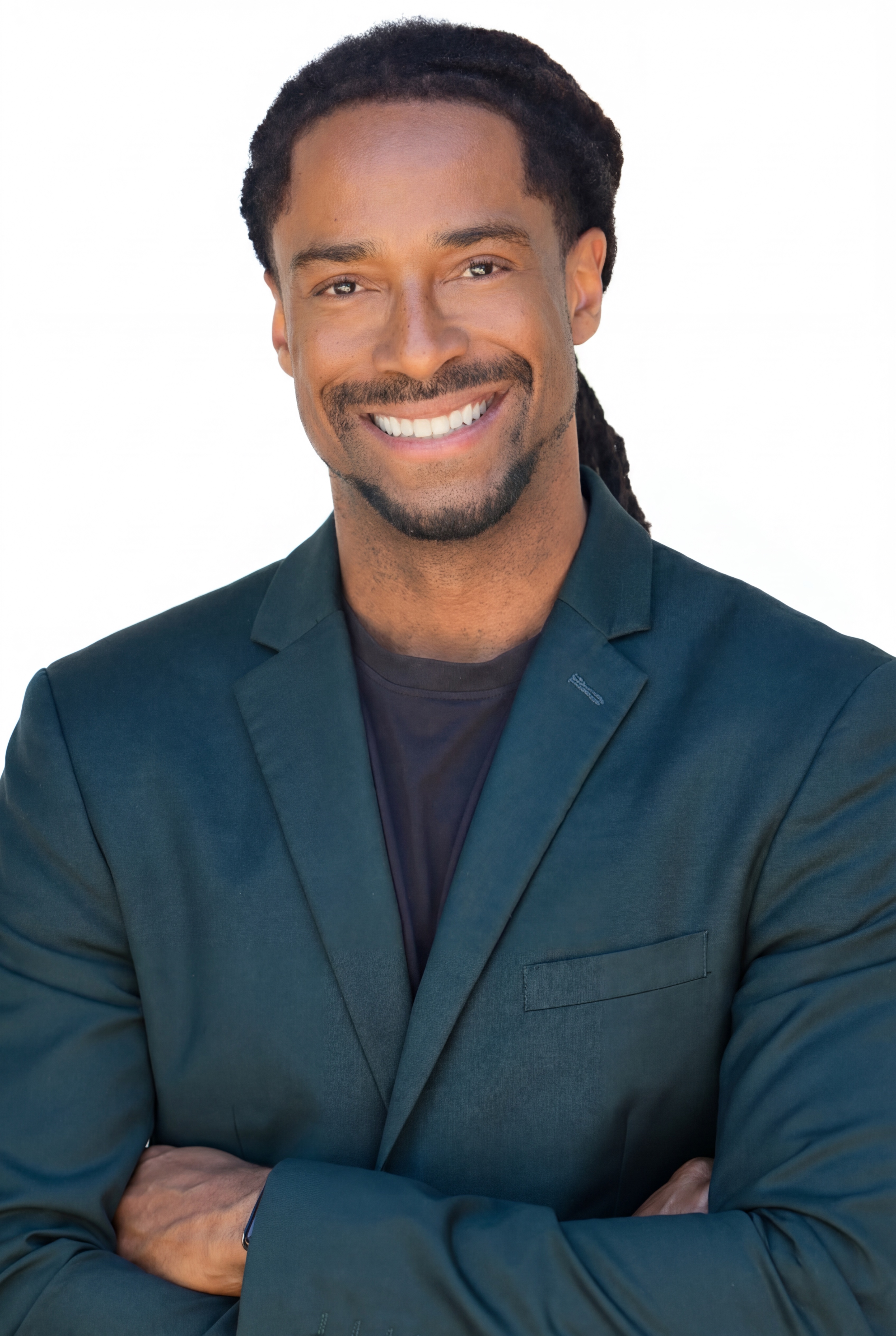
About DJ Will Gill
Wall Street Journal’s #1 rated corporate event DJ and emcee. Forbes Next 1000 honoree, 3x Super Bowl performer, World Cup performer, a Formula 1 Las Vegas Grand Prix performer, and MBE certified, with 2,520+ five-star Google reviews across 600+ corporate events for clients including Google, Amazon, Salesforce, PayPal, and Pepsi.
Who runs this flow live: Will Gill
Will Gill is the Wall Street Journal’s #1 corporate event DJ and emcee, a Forbes Next 1000 honoree and 3x Super Bowl DJ, with 2,520+ five-star Google reviews. He builds and runs gala music and MC flow as one job, from cocktail-hour tempo through the awards block to the dance floor.
A run of show only survives contact with a live room if one person owns both the music and the microphone. Split them and every transition needs a handoff that nobody rehearsed.