
From the DJ Booth to the Keynote Stage: Lessons in Reading a Room | DJ Will Gill
The single skill that separates competent keynote speakers from the ones event planners rebook is the ability to read a room in real time. Not the ability to design slides. Not the ability to memorize content. Not the polish of a rehearsed voice. The ability to look at the audience in front of you right now and make the micro-adjustments that keep them with you. Speakers who read rooms build reputations. Speakers who deliver at the room, rather than with it, do not. What is less commonly acknowledged is that the training ground for this skill is not the keynote stage. It is the DJ booth. A career spent behind the decks reading rooms in real time, night after night, over hundreds of gigs, is one of the fastest routes to developing the exact craft that keynote speakers spend years trying to build from a stage.
This piece is a working framework on the lessons that transfer from the DJ booth to the keynote stage. Why room reading is a trainable craft rather than an innate talent, and what makes the DJ booth a effective training environment. The five lessons the booth teaches that most keynote speakers spend careers learning slowly: Tempo as a diagnostic instrument, silence as a deliberate move, callbacks that build story arc live, the plan as a draft rather than a script, and the reality that the room is reading you back at the same time you are reading it. And, at the close, what keynote speakers can take from the DJ booth into their own craft. This piece is one working professional’s account of the craft transferability. If your keynote speaker has never spent a full night behind a booth reading a room without a script, they are missing a training input that shows up on stage in ways audiences feel but rarely name.
Booking a keynote speaker whose craft was trained by hundreds of nights of live room reading? Contact DJ Will Gill.
Key Takeaways
- Reading the room is a trainable craft, not an innate talent. Industry framing from working keynote and corporate emcee professionals confirms that room reading gets sharper the more intentionally it is practiced. The DJ booth is one of the effective training environments because it forces the craft into the professional’s workflow every single night, over hundreds of gigs, with immediate feedback.
- The DJ booth teaches five lessons that transfer directly to the keynote stage: (1) tempo is a diagnostic instrument, not just a musical one, (2) silence is a deliberate move, not a failure state, (3) callbacks build story arc live, not in editing, (4) the plan is a draft, not a script, and (5) the room reads you back at the same time you are reading it.
- Modern corporate keynote formats have shifted toward requiring room-reading skill. Coverage from CEOWORLD Magazine documents that session formats now alternate short content segments with interactive polls, prompts, and real-time audience participation, requiring speakers to become “room facilitators” Who read energy, pivot when polls do not track as expected, and weave submitted questions in real time.
- The neuroscience supports the craft. Harvard Medical School research on storytelling documents “neural coupling” Between speaker and audience where a well-crafted narrative synchronizes multiple brain regions. Harvard Business Review research documents that audiences form lasting opinions of speakers within the first 7 seconds. Both findings reinforce that the room is doing active cognitive work the speaker must be reading in real time.
- The biggest mistake keynote speakers make when they try to read the room is confusing observation with adjustment. Observing that the room is disengaged is the first 10 percent of the skill. The other 90 percent is what the professional does with that observation, which is exactly where the DJ booth’s training pressure produces working professionals who adjust automatically rather than freeze.
1. The Room Is the Text, Not the Slides
The starting point for any serious keynote craft argument is a category shift. Most speakers treat their slides, script, or prepared talk as the primary text of the moment. The audience is the receiving surface. Content flows one direction. That is the default mental model, and it produces the default result: Technically-competent delivery that audiences forget by dinner.
Working professionals treat the room itself as the primary text. The slides are draft material. The prepared script is a starting framework. The audience is the actual content, and the professional’s job is to read what the room is doing right now and make the choices that keep the room with them. Content flows in both directions. This is the mental model that separates the speakers event planners rebook from the speakers they book once.
Coverage of the framing from a leading professional speaker and corporate emcee whose work is built on the room-reading craft: Reading the room is the ability to observe real-time signals from an audience: Body language, energy shifts, facial expressions, and participation levels, and adjust communication accordingly, Jeff Civillico’s work as both a keynote speaker and corporate emcee is built on this skill, rather than relying solely on prepared content, leaders who read the room treat communication as a dynamic process, staying connected to how their message is actually landing rather than how they planned for it to land, the most common reason leaders struggle to read the room effectively is a lack of presence, leaders who are focused on their notes, their slides, or their internal dialogue miss the signals their audience is constantly sending, Harvard Business Review’s research on effective listening confirms that listening extends beyond words: it includes observing how people respond physically and emotionally, adaptation signals awareness, awareness builds connection. That framing is the industry-standard argument for the craft. What differs across speakers is not the definition of the craft but the depth of the training environment that produced it.
Additional coverage of the industry-shift signal that makes room reading a pressing keynote-craft requirement in 2026 from an executive-audience industry publication: Session formats are shifting towards cycles of interaction, alternating a few minutes of content with an interactive poll or prompt, followed by audience participation and then more content, this format presents speakers with fresh challenges, delivering a polished 45-minute talk is an important skill, but speakers also need to be able to be a room facilitator: Reading the audience’s energy, pivoting when poll numbers don’t play out as expected and seamlessly weaving submitted questions into the presentation in real time, when speakers are comfortable with both, they deliver more engaging sessions that audiences remember. The 2026 keynote market is genuinely shifting toward speakers who can facilitate rooms, not just present at them. This is a competitive advantage for professionals whose training environments forced the facilitation skill early.
The behavioral framework for how a working professional evaluates whether a corporate DJ or emcee can actually read a room in real time (which is the same underlying craft this piece argues transfers to the keynote stage) is covered in the How to tell if a corporate DJ can read a mixed audience Analysis. The craft is one craft. What changes is the venue where it is deployed.
2. What the DJ Booth Teaches That the Keynote Stage Doesn’t
The DJ booth and the keynote stage look like different disciplines to audiences. To working professionals, they are the same underlying craft deployed in different venues. What makes the booth a strong training environment is not the music. It is the structural conditions under which the professional operates.
Structural conditions that make the DJ booth a training environment:
- Every decision is made in real time. The DJ is not delivering a rehearsed script. Every track transition, every tempo change, every energy lift is a decision made in the moment based on what the room is doing right now. There are no do-overs and no editing. The professional either reads the moment correctly or the moment is lost.
- Feedback is immediate and unmistakable. A wrong track choice produces visible dance-floor exit within 30 seconds. A right one produces energy lift within 30 seconds. There is no polite applause obscuring the truth. The audience votes with their bodies every second of the night.
- The professional runs the same room for hours. A keynote speaker holds a room for 30 to 60 minutes. A DJ holds it for four to six hours. The professional is forced to develop pacing, energy management, and arc discipline across durations that keynote work rarely requires.
- Volume of reps is very high. A working DJ reads 100 to 200 rooms per year. A working keynote speaker delivers 20 to 40 talks per year. Rep count compounds. The DJ has read more rooms by their fifth year of work than a keynote speaker will read in twenty.
- The professional cannot rely on content authority. A keynote speaker with a strong content thesis can hold a mediocre reading of the room because the content compensates. A DJ has no content thesis. The music is not the argument. The room’s energy is. The professional either reads it or fails visibly.
- The venue variance is extreme. Corporate ballrooms, hotel lobbies, outdoor venues, virtual studios, industry conferences, wedding receptions, private homes. The DJ works across every venue category, developing the skill of adapting the room read to the physical and social context.
Coverage of the industry framing that reading the room is a trainable skill sharpened by deliberate practice from a working professional keynote and emcee source: Reading the room improves with deliberate attention to a few behaviors: Observing body language and eye contact during conversations, noticing changes in energy and participation, pausing regularly to assess how a message is being received, inviting feedback through questions, and remaining genuinely flexible about adjusting direction, Deloitte’s research on leadership communication confirms that responsiveness and clarity are central to building engagement, like any skill, reading the room gets sharper the more intentionally it is practiced. The DJ booth forces every one of those behaviors into the professional’s workflow every single night. The keynote stage does not. That structural difference is why booth-trained professionals arrive at the keynote stage with a competitive advantage that keynote-only speakers spend years developing.
The distinction between the appearance of audience engagement (interactivity) and the underlying cognitive-emotional state of engagement itself is directly relevant to what booth-trained professionals learn to see faster than stage-only speakers. That framework is covered in the The difference between interactive and engaged corporate audiences Analysis. Booth training teaches the distinction because dance-floor participation without energy is one of the fastest failure modes for a working DJ, and the professional learns to distinguish the two within the first months of serious work.
3. Lesson 1: Tempo Is a Diagnostic Instrument, Not Just a Musical One
The first lesson the DJ booth teaches is that tempo is a diagnostic instrument. Music tempo tells you what the room is doing right now. It also tells the room what you are doing about it. A DJ who plays a 128 BPM track into a room that is at 90 BPM energy signals a misread. A DJ who bridges from 90 to 105 to 118 across three tracks signals that the read is intentional and the lift is engineered. The room feels the difference even if it cannot name what it feels.
The keynote stage version of this lesson is verbal tempo. How fast the speaker delivers content is a diagnostic instrument in the same way music tempo is. A speaker who accelerates into a room that is already fatigued signals misread. A speaker who deliberately slows down to meet the room’s actual pace, then lifts gradually as the content builds, signals professional command. The mechanism is identical.
Working principles for tempo as diagnostic:
- Match before you lift. The room’s actual current tempo has to be met before it can be lifted. Jumping ahead of the room’s state produces the mismatch audiences read as detached energy.
- Bridge across intermediate tempos. The two-step (down, then up) works better than a direct push upward. Bridge tempos give the room something to sync with on the way to the target state.
- Tempo shifts signal intentionality. Deliberate speed changes tell the audience the professional is making choices in response to them, not delivering a script.
- Silence is a tempo choice. Not just an absence of talking. A deliberate zero-tempo moment inside a talk is one of the fastest tempo interventions available. More on this in the next lesson.
- Register calibration matters as much as tempo. Financial services executive audiences at 8 AM need a different verbal register than product teams at a creative offsite. Same tempo, different register, produces different effects.
Coverage of the pace-and-tempo principle from an executive presentation training industry analysis: Professional speakers understand that vocal delivery changes dramatically based on audience size, room acoustics, and presentation objectives, advanced vocal techniques go far beyond basic projection and articulation, resonance optimization: Using chest, throat, and head resonance strategically for different message types, pace variation: Systematic speed changes that create emphasis and maintain attention, tonal layering: Subtle emotional coloring that enhances message reception, strategic silence: Intentional pauses that create anticipation and emphasize key points. The industry framing supports the argument. Pace variation as an intentional communication tool is a professional craft. The DJ booth trains it earlier and faster than the keynote stage does because tempo is the DJ’s primary instrument.
The reason tempo (not genre) is the actual musical variable that determines whether music programming holds a corporate room (which is the underlying physiological principle behind the tempo-as-diagnostic craft this section describes) is covered in the Why tempo beats genre during networking hours Analysis. Tempo works at the physiological level, not the preference level. Professionals who learned the principle behind the booth apply it on the keynote stage in the same way.
4. Lesson 2: Silence Is a Deliberate Move, Not a Failure State
The second lesson the booth teaches is that silence is a professional move, not a professional failure. A DJ knows the value of a moment of silence at the peak of a build, before the drop. The room’s tension increases. The eventual resolution lands harder because the silence created the space for it. The professional deploys silence intentionally. The amateur fears it and fills it.
The keynote stage version is the strategic pause. A speaker who deploys three-to-five second silences at moments of emphasis produces measurable audience-attention increase. A speaker who fills every silence with filler words, restatements, or nervous laughter signals to the room that they are uncomfortable with the moment they created. The room registers the discomfort and mirrors it.
Working principles for silence as a deliberate move:
- Silence signals authority. Only professionals confident in their command of the moment can hold silence. Amateur speakers rush to fill it because the discomfort is not tolerable to them. Audiences read the difference immediately.
- Silence at the top of a segment. Two full seconds of silence before beginning the next section signal that something is coming. The audience’s expectation shifts.
- Silence after a claim. Landing a claim, then holding silence for two to three seconds, allows the room to absorb what was said. Immediately continuing washes the claim out.
- Silence in response to laughter. When the room responds to something, holding silence rather than pushing through the response gives the moment its full landing. Speakers who talk over the response damage its power.
- Silence in Q&A. Silence after asking a question invites the room to actually answer. Filling the silence to reduce your own discomfort teaches the room that questions are rhetorical.
Coverage of the strategic-silence craft from an executive presentation coaching industry analysis: Strategic silence: Intentional pauses that create anticipation and emphasize key points. The framing is minimal but industry-standard. Pause is a communication tool, not an absence of communication. Speakers who develop the skill of holding silence are functioning at a higher tier of professional craft than speakers who fill every moment.
The DJ booth accelerates the development of this skill because the professional is forced to hold silence multiple times per night, at build peaks, in transition gaps, and in tension-release moments. The muscle memory develops within the first year of serious work. Keynote speakers who did not train in the booth develop it more slowly, or often not at all.
The real-time recovery techniques that professional emcees deploy when a room goes dead (which includes the strategic use of silence as a pattern-interrupt intervention) are covered in the How to handle a dead room at a corporate event Analysis. Silence appears in that framework because it is one of the most reliable professional moves when other techniques would compound the deadness. The booth teaches reliability. The keynote stage benefits from the training.
5. Lesson 3: Callbacks Build Story Arc Live, Not in Editing
The third lesson is the callback structure. A DJ builds an arc across a set by referencing earlier moments later. A hook from an opening track returns in the third hour as a bridge into a peak. A phrase from an early vocal gets sampled into a later transition. The audience remembers the earlier moment when the callback lands, and the recognition itself is the payoff. The DJ is composing narrative structure live, without editing tools, using memory and repetition to produce a story-shaped experience.
The keynote stage version is the callback discipline in speech. A speaker who introduces a story, an image, or a phrase early, then returns to it deliberately later in the talk, produces the same story-shaped experience for the audience. The return is what makes the earlier moment become a structural element rather than a floating anecdote. Audiences remember talks with a callback structure much more than talks without.
Working principles for callbacks as story-arc discipline:
- Plant early, harvest late. A callback is only powerful if the original moment was memorable enough to be recalled. Plants that were not distinctive enough do not produce recognizable harvests.
- Every plant needs a callback. Speakers who plant references and never return to them frustrate the audience’s pattern recognition. The audience feels the story is incomplete even if they cannot name why.
- Callbacks reward attention. The audience member who caught the plant feels rewarded for their attention when the callback lands. This is a engagement mechanism that content-only speakers rarely use.
- Multiple callbacks stack. A single callback is a moment. Three callbacks across a talk build a structural pattern. Six or seven produce the sense of an intentional composition.
- The final callback is the closer. Great talks close by returning to the opening moment with new meaning. The audience feels the arc complete.
Coverage of the neuroscience research that supports the callback and narrative-structure principle from an executive presentation training industry analysis: Basic presenters use stories as examples, but advanced speakers leverage storytelling for neural reprogramming, the difference marks a departure from delivering information to creating an experience, research on neuroscience by Harvard Medical School states that a well-crafted story synchronizes multiple brain regions, resulting in what scientists have dubbed “neural coupling” Between the storyteller and their audience, this phenomenon makes it possible for great communicators to actually align the brain activity of their audience with their own. The Harvard neural coupling research is one of the foundational data points for why story structure is not merely a rhetorical preference but a cognitive alignment mechanism. Callbacks are the tool that produces the story-shaped structure the coupling requires.
The narrative discipline that professional DJ-emcees use to hold a cohesive event arc across multiple segments and speakers (which is the professional-level application of the callback structure this section describes) is covered in the How a DJ and emcee build a cohesive event narrative Analysis. Booth-trained professionals arrive at the keynote stage with narrative discipline that stage-only speakers develop slowly, if at all.
6. Lesson 4: The Plan Is a Draft, Not a Script
The fourth lesson is the disposability of the plan. A DJ arrives at every gig with a plan. Opening set. Peak track order. Closer. That plan survives approximately 12 minutes into the actual set, when the room reveals its actual state and the professional starts adjusting. By 90 minutes in, the plan is barely recognizable. The DJ has been reading and adapting the whole time, and the deviation is the professional work, not a failure to execute the plan.
The keynote stage version is the modular deck. A speaker with 15 core modules that can be combined into 50 different presentation configurations is set up for real-time adaptation. A speaker with one 45-slide deck that must be delivered in order is not. When the room reveals its state, the modular speaker adjusts. The linear speaker either forces the room to receive content that no longer fits or freezes and reads the discomfort of the mismatch to the room.
Working principles for the plan-as-draft discipline:
- Prepare more content than you plan to use. The professional carries 90 minutes of material for a 60-minute talk. The extra material gives you space to skip, expand, or substitute as the room’s state indicates.
- Modular structure over linear structure. Content designed as modules that can be reordered gives the professional real-time flexibility. Content designed as a single flowing narrative constrains the professional to one path.
- Rehearse abandoning the plan. Practice not just the plan, but the response to room conditions where the plan needs to change. Prepared adjustments feel intentional. Improvised adjustments feel panicked.
- Know your core message. Adaptation only works if the underlying message stays intact. A speaker who does not know their own thesis cannot adapt without losing the point.
- Trust the read. Once you have identified the room’s state, act on the read. Speakers who second-guess their read while continuing the planned content produce the worst of both worlds.
Coverage of the modular-adaptation practice from an executive presentation coaching industry analysis: The highest level of presentation mastery involves real-time content modification without losing message coherence or audience engagement, this requires modular thinking and advanced improvisational skills, example libraries: Maintain collections of stories and cases for different industries and situations, interactive pivoting: Shift between presentation and discussion modes seamlessly, technology integration: Use digital tools to modify slides and content in real-time, a technology CEO we coached mastered seamless adaptation by creating a presentation framework with 15 core modules that could be combined into 50+ different presentation configurations. The 15-modules-into-50-configurations framing is a working professional practice. The DJ booth trains it structurally because every night is 15 modules combined into a different configuration based on room state.
The structural argument for why professional keynote speakers who also work as DJs bring a format advantage that pure-content keynote speakers do not (which is directly connected to the plan-as-draft training the DJ booth produces) is covered in the Keynote speakers who also DJ: The format advantage Analysis. The dual-craft training compounds. Speakers with both develop skills that each craft alone would take longer to produce.
7. Lesson 5: The Room Reads You Back
The fifth lesson is the bidirectional read. Room reading is not a one-way activity where the professional observes the audience and adjusts. The audience is simultaneously observing the professional, forming judgments about whether the professional is competent, present, and worth their attention. The read runs both directions at all times. Speakers who do not internalize this produce the failure mode of reading the room correctly but signaling incompetence in how they respond to the read.
Coverage of the research finding on how quickly the room forms its read from an executive presentation training industry analysis: Stage presence is not charisma, it’s intentional energy and spatial awareness, while coaching C-suite executives, we teach something known as “executive magnetism” To command presence rather than personality, the neuroscience of presence: Harvard Business Review research shows that audiences make lasting opinions of speakers within the first 7 seconds of talking. The seven-second finding is the data point. The room’s read of the professional is largely complete before the professional has finished their opening. What happens after is either confirmation or challenge of the initial read, not the formation of a new read.
Working principles for the bidirectional-read reality:
- Your opening is your first read of them and their first read of you. Both directions matter equally. The professional who reads the room in the opening 60 seconds is being read by the room in the same window.
- How you handle the read signals competence. Observing that the room is disengaged is 10 percent of the skill. What you do with that observation is 90 percent. The room is watching the 90 percent.
- Presence is legible. The professional who is fully present in the room reads differently to the audience than the professional who is mentally rehearsing the next segment. The audience feels the difference even if they cannot name it.
- Confidence in adjustment signals authority. A speaker who visibly changes course in response to the room’s state and delivers the change with the same conviction as the plan signals professional command. A speaker who apologizes for adjusting signals uncertainty.
- The room’s read of you affects what they let you do. A room that reads the professional as competent gives them more latitude to try things. A room that reads the professional as struggling withdraws latitude and reduces engagement.
The DJ booth teaches the bidirectional read because the DJ is visible to the room the entire night. The room reads the professional’s face, body language, and micro-decisions constantly. The professional who does not internalize this produces a booth failure mode: Excellent reads of the room, followed by hesitant or apologetic execution that the room reads as amateur even when the read was correct. The booth trains the professional to commit to reads with confidence because the alternative is visible failure.
The keynote stage benefits from the same discipline. Speakers who confidently execute their reads look professional. Speakers who visibly hedge their reads look amateur regardless of the quality of the underlying read.
The structural distinction between the emcee role and the keynote speaker role (which matters here because the bidirectional-read reality applies to both, but the register the professional maintains during the read differs between the two roles) is covered in the Why your keynote speaker should not double as your emcee Analysis. The professional who understands the register distinction can operate in both roles at a professional standard. The professional who does not compromise both.
8. What Keynote Speakers Can Take From the DJ Booth
The closing section, framed for the keynote speaker audience specifically. The five lessons above are not just a description of what the DJ booth teaches. They are a working set of takeaways any keynote speaker can adopt without ever spending a night behind decks.
Working takeaways for keynote speakers who want to build the room-reading craft without a booth background:
- Treat every talk as room-reading practice, not content delivery. Before the next talk, decide that the primary objective is reading and adjusting to the actual room, not delivering the planned content in the planned order. This mental shift alone produces measurable improvement across a few talks.
- Prepare more content than you plan to use, and design it modularly. Move from a linear 45-slide deck to a modular library that can be combined based on room state. This is one of the highest-leverage single moves a keynote speaker can make.
- Rehearse silence. Practice holding two-, three-, and five-second pauses at moments in your talk. Feel the discomfort in rehearsal so you do not feel it on stage. The audience does not fear silence. You do. Train the fear out.
- Plant callbacks in every talk. Introduce a phrase, image, or story early. Return to it deliberately later. Practice this as a discipline until every talk has at least three callback structures.
- Vary your verbal tempo intentionally. Practice deliberate speed changes at moments. Slow down at the beginning of a segment. Speed up in the middle. Slow again to close. Speed variation is one of the fastest ways to signal professional command.
- Watch tape of your own talks with the sound off. Industry practice from executive presentation coaches emphasizes this exercise. You will see your own body language, your own room engagement, and your own missed reads in ways you cannot see from behind your own eyes on stage.
- Increase your rep count. The volume of rooms you have read is a competitive advantage. Speakers who read 40 rooms per year outpace speakers who read 10, all else equal. Every extra rep compounds.
- Actually spend some time behind decks. If you are a working keynote speaker who has never DJ’d, consider this. Not to become a DJ, but to develop the real-time craft the booth forces. Even six months of serious booth work will materially change your read on stage.
A closing framing for corporate planners specifically: When you are evaluating keynote speakers, ask about their room-reading training environment, not just their content expertise. A speaker whose only training ground is the keynote stage is likely to be technically competent but slow on real-time reads. A speaker whose craft was trained in multiple real-time environments (booth, emcee stage, comedy stage, teaching classroom, live radio) is likely to bring a stronger read on your audience.
For a service-line look at what a working professional whose keynote craft was trained by hundreds of nights of live room reading actually delivers, the current deliverables are on the Corporate event DJ services page. The room-reading craft is the same craft whether it is deployed behind the decks or on the keynote stage. What changes is the venue. Booking a professional whose training environment forced the craft is booking the competitive advantage the environment produced. The rest of the industry will catch up eventually. Planners who understand the craft transferability early get access to booth-trained professionals before they are priced for the specialists they are becoming.
Frequently Asked Questions
What does “reading the room” Actually mean as a keynote speaker skill?
Reading the room is the ability to observe real-time audience signals (body language, energy shifts, facial expressions, participation levels) and adjust delivery accordingly. Working professional keynote and emcee industry framing confirms that this is a trainable craft, not an innate talent. The skill separates the speakers’ event planners rebooking from those they book once. Industry data from executive presentation coaching includes Harvard Business Review research on effective listening, Deloitte research on leadership communication responsiveness, and Harvard Medical School neuroscience research on “neural coupling” Between speakers and audiences. All support the framing that the room is doing active cognitive work, the speaker must be reading in real time.
Why is the DJ booth a good training ground for reading a room?
Six structural reasons. Every decision is made in real time (no rehearsed script, no do-overs). Feedback is immediate and unmistakable (dance-floor exit within 30 seconds signals a wrong track). The professional runs the same room for hours (four to six versus a keynote’s 30 to 60 minutes). Volume of reps is very high (100 to 200 rooms per year versus 20 to 40 for keynote speakers). The professional cannot rely on content authority (no thesis to compensate for a bad read). Venue variance is extreme (corporate ballrooms, hotels, outdoor, virtual, weddings). These conditions force the behaviors documented in industry research as core to room-reading skill: Observing body language, noticing energy changes, pausing to assess, inviting feedback, remaining flexible.
What are the room-reading signals a keynote speaker should watch for?
Industry framework for nonverbal cues that reveal room state. Posture: Leaning forward indicates interest; slouching indicates fatigue or disengagement. Facial expressions: Confusion, smiles, nods, and raised eyebrows reveal comprehension and emotional response. Gestures: Fidgeting, crossed arms, and restlessness signal discomfort or distraction. Eye movement: Repeated glances at phones, watches, or exits suggest waning attention. Energy shifts: Rising or falling engagement across the audience as a whole. Participation levels: Response rate to polls, questions, or prompts. Two or more disengagement signals present in a substantial portion of the audience indicate the room is drifting and the speaker needs to adjust.
How is room reading different at a virtual keynote versus in person?
The underlying craft is the same. What changes is the signal set. In-person room reading uses body language, physical energy, and facial expressions across a visible room. Virtual room reading uses engagement analytics (attention drop, chat volume, camera-on rates, poll response rates), individual video tile reactions where available, and Q&A queue depth. The virtual attention curve is steeper, so the reads have to happen faster. Coverage from executive presentation coaching includes an “audience quadrant scan” Technique of monitoring one quadrant of the room per minute; the virtual equivalent is monitoring one engagement signal (chat, questions, poll response) per minute alongside the visual read of active video tiles.
Can room reading be taught, or is it something you’re born with?
Industry framing from working keynote and corporate emcee professionals confirms that room reading is a trainable craft that “gets sharper the more intentionally it is practiced.” It is not innate. The behaviors that produce it (observing body language, noticing energy changes, pausing to assess, inviting feedback, remaining flexible) can be practiced. What varies is the training environment. Some environments (DJ booth, comedy stage, live radio, teaching) force the craft into the professional’s workflow immediately and repeatedly. Other environments (keynote stage only) develop it slowly because the rep count is lower and content authority can partially compensate for weak reads. Booth-trained professionals develop it faster because the environment forces the discipline.
What is the biggest mistake keynote speakers make when they try to read the room?
Confusing observation with adjustment. Observing that the room is disengaged is 10 percent of the skill. What the professional does with that observation is the other 90 percent. Many keynote speakers develop the observation half (notice the room is fading) without developing the adjustment half (know what to do about it), which produces the failure mode of visible awareness without visible response. Audiences read this as “the speaker knows we are checked out and does not know what to do about it,” Which damages authority faster than not noticing would have. The DJ booth trains the adjustment half because failure to adjust produces immediate visible failure. The training pressure closes the observation-adjustment gap early.
What Corporate Clients Are Saying
About the Author
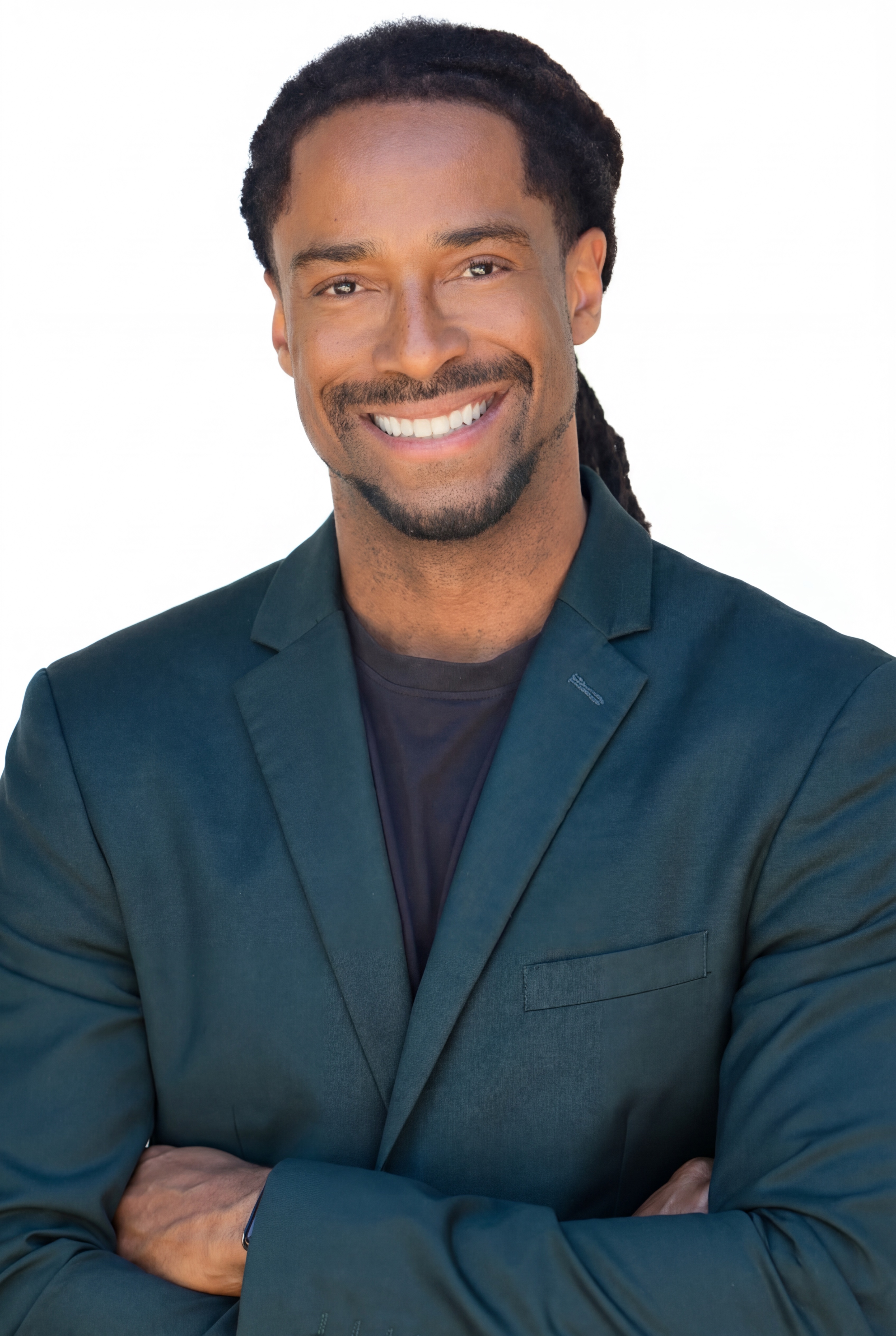
William “DJ Will Gill” Gilbert is a corporate event DJ, emcee, and audience-engagement specialist. The Wall Street Journal Has recognized him as a Virtual DJ-Emcee for creating engaging virtual experiences that help companies strengthen team morale. He is also a Forbes Next 1000 Honoree. He pioneered the 3-in-1 booking model that combines professional emcee, open-format DJ, and interactive team-building host in a single engagement for Fortune 500 corporate clients including AT&T Business, CDW, Virgin Galactic, NeoGenomics, PepsiCo, PayPal, Ulta Beauty, Salesforce, Lenovo, and the United Nations, with 2,520+ five-star Google reviews from corporate clients across the United States. He has read 600+ corporate rooms across every event tier and format, from Virgin Galactic’s spaceflight launch to Hilton’s National Leadership Conference at Orange County Convention Center, and treats the room-reading craft as the transferable discipline that links his DJ, emcee, and keynote work into a single professional practice. He is also the founder of THEAIDJ, an AI-powered playlist generation tool built for DJs and corporate event planners programming music across in-person, hybrid, and virtual events.
Book Will’s integrated DJ-emcee-engagement corporate event package or explore booth-trained keynote availability at Djwillgill.com/contact.