
The Difference Between Interactive and Engaged Corporate Audiences | DJ Will Gill
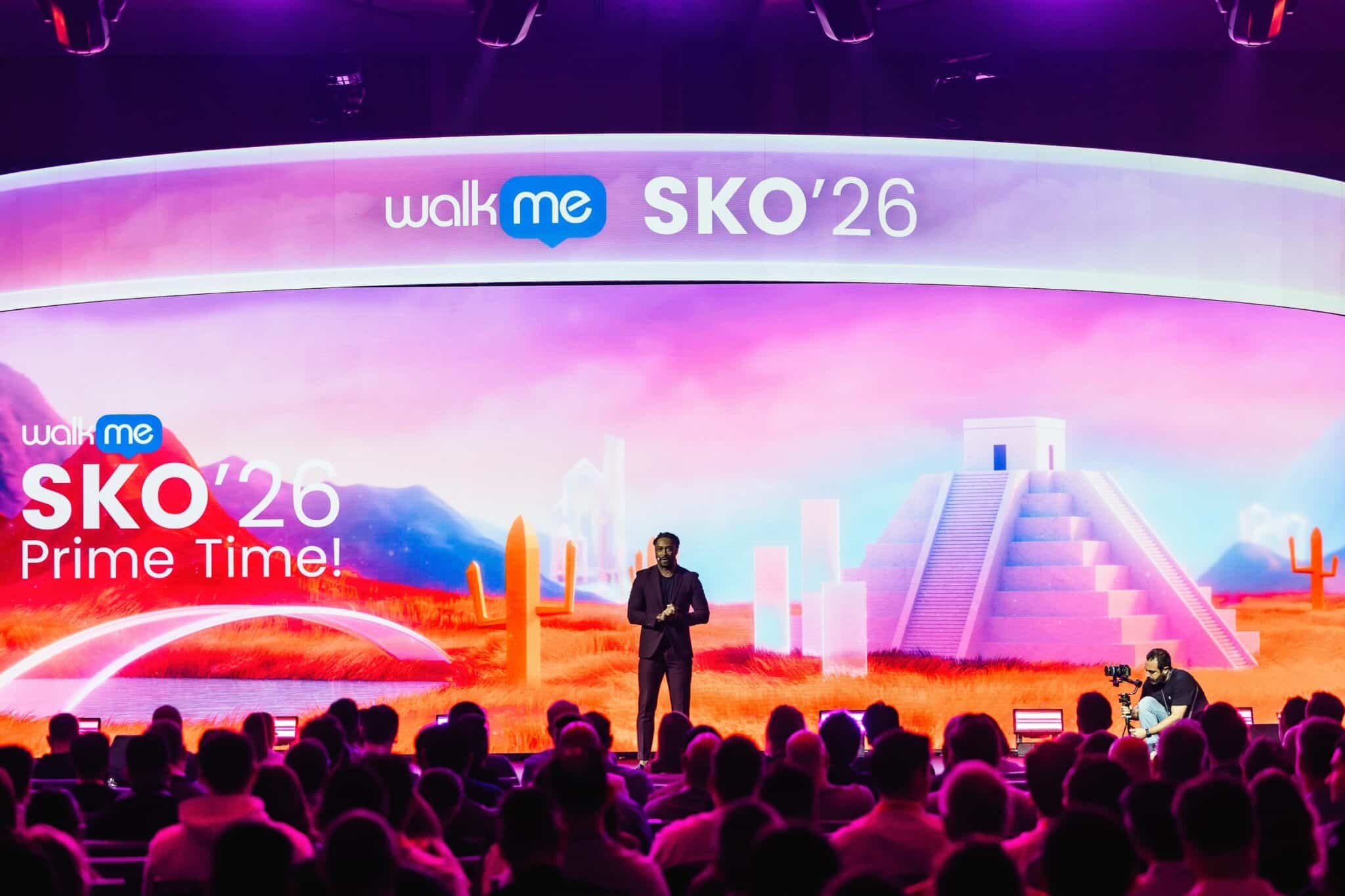
Planners book entertainment vendors and use the words “interactive” and “engaged” as if they mean the same thing. They do not. Interactive means people are doing something. Engaged means people are with you. Those are two different states, they diverge more often than the industry admits, and confusing them is one of the most expensive misreads a corporate planner can make. It leads to events with impressive participation metrics and disappointing outcomes. It leads to planners deciding a silent room means a failed keynote when the audience is actually locked in. It leads to vendors selling activation theater and calling it engagement.
This piece is a definitional cleanup. What “interactive” actually means. What “engaged” actually means. Why the two can move independently. The four quadrants your audience can be in at any given moment. The interactivity theater trap that has quietly consumed the last decade of corporate event design. The silent engagement trap that has quietly consumed the same decade in reverse. How to design events where engagement is the foundation and interactivity is the amplifier. And how to diagnose what your event actually has, during the event and after it, so you know whether to book more of the same or fix what you booked. If you have ever run an event with high poll response rates and low outcomes, or a keynote where the room felt cold but the follow-through was huge, this piece is about why.
Ready to build an event that earns actual engagement, not just interactivity metrics? Contact DJ Will Gill.
Key Takeaways
- Interactive and engaged are not synonyms. Interactive means the audience is taking observable actions (polls, chat, hand raises, Q&A, gamification). Engaged means the audience is in a cognitive, emotional, and behavioral state of active attention. The two often diverge.
- You can have a highly interactive audience that is not engaged. Audiences click polls, drop reactions in chat, and raise hands while mentally checked out. Activity does not equal attention.
- You can have a deeply engaged audience that is not visibly interactive. Silent rooms with leaning-forward posture, sustained eye contact, active note-taking, and phone-snapshots of slides are engaged audiences. Silence is not failure.
- The interactivity theater trap: planners chase measurable participation metrics (poll response rate, chat volume) as a proxy for success and miss that engagement collapsed. The silent engagement trap: planners assume a quiet room is a dead room and force interactivity that breaks the state the audience was already in.
- Design events for engagement first, interactivity second. Engagement is earned through content, presence, narrative, and craft. Interactivity is layered on top as an amplifier of already-earned attention. Reverse the order and the interactivity produces theater instead of results.
1. The Definitional Problem: Interactive Does Not Mean Engaged
The corporate event industry uses “interactive” and “engaged” interchangeably in vendor decks, sales conversations, and RFP responses. This is a marketing convenience, not a professional distinction. Interactive is an observable action taken by an audience member. Engaged is a psychological state that lives in that audience member’s attention, cognition, and emotional investment. The observable action can happen with or without the psychological state, and the psychological state can happen with or without the observable action.
Coverage of the specific definitional distinction from professional public speaking practice: audience interaction and audience engagement are two different things, audience interaction is when you inspire your audience to participate in some aspect of your performance, it can be an action as small as raising a hand or repeating a phrase or as big as volunteering to come on stage, audience engagement is when you connect with, entertain, and inspire your audience to feel, think, and act differently because of the transformational experience you create for them. The definition is clean. Interaction is participation. Engagement is transformation. They rhyme in marketing copy. They mean very different things in the room.
Coverage of the specific practitioner distinction from the masterclass industry: audience engagement and interaction are important elements of a high-quality masterclass or webinar, however, it is important to remember that they are not the same thing, audience engagement comes from content where they can see themselves and a solution or path to their struggle or desire, whereas interaction are actions participants take like typing a response in chat or taking a poll. Same distinction, different vertical. Content that lands in the audience produces engagement. Actions the audience takes produce interaction. The two often coincide. But when they diverge, planners who cannot tell them apart make bad decisions.
Why the confusion matters at the corporate scale:
- Vendors sell interactive because it is measurable and demoable. Poll response rates are easy to report. Cognitive attention is not.
- Planners buy interactive because it produces reportable metrics. “78% of attendees voted in the live poll” reads well on a post-event summary. “The room was leaning forward the entire keynote” does not fit in a KPI slide.
- Executives assume interactivity is a proxy for engagement. It is not. It can be a proxy. It can also be a substitute. The two look identical on paper.
- The industry rewards visible activity over invisible attention. The activity is measurable. The attention is what actually produces the outcomes the event was booked to produce.
This piece is not an argument against interactivity. Interactive elements have a place. The argument is that interactivity is not a substitute for engagement, and treating them as interchangeable produces a specific and predictable class of event failures. The hidden mechanism by which certain roles at a corporate event become disproportionately strong engagement levers (regardless of whether they produce visible interactivity) is covered in the corporate audience-engagement hosts as the hidden engagement lever analysis. That piece assumes the definitions in this one.
2. What “Interactive” Actually Means at a Corporate Event
Interactivity is the observable action layer. It is what an audience member does that can be counted, tracked, or filmed. It is the surface of the event, and it is what most planners and vendors describe when they use the word “engagement” in a sales conversation. Under a clean definition, this is not engagement. It is interactivity, which is a distinct thing.
Specific forms interactivity takes at corporate events:
- Live polling. Slido, Mentimeter, Poll Everywhere. Audience taps a phone. Result appears on screen. Measurable response rate.
- Q&A. Submitted through app, chat, or open mic. Measurable submission volume. Measurable questions answered.
- Chat and reactions. Virtual and hybrid events especially. Measurable message count. Measurable emoji reaction count.
- Gamification. Points, leaderboards, badges. Measurable participation, measurable point accumulation.
- Game show segments. Team play, trivia, wheel spins, buzzer rounds. Measurable participation rate, measurable emotional response.
- Physical activation. Photo booths, brand experiences, activation zones. Measurable visit count, measurable dwell time.
- Networking mechanics. Icebreakers, matchmaking apps, roundtable rotations. Measurable connection count.
- Hand-raising and call-and-response. “Raise your hand if…” “Say it back to me…” Measurable participation, measurable energy.
Coverage of the standard corporate framing from the AV production industry: long presentations with no audience interaction quickly lose attention, engagement increases when attendees have opportunities to participate during sessions, build interaction directly into the agenda, speakers can include short audience polls, live Q&A segments, or quick group discussions during presentations, these moments keep people focused and encourage them to think about the content in real time. This is the conventional wisdom. It is not wrong. But notice what it is doing: treating interactivity as the mechanism that produces engagement. That is a specific claim. It is sometimes true. It is not always true. The interactivity can produce engagement, or it can substitute for the engagement the event failed to earn.
Interactivity has two legitimate professional functions at a corporate event. It creates behavioral participation that produces measurable data. And it amplifies engagement that has already been earned by the content and presence. What interactivity cannot do is manufacture engagement where none existed. This is the specific failure mode the next four sections diagnose.
The specific tactical framework on when live polling actually works, when it produces the illusion of engagement without the substance, and how to design polling architecture that amplifies rather than substitutes for real engagement is covered in the live polling for corporate events analysis. Polling is a case study in the interactive-vs-engaged tension. The tool is neutral. The design is not.
3. What “Engaged” Actually Means at a Corporate Event
Engagement is a psychological state. It is what is happening inside the attendee’s mind and body when they are with you. Cognitive attention is directed at the content. Emotional response is present in the room. Behavioral posture reflects the internal state. When all three are aligned, engagement is high. When any one drifts, engagement drops even if visible interactivity continues.
Coverage of the specific three-dimensional framework from event psychology practice: true engagement combines cognitive (understanding), emotional (connection), and behavioral (action) responses, successful events balance all three, whether they’re absorbing technical data or emotionally connecting with a narrative, engagement must be active and intentional. This is the clean model. Engagement lives at the intersection of three dimensions. Interactivity only touches the third one. Even there, it touches only the observable action, not the underlying state that produced it.
Coverage of the specific psychological-state framing from marketing communication research: the conventional audience engagement definition tends to focus on observable actions, likes, comments, shares and clicks, while these metrics give us valuable feedback, they are symptoms not the engagement itself, a more comprehensive definition recognises engagement as a psychological state characterised by attentional focus, the cognitive bandwidth dedicated to your content. The observable actions are symptoms of engagement. They are not engagement itself. When corporate planners optimize the symptoms, they can end up with rooms full of symptoms and no underlying state.
Coverage of the specific framework distinguishing engagement depth from the consumer platform space: primary audience engagement is a type of audience engagement in which the audience is highly attentive and focused on the media they are consuming, actively processing the information, secondary audience engagement is a type of audience engagement involving less focused attention, with the audience often multi-tasking or absorbing multiple pieces of information simultaneously. Corporate events want primary engagement. Most produce secondary engagement while measuring interactivity signals and calling it primary. This is the specific gap this piece is trying to close.
Specific dimensions of engagement at a corporate event:
- Cognitive engagement. The attendee is thinking about the content. Following the logic. Making connections. Processing what is being said.
- Emotional engagement. The attendee is feeling something. Curiosity, resonance, inspiration, discomfort, humor, recognition. Content is landing at the affective level.
- Attentional engagement. The attendee is present, not multitasking. Phone is down or being used to take photos of slides, not scroll. Eyes are on the stage.
- Behavioral engagement. The attendee is displaying physical signals of being with you. Leaning forward. Nodding. Note-taking. Turning to the neighbor to react.
- Retentional engagement. The attendee will remember specific content after the event. This is the outcome the event was actually booked to produce.
- Action engagement. The attendee changes behavior after the event. Buys the product. Adopts the practice. Refers the speaker. This is engagement at its business consequence.
Notice that none of these can be captured with a poll click. Some correlate with polls, chat, and hand raises. All of them can happen without any of those actions occurring. The specific cognitive-load research on why virtual audiences drop out of engagement much earlier than in-person audiences (which applies equally to what makes an in-person audience stay in the engagement state) is covered in the why virtual conferences lose attention after minute 12 analysis. Engagement has a physiology. Design that ignores the physiology loses to it.
4. The Four Quadrants Your Audience Can Be In
Because interactive and engaged are independent axes, your audience at any moment can be in one of four states. Recognizing which one your room is in is the first professional skill. Designing to move the room toward the productive quadrants is the second.
The four quadrants:
- High Interactive / High Engaged. The aspirational quadrant. Audience is taking observable actions AND those actions are expressions of the psychological state they are in. Polls are voted on because attendees care about the outcome. Chat is active because attendees are processing content in real time. Hands go up because the moment earned them. This is what well-designed events produce.
- High Interactive / Low Engaged. Interactivity theater. Audience is going through motions because the design demands it, not because the content is landing. Polls get responses because attendees are politely playing along. Chat is full of low-substance messages. Hands go up because the emcee kept asking. Metrics look great. Outcomes are hollow.
- Low Interactive / High Engaged. Silent engagement. Audience is not doing much visible. The room is quiet. But the audience is leaning forward, taking notes, holding eye contact, snapping photos of slides. Content is landing at depth. Planners who cannot read this quadrant panic and force interactivity that breaks it. Planners who can read it protect it.
- Low Interactive / Low Engaged. Event failure. Silent room, distracted audience, no forward motion. This is what everyone is afraid of. It is also the least common failure mode because most events have enough activation to avoid it visibly, even when engagement has collapsed.
The specific corporate context makes quadrant reading harder. Coverage of the specific corporate-context complication from event psychology practice: in corporate environments, participation often carries an unspoken sense of risk, particularly in rooms where hierarchy, performance perception or internal politics are present, this is why peer to peer interaction is often more powerful than open plenary discussion, when people learn from each other, participation feels shared rather than exposed, and the energy in the room shifts accordingly. Corporate audiences suppress visible interactivity because visibility carries career risk. An engaged corporate audience often looks less interactive than a mildly engaged consumer audience. This is a specific reading that most vendors miss.
The specific skill of reading which quadrant a corporate audience is in (which is much more granular than most planners realize and depends on continuous room-reading, not on poll response rates) is covered in the how to tell if a corporate DJ can read a mixed audience analysis. Reading the room is the underlying discipline. Quadrant identification is one application of it.
5. The Interactivity Theater Trap
Interactivity theater is what happens when planners chase measurable participation metrics as a proxy for engagement and miss that engagement collapsed underneath. It looks like a successful event in the post-event report. It produces disappointing outcomes in the follow-through. The audience clicked the polls. The chat volume was high. The gamification leaderboards filled up. And the actions the event was booked to produce (sales pipeline movement, culture shift, product adoption, referral behavior) did not happen at the rate the metrics predicted.
Coverage of the specific failure mode from professional public speaking practice: activity doesn’t necessarily equal engagement, many audience members can participate in polls and comment in breakout rooms while at the same time be mentally checked out and uninterested, most speakers think this is what event organizers want, the result is speakers who change their entire presentation to include and overuse polling technology and other audience interaction techniques, audiences quickly get bored with the same old breakout rooms, juvenile participation activities, and innovative presentation technology. This is the trap named plainly. The vendors compete on interactivity because interactivity sells. The audiences comply with interactivity because compliance is the path of least resistance. The engagement collapses beneath the compliance because engagement was never actually produced.
Specific patterns that signal interactivity theater is happening:
- Poll response rates are high but the questions were trivial. “Which coast are you on?” gets 90% response. That is not engagement. That is compliance with an easy prompt.
- Chat volume is high but content is empty. Emojis, “Hi from Chicago!”, “Thanks for the great content!” Everyone talking, nobody thinking.
- Gamification points are accumulating but audience is not processing content. Attendees playing for points rather than because the content resonated.
- Hand-raise energy is high but eyes are on phones. The room performs participation but audience attention is not on the stage.
- Post-event survey retention is low despite high in-event activity. The room felt alive. Attendees cannot remember specific content two weeks later.
- Referrals and repeat attendance are flat. If attendees were engaged, they refer. If they were only interactive, they do not.
The specific reason interactivity theater happens is that measurable metrics get incentivized. Planners are graded on numbers that show up on decks. Vendors are graded on features that demo well. Executives ask for engagement data. The system produces reportable interactivity in place of unmeasurable engagement. Everyone wins on paper. The event produces less than it should.
The alternative is interactivity design that emerges from actual engagement design. When the interactive mechanics are structured around content that already earned attention, the interactivity amplifies engagement rather than substituting for it. The specific framework on which game mechanics actually produce this amplification (and which produce theater) is covered in the 5 game mechanics that actually work at corporate events analysis. Mechanics matter. Substance matters more.
6. The Silent Engagement Trap
The mirror-image failure mode is the silent engagement trap. Planners assume a quiet room is a dead room and force interactivity that breaks the state the audience was already in. The room was locked in on the keynote. The speaker was landing. The attention was as focused as it had been all day. Then the emcee jumped in with “Everyone raise your hand if you agree!” and the spell broke. The audience politely raised hands. The moment was gone.
This trap comes from misreading silence as disengagement. Silence at a well-designed corporate keynote is often the sound of engagement. The audience is thinking. They are absorbing content. They are not multitasking because they cannot afford to. Adding forced interactivity to this room does not deepen engagement. It interrupts it.
Coverage of the specific behavioral signals that indicate engagement without interactivity from professional keynote-speaker observation: as a speaker, I can tell when an audience responds to something I said, individuals look more focused, increase eye contact, start writing notes, or raise their phone to take a photo of a slide. Those are engagement signals. None of them are interactivity as vendors sell it. All of them are what a professional emcee-DJ is reading in real time to decide whether the room needs more music, more activation, more silence, or more content.
Specific behavioral signals of high engagement without high interactivity:
- Forward posture. Attendees leaning toward the stage rather than back in their chairs.
- Sustained eye contact with the speaker. Not glancing at phones. Not looking at the exit. On the speaker.
- Note-taking. Writing (or typing) specifically in response to content moments, not general.
- Phone photos of slides. The attendee wants to remember or share this specific slide. This is the highest-signal photo behavior.
- Turning to a neighbor. The attendee had a reaction and needs to check it against a colleague. The reaction happened in the room, not on a device.
- Silence that is not restless. The room is quiet but the quiet is attentive. Bodies are still. No shifting, no throat-clearing, no exit-drift.
- Late response after content moments. Applause, laughter, or reaction comes a beat late because the audience was processing.
A professional operator reading these signals knows the room is engaged and protects that engagement. An unprofessional operator (or a nervous planner) reads the same signals as failure and forces interactivity that breaks the state. This is why the specific role of DJ-emcee matters. The DJ-emcee is the person continuously reading the room’s engagement level and deciding when interactivity would amplify it, when it would break it, and when the correct move is to hold silence and let content land.
The specific craft of holding an event’s emotional arc so that silent-engagement moments are protected and interactivity moments are earned is covered in the how a combined DJ-emcee creates a cohesive event narrative analysis. Silent engagement lives inside a narrative arc. Protecting it is a design skill, not an accident.
7. Design Principle: Engagement First, Interactivity Second
The single design principle that resolves both traps: engagement is the foundation, interactivity is the amplifier. Build the event to earn engagement through content, presence, narrative, and craft. Then layer interactivity on top to amplify the engagement that has already been earned. Reverse the order and the interactivity produces theater instead of results.
This is the reverse of how most corporate events are designed. Most planners start with the interactivity architecture (polling app, gamification platform, game show segments) and then hope the content will land inside it. When engagement is the foundation and interactivity is the amplifier, the design starts from the substantive content and builds interactive touchpoints where they will genuinely amplify what the content is doing.
Coverage of the specific practitioner framing on well-designed interactivity that amplifies engagement rather than substituting for it: the key is to make sure the activities are directly connected to the content, an engaged audience will interact more and feel as if they are gaining value through those types of interactions, an example of low value and disconnected interaction is “type yes in the chat if you are ready to learn about X,” a better interaction is “type in chat your biggest struggle with X,” very often the audience will identify [with the content]. Interactivity connected to substantive content amplifies engagement. Interactivity disconnected from content produces theater. Same technology. Different design.
Specific principles for engagement-first, interactivity-second design:
- Start with the takeaway you want attendees to walk out with. Design content that earns that takeaway. Only then decide where interactivity would amplify it.
- Interactivity should extend the content, not perform it. Polls that ask attendees to think about the content deeper are amplifiers. Polls that ask “which city are you in” are theater.
- Game show segments should reinforce learning, not distract from it. Team-based content trivia amplifies engagement. Generic pop-culture trivia does not.
- Music-based interactivity should extend emotional narrative. Call-and-response tied to a keynote theme amplifies engagement. Random “shake it out” moments do not.
- Networking mechanics should facilitate connections attendees would want anyway. Substantive matchmaking amplifies engagement. Forced icebreakers do not.
- Let silence happen when engagement is high. Do not fill every moment with activation. Silence is not the enemy. Empty interactivity is.
The single-operator model (DJ, emcee, and audience engagement in one professional) is structurally suited to this design principle because one person is holding the engagement layer AND the interactivity layer, deciding continuously which one the room needs in the moment. The specific business case for consolidating all three roles into one operator (which unlocks the engagement-first design principle as a real capability rather than an aspiration) is covered in the the rise of the multi-hyphenate event host analysis. One operator holding all three layers can move the room fluidly between silence, content, and interactivity in a way three separate vendors cannot.
8. How to Diagnose What Your Event Actually Has
The final skill is diagnosing which state your event actually produced. This matters for post-event reporting, for booking decisions in the next cycle, and for calibrating expectations upward or downward on what your entertainment vendors are actually delivering. Most planners rely on interactivity metrics because they are easy. The real diagnosis requires triangulating multiple signals.
In-event diagnostic signals (what to watch for during the event):
- Interactivity metrics. Poll response rates, chat volume, gamification participation. Necessary but not sufficient. Track them, do not stop there.
- Behavioral engagement signals. Forward posture. Eye contact. Note-taking. Phone-photos of slides. Late reactions after content moments. These live outside interactivity metrics.
- Silence quality. Is the silence attentive or restless. Attentive silence is engagement. Restless silence is not.
- Phone use pattern. Are phones down, or are phones being used for content-related actions (photos of slides, notes) or for content-unrelated actions (scroll, email).
- Break behavior. Do attendees discuss content during breaks. Do they cluster around speakers. Do they voluntarily continue conversations that started in sessions.
Post-event diagnostic signals (what to watch for in the weeks after):
- Content recall on delayed survey. Two weeks out, can attendees name specific content moments. This is the strongest engagement signal.
- Action follow-through. Did the pipeline move. Did the practice get adopted. Did the referrals happen. Engagement produces action. Interactivity does not.
- Voluntary sharing. Did attendees post about the event unprompted. Did they share slides internally. Did they refer colleagues to the next one.
- Repeat attendance. Do the same attendees come to the next event. Do executives forward internal invitations. This compounds engagement across years.
- Delta between interactivity metrics and outcome metrics. High interactivity plus low outcomes is the diagnostic pattern for interactivity theater. Address it in the next booking cycle.
Diagnosis is a professional discipline. It requires accepting that the easily measurable signals (poll response rates, chat volume) are proxies at best and misleading at worst. It requires developing the room-reading skill to interpret silence, posture, and phone behavior as engagement data. And it requires post-event follow-through to close the loop between what the metrics said happened and what actually happened.
For first-time corporate planners who need a specific booking-decision framework that treats engagement as the outcome and interactivity as one of several tools serving it, the practical checklist is on the corporate entertainment booking checklist. For the full service-line look at what a professional operator delivers when engagement is treated as the primary outcome and interactivity as the amplification layer, the deliverables are on the corporate event DJ services page. Interactive and engaged are not synonyms. Events built on the assumption that they are produce a specific class of avoidable failures. Events built on the distinction produce outcomes that the metrics eventually catch up to.
Frequently Asked Questions
What is the difference between an interactive and an engaged corporate audience?
Interactive means the audience is taking observable actions (polls, chat, hand raises, Q&A, gamification). Engaged means the audience is in a psychological state of cognitive, emotional, and behavioral attention on the content. The two often coincide, but they can diverge. Interaction is participation. Engagement is transformation. Confusing them is one of the most expensive misreads a corporate planner can make because it leads to events with impressive participation metrics and disappointing outcomes.
Can an audience be interactive but not engaged?
Yes. This is called interactivity theater. Audiences click polls, drop reactions in chat, and raise hands while mentally checked out. It happens when planners chase measurable participation metrics as a proxy for engagement and vendors design activation-heavy programming that produces reportable numbers without producing the psychological state underneath. Signals: high poll response rates on trivial questions, high chat volume with empty content, high gamification points without content processing, high hand-raise energy while eyes are on phones. Metrics look great. Outcomes are hollow.
Can an audience be engaged but not interactive?
Yes. This is called silent engagement, and it is extremely common at corporate events because corporate audiences suppress visible participation due to hierarchy and career-risk dynamics. A silent room can be a rapt room. Signals: forward posture, sustained eye contact with the speaker, active note-taking, phone-snapshots of slides, turning to a neighbor to react, silence that is attentive rather than restless. Planners who read silence as failure and force interactivity often break the state the audience was already in.
What are real signals that a corporate audience is engaged?
In-event: forward posture, sustained eye contact, note-taking synchronized with content moments, phone-snapshots of specific slides, turning to a neighbor to react, silence that is attentive rather than restless, late reactions after content moments (audience was processing). Post-event: content recall on delayed surveys, action follow-through (pipeline moved, practice adopted, referrals happened), voluntary sharing (unprompted posts, forwarded slides, colleague referrals), repeat attendance. Interactivity metrics alone cannot capture any of these. The delta between high interactivity and low outcome metrics is the diagnostic pattern for interactivity theater.
Why do so many corporate events chase interactivity metrics?
Because measurable metrics get incentivized. Poll response rates are easy to report. Cognitive attention is not. Planners get graded on numbers that show up on decks. Vendors get graded on features that demo well. Executives ask for engagement data and accept interactivity data as a proxy. The system produces reportable interactivity in place of unmeasurable engagement. Everyone wins on paper. The event produces less than it should. Fixing this requires post-event follow-through that closes the loop between what the metrics said happened and what actually happened.
How should planners design events for engagement first and interactivity second?
Start with the takeaway attendees should walk out with. Design content that earns that takeaway through substance, narrative, and craft. Only then decide where interactivity would amplify what the content is already doing. Polls that ask attendees to think deeper about content are amplifiers; polls asking “which city are you in” are theater. Game show segments that reinforce learning are amplifiers; generic trivia is not. Let silence happen when engagement is high; do not fill every moment with activation. The single-operator model (DJ, emcee, and audience engagement in one professional) is structurally suited to this because one person is holding both layers and deciding in real time which one the room needs.
What Corporate Clients Are Saying

About the Author
William “DJ Will Gill” Gilbert is a corporate event DJ, emcee, and audience-engagement specialist known for using virtual events to help improve company morale. His work has been recognized by The Wall Street Journal, and he is also a Forbes Next 1000 honoree. He pioneered the 3-in-1 booking model that combines professional emcee, open-format DJ, and interactive team-building segments in a single engagement for Fortune 500 corporate clients including AT&T Business, CDW, Virgin Galactic, NeoGenomics, PepsiCo, PayPal, Ulta Beauty, Salesforce, Lenovo, and the United Nations, with 2,520+ five-star Google reviews from corporate clients across the United States. He has read 600+ corporate rooms across every quadrant of the interactivity-engagement matrix, with the room-reading discipline, engagement-first design frameworks, and diagnostic instincts refined across every conference, sales kickoff, awards gala, product launch, and multi-day summit. He is also the founder of THEAIDJ, an AI-powered playlist generation tool built for DJs and corporate event planners programming music across in-person, hybrid, and virtual events.
Book Will’s combined DJ-emcee-engagement corporate event package at djwillgill.com/contact.