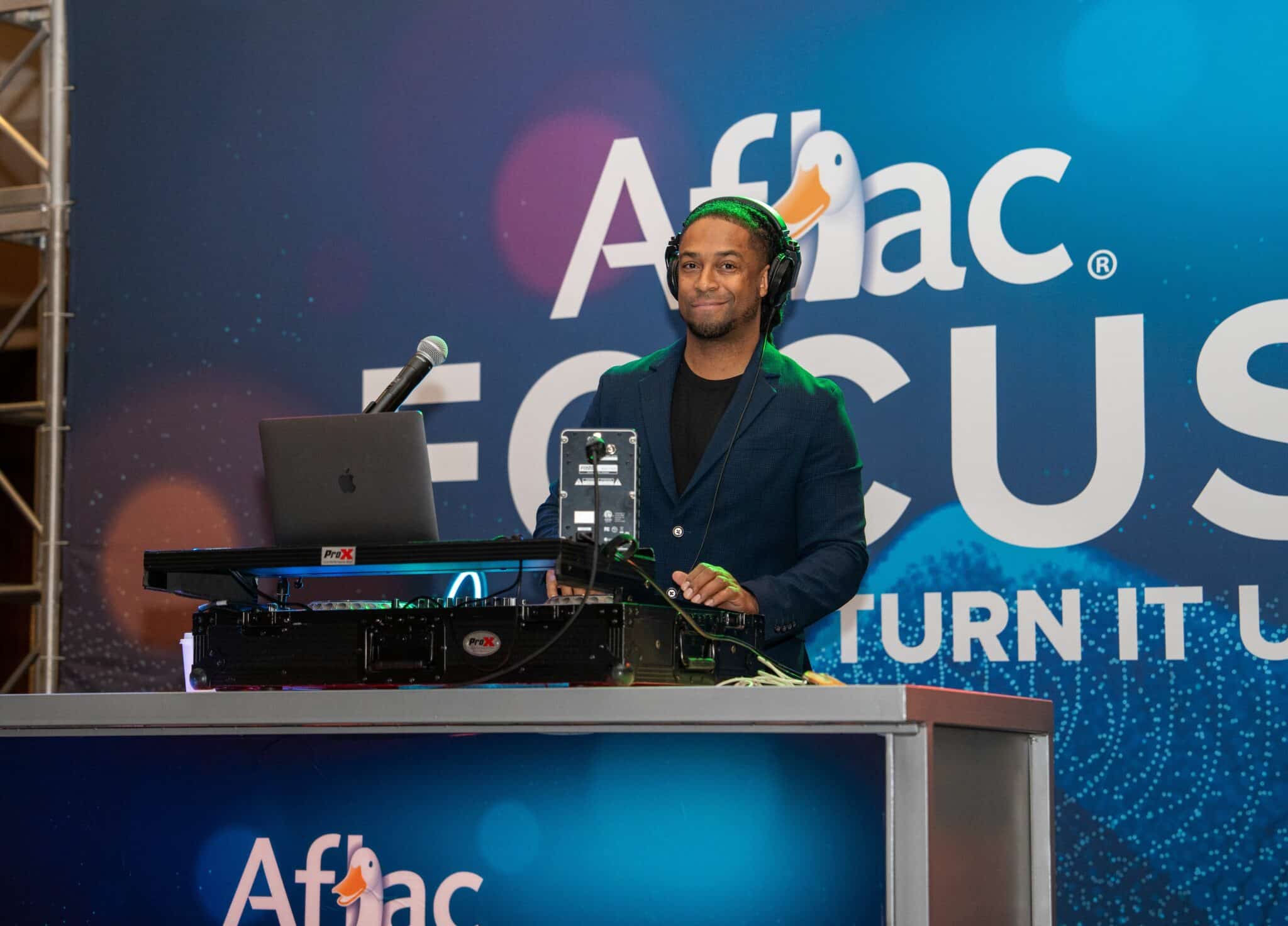
Virtual Emcee or Traditional Emcee? Breaking Down the Differences
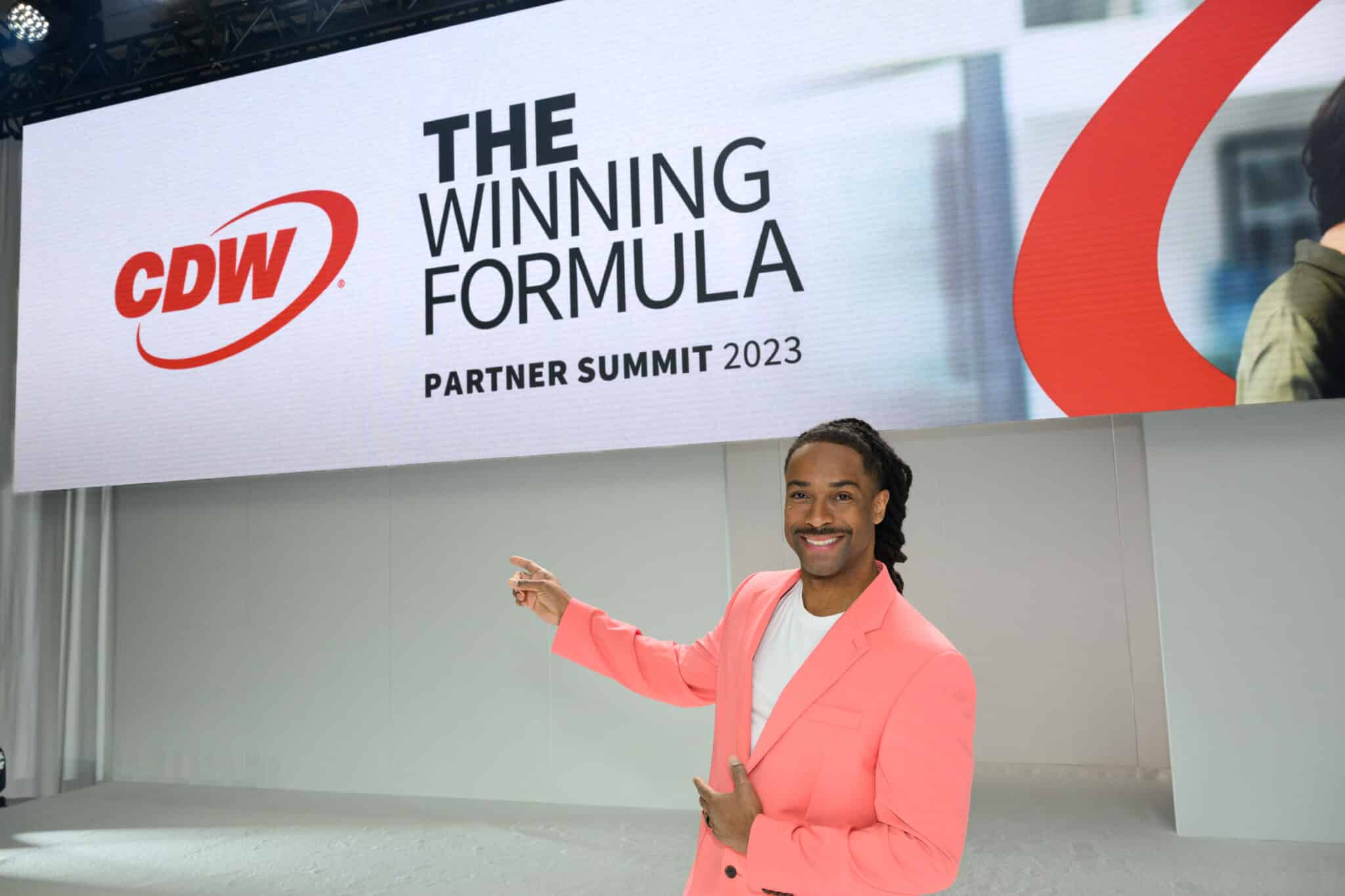
Virtual Emcee or Traditional Emcee? Breaking Down the Differences
In the evolving landscape of event hosting, the choice between a virtual emcee and a traditional emcee can considerably impact the overall experience. This article delves into the key differences, advantages, and disadvantages of both formats, helping you make an informed decision for your next event. Virtual emcees leverage technology to engage audiences remotely, while traditional emcees create a personal connection in live settings. Understanding these distinctions is crucial for event organizers, corporate clients, and wedding planners alike. We will explore the suitability of each emcee type for various events, their event engagement techniques, and the technology tools that enhance virtual experiences. By the end, you will have a clearer picture of how to choose the right master of ceremonies for your specific needs.
Key Takeaways
- Virtual event emcees engage audiences through remote work using technology and engaging tools.
- Traditional emcees create personal connections through direct engagement and charisma.
- Virtual emcees are cost-effective and flexible but rely heavily on technology.
- Traditional emcees excel in live settings but are limited by location and higher costs.
- Virtual emcees are ideal for hybrid events with online and in-person attendees.
- Traditional emcees are best for formal events like weddings and conference gatherings.
- Virtual emcees require technical skills to manage digital platforms and tools effectively through remote work.
- Traditional master of ceremonies facilitates audience participation through live event engagement and adaptability.
- Choosing the right emcee depends on event type, audience, and technical needs.
Differences Between Virtual Emcees and Traditional Emcees
Virtual emcees and traditional emcees differ substantially in their engagement techniques, technical proficiency, and adaptability to various event formats. Virtual emcees utilize digital platforms to connect with audiences, often employing dynamic tools to maintain engagement. In contrast, traditional emcees rely on direct engagement and personal charisma to captivate live audiences. The technical skills required for virtual emcees are crucial, as they must navigate various software and hardware to ensure a seamless experience. Understanding these differences is essential for selecting the right emcee for your event. However, maintaining audience attention and engagement in virtual event settings presents unique challenges that require careful consideration.
Engaging Audiences in Virtual Learning Environments
The key to an effective learning environment is keeping the learner attentive and engaged [51]. The shift towards virtual learning environments, such as online and computer-based learning environments, distance the learner from the instructor and can lead to some less-than-engaging learning experiences. Such environments often lack key attributes necessary to fully engage learners, such as clear goals, adequate feedback, and instructor support.
Integrating engagement inducing interventions into traditional, virtual and embedded learning environments, M Carroll, 2019
Advantages and Disadvantages
When considering virtual and traditional emcees, it’s important to weigh their respective advantages and disadvantages.
Suitability for Various Types of Events
The suitability of virtual and traditional emcees varies depending on the type of event being hosted. Virtual emcees are particularly effective for hybrid events, where a mix of in-person and online attendees is present. They can engage remote attendees through dynamic features like polls and Q&A sessions. On the other hand, traditional emcees excel in formal settings such as weddings, conferences, virtual events, and award ceremonies, where personal engagement enhances the overall experience. Understanding the nature of your event will guide you in selecting the most appropriate emcee.
How Do Virtual and Traditional Emcees Engage Their Audiences Differently?
Engagement techniques employed by virtual and traditional emcees differ greatly. Virtual emcees often use digital tools to foster engagement, such as live chats, polls, and breakout rooms. These methods can create a sense of community among remote participants. In contrast, traditional emcees rely on direct engagement, utilizing body language, vocal modulation, and audience feedback to create a lively atmosphere. This difference in engagement strategies is crucial for ensuring that the audience remains captivated throughout the event.
Key Roles and Responsibilities of Virtual Emcees
Virtual emcees have specific roles and responsibilities that differ from their traditional counterparts. They must possess technical proficiency to manage various digital platforms and tools effectively. Additionally, they are responsible for creating engaging content that resonates with online audiences. This includes preparing dynamic segments and ensuring smooth transitions between different parts of the event. Their ability to adapt to unforeseen technical issues is also vital for maintaining a professional atmosphere.
Distinct Functions of Traditional Emcees in Live Events
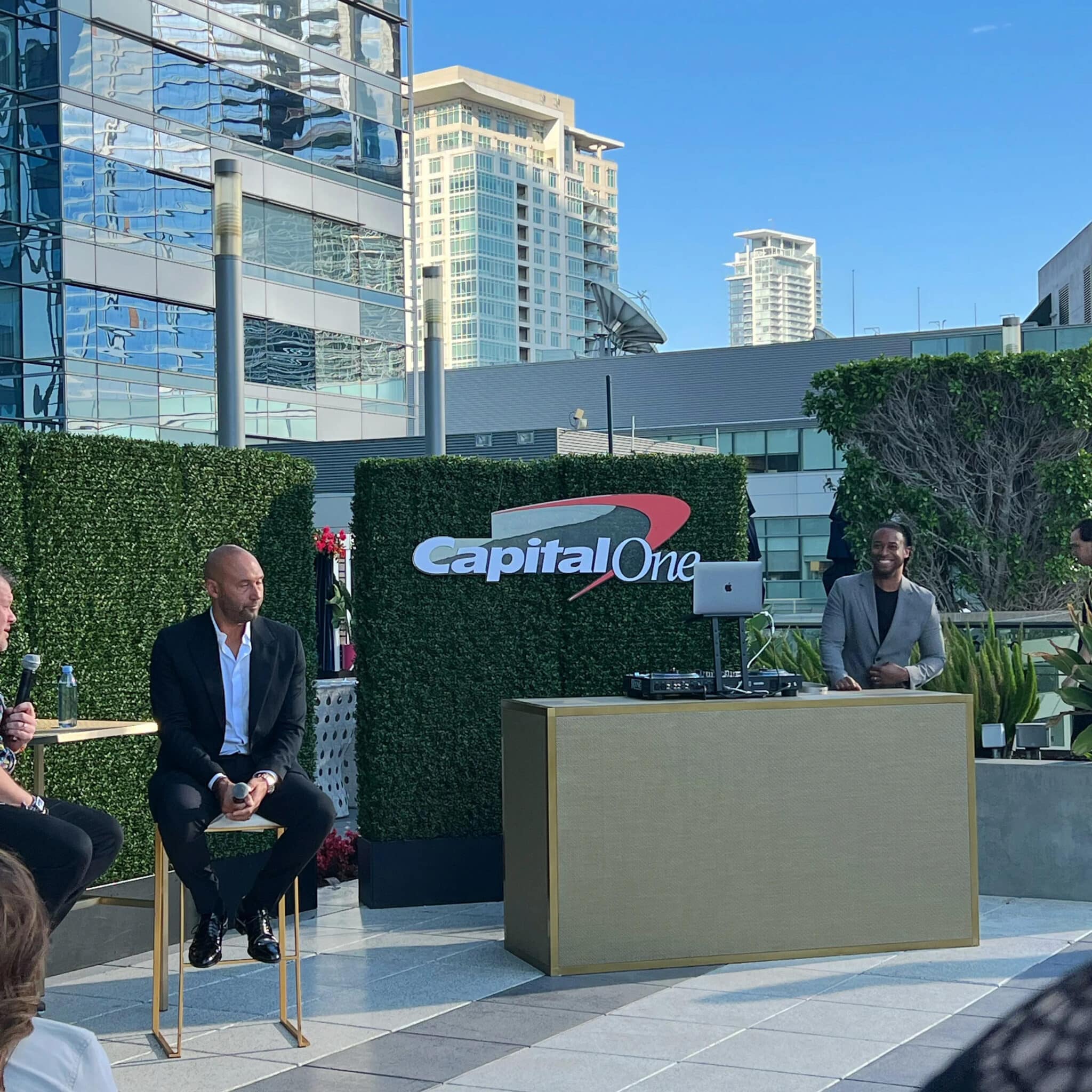
Traditional master of ceremonies play unique roles in live events that enhance the overall experience. They are responsible for program coordination, ensuring that the event flows smoothly from one segment to the next. Their ability to read the audience and adjust their delivery accordingly is a key function that sets them apart. Traditional master of ceremonies also facilitates audience participation through direct engagement, making them essential for creating a vibrant event atmosphere.
Technology Tools for Engaging Virtual Audiences
To effectively engage virtual audiences, master of ceremonies utilize various technology tools. Platforms like Zoom and Microsoft Teams are essential for hosting virtual events, providing features that facilitate engagement. Additionally, dynamic tools such as Slido or Mentimeter can enhance audience participation through live polls and Q&A sessions. Understanding these tools is crucial for virtual emcees to create an engaging and memorable experience for attendees.
Successful virtual events often leverage these technologies to create immersive and interactive experiences, as demonstrated by innovative approaches to online events.
How to Choose Between a Virtual or Traditional Emcee for Your Event?
Choosing between a virtual or traditional master of ceremonies involves considering several factors. First, assess the type of event you are hosting and the audience’s preferences. Virtual emcees are ideal for events with an online component, while traditional masters of ceremonies are better suited for in-person gatherings. Additionally, evaluate the technical proficiency required for your event and the potential challenges that may arise. By considering these factors, you can make an informed decision that enhances the overall success of your event.
Frequently Asked Questions
What are the key skills required for a virtual emcee?
A virtual emcee must possess a range of skills to effectively engage online audiences. Technical proficiency is crucial, as they need to navigate various digital platforms and tools, such as video conferencing software and dynamic applications. Additionally, strong communication skills are essential for delivering content clearly and engagingly. Creativity in designing interactive segments, such as polls and Q&A sessions, also plays a role in maintaining audience interest. Finally, adaptability is vital for managing unexpected technical issues during live events.
Can a traditional master of ceremonies transition to virtual events easily?
Yes, a traditional master of ceremonies can transition to virtual events, but it may require some adjustments. While they possess strong interpersonal skills and audience engagement techniques, they will need to familiarize themselves with digital platforms and tools used in virtual event settings. This includes learning how to use video conferencing software, manage online engagements, and create engaging virtual content. With practice and training, traditional master of ceremonies can successfully adapt their skills to the virtual environment, enhancing their versatility in event hosting.
What types of events are best suited for virtual emcees?
Virtual master of ceremonies are particularly well-suited for events that have an online component or require remote participation. This includes webinars, online conferences, and hybrid events that combine in-person and virtual attendees. They excel in engaging audiences through dynamic features like live polls, Q&A sessions, and breakout rooms. Additionally, virtual emcees can effectively host social events, such as virtual parties or celebrations, where audience interaction is key to creating a lively atmosphere. Their ability to reach a wider audience makes them ideal for these formats.
How do audience engagement techniques differ between virtual and traditional master of ceremonies?
Audience engagement techniques vary between virtual and traditional master of ceremonies. Virtual emcees often rely on digital tools to foster interaction, such as live chats, polls, and breakout rooms, which help create a sense of community among remote participants. In contrast, traditional emcees utilize direct interaction, body language, and vocal modulation to engage live audiences. They can read the room and adjust their delivery in real-time, making the experience more dynamic. Understanding these differences is crucial for selecting the right emcee based on the event format.
What are the potential challenges of using a virtual MC?
Using a virtual MC presents several challenges that event planners should consider. One major issue is the reliance on technology, which can sometimes fail, leading to disruptions during the event. Additionally, virtual MCs may struggle to establish a personal connection with the audience, which can affect engagement levels. Maintaining audience attention in a virtual setting can also be more challenging, as distractions are prevalent. Event organizers must ensure that the emcee is well-prepared to handle these challenges to deliver a successful virtual experience.
How can I ensure a successful virtual event with a master of ceremonies?
To ensure a successful virtual event with a master of ceremonies, start by clearly defining your event goals and audience expectations. Choose a master of ceremonies with experience in virtual settings and strong technical skills. Provide them with detailed information about the event format, audience demographics, and any specific engagement strategies you want to implement. Additionally, conduct a rehearsal to test the technology and ensure smooth transitions during the event. Finally, encourage audience participation through dynamic elements, which can enhance engagement and create a memorable experience.
About the Author
DJ Will Gill is passionate about taking the stage and sharing practical advice for master of ceremonies and DJs. Since 2020, he has worked on over 600 corporate events. With more than 2,500 five-star reviews throughout his career as a master of ceremonies and DJ, he’s known for energizing audiences and building authentic relationships with diverse professional groups.