
Trademark Strategy for Keynote Speaker Frameworks | DJ Will Gill
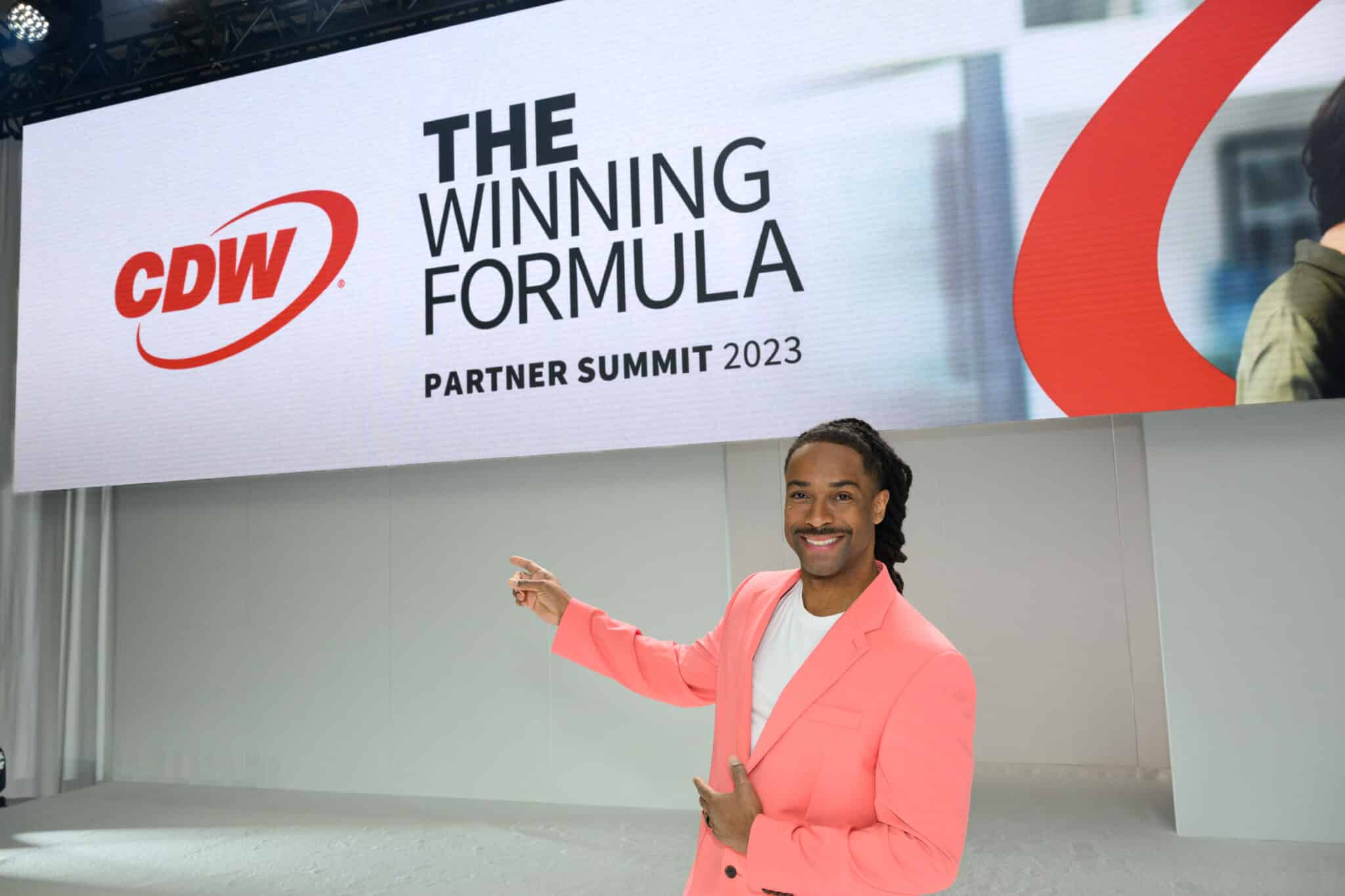
A working professional reality for keynote speakers building a serious speaking business: Your signature framework (the methodology, acronym, or model you deliver from the stage) is one of your most valuable business assets. It is the thing that makes you distinct from every other speaker in your topic space. It is the thing corporate clients book you for. And, in most cases, it is completely unprotected legally when you first develop it, which means competitors can copy it, adapt it, or simply take it and rebrand it as their own. Trademark strategy is the working professional discipline that turns your signature framework from an unprotected creative output into a legally-protected business asset that compounds value over time.
This piece is a working professional’s overview of trademark strategy for keynote speaker frameworks, drawing on USPTO guidance plus the realities of the professional speaking business. What trademark protection actually covers (and what it does not). The USPTO class that applies to keynote speaker services. The distinction between trademark, copyright, and patent for framework content. The question of whether framework acronyms can actually be trademarked. The general filing process. The genericization risk that turns strong marks into unprotected common terms. And the working framework for keynote speakers building trademark strategy. This is not legal advice. This is a working professional overview of the strategic considerations that keynote speakers should discuss with qualified trademark counsel when protecting their signature framework intellectual property.
Booking a keynote speaker who operates a protected signature framework with professional infrastructure? Contact DJ Will Gill.
Key Takeaways
- Keynote speaker services fall under USPTO Class 041. Industry framing: “Trademark Class 41 includes education, training, entertainment, and cultural or sporting services. Services under Class 41 must be directly offered to the public and not merely be tools or goods used in service delivery.” Class 041 is the class where keynote speaker services, workshops, and speaking-based educational services are registered.
- Trademarks, copyrights, and patents protect different things. Framing: “Trademarks protect your brand identity (names, logos, slogans). Copyrights protect original creative works (writing, art, music, software code). Patents protect inventions and functional innovations.” A keynote framework typically needs a combination of trademark (for the framework name and acronym) and copyright (for the content, presentation materials, and derivative works).
- Acronyms can be trademarked but face eligibility requirements. Framing: “In order for trademark protection to be extended to include abbreviations, acronyms, and initials, the trademark applicant must prove the letters hold a distinct meaning separate and apart from the underlying words it represents.” Distinctive acronyms that are not already-established industry terms are the candidates for protection.
- Public speakers can protect their name, image, and likeness (NIL) as trademark assets. Framing from the USPTO: “If you’re a public figure, your name, image, and likeness (NIL) are part of your brand. A trademark registration can help protect that brand when you use it to sell products, run businesses, or license endorsements.” For speakers, this extends to speaker names, logos, and NIL when used in commerce as source identifiers.
- Trademarks require ongoing use and maintenance to remain protected. Framing on genericization risk: “Aspirin, yo-yo, cellophane, and thermos are all examples of brands who lost their trademarks due to the name becoming too generic.” Working professional speakers should use their trademarks as source identifiers, use appropriate symbols (TM, SM, or ®), and enforce their marks against unauthorized use.
1. Why Keynote Speaker Frameworks Need Trademark Protection
Start with the business reality. Working keynote speakers building a serious speaking business typically develop signature frameworks over time: Methodologies, acronyms, models, or structured content that becomes the thing they are known for. Corporate clients book speakers because they want that framework delivered to their audience. The framework is the product.
Without trademark protection, that framework is legally vulnerable:
- Competitors can adopt the same framework name. Once your framework becomes visible in the market, other speakers can begin using the same name for their own material, diluting your brand.
- Publishers and licensors have no clear counterparty. Publishers and platforms want to license from trademark holders. Without registration, there is no legal entity holding the rights.
- Enforcement is legally difficult. Common law trademark rights exist without registration in some cases, but enforcement against infringers is substantially harder without federal registration.
- Corporate procurement cannot verify the credential. Fortune 500 procurement teams evaluating speaker vendors typically weight verifiable credentials. Registered trademarks are one of the credentials that separate established speakers from casual solo operators.
- Business asset value is unclear. Investors, acquirers, and business partners cannot evaluate unregistered intellectual property in the same way they evaluate registered marks.
- Licensing revenue is difficult to develop. Speakers who license their frameworks to trainers, coaches, or organizational programs need trademark registration to structure licensing agreements at scale.
Coverage of the brand protection framing from the USPTO’s official public trademark guidance: A brand is a marketing concept that encompasses how people feel about your product or service, a federal trademark registration can provide nationwide legal protection for your brand in connection with particular goods or services, it is your choice whether to protect your brand under trademark law, many business owners choose to protect their brand names for their main or dominant goods or services. The specific “nationwide legal protection” Is what trademark registration adds beyond the brand-building work the speaker does through market presence alone.
The consolidated operator infrastructure that professional working corporate entertainers and speakers maintain (which includes trademark protection as one dimension of the broader working professional business asset stack) is covered in the How to run a conference where your DJ, emcee, and engagement host are the same person Analysis. Trademark protection is one dimension of the professional operator identity that separates established working professionals from solo casual operators.
2. What Trademarks Actually Protect (And Do Not) for Keynote Speakers
Clarity on what trademark protection covers for keynote speakers is essential before making filing decisions. Trademarks protect source identifiers (brand names, logos, and other elements that distinguish the source of the services). They do not protect the underlying ideas or content.
Coverage of the trademark scope from a small business intellectual property publication: Trademarks, copyrights, and patents all protect intellectual property, but they cover very different things, trademarks protect your brand identity (names, logos, slogans), copyrights protect original creative works (writing, art, music, software code), patents protect inventions and functional innovations, many businesses need more than one type of protection, and choosing the right combination depends on what you’ve created and how you plan to use it. The distinction (brand identity versus creative content versus inventions) shapes which tools apply to which assets.
Keynote speaker assets and their typical IP protection paths:
- Framework name or acronym. Trademark protection (the words identifying the source of the speaking service).
- Speaker’s name and stage name. Trademark protection (when used as a source identifier for services).
- Logo or visual mark. Trademark protection (the visual identifier).
- Book manuscript containing the framework. Copyright protection (the written expression).
- Keynote presentation slides. Copyright protection (the creative arrangement).
- Course materials, workbooks, workshops. Copyright protection (the derivative works).
- Videos, podcasts, recorded content. Copyright protection (the fixed expression).
- Speaker website content and marketing copy. Copyright protection (the written and visual work).
- Speaker’s name, image, and likeness (NIL) in commerce. Trademark protection when used as source identifier.
- The underlying idea or concept behind the framework. Not directly protected by any IP mechanism. Ideas themselves are not copyrightable or trademarkable; only the expression, name, or brand identity around them.
Coverage of the NIL trademark framing from the USPTO’s official public figure guidance: If you’re a public figure, your name, image, and likeness (NIL) are part of your brand, a trademark registration can help protect that brand when you use it to sell products, run businesses, or license endorsements, if you have an NIL deal or you’re using your NIL in connection with goods or services, you likely already have a common law trademark, obtaining federal trademark registrations for your NIL offers more benefits: Helps stop copycats, makes enforcement easier, gives you the right to bring a lawsuit concerning the trademark in federal court, adds value, a registered trademark can increase the commercial value of your name or brand. Working professional keynote speakers whose speaker name, brand, or NIL functions as a source identifier for their services fall within the NIL trademark framework.
A working professional observation: Keynote speakers who understand the trademark-copyright-patent distinction correctly typically protect their frameworks through a combined approach. Trademark for the framework name and acronym. Copyright for the book, slides, and content materials. The underlying framework idea remains freely available, but the expression of that idea (in the book, in the presentation, under the brand name) is legally protected.
The NMSDC MBE certification and other professional credentials that working operators maintain as business asset infrastructure (which is directly relevant because trademark registrations function similarly as documented business assets that support Fortune 500 procurement and licensing conversations) is covered in the Getting MBE certified as a corporate entertainment vendor Analysis. Formal credentials plus registered intellectual property together produce the professional operator profile that Fortune 500 procurement weights.
3. USPTO Class 041: The Class for Keynote Speaker Services
The USPTO organizes trademark registrations into 45 international classes under the Nice Classification system. Keynote speaker services fall under Class 041 (which is written as either “Class 041” Or “Class 41” Depending on the USPTO document). Understanding the class before filing prevents filing errors that require restart and additional fees.
Coverage of the Class 041 scope from a legal knowledge industry publication: Trademark Class 41 includes education, training, entertainment, and cultural or sporting services, services under Class 41 must be directly offered to the public and not merely be tools or goods used in service delivery, Class 41 can cover services offered in person or online, including digital platforms, overly broad or vague service descriptions can delay or jeopardize your application, Class 41 is one of the most common trademark classes and often subject to more scrutiny during examination. The specific “directly offered to the public” Scope is important: Class 041 covers the services keynote speakers deliver (speaking engagements, workshops, training programs) rather than the underlying products (books, videos).
Service categories under Class 041 relevant to keynote speakers:
- Educational services in the nature of speaking engagements. The direct-to-audience speaking work.
- Training services featuring methodology or framework. Programs delivered based on the framework.
- Workshop services. Multi-hour or multi-day interactive programming.
- Coaching services. One-to-one or one-to-few implementation coaching based on the framework.
- Educational and training materials. Course content, curriculum, structured educational content.
- Motivational speaking services. Direct category under Class 041.
- Certification programs. When speakers offer certification of trainers, coaches, or practitioners in their framework.
- Publishing services. When speakers publish content directly under their brand.
Coverage of the filing consideration from a legal industry publication: Trademark Class 41 includes services for education, tutoring, training, entertainment, and various sporting and cultural activities, the class covers mainly services rendered by persons or institutions to educate persons or train animals, as well as services intended to entertain, the USPTO charges a set filing fee per class of goods or services, if you list the incorrect class, you must restart the application process, and your filing fees will not be refunded. The per-class fee structure means speakers registering across multiple classes (Class 041 for services, Class 16 for books, Class 25 for branded apparel) incur separate filing fees for each class.
A working professional observation on multi-class strategy: Keynote speakers building comprehensive brand protection typically consider filing across multiple classes based on the commerce they engage in. Class 041 for the speaking and training services is the foundation. Class 16 (books, printed materials) applies if the speaker publishes. Class 25 (clothing) applies if the speaker sells branded merchandise. Class 9 (recorded media, software, apps) applies if the speaker distributes recorded content or apps. Each class incurs its own fee and its own use requirement.
The business documentation infrastructure that professional working operators maintain across insurance, contracts, credentials, and intellectual property (which is directly relevant because trademark filings are one business asset within the broader documentation stack that supports Fortune 500 procurement and business scaling) is covered in the Commission structures for referred corporate entertainment gigs Analysis. Documentation discipline extends across every business asset the working professional operator maintains.
4. The Trademark, Copyright, and Patent Distinction for Framework Content
A practical distinction most speakers new to intellectual property strategy underestimate: Trademark, copyright, and patent cover different asset types. Understanding the applicable protection for each asset prevents both under-protection and over-protection.
Coverage of the IP framework distinction from the USPTO’s official educational guidance: Trademarks, patents, and copyrights are different types of intellectual property, the USPTO grants patents and registers trademarks, the U.S. Copyright Office at the Library of Congress registers copyrights, a brand is a marketing concept that encompasses how people feel about your product or service, a federal trademark registration can provide nationwide legal protection for your brand in connection with particular goods or services. The division of authority (USPTO for trademarks and patents, Copyright Office for copyrights) is worth understanding as the starting point.
Applications for keynote speakers:
- Trademark applies to: Framework names, acronyms, brand names, logos, taglines, slogans, speaker’s name when used as a source identifier for services.
- Copyright applies to: Books, presentation slides, articles, videos, podcasts, course materials, workbooks, website content, marketing copy. Anything that is a creative work in a tangible form.
- Patent typically does not apply To keynote frameworks (patents cover inventions and functional innovations). Some business method patents exist, but the eligibility standards are demanding.
Coverage of the practical framework from a small business intellectual property publication: Example: a craft brewery should consider trademark protection for its brewery name, logo, and signature beer names, the original artwork on its labels would be protected by copyright, example: a YouTuber or podcaster should consider trademark protection for their channel name and logo, especially before launching merchandise. The parallel for keynote speakers: Trademark for the framework name and speaker brand, copyright for the book manuscript, slides, and content materials.
A practical observation: Working professional speakers building their intellectual property stack typically prioritize trademark registration for the framework name first (unregistered names are the asset most easily copied), then copyright registration for their book (where the expression is captured), then trademark expansion to additional classes as the business scales into merchandise, courses, and certifications. Framework names lose protective value if competitors adopt them first, so trademark filing for names typically precedes copyright filing for content.
The two-policy insurance discipline that professional working corporate entertainers should maintain (which is directly relevant because trademark filings are one business asset within the broader professional operator infrastructure that includes insurance, contracts, credentials, and intellectual property) is covered in the Why corporate entertainers need two insurance policies not one Analysis. Working professional documentation discipline extends across every asset the working operator maintains.
5. Can Framework Acronyms Actually Be Trademarked?
A question working keynote speakers typically ask: Many signature frameworks are built around acronyms (three-letter, four-letter, or longer). Can those acronyms actually be trademarked? The answer is yes, under conditions.
Coverage of the acronym trademark framing from a trademark law publication: In order for trademark protection to be extended to include abbreviations, acronyms, and initials, the trademark applicant must prove the letters hold a distinct meaning separate and apart from the underlying words it represents, the caveat is that when an acronym or abbreviation is already established within a particular industry, it is likely that consumers already view the descriptive wording as largely synonymous, in this scenario, the United States Patent and Trademark Office is unlikely to determine that the acronym or abbreviation is protectable, registering your trademark correctly from the start is important. The specific “distinct meaning separate and apart from the underlying words” Standard is the eligibility test.
Acronym trademark eligibility considerations for keynote speaker frameworks:
- Distinctiveness of the acronym itself. Acronyms already common in the industry face eligibility challenges. Acronyms that are distinctive and do not overlap with existing industry usage are stronger candidates.
- Distinctiveness of the underlying words. If the underlying words the acronym represents are themselves generic or descriptive, the acronym may inherit the descriptiveness challenge.
- Distinct meaning independent of the words. If the acronym takes on a distinctive meaning that customers recognize as the source identifier, that distinctive meaning is what qualifies for protection.
- Prior registration and market presence. Similar acronyms already registered for similar services can produce likelihood-of-confusion refusals. Trademark search before filing is important for acronym marks.
- Combined mark strategies. Some speakers file for the acronym plus the underlying words combined as a single mark, which can strengthen the eligibility case.
Coverage of the trademark distinctiveness principle from a business intellectual property publication: The distinctiveness of a mark plays a key role in its eligibility for trademark registration, fanciful, arbitrary, and non-suggestive marks typically receive stronger protection than descriptive or generic terms, generic terms: a word that is commonly used for a product or service cannot be trademarked. The hierarchy applies to acronym marks the same way it applies to plain-word marks. Distinctive non-descriptive acronyms are the stronger candidates.
A first-person observation on acronym filings under USPTO Class 041 for keynote speaker services: Working professional keynote speakers who develop distinctive acronym frameworks benefit from filing early rather than waiting for the framework to become widely-known. Filing early establishes the priority date, which is what determines who has senior rights in the mark. Waiting until a competitor adopts the same or similar acronym typically produces the enforcement challenge that early filing prevents.
A practical caveat: Not every acronym is trademarkable, and USPTO examination can produce office actions that require substantive response. Working with a qualified trademark attorney before filing acronym marks is worth the investment.
The referral partner network that working corporate entertainers and speakers maintain (which is directly relevant to trademark strategy because peer professional relationships are typically where speakers learn about trademark attorneys, filing strategies, and enforcement realities that inform working decisions) is covered in the Why corporate entertainers need a referral partner network Analysis.
6. The Filing Process for Framework Names
A general working professional overview of the USPTO trademark filing process for keynote speaker framework names. This is not a substitute for qualified legal counsel. Working professional speakers should retain trademark attorneys for the filings that support their business.
Stages of the trademark filing process:
- Step 1: Preliminary trademark search. Before filing, a search of the USPTO database for existing marks that may conflict with the mark being filed. Attorneys typically expand this to include common-law usage.
- Step 2: Application preparation. Mark identification, goods and services description, class selection (Class 041 for speaker services), specimen preparation, applicant information.
- Step 3: Filing basis selection. “Use in commerce” Applications require the mark to be in current commercial use. “Intent to use” Applications reserve the mark for future use.
- Step 4: USPTO filing and fee payment. Filing fees are per class. Multi-class filings incur separate fees per class.
- Step 5: Examining attorney review. USPTO examining attorney reviews the application for statutory compliance, distinctiveness, likelihood of confusion with existing marks.
- Step 6: Office action response (if applicable). If the examining attorney raises concerns, the applicant responds with arguments or amendments. Attorney representation typically produces highest value here.
- Step 7: Publication for opposition. Approved marks are published for opposition periods where third parties can challenge registration.
- Step 8: Registration or opposition resolution. Unopposed marks proceed to registration.
- Step 9: Ongoing maintenance filings. Registered trademarks require maintenance filings at intervals (typically 5-6 years after registration, then every 10 years for renewal).
Coverage of the specimen requirement from a legal knowledge industry publication: Your trademark specimen must show how the mark is used in connection with the services listed under Class 41, acceptable specimens might include: Screenshots of your website with service descriptions and branding, a digital brochure advertising your educational or entertainment services, when offering a service, you don’t have a product you can put a label on, instead, your specimen will need to show how your trademark is being used to sell your service. The specimen requirement for Class 041 service marks requires evidence that the mark is being used to identify the speaker services in commerce.
Realistic timeline expectations:
- Preliminary search to filing: 1-2 weeks for organized applicants working with counsel.
- Filing to first examination: 6-9 months typically (subject to USPTO processing backlogs).
- Office action response cycles: 3-6 months each if office actions occur.
- Publication period: 30-day opposition period.
- Registration issuance: Typically 8-14 months from filing for uncontested applications.
The proposal-stage credentials and business documentation that corporate procurement teams weight when evaluating speaker and vendor proposals (which is directly relevant because registered trademarks are one credential that professional procurement teams weight in vendor evaluation) are covered in the Red flags in an event entertainment proposal Analysis.
7. Genericization Risk and Ongoing Trademark Maintenance
A risk that trademark holders face over time: Genericization. When a mark becomes so widely used that consumers view it as the generic term for the entire product or service category rather than as a source identifier, the mark can lose its trademark protection.
Coverage of the genericization framing from a business intellectual property publication: Aspirin, yo-yo, cellophane, and thermos are all examples of brands who lost their trademarks due to the name becoming too generic, these brands became so synonymous with their product that it became impossible to separate them, even when the product was being sold by a competitor, some brands have come close to losing their trademark but have not yet crossed that line, such as Kleenex, Xerox, Band-Aid, and Hoover, Google has taken its place as a verb in the dictionary though parent company Alphabet has maintained its trademark by requiring that the entry references Google as a proprietary search engine. The genericization examples illustrate the risk that even successful trademarks can face.
Practices that working professional speakers should adopt to prevent genericization of their framework marks:
- Use appropriate trademark symbols consistently. ® for federally registered marks. TM for unregistered marks. SM for unregistered service marks. Industry framing: “you can maintain your trademark’s validity by consistently using the ®, TM, or SM trademark symbols.”
- Use the mark as an adjective, not a noun or verb. “The [Framework Name]® methodology” Rather than “the [framework name]” As if it were a generic term. Similar to how “Kleenex” Is legally still “Kleenex® brand tissues.”
- Include brand-usage guidance in materials. Industry framing: “One key method is giving very clear instructions dictating how the brand name can be used in marketing materials.”
- Enforce against unauthorized use consistently. Marks that are not enforced against known infringers can lose enforceability over time.
- Maintain use in commerce. Marks that are not used commercially can be considered abandoned.
- File required maintenance documents on time. Registered marks require Section 8 declaration of use at 5-6 years and Section 9 renewal at 10-year intervals. Missing maintenance filings can cancel registration.
- Update registrations as the business evolves. As the speaker’s business expands into new services or product categories, additional class filings or new mark filings may be appropriate.
- Address unauthorized use with graduated response. Cease and desist letters for initial unauthorized use, litigation as escalation.
A first-person observation on ongoing trademark work: Working professional speakers with active registered marks under Class 041 typically integrate trademark maintenance into their business operational calendar. Section 8 declarations and Section 9 renewals are treated as business deadlines. Enforcement monitoring is treated as ongoing business intelligence. Brand-usage discipline in marketing materials is treated as working professional practice.
The vendor consolidation trend that Fortune 500 procurement teams are applying (which is directly relevant to trademark strategy because consolidated operators typically maintain more comprehensive business asset infrastructure including trademark registrations that unbundled solo operators typically lack) is covered in the Why corporate planners are consolidating entertainment vendors Analysis.
8. Working Framework for Keynote Speakers Building Trademark Strategy
The closing framework. Working discipline for keynote speakers building trademark strategy as part of their broader business infrastructure. This is not legal advice; it is the structural framework for the conversations working professional speakers should have with qualified trademark counsel.
Working framework:
- Inventory your IP assets. Framework names, acronyms, logos, taglines, book titles, course titles, program names. Which are actively in commerce? Which are planned? Which are already receiving imitation?
- Match each asset to the appropriate protection mechanism. Trademark for names, brands, source identifiers. Copyright for content and creative works. Patent typically not applicable to speaking frameworks.
- Prioritize by strategic value. Which assets are central to your business? Those get filed first. Which are peripheral? Those can wait until they demonstrate market traction.
- Retain qualified trademark counsel. Trademark filings, office action responses, and enforcement are specific legal work that produces meaningfully better outcomes with counsel than with self-filed applications.
- File under the appropriate class (typically Class 041 for services, plus others as commerce expands). Class selection determines the scope of protection.
- Consider intent-to-use filings for planned frameworks. If a framework is planned but not yet in commerce, intent-to-use filings reserve the mark.
- Maintain use in commerce consistently. Marks that are not actively used can be considered abandoned.
- Use appropriate trademark symbols consistently. ® for registered, TM for unregistered. Symbol usage signals intent to enforce.
- Monitor for unauthorized use. Trademark search services, media monitoring, and peer network intelligence surface instances of unauthorized use.
- File maintenance documents on time. Section 8 declaration of use at 5-6 years. Section 9 renewal every 10 years.
- Enforce against unauthorized use with graduated response. Cease and desist for initial unauthorized use. Litigation as escalation.
- Update strategy as the business evolves. Expanding into books, courses, certifications, or merchandise triggers additional filings.
The bottom line for working professional keynote speakers: Trademark protection for signature frameworks is not exotic sophistication. It is specific working professional business infrastructure that turns creative output into legally-protected business assets. Working speakers building serious speaking businesses should treat trademark strategy as one of the dimensions of their operational infrastructure, alongside insurance, contracts, business entity formation, and other working professional practices.
For a service-line look at what a working corporate entertainer and practicing keynote speaker operates with as their working professional infrastructure (fully insured LLC, MBE-certified business, active USPTO Class 041 trademark filings, peer referral partner network, consolidated 3-in-1 booking model) the current deliverables are on the Corporate event DJ services page. Trademark strategy is one dimension of the broader working professional infrastructure that separates established operators from casual solo vendors. Working speakers building serious frameworks should build the trademark strategy alongside the framework development itself, not as an afterthought.
Frequently Asked Questions
What USPTO class do keynote speaker services fall under?
Class 041. Industry framing: “Trademark Class 41 includes education, training, entertainment, and cultural or sporting services. Services under Class 41 must be directly offered to the public and not merely be tools or goods used in service delivery.” Class 041 covers speaking engagements, workshops, training, coaching, motivational speaking, educational materials, publishing services, and certification programs. Speakers with books also typically file Class 16; with branded merchandise Class 25; with apps or recorded media Class 9. Each class incurs separate filing fees.
Can I trademark an acronym for my speaking framework?
Yes, under conditions. Framing: “In order for trademark protection to be extended to include abbreviations, acronyms, and initials, the trademark applicant must prove the letters hold a distinct meaning separate and apart from the underlying words it represents.” Distinctive acronyms that do not overlap with existing industry usage are the strongest candidates. Descriptive acronyms and already-established industry abbreviations face eligibility challenges.
Do I need a trademark, a copyright, or both for my speaking framework?
Typically both. Trademarks protect brand identity (names, logos, slogans). Copyrights protect original creative works (writing, art, music). Trademark protects framework name and acronym. Copyright protects book, slides, videos, course materials, marketing content. Underlying framework idea itself is not directly protected; only the brand and expression around it.
What’s the difference between TM, SM, and ® symbols?
® for federally registered trademarks. TM for unregistered trademarks (products/goods). SM for unregistered service marks (services). Framing: “The TM (trademark) and SM (service mark) symbols offer common law protection and may designate that the trademark is in the process of being registered.” For keynote speakers whose services fall under Class 041, SM is the appropriate unregistered service mark symbol; ® applies after federal registration is granted.
How long does trademark registration take for a keynote framework?
Typically 8-14 months from filing to registration for uncontested applications. Longer for applications receiving office actions. Stages: Preliminary search to filing (1-2 weeks), filing to first examination (6-9 months typical), office action response cycles (3-6 months each if applicable), 30-day publication and opposition period, registration. Speakers targeting business milestones (book launch, course rollout, licensing deals) should start filing at least 12 months before the target date.
What’s the biggest risk to a trademarked framework name?
Genericization. Framing: “Aspirin, yo-yo, cellophane, and thermos are all examples of brands who lost their trademarks due to the name becoming too generic.” When a mark becomes so widely used that consumers view it as the generic term for the entire category rather than a source identifier, protection can be lost. Prevention: Consistent trademark symbol usage, using the mark as an adjective not a noun/verb, brand usage guidance, enforcement, on-time maintenance filings.
What Corporate Clients Are Saying
About the Author
William “DJ Will Gill” Gilbert is a corporate event DJ, emcee, and audience-engagement specialist. Recognized by The Wall Street Journal As a Virtual DJ-Emcee, he creates interactive virtual event experiences that help companies strengthen employee morale and engagement. He is also a Forbes Next 1000 Honoree. He developed the 3-in-1 event booking model, combining professional emcee services, open-format DJ entertainment, and interactive interactive team-building into a single experience for Fortune 500 organizations, including AT&T Business, CDW, Virgin Galactic, NeoGenomics, PepsiCo, PayPal, Ulta Beauty, Salesforce, Lenovo, and the United Nations. Backed by more than 2,520 five-star Google reviews from corporate clients across the United States, he is recognized for delivering high-impact event experiences for diverse audiences. Having energized more than 600 B2B corporate events ranging from executive gatherings to large-scale sales kickoffs with thousands of attendees, he incorporates audience warmups as a fundamental part of his emcee methodology. He is also the founder of THEAIDJ, an AI-powered playlist generation platform that helps DJs and corporate event planners create music experiences for in-person, hybrid, and virtual events.