
Corporate DJ Company vs Freelance DJ: Which Is Better for Your Event?
Corporate DJ company or freelance DJ: which is better? A company offers backup depth; a top freelancer offers the exact performer you vetted. The real answer is accountability: book the named performer with verifiable reviews, insurance, and a backup plan, whichever business card they carry. He holds 2,520+ five-star Google reviews and has performed for Google, Amazon, Salesforce, PayPal, Pepsi, and the United Nations.

DJ Will Gill Wall Street Journal’s #1 Corporate DJ performing as DJ, emcee, and audience engagement host at a corporate conference.
Most corporate planners ask the wrong version of this question. “DJ company vs. freelance DJ” sounds like a structural decision do I hire a business or an individual? But the answer that actually matters isn’t about business structure. It’s about operational standards. A great solo corporate DJ running a real business can deliver every operational standard a multi-DJ agency offers. A poorly-run company can fail an event in ways no business card on the contract protects you from.
This guide breaks down what each structure actually offers, where each one tends to fall short, and how to read the choice through the lens of what your event genuinely needs. By the end, you’ll be evaluating on the right axis: corporate-grade reliability vs. hobbyist operation not company vs. freelance.
Key Takeaways
- Company vs. freelance is the wrong framing. The real question is corporate-grade operational standards vs. hobbyist operation. Both structures can deliver either one.
- DJ companies typically offer scale and backup but at the cost of who actually shows up. You’re often booking the agency, not the specific performer.
- Freelance DJs typically offer continuity and direct relationship but the floor is uneven. The same “freelance” label covers Fortune 500-level operators and weekend hobbyists.
- The strongest model is a solo corporate DJ operating under a real business. Direct relationship with the performer, plus liability insurance, redundant equipment, written contracts, and reliable communication.
- Match the structure to the event. Multi-day, multi-room conferences may justify an agency. High-stakes single-day events with executive presence are usually best served by a named solo operator with corporate-grade infrastructure.
Why Choosing Between a DJ Company and Freelance DJ Matters for Corporate Events
The DJ is one of the most visible vendors at a corporate event. They control the room’s energy from arrival to after-party. They hold the microphone during recognition moments. They coordinate live with the production team during keynote transitions. Get this hire right, and the event feels intentional. Get it wrong, and every other vendor’s good work gets diluted.
According to Bizzabo’s 2026 State of Events Benchmark Report, 45% of corporate event teams are now operating with just 1–3 people on staff. That structural change matters here: lean teams can’t absorb a vendor problem on the day. The decision about how you source your DJ through a company or directly is partly a decision about how much vendor management risk you’re willing to carry.
What a Corporate DJ Company Offers
Reliability, Backup, and Team Support
The strongest argument for a DJ company is structural redundancy. If the booked performer gets sick, has a travel disruption, or has an emergency, the company can usually substitute another DJ from their roster. Behind-the-scenes, multi-DJ agencies often share equipment pools, music libraries, and operational infrastructure that a working solo performer would have to build themselves. For multi-day, multi-room, or multi-city events, this redundancy can be genuinely useful.
Professional Standards and Corporate Experience
Established DJ companies typically have written contracts, liability insurance, COI processes, and account managers who handle communication during planning. They generally bring corporate-friendly business practices because their volume requires it. For procurement teams that need standard B2B vendor terms, an agency tends to be easier to onboard than an individual operator without those systems in place.
Full-Service Offerings (MC, AV, Coordination)
Larger DJ companies often offer adjacent services separate emcees, photo booths, lighting design, AV coordination, even photographers and videographers bundled under one vendor relationship. For planners trying to reduce vendor count, this can be appealing. The trade-off is that bundled services from an agency are rarely top-of-class in every category. The DJ may be excellent and the emcee may be average, or vice versa.
What a Freelance DJ Brings to the Table
Direct Communication and Personalization
When you hire a solo corporate DJ, you talk to the actual performer. No account manager, no handoff between sales and operations, no game of telephone between you and the person on stage. The DJ who hears the brief is the DJ who delivers it. For events that depend on specific tonal calibration executive recognition, brand-specific events, niche company cultures direct relationship usually produces better outcomes than mediated communication.
Lower Cost but Limited Resources
Freelance pricing tends to come in below comparable agency rates because there’s no overhead layer paying for staff, office space, and sales infrastructure. The downside: many freelance operators have limited resources behind them. They may not carry liability insurance, may not have redundant equipment, and may not have business systems built for corporate procurement. The savings can be real, but they often correlate with reduced operational maturity. For a detailed breakdown of pricing tiers across both structures, see our guide to corporate event DJ cost.
Risks (No Backup, Less Infrastructure)
The honest weakness of pure freelance work is the absence of a backup plan when something goes wrong. If a true freelancer (one person, no business structure, no operational depth) gets sick the morning of the event, you don’t have a substitution path. If their primary equipment fails, you’re relying on whatever they personally travel with. If their laptop dies mid-keynote, you find out in real time. These risks are real but they’re not universal across every solo operator. The distinction below matters.
Watch DJ Will Gill perform live. Contact him now to book your sales kickoff.
Corporate DJ Company vs Freelance DJ: Key Differences
Reliability and Risk Management
DJ companies offer roster-level backup if your booked DJ can’t perform, someone else from the agency might. Pure freelancers offer no substitution path. But established solo corporate DJs running a real business often have networks of trusted peers they can call for emergency coverage, plus equipment redundancy that matches what agencies provide. The reliability spectrum runs from “weekend hobbyist with no backup” to “agency with strong substitution depth,” and a corporate solo operator typically sits closer to the agency end of that spectrum.
Cost vs Value
DJ companies typically price 20–40% higher than equivalent freelance work because they’re paying for overhead, account management, and sales infrastructure. Whether that premium is worth it depends entirely on what your event actually needs. A high-volume, multi-vendor, multi-day event with a complex procurement process may justify the agency premium for the operational simplicity alone. A single-day, single-stage event with executive presence usually doesn’t the money is better spent on a senior solo operator who shows up personally.
Experience with Corporate Events
This is where the real differentiation happens, and it cuts across both structures. The right question isn’t “company or freelance,” it’s “how many corporate events has the specific person performing at our event actually done?” An agency with 200 weddings on their roster and one corporate event isn’t a corporate DJ company they’re a wedding company with one corporate logo. A freelance DJ who has done 400 Fortune 500 events is a corporate DJ regardless of the absence of a multi-person staff.
Customization and Flexibility
Solo operators almost always offer more customization they’re not running you through a standardized package designed to support a 30-person operations team. They can tailor music programming, engagement segments, and run-of-show participation to your event specifically because the person making the decisions is the person performing. Agencies trade some flexibility for systematization. Neither is universally better; the right answer depends on whether your event is template-friendly or genuinely custom.
Which Option Is Better for Your Corporate Event?
When to Choose a DJ Company
A DJ company makes the most sense when: you have a multi-room or multi-stage event requiring several DJs simultaneously; you’re running a multi-city tour or roadshow needing consistent vendor coverage across markets; your procurement team has strict requirements that solo operators typically can’t meet (Net 90 terms, complex insurance riders, large minimum spend); or you genuinely value vendor substitution depth more than knowing which specific person is performing. Larger annual conferences and multi-day events with simultaneous breakouts are often the best fit.
When a Freelance DJ Might Be the Right Fit
A solo corporate DJ assuming they operate under a real business with corporate-grade standards is typically the right call when: you’re running a single-stage event with executive presence; the event has named recognition moments or awards that require specific tonal control; you want direct relationship with the performer rather than mediated communication; or you want the same person to handle DJ, emcee, and audience engagement under one contract (the 3-in-1 model). Most single-day Fortune 500 events fit this profile.
Questions You Should Ask Before Hiring Any DJ
Three questions cut across both structures and reveal corporate-grade operation faster than any marketing page. For a complete vetting framework, see our full 10 questions to ask before hiring a corporate DJ.
Do You Have Corporate Event Experience?
Get specifics. Named clients, named venues, named event formats. A real corporate DJ agency or solo will produce a list within 24 hours. A wedding-heavy vendor with one Fortune 500 logo will tell you they “do all kinds of events.” That difference is the entire answer.
What Backup Plans Do You Have?
Two-part question: (1) What happens if your primary equipment fails mid-event? and (2) What happens if you personally cannot perform? For agencies, the second answer is roster substitution; for solo operators, it should be a named backup performer with corporate credentials. If the vendor in either structure doesn’t have rehearsed answers to both, that’s the failure mode they will discover live on your stage.
What Services Are Included in Your Package?
Get the inclusion list in writing. Corporate-grade packages should explicitly cover: DJ performance, professional sound for your room size, basic uplighting, custom playlist development, microphone work for announcements, AV team coordination, run-of-show participation, liability insurance, and backup equipment. Anything beyond that emcee work, audience engagement, custom branded content should be itemized separately so you can see what’s included vs. add-on.
FAQs About Hiring a Corporate DJ
Is a DJ company more reliable than a freelance DJ?
Not automatically. A well-run DJ company has substitution depth that a true solo freelancer doesn’t have. But an established solo corporate DJ operating under a real business often has corporate-grade backup infrastructure equipment redundancy, peer networks for emergency coverage, liability insurance that exceeds what some agencies provide. The reliability question is answered by the specific vendor’s operational standards, not their business structure.
Are freelance DJs cheaper than DJ companies?
Generally, yes freelance pricing typically comes in 20–40% below comparable agency rates because there’s no overhead layer to fund. But within the freelance category, pricing varies wildly: a hobbyist solo DJ may charge a fraction of an established corporate solo DJ with named clients and industry recognition. Cost should be evaluated in tier rather than structure. For a full pricing breakdown, see our guide on corporate event DJ cost.
What matters more: cost or reliability?
Reliability, every time. The cost difference between vendor tiers is meaningful but recoverable. The cost of an event that lands flat in front of leadership is reputational and rarely recoverable. The right approach is to set a budget for the appropriate tier given your event’s stakes, then optimize within that tier not to chase the lowest quote and accept whatever reliability comes with it.
Final Verdict: DJ Company vs Freelance DJ
The honest verdict: the right vendor isn’t determined by company size. It’s determined by operational standards. A great DJ company delivers value when an event genuinely needs multi-room coverage, procurement-grade vendor terms, or multi-city consistency. A great solo corporate DJ one operating under a legitimate business with liability insurance, backup equipment, written contracts, and a verifiable corporate client roster delivers superior continuity, direct relationship, and tonal control for most single-day high-stakes events.
The wrong choice in either category is the same wrong choice: a low-tier vendor who lacks the operational depth your event requires. The right choice in either category is the same right choice: a corporate-grade vendor whose structure happens to fit your specific event profile. Evaluate on standards, not on logos or staff count.
Ready to Book the Right Corporate DJ?
DJ Will Gill operates as a solo corporate entertainer under Faders and Fitness, LLC a hybrid model that delivers the direct relationship and tonal control of a solo operator with the liability insurance, backup equipment, written contracts, and corporate-grade infrastructure of an agency. One performer, one contract, one point of contact, and 2,520+ five-star reviews across more than 600 corporate events annually. Below is a sample of the work.
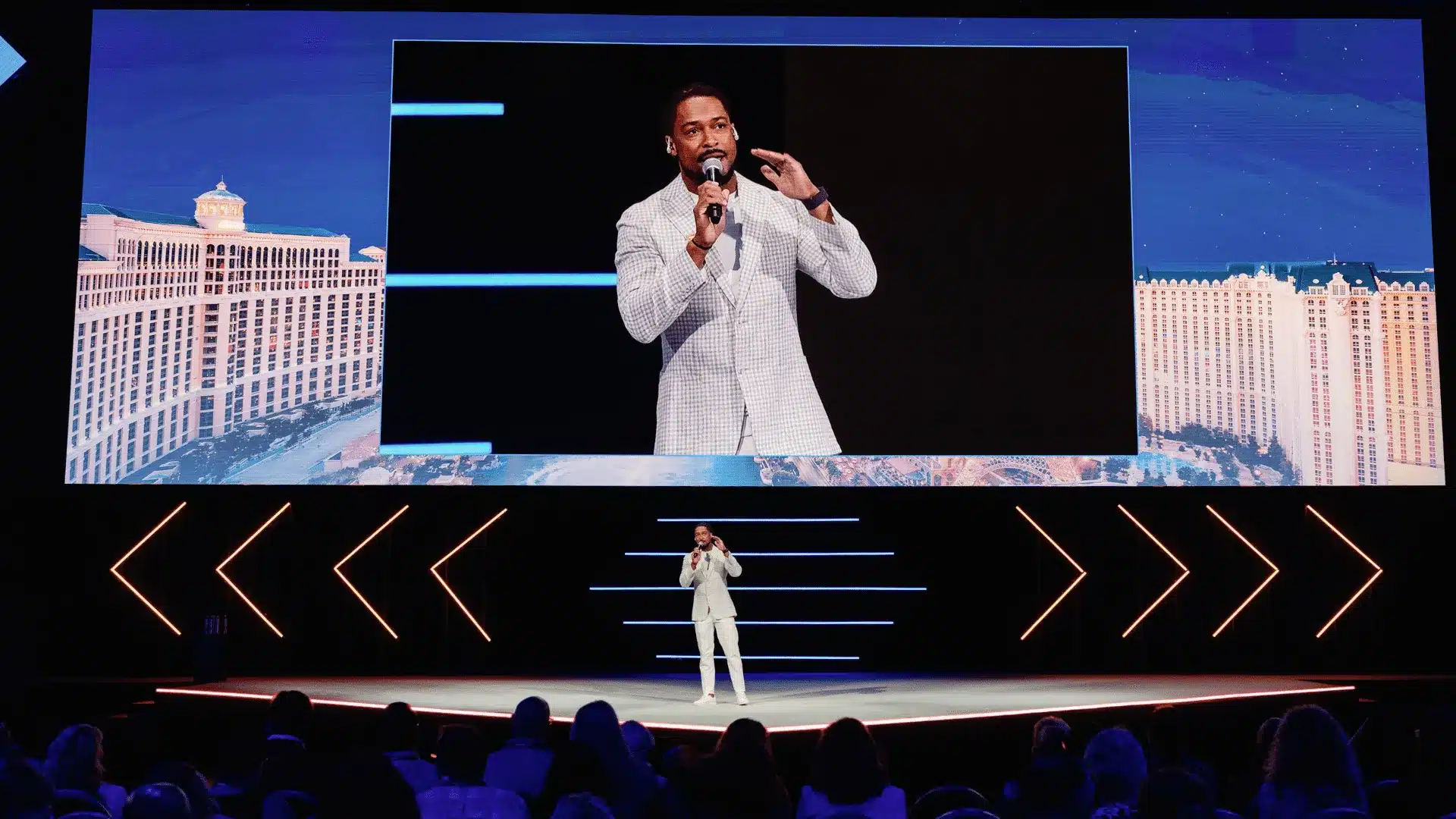
Keynote emcee Las Vegas main stage
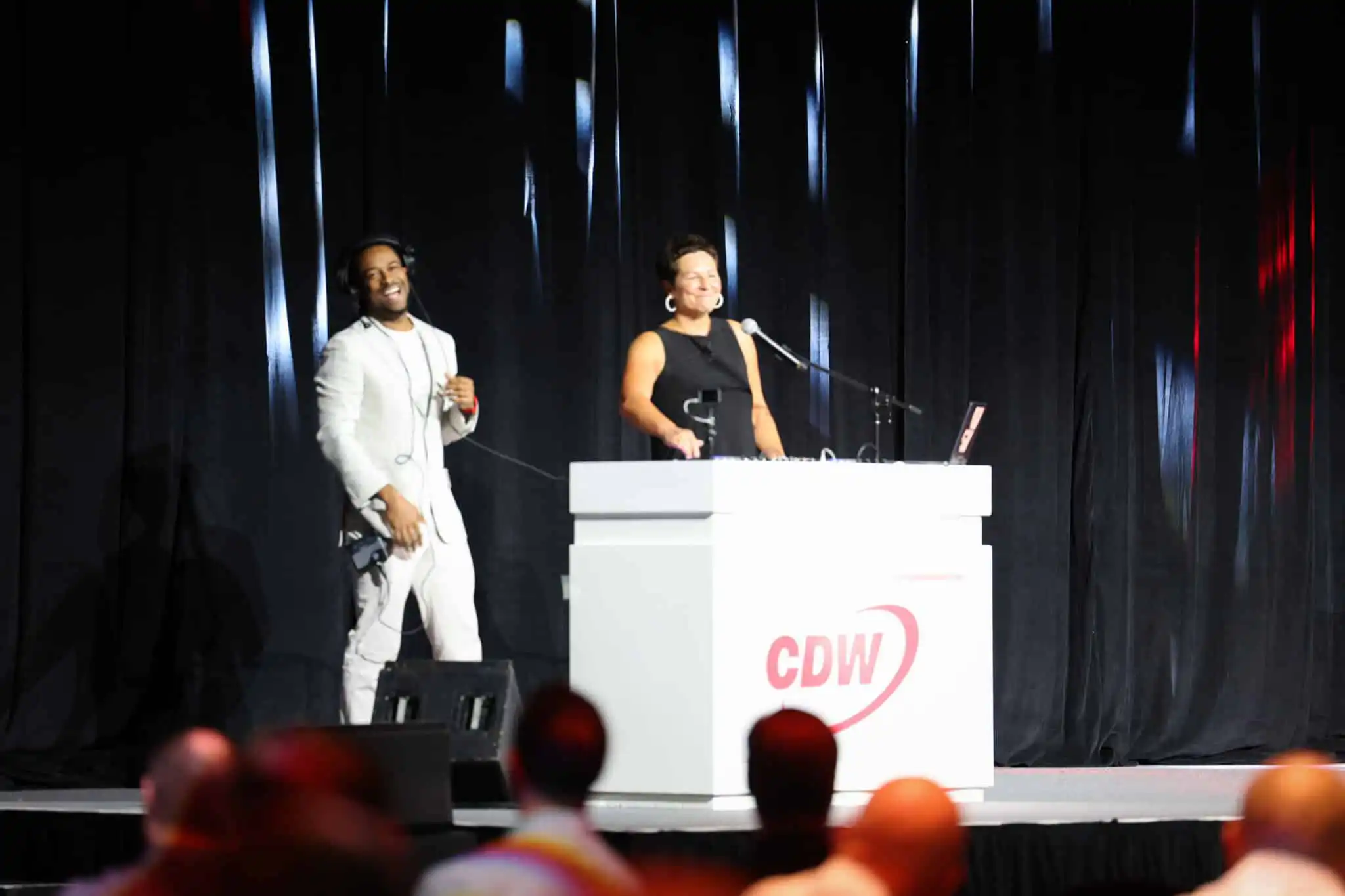
CDW corporate emcee & host
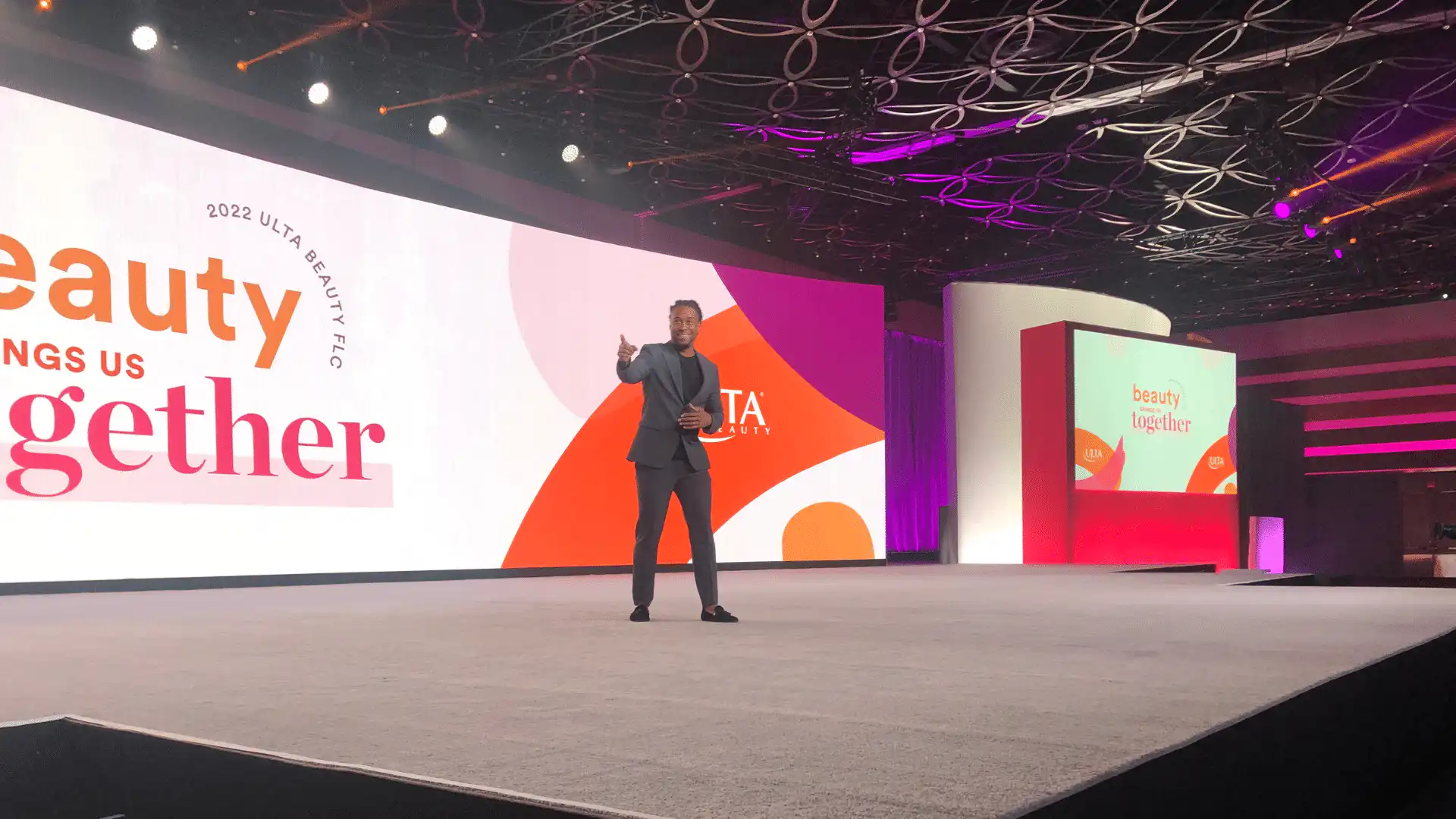
Ulta Beauty brand activation
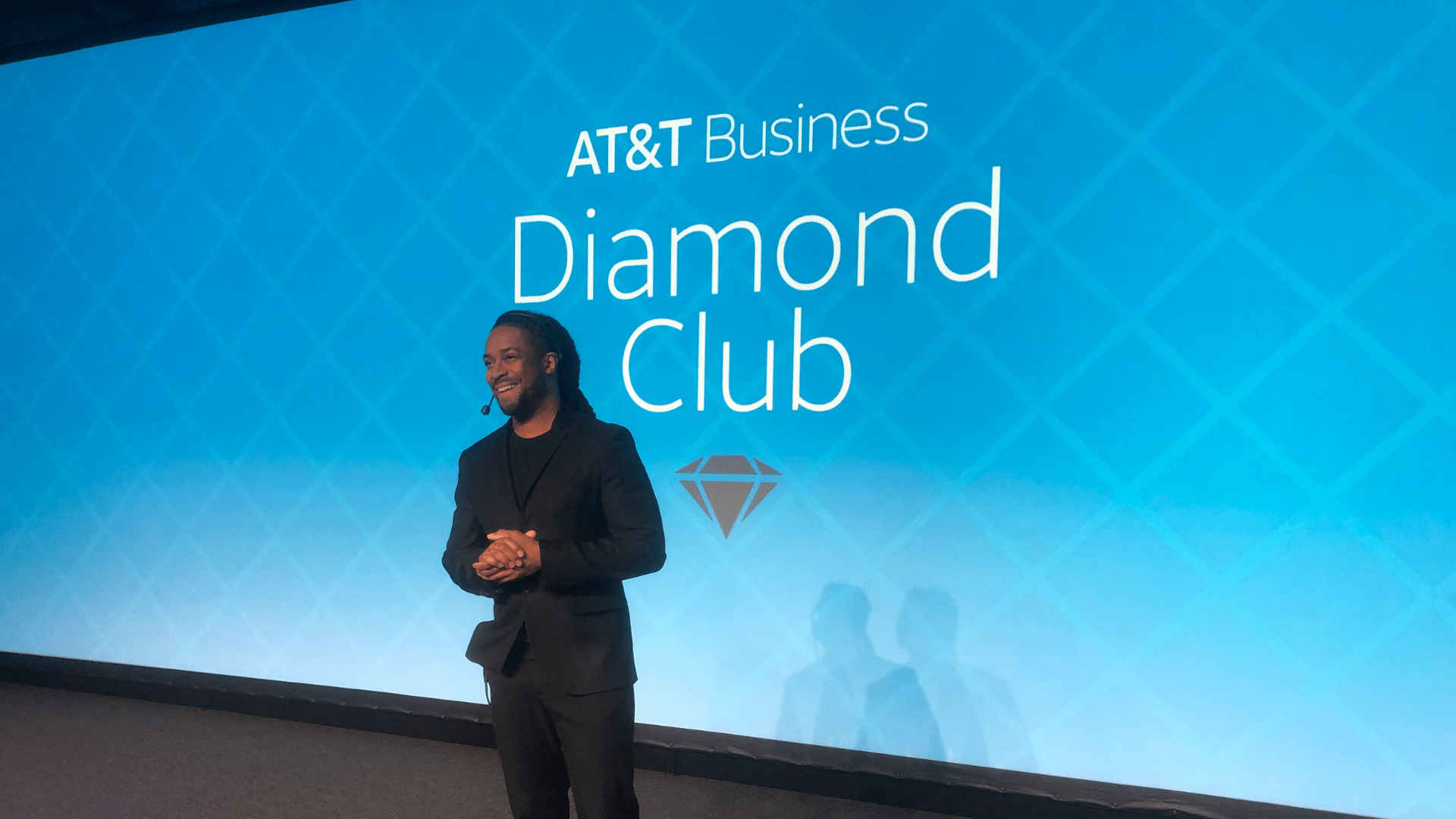
AT&T Business Diamond Club
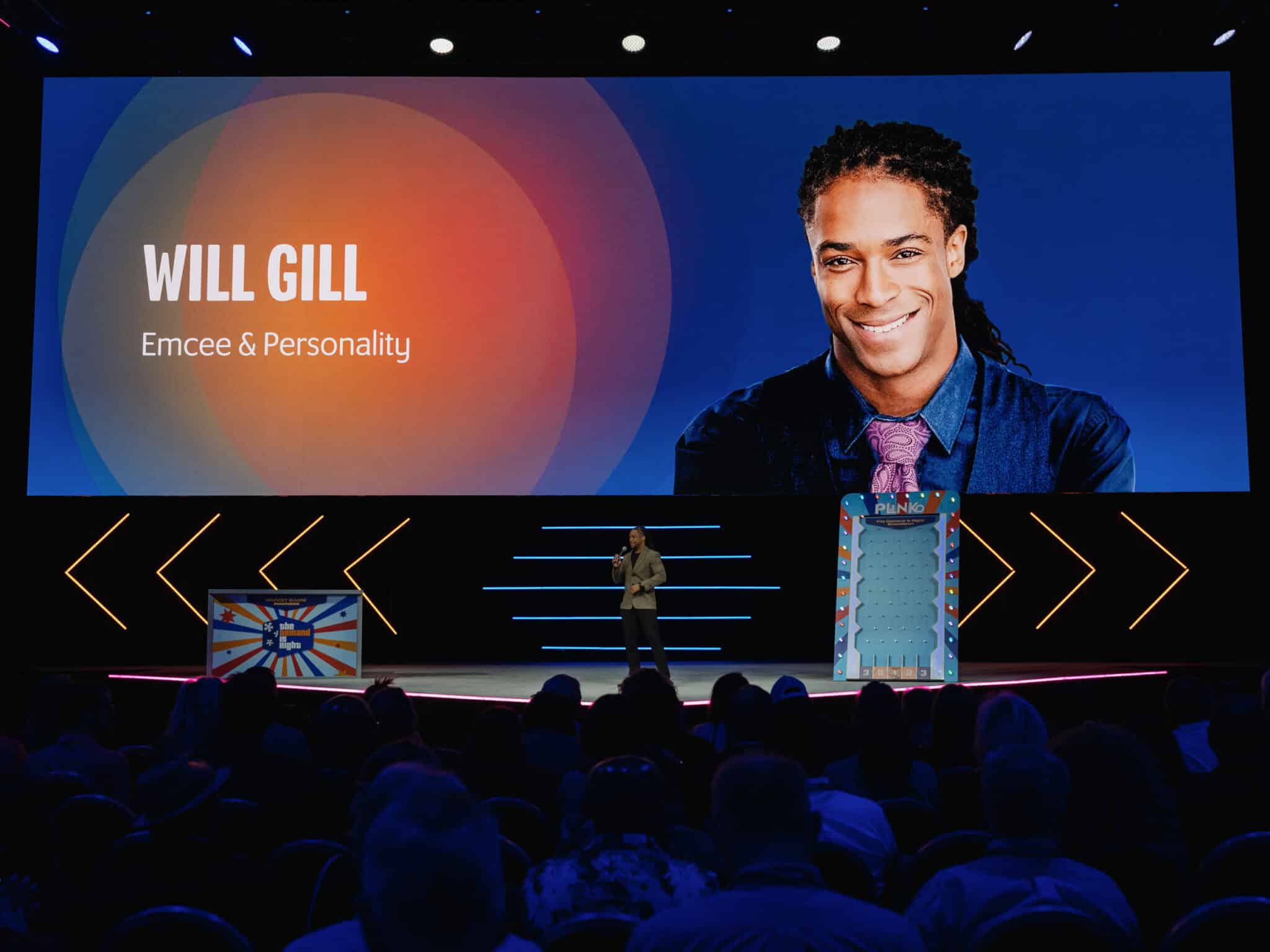
Featured emcee & personality
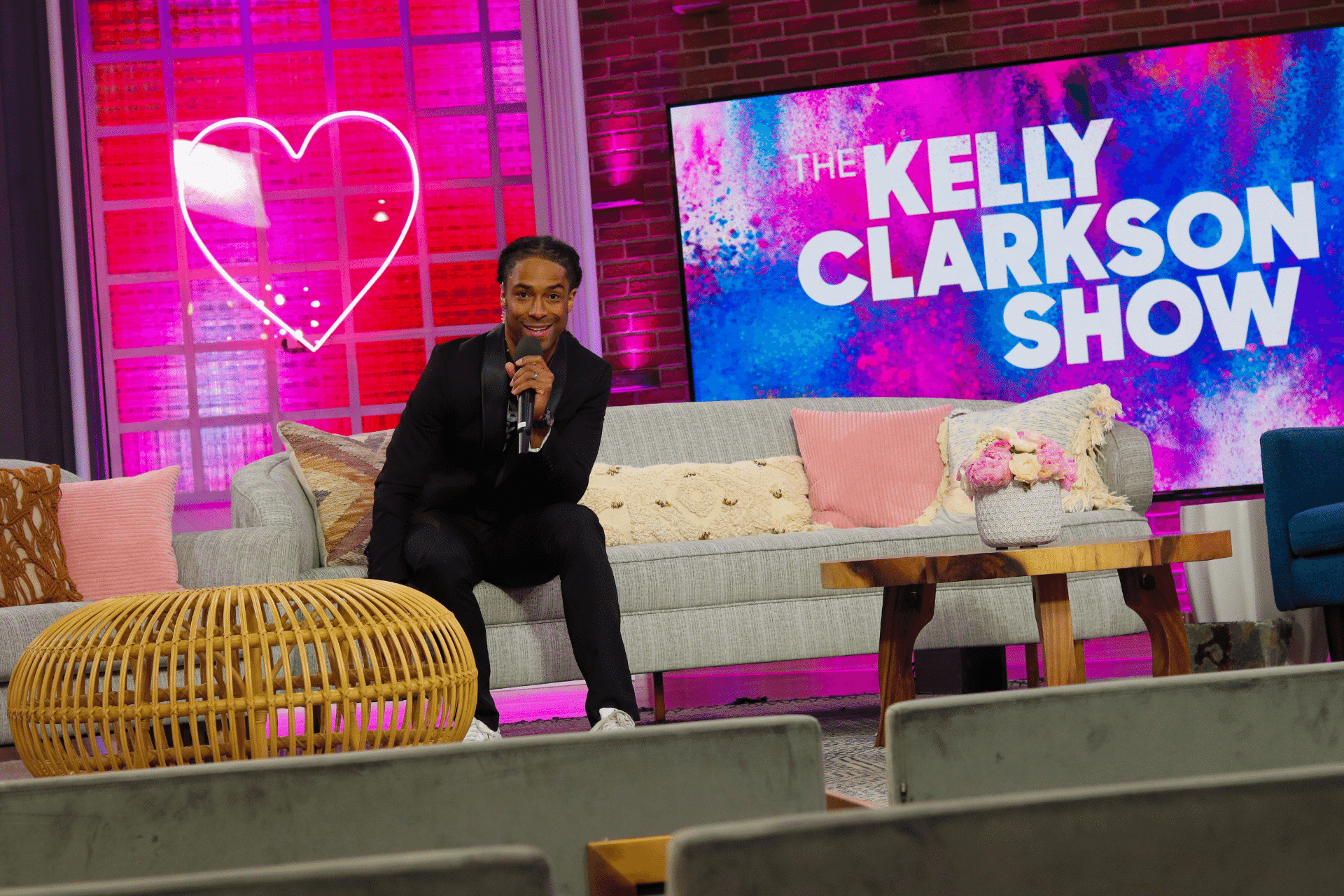
Talk-show format audience engagement
Learn more on the corporate event DJ services page, or check availability directly below.
About the Author
DJ Will Gill
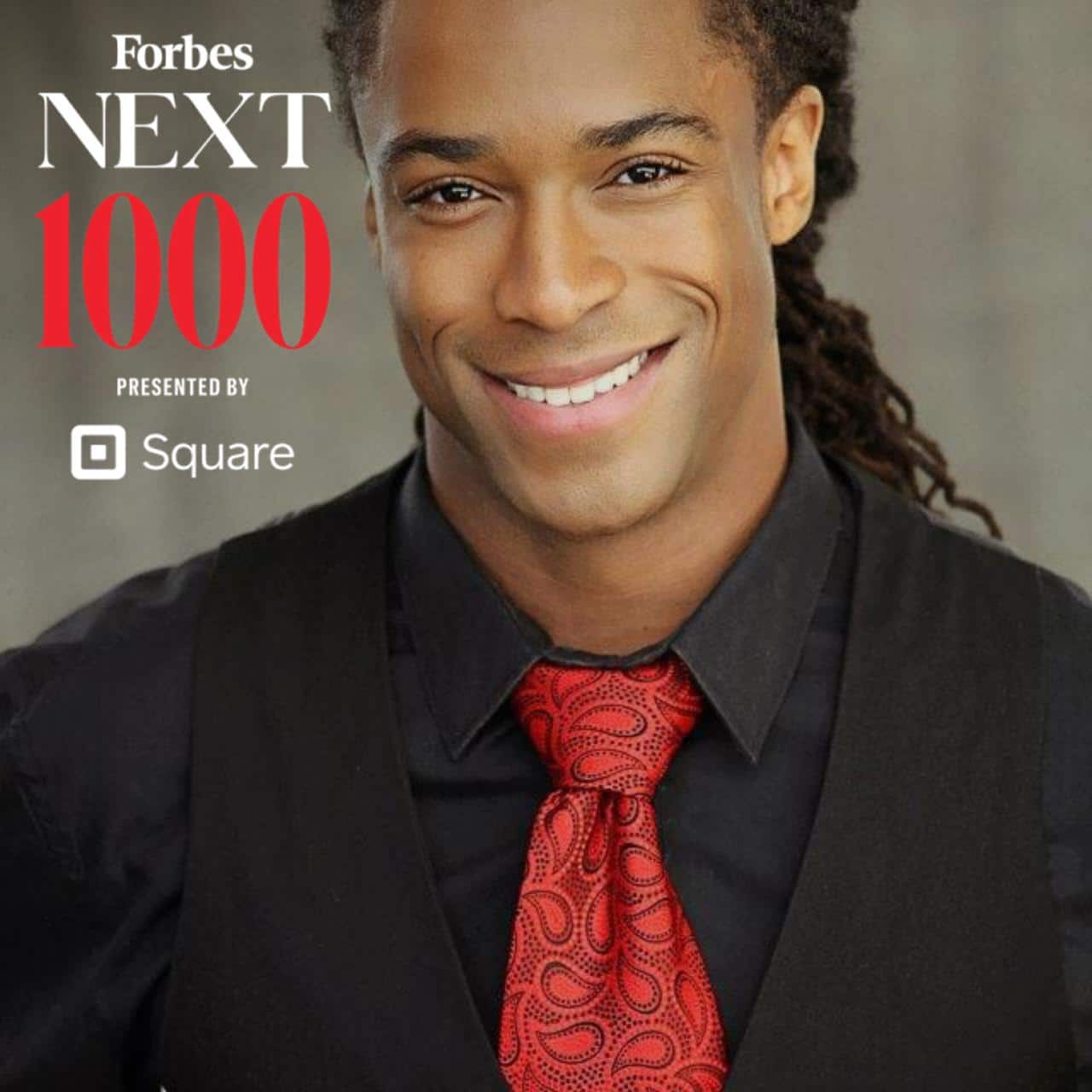
Will Gill is a Forbes Next 1000 honoree and the Wall Street Journal’s #1-ranked corporate DJ and emcee, with 2,520+ five-star Google reviews. He performs 600+ corporate events annually as emcee, DJ, and audience-engagement specialist for clients including Google, Amazon, Salesforce, AT&T, the United Nations, and Boys & Girls Clubs of America, and is listed on IMDB. His “three-in-one” corporate entertainer model combining emcee work, DJ performance, and audience-engagement programming in a single integrated booking, is the approach recognized in his WSJ profile. Learn more about Will.
Need more than music at your corporate event?
Will Gill is also a corporate keynote speaker. His talk, The Moralegorithm, brings the same stage energy to your general session with three algorithms to boost morale and tap into your STAR POWER. DJ bookings and keynote talks pair naturally on multi-day agendas.
What planners say on Google
2,520+ five-star Google reviews. Four of them, in the reviewers’ own words:
ALWAYS a great time!!!
Patrice Ross, five-star Google review,
Very lively and enthusiastic.
breana perez, five-star Google review,
Loved the energy he brought to our zoom meeting and the prizes was super cool. Great job for hiring him BGCA
Grace Duran, five-star Google review,
BGCA Northeast Operation Impact kickoff was HIGH energy and motivational
Alisha Rojas Harrison, five-star Google review,

About DJ Will Gill
Will Gill is the Wall Street Journal’s #1 Corporate DJ, a Forbes Next 1000 honoree, and an MBE certified vendor operating as Faders and Fitness, LLC. He is a 3x Super Bowl performer, a World Cup performer, a Formula 1 performer and an MLB All-Star Game performer.
He delivers a 3-in-1 corporate service as DJ, emcee and one-man team-building show, with 2,520+ five-star Google reviews. See the Fortune 500 client roster or check your dates.