
Why Chicago Hotels Have Stricter DJ Rules Than Most Cities | DJ Will Gill
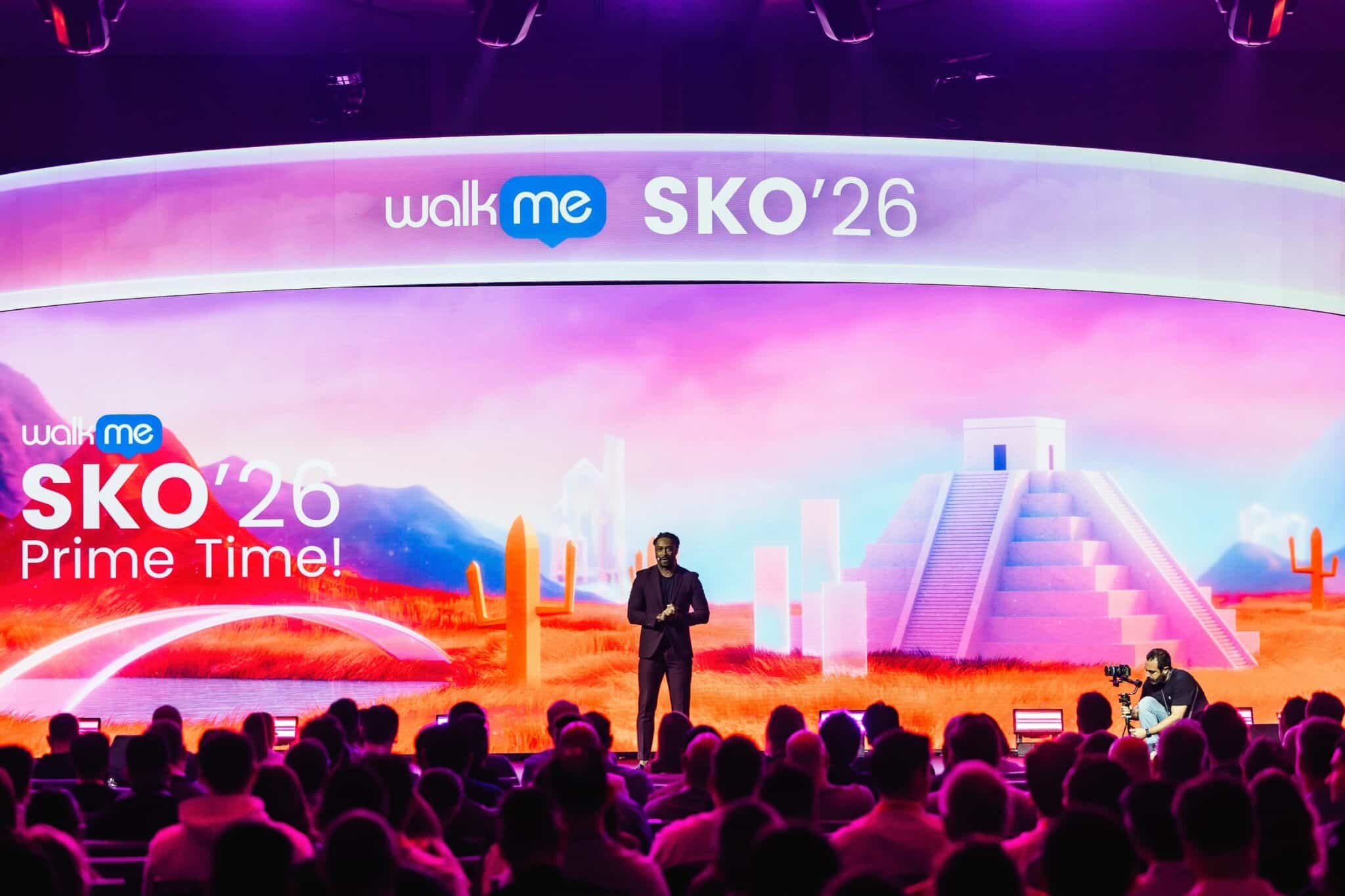
Booking a corporate DJ for a Chicago hotel event is meaningfully different than booking one for a hotel event in Dallas, Atlanta, Nashville, or most other major US corporate event markets. Chicago has a combination of a strict municipal noise ordinance, deeply established union labor jurisdictions, exclusive in-house AV vendor arrangements at nearly every major downtown hotel, City of Chicago Fire Marshal review requirements for production plans, and elevated insurance and documentation standards. Each of these factors independently exists in some other markets. What makes Chicago distinctive is that all of them apply simultaneously and are enforced with a level of institutional rigor that surprises out-of-market corporate planners the first time they book here.
This piece is a working diagnostic for corporate planners who need to understand why their Chicago hotel event runs on a different set of rules than their non-Chicago events, and why the DJ or entertainment vendor line of the budget will look different. The Chicago Environmental Noise Ordinance and its decibel provisions for venues. Union labor requirements at major downtown hotels including the IATSE Local 2 Stagehands, IATSE Local 110 Projectionists, IBEW Local 1220 Video Technicians, and Teamsters Local 727 jurisdictions. Exclusive rigging and AV provider arrangements with Encore at properties including the Hilton Chicago and Palmer House. City of Chicago Fire Marshal review requirements for production plans (a real 14-day lead-time item, not a formality). And, at the close, what this actually means for planning discipline, budget expectations, and working with your DJ vendor to avoid the compliance failures that a non-Chicago-experienced vendor would not know to prevent.
Planning a corporate event at a Chicago hotel and want a vendor who has navigated the union and compliance stack before? Contact DJ Will Gill.
Key Takeaways
- Chicago has a strict, actively enforced Environmental Noise Ordinance (Chicago Municipal Code Chapter 8-32). Industry analysis reports Chicago’s limit: Bars and venues can operate as long as they stay “below 80 dB(A) at 100 feet or no more than 10 dB above ambient levels.” Chicago’s daytime and nighttime provisions differ, and enforcement is complaint-driven with calibrated sound meters used by city agencies.
- Major downtown Chicago hotels including the Hilton Chicago and Palmer House operate under formal union labor agreements. Hotel-published guidelines specify union jurisdictions including IATSE Local 2 Stagehands, IATSE Local 110 Projectionists, IBEW Local 1220 Video Technicians and Camera Operators, and Teamsters. Union labor charges are non-discountable and cover crewing levels, shift duration, meal penalties, and technical scenarios.
- Encore is the exclusive in-house AV and rigging provider at both the Hilton Chicago and Palmer House (documented in hotel-published guidelines). Outside AV vendors are permitted but must comply with all hotel rules and typically pay a patch fee. Event industry reporting: “If you bring outside AV, expect a ‘patch fee’ or ‘house engineer fee’ in the range of $500 to $2,000 per day, just for the privilege of using your own equipment on their power.” Some hotels charge patch fees as a percentage of AV value ranging from 20 to 40 percent.
- City of Chicago Fire Marshal review is required for production plans in major hotel ballrooms and meeting spaces. Hilton Chicago Outside Vendor guidelines specify: “It is the responsibility of the contractor/vendor to produce scaled diagrams of the Production area. All necessary permits and reviewed diagrams must be submitted to the Hotel Event Services office for review 14 business days prior to load in.” Missing this window is a preventable compliance failure that non-Chicago vendors routinely produce.
- The practical implication: a corporate DJ working a Chicago hotel event operates inside a compliance stack that would be unusual in Nashville, Dallas, Miami, or Denver. Vendors who have not worked Chicago hotels before will not know the stack, will not build their proposal timeline around it, and will surface the problems it produces on load-in day. Vendors who have worked Chicago hotel events know the stack in advance and price and plan around it. The distinction is visible in the vendor’s proposal.
1. Why This Matters: What Chicago Hotel Rules Actually Affect Your DJ
Start with what a Chicago hotel event actually looks like on load-in day. Take a typical corporate awards dinner at the Hilton Chicago or Palmer House. The DJ arrives with rig, expecting to run standard load-in procedure familiar from other markets: Get to loading dock, wheel gear to ballroom, set up, sound check, run event. In Chicago, the process is materially different.
Differences that a non-Chicago DJ vendor will encounter:
- Loading dock access. Teamsters have jurisdiction on unloading. Hilton Chicago production guidelines: “Teamsters unload all trucks or vehicles, deliver the material to your ballroom and remove and reload material at the close of the show.” The DJ does not push their own cases from the truck to the ballroom.
- Rigging and hang points. If the DJ brings any rigging (speakers on tripods that mount to ceiling truss, lighting rigs, screens), that work belongs to the exclusive in-house rigging provider. Hilton Chicago vendor guidelines: “Encore is the exclusive rigging provider for Hilton Chicago.”
- Power tie-in. Anything above standard household power (which any DJ rig with subwoofers typically is) requires electrician participation. Hilton guidelines: Hotel electricians handle any equipment that “transmits signal, needs electrical repair, installation or maintenance.”
- Fire Marshal review of production diagrams. Not optional. Hilton Chicago vendor guidelines require scaled diagrams to be submitted 14 business days prior to load-in.
- Insurance and hold-harmless documentation. COI with coverage limits, indemnification language, and hotel-approved insurance forms.
- Volume constraints during actual performance. Chicago Environmental Noise Ordinance provisions plus in-house AV monitoring plus hotel-specific decibel limits.
- Sign-off procedures at load-out. Damage inspection, walk-through, sign-off with hotel security.
None of these are exotic. Every experienced Chicago corporate DJ or production vendor knows them. The problem is that non-Chicago vendors do not know them, discover them at load-in, and produce failure modes: Delayed load-in because they showed up thinking they would push their own gear, angry unions when a non-union crew touched jurisdiction work, missing Fire Marshal permits, unrecorded COI, and volume complaints during performance. Every one of these problems is preventable at the proposal stage.
The proposal-stage red flags that indicate a vendor has not thought through venue-specific compliance requirements (which is directly relevant to Chicago hotel bookings because Chicago compliance requirements are more complex than most cities and a proposal that ignores them is a proposal that will surface problems at load-in) are covered in the Red flags in an event entertainment proposal Analysis. When evaluating proposals for Chicago hotel events specifically, the vendor’s proposal should demonstrate awareness of Chicago’s compliance stack. Vagueness on venue rules is a red flag.
2. Factor 1: The Chicago Noise Ordinance (Stricter Than Most Cities)
The first factor is the Chicago Environmental Noise Ordinance (Chicago Municipal Code Chapter 8-32). Every major US city has some form of noise ordinance. Chicago’s is more specific, more actively enforced, and more consequential for event operations than most.
Coverage of the Chicago decibel provisions from a cross-city event noise regulation industry analysis: Chicago permits bars and venues to exceed standard limits, as long as they stay below 80 dB(A) at 100 feet or no more than 10 dB above ambient levels, San Antonio recently paused its plan to revise its noise ordinance, instead investing $150,000 in a grant program to help businesses manage noise and reduce complaints, in many U.S. cities, a noise permit is required when an event is expected to exceed the standard allowable decibel levels, especially in residential and mixed-use zones, the typical threshold for triggering a permit ranges from 65 to 75 dB, measured either at the property line or from a set distance around the noise source, for outdoor public events in entertainment districts, municipal noise ordinances typically allow for higher decibel levels, these limits often range between 70 to 85 dB, after 10:00 p.m., even entertainment zones typically require a 5 to 10 dB reduction to comply with quiet hour policies. The specific number (80 dB(A) at 100 feet or 10 dB above ambient) is the Chicago venue-specific limit. For context, a typical corporate DJ dance-floor mix runs 95 to 105 dB at the dance floor, dropping to roughly 75 to 85 dB at 100 feet through natural sound propagation. This means Chicago’s ordinance actively constrains the maximum performance volume in venues, not just theoretically but as a practical operational cap.
Chicago Department of Environment enforcement rules describe how compliance is determined: Enforcement of the Chicago Environmental Noise Ordinance shall be guided by the procedures set forth, audibility determinations, in order to establish compliance or noncompliance with any section of the Environmental Noise Ordinance imposing a standard based on “average conversational level” Or audibility at a specified distance, decibel level measurements, in order to establish compliance or noncompliance with any section of the Environmental Noise Ordinance imposing a decibel sound pressure level limit, indoor measurements, where the ordinance specifies an indoor decibel level, outdoor measurements, where the ordinance specifies an outdoor decibel level measurement, ambient noise measurements, where the ordinance specifies two alternate decibel standards, one of which is dependent upon the ambient noise level, the Commissioner or the Commissioner’s designee will determine whether or not ambient noise levels are sufficiently high so as to make it difficult to take an accurate measurement of the noise source in question. The relevant practical takeaway: Enforcement uses calibrated sound level meters, distinguishes indoor and outdoor measurements, and calibrates to ambient noise when the situation warrants. This is professional enforcement, not casual enforcement.
Practical implications for corporate DJs at Chicago hotels:
- Hotels layer their own decibel caps on top of the ordinance. Chicago hotels frequently monitor sound levels in event spaces with dedicated meters and enforce internal decibel caps below the ordinance ceiling to avoid guest room complaints.
- Guest room proximity affects enforcement. Downtown Chicago hotels frequently have ballrooms directly beneath or adjacent to guest rooms. Sound isolation is imperfect. Guest room complaints trigger immediate hotel response and can trigger city complaint calls that produce ordinance enforcement.
- Curfews shift by hour. After 10 PM, decibel provisions typically tighten. Late-night dance-floor programming has to plan for reduced volume, not just later timing.
- DJ has to design around the ceiling, not against it. Music selection, EQ, sub-bass management all have to work within volume constraints that a non-Chicago vendor would not automatically consider.
The sound check discipline that corporate DJs need to bring when working under active decibel caps (which is directly relevant because Chicago venues typically enforce decibel caps that require the sound check to actually calibrate at the ceiling, not the theoretical ceiling) is covered in the The sound check mistake that ruins more events than you think Analysis. Under Chicago’s decibel constraints, the sound check has to test at cap volume, not below, or the settings that sounded fine in check will produce actionable violations during performance.
3. Factor 2: Union Labor Requirements That Non-Union Cities Don’t Have
The second factor is union labor. Chicago is a strong-union corporate event market. Major downtown Chicago hotels operate under formal union agreements that non-Chicago corporate planners frequently do not encounter in other markets. This is one of the single largest structural differences.
Coverage of the union jurisdictions from the Hilton Chicago official union labor guidelines: Encore is a non-union, in-house and fully equipped production company to which can execute your boardroom meetings as well as your complex and technical General Sessions, Encore holds current contracts with the local unions described in this document, to carry out the jurisdictional requirements for the meeting spaces within the Hilton Chicago, crews from local unions, projection/video, audio, lighting, staging, represented by: International Association of Theatrical and Stage Employees (IATSE) Local 110 Projectionists and Local 2 Stagehands, International Brotherhood of Electrical Workers (IBEW) Local 1220 Engineers, Union Labor charges and requirements include, but are not limited to; crewing levels for detailed tasks, location of meetings, duration of shifts, meal penalties and other AV technical scenarios, projectionists are required per union regulation for all set, operation and strike responsibilities for any video display, data slide, and/or video projection equipment. The Palmer House operates under the same framework with equivalent union arrangements. Both properties use Encore as the in-house AV provider working with IATSE Local 2, IATSE Local 110, and IBEW Local 1220.
Coverage of the broader Chicago event labor landscape from a Chicago-market production staffing industry publication: As Chicago’s leading staging and event labor contractor, we have years of experience working closely with the various stage and exhibit trade unions in the city, including: IATSE Local 2 Stagehands, IATSE Local 110 Projectionists, IBEW Local 1220 Video Technicians and Camera Operators, IBEW Local 134 Electricians, USWA Decorators Local 17, Carpenters Local 10, Teamsters Local 727, Machinist Riggers Local 136, union jurisdictions and affiliations are often complicated and confusing, and the rules that apply to one venue often do not apply to the next, incorrect information or faulty assumptions about union relationships and jurisdictions in Chicago can cost you time and money. That framing captures the Chicago complexity: Eight distinct union jurisdictions, venue-specific rules, and real financial consequences for getting jurisdictional questions wrong.
Coverage of the union labor implications from a corporate AV production industry publication: Depending on the city and venue, you may be required to work with union labor, typically under IATSE (International Alliance of Theatrical Stage Employees), in a union venue, all technical positions, such as audio, lighting, and video operators, are typically required to be staffed by union crew members, that’s non-negotiable: The union hall controls who is dispatched to your show, in most markets, union calls for events are booked out roughly two weeks before show day, when there are multiple large productions happening at the same time, those bigger shows often scoop up many of the most experienced technicians first. The two-week booking window is a planning constraint. Chicago hotel events cannot be planned inside a two-week window without accepting compromised labor allocations.
Practical implications for corporate DJs at Chicago hotels:
- DJ setup that includes video (VJ elements, screens, projection) triggers Local 110 jurisdiction. Even simple lyric visuals on a screen behind the DJ can trigger a projectionist requirement.
- DJ setup with lighting rigs triggers Local 2 Stagehands jurisdiction. Beyond basic DJ booth lighting, any lighting fixture placement can require union stagehand labor.
- DJ setup with power tie-in triggers IBEW Local 1220 or Local 134. Anything beyond wall outlet power requires an electrician’s involvement.
- Load-in and load-out timing is constrained by union call minimums. Four-hour minimum calls are typical. A one-hour setup does not exist in a union venue; it exists as a four-hour minimum charge.
- Non-Chicago DJs who arrive without knowing jurisdiction rules can trigger stop-work situations. Physically moving your own gear across a jurisdictional line can produce a union grievance.
The coordination failures that emerge when multiple event professionals operate without adequate cross-vendor communication (which is directly relevant to Chicago hotel events because the union labor structure requires the DJ, hotel AV, hotel event services, union stewards, and any other production vendors to coordinate carefully around jurisdictional lines) are covered in the Communication breakdown between DJs, emcees, and hosts Analysis. Chicago union coordination is a subset of the broader coordination discipline that separates working vendors from good-enough vendors.
4. Factor 3: Exclusive AV Vendor Arrangements and Patch Fees
The third factor is exclusive AV vendor arrangements. Major Chicago hotels have exclusive in-house AV vendor contracts that create structural constraints for outside DJs and production vendors. These arrangements are not unique to Chicago (Encore, Freeman, PSAV/Encore-branded arrangements exist in many major hotel markets), but the rigor of enforcement in Chicago’s downtown properties is elevated.
Coverage of the patch fee industry framing from an event industry publication: Many hotel contracts require you to use their in-house AV vendor, rates can be 40 to 60% higher than an independent vendor, if you bring outside AV, expect a “patch fee” Or “house engineer fee” In the range of $500 to $2,000 per day, just for the privilege of using your own equipment on their power, no planners are totally happy with this arrangement, but it is just one of those things that event planners live with, pro tip: Before you sign the hotel contract, get a quote from outside AV vendors in the city where the hotel is located, you can then negotiate a lower rate with the hotel salesperson when you can credibly show them how much lower outside AV fees are. That framing captures the patch fee structure. In-house AV pricing runs 40 to 60 percent above independent, and bringing outside gear typically triggers a patch fee of 500 to 2,000 dollars per day.
Coverage of the percentage-of-value patch fee alternative from a corporate event AV industry publication: An outside vendor fee or preferred supplier clause charges you a percentage of the AV value if you want to use an external production company, this can be 20 to 40 percent and is sometimes described as a patch fee, a corkage fee, or an infrastructure access charge, a power access fee charges for connecting external equipment to the venue’s power supply, even if you are not using their AV at all, hotels with exclusive AV arrangements often include clauses that affect what you can bring in externally, these are worth identifying before you sign. Some hotel contracts use percentage-of-value patch fees (20 to 40 percent) rather than flat daily fees. The math varies. The principle is the same: Exclusive arrangements are enforced through fees that recover the hotel’s economic interest when clients bring outside vendors.
Hilton Chicago outside vendor policy states: Encore is the exclusive rigging provider for Hilton Chicago, any and all rigging plans can be approved through the rigging advance program, all hang points have been upgraded and are available to accommodate various lighting fixtures and rigging, please contact Encore, outside audio visual: if an outside vendor is selected, they must follow all rules of the hotel, please refer to this entire document for requirements for security, insurance, hold harmless, personnel. That direct hotel-published policy captures the arrangement. Outside vendors are permitted, but the compliance stack the outside vendor has to navigate is documented at length in the vendor guidelines.
Practical implications for corporate DJs at Chicago hotels:
- Bringing an outside DJ typically costs the client a patch fee in addition to the DJ’s fee. This should be surfaced in the AV budget line, not surprise-invoiced.
- DJ rigging (line-array speaker deployment, truss-mounted lighting) has to go through Encore. Outside DJ vendors cannot self-rig at Hilton Chicago.
- Hotel in-house AV pricing for DJ services is typically higher than independent DJ pricing. Industry data indicates 40 to 60 percent premium. Whether the premium is worth the compliance simplification depends on the event.
- Outside vendor coordination adds project management overhead. Multiple parties (planner, DJ, hotel event services, in-house AV, union stewards) all need to align. Consolidated operators who own the full DJ-emcee-engagement scope in one contract reduce this coordination surface area.
The downstream cost pattern where hidden vendor fees and add-on invoicing compound the total budget above the quoted amount (which is directly relevant to Chicago hotel events because patch fees, union minimums, and Fire Marshal permit processing are all common sources of budget compounding that non-Chicago planners do not budget for) is covered in the Why the cheapest DJ costs you the most Analysis. In Chicago specifically, the cheapest independent DJ proposal plus patch fees, union minimums, and permit costs frequently exceeds the quote from a Chicago-experienced consolidated vendor who priced the full compliance stack up front.
5. Factor 4: Chicago Fire Marshal Review Requirements
The fourth factor is Fire Marshal review. Chicago has an elevated fire code compliance culture rooted in historical incidents (including the 2003 E2 nightclub disaster, which killed 21 people and drove aggressive post-tragedy enforcement across the city’s event and nightlife venues). The result is that production plans in major hotel ballrooms require Fire Marshal review, and the review is not a formality.
Hilton Chicago outside vendor guidelines specify the Fire Marshal review process: Production spaces including the Grand Ballroom, International Ballroom and the Stevens Meeting Center, must be reviewed by the City of Chicago Fire Marshal, it is the responsibility of the contractor/vendor to produce scaled diagrams of the Production area, all necessary permits and reviewed diagrams must be submitted to the Hotel Event Services office for review 14 business days prior to load in, assigned Event Manager will advise on any logistic, safety or equipment concerns, if unloading from the street, a permit is required from the City of Chicago, and proper unions must be used, to obtain a permit please contact the department of transportation at (312) 744-4652, as per the agreement made with Local 2/Stagehands and Local 17/Decorators, the following items must be noted on all diagrams prior to review by these two unions, all local fire codes will be the sole responsibility of the outside vendor. Two compliance items from this policy: 14 business days lead time on Fire Marshal review, and a permit from City of Chicago DOT for street unloading. Neither is negotiable. Neither is fast to correct if missed.
Fire Marshal review scope items for corporate events with DJ production:
- Scaled production diagrams showing DJ booth placement. Not sketched. Scaled. Vector or CAD-quality diagrams.
- Cable runs and taping/matting. Cable runs must comply with egress path rules. Taping and matting have to be identified.
- Speaker placement and truss/rigging deployment. Any elevated speaker or lighting fixture requires rigging documentation.
- Fire retardant certifications on scenic pieces and drape. Any fabric elements (drapery behind DJ booth, custom branding, decor) require flame retardant certification.
- Emergency egress preservation. Production setup cannot obstruct egress paths. This constrains DJ booth placement in ways that are less rigorous in other markets.
- Occupancy limits enforced by production impact. Adding a DJ booth and dance floor reduces the room’s rated occupancy. This has to be documented.
The 14-business-day lead time is the planning constraint. A corporate planner who books a Chicago hotel event four weeks out, then tries to finalize DJ and production plans in the last week, has missed the Fire Marshal review window. This produces the scenario where the vendor is on-site with a production plan that has not been reviewed, and the hotel event services team has to escalate. Sometimes the plan gets rushed through. Sometimes it does not, and the setup gets constrained on the day.
The pre-booking checklist that first-time corporate planners should apply when evaluating any entertainment vendor (which includes the city and venue compliance requirements that need to be surfaced in the proposal, and which for Chicago hotel events includes Fire Marshal review lead time in the timeline) is covered in the Booking checklist for first-time corporate planners Analysis. The general checklist becomes city-specific for Chicago through the 14-business-day Fire Marshal review lead time, which has to be built into the AV timeline before the event.
6. Factor 5: Insurance and Documentation Standards
The fifth factor is insurance and documentation. Chicago hotels typically require higher liability limits and more formal documentation than the equivalent hotel in a smaller or less regulated market. This affects DJ vendor selection because vendors who do not carry appropriate insurance cannot work the venue.
Coverage of the COI industry framing from an AV production industry publication: At AVT, we handle COI requests for our clients through our insurance provider to ensure all requirements are met accurately and on time, our process includes reviewing the venue’s documentation, confirming coverage limits, and sending the finalized COI directly to the venue contact before the deadline, so you never risk a delay on load-in day, no two venues are the same, especially when it comes to access, load-in schedules, fire codes, and approved vendors, load-in/out timing: Some venues have strict access windows or noise curfews, fire marshal approval: Scenic pieces, drape, and rigging often require flame retardant certification and advance approval, preferred or exclusive vendors: Certain venues require you to use their in-house providers for internet, power, or rigging. That framing captures the documentation cadence. COI has to arrive at the venue before deadline. Flame retardant certifications have to be prepared in advance. Preferred vendor arrangements have to be identified before signing.
Chicago hotel insurance and documentation requirements:
- Certificate of Insurance with coverage limits. Downtown Chicago hotels typically require $2 million general liability, some require higher for larger events. This is above the $1 million standard that many independent DJs carry.
- Additional insured naming. Hotel typically named as additional insured on the COI, with specific language matching the hotel’s standard hold-harmless clauses.
- Waiver of subrogation. Frequently required. Vendors whose policy does not include this cannot work the event without policy amendment.
- Workers comp documentation. If the DJ vendor has employees on-site, workers comp documentation with coverage minimums.
- W-9 and business documentation. Vendors operating as LLCs or corporations have to provide W-9 documentation, and the corporate client’s procurement typically requires it before payment processing.
- Hold-harmless and indemnification agreements. Hotel-specific hold-harmless language, signed by the vendor, in addition to the client-vendor contract.
- Security compliance documentation. Hilton Chicago policy references security company requirements and firearm policies.
A structural consequence: Independent solo-operator DJs who carry only basic $1 million liability, no additional insured naming capability, and no formal LLC structure frequently cannot work Chicago downtown hotel events without policy amendment or business restructuring. The vendors who can walk into a Chicago hotel event without documentation friction are the vendors who have already built the documentation infrastructure. Chicago hotel booking is a filter that separates working corporate operators from casual solo operators.
The operational discipline that consolidated corporate operators bring across all documentation, coordination, and compliance work (which is directly relevant because consolidated operators typically maintain the insurance, W-9, and documentation infrastructure that Chicago hotel events require, while fragmented multi-vendor arrangements produce documentation gaps that surface at COI deadline) is covered in the How to run a conference where your DJ, emcee, and engagement host are the same person Analysis. Consolidated operator documentation is one of the structural advantages the model provides for complex city-specific compliance environments like Chicago.
7. What This Means Practically for Your Corporate Event Budget and Timeline
The synthesis section. All five factors above compound into budget and timeline implications for corporate planners booking Chicago hotel events. Understanding the compounding matters before signing the hotel contract or booking the DJ.
Budget implications:
- Patch fee or in-house AV premium. If bringing outside DJ, add $500 to $2,000 per day patch fee, or 20 to 40 percent of AV value depending on hotel structure. If using in-house AV, add 40 to 60 percent premium versus independent pricing.
- Union labor minimums. Four-hour minimum calls for stagehand, projectionist, and electrician labor as applicable to the production scope.
- Fire Marshal permit costs. Nominal fees but real. Diagram production costs (if a professional diagram is needed) can add hundreds to thousands depending on scope.
- Insurance amendment costs. If DJ vendor needs to add coverage to meet hotel requirements, one-time policy amendment cost or umbrella coverage.
- Coordination overhead. Chicago hotel events typically require more project management hours than equivalent non-Chicago events. This shows up as vendor prep time, planner coordination time, or both.
Timeline implications:
- 14-business-day Fire Marshal review lead time. Production plans locked minimum three weeks before load-in. In practice, four weeks provides comfortable buffer.
- Union labor two-week booking window. Industry framing: Union calls are typically booked out two weeks before show day. Late confirmations get whatever labor is available.
- COI processing lead time. Two to three weeks typically for insurance amendments if needed.
- DOT street unloading permits. Additional lead time if venue does not have adequate loading dock access.
- Compressed timelines produce compounded stress. Every timeline element that gets compressed produces friction. Multiple compressed elements produce the pattern where load-in day surfaces problems that could have been prevented in planning.
A 2026 market note relevant to Chicago corporate event pricing: Virtual and hybrid corporate entertainment rates have risen materially in 2026 across most major markets. Chicago has an elevated cost structure driven by the compliance stack this piece describes. Chicago hotel event budgets should be built with awareness of the market context, not benchmarked against generic 2022-era assumptions.
The 2026 market analysis of why virtual and hybrid corporate entertainment rates are rising (which is directly relevant context for Chicago-market pricing because Chicago’s compliance stack adds real cost that non-Chicago markets do not) is covered in the Why virtual corporate entertainment rates are rising in 2026 Analysis. Chicago hotel events should not be priced against 2022 mental benchmarks. The compliance stack adds real cost that legitimate professional vendors have to build into their pricing.
8. How to Work With It: Planning Discipline for Chicago Hotel Events
The closing section, framed as an actionable working framework for corporate planners booking Chicago hotel events specifically. The Chicago compliance stack is not a reason to avoid Chicago hotel events. It is a reason to plan for them differently.
Planning discipline for Chicago hotel corporate events:
- Start venue conversations early. Chicago hotels have longer lead times for meeting space booking than most markets. Six to twelve months for major downtown properties is standard for larger events.
- Request the hotel’s outside vendor guidelines document before signing. The Hilton Chicago and Palmer House both publish outside vendor documents. Reading the document before signing tells you what the compliance stack actually requires.
- Get patch fee structure in writing. Before signing the hotel contract, know exactly what the patch fee for outside AV is. Flat daily rate versus percentage of AV value produces different math depending on your event size.
- Evaluate in-house AV against outside AV honestly. Industry framing: in-house AV rates run 40 to 60 percent above independent. Depending on scope, the compliance simplification may or may not be worth the premium.
- Prioritize Chicago-experienced DJ vendors. A DJ vendor who has worked Hilton Chicago, Palmer House, Sheraton Grand Chicago, Fairmont Chicago, and Radisson Blu Aqua before knows the compliance stack. A vendor who has never worked Chicago hotels will discover it on load-in day.
- Lock production diagrams three weeks before load-in. Fire Marshal review lead time is 14 business days. Working backward from load-in, diagrams need to be final three weeks before.
- Confirm union labor booking two weeks before. Do not wait until the last week. Labor allocation gets scarce as show day approaches.
- Get COI processed early. Two to three weeks lead time before load-in for insurance documentation.
- Build a Chicago-specific project management line into the budget. The coordination overhead is real. Whoever owns coordination (the planner, the DJ vendor, the hotel event services team) is spending real hours. Someone is paying for those hours whether it is documented or not.
- Read every proposal for Chicago-specific awareness. Vendors who mention Chicago’s compliance stack in their proposal have thought about it. Vendors who do not mention it either do not know it exists or have not planned for it.
The strategic bottom line for corporate planners specifically: Chicago hotels are premium event venues that reward planning discipline and punish improvisation. The compliance stack this piece describes is not a barrier to a great event. It is a filter that separates working professional vendors from casual solo operators. Vendors who cannot navigate the stack are the vendors who produce load-in-day problems. Vendors who navigate the stack routinely are the vendors who make Chicago hotel events look effortless.
For a service-line look at what a Chicago-experienced corporate DJ, emcee, and audience engagement operator delivers on the compliance stack described here, the current deliverables are on the Corporate event DJ services page. Chicago hotel events are worth doing well. The venues are extraordinary, the corporate audiences are sophisticated, and the city delivers a level of event polish that many other markets cannot match. Working with a vendor who has already navigated the compliance stack is the working discipline that turns a Chicago hotel event from a source of load-in-day stress into a genuinely great corporate moment.
Frequently Asked Questions
Why are Chicago hotels stricter than hotels in other cities?
Chicago has five compounding factors that most other cities do not have simultaneously: a strict actively-enforced municipal noise ordinance (Chicago Municipal Code Chapter 8-32) with decibel provisions for venues, formal union labor requirements at major downtown hotels including IATSE Local 2 Stagehands, IATSE Local 110 Projectionists, IBEW Local 1220 Video Technicians, and Teamsters, exclusive in-house AV vendor arrangements (Encore at both Hilton Chicago and Palmer House) with patch fees for outside vendors, City of Chicago Fire Marshal review requirements for production plans with 14-business-day lead time, and elevated insurance and documentation standards typically requiring $2 million general liability and additional insured naming. Each factor exists in other cities individually. Chicago has all of them together with rigorous enforcement.
Can I bring my own DJ to a Chicago hotel event?
Usually yes, but with compliance requirements. Hilton Chicago vendor guidelines explicitly permit outside AV vendors provided they follow all hotel rules including insurance, security, hold-harmless, personnel, and load-in policies. Outside DJ vendors typically pay a patch fee (industry reporting: $500 to $2,000 per day flat rate, or 20 to 40 percent of AV value depending on hotel structure). Outside DJ rigging has to go through the exclusive rigging provider (Encore at Hilton Chicago and Palmer House). Outside DJs need to have their production plans reviewed by the City of Chicago Fire Marshal with 14 business days lead time.
Do I have to pay union labor to bring my own equipment?
Depends on the scope. Industry framing: in a union venue, all technical positions such as audio, lighting, and video operators are typically required to be staffed by union crew members. Teamsters have jurisdiction on unloading. IATSE Local 110 covers projection and video display equipment. IATSE Local 2 covers stagehand work including rigging and lighting deployment. IBEW Local 1220 or Local 134 cover electrical work. Simple DJ setups with wall-outlet power and no rigging can sometimes avoid triggering most union work. Complex DJ setups with rigging, elevated speakers, screens, or lighting rigs will trigger multiple union jurisdictions. Consult the hotel’s union guidelines document before finalizing production scope.
What is a “patch fee” And how much should I expect?
A patch fee (also called house engineer fee, corkage fee, or infrastructure access charge) is what hotels with exclusive AV arrangements charge to allow outside AV vendors to use hotel power and infrastructure. Event industry reporting: Expect $500 to $2,000 per day flat rate. Alternative structure: Percentage of AV value ranging from 20 to 40 percent. Chicago hotels typically charge patch fees on outside AV including outside DJ vendors. The fee should be surfaced in the AV budget line before signing the hotel contract, not surprise-invoiced after the event. If your event has substantial outside AV, ask about the patch fee structure explicitly during hotel contract negotiation.
What decibel limits apply at Chicago hotel events?
Two layers apply. The Chicago Environmental Noise Ordinance (Municipal Code Chapter 8-32) sets the citywide limits. Industry analysis reports Chicago’s venue provision: Bars and venues can operate below 80 dB(A) at 100 feet or no more than 10 dB above ambient levels. On top of that, individual hotels typically enforce internal decibel caps below the ordinance ceiling to prevent guest room complaints. Enforcement uses calibrated sound level meters and is complaint-driven. After 10 PM, decibel provisions typically tighten. Practical implication: a corporate DJ dance-floor mix (typically 95-105 dB at the floor, dropping to 75-85 dB at 100 feet through propagation) sits close to Chicago’s venue ceiling, so DJs have to design music selection and EQ around the constraint.
How far in advance should I finalize AV plans for a Chicago hotel event?
Minimum three weeks before load-in for basic events, four weeks or more for complex events with substantial production. The timeline drivers: City of Chicago Fire Marshal review requires 14 business days lead time on scaled production diagrams. Union labor calls are typically booked out two weeks before show day (industry standard). Certificate of Insurance amendments if needed require two to three weeks. DOT street unloading permits add lead time if the venue does not have adequate loading dock. Chicago-experienced vendors build these timelines into their proposal by default. Non-Chicago-experienced vendors often do not, which is one of the proposal red flags for Chicago hotel bookings.
What Corporate Clients Are Saying
About the Author
William “DJ Will Gill” Gilbert is a corporate event DJ, emcee, and audience-engagement expert. Named a Virtual DJ-Emcee by The Wall Street Journal, he designs interactive virtual events that help companies strengthen team morale. He is also a Forbes Next 1000 Honoree. He pioneered the 3-in-1 booking model that combines professional emcee, open-format DJ, and interactive team-building host in a single engagement for Fortune 500 corporate clients including AT&T Business, CDW, Virgin Galactic, NeoGenomics, PepsiCo, PayPal, Ulta Beauty, Salesforce, Lenovo, and the United Nations, with 2,520+ five-star Google reviews from corporate clients across the United States. He operates as a fully insured, registered LLC (Faders and Fitness, LLC) with $2 million general liability coverage, W-9 documentation, additional-insured naming capability, and verifiable references available on request, and has executed 600+ corporate events across every major US market, including union venues in Chicago, New York, Las Vegas, and other cities with elevated compliance requirements. He is also the founder of THEAIDJ, an AI-powered playlist generation tool built for DJs and corporate event planners programming music across in-person, hybrid, and virtual events.
Booking a corporate event at a Chicago hotel and want a vendor who has already navigated the union and compliance stack? Contact Will at Djwillgill.com/contact.