
Vendor Consolidation: The Case for One Talent in Three Roles | DJ Will Gill
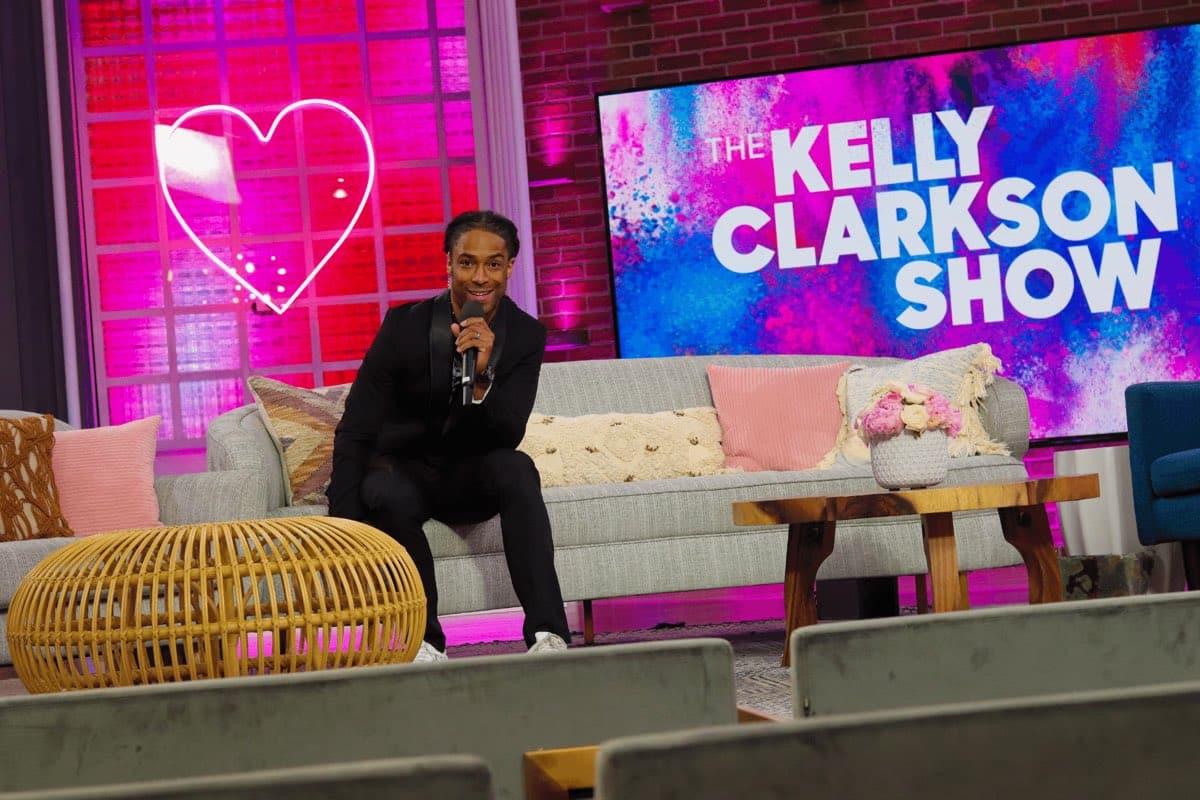
A corporate event decision most corporate procurement teams underweight: Whether the DJ role, the emcee role, and the audience engagement role should be filled by three separate vendors or consolidated into one working professional operator. The consolidation-versus-separation decision has direct dollar impact on the event budget, direct operational impact on the coordination overhead, direct experience impact on the transition quality between event segments, and direct risk impact on the specific number of failure points across the event program. Understanding the case for the consolidated 3-in-1 model, the economics that documented industry data supports, and the event categories where the consolidated model produces measurably better outcomes than fragmented multi-vendor structures is the procurement discipline that separates defensible decisions from default habits.
This piece is the working professional case for consolidated 3-in-1 corporate event entertainment. The coordination overhead problem that fragmented multi-vendor structures produce. The documented consolidation economics from cross-industry vendor consolidation research. The three roles defined (DJ, emcee, audience engagement host) and how they reinforce each other under integrated delivery. The seamless transition case where one voice outperforms vendor handoffs. The rehearsal, contracting, and communication efficiency that compounds across corporate event operations. Where the consolidated model fits (and does not fit, per honest positioning). And the working framework corporate procurement should apply when evaluating consolidated 3-in-1 operators versus separate hires. Written from the perspective of a working corporate entertainer who pioneered the 3-in-1 consolidated model and acknowledges the appropriate application range versus the scale thresholds where specialist teams outperform consolidation.
Evaluating the consolidated 3-in-1 model versus separate specialist hires for your corporate event? Contact DJ Will Gill.
Key Takeaways
- Corporate event coordination overhead is the hidden cost most procurement teams do not budget for. Documented industry framing from a corporate event vendor coordination publication: “Mid-size corporate events require coordinating 8-15 vendors, however, this approach demands significant coordination overhead, each vendor requires separate contracts, insurance verification, timeline coordination, and quality management, communication complexity increases exponentially as vendor count rises, individual vendors might offer lower base prices, but hidden costs emerge through coordination overhead, timeline delays, and quality inconsistencies.” The exponential complexity as vendor count rises is the structural argument for consolidation at vendor scopes where roles interact.
- Documented vendor consolidation industry benchmarks show substantial cost reductions. Documented industry framing from a vendor consolidation research publication: “Consolidation can reduce costs by eliminating redundancy, improving efficiency, and reducing maintenance overhead, often by 15% to 25% or more, consolidation also leads to a 70% reduction in maintenance overhead.” Documented framing from a facility management vendor consolidation publication: “Research cited in JLL’s 2025 FM report found that IFM consolidation reduces facility operating costs by 15-25% within two years through the elimination of duplicate systems, optimized resource allocation, and improved vendor management.”
- The coordination cost invisible to procurement teams is documented. Documented industry framing from a facility management consolidation publication: “Facility directors rarely budget for coordination, it does not show up as a line item, there is no invoice for the hour a site manager spends on the phone sorting out which vendor is responsible for cleanup after a construction crew finishes in a corridor the janitorial team services next shift, there is no charge for the meeting that happens because two contractors interpreted the same scope differently, or the delay that follows when neither shows up prepared, those costs are real, they are just invisible until they compound.” The specific “invisible until they compound” Framing is the structural procurement issue with fragmented multi-vendor structures.
- Seamless transitions are documented outcome of consolidated hosting. Documented industry framing from a corporate emcee industry publication: “When the same person or team handles music and emceeing, transitions tend to feel tighter, the introduction ends and the music starts exactly when it should, the toast wraps up and dinner music shifts naturally, the room does not wait while one vendor signals another.” The tight-transition reality is the experience-quality argument for the consolidated model at single-vendor-appropriate event scales.
- Honest positioning matters: The consolidated model fits event categories and does not fit others. Documented industry framing from an event vendor consolidation publication: “For certain highly specialized needs, like broadcast-level production or medical compliance, a dedicated expert can still be worth the extra coordination.” The consolidated 3-in-1 model fits corporate events under approximately 2,000 attendees with standard technical complexity. Above thresholds, specialist teams outperform consolidation. Working professional discipline is knowing which event fits which structure.
1. The Coordination Overhead Problem: What “Fewer Moving Parts” Actually Means for Corporate Events
Start with the structural problem consolidation solves. Corporate events involve many vendors whose work products interact during live event execution. Every vendor handoff represents coordination overhead that corporate procurement teams do not typically account for at proposal stage.
Coverage of the vendor coordination overhead from a corporate event industry publication: Coordinating a corporate event typically requires managing 8-15 different vendors for a mid-size gathering, essential vendors include venue, catering, audio/visual, transportation, and entertainment providers, however, the complexity multiplies quickly when working with individual suppliers versus choosing full-service corporate event venues that consolidate multiple services under one roof, however, this approach demands significant coordination overhead, each vendor requires separate contracts, insurance verification, timeline coordination, and quality management, communication complexity increases exponentially as vendor count rises, full-service venues streamline operations by consolidating multiple services under unified management, the integrated approach reduces administrative burden significantly, one contract replaces multiple agreements, single invoicing eliminates payment complexity, and unified quality standards ensure consistent service delivery across all elements, cost implications vary depending on requirements, individual vendors might offer lower base prices, but hidden costs emerge through coordination overhead, timeline delays, and quality inconsistencies, managing multiple vendors requires significant coordination overhead, which explains why many corporate event planners increasingly favor integrated solutions. The specific “communication complexity increases exponentially as vendor count rises” Framing captures the structural math that corporate procurement teams should account for.
Coverage of the coordination cost invisibility framing from a facility management vendor consolidation publication: Facility directors rarely budget for coordination, it does not show up as a line item, there is no invoice for the hour a site manager spends on the phone sorting out which vendor is responsible for cleanup after a construction crew finishes in a corridor the janitorial team services next shift, there is no charge for the meeting that happens because two contractors interpreted the same scope differently, or the delay that follows when neither shows up prepared, those costs are real, they are just invisible until they compound, when janitorial, construction, and flooring are managed separately, accountability fragments along with the contracts, when something goes wrong at the intersection of two scopes, each vendor points to the other, the client absorbs the gap. The specific “accountability fragments along with the contracts” Framing translates directly into corporate event structures where DJ, emcee, and engagement responsibilities interact across live event execution.
Coverage of the integration flexibility framing from an event vendor consolidation industry publication: The magic happens in areas where timing and coordination are everything, one team handling furniture, room builds, staging, lighting, and show control means fewer misalignments, having the same crew run registration, manage speaker content, and update digital signage in real time avoids version issues and last-minute scrambles, fewer moving parts also mean smoother onsite changes, need to swap a panel, extend a break, or reconfigure the stage? When AV, staging, and program management are under one point of contact, it is much easier to pivot, those are the moments where consolidation proves its value. The specific “easier to pivot” Reality when roles are consolidated is the operational advantage that corporate event planners experience during live event execution.
Coordination overhead categories that consolidated 3-in-1 model eliminates:
- Multi-vendor contracting overhead. Separate DJ contract, separate emcee contract, separate engagement specialist contract. Consolidated model: One contract.
- Insurance and additional-insured verification overhead. Three vendor insurance certificates versus one.
- Pre-event briefing coordination overhead. Three briefing calls, three prep coordination cycles, three sets of run-of-show reviews versus one.
- Day-of coordination overhead. Managing three separate arrival times, three green rooms, three sets of technical needs versus one.
- Post-event invoicing and payment overhead. Three invoices, three payment cycles, three separate reconciliations versus one.
- Cross-vendor accountability confusion. When issue occurs at intersection of vendor scopes, vendors typically defer responsibility. Consolidated model: Single accountability.
- Communication complexity overhead. Client-to-DJ, client-to-emcee, client-to-engagement, plus DJ-to-emcee, emcee-to-engagement, DJ-to-engagement communication chains versus single-channel communication.
The consolidated 3-in-1 delivery model from a working professional operator perspective (which is directly relevant because the working professional experience of consolidated delivery is what corporate event planners benefit from at event scales) is covered in the How to run a conference where your DJ, emcee, and engagement host are the same person Analysis. Working operator delivery discipline is the mechanism through which consolidation benefits materialize.
2. The Documented Consolidation Economics: 15-25% Cost Reductions and Beyond
Beyond the coordination overhead reduction, documented cross-industry vendor consolidation research demonstrates meaningful cost reduction economics that translate into corporate event vendor consolidation contexts.
Coverage of the documented consolidation cost economics from an IT vendor consolidation publication: Consolidation can reduce costs by eliminating redundancy, improving efficiency, and reducing maintenance overhead, often by 15% to 25% or more, consolidation also leads to a 70% reduction in maintenance overhead, license rationalization: Retired licenses from vendors providing capabilities already covered by remaining partners represent immediate, recurring savings, when two vendors each provide 60% of a needed capability with 40% overlap, consolidating to the better of the two eliminates the entire cost of the inferior one, volume-based negotiation: a primary benefit of vendor consolidation is increased negotiation power, as pooling higher purchase volumes with fewer vendors typically leads to significant volume discounts and better contract terms, administrative savings: Implementing vendor consolidation drastically reduces administrative overhead by streamlining the number of invoices, contracts, and performance reviews the procurement and finance teams must manage. The documented 15-25% cost reduction range plus 70% maintenance overhead reduction are the benchmark economics that translate into corporate event consolidation contexts.
Coverage of the facility management vendor consolidation economics from a facility management publication: Research cited in JLL’s 2025 FM report found that IFM consolidation reduces facility operating costs by 15-25% within two years through the elimination of duplicate systems, optimized resource allocation, and improved vendor management, organizations with mature integrated programs achieve 30-40% better cost-per-square-foot performance compared to fragmented operations, the savings are real, but the less-discussed benefit is accountability, when janitorial, construction, and flooring are managed separately, accountability fragments along with the contracts, when something goes wrong at the intersection of two scopes, each vendor points to the other, the client absorbs the gap. The 15-25% cost reduction figure consistent across IT and facility management vendor consolidation research indicates the benchmark applies broadly across vendor consolidation contexts including corporate event vendor consolidation.
Coverage of the vendor consolidation cost savings framing from a vendor management publication: Vendor consolidation reduces the number of suppliers your business relies on, making it easier to manage supplier relationships and cut down on invoices, tools, and compliance tasks, with fewer vendors, you simplify workflows, lower administrative overhead, and gain more control over spend, companies typically see 10-20% cost savings by eliminating duplicate systems, simplifying contracts, and strengthening their position in pricing negotiations, instead of managing multiple vendors with similar functions, you centralize core needs with a smaller group of suppliers, vendor consolidation strengthens your negotiating position by increasing your total spend with fewer suppliers. The documented 10-20% cost savings figure compounds with coordination overhead reduction into meaningful total corporate event budget impact.
Coverage of the mid-market consolidation benchmark from a vendor consolidation industry publication: Industry benchmarks show 20-30% cost savings within three years, with some organizations reclaiming up to $2.5 million, savings come from volume discounts, eliminated redundancies, and reduced IT support overhead, vendor consolidation is strategic: it’s about reducing complexity, increasing leverage, and building long-term partnerships, switching vendors without a consolidation strategy just replaces one set of invoices with another. The documented 20-30% cost savings within three years reinforces the consistent cross-industry vendor consolidation benchmark ranges.
Corporate event consolidation economics illustration:
- Three separate vendors booking totals typically 15-25% higher than consolidated single-vendor booking. Direct cost impact from eliminated redundancy across overlapping vendor overhead.
- Coordination overhead time savings typically 30-70% at corporate procurement cost structure. Corporate procurement time is meaningful cost that consolidated vendor relationships reduce.
- Insurance and compliance verification consolidated to single vendor. Multiple insurance verifications typically consume procurement staff hours that compound across vendor count.
- Volume-based pricing negotiation leverage improves. Consolidated vendor typically able to offer bundled pricing that separate hires cannot match.
- Travel and accommodation costs consolidated to single vendor. One set of travel expenses versus three vendor travel budgets.
The corporate event entertainment budget benchmarks that inform the consolidation-versus-separate-hire dollar impact (which is directly relevant to consolidation economics because documented industry benchmarks frame the dollar impact of consolidation decisions) are covered in the Corporate event entertainment budget benchmarks by industry and event size Analysis. Consolidation economics integrate with documented budget benchmark ranges.
3. The Three Roles Defined: DJ, Emcee, and Audience Engagement Host
Understanding the three roles the consolidated 3-in-1 model integrates is the foundation for evaluating the consolidation-versus-separate-hire decision. The roles are distinct in skill requirements but interact continuously during live event execution.
Coverage of the DJ role from a corporate event entertainment industry publication: A DJ is responsible for all things music, they create a soundtrack for your event, setting the mood at every stage, from background music during dinner to packing the dance floor at the end of the night, a good DJ doesn’t just hit play on a playlist, they read the room and adjust the music based on how guests are responding, they know how to build energy, mix tracks smoothly, and keep the vibe consistent with the type of event you’re hosting, at a corporate event, they might play music during networking or breaks and help transition between speakers with walk-up songs or subtle background music, DJs also usually bring and manage the sound equipment: Speakers, microphones, mixers, and any special effects like lighting or fog machines, in many cases, they’re your event’s unofficial sound tech, too. The DJ role integrates music curation, real-time room reading, sound infrastructure ownership, and walk-up song coordination with speaker introductions.
Coverage of the corporate emcee role from a corporate event industry publication: A corporate emcee is a professional facilitator focused on program management, clear transitions, and maintaining schedule integrity to ensure sessions start and end as planned, bridge session transitions smoothly to minimize dead air and confusion, coordinate with AV and stage managers to execute cues reliably, an emcee manages event flow by combining pre-show preparation with on-the-fly coordination, ensuring each segment aligns with the run-of-show, pre-show work includes script rehearsal, speaker briefings, and confirming AV cues so handoffs are seamless and time-stamped, during the event, emcees use short, contextual speaker introductions that explain relevance and set expectations while keeping remarks under the allotted time, they also maintain signaling systems, headsets with stage managers or subtle cue cards, to nudge speakers and adjust pacing when sessions run long. The corporate emcee role integrates program management, transition delivery, timing discipline, and real-time coordination with stage management infrastructure.
Audience engagement host role (the third role that extends beyond traditional emcee scope):
- Interactive game show integration. Trivia formats, live polls, competitive team activities that transform passive audience into active participants.
- Call-and-response energy management. Audience activation techniques that break attention-decline patterns during extended program moments.
- Networking activation. Structured techniques that transition passive attendees into active networking behaviors during reception segments.
- Brand integration within engagement. Corporate brand messaging woven into engagement moments without disrupting audience experience.
- Physical activation moments. Movement-based engagement (dance moments, physical activities, stretching breaks) that use DJ music integration to activate audiences.
Coverage of the corporate emcee role integration from a corporate event entertainment publication: A great emcee does more than just talk: They are your event’s director, responsible for setting the mood, keeping the timeline on track, and making sure your guests are engaged from the first welcome to the final send-off, combine your DJ and MC for a seamless event: Having one professional handle both the music and the announcements simplifies your planning and ensures perfect coordination, preventing awkward pauses and missed cues, think about it: Your DJ is already in control of the sound system and has a front-row seat to the event’s flow, when the same person who fades out the dinner music is the one who then makes a clear, confident announcement for the toasts, the transition is seamless. The specific “already in control of the sound system” Positioning captures the structural argument for the consolidated DJ-emcee delivery.
The corporate emcee role distinction from other hosting roles (which is directly relevant to understanding the consolidated model because emcee role is the bridge between DJ music delivery and audience engagement) is covered in the Corporate emcee versus internal host: When to hire a professional Analysis. Role definitions inform consolidation decision.
4. Where the Three Roles Actually Reinforce Each Other: The Integration Advantages
Beyond coordination overhead reduction and documented cost savings, the consolidated 3-in-1 model produces integration advantages that fragmented multi-vendor structures structurally cannot replicate. Understanding the integration advantages is essential for evaluating the consolidation-versus-separate-hire decision on experience quality dimensions.
Integration advantages of consolidated 3-in-1 delivery:
- Music-driven emcee moments. When the same operator controls both music selection AND microphone delivery, music-integrated emcee moments become possible. Song drops timed to announcement peaks, instrumental beds under storytelling moments, rhythmic transitions between program segments. Separate DJ and separate emcee cannot coordinate music-emcee integration in real-time.
- Engagement moments powered by music. Audience activation moments (dance breaks, physical activation, energy resets) require real-time coordination between music delivery and emcee framing. Consolidated operator executes these as single continuous delivery. Separate specialists produce coordination friction.
- Room-reading feedback loop. Consolidated operator reads room energy from microphone position AND adjusts music from DJ position simultaneously. Fragmented model requires vendor-to-vendor communication for same real-time adjustment.
- Brand voice consistency. One voice carries corporate brand messaging across music, announcements, and engagement. Fragmented model produces different vocal tones and different brand interpretations across speaker segments.
- Timeline discipline continuity. One operator owning timeline execution prevents vendor-to-vendor handoff delays. Fragmented model produces transition friction at handoff moments.
- Improvisational recovery capability. When unexpected situations arise (technical issues, program changes, speaker delays), consolidated operator executes real-time recovery across all three roles simultaneously. Fragmented model requires vendor-to-vendor coordination during active recovery moments.
Coverage of the consolidated model advantages from a corporate DJ industry publication: Seamless coordination: no need to coordinate between two different vendors, consistent style: One consistent voice and approach throughout the event, simplified logistics: Only one contract, one point of contact, familiarity with timing: The DJ knows exactly when music transitions are happening since they control them, divided attention: May not perform either role at the highest level when juggling both, potential burnout: More demanding to handle both roles for a full event, limited versatility: Finding someone equally skilled at both can be challenging, less dynamic interaction: Misses the interplay between two different personalities, equipment transitions: May need to step away from DJ equipment to emcee properly. The documented pros-and-cons list captures the structural advantages and the structural risks of the consolidated model. The risks are real; the working professional operators who manage risks produce superior outcomes.
Coverage of the hybrid Keynote DJ model from a competing operator publication: DJ Graffiti combines structured emceeing with high-energy hosting and musical direction under a “Keynote DJ” Approach, merging program control with live music curation to influence mood and transitions, as an Experience Strategist and Speaker & Emcee, DJ Graffiti applies DJing techniques, musical cues, tempo shifts, and branded sound moments, to manage energy between sessions while also handling introductions and house announcements, this hybrid reduces the need for multiple hires by pairing reliable run-of-show control with audience engagement strategies, and it is particularly useful for product launches, galas, and hybrid events where continuity between content and entertainment matters. The existence of competing consolidated-model operators like DJ Graffiti indicates the consolidated approach is now the documented working professional standard at event scales rather than the niche approach it was a decade ago.
The audience participation and engagement discipline that extends beyond consolidated DJ-emcee delivery (which is directly relevant to the integration advantages because audience engagement is the third role that completes the 3-in-1 consolidated model) is covered in the The “get real” Of audience participation in keynote programming Analysis. Engagement discipline completes the consolidated model.
5. The Seamless Transition Case: Why One Voice Beats Vendor Handoffs
The transition quality argument is one of the most consistently documented advantages of the consolidated model. Understanding the transition mechanics that break down under fragmented multi-vendor delivery clarifies the structural case for consolidation at event scales where transitions matter.
Coverage of the transition tightness framing from a DJ industry publication: If the emcee is also providing DJ services, ask how those roles work together during the event, that combination can be a major advantage because announcements, music cues, and transitions are handled by one experienced team, it can also simplify planning because fewer moving parts means fewer chances for miscommunication, this depends on the event, for some large productions, separate roles make sense, but for many weddings, parties, school functions, and company events, having one professional manage both DJ and MC responsibilities creates a smoother experience, when the same person or team handles music and emceeing, transitions tend to feel tighter, the introduction ends and the music starts exactly when it should, the toast wraps up and dinner music shifts naturally, the room does not wait while one vendor signals another. The specific “the room does not wait while one vendor signals another” Framing is the transition-quality difference attendees experience even without identifying the structural source.
Transition scenarios where consolidated model outperforms fragmented model:
- Speaker introduction to walk-up music. Emcee announces speaker; walk-up song plays exactly at speaker walk moment. Fragmented model: Emcee announces, DJ receives signal, DJ triggers song, 1-3 second delay creates awkward silence.
- Applause music integration. Speaker concludes; applause music enters at exact right moment. Fragmented model: Applause music trigger timing depends on DJ hearing applause cue rather than integrated delivery.
- Program segment transitions. Ending dinner music; transitioning to program; consolidated operator fades music while simultaneously starting emcee delivery. Fragmented model: DJ fades music, hands microphone (or coordinates cue) to emcee, transition gap.
- Emergency recovery moments. Speaker delay, technical issue, unexpected program change. Consolidated operator extends music, fills with emcee content, coordinates with production simultaneously. Fragmented model requires vendor-to-vendor coordination during active recovery.
- Engagement moment music integration. Interactive game show moment requiring music bed underneath game show delivery. Consolidated operator executes both simultaneously. Fragmented model: Engagement specialist delivers, DJ manages music bed, coordination friction typical.
- Networking transition to dance floor. Reception ending; transition to dance floor programming. Consolidated operator manages emcee framing plus music transition plus first-dance-song energy simultaneously. Fragmented model: Emcee announces, engagement specialist encourages, DJ starts music, coordination lag typical.
Coverage of the corporate emcee working reality from a working consolidated operator perspective on the corporate emcee role: The corporate emcee manages crowd energy between sessions, handles technical hiccups without breaking the room’s focus, translates corporate brand voice into live performance, and keeps large ballroom events on schedule when keynote speakers run over. Attendee engagement is documented as the specific number one factor event planners cite when measuring event success, and the emcee is the single biggest variable driving that metric. The working professional emcee is the single most important variable in event success at event categories where engagement is the measured outcome.
The macro trend of corporate planners consolidating entertainment vendors across corporate event categories (which is directly relevant to the transition-quality argument because the consolidation trend is driven by transition-quality outcomes) is covered in the Why corporate planners are consolidating entertainment vendors Analysis. Macro trend compounds with transition-quality advantages of consolidated model.
6. The Rehearsal, Contracting, and Communication Efficiency
Beyond transition-quality and integration advantages, consolidated 3-in-1 model produces operational efficiency across pre-event, during-event, and post-event stages that fragmented multi-vendor structures structurally cannot replicate.
Operational efficiency dimensions of consolidated 3-in-1 delivery:
- Pre-event prep coordination. Single briefing call covers DJ, emcee, and engagement prep. Fragmented model requires separate briefing calls for each vendor with redundant content coverage.
- Run-of-show review efficiency. Consolidated operator reviews single run-of-show applied across all three roles. Fragmented model requires run-of-show review with each vendor separately.
- Contract execution efficiency. Single contract covers all three role scopes. Fragmented model requires three separate contracts with separate signatures, separate riders, and separate contract review cycles.
- Insurance and compliance verification efficiency. Single insurance certificate covers all three roles. Fragmented model requires three separate certificates and three separate additional-insured verifications.
- Payment processing efficiency. Single invoice, single deposit, single final payment. Fragmented model requires three separate invoice tracks, three separate deposits, and three separate final payments.
- Day-of arrival and setup efficiency. Single arrival, single setup, single load-in coordination. Fragmented model requires coordination across three separate arrival times, three separate technical setups, and three separate load-in windows.
- Green room and hospitality efficiency. Single green room, single hospitality provision, single dressing accommodation. Fragmented model requires three separate green room allocations or coordination in shared space.
- Post-event debrief efficiency. Single debrief covers complete event delivery. Fragmented model requires separate debriefs with each vendor.
- Testimonial and case study efficiency. Single vendor produces single case study asset. Fragmented model requires coordination across vendor-specific testimonials.
- Repeat booking efficiency. Single relationship deepens across repeat events. Fragmented model requires relationship maintenance across three separate vendors.
Coverage of the vendor consolidation operational efficiency framing from a vendor management publication: Operational efficiency increases when major finance tasks like expense reporting and bill pay live in one place, allowing for smoother automation and fewer platforms to coordinate, consolidation also reduces the number of renewals you manage and the time spent renegotiating contracts throughout the year, vendor onboarding becomes simpler with fewer contractors to train, and compliance improves when there are fewer systems to audit and fewer points of access to secure, concentrating spend with fewer suppliers allows your business to build stronger, more strategic partnerships, vendors gain clearer visibility into your needs, and your team can dedicate more time to evaluating performance and strengthening the relationship, this often leads to smoother communication, faster support, and improved alignment between your business goals and the services your vendors provide. The specific “stronger, more strategic partnerships” Framing captures the relationship depth advantage of consolidated vendor relationships across repeat corporate events.
Coverage of the single-point-of-contact framing from a vendor consolidation publication: With a single point of contact, you get straight answers when difficulties emerge, we assume responsibility for coordinating across your vendors to solve problems, no more finger pointing between suppliers, simplifying technology services by combining them into one bill helps you use resources more efficiently across different vendor accounts, coordinating services like IT solutions and tracking contacts across the different technology and telecom vendors proves challenging, even for seasoned staff, determining the right point of contact for issues requires tedious cross-referencing across accounts, the risk of finger pointing and prolonged outages escalates with system complexity tied to vendor dependencies. The specific “no more finger pointing between suppliers” Framing translates directly into corporate event execution: When issue occurs during event delivery, consolidated operator owns resolution rather than vendor-to-vendor finger-pointing that compromises event outcome.
The proposal-stage red flags that indicate vendor delivery risks (which is directly relevant to consolidation efficiency because consolidated vendor proposals eliminate proposal-stage red flags related to vendor coordination) are covered in the Red flags in an event entertainment proposal Analysis. Proposal-stage vetting extends into consolidation-versus-separate-hire decision.
7. Where the Consolidated Model Fits (And Where It Does Not)
The honest positioning that separates working professional consolidated operators from consolidation overreach. The consolidated 3-in-1 model fits event categories exceptionally well. It does not fit universally. Understanding the fit boundaries is essential for defensible procurement decisions.
Coverage of the consolidation-fit boundaries from an event vendor consolidation publication: Relying on one partner does come with risks, you do not want to get so comfortable that you stop pushing for innovation or competitive pricing, it can also create a single point of failure, if that partner drops the ball, it is a bigger problem, for certain highly specialized needs, like broadcast-level production or medical compliance, a dedicated expert can still be worth the extra coordination, when you have worked with a single partner across multiple scopes, what standards or agreements have made the difference for you? Those are worth locking in early, start by mapping out every piece of your event and how they connect, notice where dependencies are the highest, those are good candidates for consolidation, track how much time you spend managing those areas, then test the waters with a smaller event or a single cluster of services, always keep a short list of trusted specialists for the areas where they truly shine. The specific “always keep a short list of trusted specialists for the areas where they truly shine” Framing captures the honest working professional discipline that consolidated operators apply.
Event categories where consolidated 3-in-1 model fits exceptionally well:
- Corporate events under approximately 2,000 attendees. Consolidated operator handles single-room event delivery within attention span and physical capability.
- Single-day or short-format multi-day programming. Consolidated operator sustains delivery quality across single-day or short-format multi-day windows.
- Standard technical complexity events. Events with standard AV requirements (not concert-tier line arrays, not broadcast-grade production, not LED wall complexity) fit consolidated delivery.
- Corporate galas under $250K total revenue. Consolidated operator handles emcee delivery plus basic auction capability within consolidated scope.
- Sales kickoffs, annual meetings, and internal celebrations. Events requiring integrated hosting, music delivery, and audience engagement fit consolidated model.
- Product launches with integrated entertainment. Consolidated operator integrates launch messaging with entertainment delivery within single continuous execution.
- Corporate holiday parties and celebrations. Consolidated operator manages formal program transitioning into dance floor programming within single continuous evening.
Event categories where consolidated 3-in-1 model does NOT fit:
- Events above approximately 2,000 attendees with parallel breakout tracks. Multi-room simultaneous programming requires parallel operator tracks. Consolidated operator cannot be in multiple places simultaneously.
- Concert-tier headliner performances. Recording artist headline performances require dedicated touring production teams that consolidated model cannot replicate.
- Broadcast-grade awards programming. Broadcast production requires dedicated show callers, technical directors, and broadcast production infrastructure beyond consolidated scope.
- Gala fundraisers above $250K total revenue. Benefit auctioneering above revenue tier requires BAS-designated auctioneers that consolidated model does not replicate.
- Specialty cultural or musical programming. Cultural authenticity requirements (Mariachi ensembles, Bollywood specialists, bilingual delivery) require dedicated specialists that consolidated model does not replicate.
- Corporate procurement requiring named specialist credentials. Fortune 500 procurement requiring BAS, certified production, or regulated industry compliance credentials requires credentialed specialists.
- Multi-day enterprise conferences with distributed programming. Multi-day conferences with parallel general sessions plus breakout tracks require specialist team structure that consolidated model does not replicate.
A working professional observation on consolidated model boundaries: Working consolidated operators who acknowledge limits and refer to dedicated specialists when scope exceeds consolidated capability are operating at professional working standard. Working consolidated operators who overreach beyond capability threshold produce event failures that damage both client outcome and operator reputation. The honest positioning is the working professional discipline that separates established operators from casual generalists claiming broad capability.
The case for hiring specialist teams at event scales where consolidated model does not fit (which is directly relevant to consolidation boundaries because honest positioning requires acknowledgment of specialist team appropriate application) is covered in the When you should not consolidate entertainment and hire specialists Analysis. Specialist team application is the honest counterpart to consolidated model application.
8. Working Framework: How to Evaluate a Consolidated 3-in-1 Operator vs Separate Hires
The closing framework. Working discipline for corporate procurement teams, internal event planners, and CSR coordinators navigating the consolidated-versus-separate-hire decision for corporate event entertainment.
Working framework decision criteria:
- Assess event scale. Under 2,000 attendees typically fits consolidated. 1,500-2,000 gray zone requiring technical assessment. Above 2,000 typically requires specialist team.
- Assess room and stage structure. Single-room events fit consolidated. Multi-room simultaneous programming requires parallel operators per room.
- Assess program complexity. Standard hosting plus DJ plus engagement fits consolidated. Broadcast production, concert-tier audio, or LED wall complexity requires specialists.
- Assess vendor demonstrated capability. Video portfolio should show consolidated delivery across similar event contexts. Testimonials should reference consolidated delivery quality rather than single-role competence.
- Assess proposal transparency. Consolidated operators should itemize role scope within consolidated pricing. Bundled pricing without line-item transparency is specific proposal-stage red flag.
- Assess honest positioning. Consolidated operators who acknowledge limits and refer to specialists when scope exceeds capability are operating at professional standard. Overreach claims should be discounted.
- Assess credentials and certifications. MBE, corporate industry references, insurance capacity, years of documented corporate event delivery, documented client roster. Consolidated operators without documented credentials should be evaluated skeptically.
- Assess coordination cost comparison. Procurement time investment for consolidated vendor engagement versus separate hire coordination time. Consolidated model reduces procurement staff hours meaningfully.
- Assess risk profile. Consolidated model concentrates delivery risk in single vendor. Working professional operators with documented track record mitigate concentration risk through reliability infrastructure.
- Assess post-event value. Consolidated vendor produces single relationship for repeat booking, single testimonial for future proposals, single case study for procurement documentation. Fragmented model produces distributed value across multiple vendor relationships.
- Assess dedicated emcee integration with keynote programming. Consolidated operators who function as emcee bridging external keynote speakers into coherent event narrative produce integrated event experience that fragmented model cannot easily replicate.
- Assess repeat booking probability. Repeat corporate events benefit from deepening consolidated vendor relationship that produces institutional memory across event cycles.
The bottom line for corporate procurement teams: The consolidated 3-in-1 model is not universally right and not universally wrong. It is the correct choice at corporate event categories under 2,000 attendee thresholds with standard technical complexity. Above thresholds, specialist teams outperform consolidation. The working professional discipline is knowing which structure fits which event and making the correct match. Corporate procurement teams that apply the decision framework rather than default habits produce defensible decisions and measurable event outcomes.
For a service-line look at the consolidated 3-in-1 hosting model from a working professional operator perspective (with documented Fortune 500 corporate event delivery infrastructure, USPTO Class 041 trademark filings for signature speaking framework, NMSDC-certified MBE credentials, and peer specialist referral partner network for event categories above the consolidation threshold) the service line is on the Corporate event DJ services page. Consolidated model has appropriate application range. The working professional discipline is knowing when the consolidated model fits and making the correct match to the event scale and technical complexity.
Frequently Asked Questions
What does “one talent in three roles” Mean for corporate events?
The consolidated 3-in-1 model integrates DJ (music curation, sound infrastructure, real-time room reading), emcee (program management, speaker introductions, timeline discipline, transition delivery), and audience engagement host (interactive game show integration, call-and-response energy management, networking activation, brand integration within engagement, physical activation moments) into a single working professional operator. The roles are distinct in skill requirements but interact continuously during live event execution.
Can one professional really handle DJ, emcee, and audience engagement without quality loss?
Yes, when the operator has documented working professional experience delivering the integrated 3-in-1 model at scale. The consolidated model produces integration advantages fragmented model cannot replicate: Music-driven emcee moments, engagement moments powered by music, room-reading feedback loop across DJ position and microphone position, brand voice consistency, timeline discipline continuity, improvisational recovery capability. Documented framing: “when the same person or team handles music and emceeing, transitions tend to feel tighter, the room does not wait while one vendor signals another.”
How much can consolidation save on a corporate event budget?
Cross-industry vendor consolidation research documents 15-25% cost reductions with 70% reduction in maintenance overhead. Ramp documents “10-20% cost savings by eliminating duplicate systems.” JLL 2025 FM report documents “IFM consolidation reduces facility operating costs by 15-25% within two years.” Corporate event savings compound documented direct cost reduction with coordination overhead reduction (typically 30-70% of procurement staff hours previously spent on vendor coordination), plus volume-based pricing advantages of consolidated vendor relationships.
Where does the 3-in-1 consolidated model fit and where does it not?
Fits: Corporate events under approximately 2,000 attendees, single-day or short-format multi-day programming, standard technical complexity, gala fundraisers under $250K total revenue, sales kickoffs, annual meetings, product launches, corporate holiday parties. Does NOT fit: Events above 2,000 attendees with parallel breakout tracks, concert-tier headliner performances, broadcast-grade awards programming, gala fundraisers above $250K, specialty cultural or musical programming, corporate procurement requiring named specialist credentials, multi-day enterprise conferences with distributed programming.
Isn’t hiring separate specialists better for high-stakes corporate events?
Depends on event scale and technical complexity. High-stakes events under 2,000 attendees with standard technical complexity often produce better outcomes with documented consolidated 3-in-1 operator because of seamless transition quality, brand voice consistency, timeline discipline continuity, and single-point-of-contact reliability. High-stakes events above scale threshold or with specialty technical complexity produce better outcomes with dedicated specialist teams. The decision is not universal in either direction; it is specific to event scale and complexity.
What credentials should I look for in a consolidated 3-in-1 operator?
Documented years of corporate event delivery (typically 10+). Documented Fortune 500 corporate client roster. Video portfolio showing consolidated delivery across similar event contexts. Testimonials referencing consolidated delivery quality. Insurance and additional-insured capacity. Supplier diversity credentials (MBE, WBE, LGBTBE) if procurement requires. Documented public recognition (industry publications, awards). Honest positioning acknowledging consolidation limits and specialist referral capability. Transparent itemized proposal structure. Multiple industry-vertical delivery experience.
What Corporate Clients Are Saying

About the Author
William “DJ Will Gill” Gilbert is a corporate event DJ, emcee, and audience-engagement specialist. His work creating virtual event experiences that boost employee morale earned him recognition from The Wall Street Journal, as a Virtual DJ-Emcee. He is also a Forbes Next 1000 Honoree and the founder of THEAIDJ, an AI-powered playlist platform that helps DJs and corporate event planners curate music for in-person, hybrid, and virtual events.