
Master the Art of Engagement: Emcee Tips for Events
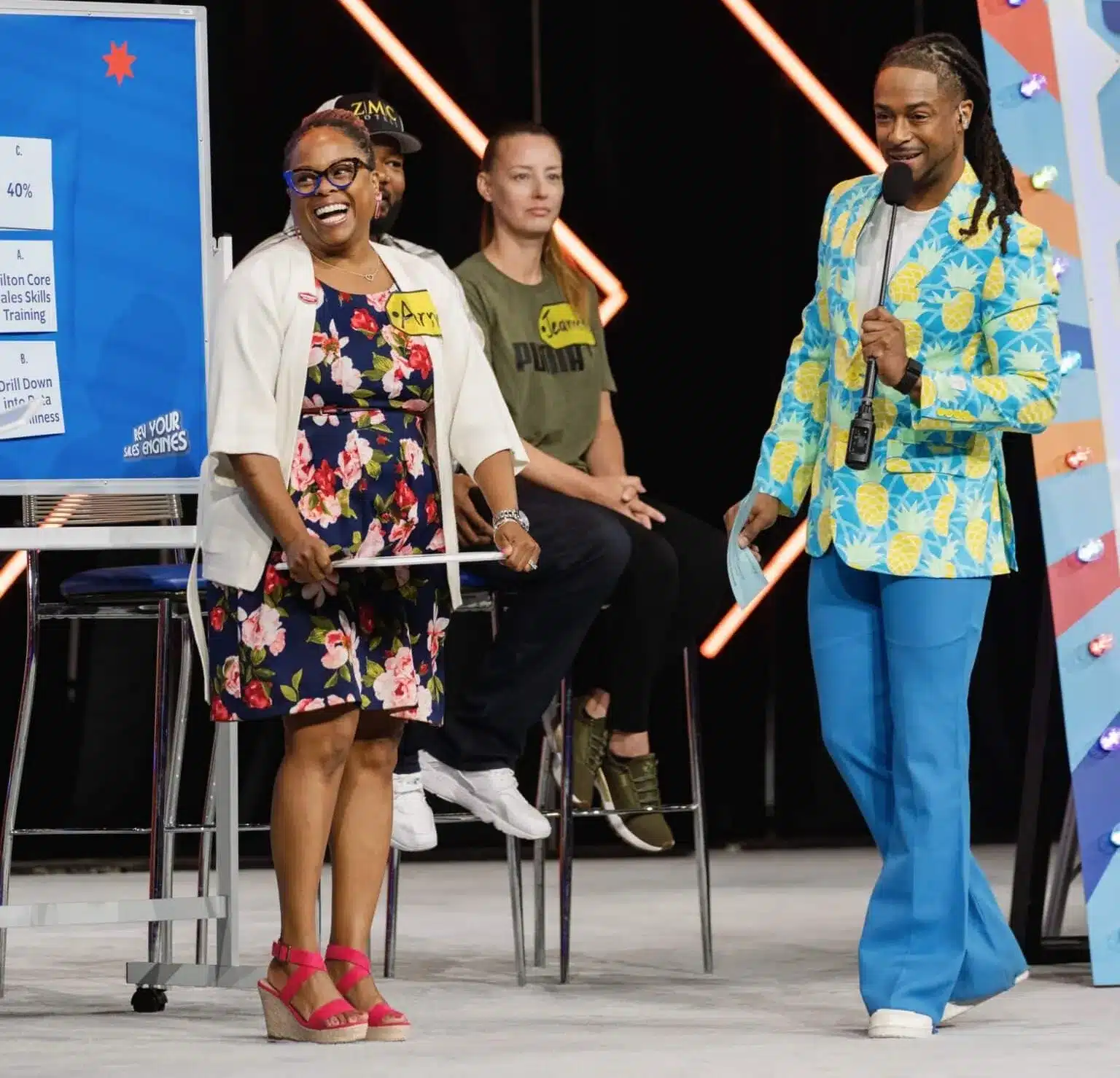
How to Engage Your Audience as an Emcee
This guide condenses practical techniques emcees use to captivate attendees and keep events memorable. It covers core hosting habits, interaction tactics, speaking tips, and flow management applicable across formats.
Will Gill puts these engagement techniques to work as a corporate emcee for corporate events.
Key Takeaways
- Understanding your participants helps tailor tone and examples to their interests.
- Preparation ensures smooth transitions and credible event hosting.
- Interactive elements like polls increase guest collaboration and energy.
- Humor and anecdotes build rapport and relax the participants.
- Sharing stories enhances message retention and emotional connection.
- Body language and vocal variety improve clarity and collaboration.
- Effective transitions maintain event flow and guest focus.
- Handling disruptions calmly reassures attendees and organizers.
- Guests feedback guides real-time adjustments and future improvements.
Essential Techniques for Successful Event Hosting
Good hosting starts with planning and guests awareness. Use these fundamentals to set a strong foundation:
- Know Your Guests: Tailor tone and examples to demographics and interests.
- Be Prepared: Learn the schedule, speakers, and announcements for smooth handovers.
- Engage the Guests: Add simple interactive elements like polls or brief prompts.
These steps make the professional event emcee more credible and the event easier to follow.
Key Emcee Engagement Techniques
Build rapport quickly and keep energy consistent with targeted choices:
- Building a Personal Connection: Share short, relevant anecdotes to increase relatability.
- Using Humor Wisely: Use brief, appropriate humor to relax the room.
- Maintaining High Energy: Pace yourself; micro-interactions help sustain momentum.
Consistent application of these techniques raises attendee satisfaction.
Active Guest Interaction
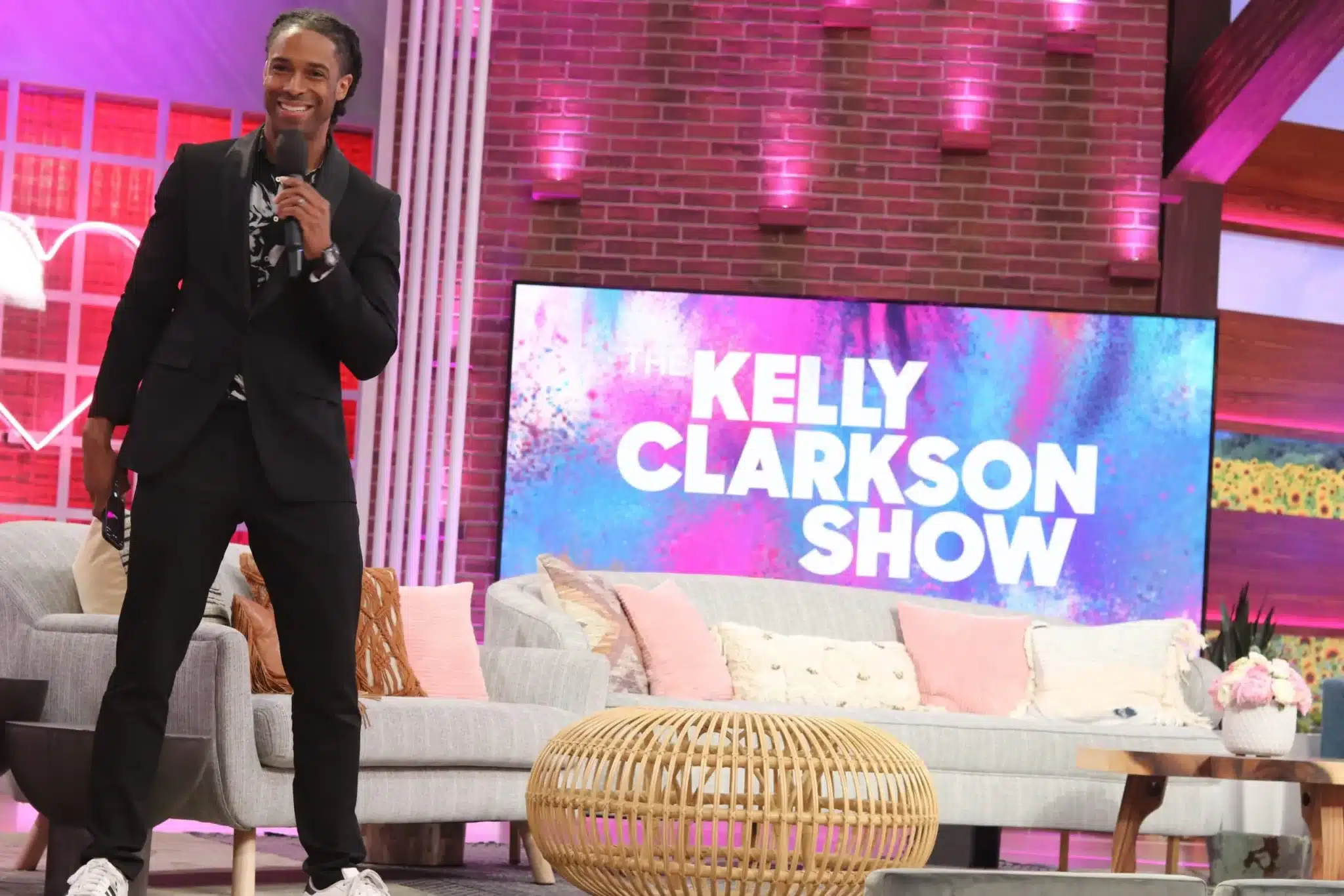
Encourage participation to increase energy and focus:
- Encouraging Participation: Invite brief contributions tied to the theme.
- Creating Dialogue: Prompt short exchanges between attendees.
- Facilitating Connections: Make concise introductions to help networking.
Active involvement creates a livelier atmosphere and keeps attention steady.
Research indicates that inclusive communication and two‑way interaction are central to maximizing guest participation.
MC Strategies for Audience Engagement in Hybrid Events
This research examines the role of the master of ceremonies in maximizing audience engagement through targeted communication strategies. The study identifies inclusive communication, improvisation, two‑way interaction, appropriate time management, and nonverbal communication as effective approaches for creating a more interactive and inclusive event environment.
Optimizing the Role of the Master of Ceremony in Hybrid Events: Strategic Approaches for Effective Communication, M Muslimin, 2025
Voice Modulation and Public Speaking Tips
Strong delivery keeps listeners tuned in. Focus on a few core public speaking habits:
- Vocal Variety: Change pitch and volume to emphasize points.
- Sharing Stories: Use short stories to illustrate ideas.
- Body Language: Use clear gestures and eye contact to connect.
These techniques improve clarity and memory retention.
Managing Event Flow
Keep the programme coherent to preserve attention:
- Announce Upcoming Segments: Briefly tell attendees what’s next.
- Smooth Transitions: Prepare concise bridge lines between segments.
- Engage the Guests: Use a quick prompt during transitions to re-focus the room.
Clear flow reduces awkward pauses and keeps momentum.
Strategies for Smooth Transitions
Use small production and rehearsal tactics to avoid dead time:
- Create Playlists for Different Phases: Use music or sounds appropriate to each segment.
- Plan Transitions: Map out how segments will connect.
- Practice Your Transitions: Rehearse timings and cues beforehand.
Simple preparation makes transitions feel natural and professional.
The Role of Telling a Story
Telling a story strengthens connection and recall. Use concise narratives for maximum impact:
- Creating Personal Connections: Short, relevant stories build rapport.
- Enhancing Retention: Stories make messages easier to remember.
- Adding Emotional Depth: Emotionally resonant anecdotes increase impact.
Integrate stories sparingly to highlight key moments.
Handling Difficult Audiences
Address disruptions calmly and strategically:
- Engage with the Guest: Acknowledge problems and steer the room back on track.
- Use Humor: Gentle humor can defuse tension.
- Stay Calm Under Pressure: Composure reassures attendees and organisers.
These moves restore order while keeping the event constructive.
Maintaining Control in Challenging Situations
Set expectations early and be ready to adapt:
- Adaptability: Adjust timing or content if the room needs it.
- Setting the Tone: Start positively to encourage participation.
- Creating a Welcoming Atmosphere: Use inclusive language so attendees feel valued.
Preparedness and tone-setting help the event runs smoothly.
Audience Psychology
Use psychological principles to boost collaboration:
- Fostering Connection: Create a sense of community with shared cues.
- Creating Shared Experiences: Use activities that unite attendees.
- Encouraging Participation: Invite easy, low-friction contributions.
These insights support a more interactive event environment.
Effective Interaction Tips for Different Event Types
Match interaction style to format and guest:
- Understand Your Guest: Research attendees to choose suitable tactics.
- Engage the Guest: Select interactive tools that fit the setting.
- Use Humor Wisely: Tone humor to the event’s formality.
Customization improves relevance and attendee response.
Engagement Techniques for Weddings, Corporate Events, and Conferences
Adjust focus and tactics by event objective:
- Focus and Goals: Align participation methods with the event’s aims.
- Audience Interaction: Choose activities appropriate to the crowd.
- Atmosphere and Content: Match delivery to whether the event is formal or casual.
Adapting tactics ensures a better attendee experience.
Client Testimonials
Use testimonials to build credibility and trust:
- Highlighting Successful Events: Share concise examples of positive outcomes.
- Demonstrating Expertise: Use feedback to show your capabilities.
- Building Trust: Positive client quotes reassure prospective clients.
Including testimonials supports reputation and business development.
Frequently Asked Questions
How can emcees tailor their approach for different types of events?
Emcees should adjust their interaction strategies based on the event type, such as weddings, corporate functions, or conferences. For weddings, a more personal and emotional tone is effective, while corporate events may require a focus on professionalism and goal alignment. Understanding the audience’s demographics and the event’s objectives allows emcees to select appropriate interactive elements and communication styles, ensuring a more relevant and engaging experience for attendees.
What are some effective icebreakers for engaging an audience?
Effective icebreakers can include fun questions, quick games, or light-hearted anecdotes that relate to the event theme. For instance, asking attendees to share their favorite event memory or a fun fact about themselves can create a relaxed atmosphere. Additionally, using interactive polls or quizzes can stimulate participation and set a positive tone for the event. The key is to choose icebreakers that encourage interaction while being appropriate for the audience and context.
How can emcees effectively manage time during an event?
Time management is crucial for maintaining audience engagement. Emcees can use a detailed schedule to keep track of segments and transitions. Setting timers for each section and rehearsing the flow beforehand helps ensure that the event stays on track. Additionally, being flexible and ready to adjust timing based on audience reactions or unexpected delays can help maintain a smooth experience. Clear communication about upcoming segments also keeps attendees informed and engaged.
What strategies can emcees use to create a welcoming atmosphere?
Creating a welcoming atmosphere involves using inclusive language, positive body language, and engaging storytelling. Emcees should greet attendees warmly, acknowledge diverse backgrounds, and encourage participation from everyone. Incorporating humor and relatable anecdotes can also help break the ice. Additionally, setting a positive tone at the beginning of the event and maintaining an approachable demeanor throughout fosters a sense of community and encourages audience interaction.
How can emcees utilize technology to enhance audience engagement?
Emcees can leverage technology by incorporating live polls, Q&A sessions, and social media interactions to engage the audience. Tools like event apps or audience response systems allow participants to participate in real-time, providing instant feedback and fostering interaction. Additionally, using multimedia presentations or videos can enhance storytelling and keep the audience visually engaged. Emcees should ensure that technology is user-friendly and aligns with the event’s goals to maximize its effectiveness.
What are some tips for emcees to improve their vocal delivery?
To enhance vocal delivery, emcees should practice vocal variety by changing pitch, tone, and volume to emphasize key points. Articulation exercises can help improve clarity, while breathing techniques can support a steady voice. Additionally, rehearsing with a focus on pacing and pauses allows for better audience comprehension. Recording practice sessions and seeking feedback can also help identify areas for improvement, ensuring a confident and engaging delivery during the event.
How can emcees effectively follow up after an event?
Following up after an event is essential for building relationships and gathering feedback. Emcees can send thank-you emails to participants and organizers, expressing appreciation for their participation. Additionally, soliciting feedback through surveys can provide valuable insights for future improvements. Sharing highlights or key takeaways from the event on social media or through newsletters can also keep the conversation going and reinforce connections made during the event.
What are some common mistakes emcees make when engaging an audience?
Typical mistakes are poor audience preparation, weak pacing, and limited interaction. Address these by researching participants, rehearsing, and planning short participation moments.
How can emcees handle unexpected disruptions during an event?
Stay calm, acknowledge the issue briefly, use measured humor if suitable, and move the programme forward with a clear next step.
What role does body language play in audience engagement?
Body language conveys confidence and focus. Use deliberate gestures, facial cues, and eye contact to read and respond to the room.
How can sharing a story enhance audience engagement?
Use concise, relevant anecdotes to illustrate points, evoke emotion, and make messages more memorable.
What techniques can emcees use to maintain high energy levels during an event?
Vary your voice, insert brief interactive elements, and schedule short participation bursts to refresh attention.
How important is audience feedback during an event?
Real‑time feedback (polls, Q&A) helps you adjust flow and content; post-event feedback guides future improvements.
What are some effective ways to promote audience interaction at corporate events?
Use live polls, structured Q&A, breakout discussions, and targeted icebreakers that align with corporate goals.
Conclusion
Engaging your audience as an emcee is essential for creating memorable events and fostering connections. By implementing techniques such as audience interaction, storytelling, and effective transitions, you can enhance the overall experience and satisfaction of participants. Embrace these strategies to elevate your hosting skills and ensure your events resonate with participants. Discover more insights and resources to refine your emceeing abilities today.
About the Author
DJ Will Gill shines on stage, sharing valuable advice for emcees. Since 2020, he has led over 600 corporate events with expertise. With over 2,520 five-star reviews, he excels at energizing crowds and building authentic connections with a wide range of professional audiences. In 2020, DJ Will Gill was spotlighted by The Wall Street Journal in ‘The Virtual MCs Charged With Saving Company Morale.’ A year later, in 2021, he earned a place on Forbes’ Next 1000 list for his contributions to media and technology.
Frequently Asked Questions
How does an emcee engage an audience?
By knowing the guests, preparing thoroughly, adding interactive elements like polls, using humor wisely, telling short stories and keeping energy consistent.
What are the fundamentals of event hosting?
Know your guests, be prepared with the schedule and speakers, and engage the room with simple interactive prompts.
How does an emcee handle a difficult audience?
By staying calm, maintaining control and reassuring attendees and organizers; the guide covers audience psychology and challenging situations.
Why do stories matter for an emcee?
They improve message retention and emotional connection.
Do techniques change by event type?
Yes. The guide covers engagement tactics for weddings, corporate events and conferences.
Planning a corporate event? Check Will’s availability.
Check Availability
About DJ Will Gill
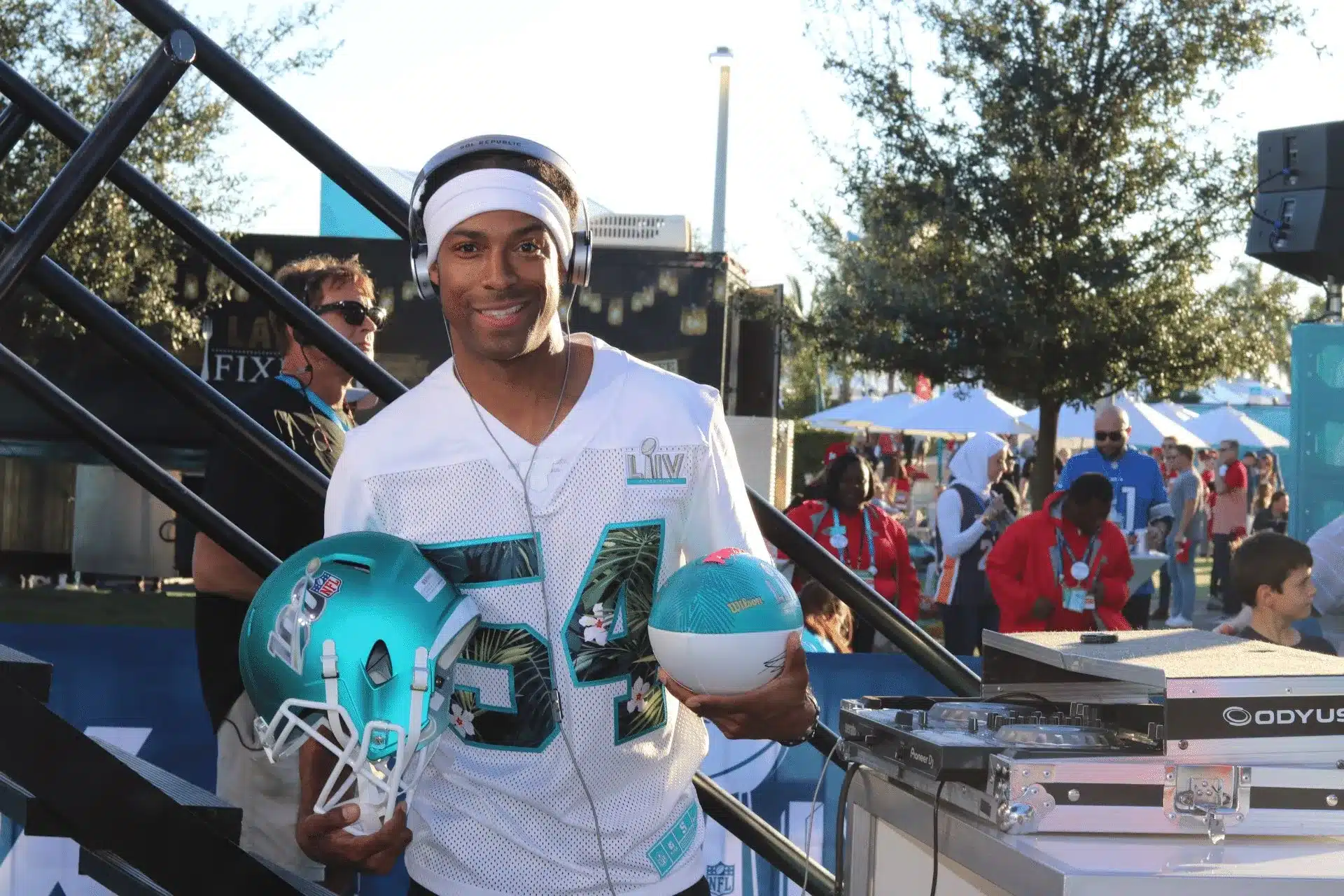
Will Gill is the Wall Street Journal’s #1 Corporate DJ, a Forbes Next 1000 honoree, and an MBE certified vendor operating as Faders and Fitness, LLC. He is a 3x Super Bowl performer, a World Cup performer, a Formula 1 performer and an MLB All-Star Game performer.
He delivers a 3-in-1 corporate service as DJ, emcee and one-man team-building show, with 2,520+ five-star Google reviews. See the Fortune 500 client roster or check your dates.