
Dos and Don’ts in Emceeing | DJ Will Gill’s Professional Guide
The dos and donts in emceeing are not abstract principles they are practical patterns derived from thousands of hours of live performance experience across hundreds of different event types, audience demographics, and production environments. The behaviors that consistently produce strong emcee performances are specific and learnable. The behaviors that consistently undermine them are equally specific and, for most emcees, surprisingly predictable.
This guide is written from the perspective of 15+ years and 600+ professional corporate and private events. The goal is not to give you a generic checklist but to explain the reasoning behind each practice because understanding why something works or fails in live performance is what allows you to apply it correctly in new situations rather than just following rules by rote.
Key Takeaways
Thorough pre-event preparation reviewing the run of show, researching the organization, briefing with speakers, and arriving early is the single most consequential factor separating professional emcee performances from amateur ones.
Audience calibration adjusting language, energy, and humor to match the specific room rather than defaulting to a fixed performance style is the difference between an emcee who works for every event and one who only works for certain event types.
According to research from the Association for Talent Development, audience attention drops significantly after 10-15 minutes without an active engagement intervention making strategic audience interaction a practical necessity, not an optional embellishment.
The most damaging emcee mistakes in corporate events going off-script without a backup, ignoring audience energy signals, making humor that alienates rather than unites are almost entirely preventable through pre-event preparation and in-performance awareness.
An emcee’s job is to serve the event’s objectives, not their own desire to perform. The “don’t steal the spotlight” principle is not modesty it is a professional operating standard that directly determines whether clients rebook and refer.
“Every emcee mistake I have seen on stage and I have seen most of them traces back to either insufficient preparation or insufficient awareness. The dos are all about preparation. The donts are all about awareness. Get both right and the performance takes care of itself.”
The Dos: What Professional Emcees Consistently Get Right
Do Prepare Thoroughly More Than You Think You Need To
Preparation for an emcee engagement is not the same as reading through the run of show once the night before. Professional preparation means: reviewing the run of show multiple times and understanding not just the sequence of segments but the purpose and content of each one; researching the organization and the event’s context their mission, the event’s theme, any significant company milestones being celebrated; getting briefings with key speakers so you can introduce them with accuracy and appropriate warmth rather than reading a generic bio; and arriving early enough to walk the stage, test the microphone, and identify any technical issues before guests arrive.
Pre-event preparation is directly responsible for the quality of your transitions the connective tissue between segments that makes a program feel cohesive rather than fragmented. An emcee who understands what each speaker will cover can create a genuine thematic bridge between segments rather than simply announcing the next name on the list. That difference is immediately felt by the audience and immediately noticed by the event planner. According to the Meeting Professionals International 2024 Meetings Outlook, program flow and transitions are among the top three factors that attendees cite in post-event satisfaction surveys.
Do Know Your Audience and Calibrate Accordingly
Every event has a specific audience a particular demographic mix, a professional context, a cultural register, a relationship to the event’s purpose. The emcee who walks in with a fixed performance style and delivers the same energy, humor, and vocabulary to a Fortune 500 sales kickoff as they would to a college graduation party is not serving the event they are serving themselves.
Audience calibration starts in the preparation phase and continues through real-time crowd reading during the performance. Before the event, research tells you what to expect: average attendee seniority level, industry context, geographical and cultural mix, the event’s purpose (celebration, recognition, motivation, education). During the event, crowd reading tells you how the audience is actually responding whether your energy level is landing, whether the humor is connecting, whether the room is ready for interaction or needs a moment to settle before you engage them.
Research from Psychology Today’s coverage of social calibration confirms that people respond more positively to communicators who demonstrate awareness of and adaptation to their specific social context and less positively to those who project a one-size-fits-all presentation style regardless of context. Audience calibration is not performing to the crowd; it is serving them.
Do Engage the Audience Strategically and at the Right Intervals
Audience engagement is not a single technique it is a set of tools that a skilled emcee deploys at strategic intervals throughout a program to maintain attention and create the feeling of shared participation. The tools include direct questions to the audience, brief interactive moments (show of hands, quick partner discussions, recognition call-outs), humor that invites the audience to recognize themselves, and physical direction that creates movement and energy shifts.
According to research from the Association for Talent Development, sustained audience attention in passive content delivery contexts drops measurably after 10-15 minutes without an active intervention. This research finding has a direct practical implication for emcee performance: plan specific engagement moments at roughly 10-15-minute intervals throughout the program, calibrated to the event’s format and audience’s comfort level with participation.
The quality of audience engagement matters as much as its frequency. Forced or awkward audience interaction questions that no one can answer, participation prompts that make people uncomfortable, humor that lands flat is worse than no interaction at all because it creates social awkwardness that takes time for the room to recover from. Practice engagement techniques in lower-stakes contexts before deploying them at high-profile events.
Do Have a Robust Backup Plan for Every Segment
Every experienced professional emcee carries a mental library of improvisational content that can fill unexpected gaps, extend transitions, and bridge moments when the program deviates from the run of show. This library includes: event-relevant humor that does not require a specific setup; audience interaction bits that can run for one minute or five depending on how much time needs to be filled; thematic talking points about the event’s purpose or the organization’s mission; and brief storytelling formats that can be expanded or compressed as needed.
The need for this content arises at virtually every live event. Speakers run long or short. AV transitions fail. A key person in the program is briefly unavailable. The dinner service moves more slowly than the run of show assumed. None of these situations is exceptional they are the normal texture of live event production. The emcee who has a robust backup library handles them invisibly. The one who does not creates visible dead air that the audience notices and remembers.
Do Practice Timing Discipline Your Own and the Program’s
Time management at a live event operates on two levels simultaneously. The first is the emcee’s own timing the length of their introductions, transitions, and improvisational content. The second is the program’s overall timing whether the event is running on schedule and what adjustments are needed if it is not.
Professional emcees practice their scripted segments with a timer until they know exactly how long each runs at their natural speaking pace. They build in deliberate flexibility knowing which sections can be compressed if the event runs long and which can be expanded if time opens up. They communicate actively with the show caller and production team throughout the event to stay informed about timing adjustments, and they make those adjustments smoothly without the audience sensing the change.
According to Event Marketer’s 2024 Industry Census, running on schedule is one of the most frequently cited success factors by corporate event planners in post-event evaluations. The emcee is the person on stage who directly controls whether the audience experiences the program as disciplined and respectful of their time or as loose and disorganized.
Do Use a Script But Do Not Be Enslaved By It
A script is a preparation tool, not a performance document. The value of writing out your key transitions, introductions, and remarks in advance is that it forces you to think through the exact language you want to use, identify weak spots in your material before you are on stage, and ensure that critical information (names, titles, statistics, key messages) is accurate. The cost of reading from a script during a live performance is that it severs your eye contact with the audience, eliminates the responsiveness that live performance requires, and makes your delivery sound produced rather than present.
The professional approach is to script everything in advance and then internalize it deeply enough to deliver it without reading. Know your key transitions well enough to adapt them when the live situation requires it. Know your speaker introductions well enough to add a genuine personal observation from your pre-event briefing. Know your material well enough to compress or expand any section based on how the room is responding.
The Donts: What Undermines Emcee Performance
The Most Consequential Emcee Mistakes and Why They Happen
| Overcomplicating Language | Using industry jargon, overly formal vocabulary, or convoluted sentence structures that the audience has to work to follow. Communication in live performance is processed in real time there is no rereading. The rule: if you would not say it exactly that way in conversation, do not say it on stage. |
| Ignoring Audience Signals | Continuing with planned material when the audience’s body language and energy level are clearly signaling that something is not landing. The audience gives constant real-time feedback declining floor density, reduced responsiveness to humor, increased phone use, side conversations. Ignoring these signals and pushing through anyway is the emcee equivalent of speaking to a dial tone. |
| Exclusionary or Punching-Down Humor | Humor that targets an individual, group, or identity in ways that isolate rather than unite. Corporate event audiences are mixed by design any humor that makes a portion of the room uncomfortable to entertain another portion is a professional failure, regardless of intent. The test: would anyone in the room feel excluded, embarrassed, or targeted by this joke? If yes, cut it. |
| Panicking Under Pressure | Allowing visible anxiety or loss of composure to telegraph to the audience that something has gone wrong. The audience looks to the emcee as a confidence signal. When the emcee appears calm and in control during unexpected disruptions, the audience remains calm. When the emcee visibly panics, the audience does too. Composure under live event pressure is a trainable skill, not an innate gift. |
| Stealing the Spotlight | Using the emcee platform to showcase your own personality, humor, or performance at the expense of the event’s actual purpose and featured speakers. The emcee is a vehicle for the event not the destination. The best emcees are the ones whom guests describe as having made everything flow perfectly, not the ones guests remember as the funniest person in the room. |
| Speaking Too Fast | Rushing delivery because of nerves, time pressure, or habitual fast speech. Live audiences process verbal information in real time with no opportunity to replay. Faster delivery does not convey more information it conveys the same information with less time to absorb it and more risk of critical details being missed. According to Toastmasters International, the optimal public speaking pace for comprehension and authority is 130-150 words per minute significantly slower than most people’s default speaking rate when nervous. |
| Forgetting to Thank Everyone | Closing an event without acknowledging the organizers, the production team, the sponsors, and the audience. The closing moments of an event are disproportionately influential on overall impression research from behavioral economics on peak-end rule shows that people’s memory of an experience is primarily shaped by its peak emotional moments and its ending. A warm, inclusive, grateful close is a professional standard and a business asset. |
Applying the Dos and Donts Across Different Event Types
The dos and donts of emceeing have consistent underlying logic across event types, but their specific application varies significantly depending on context. Understanding how to calibrate each principle to your specific event type is a key part of professional competence.
At a corporate general session or conference the highest-stakes emcee context preparation is paramount. Know every speaker’s role in the organization, their topic, and the key message their segment is meant to deliver. Transitions between speakers should reference the content of the previous segment and set up the next one thematically, creating a sense of a program that is building toward something rather than simply proceeding through a list. Humor should be warm and observational rather than edgy the goal is a room that feels energized and unified, not one that is laughing at the expense of any individual or group. Timing discipline is non-negotiable: corporate event planners and show callers are watching the clock.
At a charity gala or fundraiser, the emotional register shifts the emcee’s job includes amplifying the emotional resonance of impact stories and creating genuine momentum toward fundraising moments. The don’t that matters most here is “don’t steal the spotlight” the cause, the beneficiaries, and the donors must remain the center of the room’s attention. The emcee serves as the emotional guide through the program, not the emotional focal point.
At awards ceremonies, the individual recognition moments require specific care. Each award represents a meaningful professional or personal achievement for the recipient. The emcee who reads the introduction too quickly, mispronounces the recipient’s name, or segues carelessly into the next segment diminishes the moment. Slow down for awards. Pause to let applause build. Let the recognition land.
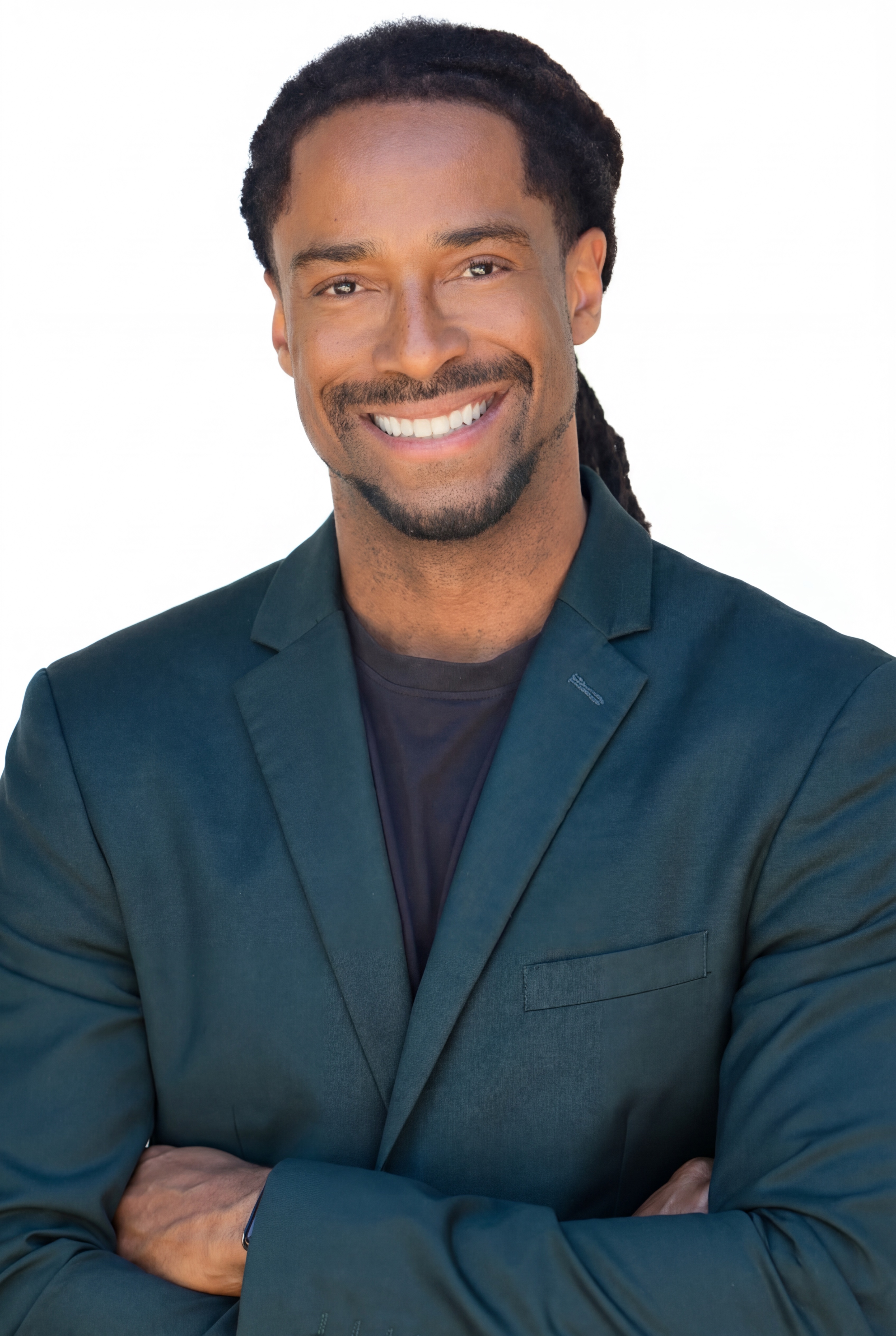
DJ Will Gill
Will Gill is a Forbes Next 1000 honoree and WSJ-ranked #1 Corporate DJ and Emcee with 2,520+ five-star Google reviews. He has served as lead emcee and entertainment director at 600+ corporate events including Fortune 500 conferences, national awards galas, charity fundraisers, and high-profile private celebrations.
Learn more about his emcee services and check availability.
Corporate Events as Emcee and DJ
Five-Star Google Reviews
WSJ-Ranked Corporate DJ and Emcee
Frequently Asked Questions
What is the single most important thing an emcee can do?
Prepare thoroughly: review the run of show, research the organization, brief with speakers and arrive early. The page calls it the most consequential factor separating professional emcee performances from amateur ones.
What is audience calibration?
Adjusting language, energy and humor to the specific room rather than defaulting to a fixed style. It is the difference between an emcee who works for every event and one who only works for certain event types.
How often should an emcee engage the audience?
Frequently. The page cites Association for Talent Development research showing attention drops significantly after ten to fifteen minutes without an active engagement intervention, which makes strategic interaction a practical necessity.
What are the most damaging emcee mistakes?
Going off-script without a backup, ignoring audience energy signals, and humor that alienates rather than unites. The page says these are almost entirely preventable through preparation and in-performance awareness.
Whose show is it?
The event's. An emcee's job is to serve the event's objectives, not their own desire to perform; the don't-steal-the-spotlight principle is professional discipline, not modesty.