
10 Essential Skills You’ll Learn in an EDM Music Course (2026 Technical Guide)
A serious EDM music course teaches a specific technical curriculum, not vague “creativity” or general “music appreciation,” but a sequence of concrete production and performance skills that get developed in a predictable order over months and years. Every reputable program from Berklee Online and Point Blank to ICON Collective, Pyramind, and Sonic Academy teaches a recognizable set of core competencies that overlap heavily across institutions. The difference between programs is more often the depth, the format, and the supporting mentorship than the actual curriculum.
This guide walks through the 10 essential technical skills that every legitimate EDM music course teaches, with the specific tools, plugins, platforms, and techniques that working producers actually use in 2026. Each skill is grounded in concrete details rather than abstract description. The goal is to give aspiring producers a realistic picture of what learning EDM production actually involves, what the deliverables of each skill look like, and how each skill connects to the others. Whether you’re considering a structured course or planning to develop these skills through free resources, this is the map of the territory.
Sharpen these skills on real playlists.
Introducing TheAIDJ.com
Skills click when you practice them. Describe the energy to AIDJ, preview the transitions, and export an EDM set to drill. The easy way to apply what a course teaches.
Key Takeaways
→ An EDM music course teaches 10 core technical skills that build on each other in sequence: DAW operation, sound design, beat creation, melody and chord theory, mixing, mastering, effects processing, arrangement, sampling, and live DJ performance. Each skill has named tools and concrete deliverables. Generic course content without these specifics is a red flag, not a feature.
→ Mixing and mastering are taught against current streaming platform loudness standards. Spotify, YouTube, Amazon Music, and Tidal generally target -14 LUFS integrated; Apple Music targets -16 LUFS; Deezer targets -15 LUFS. The universal master target in 2026 is -14 LUFS integrated with a true peak ceiling of -1 dBTP a single specification that covers all major platforms.
→ Sound design is taught using specific synthesizer plugins that have become industry standards: Xfer Serum, Vital (free), Native Instruments Massive and Massive X, LennarDigital Sylenth1, and u-he Diva. Each has different strengths for different EDM subgenres, and course curricula typically focus on at least two as the foundation for sound design competence.
→ Sampling is taught against the current platform landscape, Splice Sounds (subscription model with cleared samples), Loopcloud (Loopmasters’ subscription platform), and royalty-free libraries from specific genre-focused producers. The legal clearance picture has changed significantly since 2018 most courses now teach sample sourcing from cleared platforms by default to avoid the licensing complications that previously bedeviled the genre.
→ The 10 skills are not equally weighted in the realistic skill-development arc. Mixing, mastering, sound design, and arrangement typically take the longest to develop competence in, often years of focused practice. DAW basics, beat creation, melody/chord work, and effects processing can be functional within months. DJing skills sit in between. A course can accelerate every phase, but cannot compress the natural time required to develop production-level competence.
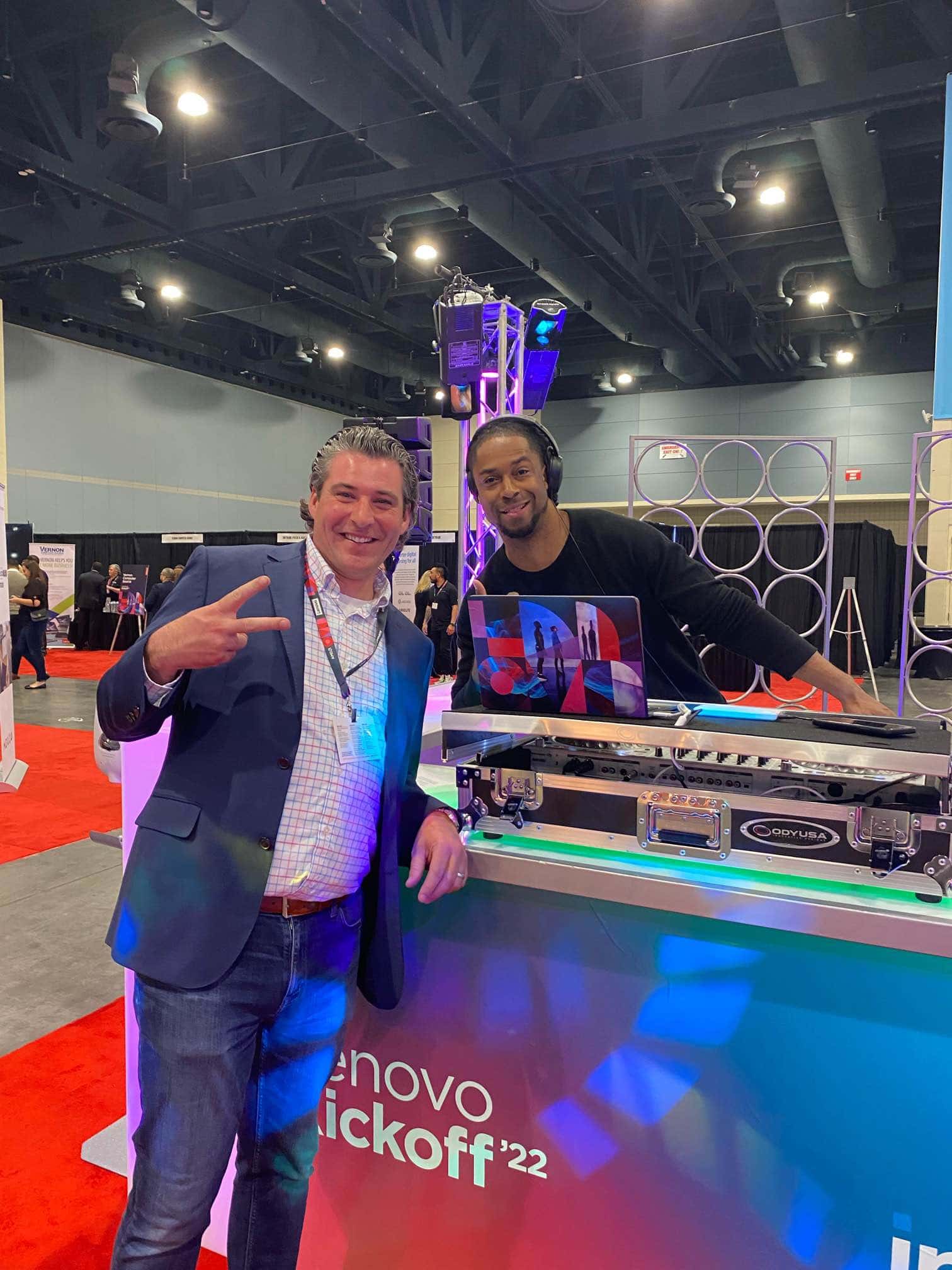
DJ Will Gill brings working EDM and corporate DJ skills to every event. Contact us to discuss your event.
1. Music Production Basics — Operating a Digital Audio Workstation
The first weeks of any serious EDM music course are spent on Digital Audio Workstation (DAW) fluency. The DAW is the software environment where every track is constructed the equivalent of learning to operate a recording studio in software form. Without DAW competence, every other skill in the curriculum stalls.
The major DAWs taught in EDM courses: Ableton Live is the de facto standard for EDM and the most commonly taught. Its Session View enables non-linear arrangement and live performance workflows that no competitor matches. FL Studio is heavily favored for bass-heavy and hip-hop-adjacent EDM, with the strongest step-sequencer pattern editor and piano roll in the industry. Logic Pro is Mac-only but included with macOS for a one-time purchase, making it accessible. Bitwig Studio is a more modular take on the Live workflow with cross-platform support. Reaper is the budget option at $60 for a perpetual personal license.
What DAW fundamentals actually means: understanding the difference between MIDI and audio (MIDI is performance data; audio is the actual sound); learning the timeline and arrangement view; setting up an audio interface for monitoring through headphones or studio monitors; creating, naming, and organizing tracks; routing audio through buses and sends; understanding sample rate and bit depth; learning to set up template projects so every new track starts from a familiar structure rather than from scratch.
The typical deliverable at this skill level is the ability to import a sample, place it on a track, loop a section, add a basic drum pattern, and export an audio file. This sounds modest, but it represents the basic technical competence that everything else builds on. Most courses spend 4-8 weeks ensuring students reach this baseline before moving forward.
2. Sound Design — Crafting Original Sounds with Synthesizers
Sound design is where EDM production becomes recognizably EDM. The genre’s defining sonic signatures the bass wobbles in dubstep, the supersaw leads in trance, the plucked synths in melodic house, the texture-rich pads in deep house are all created through synthesizer programming, not sampling. Sound design is the longest-arc technical skill in EDM education, often requiring years of focused practice to develop genuine fluency.
The synthesizers taught in EDM courses:
Xfer Serum, the most widely taught synthesizer in modern EDM education. Wavetable-based with deep modulation capabilities and an enormous third-party preset and wavetable ecosystem. Most commercial dubstep, future bass, and modern EDM productions in the last decade have used Serum somewhere in the chain.
Vital, the free, open-source alternative to Serum with a comparable feature set. Often used as the entry-level teaching synthesizer because it removes the cost barrier without compromising on the wavetable workflow students will encounter in commercial Serum work.
Native Instruments Massive and Massive X, the predecessor to Serum’s dominance, still widely used and taught. Particularly strong for bass design in dubstep and drum & bass territory.
LennarDigital Sylenth1, virtual analog synthesizer that’s been a workhorse for progressive house, trance, and big room EDM for over a decade. The supersaw lead sounds that defined the 2010s mainstage EDM were largely Sylenth1 productions.
U-he Diva, analog-modeling synthesizer prized for warmth and character. Taught for deeper, more characterful sound design in melodic house and progressive territory.
The fundamental sound design skills: subtractive synthesis (oscillators, filters, envelopes, LFOs); FM synthesis (operator-based modulation); wavetable synthesis (sweeping through tables for movement); layering multiple synthesizers to create thick, complex sounds; resampling (rendering a synthesized sound as audio and then re-manipulating it). The skill arc is from “I can tweak presets” (months) to “I can program a sound from scratch that fits a specific musical role” (years).
3. Beat Creation — Drum Programming for EDM
Drum programming is the rhythmic foundation of every EDM track. Different EDM subgenres have different drum conventions. Four-on-the-floor kick patterns at 124-128 BPM dominate house and techno; 140 BPM tempos with half-time drum patterns characterize dubstep; broken beat patterns at 170+ BPM define drum & bass. Course curricula typically teach beat creation across multiple subgenres, so students develop versatility.
The fundamental drum programming skills:
Drum kit selection, choosing samples that fit the genre and emotional tone of the track. EDM courses typically introduce drum sample libraries from Loopmasters, Splice Sounds, and specific genre-focused producers. The choice of kick drum sample alone often determines whether a track sounds like house, techno, or future bass before anything else is added.
Pattern programming, building drum patterns using the DAW’s step sequencer (FL Studio, Ableton Live’s Drum Rack) or piano roll. The basic vocabulary includes the four-on-the-floor pattern, the breakbeat, the half-time pattern, and the trap-style 808 pattern.
Humanization, subtly randomizing velocity (how hard each drum hit is played) and micro-timing so the pattern doesn’t sound robotically perfect. Even highly quantized EDM patterns benefit from small humanization adjustments.
Swing and groove, shifting certain notes off the strict grid to create the swung feel that defines house, garage, and certain types of techno. Most DAWs include swing controls that shift specific subdivisions by a percentage.
Drum processing, compressing, EQing, and saturating individual drum elements to make them sit properly in the mix. This bridges into the mixing skill set.
4. Melody and Chord Progressions — Music Theory for EDM Producers
EDM producers don’t need formal music theory training to write great tracks, but a working understanding of keys, scales, intervals, and chord progressions accelerates everything that follows. Most EDM courses teach a practical, applied version of music theory rather than the full conservatory-style curriculum. The goal is enough theory to be functional, not enough to teach others.
The fundamental theory taught: major and minor keys; the difference between natural minor, harmonic minor, and the major scale; basic chord construction (triads, seventh chords); common chord progressions in EDM (I-V-vi-IV is the modern pop progression most commonly recycled; vi-IV-I-V is another foundational progression; ii-V-I cadences from jazz traditions); the difference between chord progressions in major vs. minor keys; how key choice affects emotional tone (major keys for uplifting trance, minor keys for darker progressive house and melodic techno).
The fundamental melody skills: writing memorable melodic hooks that work over a chord progression; understanding the relationship between melody notes and underlying chords (chord tones vs. passing tones); using rests strategically (silence is part of the melody); using motivic repetition with variation rather than constant new material; designing call-and-response patterns between melody and counter-melody.
The relationship between chord choices and EDM subgenres: deep house often uses jazz-influenced extended chords (9ths, 11ths, 13ths); progressive house favors suspended chords and added 2nds for emotional ambiguity; trance uses simple major triads for clarity; dubstep often uses minor power chords (root and fifth only) without the third for ambiguous emotional weight.
5. Mixing and Mastering — From Rough Production to Streaming-Ready Master
Mixing balances the relative levels, frequencies, and stereo placement of every element in a track so they coexist coherently. Mastering is the final polish, the last processing stage that prepares a finished mix for distribution across streaming platforms. These are two distinct skills, often taught as a single integrated curriculum module because they share underlying tools and concepts.
Mixing fundamentals taught: balancing track levels so no single element dominates; EQ (equalization) to carve frequency space for each element cutting low frequencies from high-pitched elements, cutting high frequencies from sub-bass elements; compression to control dynamics; using stereo width strategically (mono-summing the kick and bass, widening pads and reverbs); creating depth through reverb and delay placement; routing through buses for group processing.
The frequency-space mental model: sub-bass lives below 80 Hz; bass and kick share 80-200 Hz (often the most contested frequency range in EDM); vocals and lead synths occupy 200 Hz-3 kHz; presence and air live above 5 kHz. Good mixing means understanding which elements need to occupy which frequency ranges and EQing to keep them out of each other’s way.
Mastering fundamentals taught: applying gentle compression, EQ, and stereo enhancement to the full mix; loudness management using limiters; matching reference tracks in the same subgenre and target streaming platform; preserving dynamic range while still being competitively loud.
Streaming platform loudness standards in 2026: Spotify normalizes to -14 LUFS integrated; tracks louder than -14 LUFS get turned down automatically; tracks quieter get normalized up. Apple Music normalizes to -16 LUFS via Sound Check; YouTube, Tidal, and Amazon Music target -14 LUFS; Deezer targets -15 LUFS. The universal mastering target in 2026 is -14 LUFS integrated with a true peak ceiling of -1 dBTP a single specification that covers all major platforms while remaining close enough for Apple Music to translate well.
The loudness war is functionally over. Before loudness normalization, mastering engineers competed to make tracks as loud as possible to stand out on the radio and CD. Now, tracks that are pushed beyond -14 LUFS get turned down by the platform, losing transient detail and dynamic punch without any volume advantage. Modern EDM mastering education emphasizes preserving dynamic range and translatability rather than maximum loudness.
The professional plugin landscape: FabFilter Pro-Q (industry-standard EQ), FabFilter Pro-C 2 (compressor), FabFilter Pro-L 2 (limiter for mastering), iZotope Ozone (mastering suite), iZotope Insight 2 (visual metering with LUFS readout), Soundtoys Decapitator (saturation and distortion), Soothe2 (resonance suppression). These are paid plugins; the same workflows can be approximated with free alternatives or DAW stock plugins.
6. Using Effects — Reverb, Delay, Distortion, and the Texture of EDM
Effects processing is what gives EDM its characteristic textures, the spatial sense of being in a big room, the rhythmic interest of delayed melodies, the grit of distorted basslines, the otherworldly quality of phased and chorused pads. Each effect type has different teaching points and different production roles.
Reverb: creates spatial depth and the sense of an acoustic environment. EDM courses teach the difference between hall, plate, room, and spring reverb types. Valhalla DSP makes some of the most widely used EDM reverbs. ValhallaVintageVerb and ValhallaShimmer are particularly popular. The teaching point is that reverb is the difference between a sound feeling close (dry) and a sound feeling far away (wet). Using reverb strategically to put different elements at different perceptual distances creates the depth that distinguishes professional mixes from amateur ones.
Delay: creates rhythmic interest, fills space, and adds dimensionality. Tempo-synced delays (1/4 note, 1/8 note, 1/16 note delays synced to the track’s BPM) are particularly common in EDM. The Soundtoys EchoBoy is widely taught as an EDM delay workhorse.
Distortion and saturation: add harmonic content that makes sounds louder-perceived and more aggressive. Used heavily on bass, synth leads, and sometimes drums. Soundtoys Decapitator and FabFilter Saturn 2 are common in EDM production curricula.
Modulation effects: chorus, phaser, flanger, tremolo. These add movement and interest to otherwise static sounds. Modern EDM uses modulation more sparingly than 1990s dance music did, but the techniques remain part of the curriculum.
Sidechain compression: the defining processing technique of modern EDM. The kick drum triggers a compressor that ducks the bass and pads, creating the characteristic “pumping” sound. This single technique appears in essentially every house, progressive house, melodic techno, and EDM track produced since 2008. Mastering sidechain timing and depth is its own skill within the broader effects curriculum.
7. Arrangement and Song Structure — Building Tracks That Hold Attention
Arrangement is the structural skill of how the various sounds, beats, and melodies get organized into a complete track with intro, build, drop, breakdown, and outro sections. Different EDM subgenres have different arrangement conventions, and learning to arrange convincingly within a genre is the bridge between a producer who can make 16-bar loops and a producer who can make finished tracks.
The dominant EDM arrangement pattern (used in much of house, progressive house, EDM, future bass): intro (16-32 bars, instruments arrive gradually) → first breakdown (the verse-equivalent, melody-led section) → first build-up (rising tension, snare rolls, white noise sweeps) → first drop (the moment of release, the track’s main hook) → bridge or second breakdown (variation, perhaps a different melodic section) → second build-up → second drop (often more elaborate than the first) → outro (instruments fall away, allowing the next track to mix in).
The deep house and melodic techno arrangement pattern: longer intros and outros (often 32-64 bars) optimized for DJ mixing; more gradual transitions; fewer dramatic drops in favor of subtle harmonic and textural shifts; tracks often running 7-8 minutes total rather than the 3-4 minute structure of mainstream EDM.
The drum & bass arrangement pattern: faster section transitions; double drops (two drops back-to-back with brief separation); heavy use of rolling basslines that evolve throughout the track rather than appearing only at drop sections.
Build-up technique (the specific arrangement skill that most directly affects whether a drop lands): rising white noise sweeps, snare rolls increasing in tempo (1/8 → 1/16 → 1/32 notes), filtered build-ups that gradually open EQ, pitched vocal samples rising in pitch, removing the kick drum 1-2 bars before the drop for maximum impact when it returns. Most build-up failures are arrangement-level rather than sound-design-level. The build doesn’t create enough tension because it’s missing one of these conventional elements.
8. Sampling Techniques — Cleared Sample Sources and Creative Manipulation
Sampling has changed significantly in EDM education over the last decade. Where producers once routinely sampled commercial records without clearance and hoped for the best, the modern teaching emphasizes sourcing samples from cleared platforms where the licensing is handled upfront and treating uncleared sampling as the rare exception that requires legal counsel rather than the default approach.
The major cleared sample platforms taught in 2026:
Splice Sounds, subscription model offering millions of cleared samples across every EDM subgenre, with new content from working producers added weekly. The Splice library has become so pervasive that some critics argue it’s homogenized contemporary EDM production, but the licensing simplicity is undeniable.
Loopcloud (Loopmasters), competing subscription platform with deep coverage of dance music subgenres, particularly strong in house, techno, drum & bass, and dubstep.
Sample Magic, Black Octopus, and other royalty-free vendors, one-time-purchase sample packs from specific producers and labels, often with strong genre-specific curation.
The fundamental sampling skills taught:
Chopping, cutting a sample into smaller pieces that can be rearranged into new patterns. Particularly common with vocal samples and percussion loops.
Pitching and time-stretching, changing the pitch of a sample without changing tempo, or changing tempo without changing pitch. Both are independent operations in modern DAWs, opening creative possibilities that weren’t available with hardware samplers.
Layering, stacking multiple samples to create thicker, more characterful sounds than any single sample provides. A typical EDM kick drum sound is often two or three-layered kick samples processed together.
Resampling, rendering a manipulated sample as a new audio file, then continuing to manipulate that file. This creates a compounding character that’s hard to achieve in a single processing pass.
The licensing reality: the global music licensing infrastructure has evolved significantly, and what was a gray area in the 2000s is now much more clearly regulated. Modern courses teach that any sample from a commercial record requires affirmative clearance, that “fair use” is rarely a viable defense for EDM sampling, and that the cleared-platform approach is far safer than the historical practice of sampling commercial records without permission.
9. DJing Techniques — Performing EDM Live
DJing is the performance skill that complements production. Not all EDM producers DJ, and not all DJs produce, but the strongest careers usually combine both. Course curricula typically include at least a basic DJing module so students can perform their own tracks live and mix sets that combine their productions with other artists’ work.
The fundamental DJing skills:
Beatmatching, aligning the tempo and beat positions of two tracks so they play in sync. Modern DJ software (rekordbox, Serato DJ Pro, Traktor Pro 3, Engine DJ) handles beatmatching automatically with the sync button, but learning to beatmatch manually remains foundational education because it forces understanding of what’s actually happening rhythmically.
EQ mixing, using the high, mid, and low frequency knobs on the DJ mixer to blend tracks. The classic technique: cut the low frequencies on the incoming track until the basslines align, then gradually bring the low frequencies in on the new track while cutting them on the outgoing track.
Harmonic mixing using the Camelot wheel, choosing track combinations that are in compatible musical keys, creating smoother harmonic transitions. Tracks in the same Camelot key, or in adjacent keys on the wheel, blend without dissonance; tracks in distant keys create harmonic clash. Software like Mixed In Key analyzes tracks automatically and assigns Camelot keys.
Track preparation, organizing the DJ library by tempo, key, energy level, and emotional tone so the right track for any given moment is findable in seconds. Working DJs typically maintain detailed metadata on every track in their library.
Crowd reading and set programming, the actual art of DJing as opposed to its mechanics. Reading the room, building energy through the set, recovering when a track doesn’t land, knowing when to drop the big track and when to hold it back. The 10-category framework for working DJ track selection applies as much to EDM festival sets as to corporate event DJing.
10. Creative Thinking — The Skill No Course Can Fully Teach
The tenth skill is the hardest to formalize and the one that ultimately separates producers whose tracks sound like everyone else’s from producers who develop a recognizable sound. Creative thinking in EDM is not abstract; it shows up in specific decisions: which sounds to layer, when to break convention, what to keep simple, and what to elaborate, when to finish a track, and when to keep refining.
What courses can teach about creative thinking:
Constraint as creative engine, limiting yourself to a small number of sounds, a single synthesizer, or a fixed timeframe often produces more interesting work than unlimited options. Many course exercises deliberately impose constraints (make a track using only one synth, write a complete track in 24 hours, use no samples) to teach the productive role of limitation.
The discipline of finishing, the difference between producers who release music and producers who don’t is almost always finishing discipline rather than talent. Most aspiring producers have folders of half-finished tracks that died in the middle stages of arrangement or mixing. Courses can teach finishing as a learnable skill, committing to a track even when it doesn’t feel done, releasing imperfect work, learning from feedback rather than refining indefinitely in private.
Reference listening as a discipline, actively studying productions by artists working in the same subgenre, identifying specific techniques, and consciously practicing them. This is the closest thing to deliberate practice in production work.
What courses can’t teach about creative thinking: taste, persistence through career setbacks, the willingness to release work and face criticism, the discipline to keep producing after the initial excitement wears off. These are character variables, not curriculum items, and they ultimately determine which technically competent producers actually develop careers.
From the 10 Skills to a Working Career
The 10 skills above are the technical foundation. How those skills translate into a working career path festival DJ, club residency, corporate event DJ, audio engineer, brand music producer is a separate question covered in the broader EDM career pathways guide. Most working professionals end up using these technical skills in contexts that look different from the festival DJ dream that initially motivated the learning.
An EDM music course gives you the technical vocabulary and the structured progression through the curriculum. What you build with that vocabulary, the tracks you release, the sets you play, the career you pursue, is shaped by everything outside the curriculum: your taste, your work ethic, your willingness to release imperfect work, and the years of consistent practice that any creative discipline requires. The skills are the starting point. The career is what comes after.
If you’re considering an EDM music course in 2026, the technical curriculum above is what you should expect any reputable program to cover. If a program’s marketing doesn’t reference specific tools (Ableton Live or FL Studio, Serum or Vital, specific sample platforms, specific mastering targets), or doesn’t acknowledge the realistic skill-development timeline (years, not weeks), be cautious. The legitimate programs teach this material seriously. The marketing-heavy alternatives often skip the specifics because the specifics are what would expose the limitations of their actual curriculum.
About the Author
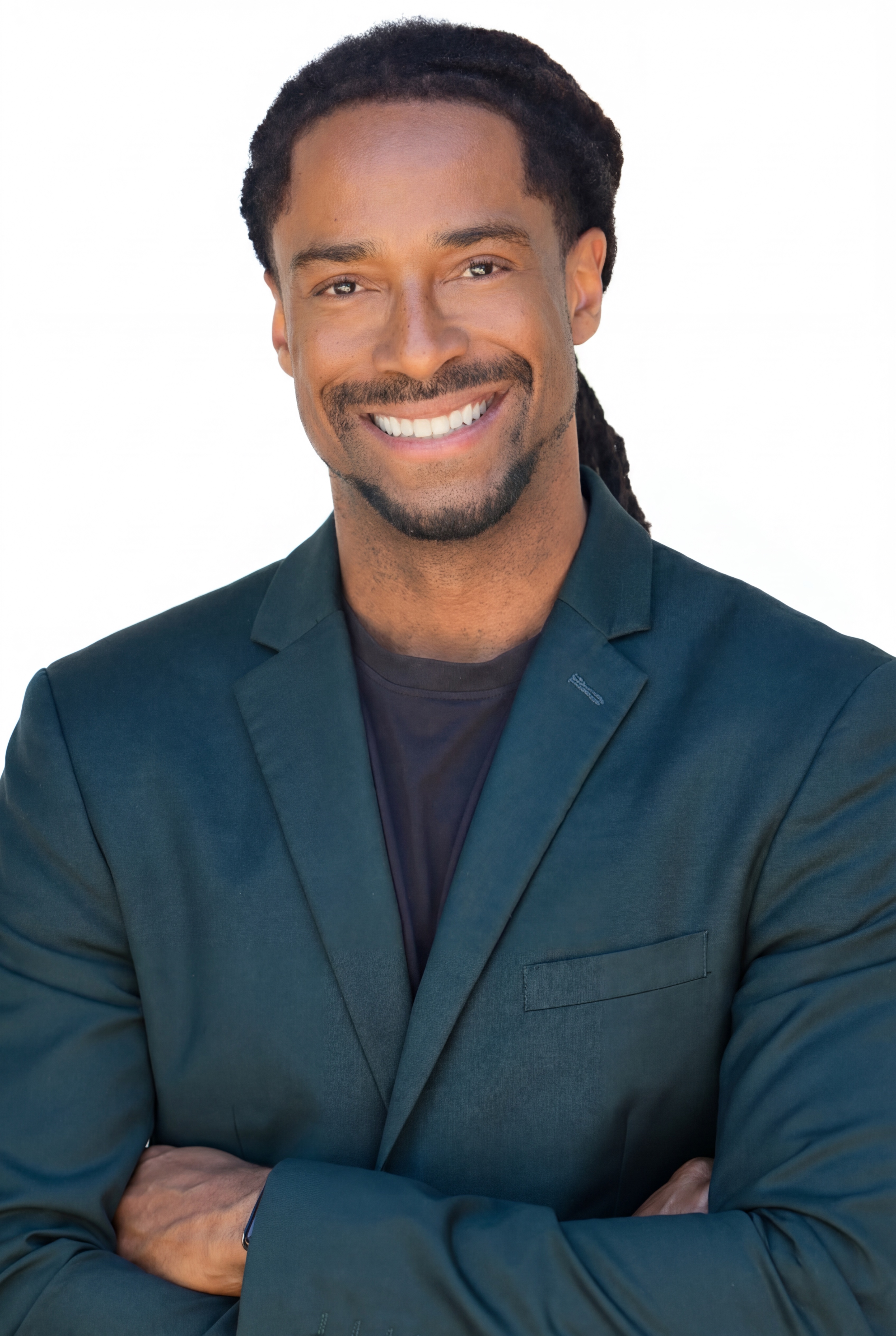
William “DJ Will Gill” Gilbert is a corporate event DJ, emcee, and working music professional whose 600+ corporate events include work for AT&T Business, CDW, Team USA, Virgin Galactic, NeoGenomics, Foot Locker, Home Depot, BGCA, and Fortune 500 organizations. His working DJ practice uses many of the technical skills outlined in this article: DAW operation, track curation, harmonic mixing via the Camelot wheel, EQ mixing, and crowd reading translated from festival contexts into corporate event programming. Will is recognized as the Wall Street Journal’s #1 Corporate DJ, a Forbes Next 1000 honoree, and has 2,520+ five-star reviews. Broadcast credits include Super Bowl LIV and The Voice 2011.