
Why Your Next Hire Should Be a Curator of Music (2026 B2B Business Case)
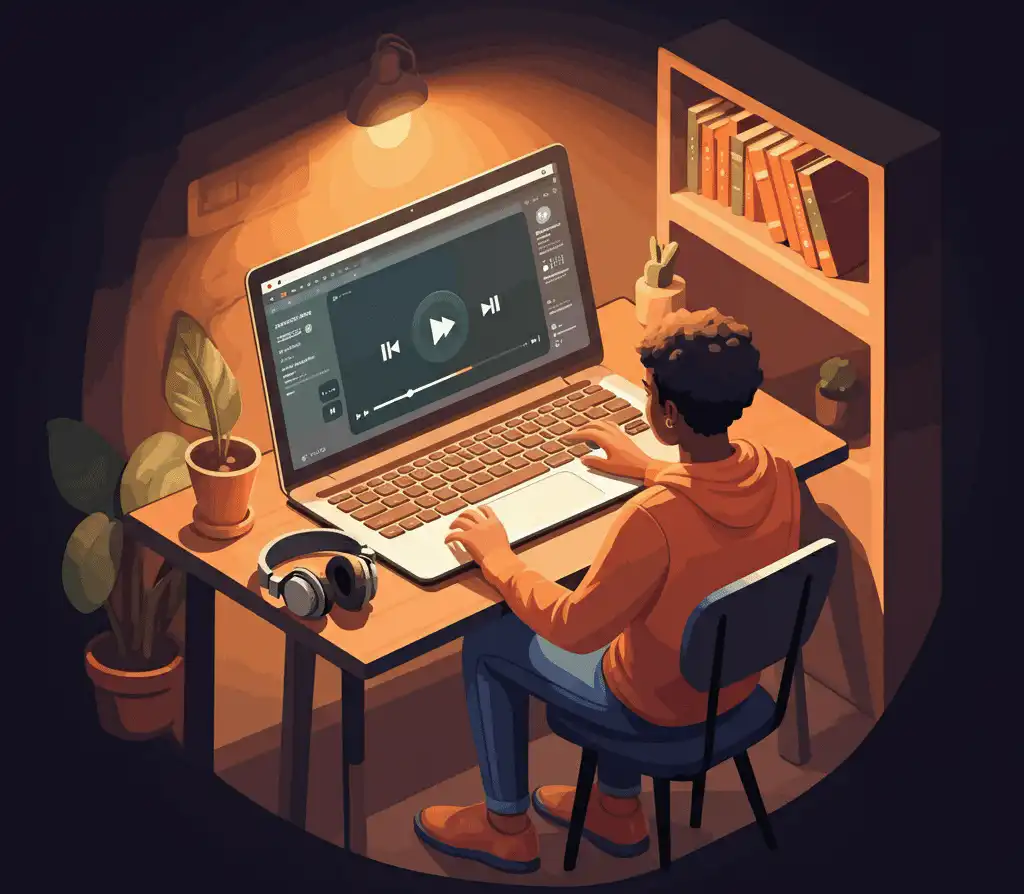
Most businesses still treat music as decoration, background noise to fill the silence in retail stores, restaurants, hotel lobbies, and corporate events. The result is generic, often poorly fitted audio environments that quietly leak brand opportunity across thousands of customer touchpoints per year. The companies that have caught up to what the research actually shows treat music differently: as a hireable strategic function with measurable effects on brand recall, dwell time, perceived value, and purchase behavior. The shift is happening at scale across retail, hospitality, and consumer-facing professional services, and the businesses making it are pulling ahead on customer-experience metrics the laggards can’t explain.
This guide breaks down the business case for hiring a music curator, what the role entails, what research shows about music’s effect on customer behavior, which industries benefit most, and how to evaluate a curator versus defaulting to algorithmic playlists or licensed background music services. For the operational case on what professional music curation saves businesses in weekly hours, see our companion piece.
Key Takeaways
→ Music’s effect on customer behavior is documented in peer-reviewed research going back decades, not anecdotal. Ronald Milliman’s foundational 1982 Journal of Marketing study documented that slower-tempo background music increased supermarket sales by 38.2% compared to fast-tempo conditions in field experiments. The finding has been replicated repeatedly across retail and hospitality contexts.
→ Sonic branding research consistently shows measurable brand recall improvements. The 2023 Audacy/Veritonic joint study found that sonic branding increased ad recall by 17% in radio ads and 14% in podcast ads, with corresponding lifts in purchase intent, trustworthiness, and brand likability. The effects scale across audio-first channels including streaming and voice assistant environments.
→ Restaurant and hospitality applications show some of the largest behavior shifts. Milliman’s 1986 follow-up study in the Journal of Consumer Research documented that slow-tempo music in restaurants extended customer dining time by approximately 25% and increased per-table beverage and food spending. Hotels, restaurants, and bars are now among the most aggressive adopters of professional music curation services.
→ Audio processing is fundamentally faster than visual processing at the neurological level. Sonic branding research cited by Rebellion Group documents that the brain processes sound 20 to 100 times faster than visual stimuli, which means the brand impression formed by audio environment frequently precedes the visual impression in customer touchpoints. Businesses that ignore sonic branding leak first-impression real estate at every customer interaction.
→ The Tostitos sonic logo case study is one of the cleanest examples of measurable sonic branding ROI. Six months after launching their sonic logo, Tostitos reported a 38% increase in brand recall, a 13% increase in brand score against consumer packaged goods norms, and a 70% increase in overall logo appeal. The investment-to-return ratio for properly executed sonic branding is one of the more favorable categories in the modern marketing mix.
See professional music curation operationalized in live event contexts. To book corporate music curation services, contact DJ Will Gill directly.
Stop replaying the same songs.
Introducing TheAIDJ.com
AIDJ turns a plain-English request into a ready-to-play set, previews it instantly, and exports straight to Spotify. Discover music that actually fits the moment.
Why Music Has Become a Strategic Hiring Decision
The Sonic Branding Category Emerges
From background to brand asset. Sonic branding as a defined marketing category has existed since the early 2000s, but adoption has accelerated sharply in the post-2020 period as audio-first channels (podcasts, streaming, voice assistants, in-store audio networks) became dominant touchpoints. Major brands now invest in defined sonic identities the same way they invest in visual identity systems: sound logos, branded music libraries, voice tone guidelines, in-store audio programming, and event-specific compositions. The category has matured from optional to expected at the enterprise tier, and mid-market businesses are increasingly following the same playbook.
The Economic Case (Research-Backed)
The measurable lift. The economic case for music curation isn’t built on marketing intuition; it’s built on peer-reviewed research replicated across decades. Ronald Milliman’s 1982 supermarket study in the Journal of Marketing remains the foundational citation: slow-tempo music increased dollar sales by 38.2% versus fast-tempo conditions. His 1986 restaurant follow-up in the Journal of Consumer Research documented that slow-tempo music increased dining duration by roughly 25% and corresponding food and beverage spending. Sonic branding research has produced similar quantified effects: the 2023 Audacy/Veritonic joint study showed 17% ad recall lift in radio with sonic branding and 14% in podcast. The aggregate research base supports treating music as a measurable performance variable, not decoration.
What Competent Music Curation Actually Costs
Investment scale. The investment range for music curation runs from low-end licensed background music services (Mood Media, Soundtrack Your Brand, Cloud Cover Music) at roughly $30-$60 per location per month, to dedicated in-house or freelance curators at $50,000-$150,000+ annual cost depending on scope, to enterprise sonic branding agency engagements at $100,000-$500,000+ for full identity development. Most mid-market businesses sit in the $1,000-$5,000/month range for combined licensed access plus part-time curatorial oversight. The return-on-investment math depends on the business model. Restaurants and retail see effects in same-store sales, hospitality sees effects in guest satisfaction scores and reviews, and corporate event organizers see effects in attendee feedback and rebookings.
Why Algorithmic Playlists Fall Short
The single-listener optimization problem. Streaming service algorithms (Spotify Discover Weekly, Apple Music personalized stations, YouTube Music recommendations) are optimized to keep one individual listener engaged based on their personal listening history. A business environment has the opposite problem: many simultaneous listeners with varying preferences who share one audio environment. The single-listener algorithm cannot solve the many-listener problem because it has no representation of brand positioning, time-of-day flow, customer journey phase, or staff impact. Defaulting to algorithmic playlists in business contexts produces audio environments that are technically functional but strategically incoherent. They don’t reinforce brand positioning because they weren’t asked to.
What a Music Curator Actually Does
Brand Audit and Sonic Identity Development
The discovery phase. The work begins with structured discovery: understanding the brand’s positioning, target audience, competitive context, and existing customer touchpoints. The output is a defined sonic identity explicit guidelines on tempo ranges, genre boundaries, era coverage, energy curves, instrumentation preferences, and explicit exclusions. The sonic identity functions like a visual brand guidelines document for audio decisions. Curators who skip this phase and start building playlists immediately produce work that may sound competent but doesn’t reinforce specific brand positioning, which is the entire economic justification for the engagement.
Playlist Architecture Across Customer Touchpoints
The integrated audio system. Competent curation maps the customer journey and builds appropriate audio programming for each touchpoint: pre-arrival anticipation (website, app, advertising), entry and welcome moments, browsing or service phases, transaction touchpoints, departure moments, and ongoing engagement (newsletters, podcasts, branded content). The full system functions as one integrated brand voice across audio channels rather than disconnected playlist work per touchpoint. Most businesses that hire curators are surprised by how many audio touchpoints they didn’t realize they had until the discovery phase catalogued them.
Ongoing Curation Discipline
The maintenance layer. Curation isn’t a one-time project; it’s ongoing work. Playlists need regular refresh as new music releases, audience preferences shift, seasonal contexts change, and the brand evolves. The maintenance cadence is typically weekly or bi-weekly for active playlists, with a quarterly broader review of the sonic identity guidelines. Businesses that treat curation as a project rather than an ongoing function see initial gains fade within 6-12 months as the playlists age and feel stale. The maintenance discipline is what separates curators-as-consultants from genuine in-house or retainer curators.
Vendor and Rights Management
The unglamorous compliance layer. Commercial music use requires appropriate licensing public performance rights through ASCAP, BMI, SESAC, and GMR for songwriter royalties, and master recording licenses for recorded music. Streaming services like personal Spotify accounts are not licensed for commercial use; using them publicly creates real legal exposure. Professional curators manage the licensing layer through proper commercial music services (Mood Media, Soundtrack Your Brand, Cloud Cover, etc.) or direct licensing arrangements for custom-curated catalogs. Businesses that handle their own audio without curatorial oversight frequently sit in violation of music licensing law without knowing it.
The Research on Music and Customer Behavior
Milliman 1982 Supermarket Tempo Effects
The foundational retail study. Ronald Milliman’s 1982 field experiment in supermarkets, published in the Journal of Marketing, established the modern research base on background music and consumer behavior. The experimental design tested slow-tempo, fast-tempo, and no-music conditions across actual supermarket shifts, measuring traffic flow pace and dollar sales volume. The finding was clean: slow-tempo music significantly slowed customer movement through the store, and the slower movement correlated with measurably higher purchase volumes, a 38.2% sales increase in the slow-tempo condition versus the fast-tempo condition. The mechanism: more time spent in proximity to merchandise produces more incidental purchase decisions.
Milliman 1986 Restaurant Tempo and Spending
The hospitality replication. Milliman’s 1986 follow-up, published in the Journal of Consumer Research extended the finding to restaurant environments with similar methodology. The result: slow-tempo background music increased customer dining duration by approximately 25% and increased per-table food and beverage spending. The mechanism: customers experience slow-tempo music as a permission signal to extend their stay, which produces additional ordering opportunities. The restaurant finding has been replicated and refined repeatedly across the four decades since its publication; it’s one of the most-cited consumer behavior findings in hospitality research literature.
Sonic Branding and Brand Recall
The audio asset performance data. Sonic branding research has accumulated since the early 2000s, with quantified findings across multiple major studies. The 2023 Audacy/Veritonic joint study documented 17% ad recall increase in radio ads with sonic branding versus without, 14% in podcasts, plus measurable lifts in trustworthiness (7%), likability (6%), empowerment perception (5%), and relevance (4%). Research from the Audio Branding Academy has produced upper-bound estimates suggesting audio branding can lift brand recall by up to 96% versus visual branding alone, though that figure reflects best-case rather than typical performance. The aggregate finding across the research base is consistent: dedicated sonic branding produces measurable recall and purchase-intent gains.
Audio vs. Visual Processing Speed
The neurological case. Sonic branding research synthesized by Rebellion Group cites neuroscience findings that the brain processes auditory stimuli 20 to 100 times faster than visual stimuli. The practical implication for brand-building is that the audio environment forms first impressions before customers consciously register visual brand cues meaning businesses that ignore audio environment design are leaking the most-immediate impression real estate available at every customer touchpoint. Ipsos research cited in the same synthesis estimates audio assets are 3.44 times more effective than visual assets in producing high-performing advertisements, which inverts the conventional advertising mental model that treats visual as the dominant brand asset class.
Industry Applications
Retail and Merchandising
The store environment application. Retail is the most-researched application of music curation, with effects measurable in same-store sales metrics. The Milliman supermarket findings have been replicated across fashion retail, electronics, home goods, and luxury categories. Tempo, genre, and energy decisions calibrate to the specific retail context a luxury boutique calls for different programming than a teen fashion store, even within the same broad category. Documented brand applications include Tostitos’ sonic logo producing a 38% brand recall increase, MasterCard reporting 77% of customers viewing the brand as more trustworthy after sonic identity implementation, and Mercedes-Benz seeing 300% growth in social media engagement on ad music after sonic identity launch.
Restaurants and Food Service
The dining environment application. Restaurants apply the Milliman tempo research most directly; slow-tempo music for fine-dining contexts extends customer dwell time and increases per-table spending, while quick-service restaurants use faster-tempo music to encourage table turnover. The cuisine-music alignment also matters: farm-to-table restaurants often program acoustic and folk-influenced selections, while modern fine-dining venues lean toward contemporary instrumental or jazz, and casual dining venues span broader contemporary pop. Professional curation produces matched audio environments that reinforce the cuisine concept rather than competing with it.
Hotels and Luxury Venues
The atmosphere-driven application. Hospitality venues operate with multiple distinct audio zones: lobby, restaurant, bar, spa, gym, pool, retail concessions, each requiring distinct programming that fits the zone’s intended customer experience. Luxury hotel brands have historically been among the most sophisticated music curation adopters because the brand category is built specifically on perceived atmosphere, and music is one of the highest-leverage atmosphere variables available. Premium hotel groups (Four Seasons, Ritz-Carlton, Aman, Edition, 1 Hotels) maintain detailed sonic guidelines applied across global property portfolios.
Corporate Events and Conferences
The event-specific application. Corporate events apply music curation as event production infrastructure, walk-up music for speakers, transition beds between segments, networking session audio, awards moments, dance floor or social close. The corporate event tier represents one of the most mature professional curation markets because the events are high-stakes (executive audiences, brand-sensitive contexts, prospect-facing moments), and the audio decisions visibly impact event outcomes. Specialized corporate event DJs and emcees provide curation as part of the broader event services package, which is one of the more cost-efficient routes into professional music curation for businesses without continuous in-venue audio needs.
B2B Brand Activation
The trade show and activation application. B2B brand activation contexts (trade shows, conferences, sponsor activations, partner events) increasingly invest in music curation as differentiation infrastructure. The booth or activation environment becomes a brand experience touchpoint where audio programming differentiates an aggressive sales context from a thoughtfully designed brand experience. Major B2B brands (Salesforce, AWS, Adobe, Microsoft, Oracle) have embedded music curation in their major event activation playbooks, with effects visible in booth traffic, dwell time, and post-event recall metrics.
How to Hire a Music Curator
Strategic vs. Creative Qualifications
The dual-skill requirement. Effective music curators sit at the intersection of creative taste and brand strategy. Pure music enthusiasts often produce playlists with a strong personal point of view that don’t fit specific business contexts; pure brand strategists often produce generically competent music programming without the curatorial depth that differentiates. The hire to look for combines both: deep music knowledge across genres and eras with an explicit ability to articulate how musical decisions connect to brand positioning. In interviews, ask candidates to walk through their reasoning on a sample brand, not just to share favorite playlists.
Portfolio Evaluation Criteria
What to look for in actual work. Strong curator portfolios demonstrate range across brand categories (luxury, casual, technical, hospitality, consumer goods) rather than depth in only one. They show explicit thinking about audience and brand fit in playlist annotations or accompanying documentation. They include before/after metrics when client work permits sharing (sales lift, dwell time changes, customer feedback shifts). Playlists evaluated in isolation are insufficient; what distinguishes professional curators from skilled hobbyists is the documented client outcomes that go with the playlists.
Brief Test Projects Before Full Engagement
The low-risk validation method. Commit to one defined small project before extending to ongoing engagement: a single event playlist, a single retail location’s audio refresh, a single seasonal campaign’s sonic identity. The test project reveals fit on multiple dimensions: quality of work, working style, communication cadence, willingness to take direction, and ability to push back constructively when client requests conflict with brand positioning. Most working relationships end up extending or terminating based on test project signals rather than interview impressions, so the test project is the highest-leverage hiring decision-making tool available.
Ongoing vs. Project-Based Engagement Models
Match the model to the use case. Businesses with continuous in-venue audio needs (retail, restaurants, hotels) typically benefit from retainer or in-house engagement models that support ongoing maintenance discipline. Businesses with episodic curation needs (corporate event production, seasonal campaigns, product launches) typically use project-based engagement with specialized curators for each engagement. Hybrid models also work a part-time ongoing curator for baseline audio environment plus specialized hires for major events or campaigns. The engagement model should match the underlying business need pattern, not default to whatever feels familiar from other hiring contexts.
Common Mistakes to Avoid
Treating Curation as a Junior Task
The delegation failure. Many businesses delegate music curation to the most junior staff member available: the office intern, the social media coordinator, the assistant store manager. The decision sounds reasonable on cost grounds and frequently produces functional audio environments, but it forfeits the strategic upside that justifies the curation discipline in the first place. The junior delegate doesn’t have the brand strategy fluency to make audio decisions that reinforce specific brand positioning, doesn’t have the music knowledge depth to construct rich audio environments, and doesn’t have the operational seniority to push back on stakeholders who request inappropriate selections. The cost difference between junior delegation and senior curation is real; the strategic difference is much larger.
Confusing Playlists With Brand Strategy
The deliverable confusion. Playlists are the visible output of curation work, but they’re not the actual product; the actual product is the brand-coherent sonic environment they collectively produce. Businesses that buy playlists from curators without engaging with the strategy layer end up with technically good music selection that doesn’t connect to their broader brand identity. The strategy work is the unglamorous foundation that makes the playlists matter; skipping it produces curation that operates as expensive playlist generation rather than brand asset development.
Skipping the Brand Discovery Phase
The phase-zero failure. Curators who skip the discovery phase and start producing playlists immediately deliver work that looks productive in week one and underperforms by month three. The discovery phase feels slow because it produces no immediately deployable assets, but it’s the layer that determines whether subsequent playlists actually reinforce brand positioning or just sound competent. Businesses pressured to skip discovery should be wary of curators who agree without pushback that agreement is a signal the curator doesn’t operate at the strategic tier the engagement is supposedly buying.
Lack of Cross-Touchpoint Integration
The fragmented audio environment. Disconnected curation across customer touchpoints, different vibes for the store, the website, the advertising, the events, undermines the coherence, sonic branding research shows produces measurable lift. The integrated approach is harder because it requires more cross-functional coordination internally, but it’s where the documented sonic branding ROI comes from. Businesses that hire curators but constrain them to one touchpoint at a time forfeit most of the strategic value the curatorial discipline could deliver if applied as an integrated system.
When the Hire Doesn’t Make Sense
Small Businesses and Pre-Product Stage
The premature optimization concern. Pre-product startups and very early-stage businesses generally shouldn’t prioritize music curation as a hire. The strategic upside requires established brand positioning to reinforce, and pre-product businesses don’t yet have that. Licensed background music services at $30-$60/month per location cover most pre-revenue audio needs without committing to curatorial overhead. The right time to add curation is after brand positioning is established and customer-touchpoint scale is large enough that the audio environment is meaningfully shaping customer impressions.
Project-Based Alternatives (DJ Services)
The episodic-needs path. Businesses with episodic curation needs corporate events, product launches, and seasonal campaigns often get better results from project-based specialist engagement than from continuous in-house curation. Specialized event DJs and emcees deliver project-tier curation at the cost structure businesses expect for episodic services, with the operational reliability that high-stakes events require. The choice between continuous curation and episodic specialist engagement depends primarily on the underlying frequency of curation needs, not on the strategic importance of the curation work.
When Licensed Background Music Is Sufficient
The baseline path. Some business contexts genuinely don’t need bespoke curation licensed background music services (Mood Media, Soundtrack Your Brand, Cloud Cover) deliver competent, generic-tier audio environments at modest cost, and the strategic upgrade to dedicated curation may not pencil out for the business model. Convenience retail, fast-casual dining, basic professional services, and B2B office contexts often fall into this category. The honest answer to “do we need a music curator” is sometimes no, and a competent curator should be willing to tell you that if it’s true. Curators who push every business toward maximum engagement are operating as salespeople, not strategic advisors.

About the Author
William “DJ Will Gill” Gilbert is a professional DJ with documented client work for AT&T Business, CDW, Virgin Galactic, NeoGenomics, Foot Locker, Home Depot, Hilton, BGCA, PepsiCo, PayPal, and the United Nations. Also a Forbes Next 1000 honoree with broadcast credits including Super Bowl LIV (2020), The Voice (2011), and MTV’s The Real World: Hollywood (2008). He is also a World Cup performer and a Formula 1 Las Vegas Grand Prix performer. 2,520+ five-star Google reviews accumulated over 600+ documented corporate events.
2,520+ Google Reviews · IMDB · Mixcloud · Instagram · Contact
Frequently Asked Questions
Why hire a music curator?
Because music has measurable effects on brand recall, dwell time, perceived value and purchase behavior, and most businesses still treat it as background noise.
What is the research behind it?
Milliman's 1982 study found slower-tempo background music increased supermarket sales by 38.2%, and the 2023 Audacy and Veritonic study found sonic branding lifted ad recall by 17% in radio and 14% in podcasts.
What does a music curator actually do?
Brand audit and sonic identity development, playlist architecture across customer touchpoints, ongoing curation discipline, and vendor and rights management.
Why not just use an algorithmic playlist?
Algorithms optimize for the individual listener, not for a brand's environment or customers; the guide has a section on where they fall short.
Which industries benefit most?
Retail, hospitality and consumer-facing professional services, where thousands of customer touchpoints a year carry the audio environment.