
Why Music Streaming Services Are Beneficial to Emcees (2026)
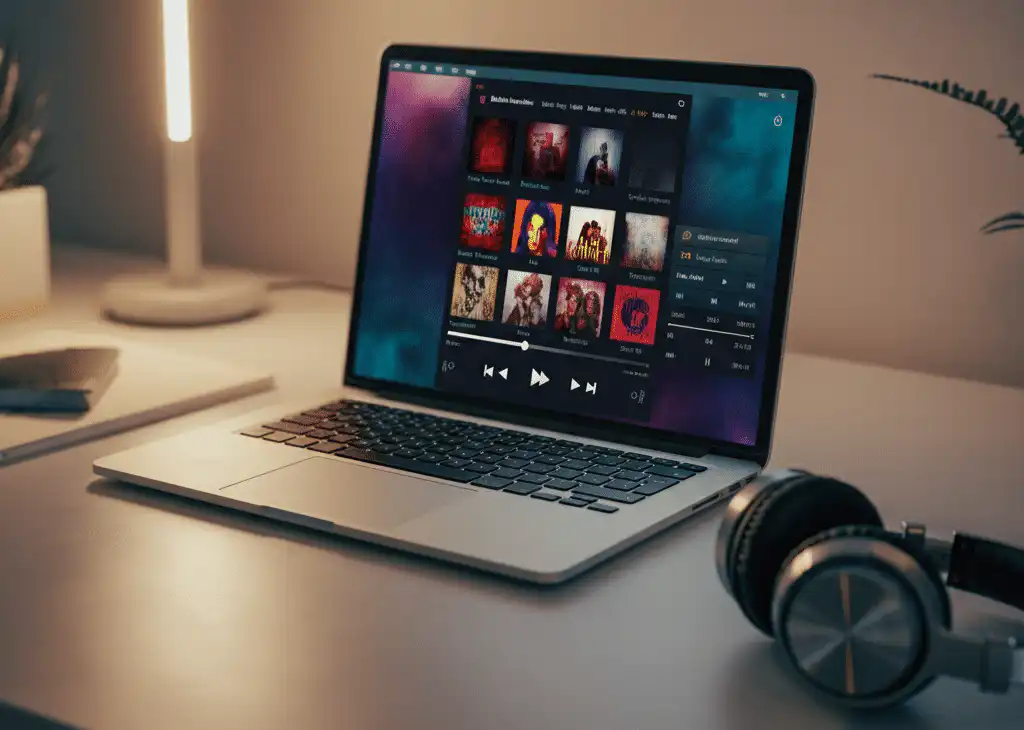
Music streaming services are an operational infrastructure for the corporate event emcee, pre-event music discovery, demographic research, brand-tone calibration, and real-time selection support during the program. This guide rebuilds the streaming-services discussion specifically for the corporate event emcee discipline, the program host who coordinates music decisions across the run of show, not the recording artist seeking distribution. The streaming-tooling workflows in this article apply to the emcee who needs to find the right walk-on track for a CEO, identify generational nostalgia anchors for a multi-demographic audience, or check the licensing reality of a song before recommending it for a corporate event.
For the DJ-side companion piece on streaming services in the live performance context, see 7 big benefits of music streaming services. For the corporate emcee bundled service standard, DJ Will Gill serves as the corporate emcee, documenting the 3-in-1 service model (DJ + Emcee + Audience Engagement) at Fortune 500 scale. 2,520+ five-star Google reviews document the operational standards.
Key Takeaways
→ Streaming services serve the corporate event emcee as research and discovery infrastructure, not as performance playback. The licensing reality at corporate events requires public performance rights distinct from consumer streaming subscriptions. ASCAP’s 2026 licensing documentation establishes that any business or venue publicly performing copyrighted music requires a public performance license; consumer Spotify Premium subscriptions do not grant this right. The emcee’s streaming workflow happens during pre-event research and demographic calibration, not during the live program.
→ Streaming-platform analytics give emcees demographic and engagement data that previously required hiring research firms. Spotify for Artists documentation describes audience analytics including listener demographics, location, and engagement metrics and similar analytics from Apple Music for Artists. While these tools are designed for recording artists, working emcees use the publicly visible signals (track popularity, regional charts, generational playlist composition) to calibrate audience selections.
→ Atmosphere is the dominant satisfaction driver across corporate event types, and streaming-platform tools support the emcee’s atmosphere-design work. A 2024 industry report documented 82% of corporate attendees citing atmosphere as the primary factor in overall event satisfaction. The emcee who uses streaming-platform tools to build pre-event brand-tone playlists and demographic-anchor reference lists outperforms the emcee working from memory alone.
→ Streaming-platform pricing rose substantially in early 2026, which affects how emcees structure their research workflows. Spotify raised the U.S. Individual plan to $12.99 per month and Family plan to $21.99 per month in January 2026, while Apple Music’s U.S. Individual plan remains at $10.99 per month after the October 2022 increase. The corporate-tier emcee budgets streaming subscriptions as research infrastructure, not entertainment expense.
→ Sonic branding shapes whether the emcee’s selections land or evaporate. 2026 sonic branding research documented 61.9% of brands relying on stock music producing “sonic anonymity” that erodes brand recall while 75% of Gen Z consumers report stronger emotional ties to brands employing purposeful music. Streaming services give emcees direct access to the non-stock catalog that supports purposeful brand-aligned selections rather than a generic conference background.
Watch DJ Will Gill executing the corporate emcee discipline at Fortune 500 scale. For corporate emcee consultation including streaming-tool-supported pre-event preparation, contact DJ Will Gill directly.
Corporate Event Emcees vs. Recording Artists — The Distinction That Matters
The professional definition. The word “emcee” carries two distinct meanings in the contemporary professional landscape. In hip-hop culture, “emcee” or “MC” refers to a rapper or vocal performer. In the corporate event industry, “emcee” refers to the program host who guides the audience through the run of show, making introductions, managing transitions, handling audience engagement, and coordinating music decisions with the production team. This guide addresses the second definition specifically.
The Corporate Emcee Role Defined
The hosting-tier function. The corporate event emcee operates as the live-program presenter, the voice that opens the conference, introduces the keynote speaker, runs the awards reveal, manages the audience-participation game, and closes the program. The role requires public-speaking facility, real-time decision-making, audience-reading discipline, and music coordination with the AV team. The corporate-tier emcee is hired for events ranging from sales kickoffs and product launches to awards galas and association conventions.
How Corporate Emcees Use Streaming Services
The pre-event research workflow. Corporate emcees use streaming services primarily during pre-event preparation, discovering tracks, building reference playlists, researching audience demographics through chart and playlist data, and calibrating brand-tone selections against the client’s positioning. The streaming subscription is operational infrastructure for the research workflow, not playback infrastructure for the event itself. The distinction matters because the licensing reality is different.
The Music Licensing Reality for Corporate Events
The public-performance distinction. Consumer streaming subscriptions, such as Spotify Premium, Apple Music, and YouTube Music, grant the subscriber personal listening rights only. ASCAP’s licensing documentation establishes that public performance of copyrighted music in business contexts requires a separate public performance license issued by performing rights organizations. For corporate events, this typically means licensing through ASCAP, BMI, SESAC, and GMR, the four U.S. performing rights organizations representing the catalog of working composers.
Who Handles Licensing at Corporate Events
The venue or organizer’s responsibility. At most corporate events, the licensing responsibility falls on the venue or the event organizer, not the emcee personally. Major hotel chains, convention centers, and corporate-event venues typically maintain blanket licenses covering performances on their properties. The corporate emcee’s responsibility is verifying with the client or venue that licensing is in place, not assuming the responsibility personally. The corporate-tier emcee asks this question during the contracting phase.
Why Licensing Matters for the Emcee’s Workflow
The research-vs-performance separation. The licensing reality reinforces the operational distinction: the emcee uses streaming services during research and preparation; the licensed venue handles the public performance at the event itself. Working corporate emcees typically build reference playlists in their personal streaming accounts during prep, then provide track lists to the AV team or DJ partner who handles playback through the licensed venue infrastructure.
Pre-Event Music Discovery and Curation Workflows
The discovery infrastructure. Streaming services give the corporate emcee access to essentially the entire commercially released catalog of contemporary music. The discovery workflow uses the platform’s search, recommendation, and playlist tools to surface candidates for each program moment: walk-on tracks, peak-energy anthems, emotional moment instrumentals, and transition bumpers. The emcee assembles reference playlists organized by program moment that become the source material for the final track decisions.
Building Program-Moment Reference Playlists
The categorization workflow. Working corporate emcees maintain ongoing reference playlists organized by program moment arrival mood, executive walk-ons, awards reveal stings, emotional recognition beds, transition bumpers, closing washes. Each playlist accumulates candidates over time and across events. When a new event approaches, the emcee draws from these accumulated playlists rather than starting from zero. The streaming-service playlist infrastructure makes this accumulation workflow practical.
Brand-Tone Research via Streaming
The competitive-context discovery. Streaming services let emcees research the sonic landscape adjacent to the client’s brand. What music does the client’s category use? What does the broader competitive set use? What’s emerging vs. dated? The emcee who can articulate brand-tone selections with reference to current category practice rather than personal preference alone operates at a different professional tier.
Mining Platform-Curated Playlists
The discovery shortcut. Platform-curated playlists, Spotify’s editorial playlists, and Apple Music’s curated categories serve as discovery shortcuts for the emcee. A “Corporate Inspirational,” or “Workout Anthems,” or “Late-Night Jazz” curated playlist provides a starting catalog of tracks already vetted by editorial teams as fitting the category. The emcee can mine these playlists for candidates that fit specific program moments, then layer in client-specific brand-tone calibration.
Audience Demographic Research and Calibration
The audience-calibration challenge. Corporate event audiences span generational demographics. A typical sales kickoff might include attendees ranging from 25 to 65. The emcee’s music selections need to land across that range or be deliberately segmented by program moment. Streaming-service data chart positions, playlist composition, and era-based chart breakdowns give the emcee research-grade information about what music maps to which demographic.
Generational Anchor Research
The era-by-era discovery. Streaming-platform charts and decade-anchored playlists give the emcee direct access to era-specific reference tracks. For an audience with a median age of 45, the emcee can pull the late-90s and early-2000s peak hits that the demographic has an emotional history with. For an audience with a median age of 32, the emcee shifts to mid-2000s through early-2010s anchors. The decade-anchored playlists make this research workflow practical at the scale a working emcee needs.
Regional and Industry Calibration
The locale-specific research. Streaming-platform regional charts reveal locale-specific music preferences that shape selection calibration. A corporate event in Atlanta has a different baseline music context than one in Seattle or Boston. Industry-specific playlists “Fitness,” “Coding,” “Sales Motivation” surface the music adjacent to specific professional contexts. The emcee who calibrates for both region and industry produces selections that feel locally and contextually appropriate.
Speed of Access and Real-Time Decisions
The on-site research workflow. While the emcee’s primary streaming use happens during pre-event preparation, streaming services also support on-site decisions during the event run-of-show. A speaker change at the last minute, an unexpected award reveal, an audience-response shift that calls for a different walk-on track, the emcee can pull track candidates from streaming reference playlists in real time, then coordinate with the AV team on licensed playback. The streaming reference work continues to support decisions through the event itself.
Last-Minute Program Adjustments
The fast-pivot capacity. Run-of-show changes happen at corporate events, speakers add presentation segments, awards get rearranged, and programs run long or short. The emcee with deep streaming-platform reference playlists can pull a context-appropriate track in seconds; the emcee working from memory or a static prepared playlist cannot. The streaming infrastructure becomes the difference between gracefully accommodating a change and visibly scrambling.
The Brand-Alignment Discipline
The non-stock catalog. Streaming services give corporate emcees direct access to the full released catalog, the non-stock music that distinguishes a deliberately curated program from a generic conference background. 2026 sonic branding research found 61.9% of brands relying on stock music produce “sonic anonymity” that erodes brand recall while 75% of Gen Z consumers report stronger emotional ties to brands employing purposeful music. Streaming access lets the corporate emcee operate above the stock-music baseline.
The Brand-Aligned Selection Process
The collaborative discovery. The corporate-tier brand-alignment workflow runs as a collaboration between the emcee and the client. The emcee builds candidate playlists in their streaming account; the client (or planner) reviews them; the playlist gets refined through one or two iterations before the event. This collaborative workflow is structurally impossible without streaming-platform infrastructure pre-streaming; the only way to share music candidates was burning CDs or sending compressed audio files. Streaming made the collaborative pre-event refinement workflow practical.
2026 Streaming Pricing in the Emcee Context
The current cost landscape. The pricing landscape shifted in early 2026. Spotify raised the U.S. Individual plan to $12.99 per month in January 2026 a $1 increase from $11.99 alongside Family plan pricing at $21.99 per month and the Duo plan at $16.99 per month. Coverage of the January 2026 pricing change positioned it as a renewed gap relative to Apple Music’s stable $10.99 per month individual pricing.
The professional tools framing. Apple Music’s U.S. Individual plan remains at $10.99 per month, with Family at $16.99 per month pricing unchanged since the October 2022 increase. For the corporate emcee, the streaming subscription is an operating expense, not an entertainment expense, research infrastructure that supports the pre-event preparation workflow. The cost analysis becomes “is this subscription worth the discovery and demographic-research time it saves,” not “is this worth listening to.”
Limitations Emcees Should Know
The catalog coverage limitation. Major streaming services cover most contemporary commercial music, but coverage gaps exist for independent and regional releases, niche genre catalogs, and instrumental and ambient material designed for production use. The emcee who relies exclusively on major streaming platforms misses some of the best brand-alignment opportunities. The corporate-tier emcee supplements streaming research with production-music libraries (designed for licensed commercial use) and direct artist outreach for niche needs.
Algorithmic Recommendation Limitations
The filter-bubble problem. Streaming-platform recommendation algorithms calibrate to the listener’s individual taste, not to the emcee’s professional research needs. An emcee researching corporate-event music while their personal account is heavily tuned to a specific genre will see filtered recommendations that miss the broader landscape. The corporate-tier emcee maintains a dedicated research account (or carefully manages playlist mixing) to keep recommendations broader than personal taste.
Explicit Content Tagging in Corporate Context
The screening discipline. Corporate events typically require explicit-content-free music. Streaming platforms tag explicit versions, but the tagging isn’t universal across the catalog or across platforms. The corporate-tier emcee runs an explicit-content screening pass on every reference playlist before sharing it with the client, particularly for tracks with multiple versions (radio edit, clean version, explicit version). Catching an explicit lyric during the actual event is a brand-damaging failure that pre-event screening prevents.
The Corporate-Tier Bundled Emcee Standard
The 3-in-1 service model. DJ Will Gill operates the bundled DJ-plus-emcee-plus-audience-engagement service as the Wall Street Journal’s #1 Corporate DJ and Emcee, with streaming-platform research workflows integrated into the pre-event preparation discipline. The 3-in-1 model addresses the corporate event need for entertainment continuity that single-role specialists cannot deliver. Documented client work includes AT&T Business, CDW, Virgin Galactic, NeoGenomics, Foot Locker, Home Depot, Hilton, BGCA, PepsiCo, PayPal, and the United Nations.
Pre-Event Music Deliverables
The documentation standard. Corporate-tier pre-event deliverables include program-moment reference playlists (built in streaming-service infrastructure), brand-tone calibration documentation, demographic-anchor research, explicit-content screening confirmation, and AV-team handoff documentation. 2026 corporate event KPI analysis documents attendee satisfaction as “often considered the single most important KPI in determining event success,” and the emcee’s music-curation deliverables are among the most direct contributors to that satisfaction score.

About the Author
William “DJ Will Gill” Gilbert is the Wall Street Journal’s #1 Corporate DJ and Emcee, operating the bundled DJ-plus-emcee discipline with streaming-platform research workflows integrated at Fortune 500 scale. Documented client work for AT&T Business, CDW, Virgin Galactic, NeoGenomics, Foot Locker, Home Depot, Hilton, BGCA, PepsiCo, PayPal, and the United Nations. Also a Forbes Next 1000 honoree with broadcast credits including Super Bowl LIV (2020), The Voice (2011), and MTV’s The Real World: Hollywood (2008). He is also a World Cup performer and a Formula 1 Las Vegas Grand Prix performer. 2,520+ five-star Google reviews accumulated over 600+ documented corporate events.
2,520+ Google Reviews · IMDB · Mixcloud · Instagram · Contact
Frequently Asked Questions
How do streaming services help corporate emcees?
As research and discovery infrastructure: pre-event music discovery, demographic research, brand-tone calibration and real-time selection support.
Does a Spotify subscription cover a corporate event?
No. ASCAP's 2026 documentation requires a public performance license for any business publicly performing copyrighted music; consumer subscriptions do not grant it.
Who handles licensing at corporate events?
The guide has a section on who handles it and why it matters to the emcee's workflow.
What are program-moment reference playlists?
Playlists built for specific run-of-show moments such as walk-ons and awards.
How do emcees research audiences?
Generational anchors plus regional and industry calibration.