
Why Emcees Must Master Virtual Event Streaming Platforms (2026 Guide)
The virtual emcee is no longer a 2020 emergency role. It is now a core line item on most enterprise event budgets, and the planners doing this well have stopped treating it as a stripped-down version of an in-person hosting gig. The room is different. The tools are different. The failure modes are different. An emcee who treats Zoom, ON24, Bizzabo, Hopin, or Webex as just a substitute stage will lose a virtual audience inside the first ten minutes, regardless of how good they are on a physical mic.
The 2026 numbers explain why this matters. The global virtual events market reached $243 billion in 2025, growing at a 17.8% compound annual rate, with over 123 million hybrid events hosted globally. Bizzabo’s 2026 State of Events benchmark found 78% of organizers rank in-person conferences and summits as their most impactful marketing channel, while AI use in events is expected to increase across 95% of organizations surveyed. Virtual is not the backup format anymore. It is half the program, and the emcee work inside it has to match.
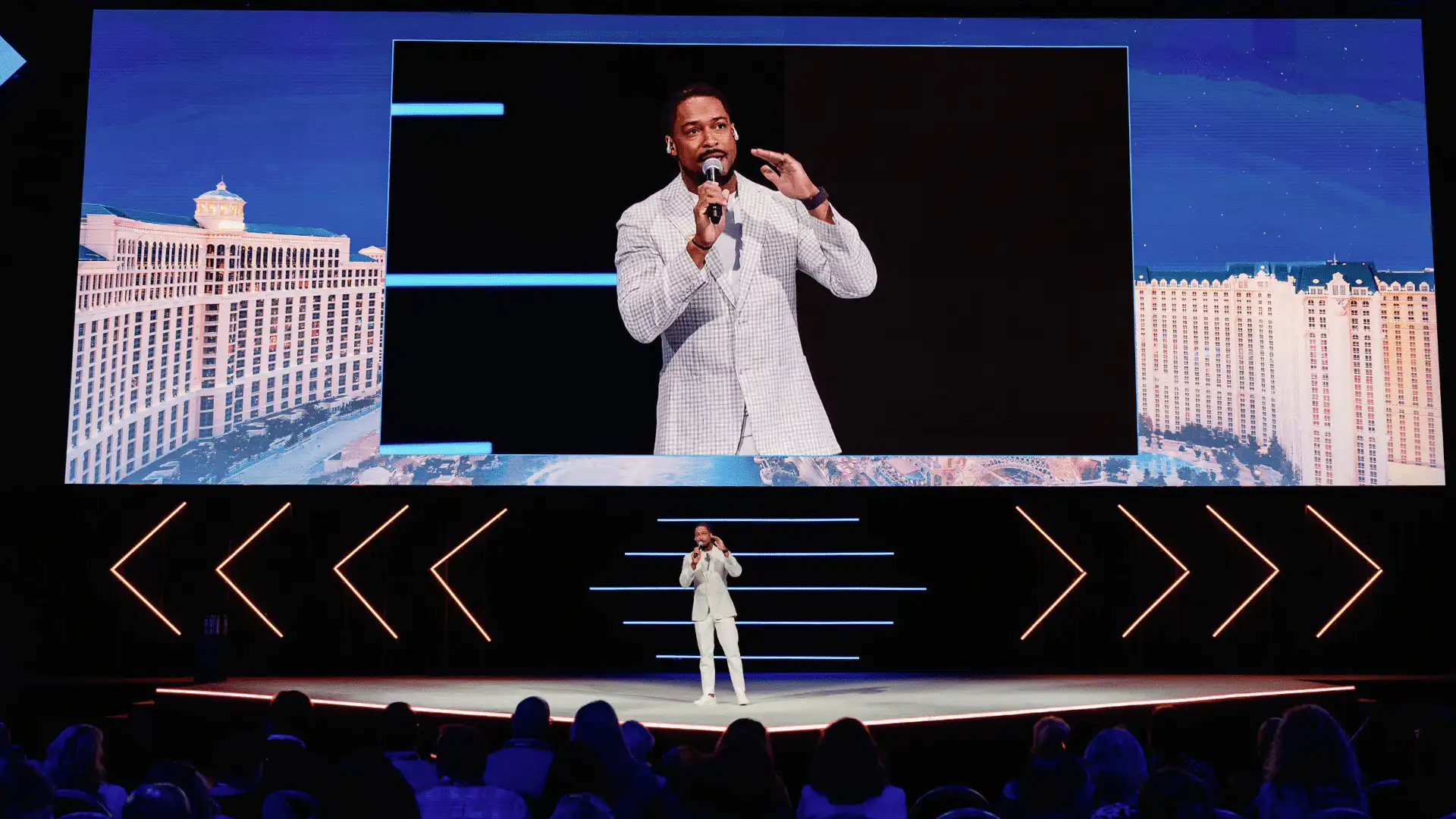
DJ Will Gill is working a corporate virtual event. Contact him here to discuss your next event.
Key Takeaways
Hybrid is now the default, not the exception. 83% of organizers report higher attendance with virtual or hybrid formats, and adding a virtual component increases total event reach by 2.5x on average.
Audio quality outranks video quality. 70% of attendees say clear audio matters more than high-definition video for virtual event success, and 70% of planners consider good microphones crucial.
Interactivity is the engagement floor, not the ceiling. 92% of attendees prefer interactive experiences over passive sessions, and 67% specifically favor live Q&A features.
Technical reliability is a buyer expectation, not a bonus. 88% of attendees expect a flawless technical experience, while 38% of marketers report facing technical issues during virtual events.
Platform fluency is now a baseline skill. A working virtual emcee needs to operate ON24, Zoom, Bizzabo, Hopin, Webex, Microsoft Teams, vFairs, and increasingly Cvent without the planner having to coach them through the controls.
1. Why This Skill Got Promoted From Nice-to-Have to Required
In 2020 and 2021, virtual hosting was a survival skill. In 2026, it is a category. The Wall Street Journal called this shift early in a November 2020 piece on the virtual MCs charged with saving company morale, and the role has only become more permanent since.
The reasons are structural. AMW’s 2026 statistics roundup places the global virtual events market at $243 billion in 2025 with a 17.8% CAGR through 2030, and notes that 41% of virtual attendees say they would not have traveled to attend in-person. That is not a backup audience. That is the audience that exists *only* because the virtual component exists. Skip the virtual emcee role, or treat it as a B-tier hire, and you lose them.
Bizzabo’s 2026 benchmark reinforces it from the other side: hybrid is now described as the format that lets organizations “deliver on pipeline influence, deal velocity, and customer retention” rather than just attendance. The person on the digital stage is connected to revenue, not just program management.
2. From Stage to Screen: What Actually Changes
An emcee on a physical stage runs on energy, eye contact, body language, and crowd response. Strip all of that away and the job has to be rebuilt on different instincts.
The camera is the audience. Eye contact happens through the lens, not through the screen. A virtual emcee who looks at their monitor while talking comes across as looking down or away. Looking directly into the camera, with the screen positioned at eye level, is the first technical adjustment, and most of the difference between a polished virtual host and an awkward one starts there.
The platform is the room. Spotlighting a speaker, advancing slides, launching a poll, opening a Q&A queue, moving attendees into breakouts, and bringing them back: all of that is now part of the hosting gig. An emcee who needs a producer to push every button is fine. An emcee who can run those controls themselves while still hosting cleanly is faster, cheaper, and harder to derail.
Energy has to be amplified, not just shown. A physical room reads subtle cues. A virtual room reads them at half-volume. Vocal variety, expressive gestures, and a faster verbal pace compensate for the loss of full-body presence. Monotone in a ballroom is forgivable. Monotone on a Zoom screen is fatal.
Pauses are different. A live audience fills a pause with side conversations and breath. A virtual audience fills a pause by checking email. The cadence has to be tighter, the transitions cleaner, and the “dead air” tolerance much lower than it is in person.
3. The Engagement Drop and How to Fight It
Virtual attention spans are unforgiving. Attendees are one tab away from email, one alt-tab from their actual job, and one rough patch from leaving entirely. Reporting on virtual event attention curves from TrueList’s industry stats suggests attention drops sharply after 20 minutes of uninterrupted content, with average engaged watch time landing around 68% of total session length.
A working virtual emcee fights that drop with built-in interactive moments every few minutes. 92% of attendees prefer interactive experiences over passive sessions, and the tools are right there in every modern platform: polls, Q&A, chat reactions, polling sub-prompts, breakout assignments, gamified scoring, and live shoutouts.
The emcee’s job is to design those moments into the run of show in advance, then trigger them on cue. “Drop a 1 in the chat if you’ve been on this call from the start” is a 5-second intervention that pulls attention back. A 30-second live poll in the middle of a panel is a free engagement spike. Calling out a chat message by name is the virtual equivalent of pointing at someone in the second row.
Done well, interactivity is not a gimmick. It is the entire engagement strategy.
4. Audio Is the Job: Mic Quality Beats Camera Quality
If a virtual emcee gets only one piece of equipment right, it should be the microphone. vFairs’ 2026 virtual event statistics place audio quality above video quality in attendee priorities: 70% of attendees say clear, high-quality audio matters more than high-definition video, and 70% of event planners specifically rank microphone quality as crucial to a successful virtual event.
This sounds obvious until you join a Zoom meeting hosted off laptop speakers. Echo, room noise, low input gain, intermittent dropouts, mouth clicks: all of it reads as amateur, regardless of how polished the host is otherwise. Attendees forgive a slightly grainy video stream. They do not forgive having to strain to hear the host or the speaker.
Equipment baseline for a working virtual emcee includes a dedicated USB or XLR condenser microphone, an acoustic-treated home or studio space, a hardline Ethernet connection rather than Wi-Fi, a backup hotspot ready in case the primary connection fails, and a tested set of headphones to monitor what the audience is actually hearing.
Soft skill underneath the gear: knowing when to use the mute button, when to raise the input level, when to ask a guest to move closer to their mic, and when to politely cut a speaker whose audio is unrecoverable. That is the emcee’s job, not the producer’s.
5. The Platform Stack a Working Virtual Emcee Needs to Know
Different platforms, different control surfaces, different engagement tooling. A virtual emcee booked across multiple corporate clients in 2026 is expected to land in any of them and run.
Zoom and Zoom Webinar. Still the workhorse for internal company events and mid-size webinars. Strong polling, Q&A, breakout rooms, and a familiar control surface. Most attendees know it cold, which lowers the technical friction.
ON24. Heavy in enterprise webinars, sales kickoffs, and regulated industries (financial services, life sciences). Strong console for engagement scoring, content widgets, and post-event lead handoff to CRM. A working virtual emcee booked on ON24 is often hosting inside a tightly produced studio environment with a dedicated producer.
Bizzabo, Cvent, Hopin, vFairs, RainFocus. Multi-day conference platforms with registration, agenda management, sponsor booths, networking, breakouts, and on-demand replay layers. The emcee role inside these is more like a TV host running between live stage and pre-recorded segments than a single-room Zoom host.
Microsoft Teams and Webex. Standard for internal corporate town halls and quarterly all-hands, particularly inside large enterprises. Production polish is lower than ON24 or Bizzabo, but the audience is captive and the emcee role centers more on host energy than platform pyrotechnics.
The point is not memorizing every keystroke on every platform. The point is being able to walk into any of these in advance, run a 60-minute tech check, identify the platform-specific failure modes, and host without the planner having to babysit the technology.
6. The Hybrid Multiplier: Two Audiences, One Show
Hybrid is the hardest format to host. The in-person audience expects a high-energy presence in the room. The virtual audience expects camera-direct engagement and active inclusion. The emcee is responsible for both, simultaneously.
Industry data is blunt about how hard this is. TrueList’s hybrid event statistics note 46% of event organizers report speakers struggling to engage two different types of audiences simultaneously, and 67% cite “having the right technology” as a recurring issue when running hybrid programs.
The cleanest hybrid emcee discipline is to explicitly address both audiences out loud. “For the folks in the room, raise a hand if this resonates. For the folks online, drop it in the chat.” The repetition feels heavy-handed for one viewing, but the virtual audience does not feel ignored, which is half of the hybrid engagement battle.
Hybrid Q&A is a separate skill. Reading chat questions out loud for the in-room audience, calling on physical hands and announcing them clearly for the virtual audience, and making sure the cameras and mics catch the question, regardless of where it came from. None of this is optional in 2026.
7. Practical Tips for Mastering Virtual Platforms
Practical workflow that holds up across platforms.
One. Run a full tech rehearsal on the actual platform. Not a different one, not a stripped-down version, the real one. Log in as host. Push the same buttons. Stress-test the chat moderation tools. Open and close a poll. Send people to breakouts and bring them back. Anything that breaks during rehearsal would have broken live.
Two. Schedule interactivity into the run of show in advance. Not “drop a poll if energy is low.” A specific poll, scripted, with its own slide, fired at a specific minute mark. Improvised interactivity reads as filler. Planned interactivity reads as production value.
Three. Look into the camera, never at the monitor. Tape an arrow above the lens if you have to. The audience sees a person engaged with them when you do it. They see a person staring off to the side when you don’t.
Four. Build a 60-second backup plan for each common failure. Speaker drops. Slides won’t advance. Audio cuts on a panelist. The emcee needs a recovery script for each, delivered with the calm of someone who has done this twenty times. 88% of attendees expect flawless technical execution, but the way you handle the moments that are not flawless is what separates a strong virtual emcee from a fragile one.
Five. Treat the producer as a co-host, not a button-pusher. A great virtual emcee has a clean comms loop with the producer (usually via Slack or a private platform DM) and stays inside that loop the entire show. The audience never sees the seams.
8. The Hire Filter: What Planners Should Ask a Virtual Emcee
Five questions that separate a working virtual emcee from a converted in-person host.
One. “Which platforms have you hosted on in the last 12 months?” The answer should include at least three of the following: Zoom, ON24, Bizzabo, Hopin, Cvent, Webex, Microsoft Teams, vFairs.
Two. “What microphone are you using and what is your backup connection?” If the answer is “my laptop mic and home Wi-Fi,” they are not ready for corporate work.
Three. “Walk me through what you would do if a panelist’s audio cuts out mid-answer.” The answer reveals whether they have actually been in that moment before.
Four. “How do you keep the virtual audience engaged during a long in-person speaker block in a hybrid event?” Specific, tactical answers (chat callouts, parallel polls, side-bar Q&A) signal experience. Generic answers (“I keep the energy up”) do not.
Five. “Can I see a recorded clip of you hosting on the platform we’re using?” A strong virtual emcee has clips from real events on real platforms. A weak one has only in-person stage clips and a promise that virtual translates the same way.
9. The Future Is Already Here
In 2026, the choice is not between in-person and virtual. It is between event programs that treat the virtual audience as core or as an afterthought. The ones that treat it as core get the 2.5x reach multiplier, the 41% incremental audience, the lower per-attendee costs, and the data depth that virtual programs generate.
The ones that treat it as afterthought lose the virtual audience inside ten minutes, get blamed for “low engagement,” and quietly conclude that virtual events do not work. They do work. The platforms work. The audiences are there. The skill gap is on the stage, not in the technology.
Mastering virtual event streaming platforms is no longer optional for emcees who want to work in corporate. It is the difference between being booked as a generalist and being booked as a specialist. In a market where 95% of organizations expect to expand their AI use in events and 78% rank events as their most impactful marketing channel, the specialist wins every time.
About the Author
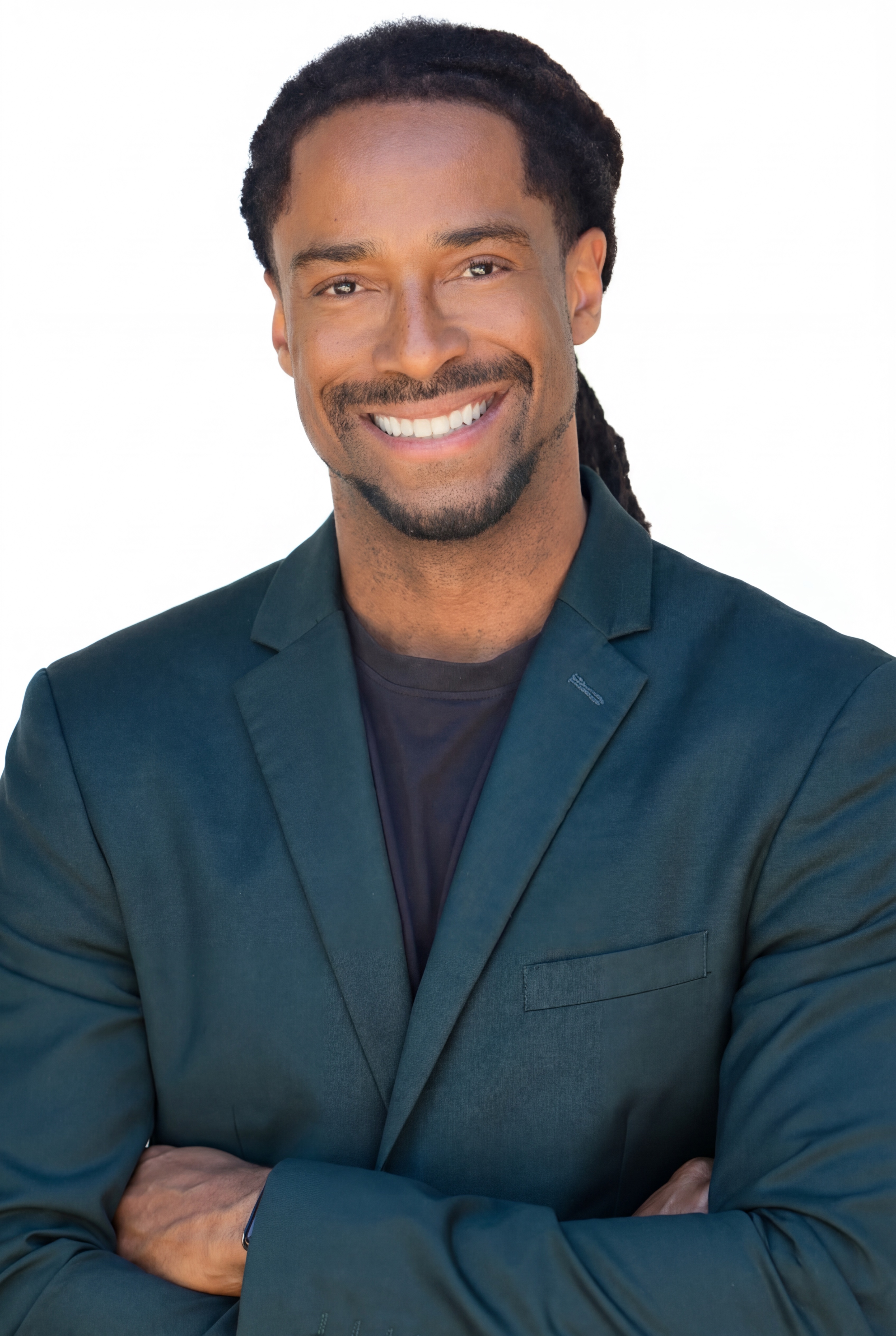
William “DJ Will Gill” Gilbert brings a mix of music, hosting, and real audience interaction to corporate events. His approach is built around keeping people engaged, not just filling the room with sound. Over the years, he has performed at more than 600 corporate events for organizations including AT&T Business, CDW, Virgin Galactic, Home Depot, Hilton, PepsiCo, PayPal, and the United Nations. His work has also been recognized by Forbes Next 1000 and The Wall Street Journal. He holds IMDb credits for Super Bowl LIV, the FIFA World Cup, the Formula 1 Las Vegas Grand Prix, The Voice, and Real World: Hollywood. Beyond his event work, Will is the founder of TheAIDJ.com a patent-pending AI playlist platform for modern music curators.
2,520+ Google Reviews · IMDB · Mixcloud · Instagram ·
Frequently Asked Questions
Why must emcees master virtual platforms?
Virtual is half the program now: the market reached $243 billion in 2025, growing 17.8% a year, with 123 million hybrid events.
Does hybrid raise attendance?
83% of organizers report higher attendance with virtual or hybrid, and a virtual component increases reach 2.5x.
Audio or video?
Audio; 70% of attendees say clear audio matters more than HD video.
What platforms should an emcee know?
Zoom, ON24, Bizzabo, Hopin and Webex.
What should planners ask?
The hire filter section lists the questions.