
Why DJs Still Matter in an Age of Highly Curated Music | DJ Will Gill
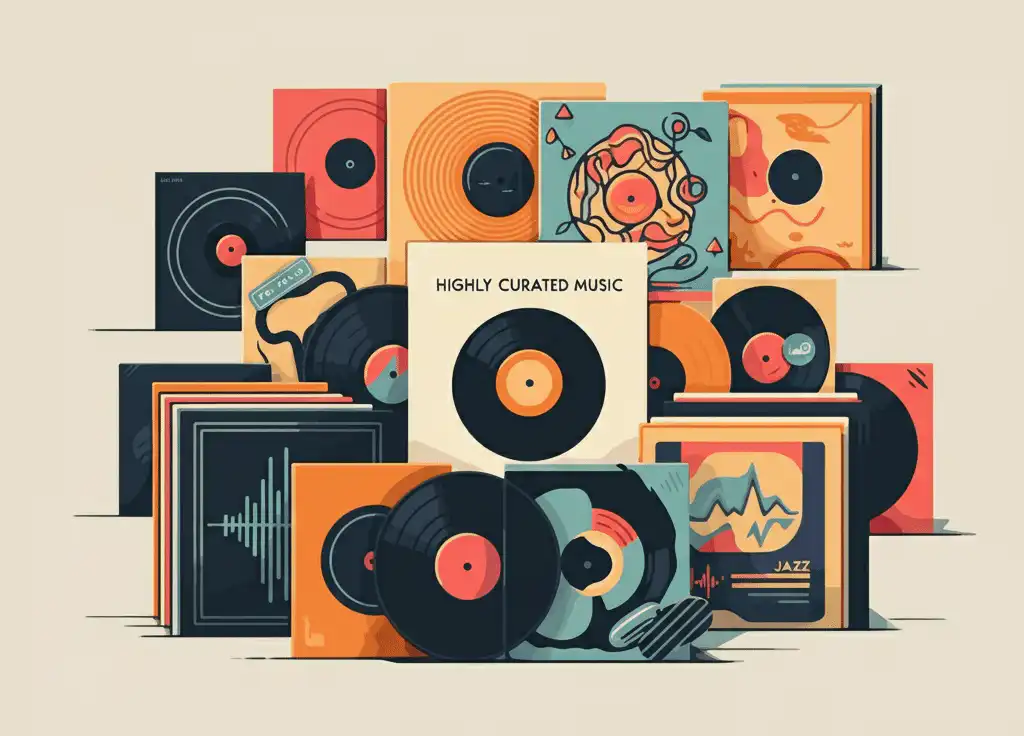
Streaming platforms put the world’s catalog at our fingertips and serve us curated playlists for every mood, every moment, every state of mind we can name. The age of highly curated music is real, and the algorithms behind it are good. Yet despite this convenience, DJs remain essential to the events and moments that matter most. Algorithms predict what we’ve liked. They can’t replicate the shared energy of a packed dance floor, the narrative arc of a live set, the moment when a DJ reads the room and pivots in a way no playlist could anticipate. The human element is still doing real economic work even as the algorithmic alternative has gotten more sophisticated.
This guide explores why the DJ role has not been disrupted by algorithmic curation despite predictions otherwise, what specific human capabilities still drive the value proposition, why streaming platforms themselves now invest in human curation, and where DJs and algorithms actually coexist productively rather than competing. DJs don’t just play songs. They craft experiences and read rooms and surface music that algorithms haven’t ranked yet which is why the art of DJing continues to thrive in the highly curated music environment of 2026.
Key Takeaways
→ The actual data is striking: AI-generated music has flooded platforms while listener attention has not followed. 2026 industry analysis documented that more than 33 percent of new uploads to Apple Music are now fully AI-generated, yet AI tracks account for less than 0.5 percent of total listening time on the platform with Deezer’s transparency report putting AI uploads at roughly 50 percent of new daily uploads. The market is voting with attention, not just downloads, and the vote favors human-driven curation by orders of magnitude.
→ Crowd-reading remains the irreducible DJ capability. 2026 industry analysis documented that algorithms can take time to learn the personal preferences of the user inputting parameters, and until they have enough data can deliver irrelevant results they also lack the capacity to read the crowd like a human DJ can, whereas an experienced DJ can have an intuitive sense of what song will work best. The crowd-reading capability is not a small advantage it is the entire reason DJs are hired for live events instead of speakers running Spotify.
→ Wedding and corporate event analysis consistently quantifies the gap. 2026 industry analysis documented that a wedding DJ does more than play music they guide the event, manage microphones and cues and timing, and provide a safety net for technical issues that a playlist offers no answer for. The event-DJ value extends beyond music selection into event production, vendor coordination, and live recovery from anything that goes wrong.
→ Streaming platforms themselves invest in human curation precisely because algorithms alone don’t deliver the experience. 2026 industry analysis documented that Apple’s curation relies more on human editors than algorithms the result is excellent curated playlists but weaker personalization while Spotify’s algorithm-driven playlists remain best in the business at surfacing music users will actually enjoy. Even the platforms with the most sophisticated algorithms hire humans to do the work algorithms can’t, which is the strongest possible argument for the durable value of human curation skill.
→ The future is hybrid, not zero-sum. Modern DJs use algorithmic tools for preparation, library management, and discovery support, then deliver human-led performance at the gig. 2026 industry analysis documented that there is a growing class of tools like PulseDJ that do not replace DJ software but plug into it as a recommendation engine, suggesting tracks based on what tends to work before or after a song. The DJ skill stack absorbs algorithmic tooling rather than getting displaced by it, and the curators who win the next decade will be the ones who handle the hybrid stack best.
Check out the clips below to see Will Gill performing at different events.
To book a corporate DJ and emcee for your next event, contact DJ Will Gill directly.
Beyond the Algorithm: The Human Element of Curation
An algorithm operates on data. It analyzes listening history, compares it to millions of users, and serves up tracks that statistical inference predicts will land. It’s a powerful tool for discovery, and the engineering behind modern recommendation systems is genuinely impressive. But the logic is based on patterns and probabilities about past behavior. It knows what someone has previously liked, not how the room feels in the next 30 seconds. A DJ operates on something different empathy, real-time observation, and live decision-making about what should happen next based on what’s happening now.
How Algorithmic Recommendation Actually Works
The pattern-matching layer. Modern streaming recommendation systems use collaborative filtering (people who liked X also liked Y), natural language processing (matching tracks to mood and context tags), and audio analysis (matching sonic characteristics like tempo, key, energy). The systems are excellent at finding tracks similar to what someone has liked before. They’re good at discovery within an established taste profile and reasonably good at finding adjacent material. The strength is also the limitation recommendation engines work from prior data, not from what would actually serve the moment if the moment changes.
What Empathy and Intuition Add That Pattern-Matching Can’t
The contextual-awareness layer. A DJ notices the couple who just got engaged on the dance floor, the friends erupting at a classic drop, the lone listener nodding off in a corner who needs a re-engagement track. Each of these is a real-time signal that no streaming algorithm has access to. 2026 industry analysis documented that algorithms lack the capacity to read the crowd like a human DJ can, whereas an experienced DJ can have an intuitive sense of what song will work best. The “intuitive sense” is actually accumulated pattern recognition from thousands of past gigs, combined with the specific data streams available only in the room.
Reading the Room as Real-Time Signal Processing
The live-feedback layer. Reading the room is itself a form of signal processing, but with inputs that algorithms can’t access. How full is the dance floor right now? What’s the average distance between guests and the speakers? Who’s sitting versus standing? Is the energy built sustainable for the next 30 minutes, or does it need a reset? These signals get processed in real time by a DJ who’s been doing this for years and can pattern-match the live read against thousands of past gigs. 2026 industry analysis documented that a pro DJ watches the dance floor like a hawk and pivots instantly if things dip. The pivot is the entire value proposition that a streaming playlist categorically cannot deliver.
The Limits of Predicted Preference
The future-state layer. Algorithms predict what someone will like based on what they liked yesterday. They don’t know that today is the listener’s anniversary, or that they just got promoted, or that they’re heartbroken, or that they’re attending an event where the appropriate energy is the opposite of their usual listening pattern. The mismatch between “what you’ve enjoyed before” and “what you need to hear right now” is precisely the gap that human DJs fill. The algorithmic alternative defaults to assuming continuity that often isn’t there.
The Art of the Journey: Building a Musical Narrative
A playlist, no matter how skillfully curated, is a collection of individual tracks. A DJ set is a story beginning, middle, and end, with deliberate construction of momentum, tension, and release. The narrative architecture is what transforms a four-hour event from a sequence of songs into a single experience that guests remember as one thing rather than many.
Three-Act Set Structure
The dramatic-architecture layer. Strong DJ sets borrow structure from screenwriting. Act One opens the room and establishes baseline energy. Act Two builds through engagement and pulls the audience into the experience. Act Three peaks and resolves into a controlled close. The three-act structure isn’t optional decoration; it’s the difference between a set that builds to something and a set that flatlines because every track is fighting to be the peak. Algorithmic playlists can’t do three acts because algorithms optimize for individual track engagement rather than aggregate set arc.
Energy Architecture Over the Full Set
The macro-design layer. A skilled DJ doesn’t just play high-energy track after high-energy track. The architecture is more nuanced moments of build, moments of release, strategic resets that make the next peak land harder, false summits that prepare the room for the real climax. Think of a three-hour set at a wedding or festival: atmospheric and low-tempo to warm up the room, then progressively introducing rhythm and layering sounds, then peaking in a sequence rather than a single song, then bringing energy down for a satisfying close. 2025 industry analysis documented that a playlist is static while a DJ is like a live mood ring for the party, sensing when the crowd needs a high-energy hit and when to slow things down for a romantic moment.
Tension and Release as Compositional Tools
The contrast-mechanic layer. Tension and release operate at multiple time scales within a set. Within a single song, the build and drop produce micro-tension and release. Across a 30-minute block, the progression from familiar to unexpected and back produces meso-tension and release. Across the full multi-hour set, the journey from arrival energy through peak to wind-down produces macro-tension and release. Strong DJs manage all three scales simultaneously, which is the kind of multi-layer composition that algorithmic playlists are not optimized to produce because they’re optimizing for engagement per track rather than experience over hours.
Why Static Playlists Plateau
The energy-bleed layer. A static playlist plateaus because it can’t respond to the room. The energy that worked at 9pm doesn’t work at 11pm when half the older guests have left, the kids are sleepy, and the remaining crowd has shifted demographically. The playlist plays the same tracks at 11 pm that it played at 9 pm because it doesn’t know what changed. A DJ shifts material in response to the shifted room and avoids the energy bleed that takes a wedding from packed dance floor to empty room over the course of a single 20-minute stretch.
Breaking New Ground: Discovery and Context
Algorithms are skilled at surfacing similar music. They’re less skilled at genuine discovery that takes a listener somewhere they wouldn’t have gone on their own. The reason is that structural algorithms are designed to keep users engaged, which means keeping them within a comfortable sonic territory where the friction of unfamiliar sound is minimized. DJs, especially those serious about their craft, function as musical archaeologists, spending countless hours digging through new releases, forgotten classics, and obscure tracks from around the globe.
How DJs Find Music: Algorithms Don’t Surface
The deep-dig layer. Strong DJs maintain active sources outside the major platforms, vinyl record stores, Bandcamp deep-dives, independent label mailing lists, peer recommendations from other DJs, and direct artist relationships. The catalog accessible through deep-digging includes thousands of tracks that algorithms can’t surface because they don’t have enough listener data to predict engagement. The unfamiliar tracks become the differentiated material that separates DJs from each other what one DJ digs up and works into a set is part of their personal craft signature, not something that could be replicated from a streaming subscription.
The “Co-Signing” Effect on New Artists
The contextual-validation layer. When a DJ introduces a new artist or little-known track into their set, they do more than play it; they give it context. By placing it between two familiar songs, blending it with a well-loved beat, or following it with a track that frames its sound, they create a bridge that helps listeners connect with material they wouldn’t have engaged with on their own. The co-signing effect helps break artists and push musical boundaries forward. Many entire genres and subcultures emerged from dance floors where pioneering DJs played different house from Chicago in the 1980s, techno from Detroit, drum and bass from London, and modern Afrobeats globally. None of this would have happened on streaming alone.
Genre Evolution from the Dance Floor Up
The bottom-up cultural layer. Music history shows that new genres emerge from local scenes where DJs are willing to play unfamiliar material, audiences respond, and the response feeds back into more DJs playing more of it until the genre crosses over. The dance floor functions as the testing ground for music that streaming platforms eventually catalog after the genre is established. Without DJs willing to take risks on unfamiliar sounds, the cultural pipeline that produces new genres would slow dramatically. This isn’t nostalgic theory, it’s still the structural mechanism by which new music becomes culturally visible.
Algorithmic Comfort Zones and Their Limits
The recommendation-confinement layer. The trade-off in algorithmic recommendation is well-documented. Optimizing for engagement produces tighter and tighter loops within a user’s existing taste profile. The result is that long-term streaming users often report their music feels narrower over time rather than wider, even though they have access to the world’s catalog. 2026 industry analysis documented that Bandcamp in January 2026 banned AI generated music entirely with the explicit policy “Keeping Bandcamp Human” the platform’s policy stated that they want musicians to keep making music and for fans to have confidence that the music they find on Bandcamp was created by humans. The platform-level pushback signals that the limits of algorithmic curation are visible enough to drive business strategy.
The DJ as a Community Builder
Music is a powerful force for connection, and DJs often serve as the gravitational center for local scenes. A DJ with a clear style and consistent vision builds loyal audiences who return week after week. The weekly residency becomes a cultural fixture. The events become gathering places for people who share an aesthetic to connect, dance, and share in a collective identity. This community-building function is invisible to streaming-platform analytics but central to why DJs continue to matter culturally.
Local Scenes and Cultural Gravity
The geographic-anchor layer. Strong DJs become geographic anchors. The Berghain residents define what Berlin sounds like. The boiler-room veterans in London anchor that city’s electronic identity. The Latin night DJs in Miami define Miami nightlife. The cultural gravity these DJs exert is real economic value they shape what their city sounds like, attract talent and audiences to specific venues, and create the conditions under which scenes thrive or wither. Algorithmic playlists can’t generate this kind of cultural gravity because they’re individual experiences, not collective ones.
Residencies and Recurring Crowds
The repeat-attendance layer. The DJ residency is one of the most distinctive features of dance music culture. A DJ plays a weekly or monthly slot at the same venue for years, builds a loyal audience that returns night after night, and develops a relationship with that audience that goes beyond any individual gig. The residency model produces social fabric in a way that algorithmic listening never can the recurring audience knows each other, has shared history at the venue, and creates the dense network effects that drive durable music scenes. None of this exists at scale on streaming.
From Listening Experience to Belonging
The identity-formation layer. Local music scenes function as identity formation infrastructure for people who connect through shared aesthetics. The teenager who finds their first DJ-led night discovers more than music they discover a community of people who hear what they hear, dress how they dress, and care about what they care about. Belonging is a psychological need that algorithmic listening can’t satisfy because it’s structurally solitary. The shift from “listening experience” to “belonging” is exactly what DJ-led events deliver that streaming categorically cannot.
Why Algorithmic Listening Stays Solitary
The platform-design layer. Streaming platforms are designed for individual listening, not collective experience. The algorithm optimizes for a single user’s engagement, the interface assumes one listener at a time, and the social features tacked on (collaborative playlists, Spotify Blend) feel like additions rather than central design. The result is that streaming, however convenient, produces solitary musical experiences. The DJ-led event produces collective ones. Both have value, but they serve different psychological and social needs, which is why both will continue to exist rather than one replacing the other.
Craft, Taste, and the Hybrid Future
The technical skill of DJing, beatmatching, blending, effects, transitions, and harmonic mixing is performance art in its own right. Watching a skilled DJ mix two tracks into one cohesive whole is a display of practiced craft. Beyond the technicals, taste is what defines a DJ’s reputation. Modern DJs are not anti-technology. The strongest curators use hybrid workflows: data and software to organize, intuition and experience to perform.
The Technical Performance Skills That Define Craft
The execution layer. Live DJ craft includes beatmatching, harmonic mixing, dynamic EQ work, effects deployment, sample triggering, and live remixing. Modern DJ software automates beatmatching to the point where the mechanical skill is no longer differentiating, which has pushed top DJs into higher-order skills: phrasing-aware transitions, harmonic compatibility decisions, and live effects work that adds something beyond the source tracks. 2025 industry analysis documented that wedding DJs live-mix songs with key-matching, beat drops, and surprise mashups to keep energy consistent. The execution craft is visible in real time and produces moments that no playlist sequence can replicate.
Taste as the Real Differentiator
The selection layer. Once mechanical execution is table stakes, taste becomes the actual differentiator between DJs. Taste is the accumulated judgment about what works at this moment for this audience in this room, and it’s what clients are really hiring when they hire a known DJ rather than a random one. Strong taste isn’t innate. It develops from thousands of hours of listening, hundreds of gigs of testing what lands and what doesn’t, and continuous refinement based on what audiences respond to versus what looks good on paper. The taste signature of a strong DJ is recognizable across their gigs and is the asset that produces repeat bookings.
Hybrid Workflow Data Plus Intuition
The integration layer. Top modern DJs use algorithmic tools for preparation (BPM analysis, key detection, library organization, recommendation surfacing) and then deliver human-led performance at the gig. 2026 industry analysis documented that there is a growing class of tools like PulseDJ that do not replace DJ software but plug into it as a recommendation engine, looking at aggregated play data from many parties and events, then suggesting tracks based on what tends to work before or after a song. The hybrid stack respects the strengths of both algorithms, handling data-intensive preparation; the DJ handles real-time judgment that requires actually being in the room.
Tools That Enhance Rather Than Replace
The amplification layer. The framing of “AI vs human DJs” misses how the actual market works. Modern DJ tools amplify what skilled DJs can do. They handle the tedious preparation work, surface obscure tracks the DJ might not have found, and recommend tracks based on harmonic compatibility and energy. The DJ then makes the actual selection decision based on the live read. Tools that enhance the DJ stay relevant. Tools that try to replace the DJ struggle because the core capability being replaced, real-time reading of the room, isn’t actually a problem that algorithms have solved.
The Unmistakable Power of the Live Experience
The enduring importance of the DJ comes down to the simple, powerful magic of shared human experience. Algorithms can deliver highly curated music, but not the bass through a properly-tuned room, the DJ’s flow across a multi-hour set, or the crowd’s shared joy during the moments that get remembered for years. These are moments of connection, spontaneity, and unquantifiable feeling, the things that streaming infrastructure was never designed to deliver.
Physiological Response to Live Bass and Volume
The embodied-experience layer. Live bass at an appropriate volume produces a physiological response that headphones at home don’t replicate. The chest-felt vibration of sub-frequencies, the room-filling presence of mid-range, the way a properly-mixed live system creates space that earbuds can’t generate, all of this is a physical experience that streaming categorically can’t deliver. The body responds to live sound in ways that recorded sound through small speakers can’t trigger, which is part of why people travel and pay for live experiences that streaming would deliver for free at home.
Crowd Synchronization and Collective Effervescence
The collective-experience layer. Sociologists describe “collective effervescence” as the energy a group generates when sharing a focused experience. Live DJ events produce this reliably, hundreds of people moving to the same music at the same time in the same space create something that none of them could create alone. The effect is real, measurable, and durable in memory. Streaming, by design, doesn’t produce collective effervescence because it’s structurally individual. The collective dimension is the entire reason people pay for tickets to events they could have streamed for free.
Memory Encoding at Live Events
The persistent-experience layer. Live DJ events are encoded in memory differently from streaming sessions. The combination of physical setting, social context, embodied response, and emotional intensity produces memories that get recalled years later in vivid detail. Streaming sessions, however enjoyable in the moment, rarely produce the same kind of durable memory. The asymmetry matters economically, clients hire DJs for events specifically because the events need to produce lasting memories, which is exactly the dimension where live human-led music outperforms algorithmic alternatives by a significant margin.
What Algorithms Will Never Deliver
The structural-limit layer. Some capabilities require human presence and judgment in a way that no algorithmic improvement will close. The DJ who notices that the bride’s grandmother just sat down looking emotional and pivots to a Sinatra track that makes her cry happy tears this isn’t a problem that more training data solves. The DJ who feels the energy shift in the room and pulls the next track from a backup crate rather than the planned set. This isn’t a problem that better recommendation engines solve. The structural limits of algorithmic curation aren’t technological; they’re definitional. Algorithms operate on past data. Live human-led performance operates in the present moment. These are different categories of work.
The Corporate Events Argument for Human DJs
The corporate events market is where the human DJ argument lands most concretely. Fortune 500 brands could absolutely run their events with streaming playlists. They overwhelmingly choose not to, even when the budget would allow either option. The reason is that corporate events are high-stakes brand expressions where the music has to do specific work that algorithms cannot reliably deliver.
Why Corporate Brands Hire DJs Over Streaming
The brand-expression layer. Corporate event programming is brand expression. The music says something about the company hosting the event: sophisticated, energetic, modern, traditional, adventurous, conservative. A skilled DJ tailors the sonic identity to match the brand intent and adjusts in real time based on how the audience responds. A streaming playlist running on autopilot can’t do brand-expression work because it doesn’t know what brand it’s expressing or what to do when the room signals that the expression isn’t landing. Fortune 500 procurement decisions reflect this. DJs are line-items at premium rates because they’re delivering brand-expression services that streaming categorically cannot.
ROI of Live Programming at Business Events
The financial-return layer. Corporate events represent significant investments in venue, catering, A/V, decor, and labor, which add up fast. The music is a small percentage of total event spend, but it disproportionately affects perceived event quality. A great DJ at a $250K corporate event makes the entire spend look like a hit; a mediocre playlist at the same event makes everything else feel like it didn’t quite work. The ROI math on hiring a strong DJ is structurally favorable because the music investment is small relative to total spend, but determines how guests remember the entire event. Strong corporate event planners understand this and prioritize accordingly.
Risk Management at High-Stakes Events
The downside-protection layer. Corporate events have meaningful downside risk. The CEO’s keynote was interrupted by a microphone failure. The product launch where the energy crashes during a critical moment. The customer appreciation dinner where the music kills conversation rather than supporting it. 2026 industry analysis documented that streaming through basic speakers often leads to volume issues, feedback, or technical problems while professional DJs prepare for every scenario, ensuring the music never stops. The risk-management dimension is of real value for corporate planners who can’t afford the embarrassment of an event going sideways because the budget cut corners on entertainment.
The Hospitality Layer Algorithms Can’t Provide
The service-orientation layer. Strong corporate DJs operate as hospitality professionals coordinating with venue staff, accommodating last-minute requests from event planners, managing microphones for VIP toasts, navigating the politics of executive requests, and serving as a calm point of contact when something else at the event goes wrong. The hospitality layer is invisible to anyone who hasn’t worked corporate events, but it’s central to why brands keep hiring the same DJs year after year rather than treating music as a commodity. Algorithms can’t deliver hospitality because hospitality is fundamentally about human judgment applied to other humans in real time.
Where DJs and Algorithms Actually Coexist
The most accurate framing of the DJ-vs-algorithm question isn’t competitive, it’s complementary. Each delivers different value, in different contexts, for different needs. The interesting question isn’t which one wins; it’s which one fits the specific situation. Strong DJs and strong algorithmic curation tools serve different parts of the same listener’s life without crowding each other out.
Discovery and Curation as Complementary Functions
The role-clarification layer. Algorithms excel at discovery within an established taste profile and at convenience at scale. Human DJs excel at curation for specific moments and at real-time judgment in live contexts. Both can coexist because they serve different listener needs. The commuter wants algorithmic personalization. The wedding wants a human DJ. The morning coffee wants curated mood playlists. The corporate gala wants a live DJ with a microphone. Each use case has a winner and there are more use cases than platforms competing for them.
When Algorithms Are the Right Tool
The use-case-fit layer. Algorithms are the right tool for solitary listening, background music at low-stakes events, mood-matching during routine activities, and discovery within an existing taste profile. 2026 industry analysis documented that Spotify remains the market leader with over 30 percent global market share because its algorithm-driven playlists like Discover Weekly, Release Radar, and Daily Mix remain the best in the business at surfacing music users will actually enjoy. The strength is real. It just doesn’t transfer to every context where music gets played.
When Only a DJ Will Work
The DJ-required layer. Some contexts categorically require a DJ. High-stakes events where music needs to do specific work for specific audiences in specific moments. Weddings where the timeline and emotional arc need to be managed live. Corporate brand expressions where someone needs to read the room and pivot. Live programming where the energy needs to build and resolve across hours. 2026 industry analysis documented that veteran festival organizers point out that technology must enrich the fan experience to deliver real value no amount of AI or holograms will rescue a show that lacks soul, and tech gimmicks often flop if they don’t enhance core fan needs. The “lacks soul” framing isn’t romantic it’s a specific business observation about what algorithmic curation doesn’t deliver.
The Future of Both
The coexistence layer. The future is not a zero-sum competition between algorithms and DJs. The future is a layered ecosystem where algorithmic curation handles convenience and discovery at scale while human DJs handle the moments where curation has to do real work for real audiences in real time. 2026 industry analysis documented that 99.5 percent of listening time remains dedicated to human-created music, with platform numbers structurally insulating the professional class from the algorithmic flood. The market is voting, the data is clear, and the conclusion is that human-led music composition, performance, and live curation continue to do the cultural work that algorithms still can’t.

About the Author
William “DJ Will Gill” Gilbert is a professional corporate DJ and Emcee serving the United States and beyond with 600+ documented corporate events through a three-in-one DJ, emcee, and audience engagement service model. Documented client work for AT&T Business, CDW, Virgin Galactic, NeoGenomics, Foot Locker, Home Depot, Hilton, BGCA, PepsiCo, PayPal, and the United Nations. Also a Forbes Next 1000 honoree with broadcast credits including Super Bowl LIV (2020), The Voice (2011), and MTV’s The Real World: Hollywood (2008). He is also a World Cup performer and a Formula 1 Las Vegas Grand Prix performer. The Wall Street Journal bestowed him the title DJ and Emcee for boosting morale.
2,520+ Google Reviews · IMDB · Mixcloud · Instagram · Contact
Frequently Asked Questions
Why do DJs still matter when playlists are so good?
Algorithms predict what you have liked; they cannot replicate a packed dance floor's shared energy, the narrative arc of a live set, or a DJ reading the room and pivoting.
Is AI music taking over listening?
No. The guide cites 2026 analysis showing more than 33 percent of new Apple Music uploads are AI-generated yet account for under 0.5 percent of listening time, with Deezer putting AI at roughly half of daily uploads.
What does a DJ add that pattern-matching cannot?
Empathy, intuition and real-time signal processing of the room.
What is the three-act set structure?
A musical narrative with energy architecture across the full set and tension and release as compositional tools, which is why static playlists plateau.
How do DJs help new artists?
Through discovery and the co-signing effect, surfacing music algorithms have not ranked yet.
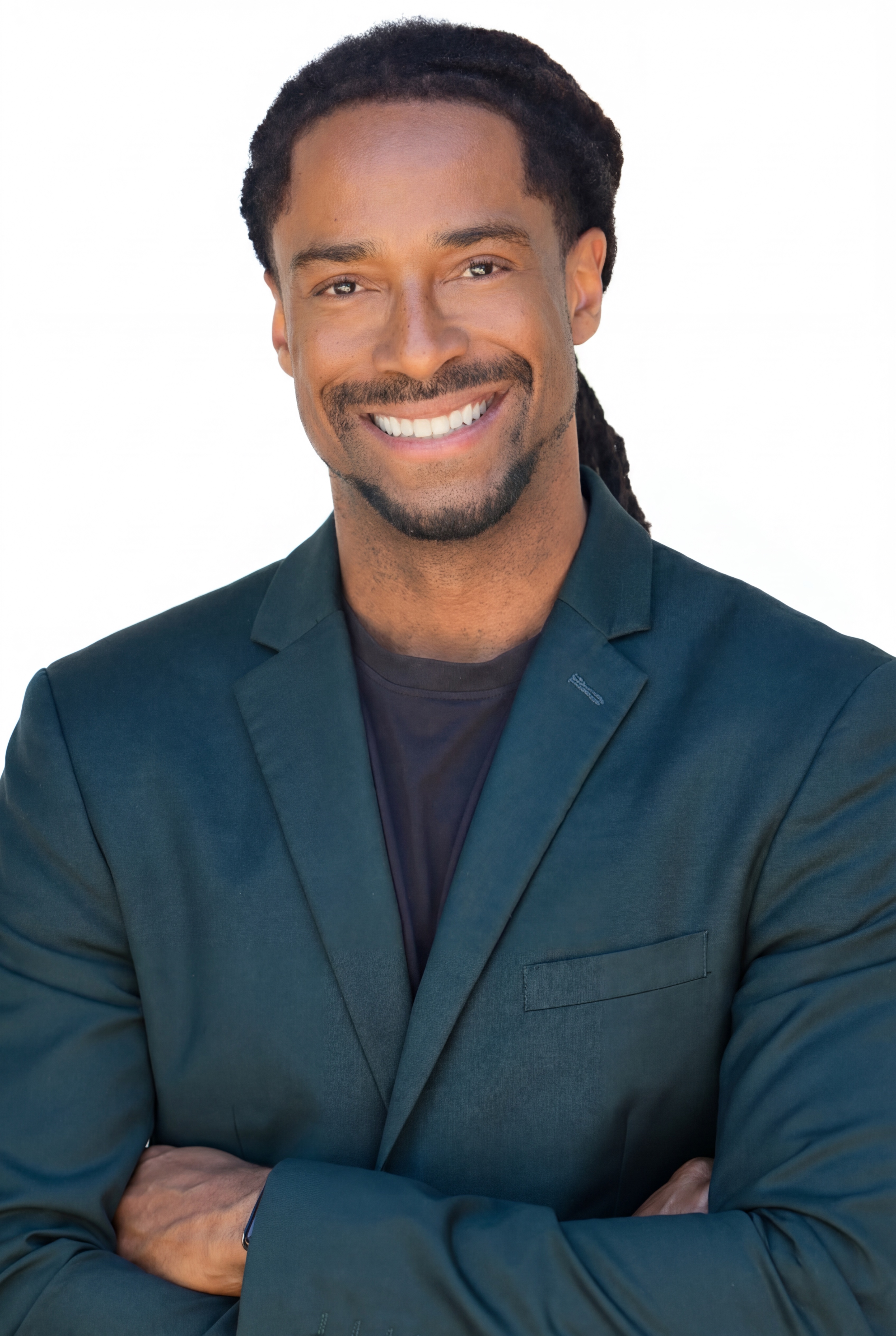
About DJ Will Gill
Will Gill is the Wall Street Journal’s #1 Corporate DJ, a Forbes Next 1000 honoree, and an MBE certified vendor operating as Faders and Fitness, LLC. He is a 3x Super Bowl performer, a World Cup performer, a Formula 1 performer and an MLB All-Star Game performer.
He delivers a 3-in-1 corporate service as DJ, emcee and one-man team-building show, with 2,520+ five-star Google reviews. See the Fortune 500 client roster or check your dates.