
What Are Magicians? A Beginner’s Guide to Magic
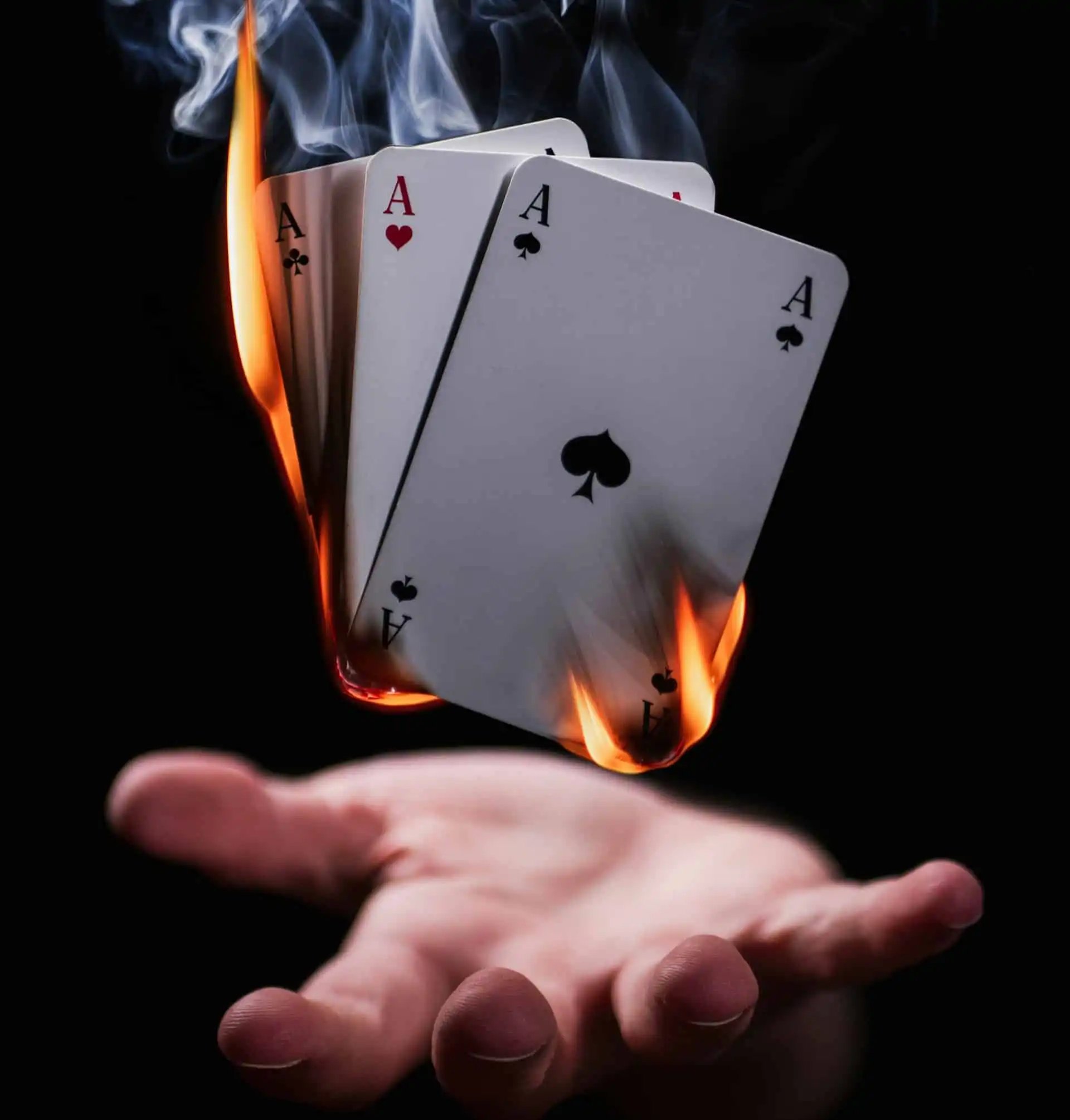
“What is a magician?” sounds like a simple question, but the answer has more weight than most planners realize. The corporate magicians who show up at conferences, galas, and trade shows in 2026 are working in a tradition that goes back roughly 4,000 years and the entire shape of the modern profession (its ethical code, its specialization paths, its organizing societies, its training infrastructure) is something a planner can use to make better hiring decisions.
This is the beginner’s guide that puts the rest of our coverage of magicians in context. The other articles in our Specialty Acts series cover the decision (10 reasons to hire a corporate magician), the process (what to expect when hiring), and the categories (how magicians do tricks at events). This piece zooms out on what magic is, where it came from, and how that 4,000-year history shapes the modern professional working your event.
Key Takeaways
→ A magician is a skilled entertainer who uses sleight of hand, misdirection, psychology, and showmanship to create the appearance of impossibility not someone claiming supernatural powers. The professional distinction Robert-Houdin and Houdini drew in the 19th century is still the foundation of how working magicians position themselves today.
→ Magic as performance has been documented for at least 3,800 years. The earliest written record of a conjuring effect is the tale of Dedi in the Westcar Papyrus, written during ancient Egypt’s Second Intermediate Period (c. 1782–1550 BCE) and recounting stories set during Pharaoh Khufu’s reign in 2589–2566 BCE (IFLScience).
→ The modern profession was effectively invented in 1845 when Frenchman Jean-Eugène Robert-Houdin opened the Théâtre Robert-Houdin in Paris and, in his own words, transformed magic “from a pastime for the lower classes, seen at fairs, to an entertainment for the wealthy” (Wikipedia; Britannica).
→ American magician Harry Houdini (born Ehrich Weisz) took his stage name as a direct tribute to Robert-Houdin, a small fact that captures how tightly the modern magic profession is built on the standards Robert-Houdin established.
→ Today’s professional infrastructure the Society of American Magicians (founded 1902), the Magic Circle (founded 1905), the International Brotherhood of Magicians (founded 1922), magic conventions, and the published magic literature is what separates corporate-tier performers from hobbyist entertainers. A planner who understands this infrastructure has a sharper filter for vendor selection than one who doesn’t.
DJ Will Gill brings the planner-side perspective on specialty entertainment vendors contact us if you’re building an entertainment roster.
What “Magician” Actually Means Today
In ordinary English, “magician” can refer to anything from a wizard in a fantasy novel to a kid with a deck of cards at a birthday party. For planners hiring a corporate magician, the working definition is much narrower and more useful: a magician is a skilled entertainer who creates the appearance of impossibility through a combination of sleight of hand, misdirection, applied psychology, prepared apparatus, and live performance craft.
The distinction matters. Magicians do not claim and have not claimed since Robert-Houdin’s 19th-century reforms to possess supernatural powers. The modern profession is built on the open premise that everything happening is a constructed effect. The mystery is intentional and bounded; the audience knows there’s a method even when they can’t see it. That implicit pact between performer and audience is what makes magic work as entertainment instead of as deception.
When a corporate planner brings a magician into a program, they’re hiring all of this at once: the technical skill, the live performance craft, and the cultural framework that has been stabilizing for more than a century. The contemporary professional magician is a working artist with a defined trade, formal organizations, published literature, and a professional ethical code. Closer in shape to a working musician or stage actor than to anything mystical.
A Brief History of Magic as a Profession
The earliest written record of a magic effect comes from ancient Egypt. The Westcar Papyrus, written during the Second Intermediate Period (c. 1782–1550 BCE), contains five short stories and the fourth recounts a tale set during the reign of Pharaoh Khufu (2589–2566 BCE, the builder of the Great Pyramid at Giza), in which a magician named Dedi is brought before the pharaoh and performs a series of impossible feats including reattaching the severed head of a goose (IFLScience; TheCollector). Scholars treat the Dedi story as fictional, but the papyrus itself is firmly historical making it, by most accounts, the oldest surviving text about magical performance.
For most of the 3,000+ years between ancient Egypt and the 19th century, magic existed as a low-status street trade. Performers worked fairs, markets, and street corners across Europe and the Mediterranean, often with limited social standing. During the Middle Ages, the line between magical entertainment and witchcraft was uncomfortably thin in many places, and the association limited the profession’s respectability for centuries. Cups and balls routines, sleight-of-hand with coins and ropes, and small mechanical apparatus were the working trade of conjurers who were closer in social position to traveling performers than to theater artists.
The 1845 transformation. The single most important event in the history of professional magic is the opening of the Théâtre Robert-Houdin in Paris in 1845. Jean-Eugène Robert-Houdin (1805–1871), a French watchmaker who had developed a deep interest in conjuring, opened a permanent theater dedicated to magic and presented his act in evening dress on a refined bourgeois stage. Wikipedia summarizes the shift: he “transformed magic from a pastime for the lower classes, seen at fairs, to an entertainment for the wealthy, which he offered in a theatre opened in Paris, a legacy preserved by the tradition of modern magicians performing in tails.”
Robert-Houdin’s innovations went beyond venue choice. He was the first magician to use electricity in his act, he exposed fraudulent spiritualists who claimed supernatural powers, and he replaced opaque mystery with what he called a plausible explanation, using familiar objects to create effects and giving audiences a sense that the performer was a skilled craftsman rather than a wizard. Britannica calls him “the father of modern conjuring.”
The Houdini era. Magic’s first true international superstar came a generation later. Ehrich Weisz, born in 1874, took the stage name “Houdini” as a direct tribute to Robert-Houdin, adding an “i” to the French magician’s surname. Houdini became famous worldwide in the early 20th century for daring escape acts: locked handcuffs, straitjackets, submerged tanks, and other elaborate confinements. He also continued Robert-Houdin’s tradition of debunking fraudulent spiritualists, publicly exposing methods used by mediums claiming to contact the dead.
The 20th century to today. Magic’s “Golden Age” carried into the early 1900s with theater-circuit stars like Howard Thurston and Harry Kellar. The 20th century then saw the profession move successively onto vaudeville stages, into film and television (with figures like David Copperfield reaching mass audiences in the 1980s and 1990s), and into the corporate and event-circuit work that dominates the working trade today. The Las Vegas residency tradition extended the theater-magic model; television specials and reality formats brought magic into the home; close-up magic and mentalism evolved into their own corporate-friendly sub-disciplines.
The Modern Profession’s Infrastructure
Robert-Houdin made magic theater-respectable, but the formal infrastructure of the modern profession was built in the first two decades of the 20th century, and that infrastructure is what most distinguishes corporate-tier magicians from hobbyists.
The Society of American Magicians (SAM) was founded in 1902. The oldest formal magic organization in the United States. SAM’s current ethics guidelines obligate members to oppose the willful exposure to the public of any principles of the Art of Magic or the methods employed in any magic effect or illusion. Membership requires demonstrating magical knowledge.
The Magic Circle (UK), founded in 1905. The British counterpart to SAM is based in London. The Circle uses an apprenticeship system, requires entrance examinations for full membership, and can expel members for “exposure,” publicly revealing magic methods. The Circle has expelled members as recently as 2026 for online exposure of effects.
The International Brotherhood of Magicians (IBM) was founded in 1922. Based in St. Charles, Missouri. IBM joined with SAM in 1993 to issue a joint ethics statement that codified the magician’s professional code into a single document covering secrecy, intellectual property, false statements, commercial rights, and even humane treatment of animals used in magic effects.
Conventions, literature, and clubs. The IBM and SAM both run annual conventions; local chapters (“rings” for IBM, “assemblies” for SAM) meet regularly across North America. A substantial amount of published magic literature books, magazines, instructional videos circulates within the community, generally not available to non-magicians. Mentor-apprentice relationships, lectures by senior performers, and informal critique sessions are how most working magicians develop their material beyond a hobbyist level.
This is the infrastructure that distinguishes magic as a working profession rather than a hobby. A magician who has been an IBM member for 15 years, attends the annual conventions, has performed at SAM events, and has material that has been critically reviewed by peers is in a fundamentally different position than someone who learned tricks from YouTube and started taking gigs last year.
What Corporate Magicians Inherited From This History
The corporate stream of the modern profession is, in some ways, the cleanest inheritor of the Robert-Houdin lineage. Several of his innovations show up almost unchanged in 2026 corporate work.
The theatrical-respectability principle. Robert-Houdin’s most enduring contribution was making magic appropriate for refined adult audiences. Corporate magicians work within that exact tonal range, funny without being crass, mysterious without being theatrical to a fault, sophisticated enough for executive rooms. The “tails and evening dress” tradition has loosened into corporate-appropriate dress, but the principle is the same: presentation matters as much as the trick.
The ethical code. The IBM/SAM joint ethics statement and the Magic Circle’s exposure rule descend directly from the same professionalization push Robert-Houdin began. Corporate magicians who are members of these organizations have agreed, in writing, to maintain the secrecy norm. This is one reason a corporate magician is structurally a different vendor from a kids’ party performer; the corporate stream is much more likely to have actual ties to the formal infrastructure.
The specialization tradition. Robert-Houdin specialized in automaton-driven illusions, electricity-based effects, and second sight routines. Houdini specialized in escape. The professional tradition has always treated deep specialization as a mark of seriousness, and corporate magicians today follow the same pattern: a close-up specialist works close-up, a mentalist works mentalism, a stage illusionist works stage. The corporate magicians who win repeat bookings tend to be the ones who own a specialty rather than dabble.
The apprenticeship and literature culture. The Magic Circle’s apprenticeship system, the IBM and SAM ring/assembly meetings, and the published magic literature are how working magicians actually develop. A planner vetting a candidate is, indirectly, vetting whether the candidate is plugged into this infrastructure. The ones who tend to perform at a measurably different level than the ones who aren’t.
What This Means When You’re Hiring
Historical context is interesting on its own terms, but the practical translation for a planner is direct: the deeper a candidate’s connection to the formal magic profession, the more reliably they perform at a corporate-event level. Three specific filters fall out of the history.
Look for organizational affiliation. Active IBM, SAM, or Magic Circle membership is a signal that a magician is plugged into the professional infrastructure, the conventions, the literature, and the critique culture. It’s not a guarantee, but the median IBM member is meaningfully more polished than the median magician with no organizational connection. Ask in the pre-booking call which magic organizations the candidate belongs to and how long they’ve been involved.
Look for specialization, not breadth. The historical tradition has always favored specialization. A magician who claims to do “all kinds of magic” is more likely to be early in the corporate-tier curve than one who specializes in close-up or mentalism. The categories are covered in our category guide, but the meta-point is that specialization tracks with experience and corporate readiness.
Look for corporate-specific performance time. Robert-Houdin’s theatrical-respectability standard is what defines corporate work. A magician who has done 200+ corporate events is performing in a tradition that’s roughly 180 years old; one who has done 20 wedding receptions is in a different tradition entirely. Ask about corporate event volume, not total events worked.
Use the cluster guides together. This article is the context piece. For deployment formats and 2026 rate ranges, see our 10 reasons piece. For the booking workflow vetting, contracts, deposits, and pre-event prep, see what to expect when hiring. For the six performance categories and the professional secrecy ethic, see how magicians do tricks at events. Together with this background piece, the four articles cover the full planner field.
About the Author
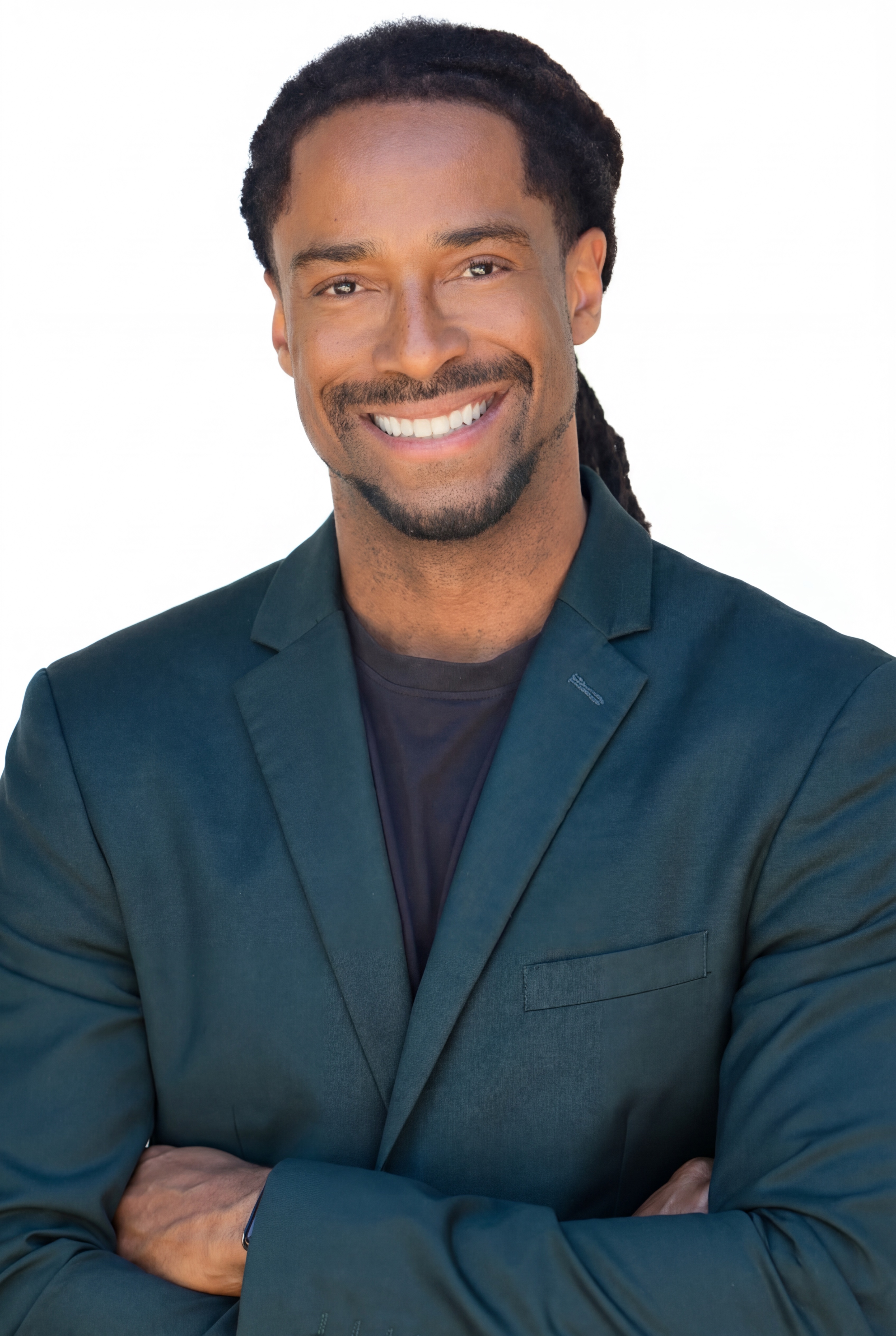
William “DJ Will Gill” Gilbert is a corporate event DJ, emcee, and audience engagement specialist, not a magician, and writes about specialty entertainment from a planner-side perspective shaped by 600+ corporate events worked alongside professional magicians. For magic-specific bookings, planners should consult specialty agencies (GigSalad, The Bash) or work directly with established corporate magicians with verifiable conference experience and active membership in formal magic organizations. Will is ranked the #1 Corporate DJ by The Wall Street Journal, recognized by Forbes (Next 1000), and has 2,520+ five-star reviews from corporate planners.