
What Is an Annual Sales Kickoff Meeting? 2026 Definition + Format Guide
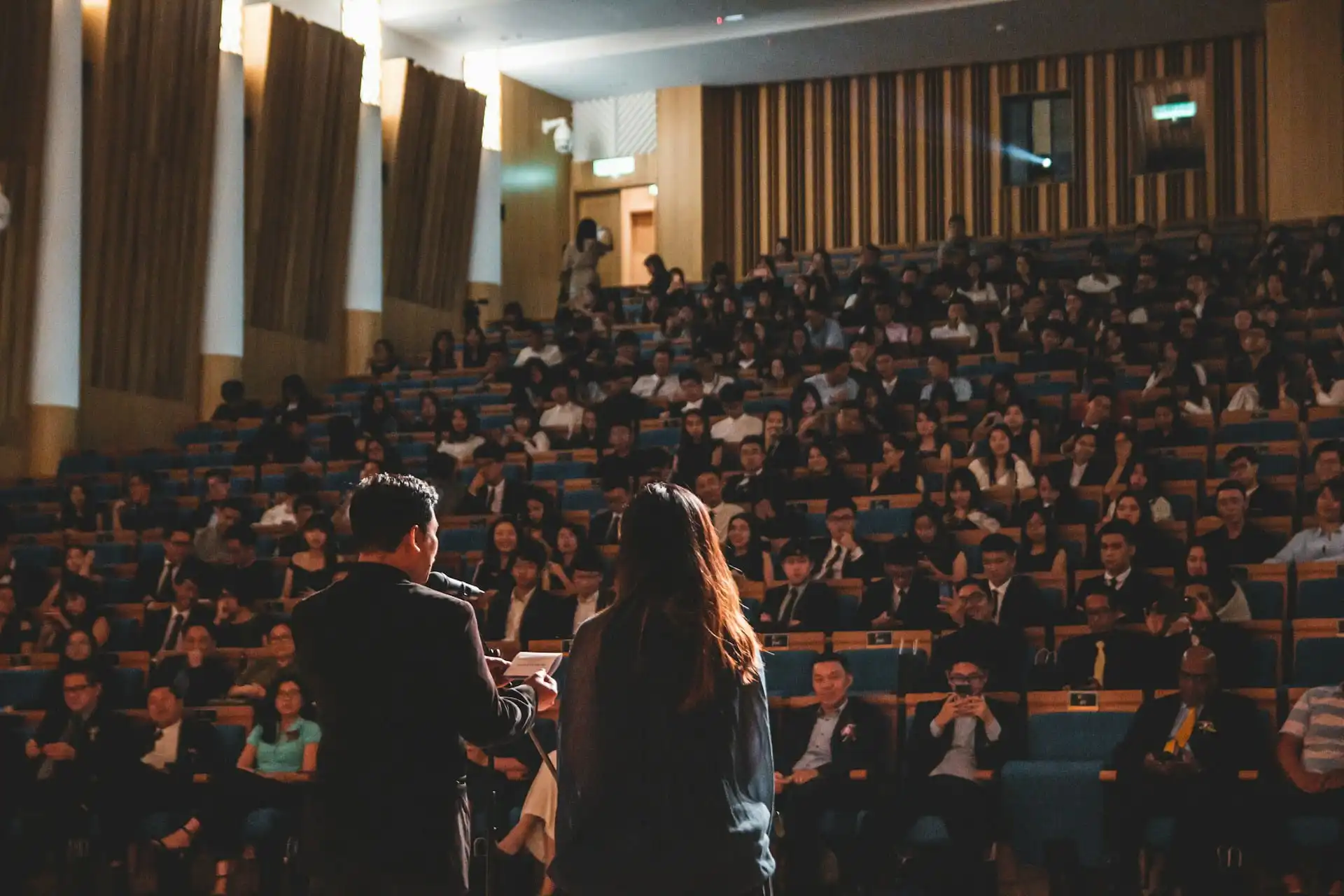
An annual sales kickoff meeting commonly abbreviated as SKO is the structured corporate event a company holds at the start of its fiscal year to align its sales organization on the year’s strategy, train the team on new products and methodology, recognize past performance, and generate the energy needed to launch into the new year’s pipeline. The SKO sits at the intersection of strategic communication, enablement training, recognition programming, and team-building, which is why it functions as one of the most operationally consequential events on the corporate calendar despite typically representing only one to three days out of the year. For most US companies, the SKO is the single largest sales-organization gathering of the year and the most expensive piece of sales-team programming per attendee that finance approves.
This guide covers what an annual sales kickoff is, who attends, when it happens, what the typical agenda looks like, why companies invest in the format, and what the 2026 SKO landscape looks like in terms of format split, cost benchmarks, and AI integration. It functions as the gateway article for the broader sales kickoff content cluster for deeper coverage of specific aspects of SKO planning, the companion guides on how to do a sales kickoff, why have a sales kickoff, and SKO topics walk through each piece of the program in detail.
Key Takeaways
A sales kickoff meeting is a structured annual corporate event combining strategic communication, sales enablement training, recognition programming, and team-building into one to three concentrated days at the start of the fiscal year. Prospeo’s 2026 SKO benchmark analysis documents the typical investment band at $2,000 to $5,500 per attendee for in-person SKOs and roughly $3,144 as the US average per-attendee cost which means a 200-person SKO represents approximately $628,000 in total event spend, with the agenda combining executive keynote sessions, breakout training, recognition ceremonies, and team-building programming. The SKO is one of the highest-leverage events on the corporate calendar precisely because it concentrates the year’s strategic communication into a single multi-day window where the entire sales organization is present and attentive.
SKOs are calendar-concentrated in January and February for most US companies, with secondary peaks in late summer for companies on non-calendar fiscal years. GoGather’s 2026 corporate event analysis documents the 6-9 month lead time most companies use for SKO planning, with venue contracts typically signed in late September or early October for January-February events. The concentration creates predictable scarcity in the corporate event vendor market preferred venues, keynote speakers, and event production teams book out quickly for the SKO window, which means planning teams that wait until November or December to start sourcing consistently end up paying more and accepting suboptimal venues. The strongest SKO planning teams operate on a 6-9 month forward calendar and lock major decisions well before the holiday season.
The 2026 SKO format landscape splits across in-person, hybrid, and virtual programming with different cost and effectiveness profiles. Prospeo’s 2026 virtual SKO analysis documents that approximately 52% of the US workforce now operates in hybrid arrangements, which has shifted SKO format expectations meaningfully since 2020. jshay.events’ 2026 SKO planner survey documents that 59% of planners still expect to run in-person SKOs in 2026, but hybrid format is growing as the largest single non-in-person category particularly for companies with significant regional or international distribution where flying the entire field to one location is prohibitively expensive. The format decision drives the venue, vendor, and budget conversations for the rest of the planning cycle.
AI integration is the single largest new agenda category in 2026 SKO programming. Highspot’s March 2026 SKO planning analysis identifies AI readiness as the dominant theme across 2026 SKOs not just as a sidebar training topic, but as a primary strategic communication category that runs throughout the agenda. The reason is operational: the AI tools sales teams now use (Microsoft Copilot, Salesforce Einstein, role-specific AI workflow tools, prospecting and outreach AI platforms) have shifted from optional to expected, which means SKOs are now where companies establish baseline AI competency expectations and roll out the workflow standards reps are expected to use throughout the year. AI hands-on labs, AI co-creation sessions, and role-specific AI workflow breakouts are now standard agenda components rather than optional add-ons.
The SKO is one of the few corporate events where the ROI argument is well-documented and quantifiable. Prospeo’s 2026 SKO ROI analysis documents specific ramp-acceleration math for SKOs that include strong manager enablement: a 30-day reduction in new-hire time-to-quota for a 20-person cohort produces approximately $385K in additional pipeline contribution at typical SaaS quotas which means even modest improvements in onboarding effectiveness produce substantial returns. SiftHub’s January 2026 SKO analysis reinforces the point with the broader stat that SKOs with strong reinforcement infrastructure produce a 38% measurable improvement in sales team performance against a baseline of no SKO at all. Companies that frame the SKO as a discretionary morale event rather than a measurable investment consistently underinvest in the formats that drive the strongest ROI.
Watch DJ Will Gill perform live. Contact him now to book your event.
“The annual sales kickoff is the single largest sales-organization gathering of the year and the most expensive piece of sales-team programming per attendee that finance approves. At $3,144 per attendee on average, a 200-person SKO is a $628,000 investment in one to three days.”
Sales Kickoff Meeting at a Glance: The 2026 Industry Baseline
| Dimension | 2026 Industry Baseline |
| Per-Attendee Cost (US Average) | $3,144 (typical range: $2,000–$5,500) |
| Typical Duration | 1–3 days (most SKOs run 2 days) |
| Peak Season | January–February (secondary: August–September) |
| Planning Lead Time | 6–9 months (venue contracts typically locked by late Sep/early Oct) |
| Format Split | 59% in-person, growing hybrid share, virtual minority |
| Practice-Time Discipline | 30% of agenda should be active practice, not passive content |
| CEO Keynote Duration | 30–45 minutes maximum (longer reduces retention) |
| Content Retention Without Reinforcement | 80%+ of SKO content forgotten within weeks |
| 2026 New-Theme Standard | AI integration as primary strategic communication category |
| ROI Reference Point | 38% measurable performance improvement (SKO vs. no-SKO baseline) |
Data compiled from Prospeo 2026 SKO benchmarks (per-attendee cost, virtual SKO landscape, 30% practice rule, 30/45-min keynote discipline, 80%+ forgotten), SiftHub January 2026 (38% performance lift), Highspot March 2026 (AI integration), GoGather 2026 (6-9 month lead time), and jshay.events 2026 (59% in-person planner expectation).
What an Annual Sales Kickoff Meeting Is
An annual sales kickoff meeting is a structured corporate event that brings together a company’s sales organization at the start of the fiscal year to communicate the year’s strategic priorities, train the team on new products and methodology, recognize prior-year performance, and generate the team alignment and energy needed to launch into the year’s pipeline activity. The SKO functions as the operational and strategic reset for the sales organization it’s where the prior year is closed out, the new year’s expectations are set, and the field walks away with a shared understanding of what the company is trying to do and what the team is being asked to execute. GTM Club’s 2026 SKO planning guide frames the format as the moment when leadership communicates significant changes in sales methodology, organizational structure, or company-wide strategy which is why the SKO carries disproportionate weight relative to its calendar duration.
The SKO is structurally different from a quarterly business review (QBR), a regional sales meeting, or a product launch event. QBRs focus on performance analytics and forecast accuracy with smaller audiences (typically just managers and leaders). Regional sales meetings cover localized execution and don’t carry the strategic-communication weight of the SKO. Product launches focus on specific product enablement rather than the broader year’s strategy. The SKO is unique in that it combines all of these elements into a single multi-day event with the entire sales organization present which is what makes it both expensive and high-leverage. For deeper coverage of what should be included in the SKO agenda specifically, the companion article on SKO topics walks through the full content category breakdown.
Who Attends, When It Happens, and How Long It Runs
The attendee mix for a sales kickoff depends on company size and operating model. At a minimum, the SKO includes the entire field sales organization (account executives, account managers, business development reps), the sales leadership layer (regional VPs, sales directors, first-line managers), and the sales enablement and operations functions that support the field. Most SKOs also include the marketing leadership that the sales team collaborates with daily, customer success leadership for companies where post-sale retention is part of the sales conversation, and the executive sponsors typically the CEO, CRO, and Chief Customer Officer who deliver the main-stage strategic communication. GTM Club’s 2026 SKO planning analysis notes that the strongest SKOs include cross-functional representation rather than running as sales-only events, because the strategic alignment work the SKO is designed to accomplish requires the supporting functions to be in the room.
The timing is calendar-driven. For US companies on a January-December fiscal year (the majority), SKOs typically run in mid-to-late January or early February, immediately after the holiday close and the prior year’s financial wrap-up. Companies on non-calendar fiscal years (a meaningful minority, particularly in tech) often run SKOs in August or September instead, anchored to their fiscal year start. The duration varies by company size and budget: smaller SKOs run as a single day, mid-size SKOs typically run two days, and larger or more comprehensive SKOs run three days with optional pre-event manager training adding a fourth. GoGather’s 2026 corporate event analysis documents the 6-9 month lead time most companies use for SKO planning, which means the venue, vendor, and theme decisions are typically locked by the previous summer well before the actual event.
What Actually Happens at a Sales Kickoff
The typical SKO agenda follows a recognizable pattern, though the specifics vary substantially across companies. Day 1 usually opens with the CEO or CRO strategic keynote the main-stage moment where leadership communicates the year’s strategic priorities, organizational changes, and high-level performance expectations. The opening keynote is typically followed by product roadmap presentations from product leadership, the year’s go-to-market strategy from marketing, and competitive positioning content that gives the sales team the framework they’ll use throughout the year. The afternoon of Day 1 often shifts into structured breakout sessions where reps split into role-specific or region-specific groups for deeper enablement programming.
Day 2 typically centers on hands-on practice and skill-building. Prospeo’s 2026 SKO benchmark analysis identifies the 30% practice rule as the strongest single design discipline for SKO effectiveness at least 30% of total agenda time should be active practice (role-play, simulation, AI co-creation labs, deal-practice exercises) rather than passive content delivery. Day 2 is typically where this practice programming lives, alongside customer panels, manager enablement breakouts, and the methodology training that gets translated into actual rep behavior after the event. Day 3 (when present) typically focuses on recognition programming, action planning, and the closing energy moment awards ceremonies, top-performer recognition, and the final strategic call-to-action that the field walks back to their desks carrying. The companion articles on SKO meeting ideas that drive results and the best sales kickoff games cover the specific tactical programming options in deeper detail.
Why Companies Invest in Annual Sales Kickoffs
The financial case for the SKO is concrete and well-documented. Prospeo’s 2026 SKO ROI analysis documents the ramp-acceleration math: a 30-day reduction in new-hire time-to-quota for a 20-person cohort produces approximately $385K in additional pipeline contribution at typical SaaS quotas. The SKO is one of the highest-leverage moments in the calendar for delivering the enablement content that drives this acceleration, because the entire team is present, attentive, and operating in a learning mode that’s hard to replicate in regular weekly programming. SiftHub’s January 2026 SKO analysis documents the broader stat that SKOs with strong reinforcement infrastructure produce approximately a 38% measurable improvement in sales team performance against a baseline of no SKO at all.
The non-financial case is harder to quantify but equally important. Sales work is emotionally demanding the rejection rate is high, the cycles are long, and the daily friction of building pipeline against quota produces measurable wear on motivation over the course of a year. Inspirational Leadership Speakers’ 2026 SKO analysis reports that only 17% of employees feel motivated to come to work on an average day, which means the baseline state of sales reps in January is typically a baseline of disengagement that needs to be actively reset before the year’s pipeline work begins. The SKO is one of the few formats reliably effective at this reset it gives reps a concentrated experience of energy, recognition, and strategic clarity that they carry back into their daily work for measurable weeks after the event. For deeper coverage of the business-case argument, the companion article on why have a sales kickoff walks through the full ROI framework.
The 2026 Sales Kickoff Landscape: Format, Cost, and AI Integration
The 2026 SKO landscape is defined by three structural shifts from the pre-pandemic baseline. The first is format diversification in-person SKOs are still the dominant format, with jshay.events’ 2026 planner survey documenting that 59% of planners expect to run in-person events in 2026, but hybrid programming has emerged as the meaningful second category for companies with regional or international distribution. Prospeo’s 2026 virtual SKO analysis notes that roughly 52% of the US workforce now operates in hybrid arrangements, which has permanently shifted SKO design considerations even fully in-person SKOs now typically include hybrid components (recorded executive talks, asynchronous follow-up programming, virtual breakout options for reps who can’t travel).
The second shift is cost. Prospeo’s 2026 SKO benchmark data documents the typical per-attendee cost band at $2,000 to $5,500 for in-person SKOs, with the US average sitting at roughly $3,144 per attendee. For a 200-person SKO, that’s a $628,000 total event spend, with the typical allocation following the 25-25-25-25 rule roughly 25% venue and F&B, 25% production and AV, 25% content and speakers, and 25% travel and accommodations. The cost trajectory has been steady upward over the past three years driven primarily by venue and F&B inflation in the major SKO destination cities; see the companion article on the best location for a sales kickoff event for the city-by-city cost analysis.
The third shift is AI integration. Highspot’s March 2026 SKO planning analysis identifies AI readiness as the largest single new agenda category across nearly every 2026 SKO. The reason is operational: the AI tools sales teams now use day-to-day have shifted from optional to expected, which means SKOs are now where companies establish baseline AI competency expectations, roll out the workflow standards reps are expected to use, and run the hands-on practice that turns AI tool concepts into repeatable behavior. AI hands-on labs, AI co-creation sessions tied to actual deal data, and role-specific AI workflow breakouts are now standard agenda components rather than optional add-ons. SalesHood’s March 2026 SKO guide reinforces that the strongest 2026 SKOs integrate AI content into the broader strategic narrative rather than treating it as a sidebar topic, which is what makes the difference between AI training that sticks and AI training that gets forgotten by Q2.

DJ Will Gill
Will Gill is a corporate DJ, emcee, and audience engagement specialist whose January-February calendar is concentrated in annual sales kickoffs across the US a Forbes Next 1000 honoree, the Wall Street Journal’s #1-ranked corporate DJ and emcee, with 2,520+ five-star Google reviews across 600+ annual corporate engagements. His 3-in-1 service combining DJ programming, emcee leadership, and game show production was developed specifically for the SKO and corporate conference environments where executive content, recognition programming, and team energy all need to land in the same multi-day window. Client roster spans Google, Amazon, Microsoft, Salesforce, the United Nations, and the Boys & Girls Clubs of America. See his on-stage credits on IMDb. Reach out to discuss your 2026 sales kickoff programming.
Corporate Events Hosted Annually
Five-Star Google Reviews
WSJ-Ranked Corporate DJ and Emcee