
What Is a Playlist Curator? | Complete Guide
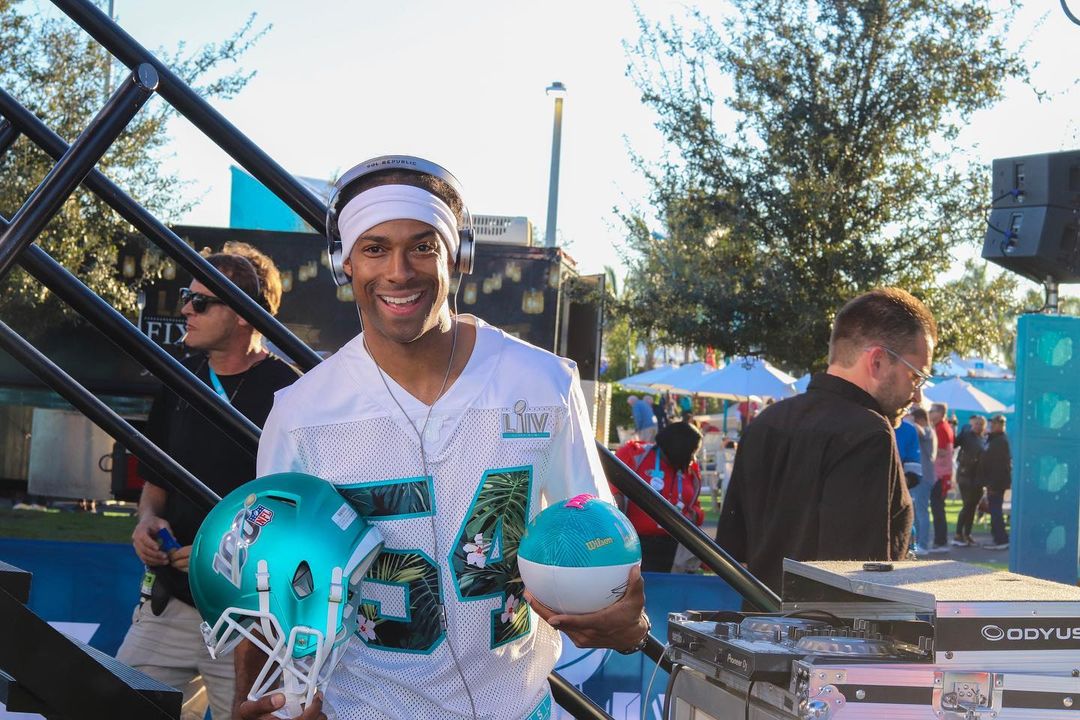
A playlist curator is a person who selects, organizes, and maintains music playlists for a defined audience, purpose, or context. In the streaming era, playlist curators have become some of the most consequential figures in music discovery the people who determine which artists and tracks reach new listeners and which get buried in an ever-expanding catalog of tens of millions of songs. Whether they work for a major streaming platform’s editorial team, operate independent niche playlists, direct music programming at radio stations, or perform as live DJs at events, playlist curators share a common function: translating a vast and often overwhelming selection of music into coherent, targeted listening experiences.
This guide explains exactly what a playlist curator is, what they do on a day-to-day basis, what skills the role requires, how they affect both listeners and artists, where they work, and how the role is evolving in an environment where algorithmic and AI-generated playlists are increasingly competing with human curation for listener attention.
Want to curate like a pro? Start here.
Introducing TheAIDJ.com
Curators live and die by flow. Tell AIDJ a mood or occasion, watch it assemble a playlist that blends, preview it, and export. The easiest way to experience real curation in minutes.
Key Takeaways
Playlist curation is not just a consumer-side activity it is a professional role with measurable commercial impact. According to Spotify’s Loud & Clear 2024 report, editorial playlist placement the most visible form of professional curation is one of the most impactful discovery mechanisms available to emerging artists, capable of driving millions of streams and converting previously unknown listeners into dedicated fans within days of a release.
The role of a playlist curator requires a specific and distinct skill set from that of a music fan or casual listener. Deep genre knowledge, analytical understanding of listener behavior data, sequencing intelligence, trend awareness, and the ability to communicate and maintain relationships with artists and their management teams are all active professional requirements not incidental hobbies.
Independent playlist curators those who build and maintain their own public playlists on Spotify, Apple Music, and YouTube Music can develop commercially significant audiences. Curators with 10,000+ playlist followers become legitimate discovery channels for artists and earn income through brand sponsorships, label partnerships, and curator-for-hire arrangements.
Live event DJs are playlist curators operating in the highest-pressure, highest-stakes version of the role: they make curation decisions in real time, with immediate audience feedback, in service of a specific event and crowd that have never existed in this exact combination before. According to the Event Marketer 2024 Event Experience Report, music programming is among the top three factors determining attendee satisfaction at corporate events making live DJ curation a direct business-outcome decision for event planners.
Algorithmic playlists and AI-generated recommendations do not replace playlist curators they compete in a different use case. Algorithms optimize for pattern completion and engagement retention within existing listener preferences. Human curators optimize for discovery, emotional resonance, and contextual appropriateness capabilities that require judgment, cultural awareness, and real-time observation that no current AI system can fully replicate.
“The playlist curator’s job is to make music feel inevitable to put exactly the right track in front of exactly the right listener at exactly the right moment. An algorithm can approximate this. A great curator makes it feel personal. That difference is why the role still matters, and always will.”
Who Is a Playlist Curator?
A playlist curator is a music professional or enthusiast who takes responsibility for the selection, sequencing, and ongoing maintenance of a music playlist intended for a specific audience. The “curation” in the title distinguishes this role from simple music consumption: a curator is not just listening to music they like, but actively making editorial decisions about which tracks serve a defined purpose for a defined listener group.
The title encompasses a wide range of professional contexts. At Spotify, “playlist curator” describes the members of the editorial team who build and maintain flagship playlists like “RapCaviar,” “Today’s Top Hits,” and “Deep Focus” full-time professionals with deep genre expertise, data analytics access, and relationships across the music industry. At an independent level, “playlist curator” describes anyone who has built a public playlist on a streaming platform and actively maintains it for a following. In live event contexts, a professional DJ serves as a real-time playlist curator, making every track selection decision on the fly in response to a specific crowd and set of event conditions.
What all of these contexts share is the core act of curation: exercising judgment, knowledge, and taste to select music that serves a listener beyond what that listener could easily find on their own.
What Does a Playlist Curator Do?
The daily work of a playlist curator involves several distinct activities that together constitute the full scope of the role.
Discovery is the foundation. Curators must continuously identify new music that fits the identity and audience of their playlists. This requires active engagement with new releases across their target genre, monitoring of music media publications, attendance at shows and industry events, and relationship-building with artists and their teams. According to Spotify’s Loud & Clear 2024 transparency report, Spotify adds tens of thousands of tracks to its catalog every single day making systematic discovery processes essential for any curator whose playlist is supposed to reflect current releases and trends.
Selection is the editorial judgment call that follows discovery. From the music a curator has encountered and evaluated, they choose which specific tracks earn inclusion in a specific playlist. This decision is governed by a set of criteria that includes musical quality, fit with the playlist’s established sonic identity, fit with the existing track list at the sequencing level, and the curator’s judgment about what the playlist’s audience needs at this point in time.
Sequencing the order in which tracks appear is a professional skill that separates serious curators from casual ones. The sequence of a playlist determines its energy arc, its emotional flow, and whether it creates a coherent listening experience or a random collection of individually good tracks. Good sequencing considers key compatibility between adjacent tracks, BPM progression and variance across the full playlist, mood transitions that feel natural versus jarring, and the placement of “anchor” tracks (familiar, high-recognition tracks) at strategic points to maintain listener engagement.
Maintenance is the ongoing operational requirement of the role. Playlists that are not updated lose listener interest, lose algorithmic relevance on streaming platforms, and cease to reflect the curator’s actual musical knowledge and taste. Maintaining a playlist means regularly reviewing its contents, removing tracks that have become overplayed or no longer fit the playlist’s direction, adding new material, and responding to listener feedback and platform analytics data.
Types of Playlist Curators
Curator Types: Context, Platform, and Impact
| Type | Where They Work | Primary Function | Artist Impact |
| Editorial | Spotify, Apple Music, Amazon Music, Tidal editorial teams | Manage flagship platform playlists for millions of followers | Highest possible impact can deliver millions of streams and major career momentum |
| Independent | Self-managed public playlists on streaming platforms | Build niche audiences around specific genre or mood expertise | Highly accessible; meaningful for emerging artist discovery at 1k-100k follower scale |
| Radio / Broadcast | Radio stations, podcast networks, broadcast media | Program music rotation for format-defined broadcast audiences | Strong for established artists; radio play drives chart performance and retail activity |
| Live Event DJ | Corporate events, weddings, clubs, concerts, virtual events | Real-time curation of music programming in response to live audience and event context | Introduces music to live audiences; creates playlist associations with specific memories and experiences |
Skills That Define a Great Playlist Curator
Deep musical knowledge is the non-negotiable baseline for effective playlist curation. This means genre literacy that extends well beyond personal preferences the ability to understand the distinguishing characteristics, historical context, and audience expectations of multiple musical genres, and to evaluate tracks relative to those standards. A curator who only knows music they personally like will make playlists that feel narrow; a curator with broad knowledge can build experiences that genuinely serve diverse audiences.
Data literacy is increasingly important for professional-level curation. Streaming platform analytics provide curators with detailed behavioral data: which tracks generate saves versus skips, how completion rates vary across the playlist sequence, which listener demographics are engaging with specific tracks, and how the playlist is being discovered. According to Spotify for Artists documentation, curators who actively use platform analytics to understand listener behavior consistently maintain higher follower engagement and slower follower decay than those who rely solely on subjective taste.
Sequencing skill the ability to arrange tracks in an order that creates a deliberate emotional and energy arc is a craft-level competency that separates professional curators from enthusiastic amateurs. Sequencing requires understanding how tracks relate harmonically (key compatibility), rhythmically (BPM transitions), and emotionally (mood arc management), and how to use those relationships to create a listening experience that feels designed rather than assembled.
Trend awareness keeps a curator’s work relevant to the current moment in music culture. This requires active engagement with music media, chart tracking, social media listening, and participation in genre-specific communities where new artists and emerging sounds are discussed before they reach mainstream awareness. Curators who identify trends early build reputations as genuine tastemakers; curators who lag trends produce playlists that feel dated.
Artist and industry communication skills enable curators to build the relationships that give them early access to new music, influence in their genre community, and the credibility that attracts both artist submissions and listener trust. This is particularly important for independent curators and editorial professionals, both of whom depend on functioning music industry relationships to maintain a pipeline of high-quality new material.
How Playlist Curators Impact Listeners and Artists
For listeners, playlist curators solve the fundamental problem of music discovery at scale. With streaming platforms hosting catalogs that would take hundreds of thousands of years to listen through in full, the question of how a listener finds music that genuinely resonates with them is a real practical problem. Curators solve it by serving as trusted filters humans who have already done the work of listening broadly and selecting specifically, so their followers can benefit from that investment without having to replicate it.
The emotional dimension of playlist curation also serves listeners in ways that pure algorithmic recommendation cannot. A curated playlist created by a knowledgeable human for a specific context a corporate event, a late-night study session, a road trip across the American Southwest carries an intentionality that algorithmic playlists consistently lack. Research published in the Psychology of Music journal confirms that listeners perceive human-curated playlists as more emotionally meaningful, even when the actual track selection is equivalent to an algorithmic playlist.
For artists, playlist placement can be transformative. Being added to a significant editorial playlist on Spotify or Apple Music can deliver hundreds of thousands of streams within days, expose an artist to completely new listener demographics, and create the streaming history that qualifies them for additional algorithmic playlist placement through Discover Weekly and Radio features. Independent playlist curators provide this same benefit at a smaller scale but the accumulation of independent placements builds the streaming profile that eventually earns editorial attention.
Where Playlist Curators Work
The major streaming platforms Spotify, Apple Music, YouTube Music, and Amazon Music are the primary infrastructure for streaming playlist curation. Each platform provides tools for building, managing, and sharing playlists, and each has its own discovery mechanisms that reward well-maintained playlists with increased search visibility.
Independent curators also use submission and networking platforms like SubmitHub and Groover to receive artist submissions for consideration, creating a structured pipeline that scales their discovery process without requiring them to personally seek out every piece of new music that crosses their radar.
Beyond streaming, playlist curators work in radio (music directors programming format rotations), retail and hospitality (music supervisors programming in-store and venue audio environments), film and television (music supervisors building track collections for sync licensing), and live events (DJs and music directors programming event entertainment). Each context has its own technical requirements and professional standards, but all share the same core function: human judgment applied to music selection in service of a specific audience and experience.
How to Start as a Playlist Curator
The entry point for independent playlist curation is lower than any other professional music role: create a Spotify account, build a playlist, and share it publicly. The ceiling, however, requires sustained effort, genuine musical knowledge, and an iterative approach informed by performance data.
The most important decisions new curators make are around niche definition. A playlist with a specific, clearly defined identity “neo-soul and jazz-influenced R&B for Sunday mornings” rather than “chill vibes” is more discoverable in Spotify search, more likely to retain followers who are satisfied by the consistent experience it delivers, and more valuable to artists who understand exactly which of their tracks fits. Specificity is the mechanism through which independent curators build real audiences rather than drifting follower counts.
Promotion is the other half of the growth equation. Great playlists that are not actively shared remain invisible. Platforms like Instagram, TikTok, and music-focused subreddits provide distribution channels for playlist promotion at zero cost, and the community-building that happens when curators engage authentically with followers and artists is what converts a playlist from a static collection into a living music community.
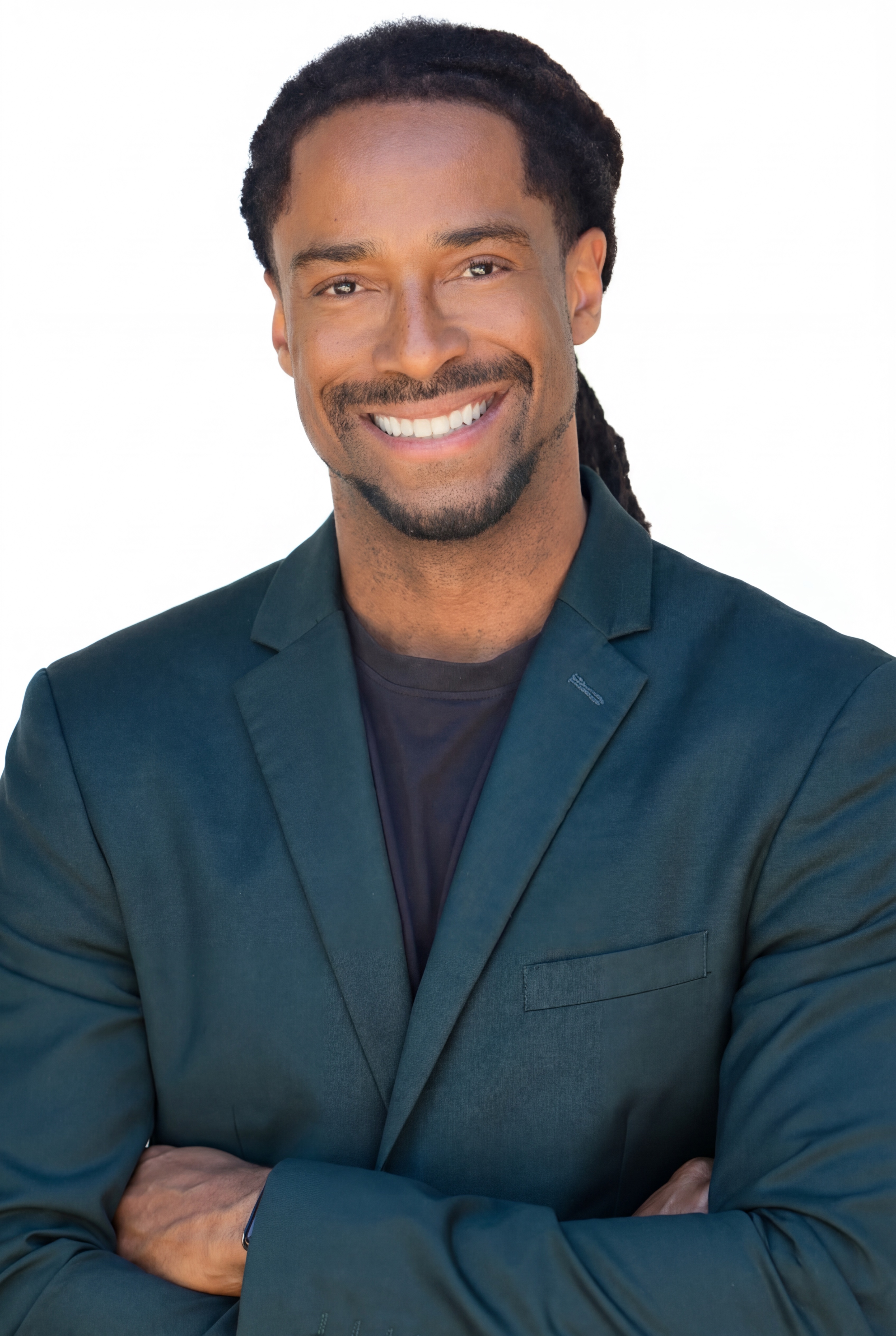
DJ Will Gill
Will Gill is a Forbes Next 1000 honoree and WSJ-ranked #1 Corporate DJ and Emcee with 2,520+ five-star Google reviews. As a live event DJ operating in the open-format style, he performs real-time playlist curation at 600+ corporate events annually, making music selections in response to specific audiences, specific rooms, and specific event contexts.
Learn more and check availability.
Corporate Events as DJ and Emcee
Five-Star Google Reviews
WSJ-Ranked Corporate DJ and Emcee
Frequently Asked Questions
What is a playlist curator?
A person who selects, organizes and maintains music playlists for a defined audience, purpose or context. In the streaming era curators are among the most consequential figures in music discovery, deciding which tracks reach new listeners from a catalog of tens of millions.
What does a playlist curator do day to day?
Translates a vast selection of music into coherent, targeted listening experiences, whether on a streaming platform's editorial team, on independent niche playlists, in radio programming, or live as a DJ at events.
How much impact does curation have on artists?
The page cites Spotify's Loud and Clear 2024 report: editorial playlist placement can drive millions of streams and convert unknown listeners into dedicated fans within days of a release.
What skills does the role need?
Deep genre knowledge, an analytical understanding of listener behavior data and sequencing intelligence, a skill set distinct from that of a casual fan.
How do I start as a playlist curator?
The guide's closing section covers where curators work and how to begin, in an environment where algorithmic and AI playlists increasingly compete with human curation.
Planning a corporate event? Check Will’s availability.