
What Equipment You Need To Be A DJ
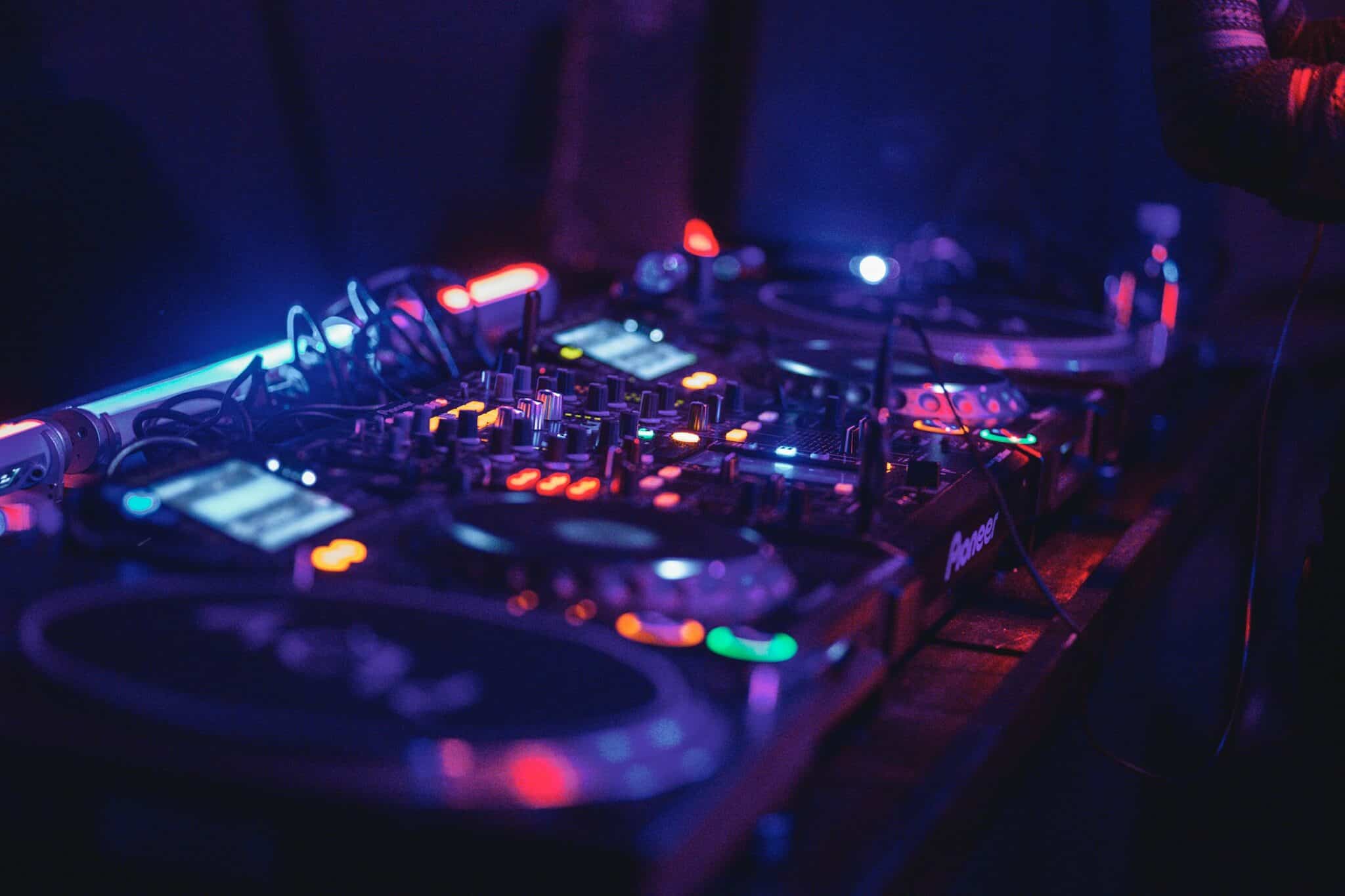
Starting in DJing is exciting and overwhelming, especially with the equipment. Whether you’re spinning tracks at a friend’s party or aiming to perform at big events, having the right gear is crucial. This guide explains the basic DJ gear you need, in simple and clear language for everyone.
Before we talk about the main topic of this article. Are you in need of a DJ for your event? if yes then meet the top-rated corporate event DJ Will Gill. He is known for his lively personality and energetic event delivery.
Will Gill has a rich history in commercials, radio, film, and television. He’s listed in Forbes Next 1000 and The Wall Street Journal named him The Emcee-DJ For Boosting Company Morale.
Watch the video to see Will Gill stage performance. Contact Will Gill now to ensure a memorable event!
DJ Turntables
Purpose
Turntables hold a special place in the world of DJing because they are seen as the classic tool for spinning music. DJs use these devices to play music from vinyl records, which are large grooved discs. By using turntables, DJs can do more than just play tracks straight through, they can get creative with the sound.
How They Work
A turntable is a device that plays vinyl records by spinning them at a steady speed. This consistent spinning allows the needle to read the grooves in the record, which then produces sound. DJs use turntables not just to play music, but also to add their own creative touch to it.
Tips for Beginners
If you’re new to DJing and looking to buy your first turntable, it’s a good idea to consider a direct-drive turntable. This turntable is recommended for beginners because it offers better control for scratching or mixing. Direct-drive turntables have a motor connected directly to the platter, which is the part that spins the record. This design makes them more reliable and responsive, especially when you’re practicing techniques like scratching.
DJ Mixers
Purpose
The mixer is the centerpiece of a DJ setup because it makes music smooth and engaging. Think of the mixer as the control panel for your DJ performance. Its main job is to help you blend or mix different songs together in a way that sounds seamless and natural.
How They Work
A mixer is a central piece of equipment in a DJ’s setup, and it comes with several channels. Each channel carries sound from different audio sources like turntables, controllers, or other devices. This allows DJs to manage multiple pieces of music equipment at the same time.
Tips for Beginners
If you’re just getting started with DJing, it’s a good idea to begin with a two-channel mixer. This type of mixer has two separate paths for audio, which is usually enough for most beginners. A two-channel mixer lets you easily mix two tracks and learn DJ basics without stress.
DJ Controllers
Purpose
DJ controllers are amazing gadgets for anyone interested in DJing, especially in the digital world. Imagine having the functions of both turntables and mixers all in one handy device. That’s exactly what a DJ controller offers! These controllers let you play and mix music, plus add effects, in a smaller, portable form.
How They Work
DJ controllers are cool gadgets that connect to your laptop or computer using a USB cable. They work together with DJ software, which is like a special program on your computer that helps you play and mix music. This setup allows DJs to control their digital music collection more easily.
Tips for Beginners
When you’re picking out a DJ controller, it’s a great idea to choose one that comes with a software package. Having the software included means you can start DJing right away without having to buy extra programs. This is especially useful for beginners because it makes getting started much easier and more convenient.
DJ Headphones
Purpose
Headphones play a crucial role in a DJ’s setup because they let you listen to the next track before your audience hears it. This process, called cueing, is like having a sneak peek at the next song to make sure it sounds just right. By using headphones, you can line up the beats and adjust the timing to prepare the upcoming song perfectly.
How They Work
DJs use headphones in a special way to make sure their music mixes sound great. DJs use headphones to hear one song in one ear and the audience’s music in the other. This technique is important because it allows the DJ to prepare the next song without anyone else hearing it.
Tips for Beginners
When picking out headphones for DJing, it’s important to go for ones that block out outside noise well and feel nice on your head. This is because DJs often wear headphones for long periods while performing, so you want them to be comfortable and not hurt your ears.
DJ Speakers
Purpose
Speakers are crucial for DJs because they make sure everyone hears the music clearly and loudly. Choosing the right speakers is really important because they determine how your music sounds to the crowd. Good speakers keep your sound clear and strong, with no distortion, so every beat and note is heard just right.
How They Work
DJ speakers, also known as monitors, play an essential role in a DJ setup. They take the sound from your mixer or controller and make it loud enough for everyone to hear at your events. These speakers help ensure that your music reaches the audience clearly and powerfully.
Tips for Beginners
If you’re planning to perform music at home or at small venues, it’s a good idea to start with powered speakers. These speakers are easy to use because they have amplifiers inside, so no extra amplifier is needed. This makes setting up your equipment much simpler and faster, allowing you to focus more on your music.
DJ Software
Purpose
DJ software is like the control center for your DJ setup. It helps you manage everything you need for a great performance. With this software, you can easily sort and organize your music collection, making it simple to find the right tunes when you need them. You can also create playlists, which are like a setlist of songs you want to play during your gig.
How They Work
DJ software interfaces with your controller or mixer, displaying tracks on your computer screen. It includes features like beat matching, looping, and effect controls, enhancing your creative possibilities.
Tips for Beginners DJ
If you’re new to DJing, you’ll likely hear about popular DJ software like Serato DJ, Rekordbox, and Virtual DJ. These programs are popular with DJs because they have lots of features to mix music professionally. They are known for their user-friendly interfaces and powerful tools that make DJing more fun and creative.
Budget-Friendly Options
Becoming a DJ can be affordable if you know how to start smartly. You don’t need to spend a lot of money to begin your DJ journey. Here’s how you can save money:
- Buy Used Equipment: Check online marketplaces and local music stores for second-hand gear. You can find great deals on lightly used equipment.
- Start Simple: Focus on the essentials first. A basic controller, headphones, and a laptop with software can suffice as you learn the ropes.
- Budget Brands: Some brands offer affordable equipment aimed at beginners. Look for brands like Hercules or Numark for wallet-friendly options.
Where to Buy DJ Equipment
When you’re looking to buy DJ gear, you have lots of options to choose from, both online and in physical stores. Let’s explore these choices:
- Online Retailers: Websites like Amazon, Sweetwater, and B&H sell lots of DJ gear, with reviews and good prices.
- Music Stores: Visit local music shops to test equipment before buying. Staff can offer valuable advice and help you find the right gear for your needs.
- DJ Specialty Stores: Some stores specialize in DJ equipment, offering a more comprehensive selection and expert knowledge.
Final Tips for Aspiring DJs
- Practice Makes Perfect: Spend time mastering your equipment and learning the basics of mixing and beatmatching.
- Stay Updated: The DJ world is constantly evolving with new technology. Keep an eye out for updates and new gear that could enhance your setup.
- Network: Connect with other DJs, join forums, and participate in events to learn from others and gain exposure.
Embarking on your DJ journey is an exciting adventure. With the right equipment and dedication, you’ll be on your way to creating unforgettable music experiences in no time. If you’re thinking about DJing at small or large events, this guide will help you begin properly.