
What Emcees Provide: The Benefits of Hiring an Emcee | DJ Will Gill
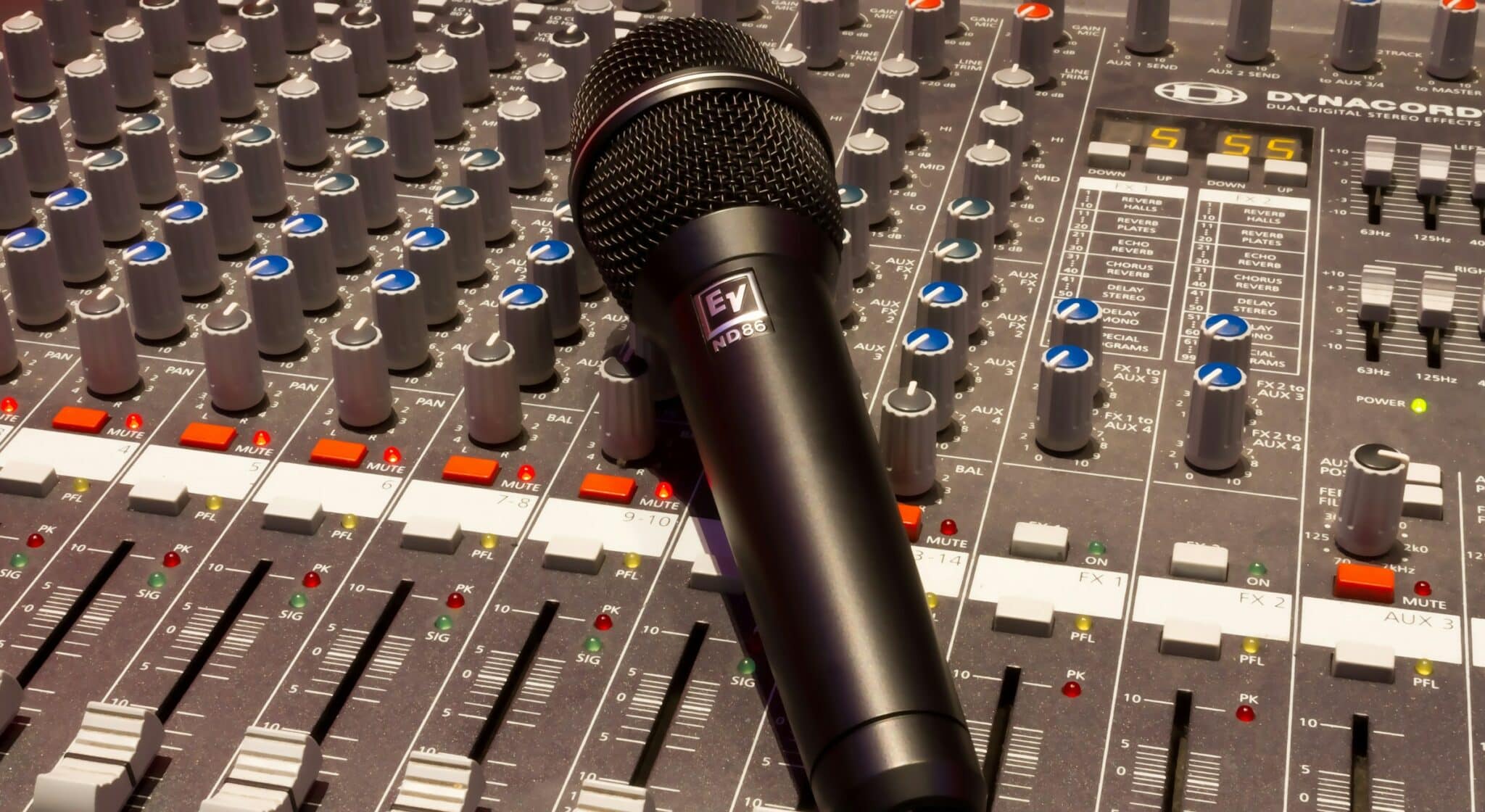
An emcee short for “master of ceremonies” is the professional whose job is to host an event from the stage, guide the audience through the program, manage transitions between segments, and keep the energy of the room at the level the event requires. The role exists because most corporate events, conferences, and award ceremonies are structurally a series of disconnected pieces speaker introductions, sponsor mentions, video plays, awards announcements, breakout transitions, lunch breaks, Q&A sessions and without a single voice tying those pieces together, the event reads to the audience as a sequence of unrelated moments rather than a coherent experience. The emcee is the connective tissue that makes the program feel like a designed event rather than a logistics document being executed in real time.
What separates a working professional emcee from someone reading announcements off a run-of-show is the operational work that happens in the gaps between scheduled items. When a speaker runs ten minutes long and pushes the next segment off-schedule, the emcee absorbs the time. When a video file fails to play and the AV team needs ninety seconds to fix it, the emcee covers the gap. When the morning’s energy has dropped and the audience is checking phones during a slow transition, the emcee re-engages the room. These moments are invisible when they go well and catastrophic when they don’t, which is the core operational case for hiring a professional emcee rather than relying on the most extroverted person on the planning committee. This guide explains what emcees actually provide, what they cost in 2026, what separates the great ones from the average ones, and how to choose the right emcee for a specific event.
Key Takeaways
An emcee is the professional host who ties an event together from the stage, manages transitions between segments, and absorbs the unscheduled time that inevitably opens up during live programs. According to the 2026 Complete Guide to Corporate Emcees published by Funny Business, a great corporate emcee does far more than introduce speakers they set the tone, manage energy, maintain flow, and elevate an event from “fine” to unforgettable. The role is structurally different from a keynote speaker (who delivers a single agenda-setting talk) and from a comedian (who entertains for a defined performance slot). An emcee operates across the entire event run-time, which is why the role is most valuable for multi-hour conferences, award shows, sales kickoffs, and any program with more than three or four scheduled transitions.
The financial case for hiring a professional emcee is grounded in the cost of the alternative. A typical corporate conference represents a six-or-seven-figure investment when venue, AV, catering, travel, and attendee time are summed, and the emcee is one of the few line items that directly affects whether that investment produces a coherent experience or a fragmented one. According to corporate event emcee pricing data from Futurists Speakers, experienced corporate emcees with proven track records typically charge between $5,000 and $20,000 or more per event, with celebrity-tier emcees commanding $20,000 to over $100,000. The emcee fee is almost always a single-digit percentage of the total event budget but disproportionately affects the audience experience the event produces, which is why experienced planners treat the emcee decision as central rather than peripheral.
Emotional engagement is now the dominant success metric for live corporate events, and the emcee is the role most directly responsible for producing it. A 2024 industry report cited in Michael Hingson’s 2026 event speaker buying guide found that 82 percent of event organizers prioritize emotional engagement as the top metric for event success ahead of attendance numbers, content density, networking quality, or social media reach. Keynote speakers move the room for 45 to 60 minutes. The emcee is the role that sustains that engagement across the full event run-time, picks up the room after slow segments, and ensures the audience walks out remembering the event as energizing rather than draining. Planners who under-invest in the emcee line consistently produce events that feel flat regardless of how strong the individual speakers were.
The qualities that separate great emcees from average ones are not the ones most bios emphasize. Bios highlight credentials, brand-name client logos, and TV appearances. The qualities that actually predict on-stage performance are room-reading (the ability to adjust delivery in real time based on observed audience energy), schedule absorption (the ability to fill or compress time gracefully when the run-of-show shifts), client-message internalization (the ability to weave the company’s core message naturally into transitions rather than reading branded lines from a script), and recovery (the ability to keep the room with you when something goes wrong on the AV side). These four capabilities are difficult to evaluate from a bio or a highlight reel they show up most reliably in references from past event planners who watched the emcee handle moments that went sideways.
The most operationally valuable emcees in 2026 are the ones who can also deliver complementary services in the same engagement. The “three-in-one” model combining emcee work with DJ performance and audience-engagement programming has become a recognized category in the corporate market because it solves a structural problem planners face: stitching together separate vendors for hosting, music, and engagement segments produces seams the audience can feel, while consolidating those functions in one performer who knows the entire run-of-show produces a more coherent experience. This is the model recognized by the Wall Street Journal in its profile of corporate event entertainers, and it is structurally different from booking an emcee, a DJ, and a teambuilding facilitator as three separate vendors.
Watch DJ Will Gill perform live. Contact him now to book your event.
“The emcee is the connective tissue between everything else on the run-of-show. When the role is filled well, the audience never thinks about it. When it isn’t, the event reads as a sequence of disconnected moments instead of a designed experience.”
What an Emcee Actually Does (Beyond Reading From a Script)
The textbook definition of an emcee is the person who hosts an event from the stage and introduces the speakers, performers, or segments scheduled on the program. The operational reality is significantly broader. A working emcee at a multi-hour corporate event is responsible for six distinct functions that overlap throughout the day. Theme reinforcement the emcee threads the company’s strategic message through introductions and transitions so the audience hears it repeatedly without it feeling forced. Energy management the emcee reads the room’s current state and adjusts pacing and tone to either lift the energy or let it settle, depending on what the next program element needs. Time absorption the emcee fills or compresses time when the schedule slips, which it always does on a live program. AV-failure recovery the emcee keeps the room with you when a video doesn’t play, a microphone fails, or a speaker is held up backstage. Audience-to-program integration the emcee makes the audience feel addressed rather than presented at, which is the difference between a presentation and an event. Brand-voice consistency the emcee operates as the company’s voice from the stage for the entire run-time, which means how they sound and what they say shapes how the audience experiences the company itself.
The preparation work behind those six functions is typically larger than the on-stage time. A professional emcee preparing for a six-hour corporate event will typically invest four to eight hours of pre-event work, including a planning call with the event organizer, review of the company’s strategic messaging and recent news, customization of introductions for each speaker, and rehearsal of any branded segments. Emcees who skip that preparation work and walk in cold are operating at the entry-level tier regardless of their bios, and the resulting events consistently feel less integrated than events where the emcee has done the homework. The 2026 Complete Guide to Corporate Emcees from Funny Business emphasizes that professional emcees personalize introductions, transitions, and messaging to match the company, industry, and event tone which is the work that happens before the audience ever sees them on stage.
The in-the-room work has its own technical specifics. Great emcees pace the program against the actual audience energy rather than against the printed run-of-show. They establish a rapport with the room in the opening minutes that they can return to during transitions later in the day. They acknowledge the work of the planning team, the sponsors, and the speakers in ways that feel earned rather than scripted. They know how to handle a heckler without escalating, how to redirect an over-running Q&A without embarrassing the speaker, and how to land a moment of silence when the program calls for it. These are technical skills, and they show up most clearly in moments that would have been disasters in less experienced hands but become non-events when the emcee handles them well.
The Operational Value: Why Skipping an Emcee Costs More Than Hiring One
The strongest argument for hiring a professional emcee rather than designating an internal staff member or the most outgoing executive is grounded in opportunity cost rather than line-item cost. The internal executive asked to host the company conference is not free they have a day job, the preparation work pulls them away from it, and the on-stage time pulls them out of the hallway conversations and breakout meetings where most of the strategic value of attending the conference happens. The opportunity cost of having a senior leader spend the conference holding the run-of-show together rather than networking and selling is almost always larger than the fee a professional emcee would have charged for the same work.
The second argument is execution risk. Professional emcees have spent years developing the technical skills described above, and the cost of an internal executive making one bad moment land badly is paid in audience perception of the entire event. A flat opening, a fumbled transition, a tone-deaf joke during a moment that called for gravity any of these can shift how the audience remembers the day, regardless of how strong the speakers were. The professional emcee fee is, structurally, an insurance premium against execution risk at moments that disproportionately affect audience perception. The 82 percent of organizers who now prioritize emotional engagement as the top success metric are implicitly making this argument every time they make a booking decision.
The third argument is downstream business impact. Corporate events are almost never cost centers they are investments tied to strategic objectives like sales kickoffs that need to energize a sales team, customer events that need to retain accounts, leadership offsites that need to align senior teams around a strategic direction, or award programs that need to reinforce a recognition culture. The emcee is the role most directly responsible for whether the room walks out energized to act on the strategic objective or drained by a day that felt long. Planners who evaluate the emcee fee against the cost of the venue rather than against the value of the strategic outcome consistently underweight the role and produce weaker downstream results than planners who treat the emcee decision as central.
What Corporate Emcees Cost in 2026
Corporate emcee fees in 2026 break into four distinct tiers, and the tier that fits a specific event depends on the event’s audience size, complexity, and the level of customization the program requires. The table below summarizes the four-tier structure based on consolidated 2026 industry data, with the caveat that travel expenses, multi-day pricing, and exclusivity clauses can shift fees outside the listed ranges in either direction.
The 2026 Corporate Emcee Fee Landscape (Four Tiers)
| Tier | Fee Range | Who Fits This Tier | Best for These Events |
| Entry-Level | $500-$2,500 | Newer hosts, local emcees, part-time MCs building experience | Internal team events, local meetings, smaller chapter gatherings |
| Professional | $2,500-$5,000 | Full-time emcees with consistent corporate client work and verified reviews | Regional conferences, mid-sized corporate events, awards programs |
| Established Corporate | $5,000-$20,000 | Veteran corporate emcees with national track records and media credentials | Flagship annual conferences, sales kickoffs, C-suite retreats |
| Celebrity | $20,000-$100,000+ | Recognized TV personalities, comedians, and entertainment industry figures | Major industry conferences, galas, events where the name drives attendance |
The tier most relevant to mid-to-large corporate events is the established corporate tier at $5,000-$20,000. According to corporate event emcee pricing data from Futurists Speakers, experienced emcees with proven track records typically charge between $5,000 and $20,000 or more for a single event, and the fees within that range scale with event size, multi-day complexity, exclusivity, and customization requirements. Multi-day events typically attract a discount on each day beyond Day 1, virtual emcee work generally costs 30-50 percent less than equivalent in-person engagements because travel and logistics are eliminated, and travel expenses for domestic in-person events generally add $1,500-$3,000 to the base fee.
The Skills That Separate Great Emcees From Average Ones
The qualities that matter most for live emcee performance are not the ones most bios emphasize. Bios lead with credentials TV appearances, brand-name client logos, awards, and follower counts because those are the easiest signals for a planner to verify. The qualities that actually predict whether an emcee will land in the room are harder to evaluate from a bio but consistently separate the emcees worth their fees from the ones who only look like they should be.
The first skill is room-reading. Great emcees walk into the room before doors open, watch the audience arrive, and absorb the room’s energy from the way attendees are interacting with each other in the opening minutes. They adjust their opening based on what they actually see rather than running the prepared opening regardless of context. Room-reading is impossible to verify from a bio and difficult to verify from a highlight reel the most reliable way to evaluate it is to talk to event planners who have worked with the emcee about moments when the room was different from what they expected and ask how the emcee adjusted.
The second skill is schedule absorption. Live programs never run exactly on time. Speakers run over, videos fail to play, technical setup takes longer than expected, and the emcee is the role responsible for absorbing the variance gracefully. Average emcees fill time by talking longer; great emcees fill time by either engaging the audience interactively or compressing later segments to recover the schedule, depending on which the room actually needs. The technical skill of moving a 60-second gap and a six-minute gap with equal poise is one of the most rare and most valuable capabilities in working corporate emcees.
The third skill is client-message internalization. The best corporate emcees do not read branded lines from a script they spend their preparation time understanding what the company is actually trying to communicate at the event, and they weave that message naturally through introductions, transitions, and audience interaction. Audiences can hear the difference between an emcee reading a marketing line and an emcee who has internalized the company’s strategic message and is reinforcing it as if it were their own observation. The latter produces measurably stronger downstream recall of the company’s message; the former produces eye-rolls.
The fourth skill is AV-failure recovery. The moment a microphone cuts out, a video fails to play, or a speaker is held up backstage is the moment the emcee earns the fee. Great emcees fill the gap without making the audience feel that something has gone wrong, often with humor that acknowledges the situation lightly, a quick audience-interaction segment, or a callback to an earlier moment in the program. Average emcees freeze, fill awkwardly, or default to apologetic posture that makes the room aware that something is broken. AV failures are inevitable across a long enough sample of events, so a planner’s most reliable way to evaluate this skill is to ask candidate emcees directly about specific past moments when something went wrong and how they handled it.
Where Corporate Emcees Matter Most
Not every event needs a professional emcee. Single-speaker events with no transitions, intimate dinners with under thirty guests, and informal team gatherings are usually well-served without a dedicated host. The events that benefit most from professional emcee work share a structural feature: they involve multiple segments with transitions between them, an audience large enough that informal hosting would feel inadequate, and a strategic objective the event is meant to produce. According to the 2026 Complete Guide to Corporate Emcees, the event categories that consistently benefit most from professional emcee work are conferences, award banquets, sales meetings, hybrid events, association conventions, and leadership retreats.
Conferences are the most common use case. A two-day conference with a keynote, multiple breakouts, a sponsor showcase, an awards segment, and a closing wrap-up has eight to twelve scheduled transitions that the emcee owns, plus the time-absorption work that happens when those transitions don’t fire on schedule. Sales kickoffs are a structurally similar use case with a different objective the emcee’s job at a sales kickoff is to keep the energy of the sales team at the level the company needs them to walk out at, which often means actively driving energy upward rather than just maintaining it. Award programs put a premium on emotional pacing the emcee needs to land moments of recognition with appropriate weight, which is a different technical skill from running a high-energy conference.
Hybrid events have emerged as one of the highest-value emcee use cases since 2020. The emcee is the only role that can simultaneously engage the in-person audience and the remote audience watching through a stream, and a well-run hybrid program requires the emcee to actively address both rooms throughout the day rather than letting the remote audience feel like an afterthought. The technical skill of hybrid emceeing is meaningfully different from in-person-only emceeing, and planners evaluating emcees for hybrid programs should specifically ask candidates about their hybrid experience rather than assuming the in-person skill transfers automatically.
How to Choose the Right Emcee for Your Event
The most common mistake planners make in emcee selection is starting with a budget number and working backward to a candidate who fits the budget. The better sequence is to start with the event’s strategic objective, work out what kind of emcee would actually produce that objective, and then evaluate whether the budget supports the right emcee or whether the budget needs to be adjusted to match the goal. The implication is that the emcee decision is a strategic decision, not a procurement decision, and planners who treat it as procurement consistently produce weaker results than planners who treat it as strategy.
The second selection principle is audience fit over emcee fame. A celebrity-tier emcee whose style does not match the audience’s industry, role level, or cultural context will land less well than a professional-tier emcee whose work is calibrated to exactly that audience. The audience-fit question can be answered concretely ask candidate emcees for examples of past engagements with structurally similar audiences, ask the planners of those past events what landed and what did not, and weight that feedback heavily over the emcee’s media profile or follower count. The strongest predictor of how an emcee will land at a specific event is how they have landed at similar events in the past.
The third principle is the pre-booking conversation. The thirty-minute call between a planner and a candidate emcee before booking is one of the highest-value uses of preparation time available, because it surfaces the room-reading capability, customization willingness, and audience-fit calibration that bios cannot reveal. Ask candidate emcees specifically about how they prepare, what they need from the planning team in advance, and how they handle moments when the run-of-show shifts. Emcees who can speak substantively to those questions are the ones most likely to engage substantively with the actual audience on event day. Emcees who treat the conversation as a formality are signaling that they will treat the engagement itself as a formality, which is the failure mode most worth avoiding.
The fourth principle is consolidation when possible. Stitching together separate vendors for hosting, music, and audience-engagement programming produces seams the audience can feel in the gaps between vendor handoffs. Booking a single performer who can deliver emcee work, DJ performance, and engagement programming as an integrated experience eliminates those seams and produces a more coherent event. The three-in-one corporate entertainer model has become recognized in the corporate market specifically because it solves this structural problem, and planners working on programs with multiple energy-driven segments should evaluate whether their event would benefit from consolidation rather than defaulting to separate vendor bookings out of habit.
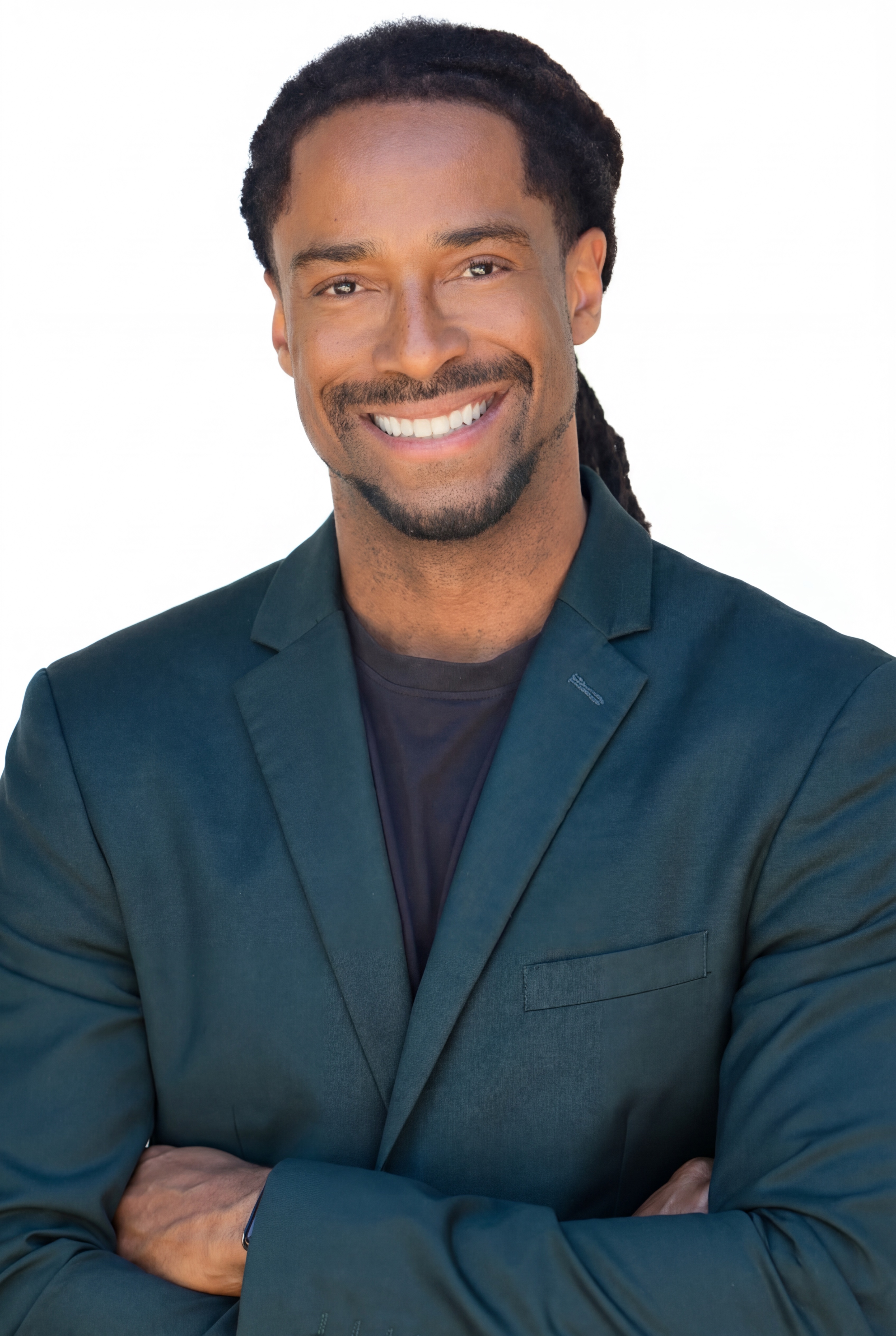
DJ Will Gill
Will Gill is a Forbes Next 1000 honoree and the Wall Street Journal’s #1-ranked corporate DJ and emcee, with 2,520+ five-star Google reviews. He performs 600+ corporate events annually as DJ, emcee, and audience engagement specialist for clients including Google, Amazon, Salesforce, AT&T, the United Nations, and Boys & Girls Clubs of America. His “three-in-one” corporate entertainer model combining emcee work, DJ performance, and audience-engagement programming in a single integrated booking is the approach recognized in his WSJ profile. Reach out here to discuss your corporate event.
Corporate Events Hosted as Emcee
Five-Star Google Reviews
WSJ-Ranked Corporate DJ and Emcee
Related: Once you know the benefits, the next step is the process itself: see how to hire a corporate emcee, step by step.
Frequently Asked Questions
What does an emcee actually do?
Hosts from the stage, guides the audience through the program, manages transitions and keeps the room's energy where the event needs it, absorbing unscheduled time when speakers run long or AV fails.
Why not let someone on the planning committee host?
Because the value is in the gaps: covering a failed video, absorbing a ten-minute overrun, re-engaging a room checking phones. Those moments are catastrophic when they go wrong.
What do corporate emcees cost in 2026?
The guide has a dedicated cost section for 2026 corporate emcee rates.
What separates great emcees from average ones?
The skills section covers preparation, adaptability and audience reading.
Where do emcees matter most?
Corporate events, conferences and award ceremonies, where the program is a series of disconnected pieces that need one voice.