
What Are The Different DJ Styles
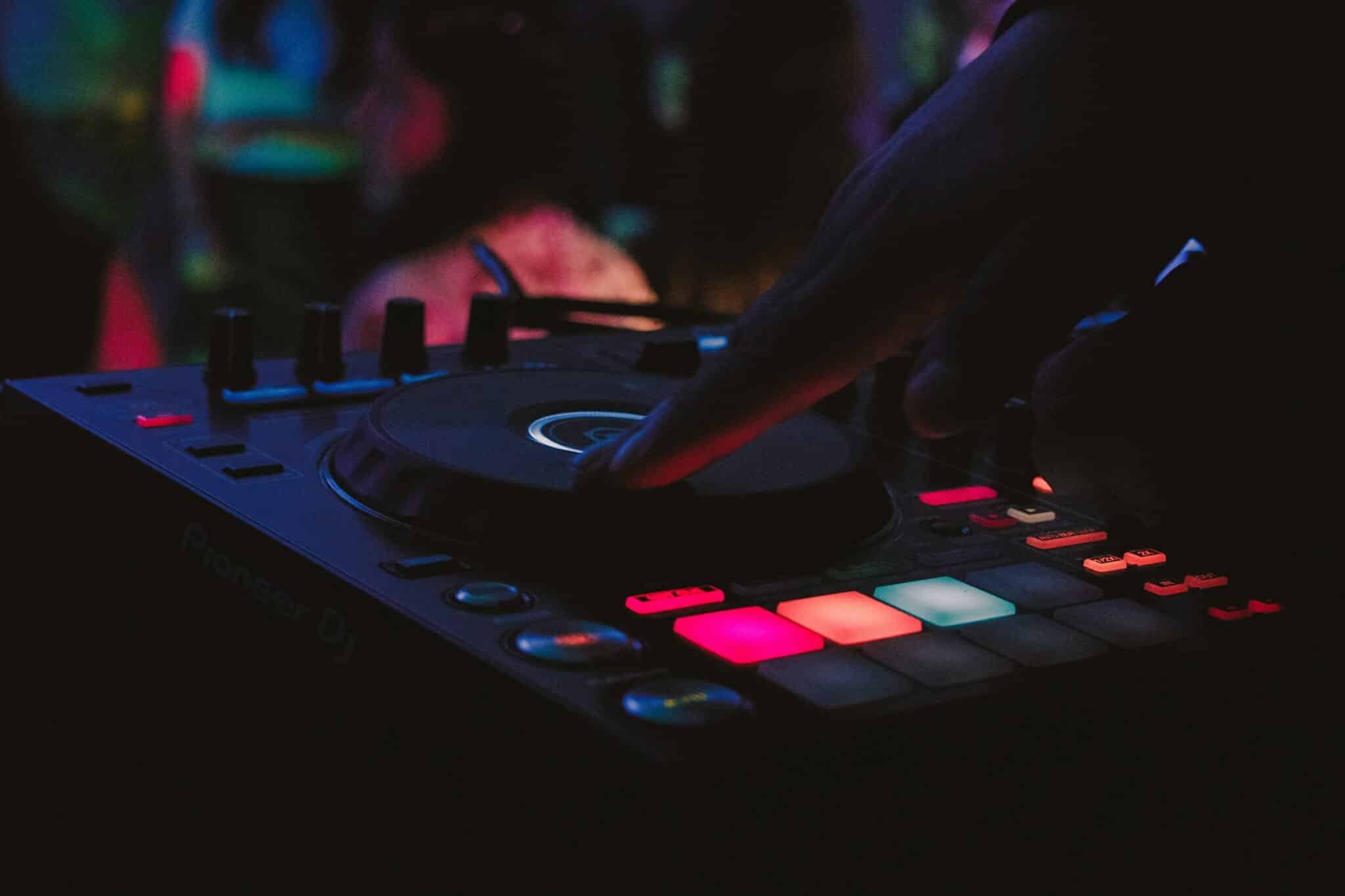
The world of DJing is as diverse as the music it plays. DJs are the heartbeat of parties, concerts, weddings, and radio shows, each bringing their unique style to the mix. This guide explores different DJ styles, their features, settings, and needed skills or equipment for beginners or the curious. Let’s spin the records and dive in!
But before we discuss the main topic of this article we would like to know are you planning an event? if yes then DJ Will Gill is the one you need. He is the top corporate event DJ who is known for his engaging personality and lively performances. His impressive reputation is backed by 2,520 five-star reviews.
Above is a video where you can watch Will Gill perform live. Contact Will Gill now to have a memorable event!
Here Are the Different Types of DJing
Club DJing
Characteristics
Club DJs are the life of the nightlife. They create an electrifying atmosphere that keeps the dance floors packed till the early hours. Their primary focus is to read the crowd and keep the energy high by seamlessly mixing tracks.
Typical Settings
Club DJs, as their name implies, are often found spinning tunes in nightclubs, bars, and music festivals. They are responsible for creating a thrilling atmosphere that makes people want to dance and have a good time. Club DJs usually play music for long periods, from two to six hours, unlike other DJs with shorter sets. This means they have to keep the music exciting and the energy high for a long period, which can be quite challenging.
Skills and Equipment
Club DJs need a keen sense of timing, an understanding of music genres, and the ability to mix tracks smoothly. Essential equipment includes turntables or DJ controllers, headphones, and a mixer. A good ear for music and the ability to improvise are crucial skills for club DJs.
Mobile DJing
Characteristics
Mobile DJs bring the party to you! They are versatile, playing at weddings, corporate events, birthday parties, and other private gatherings. Their music selection is usually diverse to cater to different audiences.
Typical Settings
Mobile DJs perform in various locations, from banquet halls to outdoor venues, depending on the event. They are usually responsible for providing their own sound system and lighting, adapting to the event’s requirements.
Skills and Equipment
Mobile DJs need excellent crowd-reading skills and the ability to take requests. They often use DJ controllers, speakers, microphones, and lighting equipment. Strong organizational skills are important since they manage both the music and the technical setup.
Radio DJing
Characteristics
Radio DJs are the friendly voices you hear when tuning into your favorite radio shows. They do more than just play songs they make sure the show is lively and entertaining. Their job is to tell you what song is playing and some details about it or the artist.
Besides music, radio DJs often have guests on their shows. These guests could be musicians, local celebrities, or experts on various topics.
Typical Settings
Radio DJs usually work in stations, choosing to broadcast live or pre-record shows. Going live means they talk and play music in real-time, which is exciting and requires quick thinking. Pre-recording, on the other hand, allows them to plan everything out and edit their show before it airs.
Skills and Equipment
Radio DJs need excellent communication skills and a pleasant voice. They typically use mixing consoles, microphones, and broadcasting software. A good knowledge of music history and current trends can help keep their shows interesting.
Turntablism
Characteristics
Turntablists are skilled DJs, famous for their scratching and beat juggling. Turntablists use turntables like instruments, unlike DJs who just play dance music. They create new and exciting sounds by manipulating records in creative ways.
Typical Settings
Turntablists are famous for their amazing performances at DJ battles, showcases, and live music events. These are the stages where they really get to shine and show off their incredible talents.
In DJ battles, turntablists compete against each other, trying to outdo one another with their skills. It’s a vibrant and thrilling setting where they showcase their skills to impress the judges and audience.
Skills and Equipment
Mastering the art of scratching and beat juggling is essential for turntablists. They typically use turntables, slipmats, mixers, and samplers. Creativity and a deep understanding of rhythm and timing are crucial for turntablists.
Hip-Hop DJing
Characteristics
Hip-hop DJs play an essential role in the world of hip-hop music, acting as the backbone of many rap performances. They partner closely with MCs, who are the rappers, to create the ideal musical setting for their performances. This partnership is key because the DJ’s beats give rhythm and energy to the rap, making it more powerful.
Typical Settings
These DJs can be found performing in a variety of exciting places like clubs, concerts, and hip-hop battles. Each setting offers them a chance to showcase their talent and bring something special to live performances.
In clubs, these DJs create an energetic atmosphere by mixing tracks and encouraging everyone to hit the dance floor. Their goal is to keep the party going, ensuring that everyone has a great time.
Skills and Equipment
Skills like beat matching, scratching, and sampling are vital. Equipment includes turntables, mixers, and sometimes digital software for sampling beats. A strong sense of rhythm and knowledge of hip-hop music history are beneficial.
House DJing
Characteristics
House DJs are experts in the world of electronic dance music, also known as EDM. They excel at creating music experiences that keep people dancing all night. These DJs expertly mix tracks to keep the music flowing and the energy high on the dance floor.
Typical Settings
House DJs are frequently found playing their music in lively clubs, exciting music festivals, and energetic raves. These venues offer a special vibe where DJs share their love for electronic dance music with people ready to dance and enjoy.
Skills and Equipment
House DJs need to master beat-matching and track selection to maintain energy. They use DJ controllers, mixers, and software to create their sets. An in-depth understanding of EDM is beneficial for crafting engaging performances.
Reggae DJing
Characteristics
Reggae DJs are masters at bringing the chilled-out, rhythmic sounds of reggae music to audiences everywhere. They specialize in creating a relaxed and joyful atmosphere that encourages people to unwind and enjoy the moment. They use their music to share warmth and positivity, playing songs with lyrics about love, unity, and peace.
Typical Settings
Reggae DJs usually play at reggae clubs, lively festivals, and events that celebrate reggae music. Each venue has a special place where people can gather to enjoy reggae’s relaxed and soulful music.
Skills and Equipment
Key skills include track selection and understanding reggae rhythms. Equipment often includes turntables, mixers, and sometimes digital controllers. Knowledge of reggae music history and culture is important for authenticity.
Techno DJing
Characteristics
Techno DJs are leaders in the underground music scene, offering a one-of-a-kind experience. They are famous for their deep, mesmerizing beats that can take listeners on a thrilling journey. They use experimental sounds, which means they mix different noises to make something new and exciting.
Typical Settings
Techno DJs love performing in places like clubs, warehouses, and raves because each venue adds something special to their music. In clubs, the atmosphere is buzzing with energy. These spaces are usually filled with people who are ready to dance and enjoy themselves.
Skills and Equipment
Skills in beat matching and sound layering are crucial. They often use turntables, drum machines, and synthesizers to craft their sets. A passion for electronic music and a willingness to experiment with sound are essential.
All DJ Styles
Every DJ style adds its own special touch to the music, giving different experiences for DJs and listeners. Whether you enjoy the excitement of club DJing or the skill of turntablism, there’s a place for everyone in DJing. Each DJ style needs special skills and tools, so new DJs should try different styles to see which matches their passion and talent. So, pick up those headphones, start exploring different sounds, and find your groove in the DJ world!
Frequently Asked Questions
What are the main DJ styles?
Club, mobile, radio, turntablism, hip-hop, house and reggae DJing, each with its own settings, skills and equipment.
What does a club DJ do?
Reads the crowd and keeps the energy high by mixing tracks seamlessly in nightclubs, bars and festivals, often for two to six hours at a stretch.
What is a mobile DJ?
A DJ who brings the setup to the event, from weddings to corporate parties, and plays across genres for a mixed audience.
What is turntablism?
DJing as a performance art built on scratching, beat juggling and other turntable techniques.
What equipment do club DJs need?
Turntables or DJ controllers, headphones and a mixer, plus a keen sense of timing, genre knowledge and the ability to improvise.
What planners say on Google
2,520+ five-star Google reviews. Four of them, in the reviewers’ own words:
DJ Will Gill was incredible! He not only was the corporate DJ and MC for my event in Winder, GA, he dropped a keynote that people are still talking about. His energy is unmatched and I know I will definitely be working with him again on other events! Hands down, DJ Will Gill is the BEST!
Chrystal Hawley, five-star Google review,
DJ Will Gill never disappoints! He always does a stellar job with our clients. We had a Backstreet Boys themed party before going to the Sphere for a show, and he collaborated with us regarding the song mixes and his attire. He is kind, professional and we can always count on him, especially with our top tier corporate clients! Highly recommend!
Kay Dillard, five-star Google review,
Awesome dj experience for Home Depot.
Domeniqueshantell Farmer, five-star Google review,
The virtual event hosted by DJ Will has definitely been the most fun one in my 7 years at The Home Depot!
Anady Guzman, five-star Google review,
About DJ Will Gill
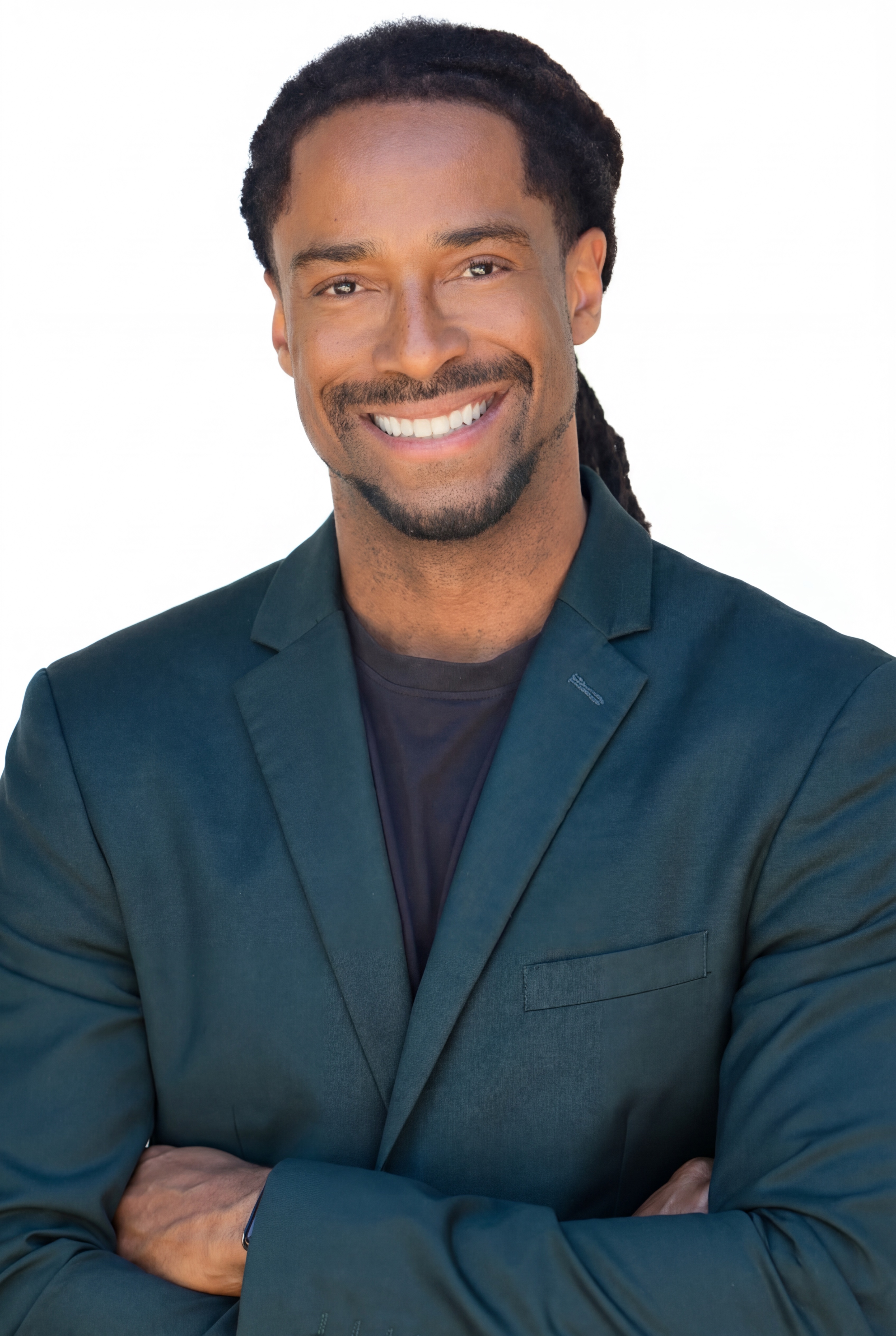
Will Gill is the Wall Street Journal’s #1 Corporate DJ, a Forbes Next 1000 honoree, and an MBE certified vendor operating as Faders and Fitness, LLC. He is a 3x Super Bowl performer, a World Cup performer, a Formula 1 performer and an MLB All-Star Game performer.
He delivers a 3-in-1 corporate service as DJ, emcee and one-man team-building show, with 2,520+ five-star Google reviews. See the Fortune 500 client roster or check your dates.