
Virtual Holiday Party Entertainment Ideas
The virtual holiday party stopped being a pandemic-era workaround years ago. It became a permanent fixture of the corporate calendar because the workforce that uses it is a permanent distributed workforce, hybrid teams, multi-location offices that operate across time zones, too vast for any single in-person event to gather everyone. The companies running strong virtual holiday parties in 2026 aren’t apologizing for the format or treating it as a substitute for the real thing. They’re producing dedicated virtual programming that competes with their in-person events for cultural significance, and in many cases, the virtual party becomes the year’s signature company-wide moment because it’s the only event the entire workforce experiences together. The entertainment programming is what determines whether the virtual format produces that significance or fades into the kind of camera-off video call attendees treat as obligatory.
This guide walks through virtual holiday party entertainment ideas as a practical resource on why distributed workforce holiday programming matters as a strategic investment, fifteen specific entertainment ideas with format variations for each, production considerations that distinguish well-run virtual parties from improvised ones, common mistakes that compromise the format, budget considerations across the activity spectrum, and the professional application criteria for selecting talent that handles virtual format craft specifically. For the broader in-person corporate holiday party guide, see the National Corporate Holiday Party Entertainment resource.
Key Takeaways
→ Virtual entertainment produces measurable engagement when intentional. 2026 virtual holiday party research documented that remote workers are 31% more engaged than their on-site counterparts when connection is intentional, and that 83% of companies report improved global perspective as the most beneficial outcome of virtual team building. The engagement upside is real but it depends specifically on intentional programming rather than default video call gatherings.
→ Most companies are underinvesting in remote engagement. 2026 virtual engagement analysis documented that only 33% of companies hold simple team-building activities like virtual coffee breaks, despite the documented engagement upside. The structural under-investment creates competitive opportunity companies that produce strong virtual holiday programming distinguish themselves substantially from competitors whose remote engagement is limited to ad hoc operational meetings.
→ Time-zone-aware scheduling is essential for global workforces. 2026 remote holiday team building research documented that the best approach for distributed teams is running two shorter sessions (45 minutes each) on the same day at different times to cover time-zone spread, mixing high-energy activities with calmer ones, and keeping total run time to 40-60 minutes. The single-session-for-everyone approach fails distributed workforces; deliberate scheduling that respects time zones is one of the most consequential design decisions.
→ Festivals remain the strongest emotional engagement driver remotely. 2026 virtual employee engagement research documented that festivals remain one of the strongest drivers of emotional engagement even in remote work environments, and that successful virtual programming depends specifically on participation rather than just attendance, short high-energy formats, gamification and rewards, and professional hosting and facilitation. The data establishes that holiday parties specifically are the format with the highest emotional engagement ceiling when produced well.
→ Game-based and hands-on activities drive participation. 2026 IMEX America research documented that attendees favored hands-on creative activities (35.7%) and competitive game-based experiences (28.7%) combined 64.4% as their top engagement preferences across event formats. For virtual holiday parties specifically, where camera-off passive attendance is the failure mode to avoid, the active-format preference matters even more than at in-person events.
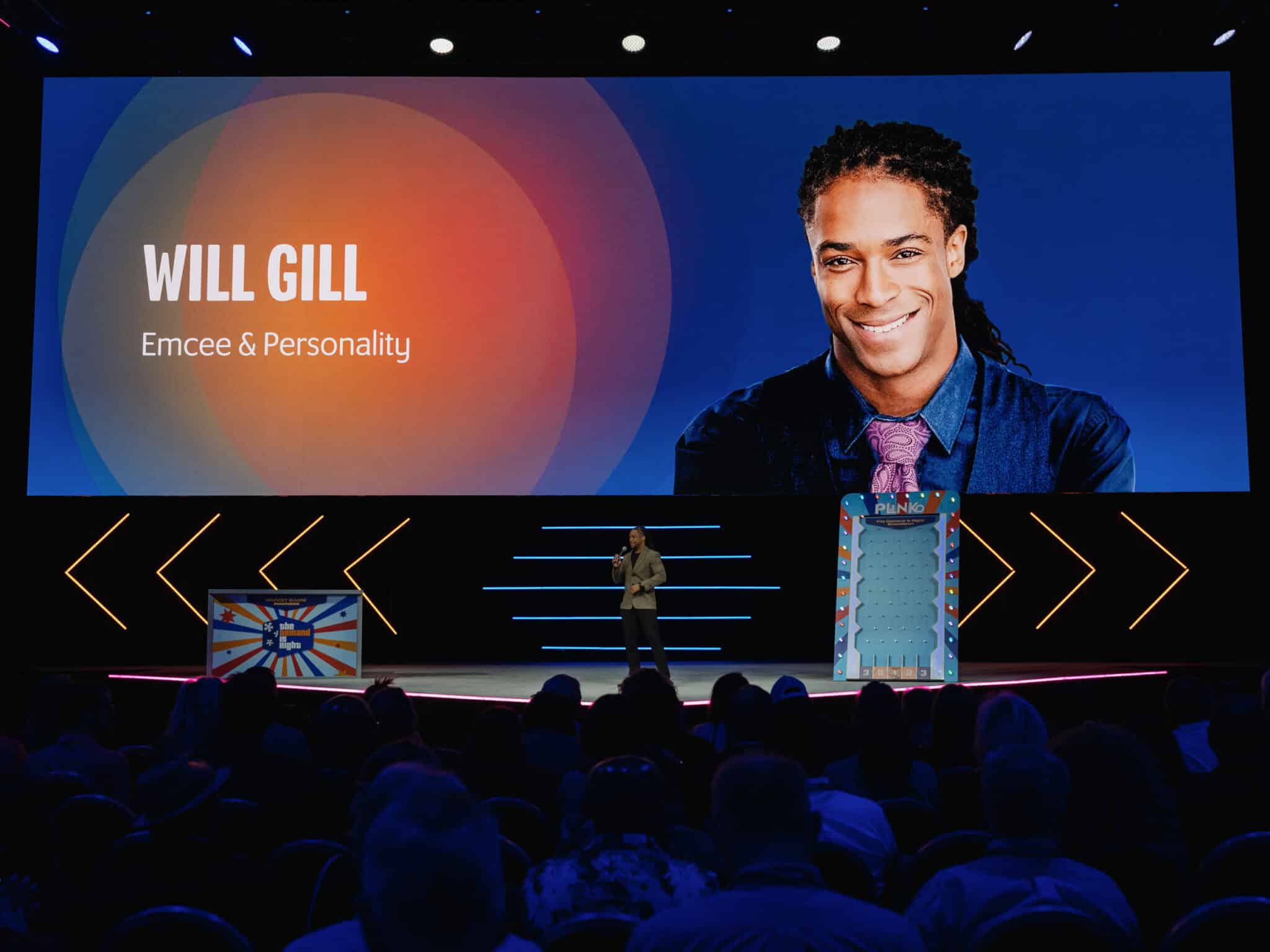
To request a virtual holiday party proposal, contact DJ Will Gill directly.
Why Virtual Holiday Parties Still Matter
The Distributed-Workforce Reality
The structural-permanence layer. The companies running virtual holiday parties in 2026 aren’t doing so reluctantly. They’re doing so because their workforce structure makes virtual the only format that includes everyone. A company with employees in twelve cities across four time zones cannot gather the entire workforce in a single in-person ballroom, but it can produce a virtual event that brings them all into the same digital room simultaneously. The format isn’t a compromise; it’s the strategically correct choice for the workforce architecture. Strong virtual holiday programming acknowledges this reality and produces dedicated programming rather than treating the format as a substitute for something else.
The Engagement-Rhythm Research
The cultural-cadence layer. 2026 remote employee engagement research documented that remote teams interpret silence as secrecy, and that companies should replace ambient celebration with rhythm weekly wins, monthly milestones, project launches, customer praise. The holiday party serves as the year’s largest rhythm beat the cultural moment that consolidates a year of distributed work into a single shared experience. Skipping the virtual holiday party for remote workforces effectively tells those employees that the company doesn’t celebrate them; running it well tells them they’re part of the same culture as the headquarters team.
The Retention Economics
The cost-of-disengagement layer. 2026 distributed team research documented that the difference between a highly engaged and disengaged remote workforce can exceed $360,000 per 100 employees annually in direct replacement costs alone not counting productivity and institutional knowledge losses. The economics establish the virtual holiday party’s strategic position: a properly produced annual celebration that costs $5,000-$25,000 to deliver is one of the highest-ROI engagement investments available when the alternative is unmitigated remote-workforce disconnection.
The Intentional-Connection Imperative
The design-discipline layer. 2026 virtual holiday party research documented that remote workers are 31% more engaged than their on-site counterparts but only when connection is intentional. The conditional matters. Throwing the workforce into an unstructured video call doesn’t produce the engagement upside; it produces awkward silences and camera-off attendance. The 31% advantage requires intentional programming, professional hosting, and the kind of production discipline that distinguishes designed experiences from default meetings. Companies that understand this conditionally invest accordingly; companies that don’t get the worst version of the format.
15 Virtual Holiday Party Entertainment Ideas
1. Live Virtual Game Shows
The signature-engagement layer. Live virtual game shows hosted by a professional emcee produce the strongest engagement of any virtual holiday format. The host carries the energy across the video call, manages real-time team competition, integrates company-specific content, and produces the moments that turn camera-off attendees into camera-on participants. Strong virtual game show production uses screen-shared graphics for visual interest, real-time polling for audience interaction, breakout rooms for team-based rounds, and a host who has documented virtual format experience. See the Corporate Game Show Entertainment for Events resource for the broader strategic case.
2. Custom Corporate Trivia
The accessible-engagement layer. Custom corporate trivia uses company history, industry knowledge, and shared cultural references as the question source. The format scales beautifully to virtual contexts, questions display via screen share, teams collaborate in breakout rooms, and scoring happens via mobile app or shared spreadsheet. Strong virtual trivia uses 5-10% holiday-themed questions integrated with broader company content, runs 30-45 minutes total, and includes a host who can read the virtual room’s energy and adjust pacing accordingly. See the Corporate Trivia Night Ideas for Teams resource for full tactical detail.
3. Virtual Escape Rooms
The collaborative-puzzle layer. Virtual escape rooms use breakout rooms with puzzle-solving challenges that teams must complete cooperatively. The format produces strong cross-team collaboration in the virtual context, specifically because the puzzle structure forces teammates to communicate constantly to win. 2026 remote team building research documented that holiday escape rooms typically run $20-30 per person, making the format one of the most cost-effective virtual options. Strong escape room execution requires reliable platforms, clear puzzle instructions, and team formation that mixes participants across departments.
4. Online Cocktail and Mocktail Mixology Classes
The hands-on-skill layer. Online mixology classes ship ingredient kits to attendees beforehand, then a professional mixologist guides everyone through making 2-3 signature drinks live via video. The format produces immediate hands-on engagement, includes mocktail options for inclusivity, and ends with attendees holding the drinks they made, which produces natural conversation and shared experience. Strong mixology execution coordinates kit shipping precisely (arriving the day before or day of the event), includes clear ingredient lists for substitutions, and uses a mixologist with on-camera experience rather than a bartender accustomed to in-person service.
5. Virtual Paint Nights and Craft Sessions
The creative-engagement layer. Paint-and-sip virtual sessions, holiday craft workshops, and similar hands-on creative formats produce sustained engagement because attendees stay actively occupied throughout the session. Materials ship beforehand (canvases and paints, craft supplies, holiday ornament kits), and a professional artist or instructor guides the session live. The format works particularly well for audiences that wouldn’t engage with competitive game show formats, quieter participants thrive in the calmer creative context. Strong execution provides clear material lists, accessible skill levels, and an instructor who can engage virtual audiences across varied skill levels.
6. Virtual Gingerbread House Decorating Contests
The themed-competition layer. Gingerbread house decorating contests combine the creative format with team competition kits that ship to attendees beforehand, everyone decorates simultaneously during the session, and judging happens via photo submission or video reveal. The format produces strong visual content (the finished gingerbread houses become shareable photo content), works across skill levels (the format embraces creative interpretation rather than rewarding artistic perfection), and creates the kind of holiday-themed activity that fits the December context specifically.
7. Online Talent Shows
The community-spotlight layer. Online talent shows invite employees to perform brief acts during the virtual party, such as music, comedy, magic, dance, and unusual skills. The format produces community spotlight moments that build cross-team awareness and surfaces employee talents the workforce would otherwise never see. Strong talent show execution sets clear time limits per act (typically 2-4 minutes), curates the lineup ahead of time to prevent low-quality submissions from dragging the energy down, and uses a professional host who can introduce acts warmly and handle transitions cleanly.
8. Virtual Karaoke
The performance-participation layer. Virtual karaoke uses dedicated platforms (Singa, KaraFun, Smule, or similar) that integrate with video conferencing, and attendees sing along to backing tracks while the audio mixes properly through the call. The format produces high-energy participation moments for willing performers and entertainment value for the broader audience. Strong virtual karaoke execution uses curated song lists with cross-generational appeal, sets clear participation rules (volunteer-only, no coerced performance), and includes a host who can keep the energy high between songs and recover gracefully when technical issues arise.
9. Virtual Gift Exchange
The shared-tradition layer. Virtual gift exchanges use Secret Santa platforms (Elfster, DrawNames, similar) to match employees and ship gifts before the party, then reveal the exchanges live during the virtual event. 2026 remote team building research documented that Secret Santa exchanges typically cap at $25 per participant. Strong virtual gift exchange execution coordinates shipping precisely so gifts arrive in time, sets clear budget expectations and themes, and produces the reveal segment with enough structure that the moment lands without dragging.
10. Hosted a DJ Set via Livestream
The atmospheric anchor layer. A professional DJ broadcasting via livestream provides atmospheric music throughout the party and produces dance floor moments where attendees dance from home with cameras on. The format produces lower energy than in-person dance floors (attendees alone in living rooms behave differently than crowds together), but produces a consistent atmospheric foundation across the event. Strong DJ livestream execution uses proper audio routing (the music quality should match in-person event quality rather than compressed video call audio), includes light emcee work between musical segments, and integrates with other activities throughout the party rather than running as a separate stream.
11. Virtual Photo Booth with Filters
The shareability layer. Virtual photo booth platforms (Snapchat Snap Camera, Microsoft Teams effects, dedicated tools like Photo Party Upload) let attendees apply themed overlays and filters during the video call, then capture photos that get compiled into a shared post-event gallery. The format produces shareable content with branded company elements, gives camera-shy attendees a fun reason to turn cameras on, and creates the visual artifacts that extend the party’s life beyond the event itself.
12. Magic and Mentalist Performers via Zoom
The specialty-act layer. Professional magicians and mentalists who specialize in virtual performance produce the kind of unexpected wonder that distinguishes memorable virtual parties from generic ones. The format uses camera-specific tricks designed for video performance rather than translated in-person magic, integrates audience participation through chat and direct interaction, and produces the visual interest that pure host-led formats cannot match. Strong virtual specialty acts have documented video performance experience magicians whose work depends on physical proximity and translates poorly to virtual contexts.
13. Comedy Specials Streamed Live
The professional-entertainment layer. Stand-up comedy or comedy showcases streamed live to the virtual party audience produce professional entertainment value at the production tier, exceeding what audience-participation formats can match. The format works particularly well for larger virtual parties (200+ attendees) where audience participation logistics become unwieldy. Strong comedy execution requires careful comedian selection, corporate-appropriate material, virtual format experience, audience interaction comfort, and clear time boundaries that prevent the segment from dragging.
14. Cooking Demonstrations
The hands-on-learning layer. Cooking demonstrations with a professional chef guide attendees through preparing 1-2 holiday-themed dishes simultaneously. 2026 remote holiday programming research documented that virtual cooking classes with delivered ingredient kits typically run $40-60 per person. Strong cooking demonstration execution provides ingredient kits delivered ahead of time, recipes that don’t require professional kitchen equipment, and a chef who can pace instruction so attendees stay synchronized across the session.
15. Year-in-Review Video Premiere
The cultural-consolidation layer. Year-in-review videos compile company highlights from the year, major launches, milestone achievements, team moments, and executive recognition into a 3-7 minute video that premieres during the virtual party as a centerpiece moment. The format produces shared cultural reflection at scale, gives every attendee the same view into the year’s company achievements, and creates an artifact that lives beyond the event. Strong year-in-review videos invest in proper production quality (the production tier signals the company’s seriousness about the format) and integrate with surrounding emcee work that frames the video appropriately.
Format Variations for Virtual Holiday Parties
Single-Session Model
The unified-event layer. The single-session model runs the entire virtual holiday party as one event, typically 60-90 minutes, with all employees joining simultaneously. The format works for companies whose workforce sits in compatible time zones or whose audience is small enough that scheduling around any single time isn’t punishing. Strong single-session execution keeps the program tight (under 90 minutes), front-loads the strongest content, and respects the time-zone constraints attendees experience.
Multi-Time-Zone Model
The geographic-coverage layer. 2026 remote team building research documented that the best approach for distributed teams is running two shorter sessions (45 minutes each) on the same day at different times to cover time zone spread. The format produces two parallel events that share content (same host, same activities, same year-in-review video) but accommodate different time zone clusters. Strong multi-time-zone execution scripts both sessions identically while allowing organic adaptation to each session’s audience character.
Async and Sync Hybrid
The flexibility layer. Some companies pair synchronous live events with asynchronous activities that employees complete on their own schedule, such as photo challenges, recipe exchanges, year-in-review document contributions, and gift exchanges that span days. The hybrid approach lets employees in extreme time zones (or with personal scheduling conflicts) still participate meaningfully even when they can’t attend the live event. Strong async-sync hybrid execution integrates the async contributions into the live event content (showcase photos during the live session, name async contributors during recognition) so the participation models reinforce each other rather than running in parallel.
Hybrid In-Person Plus Virtual Integrated
The combined-format layer. Some companies run hybrid holiday parties that pair an in-person celebration at headquarters with parallel virtual programming for remote attendees. The format requires careful integration so that remote attendees shouldn’t feel like they’re watching the in-person event happen without them. Strong hybrid integration includes shared programming moments (executive video addresses, year-in-review premieres) experienced by both audiences simultaneously, and dedicated virtual programming that remote attendees experience as designed-for-them rather than as second-tier participation.
Recorded vs. Live
The production-tier layer. Most virtual holiday parties run live, but some segments benefit from pre-recorded executive welcome messages, year-in-review videos, and polished entertainment content from professional performers. The recorded elements produce higher polish than live equivalents but lose the real-time energy that pure live formats produce. Strong format selection mixes both: live host work, audience interaction, and team activities for engagement; recorded content for the production-tier moments that deserve polished delivery.
Platform Considerations
The infrastructure layer. Platform selection affects what’s possible: Zoom and Microsoft Teams handle most standard virtual party needs at familiar interfaces; Hopin, Airmeet, and similar event-specific platforms offer richer feature sets for breakouts and networking; specialty platforms (Remo, SpatialChat) produce more interactive social environments. Strong platform selection matches the format to the platform’s strengths and accounts for the audience’s existing familiarity with a platform employees use daily, producing lower technical friction than a novel platform requiring onboarding.
The Anatomy of a Virtual Holiday Party
Pre-Event Planning
The infrastructure window layer. Virtual holiday party planning runs 6-10 weeks before the event for full programming gift box ordering and shipping (4-6 weeks for delivery), platform selection and tech testing (3-4 weeks), host booking (6-12 weeks for premium talent), content development for custom segments (2-4 weeks), promotional communications building anticipation (3-4 weeks of pre-event messaging). Companies that compress planning into the final 2 weeks before the event typically encounter shipping failures, talent unavailability, and the kind of last-minute compromise that compromises the format.
Arrival Window
The first-impression layer. The first 10-15 minutes of the virtual party are the arrival window, where attendees join the call, settle into their cameras, and get oriented to the program. Strong arrival programming runs background music or atmospheric content, shows clear “starting at [time]” graphics, and includes light early-host engagement (greeting attendees as they arrive, calling out specific employees by name) that signals the party is intentional rather than improvised. The arrival window matters because attendees evaluate the production tier within the first few minutes and adjust their engagement accordingly.
Opening Segment
The framing-energy layer. The opening 5-10 minutes establishes the party’s tone, welcome message from the host, brief executive moment (if any), framing the activities ahead. Strong opening work runs warm rather than performative, produces immediate energy lift that the rest of the party builds from, and gives attendees a clear preview of what to expect. The opening is where many virtual parties lose energy unnecessarily by running long executive remarks or detailed agenda walkthroughs that the audience checks out of.
Peak Engagement Activity
The signature-content layer. The middle 25-40 minutes of the party hosts the signature activity game show, trivia, escape room, cooking class, or similar primary engagement format. This is where the format earns its production tier; strong peak engagement programming uses the activity’s natural arc to produce the party’s emotional centerpiece. Weak peak engagement programming runs activity for activity’s sake without building toward a moment worth remembering.
Recognition Moment
The acknowledgment layer. Most virtual holiday parties include year-end recognition, service anniversary milestones, employee-of-the-year acknowledgments, and team contributions. The recognition typically runs 10-15 minutes, integrated within or alongside the peak engagement activity rather than running as a separate dry segment. Strong recognition delivers names’ specific contributions, pronounces names accurately, and produces the applause moments (via reactions, chat, unmute) that the format permits. The recognition lands particularly well at virtual parties because the format gives every recipient equal visibility regardless of where they’re located.
Closing Transition
The send-off layer. The final 10-15 minutes bring the party to its natural close, final activity wrap-up, closing remarks from the host or executive, final year-in-review moment, and sometimes a group photo capture. Strong closing programming respects that virtual parties end cleanly rather than dispersing like in-person events do. The host signals the close clearly so attendees don’t drift away awkwardly mid-activity. The closing produces the last impression attendees carry away from their screens.
Post-Event Content Sharing
The extended-life layer. Virtual holiday parties produce post-event content that extends the experience beyond the live session photo gallery from virtual photo booth segments, a recording of the year-in-review video for those who missed it, and follow-up messages naming the winners or highlighting moments. Strong post-event programming sends a thank-you communication within 48 hours that includes specific moments worth recalling, ideally with photo or video assets attached. The post-event content is what employees revisit weeks later when they remember the party.
Production Considerations for Virtual Entertainment
Camera and Audio Quality
The production-tier layer. The host’s camera and audio quality directly signal the party’s production tier to attendees. A host using built-in laptop camera and microphone produces a different impression than a host using a professional camera with dedicated lighting and a broadcast-quality audio interface. Strong virtual party production requires the host to invest in proper equipment (1080p+ camera, condenser microphone with audio interface, dedicated lighting) and use it correctly throughout the session. The investment pays off in audience perception of the entire party’s seriousness.
Lighting
The visibility layer. Lighting determines how the host appears on camera throughout the session. Strong professional lighting (key light positioned in front of the host, fill light to soften shadows, optional accent lighting for visual interest) produces a broadcast-quality presence. The lighting investment is relatively modest ($100-500 for a proper kit) but distinguishes professional production from amateur appearance immediately. Strong host setups treat lighting as essential infrastructure rather than as optional polish.
Backdrop and Branded Background
The visual-identity layer. The host’s backdrop becomes a production element across the entire party attendees see it for the full duration. Strong backdrop selection uses intentional choices: branded backdrops with company logos, themed backdrops for holiday context, and professional studio backdrops with appropriate lighting. The backdrop signals investment and intentionality. Generic home office backgrounds, virtual backgrounds with visual artifacting, or cluttered home spaces communicate the opposite.
Professional Host vs. Internal
The talent-decision layer. 2026 virtual engagement research documented that successful virtual programming depends specifically on professional hosting and facilitation rather than internal volunteers. The reasoning: virtual format craft (camera presence, video-mediated audience reading, real-time tech recovery, audio production) is a specialized skill that professional hosts have developed across hundreds of virtual events. Internal hosts almost always produce weaker output regardless of their internal credibility because the format requires specific expertise they haven’t accumulated.
Time Management
The pacing layer. Virtual holiday parties run 60-90 minutes optimally. Shorter than 45 minutes feels insubstantial; longer than 90 minutes loses audience attention regardless of format strength. Within that window, strong pacing varies energy across the segments, uses short breaks deliberately, and reserves the highest-energy moments for the middle third of the session. Virtual audiences fatigue faster than in-person audiences; the pacing has to accommodate that constraint rather than fight it.
Tech Rehearsal
The preparation layer. Strong virtual production includes mandatory tech rehearsal 24-48 hours before the event testing every platform feature in use, verifying audio routing, confirming screen share quality, and rehearsing breakout room logistics. The rehearsal catches the problems that would otherwise surface mid-event, when recovery options are limited. Companies that skip rehearsal discover platform issues during the live event and lose audience confidence within minutes. The rehearsal investment is small relative to the live event production cost; it’s essential infrastructure rather than optional polish.
Backup Contingencies
The reliability layer. Strong virtual production plans for failure points: backup internet (mobile hotspot ready if primary connection drops), backup audio (secondary microphone available), backup host materials (printed scripts and question lists if presentation software fails), backup platform (secondary meeting room ready if primary platform crashes). The contingencies almost never get used, but their presence determines whether the rare failure becomes a brief recoverable moment or an event-ending disaster.
Common Virtual Holiday Party Mistakes
Too Long (Over 90 Minutes)
The fatigue-failure layer. Virtual parties that run past 90 minutes lose audience attention regardless of program strength. Video-mediated attention fatigues faster than in-person attention; the format has structural limits that extending the program cannot overcome. Strong virtual party production accepts the 60-90 minute window as a constraint and designs accordingly, rather than treating it as a recommendation.
Generic Content
The customization-failure layer. Generic virtual party content (off-the-shelf trivia, stock entertainment, standard programming) produces moderate engagement at best. Custom content company history references, industry knowledge, and team-specific moments distinguish the party from generic versions other companies are running simultaneously. Strong customization investment produces the personalization that drives real engagement.
Bad Tech Production
The infrastructure-failure layer. Poor host audio, low-resolution camera, bad lighting, unreliable internet: these technical failures compromise the entire production tier of the party. The audience evaluates the company’s seriousness about the format through the technical quality of what they experience. Strong virtual party production invests in proper equipment and infrastructure as a foundation rather than treating tech as an afterthought.
No Host Facilitation
The leadership-vacuum layer. Virtual parties without dedicated host facilitation default to executive-led meetings where the highest-ranking person in the call dominates the energy. The format produces low engagement because executives aren’t trained in virtual hosting craft and inevitably run the party like a business meeting. Strong virtual parties book dedicated professional hosts who carry the entertainment work while executives appear strategically for their specific moments.
Passive Content
The engagement-failure layer. Virtual parties built around passive content (long executive presentations, recorded videos, stock entertainment broadcasts) produce camera-off audiences within 15 minutes. The format requires active engagement to sustain audience attention. Strong virtual programming includes interactive elements throughout chat participation, polls, breakout activities, and real-time competition that keep attendees actively involved rather than passively consuming.
Single Time Zone Scheduling
The geographic-exclusion layer. Scheduling the virtual party for a single time slot that works for the headquarters time zone excludes employees in time zones where that slot lands at 4 AM or 11 PM. The exclusion sends the implicit message that headquarters employees matter more than the distributed workforce, which directly contradicts the cultural integration purpose the virtual party is supposed to serve. Strong scheduling either runs multiple sessions or selects times that balance reasonable participation across the workforce.
Camera-Off Audience
The participation-failure layer. The defining failure mode of virtual holiday parties is the camera-off audience attendees who join the call but leave their cameras off, defaulting to passive consumption rather than active participation. Strong virtual programming uses formats that incentivize cameras on (activities that require visual participation, photo booth segments, recognition moments where the recipient is on camera) rather than relying on social pressure that the virtual format specifically lacks.
No Follow-Up
The extended-life failure layer. Virtual parties that end and disappear immediately fail to extract the post-event value the format makes possible. Strong follow-up programming sends thank-you messages, shares photo galleries and recording links, names contributors and winners, and references specific moments from the event. The follow-up gives employees something to revisit and signals that the event mattered enough for the company to invest in its extended life.
Budget Considerations
Per-Person Costs
The investment-baseline layer. 2026 remote holiday team building research documented that good budgets for remote holiday team building events range from $25-75 per person depending on the activity, with virtual cooking classes running $40-60 per person, Secret Santa exchanges capping at $25, and holiday escape rooms averaging $20-30 per person. The per-person economics let companies scale the format appropriately to their workforce size while maintaining production tier.
Activity-Based Budgets
The format-cost layer. Different activities sit at different cost tiers. DIY trivia and screen-share games cost nothing beyond host time, effectively. Virtual escape rooms and trivia platforms run $20-40 per person, typically. Cooking classes and craft sessions run $40-60 per person, including shipped materials. Premium specialty performers (magicians, comedians, professional DJs) run $1,000-$10,000 per session flat-rate regardless of audience size. Strong budget allocation matches the activity selection to the company’s investment capacity and strategic priorities.
DIY vs. Professional Production
The trade-off layer. DIY virtual parties (internal host, free platforms, off-the-shelf content) run at minimal direct cost but typically produce weaker engagement and require substantial internal time investment. Professional production (dedicated host, premium platforms, custom content) runs at a meaningful budget tier but produces stronger engagement and removes internal coordination burden. Strong budget decision-making weighs the actual costs (including internal time) against the engagement outcomes the company is targeting.
Gift Box Budgets
The shipped-experience layer. Companies that ship gift boxes to employees before the virtual party typically allocate $25-100 per employee, depending on contents, themed snacks and beverages, custom branded items, activity materials for the party itself, and seasonal gifts. The shipped element produces a strong impression value (employees experience the physical investment before the virtual party even starts), but adds substantial logistics complexity. Strong gift box programs partner with services that handle the shipping logistics so internal teams can focus on the live event production.
Platform Costs
The infrastructure-cost layer. Most companies use platforms they already license (Zoom, Microsoft Teams) for the live event itself, producing zero incremental platform cost. Event-specific platforms (Hopin, Airmeet, Remo) run $500-5,000 per event, depending on audience size and feature requirements. Specialty platforms for specific activities (Kahoot for trivia, Photo Party Upload for photo booths) typically run $50-500 per event. Strong platform budgeting accounts for the total tech stack rather than treating the primary platform as the only cost.
Talent Costs
The host-investment layer. Professional virtual host costs vary substantially based on talent tier, format complexity, and customization depth. Strong host selection matches the talent investment to the event’s strategic importance major company events with high stakeholder visibility justify premium talent, while smaller departmental gatherings can use lower-tier options. Companies that book the same host across recurring events (annual virtual holiday party, quarterly virtual all-hands) often negotiate retainer-style arrangements that produce better long-term value than transactional event-by-event booking.

About the Author
William “DJ Will Gill” Gilbert is a professional DJ and Emcee with WSJ recognition specifically tied to virtual emcee work for major corporate clients. Performs virtual holiday party, remote workforce, and distributed team entertainment at Fortune 500 scale through a three-in-one DJ, emcee, and audience engagement service model. Documented client work for AT&T Business, CDW, Virgin Galactic, NeoGenomics, Foot Locker, Home Depot, Hilton, BGCA, PepsiCo, PayPal, and the United Nations. Also a Forbes Next 1000 honoree with broadcast credits including Super Bowl LIV (2020), The Voice (2011), and MTV’s The Real World: Hollywood (2008). He is also a World Cup performer and a Formula 1 Las Vegas Grand Prix performer.
2,520+ Google Reviews · IMDB · Mixcloud · Instagram · Contact
Frequently Asked Questions
Why still run a virtual holiday party?
Because distributed workforces are permanent and the virtual party is often the only event everyone experiences together.
Are remote workers engaged?
2026 research found remote workers 31% more engaged than on-site peers when connection is intentional.
What ideas does the guide list?
Fifteen, including live game shows, custom trivia, escape rooms, mixology classes, paint nights, gingerbread contests and talent shows.
What mistakes compromise virtual parties?
The common mistakes section covers them alongside production considerations.
Is there an in-person version?
Yes, the National Corporate Holiday Party Entertainment guide.