
Sales Kickoff Topics in 2026: Priority Shifts & Agenda

The agenda is where most sales kickoffs either earn their budget or burn it. The 2026 SKO research is consistent on what separates the 38 percent of programs that measurably improve sales performance from the 62 percent that do not and the answer is rarely about venue, speaker selection, or production value. It is about whether the topics on the agenda translate into behavior change in the field, or whether they fill the schedule with inspiration that evaporates by week two. The planning teams winning in 2026 are running fundamentally different agendas than they ran in 2021, and the teams running the 2021 agenda in 2026 are watching their post-event quota attainment fail to move while their hotel and AV bills move very much.
This guide walks through the topic priorities that actually belong on a 2026 sales kickoff agenda the foundation topics that carry over from year to year, the 2026-specific priority shifts that did not belong on the agenda five years ago, the manager-enablement topic track that most SKOs skip entirely, the practice-to-presentation ratio that determines whether the content sticks, and the topics that should be cut from most 2026 agendas to make room for what actually drives performance. The framing throughout is for the planning lead or sales enablement leader building the session inventory and trying to defend each block of time against the question of what it will produce in the field 90 days after the closing dinner.
Key Takeaways
The essential 2026 SKO topic inventory is well-documented across the research literature. According to SiftHub’s January 2026 SKO planning guide, the agenda components that consistently appear on high-performing SKOs are state-of-business and annual strategy (45-60 minutes), product and roadmap updates with customer examples, competitive intelligence with role-play exercises, sales methodology with hands-on practice, enablement tools training, and role/segment/region breakouts. The pattern across the topic list is that the foundation topics are not optional every SKO needs them but the format in which each topic is delivered is where high-performing SKOs separate from low-performing ones. The same competitive intelligence content delivered as a lecture produces different field outcomes than the same content delivered as role-play with realistic buyer objections.
AI integration is the single largest new topic on the 2026 SKO agenda. According to Highspot’s March 2026 SKO planning guide, 2026 SKOs need to include short sessions on when and how to use AI for drafting messaging, preparing for calls, and reviewing deals and Prospeo’s 2026 SKO analysis argues directly that reps who leave the kickoff without operational fluency in their AI tools are going to be outperformed by reps who have it. The implication for planning teams is that AI workflow integration is not a nice-to-have or a “watch this demo” segment it needs to be agenda time with hands-on practice, just like product training and methodology training. The 2026 SKO agenda that does not give AI tooling a meaningful block is going to produce uneven adoption across the team and the unevenness will show up in pipeline metrics within two quarters.
The 30 percent practice rule reshapes how every topic should be allocated. Prospeo’s 2026 SKO planning guide recommends allocating at least 30 percent of the day to practice rather than to presentations role-play with realistic buyer objections, deal strategy labs using actual pipeline data, teach-back sessions where reps demonstrate they have understood new content. The single largest agenda improvement available to most planning teams in 2026 is cutting presentations by 50 percent and replacing them with practice. Reps remember what they did, not what they watched and the topic that lives in the agenda only as a lecture block produces materially less behavior change than the same topic delivered as practice. Every topic block on the 2026 SKO agenda needs to be evaluated against the question of what reps will actually do during the session, not what they will hear.
Manager enablement is the topic track that most SKOs skip entirely. Highspot’s 2026 SKO guide emphasizes equipping managers with coaching frameworks clear guidance on how to analyze new behaviors, run practice moments, and reinforce skills throughout the year. GTM.club’s 2026 SKO planning guide reinforces the same point the SKO is the launch of a year-long performance system, and the manager corps is the layer that determines whether the system produces sustained behavior change. The implication is that the 2026 SKO agenda needs a dedicated manager-only track running parallel to the rep-facing program, covering coaching cadence, observation frameworks, and the manager’s role in the 30-60-90 day reinforcement plan. Treating managers as just another rep cohort in the audience is one of the most consistent reasons SKOs end up in the 62 percent that do not measurably improve performance.
Some topics that belonged on SKO agendas five years ago should be cut from most 2026 programs to make room for what actually drives performance. The motivational keynote that delivers inspiration without skill content, the executive presentation that runs 60+ minutes when it should run 30, the technology demo with no hands-on practice block attached, the customer success panel with no actionable framework for reps to apply, and the open-ended “Q&A with leadership” segment that fills time without producing decisions these are the agenda blocks that consistently get cut by planning teams running high-performing SKOs in 2026. Prospeo’s 2026 analysis is direct on the time discipline: the CEO keynote should be 30 minutes, not 45, not “30 but probably 50,” because the moment leadership runs long, practice time gets cut first and practice time is the most valuable part of the agenda. The cuts are not about disrespecting tradition they are about protecting the agenda from the topics that consistently produce expensive theater rather than field behavior change.
Watch DJ Will Gill perform live. Contact him now to book your event.
“The single largest agenda improvement available to most planning teams in 2026 is cutting presentations by 50 percent and replacing them with practice. Reps remember what they did, not what they watched.”
The 2026 SKO Topic Priority Shift: What Is New and What Carries Over
The sales kickoff agenda has changed more between 2021 and 2026 than it changed in the previous decade combined. The acceleration has three primary drivers AI workflow integration becoming non-optional at the rep level, the manager layer being recognized as the determining factor for sustained behavior change, and the recognition that more than 80 percent of information absorbed during the live event is forgotten without structured reinforcement. Prospeo’s 2026 SKO analysis documents the retention curve directly, and the agenda implication is that topics need to be selected and structured for what they will produce in the field, not for what they will deliver in the room.
The topics that carry over from year to year are the operational foundations annual strategy and state-of-business, product and roadmap updates, competitive intelligence, sales methodology training, enablement tools, and recognition of top performers. SiftHub’s January 2026 SKO guide lists these as the essential agenda components on every high-performing SKO, and the consistency makes sense: every sales team needs annual direction, every team needs to know what is shipping, every team needs to understand who they are competing against, and every team benefits from celebrating the people who hit their numbers. The foundation topics are not where the 2026 SKO conversation has changed they are the floor.
What has changed is the layer above the foundation. AI integration is now a topic on every 2026 SKO that takes itself seriously, manager enablement is now a dedicated track rather than a side note, and the post-event reinforcement plan is now an agenda item discussed at the SKO itself rather than an afterthought. The planning teams that recognize the priority shift and rebuild their agendas around it consistently produce different post-event outcomes than the planning teams running the same agenda they ran in 2021 with the dates updated. The shift is real, the data on it is documented, and the planning calendar for next year is the right time to make the change.
Foundation Topics That Belong on Every SKO Agenda
The annual strategy and state-of-business session is the agenda anchor that contextualizes everything else on the program. SiftHub’s 2026 analysis recommends 45-60 minutes for this segment, covering the company’s strategic priorities, the annual revenue targets, the market positioning, and the rationale connecting the targets to the strategy. The temptation is to let this segment run longer because senior leadership wants the platform, but the discipline matters every additional minute spent on strategy presentation is a minute taken from practice and skill-building, and the strategy itself does not change because it was delivered in 75 minutes instead of 45.
Product and roadmap updates need to anchor on customer examples rather than feature lists. SiftHub’s analysis emphasizes that the most effective product training segments combine feature walkthroughs with real-world customer scenarios what problem the new functionality solves, what the customer was doing before, how reps can identify the buying signals that suggest a customer fit. Naboo’s 2026 SKO ideas guide reinforces the value-proposition framing: the SKO sessions that hold up best in the field are the ones that translate product capability into customer language reps can use immediately.
Competitive intelligence with role-play exercises is the third foundation topic that belongs on every agenda. The competitive landscape changes every year in B2B sales pricing models shift, new entrants appear, incumbents reposition and reps need a structured update plus practice working through the resulting buyer objections. Naboo’s 2026 SKO ideas guide argues for advanced clinics on the psychology of competitive selling and the deal-closing techniques that protect margin without damaging the customer relationship. The competitive intelligence session that just briefs the team on what competitors are doing produces awareness; the session that includes structured role-play against the most common competitive objections produces field readiness. The difference is the format, not the topic itself.
2026-Specific Priority Topics: AI, Manager Enablement, and ICP Refinement
AI workflow integration is the single largest new topic on the 2026 SKO agenda. Highspot’s March 2026 SKO planning guide recommends building AI readiness directly into the program short hands-on sessions covering when and how to use AI for drafting messaging, preparing for calls, reviewing deals, and processing win-loss patterns. Prospeo’s 2026 virtual SKO guide is direct on the stakes: reps who leave the kickoff without operational fluency in their AI tools are going to be outperformed by reps who have it. The agenda allocation should match the strategic importance 2026 SKOs that treat AI as a five-minute mention buried inside the tools update consistently produce uneven adoption across the team and the unevenness becomes visible in pipeline metrics within two quarters.
Manager enablement deserves a dedicated track running parallel to the rep program. Highspot’s 2026 analysis argues that managers need explicit guidance on how to analyze the new behaviors being launched at the SKO, how to run practice moments in the post-event environment, and how to reinforce the new skills throughout the year. The manager-only track should cover coaching cadence, observation frameworks for assessing rep performance against the new methodology, and the manager’s specific role in the 30-60-90 day reinforcement plan. GTM.club’s 2026 SKO guide reinforces the same logic the SKO is the launch of a year-long performance system, and managers are the layer that determines whether the system produces sustained behavior change. The agenda should reflect the importance.
Ideal Customer Profile refinement is the third 2026-specific topic that did not belong on the agenda five years ago at the same level it does now. The win-loss analysis tooling has matured to the point where SKOs can be the moment when the team aligns on which customer segments are converting at higher rates, which segments are taking longer cycles, and which segments should be deprioritized for the year ahead. Highspot’s 2026 guide recommends using win-loss insights, engagement trends, and enablement analytics to drive agenda decisions and the ICP refinement session is where those insights translate into rep-level prospecting changes for the year. The session should be data-driven, segment-specific, and end with reps having a concrete reprioritization of their target account lists rather than just a slide deck on customer profiles.
2026 SKO Agenda: Recommended Topic Allocation for a 2-Day Program
| Topic | Time Allocation | Recommended Format | 2026 Priority Shift |
| Annual Strategy & State of Business | 45–60 min (cap at 60) | Executive presentation | Cut time, not topic |
| Product & Roadmap Updates | 90 min | Demo + customer examples + practice | Pair with hands-on practice |
| Competitive Intelligence | 60–90 min | Briefing + role-play vs objections | Role-play, not just briefing |
| AI Workflow Integration | 90–120 min | Hands-on with real tools | NEW priority for 2026 |
| Sales Methodology & Practice | 2–3 hours | Role-play, deal labs, teach-back | 30% of day minimum |
| ICP & Territory Refinement | 60–90 min | Data review + rep-level reprioritization | Use win-loss data, not slides |
| Manager Enablement (Parallel Track) | 3–4 hours (managers only) | Coaching frameworks, observation tools | Dedicated track, not afterthought |
| Recognition & Top-Performer Stories | 60–90 min | Presentation + narrative | Protect this time; culture matters |
| 30-60-90 Reinforcement Plan | 45 min (closing) | Working session, not announcement | Cover at SKO, not after |
Allocations based on 2026 SKO planning research from SiftHub, Prospeo, Highspot, GTM.club, Naboo, and Events in Minutes. Practice-to-presentation ratio should target 30%+ of total agenda in active practice format.
Topic Format: The Practice-to-Presentation Ratio That Actually Drives Performance
Every topic on the 2026 SKO agenda needs to be evaluated against the practice-to-presentation question. Prospeo’s 2026 SKO planning guide recommends allocating at least 30 percent of the day to practice rather than presentation role-plays with realistic buyer objections, deal strategy labs using actual pipeline data, teach-back sessions where reps demonstrate that they have understood new content rather than just heard it. The recommendation is to cut presentations by 50 percent and replace them with practice, because the field data on retention is consistent across the research: reps remember what they did, not what they watched.
The structural agenda model that produces the strongest field outcomes uses a flipped-classroom pattern. Reps complete AI-supported pre-work two to three weeks before the event reviewing territory data, completing e-learning modules, watching product demo videos so the live SKO time can be allocated to practice and discussion rather than to content delivery. Prospeo’s 2026 virtual SKO analysis reports that the flipped model cuts live session time by approximately 30 percent while increasing retention, because reps arrive with context and questions instead of blank stares. For agenda planners this means the pre-work is not optional supporting material it is the design choice that determines what topics can be covered in practice format during the live event.
The recognition and success-stories topic is the one area where presentation format is genuinely the right format rather than a default. Top-performer storytelling, awards segments, and recognition moments are about culture and motivation rather than skill development and culture and motivation transfer through narrative more effectively than through practice. Events in Minutes’ 2026 corporate event guide cites the Gallup engagement research showing that highly engaged business units produce 14 percent higher productivity and 81 percent lower absenteeism than disengaged business units, which is the case for protecting the recognition agenda time even when other presentation blocks get cut. The discipline is recognizing which topics are skill topics (need practice) versus which topics are culture topics (need presentation) and not mixing the formats up.
Topics That Should Be Cut From Most 2026 SKO Agendas
The motivational keynote that delivers inspiration without skill content is the first cut most planning teams should make in 2026. The hour spent on a generic motivational speaker who has no connection to the team’s specific sales motion, product, or competitive landscape is an hour that could have been spent on practice and the inspiration delivered by the keynote rarely outlasts the trip home from the airport. The keynote slot does not need to disappear, but it needs to be filled with content that connects directly to the team’s actual work, not with content that could be delivered to any audience anywhere. Sales-focused keynote speakers who can deliver content tied to the team’s specific challenges produce different outcomes than general motivational speakers, and the planning question is whether the keynote being booked is the first kind or the second.
The 60-plus minute executive presentation is the second consistent cut. Prospeo’s 2026 SKO guide is direct on the time discipline: the CEO keynote should be 30 minutes, not 45, not “30 but probably 50,” because the moment leadership runs long, practice time gets cut first. Executive presentations are part of every SKO agenda for legitimate reasons annual direction, strategic clarity, leadership visibility but the executive who runs 75 minutes when their slot is 45 is functionally taking 30 minutes away from rep skill development. The planning team needs to give executives clear time budgets and the discipline to enforce them, which is a political conversation more than an agenda conversation.
The technology demo with no hands-on practice block attached is the third cut. Prospeo’s 2026 virtual SKO guide is explicit on this: if reps leave the kickoff without knowing how to use AI in their daily workflow, the event was a wasted opportunity. The same logic applies to CRM updates, sales engagement tool changes, and enablement platform rollouts the demo is necessary, but the demo alone produces almost no behavior change in the field. Either the demo gets paired with a hands-on practice block where reps actually use the tool against realistic scenarios, or the tool training should be cut from the live agenda and moved into the pre-work or post-event reinforcement layer where it can be done at the rep’s own pace. Demos without practice are the agenda blocks most consistently cut by planning teams that prioritize what reps do over what reps see.
DJ Will Gill
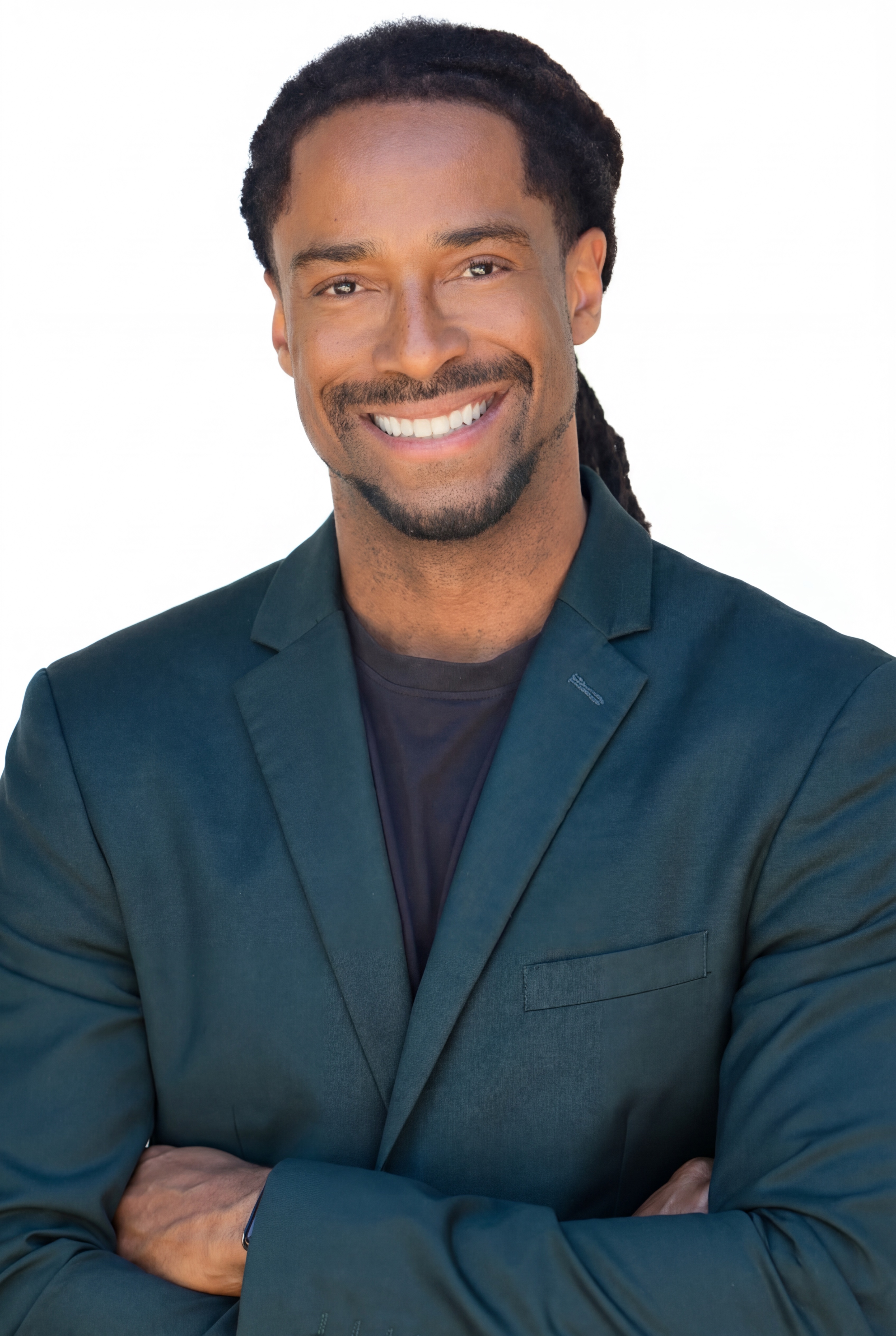
Will Gill is a corporate DJ, emcee, and audience engagement specialist a Forbes Next 1000 honoree, the Wall Street Journal’s #1-ranked corporate DJ and emcee, with 2,520+ five-star Google reviews across 600+ annual corporate engagements. Sales kickoffs are core to his calendar each January and February, where his 3-in-1 service combining DJ programming, emcee leadership, and audience engagement segments serves as the connective tissue between sessions managing energy across the agenda, recovering rooms when content runs long, and giving SKO programs a unifying on-stage presence that ties multi-topic days together. His client roster spans Google, Amazon, Salesforce, the United Nations, and the Boys & Girls Clubs of America. See his on-stage credits on IMDb. Reach out to discuss your 2026 SKO programming.
Corporate Events Hosted Annually
Five-Star Google Reviews
WSJ-Ranked Corporate DJ and Emcee
Frequently Asked Questions
What topics belong on a 2026 sales kickoff agenda?
Foundation topics such as state of business and product roadmap, plus 2026 priorities: AI, manager enablement and ICP refinement.
How many SKOs improve performance?
Research cited in the guide separates the 38 percent that measurably improve sales performance from the 62 percent that do not.
How long should the strategy session be?
SiftHub's 2026 guide puts state of business and annual strategy at 45 to 60 minutes.
What is the practice-to-presentation ratio?
The balance of hands-on practice to lectures that determines whether content sticks.
What should be cut?
The guide lists topics to remove from most 2026 agendas.