
Sales Kickoff Strategies in 2026

The strategies that produce strong sales kickoffs in 2026 are materially different from the strategies that produced strong SKOs in 2023 or 2024. The dominant shifts AI readiness as a mandatory content priority, hybrid format normalization, measurement discipline as a competitive differentiator, manager enablement as the layer where SKO content lives or dies, and the cost-per-attendee benchmark resetting upward to the $2,500–$5,500 range have all happened inside the last 18 months, which means the SKO planning template most companies are still operating against is essentially out of date.
This article is the consolidated 2026 SKO benchmark dashboard what the data says about current-year investment levels, format choices, content priorities, and failure modes that companies running their 2026 SKO programming should know about before locking the agenda. For deeper coverage of any single dimension, the companion cluster articles cover the specific topics in depth: what a sales kickoff is as the foundational definition, why companies invest in SKOs as the business case, how to plan a sales kickoff as the procedural framework, and how to align SKO strategy with business goals as the strategic framework. This article focuses specifically on what’s changed in 2026 versus prior years.
Key Takeaways
The 2026 SKO cost-per-attendee benchmark has reset upward to the $2,500–$5,500 range, with Prospeo’s 2026 SKO analysis documenting a US average of $3,144 per attendee for fully-loaded SKO programming. This represents meaningful upward pressure versus 2024 benchmarks driven by venue cost inflation, expanded hybrid production requirements, and content design depth that wasn’t standard in prior years. SKO planning teams operating against 2023 budget assumptions are typically underfunding their 2026 events by 20–35%, which is the single most common 2026 SKO planning miscalculation.
AI readiness has become the dominant new content priority for 2026 SKOs, and the companies handling it well are running hands-on AI labs, manager training on AI-augmented coaching, and explicit programming around how AI changes the rep’s day-to-day work. Highspot’s March 2026 SKO planning analysis identifies AI readiness, manager enablement coaching, and reinforcement-system design as the three dominant 2026 SKO content priorities. The alignment test is whether reps leave the SKO with concrete behavior changes around AI usage, not whether they leave with general awareness that AI matters to the company strategy. SKOs that mention AI only in executive keynotes without programming hands-on AI practice are essentially handling the priority at the awareness layer rather than the behavior change layer.
The 30% practice rule is the single most consistent operational discipline in 2026 SKO design. Prospeo’s 2026 SKO analysis documents that strong SKOs allocate roughly 30% of total agenda time to active practice role plays, certification exercises, peer coaching, scenario simulation rather than passive content consumption. This is the structural counterpart to the death-by-PowerPoint failure mode that SalesHood’s March 2026 SKO guide identifies as the most common SKO content design error. SKOs that allocate 60–70% of agenda time to presentations produce events where reps watch leadership communicate strategy without ever practicing the behaviors strategy requires which is why those SKOs consistently fail the post-event measurement test even when the keynotes are well-received in the moment.
Hybrid SKO format is no longer the COVID-era stopgap; it’s the structural norm for organizations with distributed workforces. jshay.events 2026 corporate event analysis documents that 59% of corporate event planners expect in-person attendance in 2026, with hybrid as the dominant supplementary format for organizations that can’t centralize the entire sales organization. The 2026 hybrid execution standard has matured significantly versus 2022 hybrid programming the strongest 2026 hybrid SKOs use regional hub models, dual-camera production, dedicated engagement moderators for remote audiences, and breakout ratios that favor virtual participation rather than treating remote attendees as a secondary tier. Companies still running 2022-era hybrid programming with single-camera Zoom feeds are operating well below 2026 standards.
Measurement infrastructure is the 2026 differentiator that separates SKOs producing measurable post-event behavior change from SKOs producing memorable two-day experiences. SiftHub’s January 2026 SKO analysis documents that SKOs with strong measurement and reinforcement infrastructure produce a 38% measurable improvement in sales team performance against a baseline of no SKO at all while SKOs without that infrastructure produce minimal lasting impact. The measurement layer typically runs through 30/60/90-day behavior change tracking in the CRM, call recording analysis for behavior verification, and quarterly performance review references back to specific SKO content. The 2026 SKOs producing the strongest ROI are the ones where the measurement framework is designed into the agenda from the start rather than added as a post-event afterthought.
Watch DJ Will Gill perform live. Contact him now to book your sales kickoff.
“The SKO planning template most companies are still operating against is essentially out of date the dominant shifts in cost benchmarks, AI readiness, hybrid normalization, and measurement discipline have all happened inside the last 18 months.”
The 2026 SKO Landscape: What’s Changed
The four dominant shifts that have reshaped SKO planning in 2026 versus 2023–2024 are concrete enough to enumerate, and the planning teams that have internalized all four are operating in materially different territory from teams still running 2024-template SKOs.
AI readiness has become a mandatory content priority. The 2026 SKOs producing measurable improvement in field behavior are programming hands-on AI usage labs, manager training on AI-augmented coaching, and rep-level certification on the AI tools the company expects the sales team to use in daily workflow. Industry coverage of Salesforce’s 2025 SKO documented the use of AI to curate personalized agendas at scale one of the earliest large-enterprise examples of AI integrated into SKO programming infrastructure rather than mentioned as an executive priority. The 2026 SKOs treating AI only as keynote content without programming hands-on AI practice are handling the priority at the awareness layer rather than the behavior change layer.
Hybrid format has normalized as the structural standard. The hybrid SKO is no longer the COVID-era stopgap; it’s the dominant format for distributed sales organizations and the supplementary format for centralized ones. Prospeo’s 2026 virtual SKO analysis documents that 52% of the US workforce now operates in a hybrid arrangement, which means the SKO format that genuinely matches the organization’s working pattern is increasingly hybrid rather than purely in-person. The 2026 hybrid SKO execution standard has also matured significantly versus 2022 single-camera Zoom feeds are no longer competitive against dual-camera production, engagement moderator roles, and regional hub configurations.
Measurement discipline has become the competitive differentiator. SiftHub’s January 2026 analysis documents that the 38% measurable performance improvement from SKOs appears specifically in events with strong measurement and reinforcement infrastructure; SKOs without that infrastructure produce minimal lasting effect even when the in-event experience is excellent. The measurement layer is what makes the difference between an SKO that earns its budget and an SKO that produces memorable theater. The companion article on strategic alignment covers the measurement-back design framework in depth.
Manager enablement has emerged as the make-or-break layer. Highspot’s March 2026 analysis identifies manager enablement coaching as one of the three dominant 2026 SKO content priorities specifically because the manager layer is where SKO alignment lives or dies in the field. Reps return from the SKO with energy and intent; whether that energy translates into 30/60/90-day behavior change depends almost entirely on whether their managers run consistent coaching cadence against the SKO commitments. 2026 SKOs that allocate dedicated manager-only programming (typically a half-day pre-conference workshop) consistently outperform SKOs that treat managers as senior attendees rather than as the operational layer where SKO content lives.
2026 SKO Benchmarks vs. 2024 Baseline: Where the Numbers Have Moved
| Dimension | 2024 Baseline | 2026 Benchmark | Driver of Change |
| Cost per Attendee (US) | $2,000–$3,500 | $2,500–$5,500 ($3,144 avg) | Venue inflation, hybrid production, content depth |
| AI Content Coverage | Awareness-level keynote mentions | Hands-on labs, certification, manager coaching | AI tool adoption pressure across sales workflows |
| Format Standard | In-person primary; hybrid stopgap | In-person + structured hybrid mainstream | 52% workforce hybrid, distributed sales orgs |
| Practice-to-Presentation Ratio | 15–20% practice typical | 30% practice as benchmark | Death-by-PowerPoint failure pattern recognition |
| Manager Enablement | Managers attend as senior reps | Dedicated manager pre-conference half-day | Manager layer recognized as reinforcement key |
| Measurement Infrastructure | Post-event survey only | 30/60/90-day behavior change tracking | Measurement discipline as ROI differentiator |
| CEO Keynote Length | 60–90 minutes common | 30 minutes disciplined | Working-session displacement recognition |
| Reinforcement System | Follow-up email; loose intent | Year-long reinforcement architecture | 80% forgotten without reinforcement (Prospeo) |
2026 benchmarks consolidated from Prospeo 2026 SKO analysis, SiftHub January 2026, Highspot March 2026, SalesHood March 2026, GTM.club December 2025, and jshay.events 2026 corporate event analysis. 2024 baselines reflect aggregate pre-2025 benchmark documentation across the same source set.
2026 SKO Investment Benchmarks: Cost per Attendee and ROI
The 2026 SKO cost-per-attendee benchmark has reset upward to the $2,500–$5,500 range, with Prospeo’s 2026 analysis documenting a US average of $3,144 per attendee for fully-loaded programming. SiftHub’s January 2026 SKO benchmark documents a slightly wider $2,000–$4,000 range across mid-market through enterprise SKOs. The upward pressure versus 2024 benchmarks comes from three structural sources: venue cost inflation (corporate event pricing in major US destinations has run ahead of general inflation since 2023), expanded hybrid production requirements (dual-format production routinely costs 1.5–2x in-person-only equivalent), and content design depth (the certification, role play, and manager enablement layers that weren’t standard in 2023 SKOs are now baseline expectations).
The ROI math at these investment levels is meaningful. A 200-person SKO at the $3,144 US average runs $628,800 fully loaded which represents a real allocation decision for companies in the $50M–$500M revenue range. The Prospeo $385K ramp math benchmark captures the cost of one quarter of delayed productivity for a 10-person rep cohort, which is the implicit comparison the SKO investment is being made against. SKOs that produce 30 days of accelerated productivity for 100 reps at $400K of rep cost-per-quarter pay back the investment two to three times over; SKOs that produce general inspiration without behavior change typically don’t. The discipline that determines which side of that line a specific SKO lands on is the measurement and reinforcement infrastructure covered in the strategic alignment framework.
2026 SKO Format and Agenda Discipline
The 2026 SKO agenda disciplines that consistently appear in events producing measurable improvement run through four specific patterns. The 30% practice rule strong SKOs allocate roughly 30% of total agenda time to active practice (role plays, certification exercises, peer coaching, scenario simulation) rather than passive content consumption. This is the most consistent single discipline across 2026 SKO benchmarks and the most common dimension on which underperforming SKOs miss.
The breakout-heavy hybrid ratio. SalesHood’s March 2026 SKO guide documents that the strongest hybrid SKOs allocate proportionally more time to small-group breakouts than to general sessions, because breakouts are where the hybrid format works as well as in-person, while general sessions are where the hybrid format is genuinely weaker than in-person. 2026 hybrid SKOs that try to replicate the in-person agenda one-for-one in hybrid format consistently underperform; 2026 hybrid SKOs that redesign the agenda around what hybrid does well perform comparably to their in-person equivalents.
The 30-minute CEO keynote discipline. Prospeo’s 2026 benchmark documents specifically that CEO keynotes targeted at 30 minutes consistently outperform CEO keynotes that run 60+ minutes, because the longer keynotes eat into working sessions where actual behavior change happens. The discipline isn’t about whether the CEO has 60 minutes of content; it’s about whether the CEO’s 60 minutes of content is more valuable than the 30 minutes of working session that gets displaced when the keynote overruns. The companion article on SKO speech architecture covers the keynote discipline in depth.
The manager pre-conference workshop. 2026 SKOs that include a dedicated manager-only half-day before the main conference consistently outperform SKOs that treat managers as senior attendees throughout. The manager pre-conference does two specific jobs: aligns the manager layer on the strategic content before reps arrive, and equips managers with the coaching cadence they’ll be running against the SKO commitments through Q1 and Q2. Without this layer, the manager layer typically encounters the SKO content at the same time as the reps, which leaves no time for manager-level preparation on how to coach against it.
2026 SKO Theme and Content Priorities
The dominant 2026 SKO themes consistently cluster around three strategic narratives. AI-readiness themes variations on “Augmented Selling,” “The AI-Enabled Sales Team,” or “Selling in the AI Era” capture the year’s dominant content priority and signal to reps that the company is leaning into the AI transition rather than treating it as an external threat. Momentum themes variations on “Unstoppable Momentum,” “Year of Acceleration,” or “Compound Growth” work well for companies that had strong 2025 results and want to position 2026 as the continuation rather than a reset. Resilience themes variations on “Future Proof,” “Built to Last,” or “Defy the Cycle” work well for companies operating in challenging market conditions where the strategic narrative needs to acknowledge difficulty without conceding defeat.
The theme selection discipline that separates strong choices from weak ones is whether the theme is specific enough to constrain content decisions. Generic themes like “Together We Win” or “Driving Excellence” don’t actually constrain anything they could apply to any company in any year, which means they don’t help the planning team make decisions about what to include and what to cut. Specific themes like “Augmented Selling 2026” or “Defy the Cycle: Q1 Acceleration” carry information about what should and shouldn’t be in the agenda, which makes them functional planning tools rather than decorative phrases. The companion article on SKO theme design covers the theme selection framework in depth.
2026 SKO Failure Modes to Avoid
The 2026 SKO failure modes that consistently appear across underperforming events are concrete enough to enumerate as a checklist. Death-by-PowerPoint agenda dominated by presentations with minimal practice time, producing events where reps watch leadership communicate strategy without ever practicing the behaviors strategy requires. 2024 budget assumptions planning teams operating against $2,000-per-attendee 2024 benchmarks instead of $3,000+-per-attendee 2026 benchmarks, producing underfunded events that look 20–35% smaller than peer-company SKOs at the same revenue scale.
AI awareness without AI practice agenda mentions AI in the CEO keynote without programming hands-on AI labs or rep-level AI certification, producing events where the strategic priority is communicated but not internalized. Single-camera hybrid programming hybrid execution that treats remote attendees as a secondary tier with single-feed Zoom programming, producing events where the remote audience disengages by mid-day-one and the hybrid investment produces less value than an in-person-only SKO would have.
Missing manager layer SKOs that treat managers as senior attendees without dedicated manager enablement programming, producing events where reps return motivated but their managers don’t have the coaching cadence to convert that motivation into Q1 and Q2 behavior change. No measurement infrastructure SKOs designed around theme and content without explicit 30/60/90-day measurement framework, producing events where the question of whether the SKO actually worked can’t be answered because the data infrastructure to answer it doesn’t exist. The SKOs that avoid all six of these failure modes are running materially different events from the SKOs that don’t, and the difference shows up in measurable Q1 and Q2 field behavior change rather than just in post-event survey results.
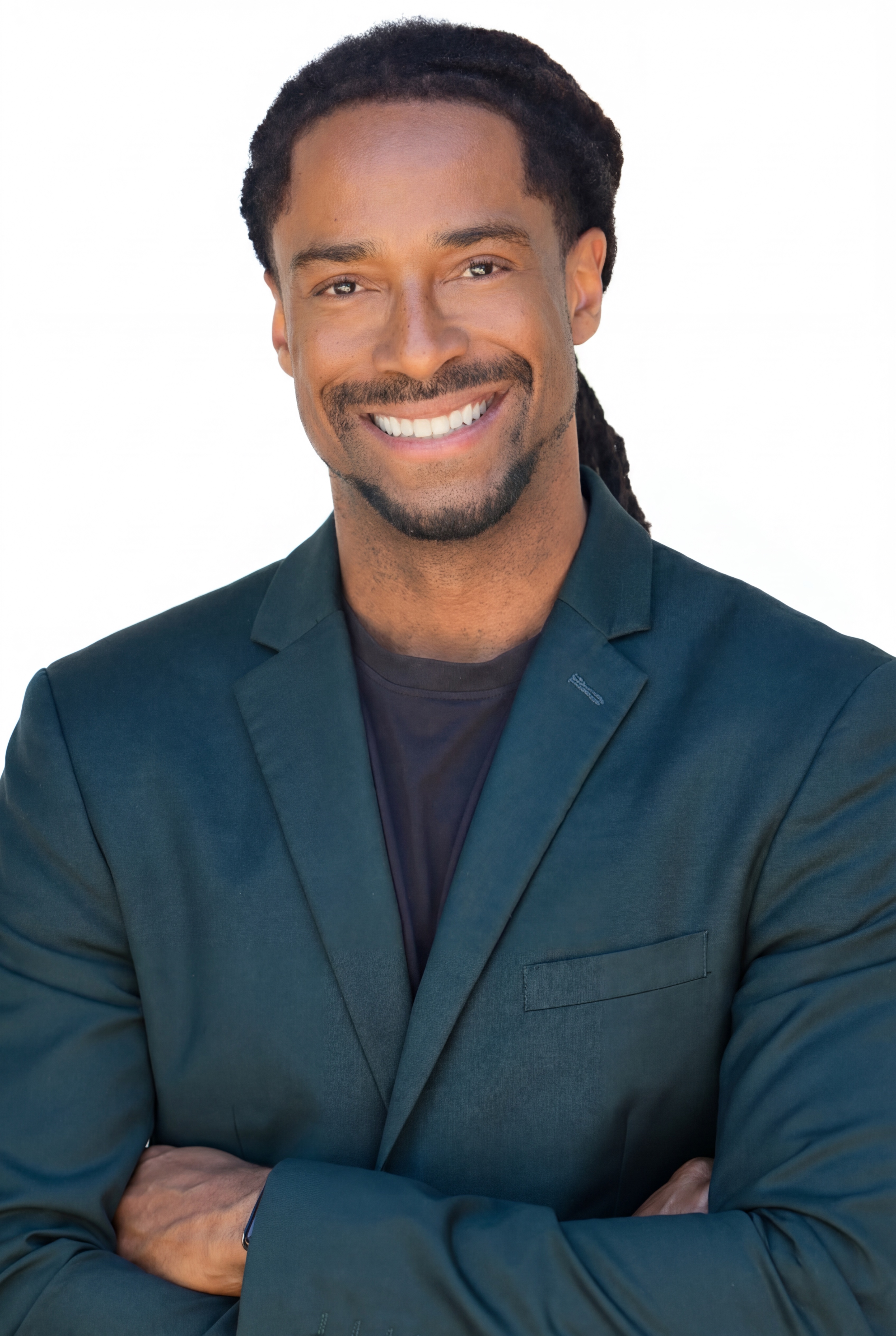
DJ Will Gill
Will Gill is a professional corporate DJ, emcee, and audience engagement specialist whose 3-in-1 service anchors the entertainment and engagement programming at 600+ corporate events annually, including substantial SKO programming for Fortune 500 clients during the January–February kickoff season. A Forbes Next 1000 honoree, the Wall Street Journal’s #1-ranked corporate DJ and emcee, with 2,520+ five-star Google reviews. Client roster spans Google, Amazon, Salesforce, the United Nations, and the Boys & Girls Clubs of America. See his on-stage credits on IMDb. Reach out to discuss your 2026 sales kickoff programming.
Corporate Events Hosted Annually
Five-Star Google Reviews
WSJ-Ranked Corporate DJ and Emcee
Frequently Asked Questions
What changed for sales kickoffs in 2026?
AI readiness as mandatory content, hybrid format normalization, measurement discipline, manager enablement, and cost per attendee resetting to $2,500 to $5,500.
What is the 2026 cost benchmark?
Prospeo's analysis documents a US average of $3,144 per attendee fully loaded.
What formats and agenda discipline apply?
The guide covers 2026 format choices and agenda rules.
What content priorities matter?
AI, manager enablement and ICP refinement among the themes.
What failure modes should I avoid?
The closing section lists the 2026 SKO failure modes.