
National Corporate Holiday Party Entertainment | DJ Will Gill
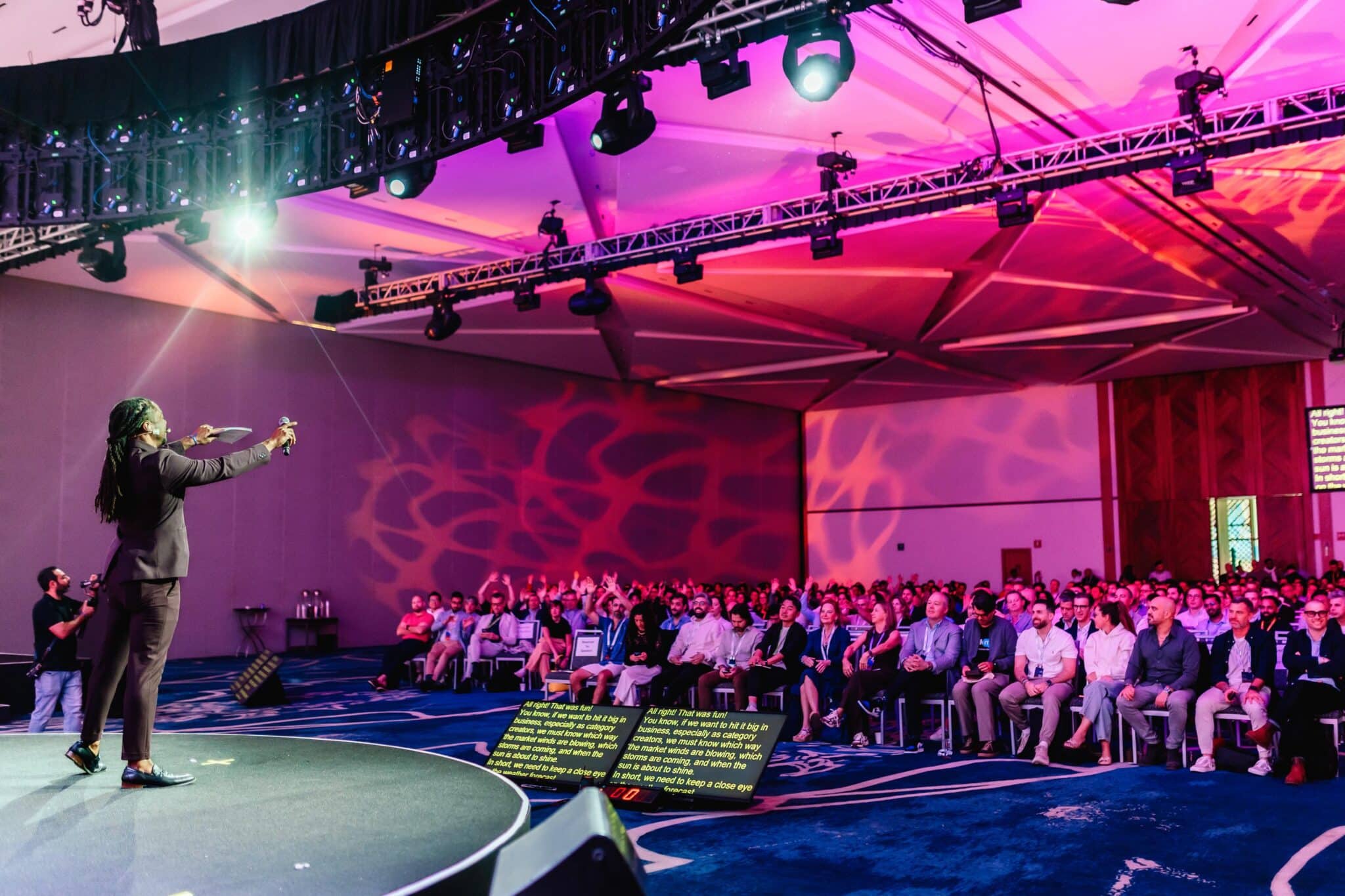
The corporate holiday party is the year-end signature event most companies build their internal calendar around. The product launches happen on their own timeline, the all-hands meetings recur month after month, the conferences arrive in whatever industry season they belong to but the holiday party arrives every December (or November or January, depending on the company’s preference for avoiding the December calendar congestion), gathers the entire workforce in one room, and produces the cultural inflection point that closes the year and signals what kind of culture the company is leading the workforce into for the next one. The entertainment programming determines whether the room produces the cultural inflection the host intended, or whether the evening fades into the kind of obligatory corporate party every company seems to host without distinguishing themselves from any other company’s version.
This guide walks through national corporate holiday party entertainment as a distinct category why entertainment investment at the year-end celebration produces measurable workforce outcomes, the holiday party sub-formats from black-tie galas to themed celebrations to multi-location coordinated programs, the anatomy of a holiday party across arrival, dinner, peak energy, and closing, music programming for the seasonal context, the emcee role across welcome and recognition delivery, interactive entertainment add-ons that elevate the party beyond standard DJ-and-dinner format, format variations across small companies and large multi-location coordinated programs, the December booking timing that determines who gets which talent, and the professional application criteria that distinguish holiday-party-ready entertainment talent from adjacent-category alternatives.
Key Takeaways
→ Workforce holiday party attendance and budgets are rising again. 2026 workplace holiday research citing ezCater data documented that 82% of employees planned to attend their company holiday party (up from 70%), 51% of companies increased their party budgets year-over-year, and the total average cost including venue, entertainment, and all expenses reached approximately $693 per person. The investment levels reflect that the holiday party has reentered the category of strategic workforce investment after several years of post-pandemic budget compression.
→ Holiday parties drive measurable workforce bonding. 2026 workplace holiday research documented that 83% of employees say holiday parties help them bond with coworkers, with 96% looking forward to celebrations making the holiday party one of the single most cost-effective workforce engagement investments available within the annual people-and-culture budget. The bonding effect is the ROI; the entertainment programming determines whether the bonding happens or fails.
→ The corporate events market is expanding substantially. 2026 industry analysis documented that the global corporate events market is projected to grow from $325 billion in 2026 to $595.27 billion by 2029, representing sustained investment in live in-person experiences and that 65% of corporate event budgets still go toward venue and food costs, leaving entertainment as an afterthought. The companies that invest in entertainment rather than treating it as the residual line item distinguish their holiday parties from the generic competition.
→ Atmosphere is the strongest single predictor of attendee satisfaction. 2024 corporate event research documented that 82% of attendees cite atmosphere as the most important factor in their overall event satisfaction. For holiday parties specifically where the seasonal energy compounds across multi-hour programming and the production has to sustain across dinner, recognition, peak energy, and closing atmospheric production is one of the most direct levers available for converting workforce attendance into workforce memory.
→ Talent for December books early. 2026 NYC corporate holiday party planning analysis documented that the most trusted corporate holiday party planners have been fielding December inquiries since Q1, with budget benchmarks of $25K-$50K for intimate events under 100 guests, $50K-$150K for 100-300-guest productions, and $150K-$500K+ for large-scale events. The December high-demand season produces a structural reality: companies that wait until October are selecting from whatever talent remains, while companies that book in Q1 secure the talent they actually want.
To request a holiday party entertainment proposal, contact DJ Will Gill directly.
Why Corporate Holiday Party Entertainment Matters
The Attendance Recovery Data
The workforce-return layer. 2026 workplace holiday research documented that 82% of employees planned to attend their company holiday party up from 70% the year prior. The recovery matters because attendance is the threshold condition for everything else the party is designed to produce: cultural reinforcement, workforce bonding, leadership visibility, year-end recognition. A party that 70% of employees attend produces fundamentally different outcomes than one 82% attend, and the production discipline behind the entertainment is one of the strongest drivers of that attendance differential. Strong holiday party programming earns the attendance the host invested in producing.
The Budget Increase Trend
The investment-direction layer. 2026 industry research documented that 51% of companies increased their holiday party budgets year-over-year, with the average per-person food and beverage spend reaching $59 (up 31% YoY) and total average cost approximately $693 per person. The investment direction signals that leadership is treating the holiday party as a strategic culture investment again, after several years of post-pandemic budget compression. The companies that are increasing budgets are competing with each other on workforce experience; the entertainment programming is one of the most visible differentiators in that competition.
The Atmosphere Effect
The room-state layer. 2024 corporate event research documented that 82% of attendees cite atmosphere as the most important factor in their overall event satisfaction. At holiday parties specifically, the atmosphere has compounding effect strong arrival atmosphere sets a tone the dinner reinforces, dinner sets a tone the recognition lands into, recognition sets a tone the peak dancing energy builds from. By the closing, the atmosphere has accumulated several hours of momentum that makes the party feel cohesive rather than fragmented. The entertainment programming is what creates and sustains that compounding effect across the evening.
The Bonding Outcome Research
The workforce-connection layer. 2026 workplace holiday research documented that 83% of employees say holiday parties help them bond with coworkers, with 96% looking forward to celebrations. The bonding outcome is the underlying business case for the holiday party workforces that bond at the year-end party operate more cohesively the following year, retain better, and produce stronger collaboration outcomes than workforces whose connection points are limited to the regular work cadence. The entertainment programming is what creates the conditions for the bonding to happen at scale; without strong production, the workforce gathers but the bonding remains diffuse.
Corporate Holiday Party Sub-Formats
Black-Tie Corporate Holiday Party
The formal-evening layer. The black-tie corporate holiday party is the canonical year-end celebration at the top production tier formal attire, hotel ballroom or distinctive venue, plated dinner with full beverage service, elevated entertainment programming throughout the evening. The format typically runs 4-6 hours and includes welcome reception, dinner with brief executive remarks, recognition moments, peak dancing programming, and closing celebration. Strong black-tie holiday party production uses every element deliberately refined arrival music, polished emcee craft for the formal portions, sustained DJ work that builds across the evening’s energy arc, and atmospheric design that reflects the formal context the audience expects.
Themed Holiday Party
The unified-concept layer. Themed holiday parties Winter Wonderland, Casino Royale, Roaring Twenties, Tropical Christmas, Decades themes use a single creative concept to unify the venue design, music programming, food and beverage approach, attire expectations, and entertainment elements. The themed format works particularly well when companies want to distinguish their party from the generic ballroom celebration competitors host. Strong themed holiday party entertainment integrates with the theme deliberately music selections that match the theme’s musical territory, emcee work that references the concept without overdoing it, interactive activations that fit the theme rather than feeling imposed onto it.
Family-Friendly Company Holiday Party
The whole-family layer. Some companies host family-friendly holiday parties that include employees’ spouses, partners, and children. The format produces stronger workforce-loyalty outcomes than employee-only parties because the entire family experiences the company’s culture rather than just the employee. The entertainment programming has to work across the cross-generational audience children, teenagers, adult attendees from multiple age cohorts. Strong family-friendly holiday party entertainment uses universally-recognized music selections, includes activations appropriate for younger attendees (photo experiences, themed activities), and respects that the workforce’s family members are evaluating the company as much as the employee is.
Multi-Location Coordinated Parties
The national-program layer. Companies with multiple offices coordinate holiday parties across locations simultaneously same date, similar programming structure, location-specific local touches. The coordination signals that every location matters equally and produces the unified company-wide moment that distributed companies need to maintain cultural cohesion at year-end. Strong multi-location holiday party production uses consistent core programming across sites (executive video address, shared timing, parallel entertainment moments) while allowing local customization (regional food, location-specific recognition, venue-appropriate atmosphere). The coordination requires sourcing talent at each location at consistent production tier booking the same talent across markets when possible to maintain consistency.
Office and Casual Holiday Party
The smaller-scale layer. Smaller companies and individual departments often host casual holiday parties office-based or smaller venue, business casual attire, less structured program, lighter entertainment investment. The format works for organizations where the budget supports good production at smaller scale rather than full gala production at large scale. Strong casual holiday party entertainment maintains the production discipline at smaller scale appropriate music programming, brief emcee moments for recognition, atmospheric design that signals the day is intentional even at lower production tier than larger events. The casual format is often where the smallest budgets still produce strong workforce outcomes when the production craft is right.
Holiday Party Plus Awards Combined
The bundled-format layer. Some companies combine the holiday party with year-end awards programming recognition of employee-of-the-year winners, service anniversary milestones, departmental achievements integrated into the holiday celebration. The combined format reduces the number of separate events the workforce attends but adds program complexity to the holiday party itself. Strong combined-format entertainment separates the awards moments explicitly within the broader celebration a dedicated 20-30 minute recognition program embedded in the evening’s arc rather than awards moments scattered throughout. The emcee craft particularly matters in this format because the talent has to navigate between celebratory party energy and formal recognition energy across the evening.
Holiday Open House
The external-hospitality layer. Some companies host holiday open houses that include clients, partners, vendors, and community contacts alongside employees. The format functions as both internal celebration and external relationship maintenance the entertainment programming supports the dual audience by maintaining sophisticated atmosphere appropriate for the external attendees while producing the celebratory energy the workforce came for. Strong open house entertainment runs at lower energy than employee-only parties (the external audience expects more measured production) while still producing the seasonal celebration character the format requires.
Virtual and Hybrid Holiday Party
The distributed-workforce layer. Companies with substantial remote or hybrid workforces often run virtual or hybrid holiday parties broadcast central programming, shipped gift packages timed to arrive on the event day, virtual interactive activities that distributed teams can participate in alongside the in-person event. Strong hybrid holiday party production designs the remote experience as substantive rather than as token participation; remote employees should feel the party was designed for them specifically rather than that they’re watching the in-person event happen without them. The format became standard following 2020 disruption and continues to evolve as distributed workforces become structural rather than exceptional.
January Alternative Appreciation Party
The off-peak-timing layer. Some companies host their year-end celebration in January rather than December avoiding the December calendar congestion, securing better venue availability, accessing talent who are oversubscribed in December, and giving the workforce a celebration to look forward to as they return from the holiday break. The January timing has practical advantages and produces a different cultural effect (forward-looking start-of-year rather than reflective end-of-year). Strong January programming reframes the celebration as workforce appreciation and new-year kickoff rather than as delayed December party the framing matters because the audience experiences the event differently when the positioning is intentional rather than apologetic.
The Anatomy of a Corporate Holiday Party
Arrival Reception
The first-impression layer. The arrival reception typically runs 45-75 minutes before the dinner program begins attendees arrive from work or home, check in, get drinks at the bar, gather socially before being called to seated dinner. The entertainment programming during arrival sits at medium-to-medium-low atmospheric energy, uses curated music that establishes the production tier, and gives the room time to populate without forcing energy on the still-arriving audience. Strong arrival programming gives attendees the impression that the holiday party was produced intentionally the production discipline they encounter during arrival shapes their expectations for the rest of the evening.
Welcome Program
The opening-frame layer. The transition from reception to dinner is the moment the emcee or executive welcomes the room, frames the evening’s significance, and lands the official start of the formal program. The welcome runs warm rather than performative, names the year’s significance briefly, and produces the energy lift that the dinner program builds from. Strong welcome work integrates with the music programming so the energy shift feels natural rather than forced, the music modulates upward as the welcome begins, lands a brief lift at the executive welcome’s natural beats, and resolves into the dinner atmosphere as the program transitions.
Dinner Programming
The meal-service layer. The dinner runs typically 60-90 minutes plated dinner service or buffet, with music programming that supports conversation at the tables. The entertainment work during dinner sits at conversation-supporting volume, modulates subtly across the meal, and prepares the room for the post-dinner programming transition. Strong dinner programming respects that attendees came to eat and talk; the music is foundation rather than focus. The dinner is also often where smaller program elements happen brief recognition moment from a department head, a year-end video about the company’s achievements, a quick acknowledgment of a milestone employee.
Year-End Recognition Moment
The acknowledgment layer. Most holiday parties include year-end recognition service anniversary milestones, employee-of-the-year acknowledgments, departmental achievements, specific contributor recognition. The recognition typically runs 15-30 minutes total within the broader evening, distributed across the program or concentrated into a single segment depending on the format. Strong recognition delivery names specific contributions, pronounces recipient names accurately, and produces the applause moments the entire workforce participates in. The recognition is what individual employees recall from the holiday party months later; the delivery quality determines whether the recall is positive.
Peak Dancing Energy
The signature-celebration layer. The peak energy phase typically 90-180 minutes of dance floor programming after dinner concludes is the holiday party’s signature moment. The DJ work shifts from atmospheric support to full peak programming: contemporary tracks with broad recognition, energy curves that build across the dance floor window, music programming that produces the celebratory energy attendees came for. Strong peak DJ work uses universal-recognition selections (tracks that pull mixed-generation audiences onto the floor together), builds energy through deliberate sequencing, and reads the room throughout to identify which territory is producing the strongest dance floor response. The peak hour is what attendees describe when they tell colleagues about the holiday party afterward.
Special Activations
The signature-moment layer. Many holiday parties include special activations that distinguish the evening from standard DJ-and-dinner format game show segments, photo booth experiences, signature cocktail demonstrations, surprise live music appearances, themed activity stations. The activations typically run as scheduled moments embedded within the broader evening or as continuous experiences attendees encounter throughout the venue. Strong activation programming integrates with the broader entertainment flow rather than competing with it; the special moments enhance the party rather than fragment it.
Closing Celebration
The send-off layer. The final 30-45 minutes of the holiday party is the closing celebration arc music programming sustains energy while gradually preparing the room for natural close, the emcee makes brief closing acknowledgments, attendees prepare for transportation and departure. Strong closing programming avoids the dropped-energy mistake (where the room suddenly feels empty even while half the audience is present) and the prolonged-end mistake (where the party extends past its natural conclusion). The closing produces the last impression attendees carry home; the production discipline behind it determines whether that impression is enthusiastic or fading.
Music Programming for Holiday Parties
Arrival Atmosphere
The opening-tone layer. The arrival music programming runs at sophisticated atmospheric energy selections lean toward contemporary curated tracks, occasional selective holiday music for seasonal context, instrumental and vocal blend that produces social comfort without imposing intensity. Strong arrival programming reads the demographic mix of the gathering audience and adjusts curation accordingly younger workforce arrival programming differs from senior-leadership reception programming, even at the same holiday party. The arrival music establishes the production tier; attendees walking into intentional curation form different expectations than attendees walking into generic background playlist programming.
Dinner Background Music
The conversation-supporting layer. The dinner music sits at conversation-supporting volume across the meal portion. Selections continue the curated character of the arrival, modulate slightly as the dinner progresses, and prepare the room for the post-dinner programming transition. Strong dinner programming uses volume calibration as the primary control the music should be present enough that conversations have atmospheric foundation but quiet enough that table conversations don’t require raised voices. The dinner music is often where attendees experience the most sustained DJ work of the evening; the calibration determines whether the dinner feels like a polished gala or a routine corporate meal.
Energy Transition
The shift-into-celebration layer. The transition from dinner into peak dancing programming is one of the most consequential production moments of the evening. The music programming lifts gradually rather than abruptly, the DJ uses tempo and energy modulation to bring the room from seated-and-conversing into standing-and-celebrating, the emcee signals the transition with a brief moment that acknowledges the program shift. Strong transition work happens across 10-20 minutes rather than as a single moment the energy compounds naturally rather than imposing a sudden shift on the audience. The transition determines whether the dance floor fills or stays empty across the peak hour that follows.
Peak Dance Floor Programming
The signature-energy layer. The peak dancing programming runs at the holiday party’s signature energy contemporary dance floor tracks with universal recognition, era-bridging selections that pull mixed-generation audiences together, music programming that builds energy across the peak window rather than maintaining constant intensity. Strong peak programming uses tracks that produce universal positive recognition rather than testing the audience with obscure selections, reads the dance floor continuously to identify which territory produces the strongest response, and modulates throughout to give the peak hour rhythm rather than monotony.
Closing Arc
The wind-down layer. The final segment of the music programming gradually winds the energy down, modulates the selections toward closing-appropriate territory, and produces the natural end the format requires. Strong closing programming avoids the abrupt termination (where the music stops mid-energy and the room loses momentum suddenly) and the prolonged extension (where the energy fades into awkward dispersal). The closing music is what attendees hear as they prepare to leave; the programming discipline behind it determines whether the last impression is celebratory or anticlimactic.
Holiday Music Integration Selective
The seasonal-context layer. Holiday-specific music selections (Christmas standards, secular winter holiday tracks, contemporary holiday hits) integrate selectively into the broader curation rather than dominating the programming. Strong holiday music integration uses 5-10% of the total program as explicitly holiday-themed tracks enough to establish seasonal context without imposing genre on attendees who may not share the holiday’s specific traditions. The selective integration respects the workforce’s religious and cultural diversity while still acknowledging the seasonal context that makes the party a holiday party rather than a generic corporate celebration.
The Emcee Role at Holiday Parties
Welcome and Tone Setting
The opening-frame layer. The emcee’s welcome at the holiday party establishes the tone the rest of the evening builds on. The welcome runs warm rather than performative, frames the year’s significance briefly, and lands the executive welcome cleanly when leadership takes the microphone. Industry research documented that 89% of planners credit emcees with improving attendee feedback and at holiday parties specifically, the emcee craft is what distinguishes the evening from a generic year-end gathering with a microphone.
Recognition Delivery
The acknowledgment-craft layer. The recognition moments naming service anniversary recipients, acknowledging year-of-service contributors, recognizing specific achievements require the emcee’s most refined craft of the evening. Strong recognition delivery names specific contributions rather than offering generic gratitude, pronounces recipient names accurately (non-trivial when the workforce includes diverse backgrounds), and produces the applause moments the entire workforce participates in. The recognition is one of the highest-stakes emcee responsibilities at holiday parties because the recipients carry the moment with them for years afterward.
Special Moment Introductions
The activation-integration layer. When the holiday party includes special activations game show segments, surprise performances, themed activity reveals the emcee introduces each moment with appropriate energy and frames the activation’s place in the evening. Strong introductions are brief, energy-matched to the activation that follows, and integrate the special moment into the broader evening arc rather than positioning it as a separate event. The introductions matter because they signal to attendees that the special moments are intentional production elements rather than random insertions.
Energy Transitions
The flow-management layer. The emcee manages the energy transitions across the evening from arrival to dinner, from dinner to recognition, from recognition to dance floor, from dance floor to closing. Each transition requires specific energy work that the emcee coordinates with the DJ programming. Strong transition management is largely invisible when it works; attendees experience an evening that flowed naturally without recognizing the production discipline behind the natural feeling. Transitions are where holiday parties often lose energy unnecessarily; refined transition work prevents the energy drops that would otherwise compromise the evening’s arc.
Closing Thank-You
The send-off layer. The emcee’s closing moment is the brief send-off that consolidates the evening’s experience and signals the natural close. The closing names the workforce’s year contribution, frames the year ahead briefly, and produces the energy that carries attendees home with positive impressions. Strong closing work runs short (90-180 seconds typical), avoids extending into prolonged remarks, and leaves the room with reinforced positive energy rather than fading institutional sentiment. The closing thank-you is the last formal moment of the evening; the craft behind it determines the lasting impression attendees carry.
Interactive Entertainment Add-Ons
Game Show Formats
The signature-engagement layer. Game show formats corporate trivia, branded quiz formats, coworker-style team competitions, signature game show adaptations produce some of the strongest entertainment moments at holiday parties. The format generates cross-team interaction, gives the production a clear structural arc within the broader evening, lands recognition naturally through gameplay, and produces the kind of audience engagement that becomes the party’s most-referenced moment afterward. Strong game show work at holiday parties requires polished hosting craft, on-the-fly improvisation, and the discipline to keep the format moving without losing the participatory energy.
Photo Activations
The shareability layer. Branded photo booths, custom photo backdrops, 360-degree photo experiences, and similar activations produce the content employees share to personal and professional networks. The shared content extends the party’s reach friends and connections of employees see the photos, register that the company invested in the holiday party, and form positive associations with the employer brand. Strong photo activation includes professional-quality setup, branded design that gives content a coherent visual identity, and instant delivery so employees can share within minutes rather than waiting for post-event delivery.
Live Band Hybrid Format
The premium-live layer. Some holiday parties feature live bands during peak dancing hours paired with DJ work for the bookends. The live music adds premium production character the visual element of musicians performing, the energy variation live performance produces, the perceived production tier the band’s presence signals. The DJ handles arrival, dinner, transitions, and closing while the band performs during the peak dance floor window. Strong hybrid live + DJ programming coordinates the transitions cleanly, maintains consistent energy and brand alignment across the configurations, and produces a unified evening rather than two separate entertainment experiences.
Specialty Performers
The unexpected-moment layer. Some holiday parties feature specialty performers magicians during cocktail hour, dance performers during transition moments, aerialists during peak hours, mentalists at strategic moments. The specialty acts produce the unexpected delight that distinguishes memorable parties from standard formats. Strong specialty performance integration places the acts deliberately within the evening’s arc rather than scattering them throughout, gives the audience clear context for each performance, and respects that the specialty elements supplement rather than replace the core DJ and emcee work.
Casino-Style Games for Themed Parties
The themed-activation layer. For casino-themed or roaring-twenties-themed holiday parties, casino-style games (blackjack, roulette, poker tables) function as both entertainment and theme integration. Attendees play with provided chips, the winnings convert to raffle entries for prizes at the closing. The format produces sustained engagement across the evening, gives less-extroverted attendees an alternative to the dance floor, and integrates the theme deliberately rather than imposing it through décor alone. Strong casino game integration combines professional dealers with the broader entertainment programming so the games support rather than compete with the party.
Holiday-Specific Activations
The seasonal-experience layer. Some holiday parties feature explicitly seasonal activations hot chocolate bars, signature holiday cocktail demonstrations, branded ornament stations, gift wrapping for charity, holiday card writing stations for shared causes. The seasonal activations integrate the holiday context into the experience deliberately. Strong seasonal activation design respects workforce diversity using seasonal rather than religious-specific framing, ensuring activities are accessible to attendees from different traditions, and treating the activations as inclusive cultural moments rather than tradition-specific impositions.
Format Variations and Booking Timing
Small Company Holiday Party (50-100)
The intimate-scale layer. Smaller company holiday parties operate on tighter intimacy every employee can be recognized by name during the program, the social dynamics are more personal, the production scales down accordingly. Strong small-company holiday party programming uses the intimacy as advantage: more substantive individual recognition than larger parties can deliver, more personalized executive presence, more direct connection between leadership and workforce. The entertainment runs at the same production tier as larger events but at appropriate scale.
Standard Holiday Party (100-300)
The most-common layer. The 100-300 attendee range is where most corporate holiday parties operate. The format supports full production tier (DJ, emcee, recognition program, dance floor energy, special activations), the audience is large enough to support all programming elements, and the per-attendee investment scales appropriately. Strong standard holiday party production uses the format’s flexibility atmospheric music throughout, full emcee craft, refined recognition programming, peak dancing energy that builds across the evening’s arc.
Large Holiday Gala (300-500+)
The scale-production layer. Holiday parties at 300-500+ attendees require production that scales with the venue audio coverage across the larger space, visual elements that maintain engagement across the audience, emcee work that addresses the full room. 2026 NYC corporate holiday party planning analysis documented that large-scale holiday events (300+ guests) in major markets typically operate at $150K-$500K+ budget tier. The talent has to have experience at the relevant scale; what reads as energetic at 150 attendees registers as restrained at 500.
Multi-Location Coordinated Format
The national-program layer. Multi-location holiday parties require talent sourcing across markets at consistent production tier. The coordination becomes substantial production work vendor management at each location, consistent quality standards across markets, timing coordination so the parties feel parallel rather than sequential. Strong multi-location production benefits from booking the same talent network across locations when possible, using shared core programming elements while allowing location-specific customization, and integrating the parties into a unified national company moment that signals every location matters equally.
Hybrid In-Person and Virtual Format
The distributed-workforce layer. Hybrid holiday parties pair in-person celebration at headquarters or regional offices with parallel remote programming broadcast executive moments, shipped gift packages timed to arrive on the event day, virtual interactive activities that distributed teams can join. Strong hybrid production designs the remote experience as substantive rather than as token participation; remote employees should feel the party was designed for them specifically. The format became standard following the 2020 disruption and now functions as expected production rather than as exception.
December Booking Timing
The high-demand-season layer. 2026 corporate holiday party planning analysis documented that the most trusted corporate holiday party planners have been fielding December inquiries since Q1, with companies still waiting until October selecting from whatever talent remains. The December high-demand season produces a structural reality: top entertainment talent books their December calendar months in advance, with the best talent typically locked by mid-summer. Companies booking entertainment in Q1-Q2 for the following December secure the talent they actually want; companies booking in Q4 for the same December often discover that their preferred talent is already booked. The booking timing is one of the most consequential decisions in the entire planning process.

About the Author
William “DJ Will Gill” Gilbert is named by the Wall Street Journal as DJ and Emcee for boosting company morale performing corporate holiday party, year-end celebration, and seasonal corporate event entertainment at Fortune 500 scale through a three-in-one DJ, emcee, and audience engagement service model. Documented client work for AT&T Business, CDW, Virgin Galactic, NeoGenomics, Foot Locker, Home Depot, Hilton, BGCA, PepsiCo, PayPal, and the United Nations. Also a Forbes Next 1000 honoree with broadcast credits including Super Bowl LIV (2020), The Voice (2011), and MTV’s The Real World: Hollywood (2008). He is also a World Cup performer and a Formula 1 Las Vegas Grand Prix performer.
2,520+ Google Reviews · IMDB · Mixcloud · Instagram · Contact
Frequently Asked Questions
Why does holiday party entertainment matter?
It is the year-end signature event gathering the whole workforce, and attendance and budgets are rising.
What formats does the guide cover?
Black-tie, themed, family-friendly, multi-location, casual office, holiday plus awards, and open house.
When should I book?
December timing determines who gets which talent.
What is the anatomy of the party?
Arrival, dinner, peak energy and closing.
What add-ons elevate it?
Interactive entertainment beyond DJ and dinner.