
Incentive Trip Entertainment Ideas
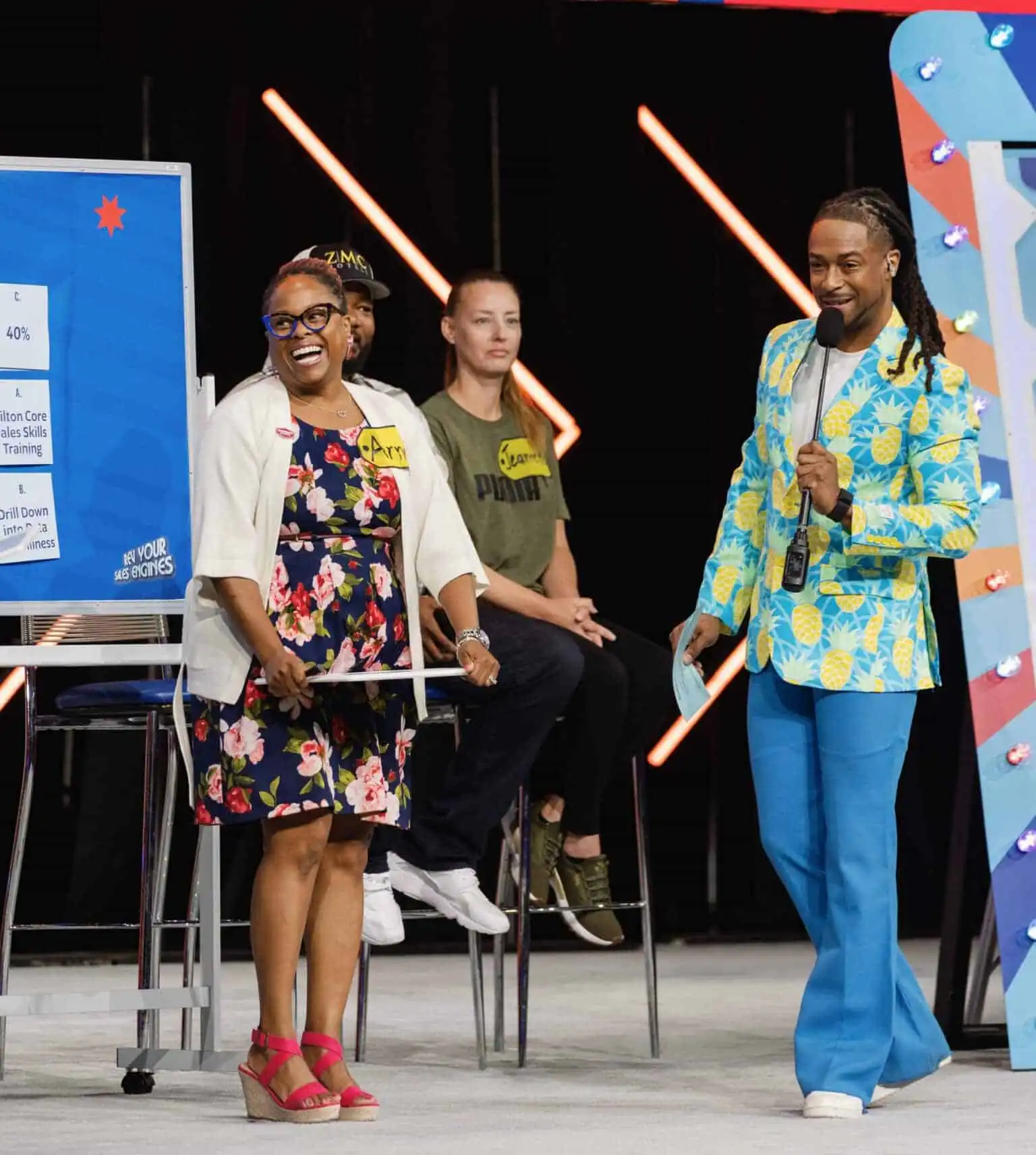
Incentive trip entertainment is what converts a vacation in a nice destination into a recognition experience that attendees remember years later. The destination provides the backdrop, the resort provides the comfort, the food provides the moments but the entertainment is what gives each part of the trip an arc and a peak. A welcome reception with a curated DJ programming the room feels different from a welcome reception with background music playing through resort speakers; an awards night with a professional emcee and synchronized music programming feels different from an awards night with the head of sales reading from index cards. The entertainment work is what makes the difference between a trip that gets ranked among the best the attendee has experienced and a trip that gets remembered as “fine, but I forget where we went.”
This guide walks through incentive trip entertainment ideas organized by trip moment welcome reception programming, daytime activities and excursions, evening entertainment across the multi-day arc, the awards ceremony centerpiece, music and DJ programming across the full trip, team-building and engagement activities, surprise and peak moments that anchor the trip in memory, and spouse-and-partner programming that completes the inclusive experience.
Key Takeaways
→ Atmosphere drives the satisfaction metric. 2024 corporate event research documented that 82% of attendees cite atmosphere as the most important factor in their overall event satisfaction. For incentive trips specifically where the entire reward is the experience itself the atmosphere outcome is the program outcome.
→ Younger attendees expect choice and flexibility. 2025 incentive travel research documented that younger generations expect increased flexibility for activities, agendas, and dining, with stronger focus on wellness, well-being, and inclusivity. The shift makes choice-based programming and customizable entertainment menus more important than scripted group-march itineraries.
→ The awards ceremony is the irreducible centerpiece. Every other entertainment moment supports the recognition moment when winners walk to the stage. Strong programming reserves the highest-energy music, the strongest emcee work, and the most production-intensive elements for the awards segment and avoids over-spending entertainment investment earlier in the trip in ways that compromise the peak moment.
→ Industry data confirms the program’s retention impact. 2023 Incentive Travel Index data documented that 90% of global buyers say incentive travel plays a critical role in talent retention. Entertainment that produces a memorable experience extends that retention effect; entertainment that produces a forgettable experience reduces the program’s defensive value when CFOs scrutinize the budget.
→ Surprise moments anchor the trip in long-term memory. Attendees remember the trip not as a sequence of activities but as a constellation of peak moments the unexpected celebrity appearance, the surprise headliner at the closing night, the unanticipated upgrade or gift, the moment something happened that none of the prior conversation had hinted at. Strong programming budgets for surprise specifically rather than treating it as an afterthought.
Welcome Reception Entertainment
Arrival Music Programming
The first-impression layer. The welcome reception is the first programmed moment of the trip attendees have arrived from travel, found their rooms, freshened up, and stepped into the first official gathering. The music programming at the welcome reception establishes the tone for the entire trip. Strong DJ work at arrival sits at a medium energy enough to signal “this is a celebration” but not so energetic that it overrides the conversation that attendees want with peers they haven’t seen in a year. The music selection respects the demographic mix in the room while leaning slightly toward energizing rather than relaxing, because the trip needs to feel like it’s beginning rather than already wound down.
Local Cultural Welcome Ceremony
The destination-immersion layer. Incentive trips in destination locations often benefit from a brief cultural welcome that signals “you’re somewhere different, not just at another corporate event.” A traditional Hawaiian lei ceremony at a Maui welcome reception, a flamenco performance to open a Spain trip, a steel drum ensemble at a Caribbean welcome, or a sake-tasting ceremony at a Japan trip each of these takes 10-15 minutes, costs comparatively little, and produces a moment attendees photograph and share. The cultural welcome reinforces that the company chose this specific destination deliberately rather than booking a generic resort that could be anywhere.
Live Performer at Check-In
The arrival-elevation layer. Some programs add a live performer at the hotel check-in or lobby during the arrival window a string trio, a soft jazz duo, an acoustic guitarist. The performer is not the entertainment of the welcome reception itself; the performer is the entertainment of the arrival experience, which happens in scattered moments as attendees check in across a multi-hour window. The live music transforms what would otherwise be the most ordinary part of the trip (waiting in a check-in line) into a memorable moment that signals the trip’s tier from the first interaction with the venue.
Themed Cocktail Reception
The atmosphere-cohesion layer. Strong welcome receptions often build around a theme that ties the food, beverage, music, and visual design together a signature cocktail named for the destination, food stations representing local cuisine, music programming that nods to the region without becoming a parody of it, and lighting design that signals the theme without becoming theatrical. The themed approach gives the reception an identity beyond “the first night dinner,” and the identity is what attendees describe to others when they recap the trip.
Daytime Activities and Excursions
Adventure Programming
The thrill-experience layer. Adventure activities helicopter tours, deep-sea fishing, jet ski tours, ATV excursions, zip-lining, sailing regattas, snorkel and dive trips, hot air balloon rides give attendees the bragging-rights moments they describe when they return to their teams. Adventure programming works best when it’s offered as one option among several rather than as a mandatory group activity, because not every qualifier wants the same intensity of adventure. The qualifiers who choose adventure get the photographable moment they want; the qualifiers who choose lower-intensity alternatives don’t feel pressured into an activity they would have skipped if they were on vacation alone.
Wellness and Spa Experiences
The restoration layer. Wellness programming spa treatments, yoga and meditation sessions, sound baths, fitness classes, wellness workshops has become a higher-priority element of incentive trips, particularly for tenured attendees who experience the trip as restorative rather than adventurous. 2025 incentive travel research documented a stronger focus on wellness, well-being, and inclusivity in incentive program design. Strong wellness programming makes spa appointments easy to book, schedules group wellness sessions at times that don’t conflict with other programming, and recognizes that wellness is a programming category rather than a checkbox.
Cultural Immersion
The destination-engagement layer. Cultural immersion activities guided historical tours, museum visits, cooking classes featuring regional cuisine, artisan workshops, wine tasting at local vineyards, distillery tours let attendees engage with the destination beyond its resort offerings. The activities work best when they’re optional and curated rather than mandatory and superficial. A 90-minute cooking class with a local chef in a smaller group produces a memorable experience; a forced bus tour through tourist landmarks produces a forgettable photo opportunity. 2024 Incentive Travel Index data documenting that 70% of buyers are increasingly looking for new destinations supports the implication that cultural immersion is part of what makes the destination feel new rather than recycled.
Volunteer and Give-Back Activities
The purpose-integration layer. Many companies build a half-day volunteer or give-back activity into the incentive trip beach cleanups, reef restoration projects, supporting a local non-profit, building homes in partnership with destination organizations. The give-back component signals that the company’s recognition culture includes contribution rather than only consumption, and the activity often produces strong cohort bonding because attendees work together toward a shared task outside the corporate context. The activity works best when it’s authentic to the destination rather than parachuted in a generic give-back activity available anywhere feels performative; a give-back activity that engages with the actual community around the resort feels meaningful.
Evening Entertainment Across the Trip
Casual Group Dinners
The connection-time layer. Not every evening of the trip needs to be a major production. The casual group dinner sometimes at the resort, sometimes at a local restaurant taken over for the group, sometimes broken into multiple smaller restaurant experiences with shuffled seating provides the connection time that attendees value as much as the high-production peak moments. Strong programming at casual dinners includes ambient music programming (DJ at low energy, or local musicians performing) rather than silence, and curated seating arrangements that mix attendees who don’t typically work together rather than letting natural cliques re-form at every meal.
Themed Nights
The variety-pacing layer. A multi-day trip benefits from at least one or two themed evening events that distinguish themselves from the typical resort dinner a beach barbecue with live band programming, a white-attire pool party, a casino night with a professional dealer crew, a regional themed evening (Mexican fiesta, Italian trattoria, Japanese ryokan), a destination-specific cultural night. The theme gives attendees something to anticipate during the day, a reason to dress up or down deliberately, and a content-capture moment that distinguishes itself from the rest of the trip in their post-event recap.
Surprise Pop-Up Performers
The unexpected-delight layer. Some programs build surprise pop-up performers into the trip arc a brass band that appears unannounced at a beachside dinner, a fire dancer who arrives during cocktail hour, a celebrity musician guest who joins the closing reception. The pop-up element works because attendees didn’t expect it; the unexpected nature is what makes it memorable. Strong programming budgets for one or two genuine surprise moments per trip enough that the trip feels unpredictable in a designed way, not so many that surprise becomes the expected mode and loses its impact.
Participant-Driven Moments
The bottom-up-energy layer. Some of the most memorable incentive trip moments come from attendees themselves the spontaneous karaoke session that develops at a casual dinner, the dance floor moment when a particular song produces a group sing-along, the executive who jumps into the photo booth with a recognition winner. Strong programming creates the conditions for participant-driven moments without forcing them. A well-programmed open dance floor with read-the-room DJ work invites the karaoke session that the booked entertainer alone couldn’t replicate; a curated photo opportunity zone invites the moments that happen organically when attendees use it.
The Awards Ceremony Centerpiece
Emcee Work for Recognition
The pacing-the-moment layer. The awards ceremony at the incentive trip is the moment the entire program builds toward. A professional emcee owns the recognition arc pacing the awards announcements with appropriate gravity, managing the energy between recognitions, handling the executive remarks integration, bridging cleanly between awards categories, and recovering when the inevitable run-of-show variation happens. Industry reporting documents that 89% of planners credit emcees with improving attendee feedback. For incentive trip awards specifically where the audience includes spouses and partners who weren’t at qualification kickoff and don’t have the company context the emcee work also serves as translation: explaining what each award represents and why the recipient earned it.
Music Programming for Awards
The audio-design layer. The music programming at the awards ceremony uses specific elements that distinguish it from the dance floor work that may follow entrance music for each award winner (brief musical hits, 8-15 seconds), bumper music between award categories (5-10 second transitions), peak applause music for major awards (30-45 second sustained energy), and segue music that connects the formal program to the celebration that follows. The music programming is largely subliminal when done well attendees notice the absence of dead air without consciously registering that the music is doing the work that holds the room together.
Awards Format Ideas
The recognition-design layer. Beyond the standard “top performer of the year” award, strong incentive trip programs often include awards in additional categories Rookie of the Year, Most Improved, Customer Champion, Team Player Award, Spirit Award (for the person who embodies company culture beyond their numbers), Lifetime Achievement, Comeback Story. The category variety gives more attendees a chance to be recognized, distributes the spotlight across the qualifier pool, and produces more recognition moments without diluting the prestige of the top awards. The variety also opens space for testimonial-style recognition short video tributes from teammates explaining why the recipient earned the award which extends the emotional impact of the recognition beyond the announcement.
Tribute Video Moments
The emotional-amplification layer. Short video tributes 60-90 seconds, professionally produced, mixing executive endorsements with peer testimonials and a few personal moments extend the recognition impact of major awards. The video runs while the recipient is walking to the stage or being seated; the recipient hears their story told by others before they receive the physical award. The tribute video is often the most emotionally affecting element of the awards ceremony, and it produces a content asset that the company can share with the broader employee population after the trip to extend the recognition arc beyond the room.
Music and DJ Entertainment Throughout
Welcome Reception DJ
The atmosphere-baseline layer. The DJ at the welcome reception establishes the trip’s musical baseline energy level, genre territory, brand alignment. Strong welcome reception DJ work sits at medium energy, leans toward energizing rather than relaxing, includes destination-appropriate music nods without becoming a parody of the destination, and demonstrates the read-the-room responsiveness that signals to attendees that the music is being curated for this specific room rather than played from a pre-set playlist. The first reception DJ set establishes attendee expectations for the music programming across the entire trip.
Pool and Beach DJ Sets
The leisure-amplification layer. Resort-based incentive trips often include extended afternoon downtime at the pool or beach. A DJ programming the pool deck or beach area during these hours transforms what would otherwise be ordinary resort downtime into a designed atmosphere. The pool DJ doesn’t program for a peak energy the music programming sits at a sustained mid-tempo level that adds atmosphere without forcing energy that the lounging audience doesn’t want. Strong pool DJ work blends Latin grooves, mid-tempo house, indie pop, and contemporary hits into a soundtrack that supports both conversation and casual movement while signaling that the company invested in the experience.
Awards Night Music Programming
The peak-night layer. The awards night programming requires the DJ’s most coordinated work across the trip pre-program music as attendees arrive, energy build during cocktail hour, formal program audio during the awards ceremony (recipient walk-up music, bumper music between segments, peak celebration moments), and transition into the dance floor programming that converts the ceremony into a celebration. The DJ at the awards night is often the same DJ across the entire trip, providing continuity that builds attendee familiarity and produces the trust that lets the DJ take more risks with music selection by the closing night.
After-Party Dance Floor
The closing-celebration layer. After the formal awards programming ends, the dance floor opens, and the entertainment shifts to sustained high-energy programming designed to keep attendees engaged through the late hours. The dance floor programming requires read-the-room responsiveness that produces a different setlist for a younger qualifier pool than for a more tenured one, demographic awareness that programs across the multi-generational corporate audience without alienating any segment, and stamina that holds the floor for 90-120 minutes rather than peaking too early. The dance floor is where the trip’s closing memories form attendees who close the night on the floor remember the night differently than attendees who left at the end of the formal program.
Team-Building and Engagement Activities
Cohort Mixing Activities
The connection-design layer. Incentive trips bring together qualifiers from different teams, regions, and business units who rarely interact during ordinary work weeks. Strong programming includes activities that deliberately mix the cohort beyond their natural cliques randomly assigned teams for group activities, table assignments that shuffle between meals, scavenger hunts or photo challenges that require teams to form across functional boundaries. The cohort mixing produces relationships that extend past the trip and into the working year that follows.
Competitive Challenges
The friendly-rivalry layer. Light competitive activities team scavenger hunts, sandcastle competitions, group cooking competitions, game-show-format team challenges give attendees the friendly rivalry that taps into the competitive instincts that made them qualifiers in the first place. The competition has to be calibrated carefully: serious enough to engage the participants, not so serious that it produces lingering resentment, and structured so that the prizes are recognition rather than financial incentive. A trophy passed between annual winners ages into a tradition that attendees compete for across multiple trip cycles.
The peer-knowledge layer. Some programs include light learning content built around peer knowledge sharing qualifier panels where top performers discuss their approach to a particular sales motion, fireside chats with the CEO, brief workshops on emerging trends in the industry. The learning content has to be optional and brief qualifiers came for the reward, not the conference but the option creates the chance for the top performers to share their craft with each other, which produces both individual recognition and cohort knowledge transfer.
The flexibility-design layer. 2025 incentive travel research documented that younger generations expect more choice and flexibility in their incentive trips. Strong programming responds to this expectation by building choice menus into the daytime schedule qualifiers select from three or four activity options each day rather than being marched through a single group itinerary. The menu approach produces higher individual satisfaction because attendees self-select into experiences that match their preferences, and produces less programming-fatigue resistance because the group cohort time is balanced with personal-choice time.
Surprise and Peak Moments
Celebrity Appearances
The headliner layer. Some incentive trips include a celebrity appearance a recognizable musician performing at the closing dinner, a sports figure giving a fireside chat, a comedian doing a set after the awards ceremony, a chef preparing a meal for the group. The celebrity appearance functions as the trip’s headline moment, the thing attendees describe when they return and explain why this year’s trip was different. Strong celebrity booking matches the talent to the qualifier demographic a country music headliner for a Nashville trip with a Southern sales force, a contemporary pop artist for a younger cohort, a recognized industry speaker for a B2B audience. The match matters as much as the name; a mismatch produces an expensive moment that doesn’t land.
Unexpected Performances
The unannounced-arrival layer. Beyond booked celebrity appearances, the unannounced performance the entertainer who appears without warning produces a different kind of memorable moment. A drum-line that emerges from the back of the ballroom during a transition between award segments, an aerial acrobat who appears during dinner service, a flash mob of dancers who breaks into choreography during the cocktail hour. The unannounced nature is what makes these moments stick; the audience didn’t anticipate them, didn’t have time to take out their phones in advance, and recalls them as exactly the kind of surprise that made the trip feel curated rather than scheduled.
Closing Night Spectacle
The peak-arc layer. The closing night of the trip is where the entertainment investment can spike most aggressively a fireworks display over the beach during the closing dinner, a drone show that synthesizes the trip’s themes into a visual finale, a band that performs across the evening and continues through the late hours. The closing spectacle has to feel like a deliberate culmination rather than a separate event tacked onto the end. Strong programming weaves the spectacle into the closing dinner arc so the formal program flows directly into the spectacle without an awkward transition or a logistical break that drains the energy.
Memorable Gifting Moments
The take-home layer. Beyond the awards themselves, incentive trips often include gifting moments a high-quality memento delivered to the room on arrival, a curated gift at the closing dinner, a take-home item from the awards night that recipients display in their offices afterward. The gifting works best when it’s tasteful and singular rather than abundant and generic one beautifully selected item that recipients will actually use produces more retention impact than five branded items they’ll toss when they get home. The take-home item becomes a physical reminder of the recognition that extends the program’s emotional impact into the year that follows.
Spouse and Partner Programming
Plus-One-Specific Entertainment
The inclusive-design layer. Most incentive trips include qualifier-plus-one travel, which means the entertainment programming has to engage spouses and partners as much as qualifiers. Strong plus-one programming includes activities that don’t require company context to enjoy (cooking classes, spa appointments, excursions, cultural experiences), entertainment moments that work for an audience that includes non-employees (live music, surprise performances, food and beverage experiences), and respect for the spouse’s autonomy (no forced participation in company-themed programming, no quasi-employee treatment). Plus-ones who feel welcomed and entertained as guests in their own right become advocates for the qualifier returning to the program next year.
Couples Activities
The shared-experience layer. Some incentive trip programming is designed specifically for couples sunset cruises, couples spa packages, private dinner experiences, romantic excursions to scenic destinations. The couples programming respects the fact that the trip is for many qualifiers a rare opportunity for uninterrupted time with their partner, which has its own value beyond the recognition framing. Strong programming makes couples activities available without requiring them qualifiers who want couple-focused time get it; qualifiers who prefer cohort engagement aren’t forced into intimate programming.
Awards Ceremony Inclusion
The recognition-visibility layer. The awards ceremony is the moment when spouses and partners see the recognition land in real time. Strong programming uses the emcee work and tribute video content to make the recognition meaningful to an audience that includes non-employees explaining what each award represents, why the recipient earned it, what the company values that produced the award. The spouse who watches their partner receive recognition in front of the executive team, with appropriate framing and entertainment production, develops a different relationship to the partner’s job than the spouse who only hears about it secondhand at home.
Solo Attendee Considerations
The single-traveler design layer. Not every qualifier brings a plus-one. Strong programming respects solo attendees by avoiding programming that overemphasizes couples activities at the expense of solo qualifiers, by ensuring shared experiences (group dinners, awards ceremony, daytime activities) work as well for solo attendees as for couples, and by providing optional social structures (welcome dinner seating arrangements, group activity team assignments) that help solo attendees connect with peers rather than feeling adrift. The respect for solo attendees signals that the program values the individual recognition as much as the couples reward.

About the Author
William “DJ Will Gill” Gilbert is a professional DJ & Emcee serving the United States and beyond performing incentive trip entertainment and corporate recognition programming at Fortune 500 scale through a three-in-one DJ, emcee, and audience engagement service model. Documented client work for AT&T Business, CDW, Virgin Galactic, NeoGenomics, Foot Locker, Home Depot, Hilton, BGCA, PepsiCo, PayPal, and the United Nations. Also a Forbes Next 1000 honoree with broadcast credits including Super Bowl LIV (2020), The Voice (2011), and MTV’s The Real World: Hollywood (2008). He is also a World Cup performer and a Formula 1 Las Vegas Grand Prix performer. 2,520+ five-star Google reviews across 600+ documented corporate events.
2,520+ Google Reviews · IMDB · Mixcloud · Instagram · Contact
Frequently Asked Questions
What makes incentive trip entertainment different?
The entertainment gives each part of the trip an arc and a peak, converting a vacation into a recognition experience attendees remember for years.
Does atmosphere matter on an incentive trip?
2024 research found 82% of attendees cite atmosphere as the most important factor in satisfaction, and on an incentive trip the atmosphere is the program.
What do younger attendees expect?
2025 incentive travel research found younger generations expect flexibility in activities, agendas and dining, with more wellness and inclusivity.
What welcome reception ideas are covered?
Arrival music programming, a local cultural welcome ceremony, a live performer at check-in and a themed cocktail reception.
What about the awards night?
The guide treats the awards ceremony as the centerpiece, with a professional emcee and synchronized music programming.