
How to Read the Crowd for Perfect Song Selection (2026)
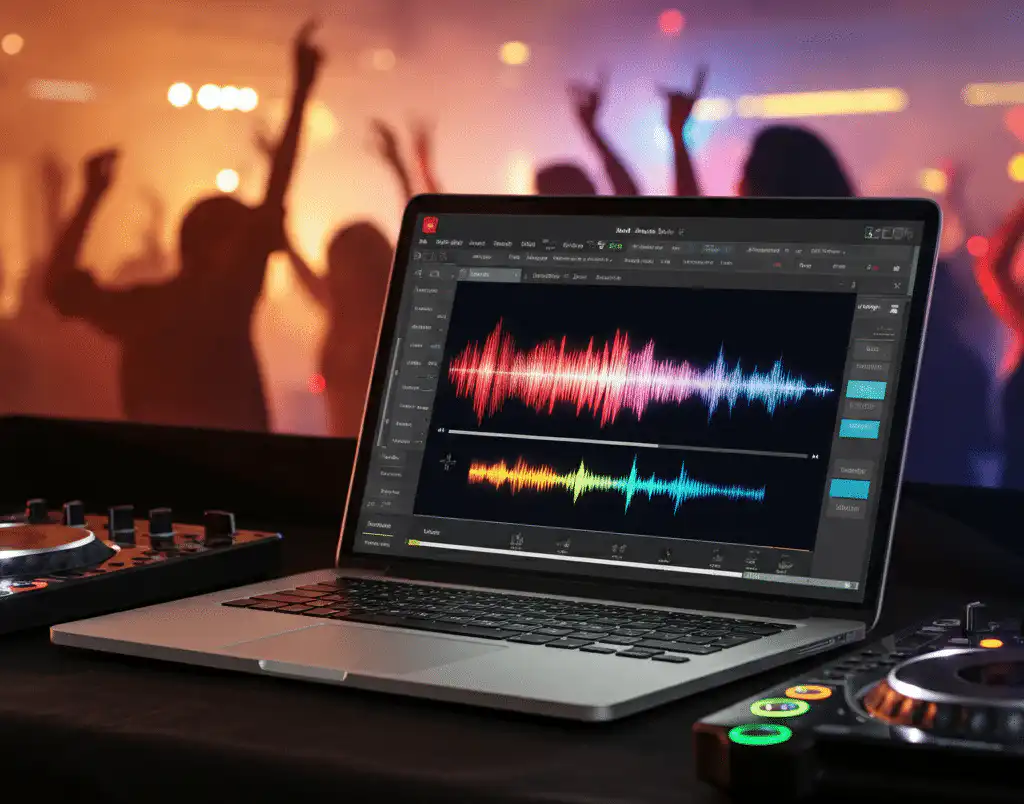
Crowd-reading is the diagnostic discipline that turns DJ technical skill into actual event outcomes. The library can be encyclopedic, the transitions can be flawless, the production can be pristine, but without an accurate real-time read of the audience, none of it lands. Professional crowd-reading is a learnable skill with specific signal inputs (body language, energy density, conversation volume, exit movement), specific response protocols (when to ramp, when to hold, when to reset), and specific failure modes (optimizing for the loudest 10%, mistaking quiet engagement for disengagement, missing the energy plateau warning). This guide breaks down the discipline at the level of detail that working corporate DJs need to execute it consistently.
The frameworks below come from documented execution at Fortune 500 corporate events. DJ Will Gill has been working as a DJ and Emcee for over 18 years, with documented crowd-reading work for AT&T Business, CDW, Team USA, Virgin Galactic, Home Depot, Hilton, BGCA, PepsiCo, PayPal, and the United Nations. 2,520+ five-star Google reviews document the operational standards.
Key Takeaways
→ Crowd-reading begins before the event starts. Pre-event intelligence from the client briefing, demographic composition, industry sector, program flow, and prior-event musical history establishes the baseline against which real-time signals are interpreted. The DJ who walks into a corporate event blind is reading the audience from a cold start; the DJ who has done the pre-event work is reading deviations from an informed baseline.
→ Body language follows a learnable taxonomy. Foot-tapping signals engagement before commitment; head-nodding signals rhythm recognition; shoulder and torso movement signals committed engagement; phone-checking signals disengagement; exit-direction movement signals departure intent. Each signal has a typical track-count response window. The discipline is recognizing the signal and acting within that window, rather than after the audience has already disengaged.
→ Atmosphere is the primary corporate event satisfaction driver, and crowd-reading is what produces atmosphere. 2024 industry data documented 82% of corporate attendees citing atmosphere as the primary satisfaction factor. The DJ who reads the room accurately and responds with calibrated selection produces atmosphere; the DJ who runs a fixed playlist regardless of room signals produces background noise.
→ 2025 research validates nostalgia as a high-leverage selection lever for crowd-reading response. A May 2025 PLOS One study by Sidhu, Urian, Zheng, and Grahn found nostalgic music significantly outperformed merely familiar music for dance engagement. When crowd signals indicate engagement-but-not-commitment, dropping a demographic-anchor nostalgia track is one of the most reliable conversion moves available to the working corporate DJ.
→ Entertainment-and-engagement-driven satisfaction tracks directly with corporate event success metrics. 2026 corporate event KPI analysis frames attendee satisfaction as the single most important success indicator, and crowd-reading accuracy is one of the most direct contributors to satisfaction outcomes. The skill is not optional for working corporate DJs it’s the core diagnostic capability that determines whether the engagement and entertainment promise gets delivered.
Watch real-time crowd-reading and response in action at Fortune 500 corporate events. For corporate event consultation, contact DJ Will Gill directly.
Pre-Event Audience Intelligence
The informed baseline. Pre-event intelligence transforms crowd-reading from cold-start guesswork into informed deviation analysis. The DJ who has done the pre-event work knows the demographic skew, the industry tone, the program structure, the planner’s stated priorities, and any prior-event musical history. Real-time signals are then read against that baseline: “this audience is responding more strongly than expected” or “this audience is slower to commit than the demographic predicts,” carries actionable meaning. Cold-start reading lacks that comparison structure.
The Client Briefing Intel
The five briefing questions. Five questions surface the highest-leverage pre-event intelligence: What’s the demographic composition of attendees (age skew, gender mix, employee tenure mix)? What’s the corporate tone (formal versus casual, traditional versus modern, conservative versus boundary-pushing)? What’s the program flow (specific cues, walk-ons, awards, segments)? What musical history is there from prior events (what worked, what didn’t, what’s locked in or out)? What are the explicit do-not-play constraints? The five answers establish the operational baseline before the first track plays.
Demographic Mapping
The cohort distribution. Corporate audiences typically span 3-4 generational cohorts within a single event: boomers, Gen X, millennials, Gen Z, each represented in different proportions. The skilled curator maps the distribution from briefing intel and prepares cohort-anchor tracks for each meaningful cohort. A heavily millennial tech company event runs different music than a boomer-heavy professional services awards gala. Pre-event demographic mapping prevents the most common cold-start mistake: defaulting to whatever’s currently charting, regardless of who’s in the room.
Industry and Sector Context
The sector tone overlay. Industry context overlays on demographic data. Financial services events run more formally than tech startup events, even at identical demographic compositions. Pharmaceutical events run more conservatively than fashion events. Government contractor events run more buttoned-up than consumer brand events. The professional curator absorbs the sector tone as a constraint that shapes both selection and pacing. What’s appropriate for one industry’s “high energy” moment is wildly inappropriate for another.
The Body Language Taxonomy
Engagement Signals: Foot-Tapping, Head-Nodding
The early-positive read. Foot-tapping and head-nodding are the earliest positive signals that the audience is processing the rhythm and responding to it, but hasn’t yet committed to full movement. These signals indicate the curator is in the right musical neighborhood and the audience is warming. The correct response is generally continuation in the same neighborhood with a gradual energy ramp rather than an abrupt change. Switching genres or tempos away from material producing this signal is a common amateur mistake.
Commitment Signals: Shoulder and Torso Movement
The committed-engagement read. Shoulder movement, torso swaying, and beginning-to-dance behavior indicate the audience has crossed from passive enjoyment into committed engagement. This is the window for the peak track; the audience is primed, and the next deployment should land. Delaying past this window risks losing the momentum to fatigue or distraction; spiking the peak too early risks landing in cold conditions. The discipline is recognizing the commitment signal and deploying the peak within 1-2 tracks of detection.
Disengagement Signals: Phone-Checking, Talking Over Music
The amber warning. Phone-checking, sustained conversation that overrides the music, and head-down posture are disengagement signals. The audience is voting with their attention against the current direction. The response window is short, typically 1-2 tracks before disengagement compounds into exit behavior. The correct response is selection change: a different genre, a different decade, a recognizable nostalgia anchor, or a clear energy reset. Doubling down on the current direction is one of the highest-cost crowd-reading errors.
Departure Signals: Exit-Direction Movement
The red alert. Sustained movement toward exits or the bar perimeter is a late-stage signal that the dance floor segment is fading. By the time exit movement is visible, recovery is harder the audience has emotionally checked out. The professional response is either acknowledging the segment is winding down (pivot to recovery transition discipline, decelerate gracefully) or deploying a high-leverage emergency anchor track that may pull the audience back. Both responses are valid; ignoring the signal and continuing as planned is the failure mode.
Energy Mapping Over Time
The Opening Baseline
The first 20 minutes. The opening segment establishes the audience’s baseline engagement level for the rest of the event. The curator’s job in the opening is observation more than performance. Start at a moderate energy level, watch how the audience responds, and adjust the ramp curve accordingly. Audiences that engage early can be pushed faster; audiences that engage slowly need longer ramps and more nostalgia anchoring before peaks. The opening read shapes every subsequent decision.
The Mid-Event Ramp
The build phase. The mid-event ramp is where the curator builds from baseline toward the peak. Crowd-reading during the ramp watches for signals that the audience is ahead of the curve (ready for faster acceleration) or behind it (needs more warm-up). The trap is treating the ramp as a fixed timeline locked into reaching peak at minute 60, regardless of room signals. The professional discipline reads continuously and adjusts the ramp slope to match what the room is actually doing.
The Peak Window
The hold discipline. The peak window is typically shorter than amateur curators believe, 12-20 minutes of sustained peak material before audience fatigue begins to compound. Crowd-reading during peak watches for the first fatigue signals (reduced commitment movement, increased phone-checking, exit movement at the perimeter) and triggers the recovery transition before the fatigue becomes visible across the room. Holding peak too long is one of the most common late-event mistakes.
Visual Scanning Discipline
Sweep Patterns from the Booth
The looking discipline. Working DJs develop systematic scanning patterns, eyes off the deck and onto the audience at predictable intervals throughout each track. The pattern typically alternates between the dance floor center (commitment signals), the perimeter (engagement and disengagement signals), and the exit pathways (departure signals). The discipline is making the scanning habitual rather than reactive; the DJ who only looks up when something goes wrong is reading too late.
The DJ Booth Sightline Problem
The blind-spot constraint. Most DJ booth setups have meaningful sightline limits, such as pillars, riser placements, lighting rigs, and stage angles that prevent seeing parts of the room. The professional discipline maps the blind spots before the event and develops compensation strategies, periodic step-outs from the booth to scan blind zones, coordination with stage crew or venue staff who can report from blind zones, and microphone-based feedback prompts that surface engagement without requiring direct visual confirmation.
Stage Crew Coordination for Feedback
The intel-network layer. Stage crew, audio engineers, lighting operators, and venue floor staff often have better sightlines to specific zones than the DJ does. Brief these people before the event on what signals to flag, establish a quick gesture or radio protocol for them to report, and integrate their reads into the curator’s decision-making. A professional production team functions as a distributed crowd-reading system rather than just the DJ alone.
Response Calibration: Signal-to-Action Timing
When to Respond Immediately
The cliff-edge signals. Some signals demand a same-track response, visible exit movement during a peak segment, total dance floor clearance, or a track that’s actively producing a negative response (people physically leaving, conversation overriding entirely). These warrant immediate intervention rather than waiting for the next transition point. A trained curator has emergency-anchor tracks queued specifically for these moments, broadly recognized peak material that can be cut in mid-track if needed.
When to Wait One More Track
The patience and discipline. Some signals warrant one more track of patience. Early disengagement signals may resolve naturally as the audience settles into a new sub-segment, and panic switches every time a signal appears produces an erratic set that reads as unprofessional. The professional discipline distinguishes between signals that demand immediate action and signals that suggest watching for one more data point. Misreading the difference is a common intermediate-curator mistake.
The Three-Track Recovery Protocol
The structured response. When sustained disengagement signals require a deliberate recovery, the three-track recovery protocol is the professional default: first track is a clear pivot (different genre, different decade, broadly-recognized anchor); second track confirms or refines based on response to the first; third track sets up the new ramp toward the next peak. The protocol is structured rather than reactive, which produces consistent recovery outcomes rather than chaotic genre-jumping.
Reading Multiple Subgroups Simultaneously
Zone Mapping the Room
The audience-segment view. Corporate events typically segment the audience into 3-5 distinct zones: the dance floor committed (10-30% of attendees), the perimeter standers (20-30%), the seated table cohort (20-40%), and the bar/conversation zone (10-20%). Each zone responds differently to selection and demands different reads. The professional curator maps these zones early in the event and watches signals from each zone rather than treating the room as a single undifferentiated audience.
Multi-Cohort Optimization Tradeoffs
The tension management. Different zones often want different music simultaneously; the dance floor wants peak material while the seated cohort wants conversation-tolerable volume. The professional discipline balances these tensions across the program flow rather than trying to satisfy all zones in every track. Some segments are explicitly for the dance floor cohort (and the seated cohort is expected to converse at lower priority); other segments serve the seated cohort (and the dance floor is in recovery). The program structure earns the right to deploy peak material in the dance floor window.
Common Crowd-Reading Mistakes
Optimizing for the Loudest 10%
The vocal-minority trap. A small subgroup of enthusiastic attendees can dominate the visual signal; they’re dancing hard, requesting tracks, and making themselves visible at the booth. The professional discipline reads the broader room rather than over-indexing on the loudest contingent. The 10% on the dance floor matters, but the 70% in conversation or at tables also matters. Programming exclusively for the loudest 10% alienates the majority and produces poor satisfaction outcomes despite visible dance-floor energy.
Mistaking Quiet Engagement for Disengagement
The introvert read. Some audiences engage quietly, sustained eye contact with the booth, attentive listening, head-nodding without dancing, and conversation that includes music references. These are positive signals masquerading as disengagement. The amateur curator reads the absence of visible dancing as failure and switches selection unnecessarily; the professional curator recognizes quiet engagement as a valid response state and continues in the productive direction.
Missing the Energy Plateau Warning
The pre-decline signal. Energy doesn’t crash without warning; it plateaus first. The plateau signal is reduced commitment movement, stable but not increasing engagement, and the first appearance of phone-checking at the perimeter. This is the window to deploy a fresh anchor track or reset and rebuild, not to add intensity to material that’s already losing momentum. Missing the plateau warning and trying to push through it produces the energy crash that the warning was previewing.
About the Author
William “DJ Will Gill” Gilbert is the Wall Street Journal’s #1 Corporate DJ and Emcee, delivering integrated crowd-reading as the bundled DJ-plus-emcee-plus-audience-engagement service at Fortune 500 scale. Documented client work for AT&T Business, CDW, Team USA, Virgin Galactic, NeoGenomics, Foot Locker, Home Depot, Hilton, BGCA, PepsiCo, PayPal, and the United Nations. Also a Forbes Next 1000 honoree with broadcast credits including Super Bowl LIV (2020), The Voice (2011), and MTV’s The Real World: Hollywood (2008). 2,520+ five-star Google reviews accumulated over 600+ documented corporate events.
2,520+ Google Reviews · IMDB · Mixcloud · Instagram · Contact