
How To Improve DJ Skills
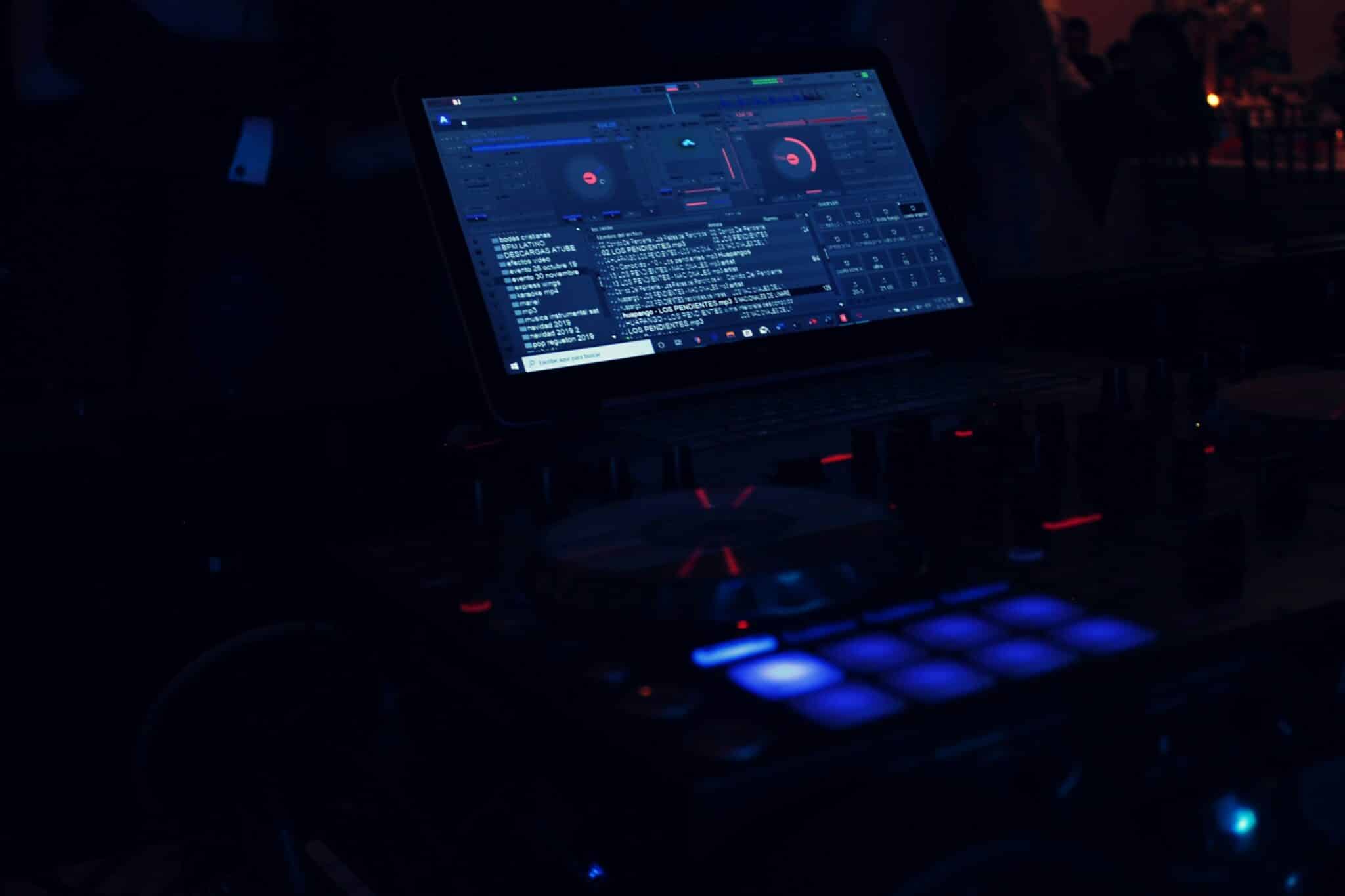
Becoming a great DJ is a journey of creativity, passion, and continuous learning. Whether you’re starting out or fine-tuning your talents, boosting your DJ skills is important to shine in the music industry. This guide provides simple and actionable steps to help you elevate your DJing and connect with your audience. Let’s dive into the essentials of becoming a more skilled and versatile DJ.
Are you planning an event? If yes, then you need a DJ to make your event unforgettable this is where the top corporate event DJ Will Gill enters. He is known for his lively performances and engaging personality. His over 2,520 five-star reviews showcase his outstanding reputation.
Watch the video to see Will Gill performances. Contact Will Gill now to have an unforgettable event!
Mastering the Basics
Before you can impress on the big stage, you need to have a solid foundation in the basics. This includes understanding your equipment, knowing how to beat matches, and developing a good sense of timing.
-
Know Your Equipment: Familiarize yourself with the tools of the trade. Knowing how your gear works, whether it’s a classic turntable or a new digital controller, is important. Spend time reading manuals or watching online tutorials to get the most out of your gear.
-
Beatmatching: This is the art of synchronizing the tempos of two tracks. Practice beatmatching by ear, as relying solely on technology can limit your growth. Start with tracks that have a steady beat and gradually increase the complexity as you improve.
-
Timing and Phrasing: Learn to count beats and understand the structure of songs. This will help you know when to bring in a new track for seamless transitions. Practicing with a metronome can improve your timing and ensure that your mixes are smooth and professional.
Practicing Regularly
Regular practice is essential for becoming a better DJ. It’s like exercising a muscle, the more you work it, the stronger it gets. To really improve your skills, make sure to carve out some time each week specifically for practice. This means setting up a schedule where you focus solely on your DJing without any distractions.
-
Create a Practice Routine: Creating a consistent practice schedule is a great step towards improving your DJ skills. By setting aside regular time for practice, you can make steady progress and build better habits. It’s important to break your practice time into smaller parts, each focusing on a different skill.
-
Record Your Sessions: Listening to recordings of your practice sessions allows you to identify areas of improvement. Take notes on what works and what doesn’t, and adjust your practices accordingly.
-
Set Goals: Define clear, achievable goals for each practice session. Setting goals helps give purpose and direction, whether you’re learning a new mix or mastering a track.
Learning from Other DJs
One of the most effective ways to get better at DJing is to learn from people who are already experts. These experienced DJs have spent years perfecting their skills, and they can offer valuable insights that can help you improve much faster. By watching them perform, you can pick up on techniques and tricks that you might not find in books or online tutorials.
-
Watch Live Performances: Attend live events and observe how professional DJs engage with the crowd and mix their sets. Pay attention to their techniques and try to incorporate some of their tricks into your own style.
-
Online Courses and Tutorials: The internet has many helpful courses and tutorials from expert DJs, great for skill improvement. You can find a wide range of online courses designed to teach everything from basic DJing techniques to advanced mixing skills.
-
Networking: Connect with other DJs, both online and offline. Join DJ forums or social media groups to share experiences, ask questions, and learn from the community. You might even find a mentor who can guide you on your journey.
Experimenting with Different Music Genres
Being versatile is crucial for DJs who want to succeed. This means being able to play and mix different types of music styles. By trying out various genres, like rock, pop, electronic, or hip-hop, you can improve your skills and open up new creative paths. For instance, mixing a rock track with a dance beat can give you fresh sounds and help you develop a unique style.
-
Try New Genres: Don’t limit yourself to one style of music. Experiment with genres like house, techno, hip-hop, or even jazz. This will increase your adaptability and allow you to create unique sets that surprise and delight your audience.
-
Blend Genres: Mixing tracks from various music genres is a great way to create exciting and unique DJ sets. By experimenting with different styles, you not only test your skills but also learn new things about music. For example, you might mix pop with electronic dance music, or blend hip-hop beats with jazz.
-
Stay Updated with Trends: Music trends are constantly evolving. Keep an ear out for new genres and sub-genres that are gaining popularity. Incorporating trending music into your sets can keep your performances fresh and exciting.
Engaging with the Audience
A DJ does much more than just blend songs together. Their real job is to craft a memorable experience for everyone in the venue. This means they must understand the mood of the crowd and know how to keep their energy high. A great DJ reads the room, picking the right tracks to match the audience’s vibe.
-
Read the Crowd: Understanding the mood and energy of the audience is a key skill for any DJ. It’s like reading the room to know what people want to hear. When you notice the crowd getting excited or dancing more, it’s a sign that they love what you’re playing. If the energy starts to dip and people seem less interested, it might be time to switch things up.
-
Interaction: Connecting with your audience is a crucial part of being a DJ. One simple way to do this is by making eye contact. When you look at people in the crowd, it shows you’re aware of them and helps create a personal connection. Smiling and using friendly gestures can also make a big difference.
-
Feedback: Once your set is over, it’s important to ask for feedback from the people who listened to you play or from other DJs. You can simply approach them and ask what they thought of your performance. This can be done in person right after your set or even later through social media or messages.
Continuously Learning and Adapting
The world of DJing is always changing and full of new sounds, styles, and technologies. This means that if you want to be a successful DJ, you need to keep learning all the time. Music trends change quickly, and new DJ equipment and software are constantly being developed.
-
Stay Informed: To stay up-to-date with the latest in the music world, it’s a good idea to follow music blogs. These blogs often share news about new songs, albums, and artists, as well as insights into what’s trending in the industry. By reading them, you can discover fresh music and learn about up-and-coming musicians before they hit the mainstream.
-
Experiment with New Tools: Technology is rapidly evolving, and new DJ tools are constantly being developed. Experiment with new software and hardware to find what enhances your style and performance.
-
Reflect on Your Progress: Regularly reflect on your progress and set new challenges for yourself. This will ensure that you are always improving and pushing the boundaries of your skill set.
By focusing on these areas, you can significantly enhance your DJ skills and create memorable experiences for your audience. Remember, the journey to becoming a great DJ is ongoing, and there’s always something new to learn. Embrace the process, stay passionate, and most importantly, have fun with your music. Dedication and practice will help you master DJing and wow audiences.
Frequently Asked Questions
How do I improve my DJ skills?
Master the basics, practice regularly, learn from other DJs, experiment with genres, engage with the audience, and keep learning and adapting.
What basics should I master first?
Know your equipment, learn to beatmatch by ear, and understand timing and phrasing by counting beats and song structure.
Should I rely on sync technology?
Not only. The guide says relying solely on technology can limit your growth; practice beatmatching by ear with steady-beat tracks first.
How can I improve timing?
Practice with a metronome so your mixes are smooth and professional.
Why practice regularly?
DJing is like a muscle; the more you work it, the stronger it gets.

About DJ Will Gill
Will Gill is the Wall Street Journal’s #1 Corporate DJ, a Forbes Next 1000 honoree, and an MBE certified vendor operating as Faders and Fitness, LLC. He is a 3x Super Bowl performer, a World Cup performer, a Formula 1 performer and an MLB All-Star Game performer.
He delivers a 3-in-1 corporate service as DJ, emcee and one-man team-building show, with 2,520+ five-star Google reviews. See the Fortune 500 client roster or check your dates.