
How to Do a Sales Kickoff in 2026: Budget & Agenda Framework

The sales kickoff is the single largest investment most companies make in their revenue team each year, and the 2026 data on what those investments actually produce is sobering. Organizations spend $2,000 to $5,500 per attendee on annual SKOs $100,000 to $640,000 for a mid-sized sales team and only 38 percent of sales leaders report that the event measurably improved performance in the following quarter. The remaining 62 percent are running expensive team-building exercises that fail to move the metrics they were designed to move. The gap between SKO spending and SKO impact has nothing to do with budget, venue, or speaker quality it has to do with strategic design and the reinforcement work that should follow the live event.
This guide walks through the 2026 sales kickoff framework that the highest-performing revenue organizations are using: the budget architecture and where most teams overspend, the format decision (in-person, hybrid, virtual) and what it costs in both dollars and engagement, the agenda design principles that translate live-event energy into post-event behavior change, the entertainment and engagement layer that determines whether the room is energized or watching the clock, and the 30-60-90 day reinforcement plan that distinguishes the 38 percent of SKOs that work from the 62 percent that do not. The framing throughout is operational and budget-conscious built for the planner who has been handed the SKO mandate and needs to deliver a meaningful return on a significant investment.
Key Takeaways
The 2026 sales kickoff costs $2,000 to $5,500 per attendee in-person, with most US events landing around $3,144 per attendee as a working benchmark. According to SiftHub’s January 2026 SKO planning guide, organizations spend $100,000 to $400,000 for mid-sized teams, and Prospeo’s 2026 SKO planning guide reports costs roughly 20 percent higher than 2021 benchmarks due to hotel and airfare inflation. For 100 attendees, the all-in budget typically lands between $270,000 and $640,000. The number sounds large until you compare it to the cost of a single under-ramped account executive accelerating ramp time by even two weeks across a 20-person sales team can recover the SKO investment through pipeline alone.
Only 38 percent of sales leaders report that their SKO measurably improved performance the following quarter. SiftHub’s 2026 analysis traces the failure rate to a consistent root cause: prioritizing inspiration over actionable enablement, executive presentations over seller preparation, and celebration over skill building. Prospeo’s 2026 guide adds that more than 80 percent of the information reps absorb during an SKO is forgotten within weeks unless there is a structured reinforcement plan. The implication for budget planners is that the SKO is not the event the SKO is the launch of a 90-day performance system, and the planning teams that allocate budget against both the live event and the reinforcement infrastructure produce dramatically better outcomes than the teams that spend the full budget on the three days in a hotel ballroom.
Format choice is the highest-leverage cost decision in SKO planning. Prospeo’s 2026 analysis reports that hybrid formats cut venue and travel costs by 30-50 percent compared to fully in-person events, and many mid-market teams are now running a one-day in-person core bookended by virtual pre- and post-sessions to capture the engagement benefits of in-person without the full cost of a multi-day offsite. jshay.events’ 2026 SKO strategic guide reports that approximately 59 percent of planners expect fully in-person events to dominate, while Prospeo’s 2026 virtual SKO guide notes that 52 percent of US employees now work hybrid making the format decision both strategic and contextual to the team’s actual working model.
The agenda design principle that separates effective SKOs from expensive ones is the 30 percent practice rule. Prospeo’s 2026 guide recommends allocating at least 30 percent of the day to practice role-plays, deal strategy labs, teach-back sessions rather than to presentations. The recommendation is to cut presentations by 50 percent and replace them with practice, because the data on retention is consistent: reps do not need more slides, they need reps. Highspot’s March 2026 SKO planning guide adds that 2026 SKO agendas need to build AI readiness into the program short sessions on when and how to use AI for drafting messaging, preparing calls, and reviewing deals because reps who leave the kickoff without operational fluency in their AI tools are going to be outperformed by reps who have it.
Entertainment and engagement programming is the most undervalued line item in most SKO budgets and the most consequential for whether the room remembers the event. Events in Minutes’ 2026 corporate event planning guide cites Gallup research showing that highly engaged business units produce 14 percent higher productivity and 81 percent lower absenteeism than disengaged counterparts the engagement layer at the SKO sets the tone for engagement across the year. The professional emcee, the live music or DJ, and the audience engagement programming function as the difference between a sales team that returns to the field energized and a sales team that returns to the field with the same energy they would have had if they had just stayed home. The investment in entertainment programming typically runs 5-15 percent of the total SKO budget; the planning teams that protect this line item against budget pressure consistently produce more memorable events than the planning teams that cut it first.
Watch DJ Will Gill perform live. Contact him now to book your event.
“Sixty-two percent of sales kickoffs do not measurably improve performance the following quarter. The gap is not budget or speaker quality it is strategic design and the reinforcement work that should follow the live event.”
The 2026 SKO Landscape: Budget, Performance Gap, and Format Trends
The 2026 sales kickoff market is shaped by three converging realities that determine how the event needs to be planned. The first is cost. SiftHub’s January 2026 SKO guide reports that organizations invest $2,000 to $4,000 per attendee on in-person events, translating to $100,000 to $400,000 for mid-sized sales organizations. Prospeo’s 2026 planning guide sets a slightly wider range of $2,500 to $5,500 per attendee with the average US conference landing around $3,144 per attendee and notes that 2026 costs are running approximately 20 percent higher than 2021 benchmarks due to compounding hotel and airfare inflation. For a 100-person sales team, the all-in budget typically lands between $270,000 and $640,000.
The second reality is the performance gap. Only 38 percent of sales leaders report that their SKO measurably improved performance in the following quarter meaning the remaining 62 percent are spending six- and seven-figure budgets on events that do not produce the revenue impact the budget was supposed to justify. SiftHub’s analysis traces the failure to a consistent root cause: prioritizing inspiration over actionable enablement, celebration over skill building, and executive presentations over seller preparation. Prospeo’s research adds the retention layer more than 80 percent of information absorbed during an SKO is forgotten within weeks unless there is a structured reinforcement plan, meaning the live event by itself is structurally unable to produce the performance change it is designed to drive.
The third reality is format diversification. jshay.events’ 2026 strategic guide reports that approximately 59 percent of planners expect fully in-person events to dominate the 2026 SKO calendar, but Prospeo’s virtual SKO analysis notes that 52 percent of US employees now work hybrid making a pure in-person SKO format somewhat misaligned with how the team actually operates. The compromise that more teams are adopting is a one-day in-person core bookended by virtual pre-work and virtual reinforcement sessions, which captures the engagement value of in-person gathering while keeping cost and time-away from the field under control. The format decision is the highest-leverage strategic call in SKO planning, and the right answer depends on the team’s working model, budget tolerance, and desired engagement intensity.
Budget Architecture: The 25-25-25-25 Rule and Where Most Teams Overspend
The working budget allocation framework for a 2026 SKO follows a quarter-by-quarter split. Events in Minutes’ 2026 corporate event planning guide recommends allocating roughly 25 percent each to venue and lodging, food and beverage, activities and content, and production and audiovisual a clean structural framework that gives planners a defensible starting point. AMW’s 2026 corporate event cost guide adds that food and beverage frequently exceeds the 25 percent allocation in practice, running 40-50 percent of total event cost when hotel catering is involved at $75-$200+ per person per meal. Planners should treat the 25-25-25-25 framework as the target rather than the inevitable outcome, and the F&B line item as the area where cost discipline matters most.
The single most consistent overspend pattern is venue. Prospeo’s 2026 guide notes that venue and travel are where SKO budgets balloon, and that running a hybrid or shorter in-person event can cut these line items by 30-50 percent without proportional reduction in engagement. The implication is that planners should sequence their format decision before they lock the venue a four-day in-person offsite in a major metro produces a structurally different budget than a two-day in-person event in a tier-2 city, even before considering the hybrid alternative. AMW’s 2026 cost guide confirms the geographic differential: major cities like NYC and San Francisco run 30-50 percent more expensive than secondary markets for comparable programs.
The single most consistent underspend pattern is post-event reinforcement. Most SKO budgets allocate the entire spend to the live event itself, leaving zero budget for the 30-60-90 day follow-up cadence that determines whether the SKO content sticks. Prospeo’s 2026 analysis argues that this allocation is backwards the planning teams blowing $400,000 on the offsite without budgeting for reinforcement work are the same teams reporting the 62 percent failure rate. A more defensible allocation reserves 10-15 percent of the total SKO budget for the reinforcement infrastructure: coaching cadence, content centralization, manager-led practice sessions, and behavioral adoption tracking. The reinforcement allocation is not a separate decision; it is part of the SKO budget by design.
Building the Agenda: The 30% Practice Rule and the AI Integration Mandate
The agenda design principle that separates effective SKOs from expensive ones is the 30 percent practice rule. Prospeo’s 2026 SKO planning guide recommends allocating at least 30 percent of the day to practice rather than to presentations role-plays with realistic buyer objections, deal strategy labs using actual pipeline data rather than hypothetical scenarios, and teach-back sessions where reps demonstrate that they have understood new content. The recommendation is to cut presentations by 50 percent and replace them with practice, because the data on retention is consistent: reps remember what they did, not what they watched. SiftHub’s 2026 analysis reinforces the same point sales methodology sessions with hands-on practice produce more behavior change than methodology sessions delivered as lecture content.
The 2026 agenda also needs to build AI readiness into the program. Highspot’s March 2026 SKO planning guide argues that future-thinking SKOs include short sessions that help reps understand when and how to use AI drafting messaging, preparing for calls, reviewing deals, processing win-loss patterns. Prospeo’s 2026 virtual SKO guide is more direct: if reps leave the kickoff without knowing how to use AI in their daily workflow, the event was a wasted opportunity. The 2026 AE who can use AI tools fluently in their daily prospecting and deal management workflow is going to outperform the AE who cannot, and the SKO is the natural venue for the operational training that produces the fluency.
The structural agenda model that the highest-performing teams are running follows a flipped-classroom pattern. Reps complete AI-supported pre-work two to three weeks before the event reviewing territory data, completing e-learning modules, watching product demo videos so the live SKO time can be allocated to practice and discussion rather than to content delivery. Prospeo’s analysis reports that the flipped model cuts live session time by approximately 30 percent while actually increasing retention, because reps arrive with context and questions instead of blank stares. The implication for planners is that the pre-work component is not a nice-to-have it is the design choice that determines whether the live event functions as a performance system or as expensive theater.
The Entertainment and Engagement Layer: Why It Matters More Than Most Teams Think
Entertainment and engagement programming is the most undervalued line item in most SKO budgets. The audio-visual production line typically absorbs 20-25 percent of the total budget per Events in Minutes’ 2026 corporate event guide, but the entertainment programming within that line the professional emcee, the live music or DJ, the interactive audience engagement segments frequently gets cut first when budget pressure hits. The cut is usually a mistake, and the reason has to do with what the entertainment layer actually does at a sales kickoff.
The professional emcee or master of ceremonies maintains the energy curve across the multi-day program, manages transitions between sessions so the agenda flows rather than stutters, recovers the room when a session runs long or a speaker underdelivers, and gives the event a unifying on-stage presence that pulls the program together. The DJ and live music programming functions as both energy management and audience cue the reps know when sessions are starting because the music shifts, the breaks are easier to enforce because the soundtrack changes, and the receptions and dinners produce the relationship-building outcomes that the planning team wanted from social programming in the first place. Audience engagement segments interactive game shows, competition-based sessions, structured peer-learning activities, give reps active participation moments that break up the passive listening of presentations and refresh attention before the next content block.
Events in Minutes’ 2026 guide cites Gallup research showing highly engaged business units produce 14 percent higher productivity and 81 percent lower absenteeism than disengaged counterparts the SKO is one of the highest-leverage moments in the year for setting that engagement tone, and the entertainment programming is what determines whether the engagement tone gets set or whether the reps watch the agenda from a distance. The investment in professional emcee, DJ, and audience engagement programming typically runs 5-15 percent of the total SKO budget; the planning teams that protect this line item consistently produce more memorable events than the planning teams that treat entertainment as discretionary spend. The line item is not a luxury it is the connective tissue that turns disparate sessions into a cohesive event experience.
The Reinforcement Plan: How to Beat the 62% Failure Rate
The single highest-leverage decision in SKO planning is committing to the 90-day reinforcement plan before the live event happens. SiftHub’s 2026 SKO guide recommends centralizing content in a single knowledge hub immediately after the event, building a 30-60-90 day reinforcement schedule, creating quick reference guides for the new sales plays and tools that were launched, and measuring adoption metrics from day one. The reinforcement infrastructure is what converts the SKO from event into performance system without it, the SKO is structurally unable to produce sustained behavior change because the retention curve drops the content faster than it can become habit.
The measurement architecture that high-performing SKO programs use tracks three tiers. Prospeo’s 2026 guide describes them as lead indicators (rep confidence scores immediately post-event, completion rates on post-SKO assignments), middle indicators (talk-track adoption observed in actual customer calls at day 30, usage rates of new tools and content launched during the event), and lag indicators (conversion rates and win rates over the following quarter, quota attainment compared to the prior period). If the lead indicators are strong at week one but the middle indicators stall by week four, the reinforcement plan needs more frequent touchpoints; if the middle indicators are strong but the lag indicators do not move, the content launched at the SKO was not the right content for the team’s actual pipeline challenges.
The manager layer is where reinforcement either succeeds or fails. Highspot’s 2026 SKO guide emphasizes equipping managers with coaching frameworks clear guidance on how to analyze new behaviors, run practice moments, and reinforce skills throughout the year. The SKO content does not enter sustained adoption unless the managers are running the post-event practice sessions, reinforcing the new sales plays in their one-on-ones, and modeling the AI tool usage that was launched during the kickoff. The planning teams that allocate dedicated time at the SKO for manager enablement separate from rep enablement consistently produce stronger 90-day outcomes than the teams that treat managers as just another segment of the rep audience. The reinforcement plan starts at the SKO with the manager corps, and extends from there into the daily rhythm of the field organization.
2026 SKO Format Comparison: In-Person vs Hybrid vs Virtual
| Dimension | Fully In-Person | Hybrid (1-Day Core) | Fully Virtual |
| Cost / Attendee | $2,500–$5,500 (~$3,144 US average) | $1,200–$2,750 (30-50% savings) | $200–$800 (platform & production only) |
| Duration | 2–3 days typical | 1 in-person day + virtual pre/post | 1 day compressed (6–7 hrs) |
| Engagement Ceiling | Highest full sensory immersion, relationships built over multiple days | Strong in-person core delivers connection, virtual extends reach | Limited Zoom fatigue is real and constraint is structural |
| Best Fit | Strategic resets, M&A integrations, large-scale messaging launches | Mid-market teams, distributed workforces, cost-conscious enterprises | Fully remote teams, smaller deal sizes (under $25K), tight budgets |
| Production Risk | Lowest single environment, controlled AV, in-room emcee | Highest dual experience requires dedicated virtual producer | Moderate platform stability and remote engagement design |
Cost ranges based on 2026 benchmarks from SiftHub, Prospeo, and Events in Minutes. Per-attendee figures exclude post-event reinforcement infrastructure (10-15% additional recommended allocation).
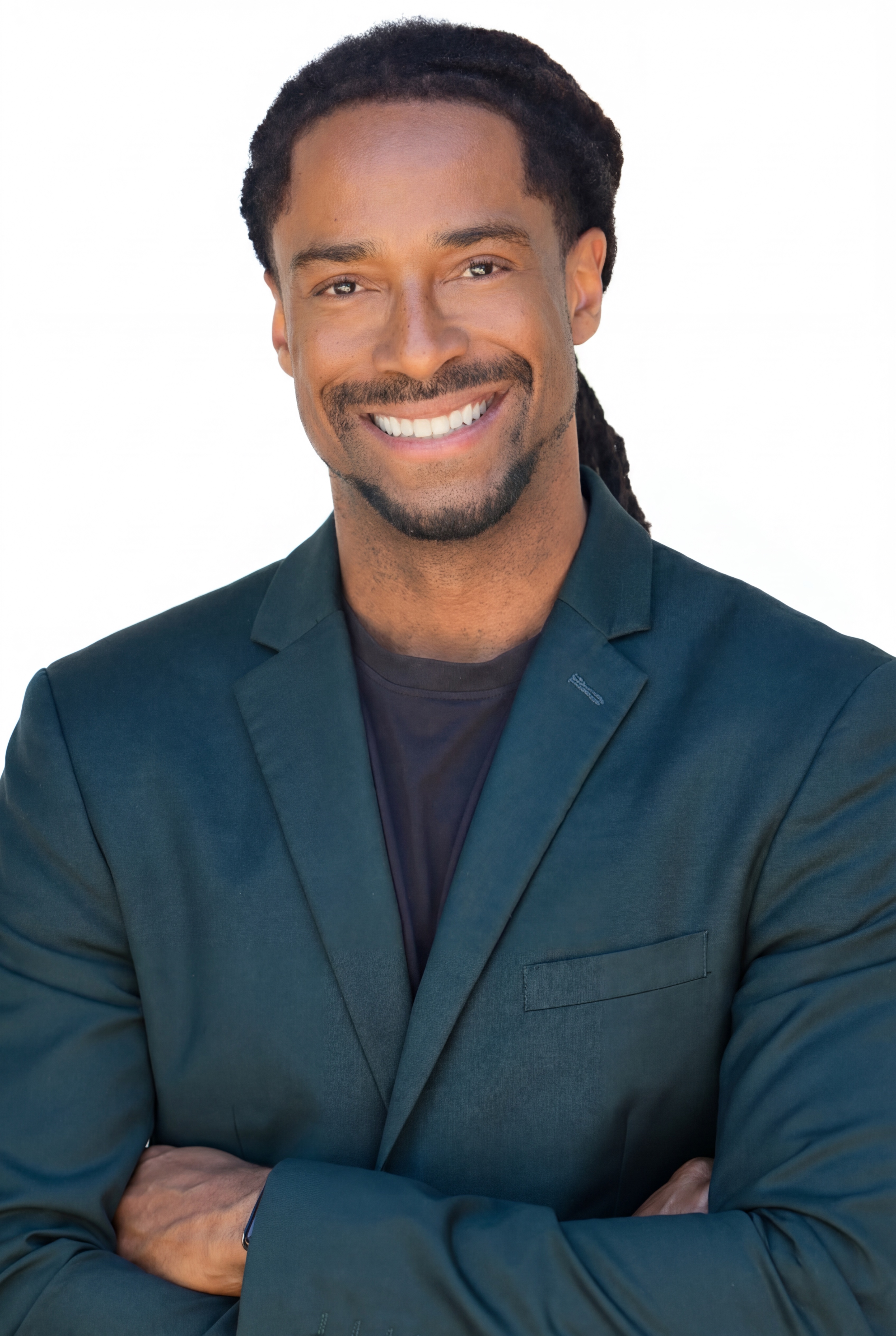
DJ Will Gill
Will Gill is a corporate DJ, emcee, and audience engagement specialist a Forbes Next 1000 honoree, the Wall Street Journal’s #1-ranked corporate DJ and emcee, with 2,520+ five-star Google reviews across 600+ annual corporate engagements. Sales kickoffs are core to his calendar each January and February, where his 3-in-1 service combining DJ programming, emcee leadership, and audience engagement segments serves as the entertainment and engagement layer that ties multi-day programming together. His client roster spans Google, Amazon, Microsoft, Salesforce, the United Nations, and the Boys & Girls Clubs of America. See his on-stage credits on IMDb. Reach out to discuss your 2026 SKO programming.
Corporate Events Hosted Annually
Five-Star Google Reviews
WSJ-Ranked Corporate DJ and Emcee