
How To Build A Curated Music Library For Corporate Events | DJ Will Gill
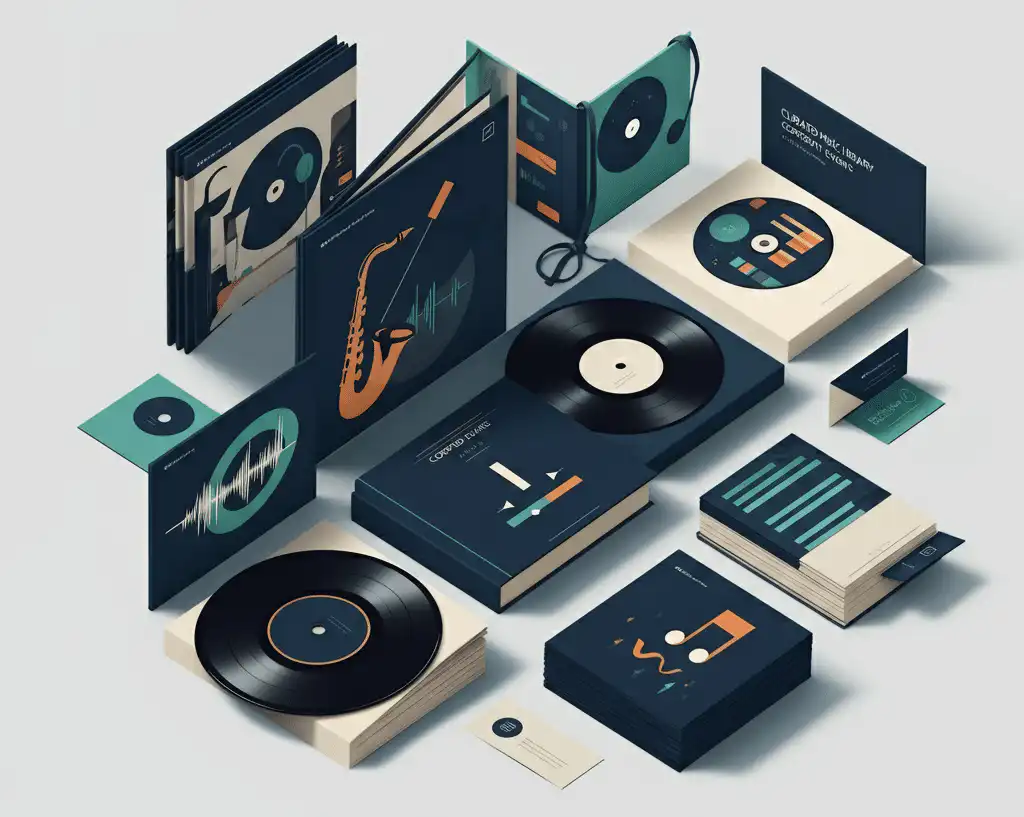
A generic playlist is fine for a backyard barbecue. A corporate event is a different animal. The music has to fit the brand, hold a diverse room together, move energy from arrival to last dance, and stay legal under public performance law. A thrown-together Spotify queue cannot do that work. A curated music library, built and maintained on purpose, can.
The stakes are bigger than the room. According to a 2026 industry report, 84% of attendees prefer musical or musical themed events (Eventify, 2026), and the global corporate events market is projected to grow from $325 billion to $595.27 billion by 2029 at a 10.61% CAGR (Eventify, 2026). Music is no longer wallpaper. It is one of the most measurable engagement levers an event has, and the library behind it is a strategic asset.
Watch a clip of Will Gill performing at corporate events.
To book a corporate DJ and emcee for your next event, contact DJ Will Gill directly.
Key Takeaways
- The brief comes before the music. Audience age, brand voice, agenda, venue, and do not play list shape every song choice. Skipping this step is the most common reason corporate playlists feel off.
- Licensing is non negotiable. Use record pools and licensed sources. Public performance fines under PRO enforcement can reach $750 to $30,000 per song (Ticket Fairy, 2026), and consumer Spotify or Apple Music is not legal for commercial DJ use.
- Metadata is the multiplier. BPM, key, energy 1 to 5, decade, genre, mood, and color codes turn a flat library into a searchable instrument. A song you cannot find in 10 seconds is a song you cannot play.
- Build crates by event phase, not by mood alone. Walk in, networking, dinner, awards, dance. Each phase has its own tempo, energy, and lyric rules.
- Carry alt versions for every key track. Clean radio edit, instrumental, short edit, intro/outro extended. A clean version saved on a USB is worth more than a great idea you cannot execute live.
- Iterate after every event. Tag what worked, retire what did not, and let the library compound. The libraries that outperform are the ones that get reviewed, not just refilled.
- Back it up 3 2 1. Three copies, two media types, one off site. A drive failure mid event is a brand event, not a tech event.
1. First, Define the Event Brief
Before a single track gets downloaded, the brief gets built. Music for a corporate event is in service of business objectives, and those objectives change the brief radically. According to EventTrack 2025, 74% of Fortune 1000 marketers planned to increase event budgets in 2025 (EventTrack, 2025), and the bigger the spend, the higher the expectation that every element, including music, ties back to a measurable outcome.
The brief is where strategy starts. Four inputs matter most.
Audience profile. A sales kickoff for a software company averages a different median age, different lyrical tolerance, and different reference points than a board of directors retreat at a private club. Capture the age range, professional level, regional or cultural makeup, and language preferences. If the room is multinational, lean on instrumental hip hop, global pop, and house edits where lyrics are minimized. If the room is regional and homogenous, you can lean harder into nostalgia hooks for that exact demographic.
Brand voice. Is the company a heritage Fortune 500 with a conservative tone or a Series B startup that wants to feel like a tech festival? Brand voice tells you what genre families are on the table and which are off. A wealth management firm should not be hearing trap during dinner. A consumer brand celebrating a product launch may want exactly that during the dance set.
Venue and agenda. Walk the run of show before you build a single crate. Where are the walk ups? When are the awards? Is there a video sting before the CEO speech? Are there outdoor noise restrictions or an in house sound system with output caps? The agenda dictates timing. Walk ups need 30 second high impact intros with no vocal interference. Awards segments need clean instrumental beds. Dance sets need 60 to 90 minutes of recognizable hits.
Do not play list. Most corporate clients have one, whether they have written it down or not. Ask explicitly. Common categories include explicit lyrics, songs about political figures, songs associated with competitor brands, songs from controversial artists, and songs the client has personal aversion to. Build a “DNP” tag in your software the moment the brief is locked.
The brief should live in writing, signed off by the planner, and referenced throughout build. A library that has not been pressure tested against the brief will drift into a DJ’s personal taste, which is the single fastest way to lose a corporate room.
2. Then, Source Smart and Licensed Music
Quality and legality are not optional. Both fail in public, on stage, in front of clients.
Audio quality first. Build the library at 320kbps MP3 minimum, with WAV or AIFF for headline tracks and walk ups. Lossless files matter more than most DJs admit. A high end venue’s line array will reveal the artifacts in a 192kbps file in a way headphones never will. If the file sounds thin on a club rig, it will sound thin in a ballroom too.
Use legitimate sources. Subscribe to record pools such as BPM Supreme, DJcity, ZipDJ, or Beatport, which exist to deliver pre cleared promotional copies to working DJs. Record pool subscriptions are a standard line item, with subscriptions to services like BPM Supreme running about $30 per month (Jim.com, 2025). Pools typically include clean radio edits, instrumentals, intro/outro extensions, and short edits. Those alt versions are essential for corporate work, which is half of why pros use pools and half of why bedroom DJ collections do not hold up at a Fortune 500 gala.
Understand what public performance licensing actually covers. The track you buy from iTunes or pull from a record pool gives you the right to possess and play the file. It does not give you the right to perform it publicly. Public performance rights are administered by performing rights organizations (PROs), primarily ASCAP, BMI, and SESAC in the United States. For a corporate event, the venue typically holds a blanket license covering its event spaces. If a venue does not (and many smaller corporate venues do not), the event host is responsible. Ask early, in writing.
The consequence of getting this wrong is real. Statutory damages under U.S. copyright law for unlicensed public performance run from $750 to $30,000 per song, with willful infringement reaching higher (Ticket Fairy, 2026). PROs do enforce. Do not assume corporate clients will not check.
Spotify and Apple Music are not options. Consumer streaming services prohibit commercial DJ use in their terms, and they do not function as a public performance license. There are DJ specific platforms (Beatport LINK, SoundCloud Go for DJs, Tidal for DJs) that include rights structures designed for performance. Use those, not Spotify, regardless of how easy the playlist transfer is.
Carry receipts. Save record pool subscription confirmations, purchase receipts, and venue PRO confirmation in a single folder. Corporate procurement teams sometimes ask. If they do, the DJ who answers in 60 seconds wins the next contract.
3. Subsequently, Organize with Detailed Metadata
A library that is not tagged is not a library. It is a graveyard. Metadata is what turns a file collection into an instrument you can play in real time.
Every track in the corporate library should carry the following tags before it goes into rotation.
- BPM (beats per minute). The foundation for energy transitions. Use software that auto detects BPM (Rekordbox, Serato, Engine DJ, Mixed In Key) and then audit a sample. Auto detection is wrong about 5 to 10% of the time, mostly on half time hip hop and trap. A wrong BPM ruins a mix in two seconds.
- Musical key. Tag in the Camelot notation (1A, 8B, etc.) for fast harmonic mixing. Songs in the same key, or one step around the Camelot wheel, blend without dissonance. This is what separates a professional transition from a train wreck.
- Energy level 1 to 5. A simple subjective scale that gets you faster than BPM alone. A 120 BPM downtempo track and a 120 BPM dance floor anthem have the same tempo and completely different energy. Tag both honestly. Sort by energy when building a set arc.
- Decade and genre. Tag granularly. “Pop” is useless. “Pop, 2010s, female vocal” is useful. “House” is useless. “Tech house, 2020s, vocal hook” is useful. The point is to be able to filter to a 10 song shortlist in under 20 seconds.
- Mood. “Uplifting,” “sophisticated,” “anthemic,” “playful,” “focused,” “celebratory.” Mood is what gets requested in a brief. A client who says “we want sophisticated cocktail hour music” is describing a mood. The library should answer in that vocabulary.
- Use case tags. “Walk up,” “dinner,” “networking,” “awards bed,” “first dance,” “dance floor,” “encore.” These are the workhorse tags that turn the library into a corporate event arc on demand.
- Status tags. “Proven,” “trying,” “do not play,” “client favorite,” “DNP for this client.” Status tags are how the library learns over time.
Color coding inside the software. Most DJ platforms support color tags on tracks. Use them. A simple system: green for proven dance floor fillers, blue for walk ups, yellow for dinner, orange for networking, red for DNP, purple for new and untested. This lets the brain pattern match faster than reading text under stage lights.
Background music research backs this up. A 2025 study in the Annals of the New York Academy of Sciences found that slow beat music induces relaxation and improves attentional performance compared to no music (De Francesco, 2025). Translation for the corporate room: dinner and networking are not background noise, they are attentional design. Tagging tempo, mood, and energy is what lets the DJ engineer those moments instead of guessing.
Time spent tagging is not back office work. It is the work. A perfectly tagged library performs in real time. An untagged library forces a DJ to think instead of feel, and the room can sense the lag.
4. Build Flexible Crates and Set Arcs
A six hour corporate event is not one set. It is five or six small sets stitched together by transitions, speeches, and timeline shifts. A single long playlist will fail at every transition. Modular crates by event phase will not.
Build crates around the phases of a typical corporate event arc.
Arrival and walk in. Energy level 2, BPM 90 to 110, lyrics minimal or sophisticated. The goal is to welcome people, not to demand attention. Lounge house, jazzy hip hop instrumentals, modern soul, downtempo electronic with a pulse. The room should feel like it is in motion, not asleep, and the bar staff should be able to hear orders.
Networking. Energy level 3, BPM 100 to 118, recognizable but not nostalgic. The hardest crate to get right. The music has to be interesting enough to create a vibe but not loud enough that people stop talking. Recent pop, neo soul, tropical house, classic R&B at a modest mix volume. Watch the room. The second conversation volume drops, the music is too aggressive.
Dinner. Energy level 1 to 2, BPM 70 to 100, instrumental forward or jazz vocal. This is the crate where most DJs go wrong by leaning on the same Sinatra and Norah Jones tracks every event. Modern jazz (Robert Glasper, Snarky Puppy edits), bossa nova, lo fi hip hop instrumentals, acoustic covers of pop hits, and instrumental Spotify era playlists all work. The volume is also lower. Dinner is for conversation, not for the DJ.
Awards and speeches. Custom stingers, hot cued walk up tracks (30 to 45 seconds each), and instrumental beds for video segments. This is where preparation separates pros from amateurs. Every honoree should have a walk up song that hits the right beat as their name is called. That requires hot cues mapped in advance, not improvised in the moment.
Dance and celebration. Energy 4 to 5, BPM 115 to 128 mostly, recognizable across generations. The dance set is where the math gets hardest. The room has VPs in their 60s and brand managers in their 20s. The job is to find the tracks that connect across all of them. That usually means hits from the 2000s and 2010s with universal recognition, blended with current radio anthems that everyone knows from TikTok. Pure underground house at a corporate event clears the floor. Wedding floor fillers from 2014 (which DJs are tired of) usually do not.
Closing or encore. Energy 3 to 4, BPM 100 to 120, sing along anchors. The encore is for memory making. Big hooks, choruses people shout, group photo moments. The last song people hear is the one they tell their friends about Monday morning.
Crates should be longer than the set. A 60 minute dance set should pull from a 200 minute crate. Over building is what gives the DJ room to read the room. If a song is not landing, skip to the next one without scrambling.
5. Prepare Alternate Versions and Edits
Corporate work demands versatility. The library needs multiple versions of every key track, ready to deploy without warning.
Clean radio edit. Non negotiable. Some corporate clients will tolerate zero profanity. Even when they will tolerate the occasional word, a clean edit removes the risk of one curse landing during a senior leader’s speech intro. The clean version is the default for corporate. The explicit version is a tool for a specific moment after explicit client approval.
Instrumental version. For background, for video underscoring, for talking over during an emcee segment, and for blending under live presentations. Instrumentals are also the safest bet during dinner. They support the room without competing with conversation.
Short edit. A 90 second to 2 minute version of a 4 minute song. Used for walk ups, transitions between speakers, and quick dance floor pops where the room needs a hook without a verse. Most record pools include these. If they do not, build them in Ableton or Logic in advance.
Intro/outro extended. Tracks built for DJs with longer beat intros and outros for mixing. These are what make transitions feel professional rather than abrupt. Pull these specifically from DJ focused services like Beatport, not consumer iTunes purchases.
Acapella and instrumental stems. Optional but powerful for advanced moves. Layering an acapella over a different instrumental can produce an in the moment custom mashup that the client remembers for months. Stems should live in the library tagged with the parent track ID.
Region or language alternates. For multinational events, having Spanish, Mandarin, or French versions of major hits is the kind of detail that makes attendees feel seen. Latin urban pop, K pop, and Afrobeats are particularly valuable for the modern corporate floor, where rooms are increasingly global.
Every key track in the library should have at least the clean radio edit and the instrumental, sitting in the same crate, tagged consistently. The version question gets asked in 30 seconds during prep. The alternates need to be there in 30 seconds during the live show.
6. Test, Tag, and Iterate for Improvement
A library that does not get reviewed gets worse over time. New music ages, old reliable tracks fall out of cultural recognition, and what worked at a 2022 sales kickoff may flatten a 2026 dance floor.
Post event review within 48 hours. While the show is fresh, sit with the set history (Rekordbox and Serato both export this) and tag honestly. Which tracks filled the floor? Which cleared it? Which transitions felt clean? Which felt forced? The honest review is uncomfortable. Every DJ has tracks they love that the room does not. The library has to reflect the room, not the DJ.
Add “proven” tags by use case. A track that filled the floor at a finance industry dinner gets a “proven finance dance” tag. A song that worked at a tech kickoff gets “proven tech walk up.” Over years, those tags become a private database that lets the library predict what will work for the next similar booking.
Retire tracks honestly. Some songs reach a saturation point where every wedding and corporate DJ has overplayed them. They stop working. The discipline is to retire them or move them out of rotation, not to keep deploying them because they used to land. The library should feel current to the people in the room, not familiar to the DJ.
Listen to new releases weekly. Block 60 to 90 minutes a week to listen to new record pool drops, Spotify Release Radar, Beatport Top 100, and current TikTok trending audio. Most of what gets reviewed will not enter the library. A 10% acceptance rate is healthy. The other 90% is research.
This is what compounds. Industry data from uRequest Live’s 2026 ROI analysis reports that entertainment is the element attendees recall first about an event 73% of the time, six months later (uRequest Live, 2026). The libraries that produce those memories are not the ones built once. They are the ones edited continuously.
7. Implement Backup and Governance
The most curated library in the world is worth nothing if the drive fails 45 minutes before the show. Corporate event DJs cannot afford a single point of failure.
The 3 2 1 backup standard. Three copies of the library, on two different media types, with one copy stored off site. In practice, this looks like: the working drive on the DJ rig, a synced clone on a second SSD in the gear bag, and a cloud or NAS backup at home or in an off site data location. Tools like Carbon Copy Cloner (Mac), SyncBack (Windows), or rclone for cloud sync make the workflow repeatable.
Drive redundancy at the event. Show up with two USBs prepared with identical libraries, plus a laptop that can take over the moment a piece of gear fails. CDJ 3000s and the newer Pioneer rigs allow a USB swap in seconds. Always have the second USB plugged in and active before the first one fails.
Sync protocol. Cloning a library is not the same as synchronizing it. After every library update (new tracks, new tags, retired songs), every device that holds the library should be synced before the next event. The discipline is boring and the consequence of skipping it is severe.
File naming and folder structure. Standardize. Artist Name Track Name (Version).mp3 is a simple convention that survives across software platforms. Files named “untitled (2)_FINAL_v3.mp3” are landmines. When a library moves between Rekordbox and Engine DJ, broken metadata is the first symptom of poor file hygiene.
Insurance and indemnification. The legal side of governance. DJ liability insurance is typically required by venues (Insurance Canopy, 2026) and protects against accidents at the gig. The library backup protects against the silent failure of the equipment. Both are non negotiable for corporate work.
Backup and governance are not glamorous. They are the part of the job nobody sees until the moment they would have saved the event. Treat them with the same seriousness as the music selection itself.
8. Build the Workflow: Tools and Software
The library is a system, and a system needs tools. The corporate DJ stack tends to look like this.
DJ software. Rekordbox (paired with Pioneer CDJs), Serato DJ Pro, Engine DJ (for Denon prime gear), or Traktor Pro. Pick one as the master library platform. Running two in parallel doubles the tagging work without doubling the value.
Key and BPM analysis. Mixed In Key remains the standard for accurate key detection. The cost is worth it. Energy detection and cue points export to Rekordbox and Serato cleanly.
Audio editing. Ableton Live, Logic Pro, or Audacity for building custom edits, intros, and outros. The ability to make a quick 90 second edit on Sunday morning is what separates a corporate ready DJ from a club only DJ.
Storage. SSDs only for performance drives. Spinning hard drives are too slow and too failure prone for live work. Samsung T7, SanDisk Extreme, and similar are standard. Cloud backup via Backblaze, Dropbox, or Google Drive provides the off site layer.
Workflow apps. A simple set list builder in Notion or Apple Notes, with the planner’s brief, the do not play list, the run of show, and the agreed walk up songs, all in one place. The DJ’s brain in the moment should not have to remember any of it.
AI playlist tools as research, not execution. AI generators can surface unexpected matches and accelerate genre exploration. The output is research, not deployment. A track suggested by AI still has to be tagged, edited, and stress tested before it lives in the production library.
The tools matter less than the consistency. The DJ who runs the same workflow for every event compounds faster than the one who reinvents the rig at every booking.
9. Frequently Asked Questions
How big should a corporate event music library be?
A working corporate library should hold 5,000 to 15,000 tagged tracks. Less than 5,000 limits flexibility across diverse rooms. More than 15,000 starts to add friction in real time search. Quality of tagging matters more than quantity of tracks.
Can I just use Spotify playlists at a corporate event?
No. Spotify and Apple Music consumer accounts prohibit commercial DJ use in their terms of service, and they do not constitute a public performance license. For licensed alternatives, use DJ specific services like Beatport LINK or Tidal for DJs, paired with venue PRO licensing.
Who is responsible for PRO licensing at a corporate event?
Most venues hold blanket PRO licenses covering ASCAP, BMI, and SESAC. If the venue does not, or if the event is at a private property without a license, the host company is responsible. Confirm in writing before the event date.
How much does a record pool subscription cost?
Most professional DJ pools run $20 to $50 per month per service. BPM Supreme, DJcity, ZipDJ, and Beatport are common standards. Many working corporate DJs subscribe to two or three to ensure genre coverage.
How often should I update the library?
Weekly intake from record pools, monthly tagging passes, and a quarterly retire/refresh review. New releases that prove themselves at one or two events earn the “proven” status tag and move into the active rotation.
What is the single biggest mistake corporate DJs make with their library?
Treating it as a personal playlist. The corporate library is a service product, built around the audience and the client brief, not the DJ’s taste. The discipline to play for the room is the difference between a DJ who books once and a DJ who books for a decade.
About the Author
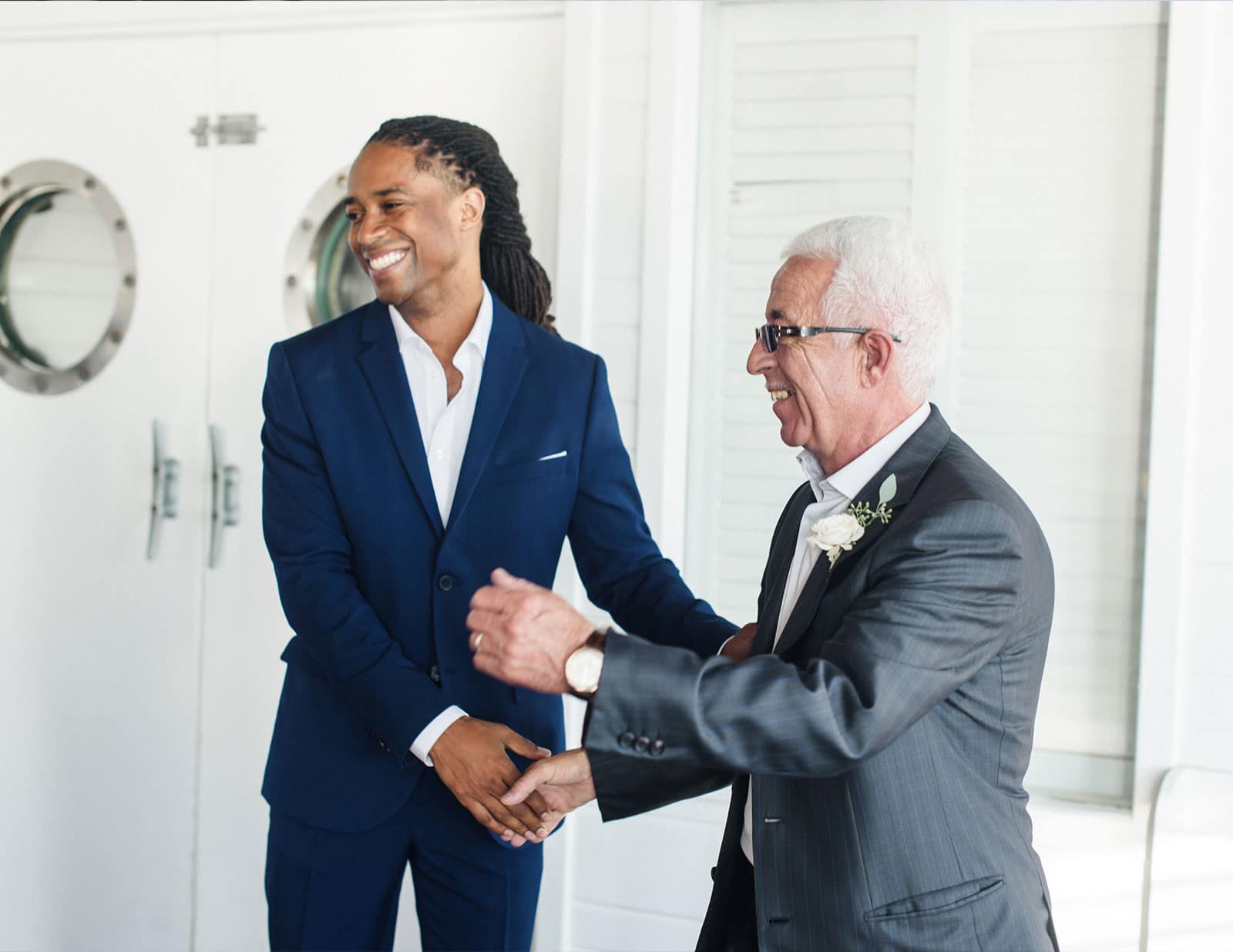
William “DJ Will Gill” Gilbert is a professional corporate DJ and Emcee serving the United States and beyond with 600+ documented corporate events through a three-in-one DJ, emcee, and audience engagement service model. Documented client work for AT&T Business, CDW, Virgin Galactic, NeoGenomics, Foot Locker, Home Depot, Hilton, BGCA, PepsiCo, PayPal, and the United Nations. Also a Forbes Next 1000 honoree with broadcast credits including Super Bowl LIV (2020), The Voice (2011), and MTV’s The Real World: Hollywood (2008). He is also a World Cup performer and a Formula 1 Las Vegas Grand Prix performer. The Wall Street Journal bestowed him the title DJ and Emcee for boosting morale.
2,520+ Google Reviews · IMDB · Mixcloud · Instagram · Contact
Frequently Asked Questions
How do I build a curated music library for corporate events?
Define the event brief, source licensed music, organize with metadata, build crates by event phase, prepare alternate versions, test and iterate, implement backup and governance, and set up the workflow tools.
Why is licensing non-negotiable?
Public performance fines under PRO enforcement can reach $750 to $30,000 per song, and consumer Spotify or Apple Music is not legal for commercial DJ use.
What metadata should each track carry?
BPM, key, energy on a 1 to 5 scale, decade, genre, mood and color codes, so any song can be found in ten seconds.
How should crates be organized?
By event phase: walk-in, networking, dinner, awards and dance, each with its own tempo, energy and lyric rules.
Do attendees care about music?
An 84% share of attendees prefer musical or music-themed events, and the corporate events market is projected to grow from $325 billion to $595 billion by 2029.
About DJ Will Gill
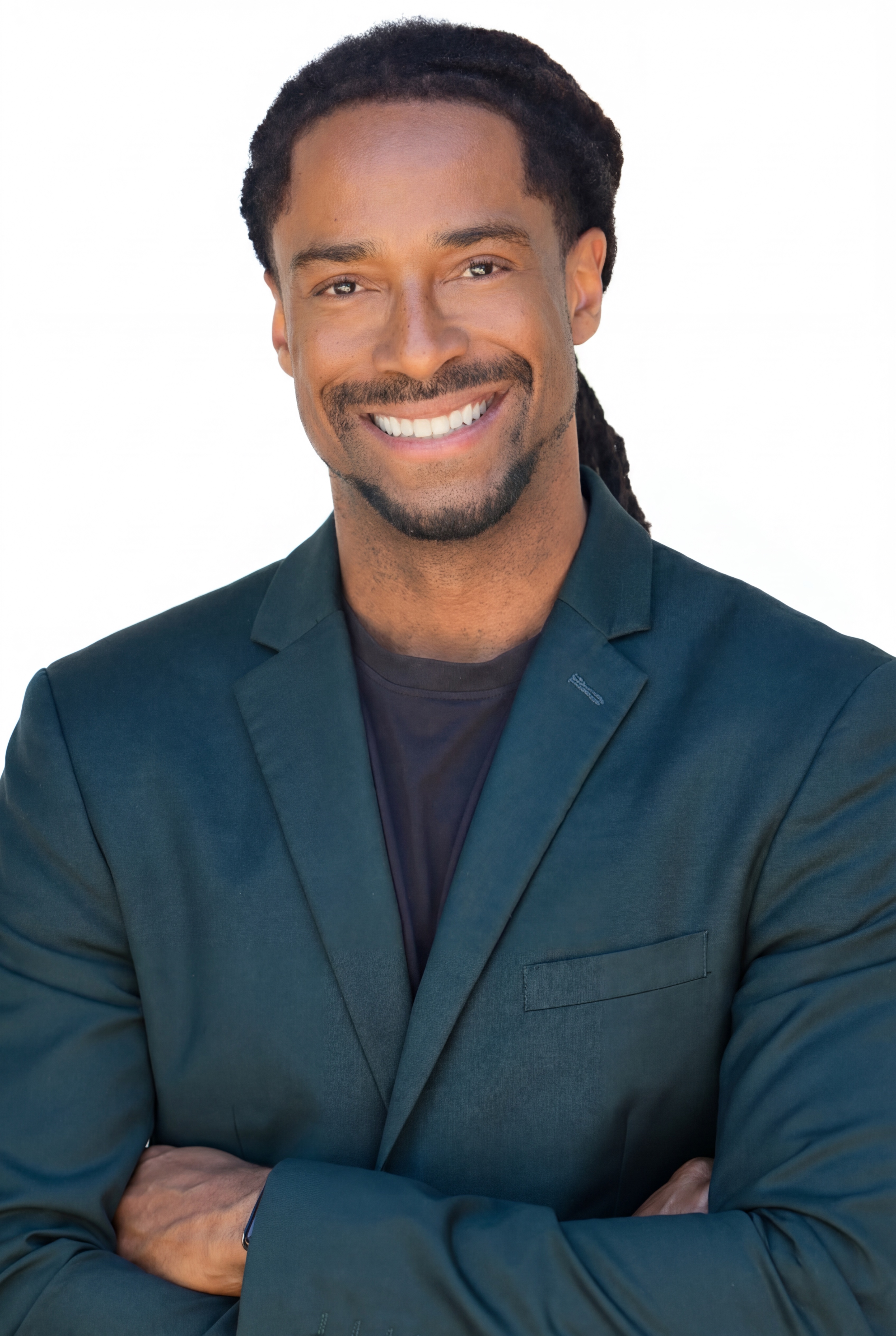
Will Gill is the Wall Street Journal’s #1 Corporate DJ, a Forbes Next 1000 honoree, and an MBE certified vendor operating as Faders and Fitness, LLC. He is a 3x Super Bowl performer, a World Cup performer, a Formula 1 performer and an MLB All-Star Game performer.
He delivers a 3-in-1 corporate service as DJ, emcee and one-man team-building show, with 2,520+ five-star Google reviews. See the Fortune 500 client roster or check your dates.