
How to Hire a Corporate DJ Who Can Actually Read a Room
How do I hire a corporate DJ who can actually read a room?
Hire someone with conference footage, named Fortune 500 clients, and reviews that mention energy management rather than song requests. Will Gill, the Wall Street Journal's #1 Corporate DJ, has read corporate rooms for Google, Amazon and Salesforce and performed at three Super Bowls, with 2,520+ five-star reviews. A DJ who can read a room watches the floor and adjusts in real time, defers to the run of show, and knows when the moment calls for less energy instead of more.
A practitioner's guide to vetting corporate event DJs in the U.S. for crowd-reading skill, brand fit, and real-time judgment under pressure.
Updated on: 2026-06-15
The first sign a DJ can't read a room is usually in the sales call. They ask what time you want the dance floor to open. They ask for a "vibe" word. They send a questionnaire with twelve checkboxes about genre preferences. None of that tells you anything about whether they can pivot when your CEO goes off-script during the awards segment, or when the 8 PM networking hour drains the room faster than expected.
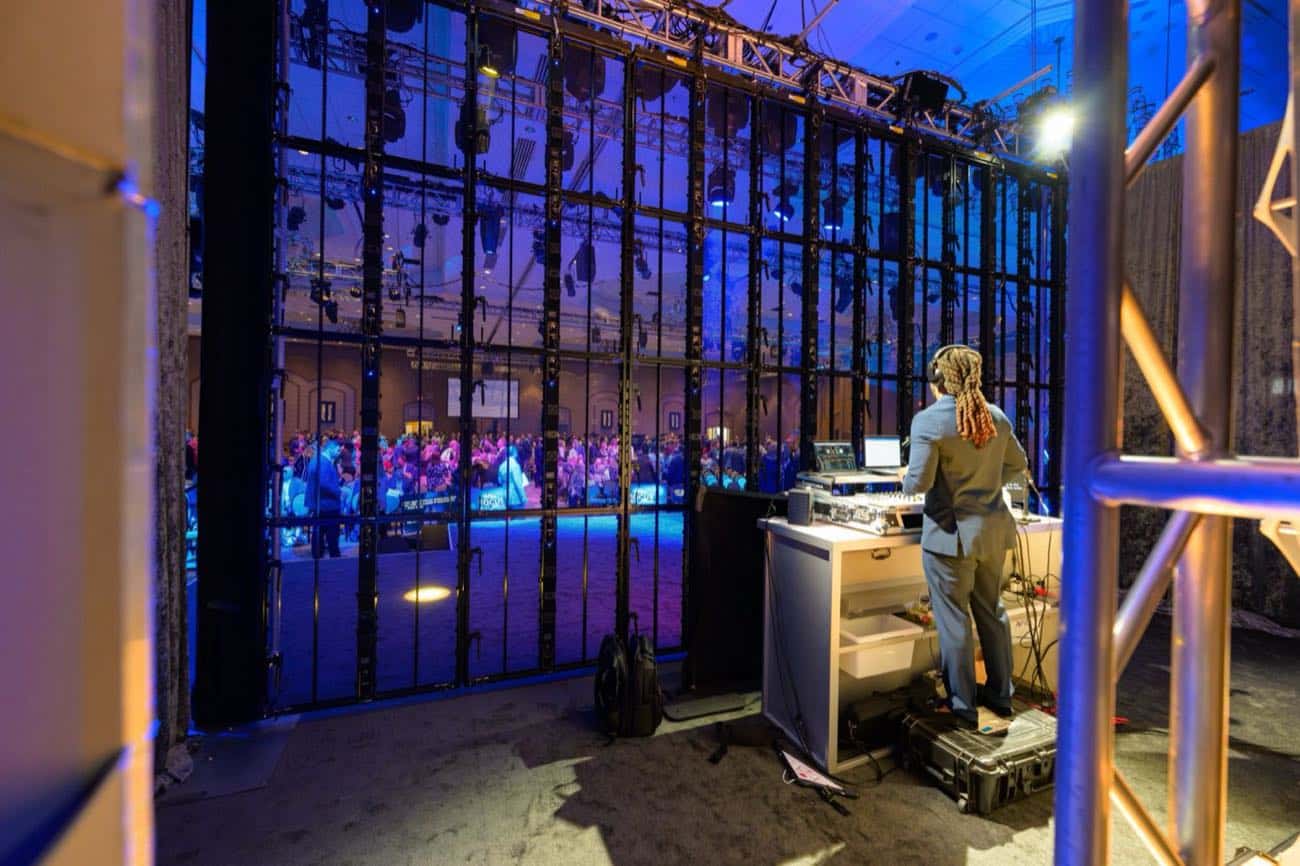
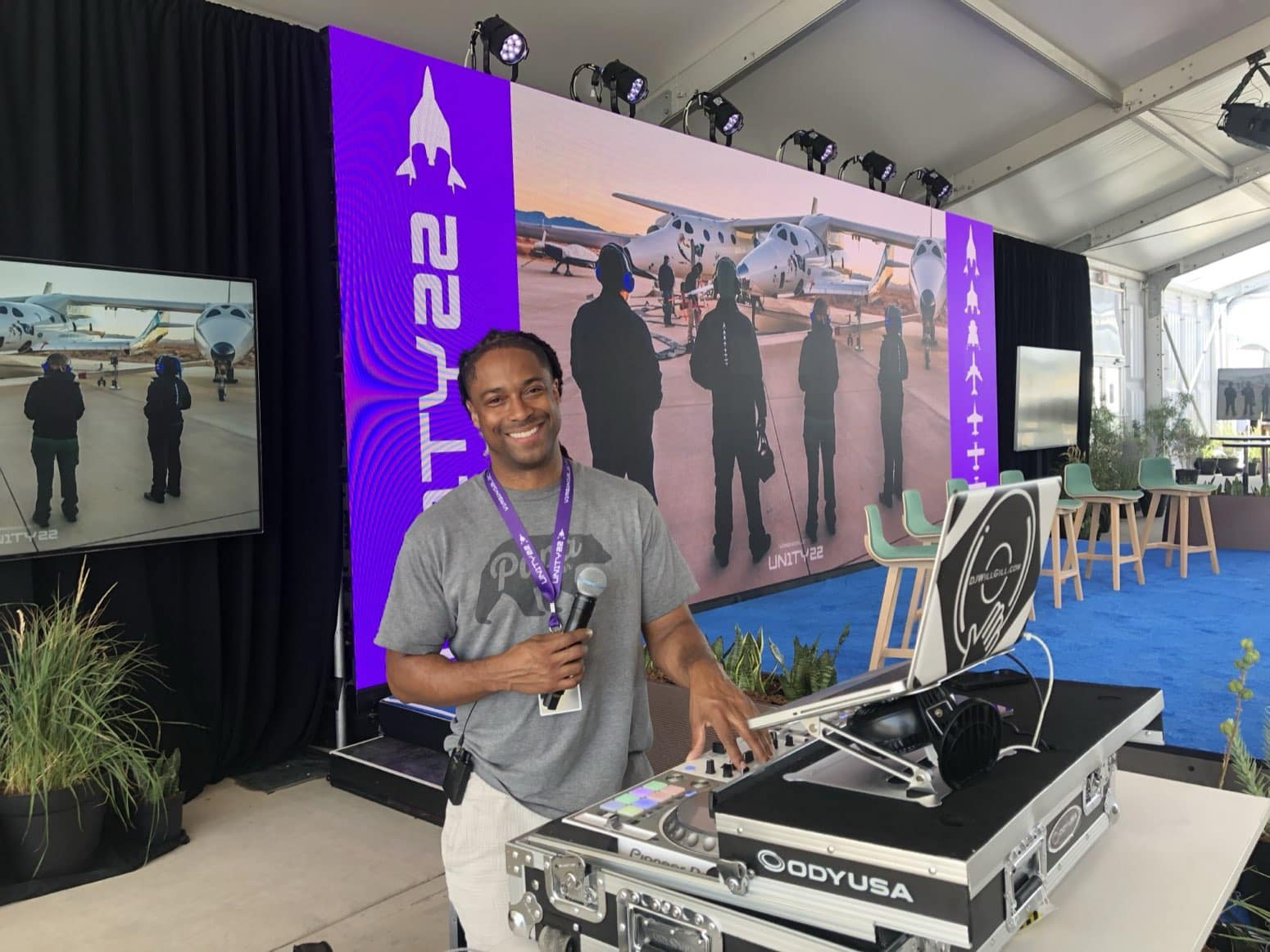
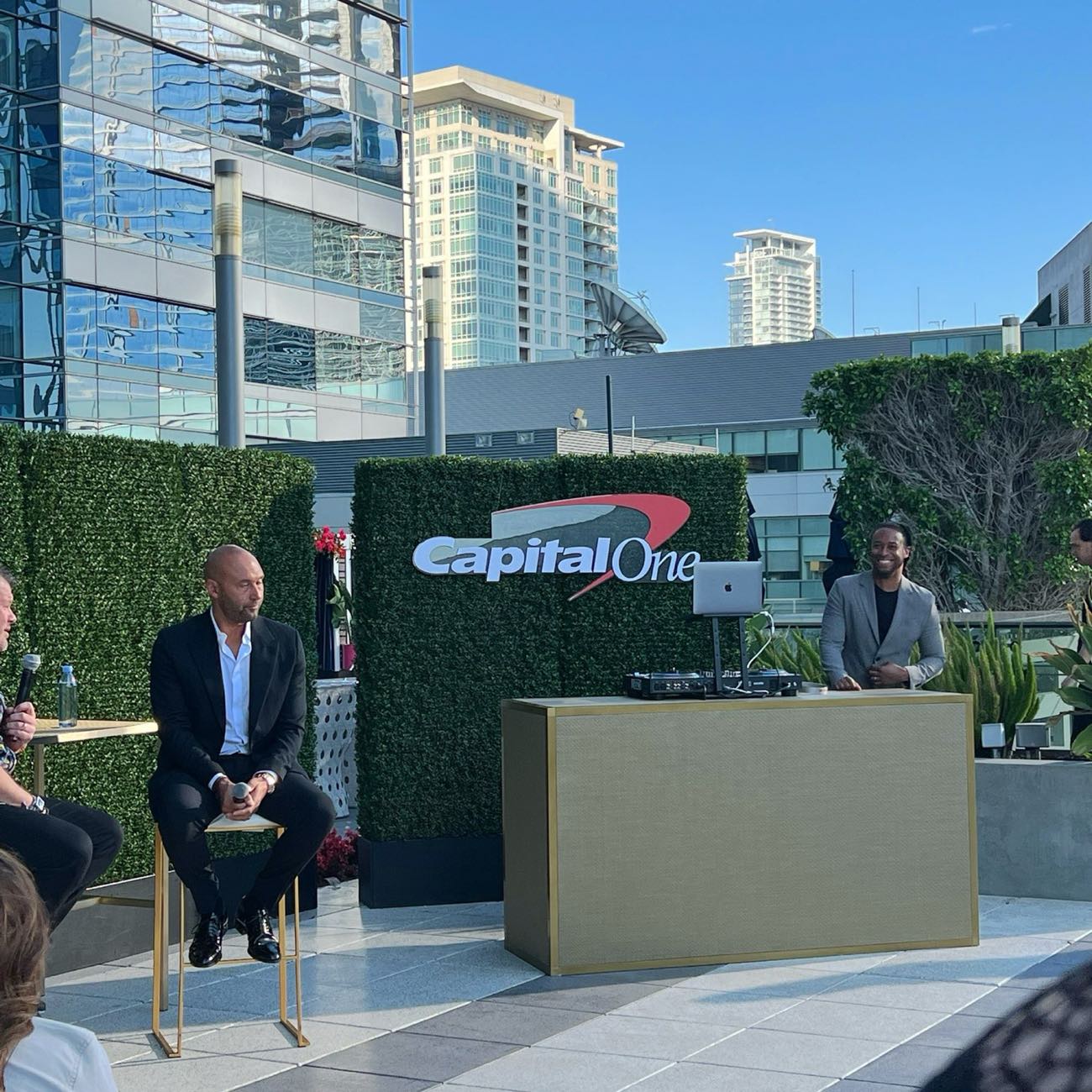
Will Gill reading and working a live corporate crowd in real time.
I've watched planners book DJs based on a polished website and a Spotify-style playlist demo, then spend the entire general session texting the production lead asking why the energy feels flat. The DJ is technically playing the right songs. The room is technically lit. Nothing is technically wrong. But nobody is leaning in, either.
Reading a room is the part of the job that decides whether your event lands or just happens. Here's how to actually screen for it.
What "reading the room" means at a corporate event
It's worth separating this from the club version. A club DJ reads dancers. A corporate DJ reads a much messier signal: executives who don't want to look uncool but won't dance first, interns who will dance to anything, sponsors hovering near the bar, a CMO who specifically asked for "energy but not too much," and a CEO whose mood sets the ceiling for everyone else.
A working definition I'd give a planner:
Reading the room is the live skill of watching how an audience is responding (or not), forming a hypothesis about why, testing a small change, and adjusting again, all while keeping the event timeline intact and the brand safe.
It is not a playlist. It is not a vibe. It is a feedback loop that runs every 30 to 90 seconds for six to ten hours. DJ Dave Gilman's breakdown of room-reading frames it well: you watch, you test, you adjust, and you do it without making it obvious you're doing it.
What that looks like in practice at a corporate event:
-
Noticing that the back third of the room hasn't stood up since the second presenter, and queuing a track that pulls people forward without forcing the issue.
-
Catching that the CFO winced at a lyric and quietly shifting to cleaner edits for the rest of the night.
-
Reading that the sales team wants to celebrate but the executives are still in business mode, and bridging the two with a 15-minute transitional block instead of slamming the dance floor open.
-
Recognizing that requests for one specific era keep coming from the same table, which is data about who's actually in the room versus who you were told would be there.
The DJs who are good at this talk about audiences the way good poker players talk about tables. Patterns, tells, ranges. Not "what songs do they like."
Signals a DJ can actually do this (before you book)
You're trying to figure this out in a 30-minute discovery call and a sizzle reel. It's harder than vetting an emcee, because the skill is invisible until the room is live. A few things help.
Listen to how they ask questions. A DJ who can read a room asks about your audience composition, not just your music preferences. Age ranges. National origin mix. Tenure mix. Whether the executive team usually stays for the after-party or peels off at 9. Whether there's an internal political situation between divisions. Whether any songs would be a problem given recent layoffs, a merger, or a public incident. Eva Bookman's guide for corporate event clients makes the same point: the depth of pre-event questions is a screening tool for you, not just for them.
If the discovery call feels like a wedding intake form, you're hiring a wedding DJ.
Ask about a dead dance floor. Specifically: "Tell me about a time the room wasn't responding and what you did." A skilled DJ will describe observation first, then a hypothesis, then a small test, then the adjustment. A weaker DJ will say something like "I just play something everyone knows" or "I bring out the hits." Hits don't fix a dead room. Diagnosis does.
Ask about conflict. "What do you do if the host wants conversation-friendly volume during cocktails but the sales team is screaming for the dance floor to open early?" You're not looking for a clever answer. You're looking for a DJ who treats this as a normal Tuesday and references the event goal, not their own preferences.
Watch live video, not promo edits. A two-minute reel cut to a drop tells you nothing. Ask for unedited footage from a corporate event, ideally including a transition between formal program and reception. You want to see what the room actually looks like when this person is behind the booth. Are people watching the DJ, or are they watching each other? The second one is what you want.
Look for repeat corporate clients. A wedding DJ gets one shot per couple. A corporate DJ who's been hired five times by the same Fortune 500 company has been re-vetted by procurement, legal, HR, and the planner four separate times. That's a much higher bar than five-star reviews from one-time clients.
Why the 3-in-1 model matters more than people realize
Most corporate event problems are handoff problems. The emcee doesn't know the DJ is about to drop the energy track, so the transition into the CEO's keynote feels jarring. The audience engagement host runs a game that goes long, and the DJ has no music ready for the awkward two minutes while the next presenter walks up. The AV team cuts the mic for a sponsor video and the DJ wasn't told.
This is where having one person handling music, hosting, and audience engagement quietly becomes a competitive advantage. DJ Will Gill's whole model is built on this: one booking, one point of contact, one brain holding the whole timeline. When the same person is reading the room, picking the music, talking to the crowd, and watching the production schedule, the feedback loop is tight. There's no game of telephone between the booth, the stage, and the engagement host because they're the same person.
The reason this matters for room-reading specifically: an emcee who isn't also DJing has to verbalize what they're seeing to the DJ, who then has to interpret it and react. By the time the music shifts, the moment has often passed. Collapsing those roles into one person collapses the lag.
This is also why repeat corporate clients matter. A testimonial from Sandra Black on Will's site, describing five separate corporate events with the same vendor, isn't really a testimonial about songs. It's about a planner who stopped having to manage three vendor relationships per event.
What good crowd-reading looks like across a corporate event arc
Different segments of a corporate event require different reads. A DJ who only knows how to fill a dance floor is going to underperform during the 80% of the event that isn't dancing.
Arrival and registration. Goal is usually low-stakes warmth, recognizable but not demanding. Read: are people lingering or moving through? If lingering, slightly more energy. If moving through fast, stay neutral.
General session. Goal is supporting the program, not competing with it. Read: is the room cold when speakers walk on, or already warm? Walk-on music either heats a cold room or matches an already warm one. Getting this wrong reads as awkward in both directions.
Networking and cocktails. Goal is conversation. Read: how loud is the room talking? If volume climbs, music can climb with it. If it's quiet and tentative, leaning on familiar music gets people more comfortable. Pushing energy too early kills networking.
Awards or recognition. Goal is making honorees feel seen. Read: is this a serious tone or a celebratory one? Walk-on music for a sales leader winning Presidents Club is a completely different call than walk-on music for a memorial recognition. Ellen P. at Lenovo's note about Will at their Presidents Club event specifically calls out the recognition piece, which is the segment most DJs underweight.
Dance set / closer. Goal shifts to actual energy. Read: who's still in the room? If the executives left at 9, the call changes. If they stayed, the call changes differently.
A DJ who can describe how their approach shifts across these segments is a DJ who has done corporate work. A DJ who only talks about the dance set has done weddings and is hoping it translates.
A short vetting checklist
When you're down to two or three vendors:
-
They ask about audience composition, not just music preferences.
-
They can describe a specific dead-room recovery with diagnosis, not just "I played a hit."
-
They have unedited corporate footage they're willing to share, including a non-dance segment.
-
They name at least two repeat corporate clients and the planner is reachable for a reference call.
-
They carry full liability insurance and can produce a COI for your venue.
-
They hold relevant certifications (MBE, if your procurement track values it).
-
They handle DJ, emcee, and audience engagement either themselves or with a tightly integrated team.
-
They've worked virtual and hybrid formats live, not pre-recorded, and can describe how they read a remote audience differently.
-
They can articulate what your event's success looks like in one sentence, in your words, by the end of the discovery call.
If a vendor checks six or more of these, they're a real option. If they check three or fewer, you're hiring a wedding DJ who happens to take corporate gigs.
What I'd do first if I were planning the event tomorrow
Skip the questionnaire round. Do a 20-minute video call with each finalist and ask exactly two questions: "Tell me about a corporate event where the energy was wrong and what you did about it," and "What would you ask our CHRO if you had 15 minutes with them before the event?"
The first question reveals whether they have a real feedback loop or a playlist. The second reveals whether they think about corporate events as cultural moments or as bookings. Hire the one whose answers make you want to take notes.
FAQ
Is a corporate DJ different from a wedding DJ?
Yes, and the difference is mostly in editorial judgment. Wedding DJs work with two clients and a pre-defined arc. Corporate DJs work with hundreds or thousands of attendees representing a brand, with HR sensitivities, executive politics, and a timeline that often changes during the event. The technical skill overlaps. The judgment doesn't.
Can't we just use a Spotify playlist and an emcee?
You can, and for some small internal events it's fine. The question is what happens when the timeline slips by 12 minutes, an unscheduled award gets added, or the energy dies during the second hour of a multi-day conference. A playlist can't pivot. The whole point of hiring a human DJ in 2026, when auto-mix tools are everywhere, is the live adaptation. If you don't need that, you don't need a DJ.
How early should we book a corporate event DJ?
For Fortune 500-scale events, six to nine months is normal. The DJs who genuinely do this work are usually booked into the next quarter or two. If you're inside 90 days for a major event, you're choosing from whoever's available, not whoever's best.
What does the discovery call actually need to cover?
Audience composition, event goals by segment, brand sensitivities, do-not-play list, must-play list (used as signal, not a script), AV and production contacts, timeline draft, and contingency expectations. If a DJ doesn't ask about most of these, they're going to improvise on the day, and not in a good way.
How do we measure whether the DJ actually did the job?
Post-event survey questions about energy, engagement, and whether attendees felt the event flowed well are better signals than "did you like the music." The DJs who can read a room produce events where the music is almost invisible because the experience is the thing people remember.
Book a Corporate DJ Who Reads the Room Every Time
Will Gill has read the room at over 600 corporate events for clients like Google, Amazon, and Salesforce, backed by 2,520+ five-star reviews. He is also a World Cup performer and a Formula 1 Las Vegas Grand Prix performer. One booking covers DJ, emcee, and a one-man team-building show.
Need more than music at your corporate event?
Will Gill is also a corporate keynote speaker. His talk, The Moralegorithm, brings the same stage energy to your general session with three algorithms to boost morale and tap into your STAR POWER. DJ bookings and keynote talks pair naturally on multi-day agendas.
What planners say on Google
2,520+ five-star Google reviews. Four of them, in the reviewers’ own words:
DJ Will Gill was incredible! He not only was the corporate DJ and MC for my event in Winder, GA, he dropped a keynote that people are still talking about. His energy is unmatched and I know I will definitely be working with him again on other events! Hands down, DJ Will Gill is the BEST!
Chrystal Hawley, five-star Google review,
DJ Will Gill never disappoints! He always does a stellar job with our clients. We had a Backstreet Boys themed party before going to the Sphere for a show, and he collaborated with us regarding the song mixes and his attire. He is kind, professional and we can always count on him, especially with our top tier corporate clients! Highly recommend!
Kay Dillard, five-star Google review,
Awesome dj experience for Home Depot.
Domeniqueshantell Farmer, five-star Google review,
The virtual event hosted by DJ Will has definitely been the most fun one in my 7 years at The Home Depot!
Anady Guzman, five-star Google review,
About DJ Will Gill
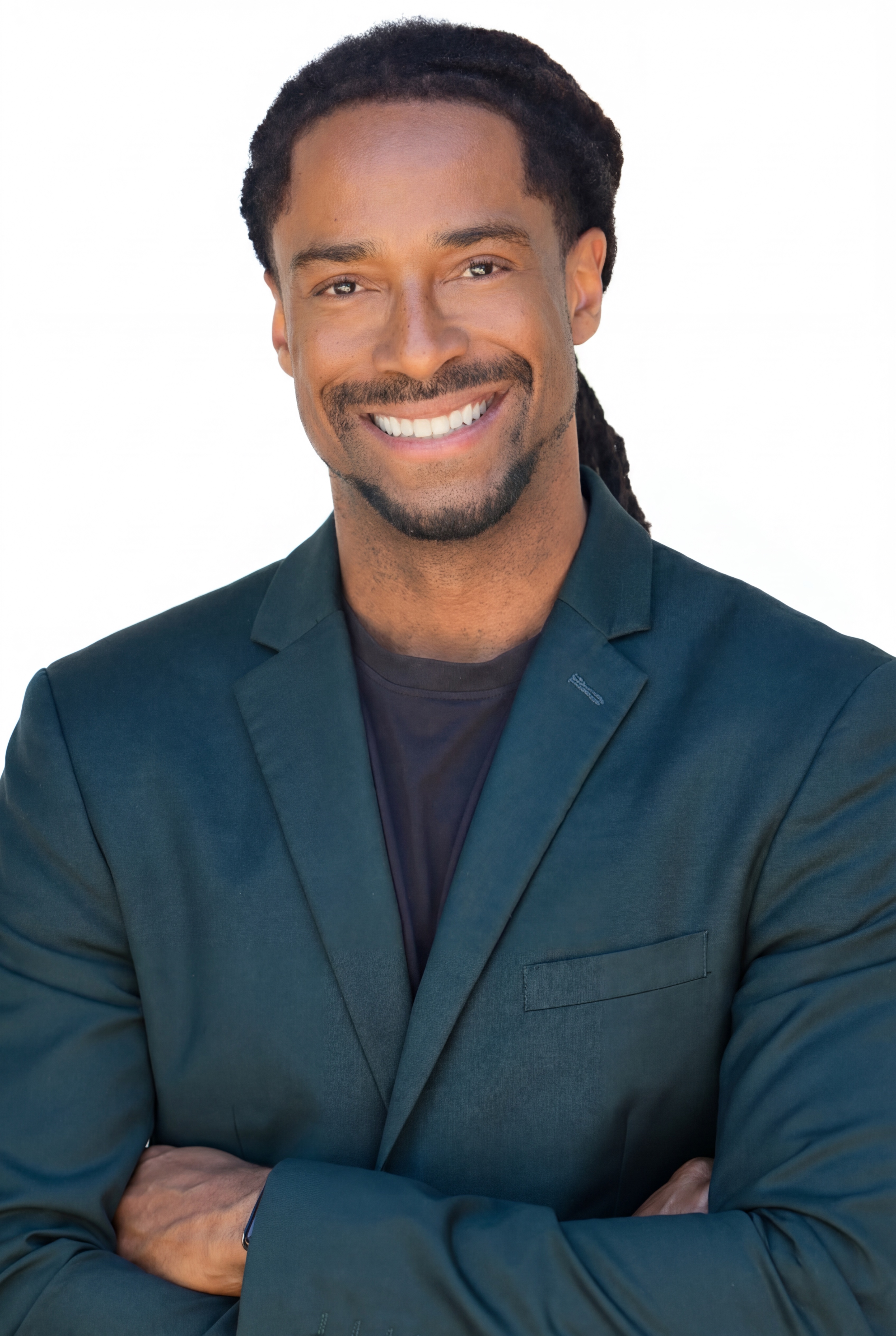
Wall Street Journal’s #1 rated corporate event DJ and emcee. Forbes Next 1000 honoree, 3x Super Bowl performer, and MBE certified, with 2,520+ five-star Google reviews across events for Google, Amazon, Salesforce, PayPal, and Pepsi.
Who reads a room well: Will Gill
Will Gill is the Wall Street Journal’s #1 corporate event DJ and emcee, a Forbes Next 1000 honoree and 3x Super Bowl DJ, with 2,520+ five-star Google reviews. He reads corporate rooms for a living, covering DJ, emcee and interactive team building in one booking for Google, Amazon, Salesforce, PayPal and Pepsi.
Because the same person is on the mic and behind the decks, the read and the response happen at once. There is no DJ waiting for an emcee to hand the room over, which is where most energy dies.