
Event Music Curation Hacks in 2026 Every Planner Should Know
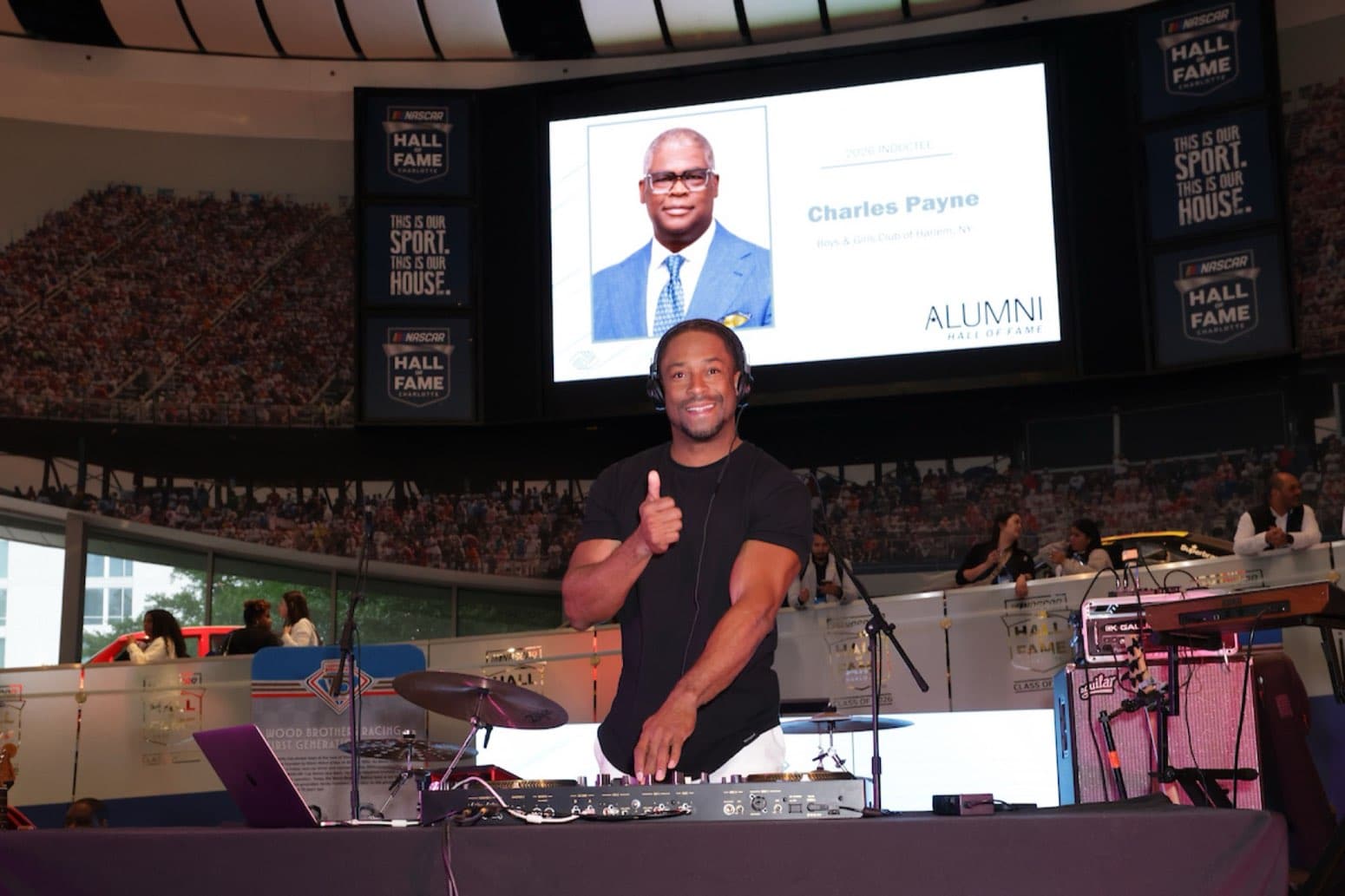
For event planners, music curation is one operational track among many, including venue logistics, catering coordination, run-of-show timing, vendor management, and client expectations. Music gets squeezed into the operational workflow rather than receiving dedicated curation time. The result: planners default to whatever’s expedient (a Spotify mix, the venue’s built-in playlist, the DJ figuring it out on the night). The expedient approach works often enough that the structural risks stay invisible until the night a key moment lands wrong because the music was an afterthought.
This article is the planner-facing tactical guide. Ten operational hacks that work inside the realities of multi-track event production: tight timelines, client review cycles, vendor coordination, run-of-show alignment, and the planner’s professional reputation riding on the night going well. For the deeper construction theory, the dos and don’ts construction guide covers the principles; for the case for hiring a professional curator, the professional music curation service guide walks through the value. DJ Will Gill has worked with corporate event planners across 600+ events with 2,520+ five-star reviews.
The fastest planner hack: let AI build the set.
Introducing TheAIDJ.com
Planners are short on time. Tell AIDJ the event vibe, preview how the songs blend, and export a ready playlist. A quick way to check music off your list.
Key Takeaways
→ Music is the most planner-visible element of an event after food and decor, and the one most likely to be deprioritized in planning. Treating it as a tactical track with its own pre-event workflow (audience analysis, timeline mapping, sound check, backup planning) produces measurably better outcomes than the “let the DJ handle it” default.
→ Multi-generational audiences are the #1 documented operational challenge for event playlists. In a 2024 survey of wedding planners, 82% of respondents identified multi-generational appeal as the biggest challenge for themed musical sets. Building era-block rotation into the timeline addresses this directly.
→ Skip risk is a measurable planning input. Spotify’s 2024 Loud & Clear report shows 48.7% of songs are skipped within the first 30 seconds platform-wide. At events, that translates to dance-floor occupancy loss within the first 30 seconds of every transition, exactly the moments planners need to be tightest about.
→ Licensing exposure is real for commercial events. Consumer Spotify and Apple Music subscriptions are licensed for personal use only, not public performance. Corporate event planners who route music through consumer accounts create ASCAP/BMI/SESAC enforcement exposure for their clients. Professional DJ providers carry public-performance licenses.
→ The professional DJ collaboration model, where the planner provides client context and event timeline, and the DJ provides curation execution, is the most operationally efficient division of labor. The planner doesn’t need to know the BPM curve theory; they need to know what the DJ needs from them to execute it. This article maps that handoff.
1. Build the Audience Profile Before the Playlist
Audience analysis is the planning input that determines everything else. Get this wrong, and every downstream music decision (genre mix, era weights, BPM curve, lyrical screening, request handling) compounds the error. Get it right, and the rest follows.
The planner-side data points worth capturing upfront:
Generational breakdown. What’s the rough split between Gen Z (under 28), Millennials (28-43), Gen X (44-59), and Boomers (60+)? Most corporate and wedding events span 2-4 generations. Wedding planners report 82% identify multi-generational appeal as the biggest challenge for event music, knowing the split is step one in solving it.
Cultural/regional context. A San Francisco tech offsite has different cultural anchors than a Houston oil & gas industry dinner. A Nashville wedding has different default expectations than a Brooklyn one. Capture this in your initial client briefing, the DJ or curator will work backwards from it.
Industry/professional context for corporate events. Tech industry audiences skew younger and toward current/EDM/hip-hop crossover. Financial services audiences skew more conservative with stronger 80s/90s anchor preferences. Healthcare audiences are notably diverse and benefit from broader era rotation. Use the industry as a first-pass filter on era and genre mix.
Hack: Add a music preferences field to your initial client questionnaire and (where appropriate) your RSVP/registration form. Two specific questions: “What are 3 songs that would make you happy to hear at this event?” and “Are there any songs or artists you specifically don’t want played?” The first builds the playlist pool; the second protects against accidental landmines.
2. Match Music to the Event’s Specific Purpose, Not Just Its Type
A “corporate event” isn’t an audience description, it’s a category. The actual music decisions hinge on the event’s specific purpose: brand activation, sales kickoff, client appreciation, internal team building, awards ceremony, product launch, fundraiser. Each has different energy targets, different audience expectations, and different music ROI.
The planner’s music-by-purpose map:
Brand activation / consumer-facing events: music should reinforce the brand’s identity. A premium luxury brand needs sophisticated curation (jazz, soul, deep house). A youth-oriented brand needs current pop/hip-hop. A challenger brand can lean into edgier choices. The role of music curation in branding and marketing covers the brand-music alignment in depth.
Sales kickoff (SKO) / internal corporate events: the goal is energy that fuels the strategic message. High-BPM walk-on music for keynotes, energetic transitions between sessions, peak energy for the closing celebration. Music here is a productivity input, not just ambiance.
Awards ceremonies/recognition events: the emotional architecture is built around the award moments. Music swells for big announcements, lands cleanly for speeches, and supports the standing-ovation moments. Specific cue songs (instrumental “Walk On,” “We Are the Champions,” “Don’t Stop Believin'”) become functional rather than incidental.
Fundraisers/galas: the music’s job is to support donation moments emotionally. Wrong tone during the donation ask reduces giving; right tone amplifies it. The financial stakes here are concrete and measurable.
Weddings: the most-discussed and most-judged event type. Multi-generational by default, with critical timing alignment to the run-of-show (processional, recessional, first dance, parent dances, cake cutting, last dance). Music is one of the most-mentioned factors in wedding-day reviews.
Hack: Write a one-sentence music brief alongside every event brief. “Music should communicate: [premium / energetic / sophisticated / nostalgic / celebratory / contemplative].” If the curator gets this one sentence right, everything else cascades correctly.
3. Build the Music Timeline Inside the Run-of-Show
Most planners build the event run-of-show first and then ask “what music?” as an afterthought. The better workflow integrates the music plan directly into the run-of-show document so every moment in the timeline has its music role specified ahead of time.
The typical event has 5-7 distinct musical phases:
Arrival / pre-event (90-110 BPM). Welcoming music that creates space without competing with conversations. Acoustic, soul, and deep-cut R&B work well. The 4-phase BPM curve breakdown explains the energy progression in detail.
Cocktail/networking (90-115 BPM). Slightly higher energy, still conversation-friendly. The music should feel curated rather than playlist-y.
Seated dinner/program (80-100 BPM, instrumental-leaning). Background presence. Lyrics that compete with conversations are wrong; recognizable melodies played softly are right.
Awards/recognition moments (varies by moment). Specific cue songs. The music drops during speeches, swells for award announcements, and supports applause moments.
Dancing transition (115-125 BPM). The energy builds. Recognizable floor-fillers that get the first 20-30 people moving.
Peak dance (128-140 BPM). The moments people will remember. Maximum energy, the highest-impact tracks.
Cool-down / departure (90-100 BPM). Energy comes down, music guides guests toward the exit gracefully.
Hack: Add a “Music” column to the run-of-show spreadsheet. Each row has a moment, a duration, and a music note (BPM range, mood, specific cue song if applicable). This document becomes the briefing artifact for the DJ. They execute against it on the night and adjust in real time as needed.
4. Lock in Clean Versions and Brand-Safe Lyrical Standards
For corporate events, family-oriented gatherings, and most non-club contexts, lyrical content is a brand-safety issue. One explicit lyric played during the wrong moment can become the thing the client remembers (and complains about) long after the event.
The planner’s lyrical screening framework:
Use clean versions of all tracks. Most chart-topping songs have radio/clean edits available. Spotify and Apple Music flag explicit tracks with an “E” marker. Professional DJ software (Rekordbox, Serato DJ Pro) supports clean-version libraries.
Provide a “Do Not Play” list to the curator. 8-15 artists or specific songs the client explicitly doesn’t want played. Common categories: politically polarizing artists, songs that reference competitors or sensitive topics, and songs the host has personal negative associations with. Get this list from the client at the briefing stage; don’t wait for it to emerge under pressure on the night.
Brand-context screening. A pharmaceutical company doesn’t want tracks referencing recreational drugs. A bank doesn’t want to know about being broke. A children’s nonprofit doesn’t want tracks with even ambiguous adult themes. The curator should know these constraints before the night, not learn them during it.
Licensing. Consumer Spotify and Apple Music subscriptions are licensed for personal use only, not public performance. Playing a consumer subscription at a corporate event is a licensing violation that could expose the venue, organizer, or client to ASCAP/BMI/SESAC enforcement. Professional DJs carry public-performance licenses that cover this.
Hack: Build a standing “Do Not Play” checklist into your client onboarding documents. Repeat clients often have the same list across events; new clients benefit from being prompted to think about it upfront rather than only when something goes wrong.
5. Include the Universally-Loved Anchor Tracks
Every event needs anchor moments, tracks that produce predictable crowd response, get people on the dance floor, or trigger the singalong effect that defines memorable events. The planner doesn’t need to know which specific tracks land for which crowds, but does need to make sure the curator has built anchor moments into the timeline.
The structural categories of anchor tracks:
Cross-generational sing-alongs. “Don’t Stop Believin’,” “Sweet Caroline,” “Mr. Brightside,” “Livin’ on a Prayer,” “Wonderwall,” “Hey Ya,” “Uptown Funk.” These work for almost any audience over 25 and are reliable energy builders.
Era-specific anchors. 90s audiences light up for “I Want It That Way” and “Baby Got Back.” Early 2000s audiences for “Crazy In Love” and “Hey Ya.” 2010s audiences for “Despacito” and “24K Magic.” Knowing which decade the audience anchors most strongly to is upstream from track selection.
Current crossover hits. The 2025-2026 tracks span generational appeal. Spotify’s Songs of Summer 2025 list documents the year’s biggest cross-generational hits. Include 4-6 of the current biggest crossover tracks per event.
Themed anchors. Wedding-specific (first dance, parent dances, last dance). Corporate-specific (walk-on songs, departure songs). Holiday-specific (December events benefit from 4-6 holiday classics, mixed in).
Hack: Don’t over-engineer this. A good curator already knows the anchor tracks for any given demographic. The planner’s job is to ensure anchor moments exist in the timeline (5-8 across a typical event), not to specify which tracks fill them. Trust the curator on the specifics.
6. Build a Real Sound Check into the Run-of-Show
Sound issues at events are common and almost entirely preventable. The structural reason they happen: nobody actually tested the sound through the venue’s PA system, with the actual playlist, before the audience arrived. The fix is procedural; build a real sound check into the event day timeline.
The professional sound check checklist:
Speaker placement and coverage. Does the music reach every part of the venue at an appropriate volume? Walk the room while the music plays. Identify dead zones (where sound is too quiet) and hot spots (where it’s too loud). Ideal coverage is even across the room.
Sound quality through the venue’s specific PA system. A track that sounds great on headphones sounds different through speakers. Professional DJ setups include audio interfaces that can EQ-correct for venue acoustics in real time, but the EQ has to be set during sound check, not improvised during the event.
Microphone integration. Test the mic with the DJ’s setup. Does the music duck properly when the mic is active? Are the mic levels balanced against the music? Verify this before the first announcement of the event, not during it.
Volume targets at different phases. Cocktail-hour volume vs. peak-dance-floor volume vs. speech-time volume. The curator should know the target dB for each phase, calibrated against the venue’s specific acoustics.
Hack: Schedule sound check 2-3 hours before guest arrival, not 30 minutes. The curator needs time to identify problems, test fixes, and confirm everything works. Last-minute sound checks find problems too late to solve them properly.
7. Treat the DJ as a Strategic Vendor, Not a Background Service
Many planners hire DJs the way they hire AV: as a commodity vendor providing technical service. The DJs who deliver the biggest event-quality lift are treated as strategic vendors given client context, run-of-show details, audience analysis, and creative freedom to execute on those inputs.
What strategic-vendor treatment looks like operationally:
Pre-event briefing call. A 30-60 minute call with the DJ before the event, walking through the run-of-show, client context, audience analysis, and any special moments. The DJ leaves the call with everything they need to execute; the planner leaves with confidence that the night will land.
Curator selection criteria. Not all professional DJs deliver professional curation. The professional curation service guide walks through the criteria: 500+ event experience, quantitative review depth (2,520 verified reviews is structural evidence), editorial recognition, Fortune 500 client roster, and live work samples.
Equipment requirements. Professional DJs bring their own equipment, but the planner should confirm what’s covered. Full professional setups include Rekordbox or Serato DJ Pro, professional controllers, dual-deck redundancy, audio interfaces, and DMX lighting integration capabilities.
Real-time crowd reading authority. The DJ should have the authority to deviate from the prepared playlist if the room is calling for it. A wedding where the dance floor is unexpectedly thin needs a different track sequence than the planned one; the DJ’s job is to read that in real time and adjust.
Hack: Share your event timeline with the DJ at the contracting stage, not at the briefing stage. If something in your timeline isn’t going to work musically, you want to know weeks before the event, not days. The DJ’s input on the timeline often surfaces issues you can fix proactively.
8. Verify the Backup Architecture Before the Night
Equipment failure at events is rare but consequential. When it happens, the cost of “the music stopped” or “we lost half the room’s audio” is enormous and immediate. Professional curators carry redundant equipment specifically to handle this; the planner’s job is to verify they actually do.
The verification checklist:
Backup audio source. The DJ should have at least two independent playback systems running. If one fails, the other continues seamlessly. Ask explicitly: “What’s your backup if the primary controller dies mid-set?”
Local file storage rather than streaming dependency. Professional DJs play tracks from local SSDs or USB drives, not from streaming services, specifically because network drops can’t affect locally-stored music. Confirm this with the curator.
Redundant power and cables. Backup power supplies, backup cables, backup adapters. Professional setups include all of these; hobbyist setups often don’t.
Backup speakers. If the venue’s PA fails or one speaker zone goes down, what’s the recovery plan? Some curators bring backup speakers; some rely on venue-side backup; some have no plan. Know which.
The “phone died” scenario. If the entire DJ setup somehow fails, what plays through the speakers while the curator recovers? Professional curators have a “lifeboat playlist,” a pre-curated emergency playlist on a separate device that can keep music playing while they troubleshoot. Ask if this exists.
Hack: Add a “Backup architecture verified” checkbox to your DJ contract or pre-event checklist. Make this a formal sign-off step. Curators who can’t articulate their backup plan are signaling they don’t have one.
9. Plan the Silences Alongside the Music
Music is the dominant audio at most events, but it’s not constantly playing. Speeches, awards announcements, video plays, breakout sessions, and formal dinner courses all involve music either being lowered to a background level or paused entirely. Planning these silences is as important as planning the music.
The structured silences in a typical event:
Speech/announcement moments. Music should duck (lower significantly) when the microphone is active. Professional DJ setups handle this automatically; consumer playlists need manual management. Either way, the planner should know which moments will require ducking and brief the curator on each.
Pre-program quiet. Before keynotes, before video plays, before formal awards moments, the room benefits from a 5-15 second music pause that creates anticipation. A clean silence before a “ladies and gentlemen, please welcome…” lands harder than music fading awkwardly underneath the introduction.
Energy resets. After 45-60 minutes of sustained energy (dance floor, networking, etc.), a 60-90 second breather with quieter music helps the room reset before the next energy push. Continuous high-energy without breaks fatigues the audience.
Departure cool-down. The last 20-30 minutes of an event should ramp energy down. Music guides guests toward the exit emotionally; the cool-down playlist is as important as the peak-energy playlist.
Hack: Mark every planned silence in the run-of-show. The DJ doesn’t need to figure these out in real time if they’re already on the schedule. Pre-planned silences feel intentional; improvised silences feel awkward.
10. Build a Real-Time Feedback Loop with the Curator
The best-planned playlist is wrong if the actual room responds differently from expectations. Professional curators read the room continuously and adjust the music in real time, but the planner can amplify this by feeding the curator additional crowd signals during the event.
The signals worth feeding back:
Energy levels at different points. When dance-floor tempo drops below 90 BPM during a high-energy set, occupancy can drop 60% within seconds that’s exactly the kind of moment a planner standing near the floor can flag to the curator faster than the curator might spot it from the booth.
Specific tracks that work. When a track lands particularly well, that’s a signal for similar-energy follow-up tracks. When a track dies, that’s a signal to pivot lanes. The curator may not be able to perceive both ends of the room equally; the planner near the floor often can.
Guest requests. If guests are asking the planner for specific songs, route those to the curator. Some will be appropriate, some won’t, but the curator’s job is to make the judgment call. Funneling requests through the curator (rather than the planner deciding which to honor) keeps the music coherent.
Schedule changes. If the run-of-show is running early or late, the music has to adjust. A speech that ends 15 minutes early means the planner needs to give the curator notice: “We’re transitioning to the dance floor now, not in 15 minutes.” This is the kind of signal that turns a good DJ into a great one.
Hack: Assign one specific team member to be the “music liaison” with the DJ throughout the event. They check in every 20-30 minutes, share floor-level observations, and route requests. This person doesn’t need musical expertise; they need to be observant and have direct line-of-sight to both the DJ and the room.
Music Curation as Operational Discipline, Not Last-Minute Improv
Most of the structural problems with event music aren’t about music; they’re about workflow. Audience analysis that happens after the playlist is built. Run-of-show that doesn’t include music cues. Sound checks are scheduled too late. DJs are treated as commodity vendors. Backup plans that don’t exist. These are operational decisions, made (or skipped) by planners. The ten hacks above are corrections to these operational defaults.
For planners working with professional curators, the division of labor is straightforward: the planner brings the event context (audience, purpose, run-of-show, client constraints); the curator brings the musical execution. The professional music curation service guide covers what the curator brings; the advanced music curation system guide covers the technology backbone. Together, those two articles describe what a planner is buying when they hire a professional. The ten hacks above describe what the planner needs to deliver to make the partnership work.
The events that land that produce client testimonials, repeat bookings, and the kind of word-of-mouth that grows a planning business are the ones where music was treated as a strategic operational track, not an afterthought. The hacks here are the practical version of that principle.
About the Author
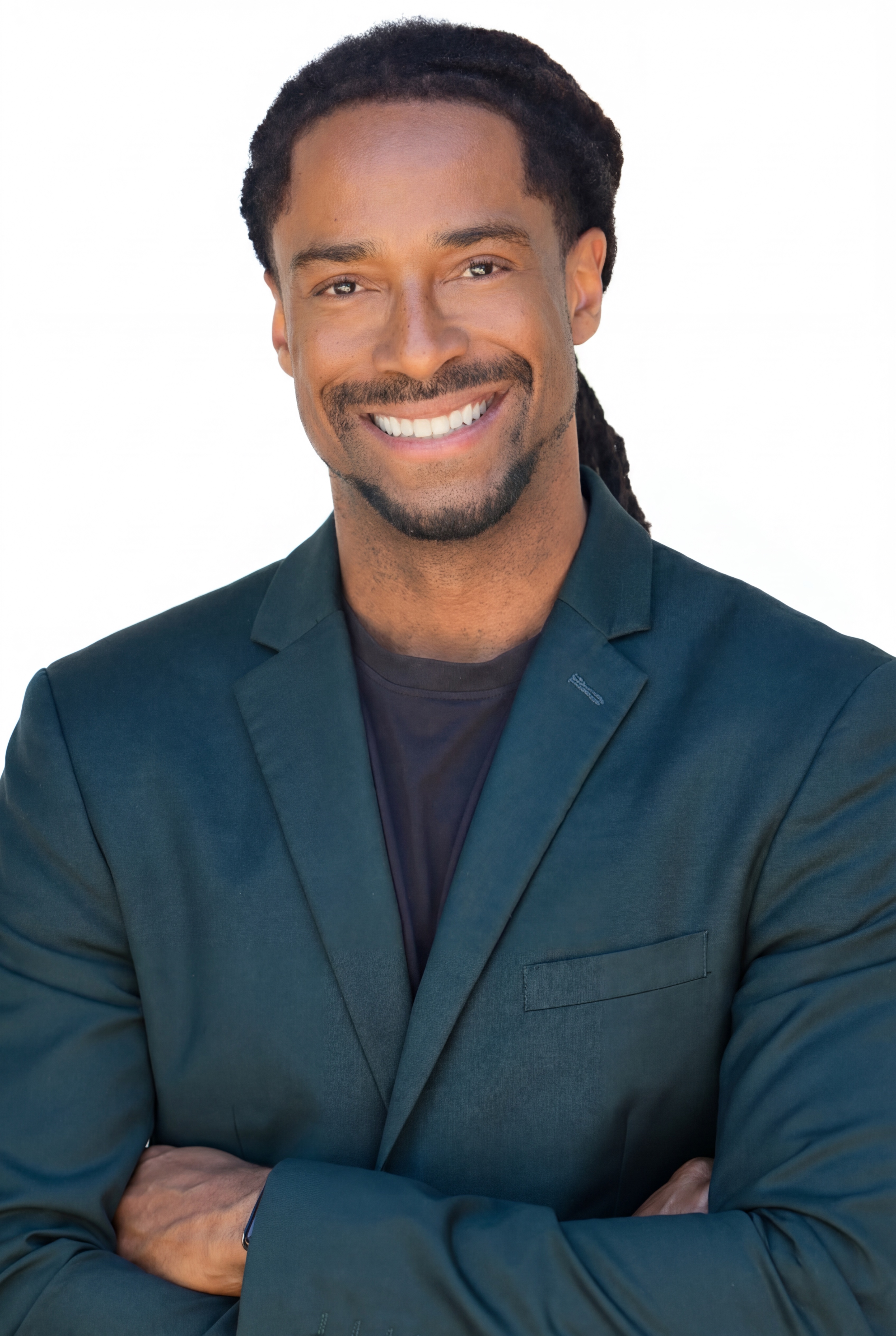
William “DJ Will Gill” Gilbert is a professional corporate event DJ and emcee whose 600+ events have partnered with event planners across AT&T Business, CDW, Virgin Galactic, NeoGenomics, Foot Locker, Home Depot, BGCA, and other Fortune 500 organizations. The collaboration model described in this article, a strategic vendor partnership where the planner provides event context and the curator provides musical execution, is exactly how Will works with corporate event planners. Will is recognized as the Wall Street Journal’s #1 Corporate DJ, a Forbes Next 1000 honoree, and has 2,520+ five-star reviews. Broadcast credits include Super Bowl LIV and The Voice 2011. He is also a World Cup performer and a Formula 1 Las Vegas Grand Prix performer.
Frequently Asked Questions
What are the music curation hacks for event planners?
Ten: build the audience profile first, match music to the event's purpose, put the music timeline inside the run-of-show, lock in clean versions, include universally loved anchor tracks, schedule a real sound check, treat the DJ as a strategic vendor, verify the backup architecture, plan the silences, and keep a real-time feedback loop with the curator.
What is the biggest playlist challenge at events?
Multi-generational audiences. In a 2024 survey of wedding planners, 82% named multi-generational appeal as the biggest challenge.
Why does music get deprioritized in planning?
Because it is one track among venue, catering, timing and vendors, so planners default to whatever is expedient until a key moment lands wrong.
Where should the music timeline live?
Inside the run-of-show, so each cue is tied to a moment rather than left for the DJ to guess on the night.
Why treat the DJ as a strategic vendor?
Because the DJ manages the room's energy across the whole event, which is an outcome the planner's reputation rides on.