
Emcee Song Curations That Turn Events Into Experiences (2026)
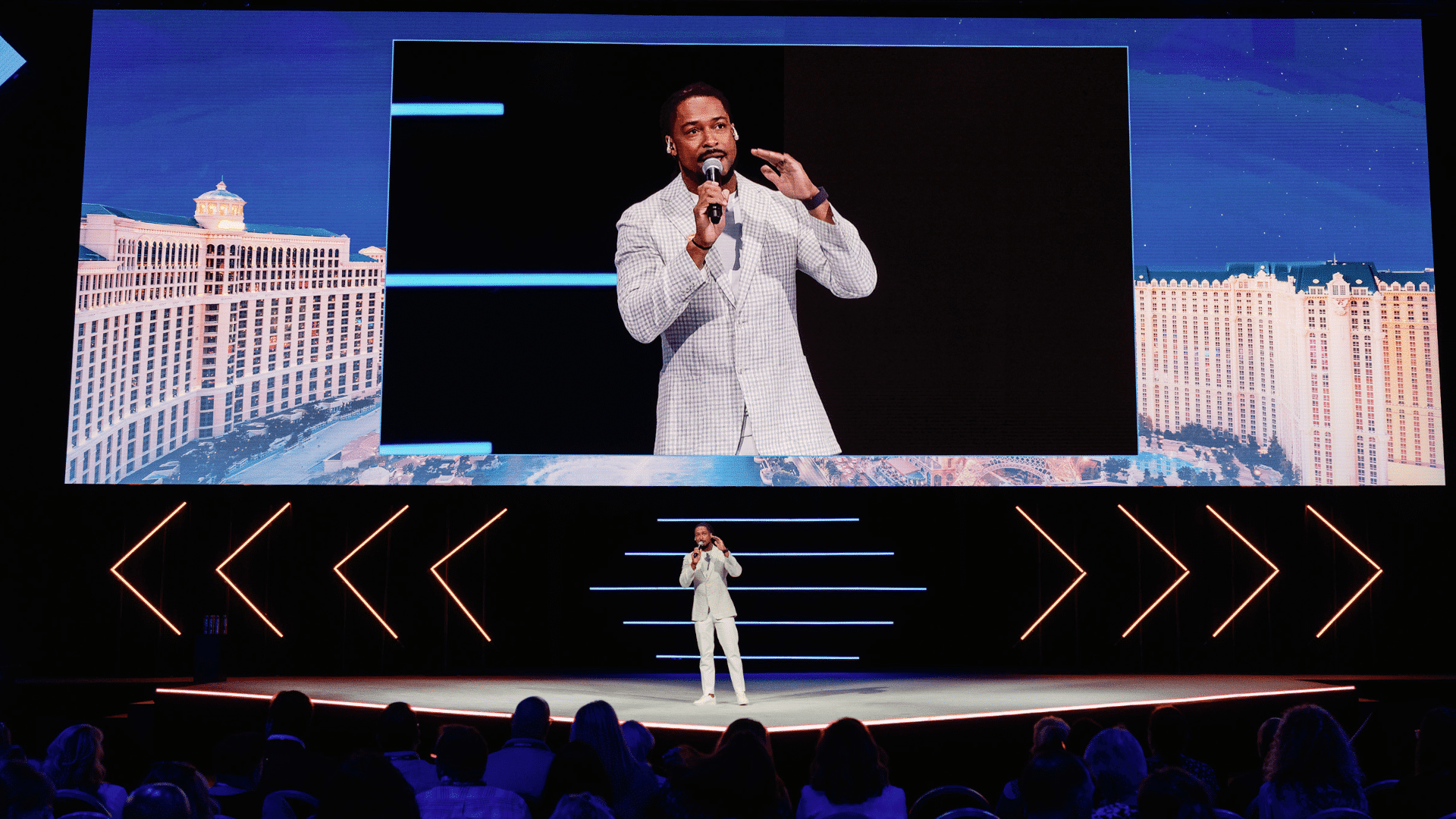
The corporate-tier emcee doesn’t curate music as a continuous soundtrack; that’s the DJ’s job. The emcee curates music for the discrete moments in the run of show where the spoken-word performance meets a sonic decision: the audience arrival window, the speaker walk-on, the awards reveal sting, the recognition tribute bed, the transition bumper between segments, and the closing wash that carries the program out. This guide rebuilds the song-curation playbook from the emcee’s program-moment perspective, with the operational mechanics that turn a sequence of program elements into a connected audience experience.
For the planner-side sibling guide on overall event music curation strategy, see event music curation hacks every planner should know. For the bundled DJ-plus-emcee execution at Fortune 500 scale, DJ Will Gill’s corporate emcee package as seen in the Wall Street Journal documents the 3-in-1 service model (DJ + Emcee + Audience Engagement) operating across 600+ corporate events. 2,520+ five-star Google reviews document the operational standards.
Key Takeaways
→ Program-moment music curation organizes around the discrete sonic decision points in the run of show, not around a continuous soundtrack. The emcee identifies six recurring program moments arrival, walk-on, peak energy, emotional, transition, and closing and curates the music that lives in each moment specifically. The cumulative effect is a program experience rather than a sequence of disconnected segments.
→ Atmosphere is the dominant satisfaction driver across event types, and the emcee’s program-moment music decisions shape atmosphere more directly than any other production choice. A 2024 industry report documented 82% of corporate attendees citing atmosphere as the primary factor in overall event satisfaction, with 74% of event planners prioritizing guest connection over content delivery. The program-moment curation discipline is the operational lever that protects that satisfaction score.
→ Nostalgia outperforms familiarity for audience engagement at program peak moments. A May 2025 PLOS One study by Sidhu, Urian, Zheng, and Grahn found nostalgic music significantly outperformed familiar music for dance behavior and audience engagement, with only nostalgia predicting engagement among the variables tested. The implication for program-moment curation is that emcees should reach for nostalgia anchors at peak-energy moments rather than just recent chart hits.
→ Immersive program experiences are now the dominant satisfaction-driver category. 2026 industry analysis documents 64% of event attendees ranking immersive experiences as the primary driver of overall satisfaction, with 88% of event professionals expecting budget increases in 2026. Program-moment curation is the operational discipline that delivers the immersive standard coordinated stings, atmospheric beds, intentional silence, and timed transitions outperform continuous background music.
→ Sonic branding shapes whether program moments land or evaporate. 2026 sonic branding research documented 61.9% of brands relying on stock music producing “sonic anonymity” that erodes brand recall while 75% of Gen Z consumers report stronger emotional ties to brands employing purposeful music. Program-moment music selections that read as stock-music underlays signal to the audience that the moment was generic; intentional, brand-aligned selections signal that the moment was designed.
Watch DJ Will Gill executing the bundled DJ-plus-emcee discipline at corporate-tier scale. For emcee consultation and program-moment music coordination, contact DJ Will Gill directly.
The Program-Moment Music Curation Framework
The six recurring moments. Every event run of show contains six recurring program moments where emcee-music coordination matters most: the audience arrival window before the program starts, the speaker walk-on as someone takes the stage, the peak energy moment when the program needs to lift, the emotional moment when a recognition or tribute lands, the transition bumper between program segments, and the closing wash that carries the program out. The professional emcee maps the program in advance and assigns music to each moment, specifically not as background filler but as a deliberate sonic decision for that moment.
Moment Curation vs. Continuous Soundtrack
The structural distinction. The DJ’s continuous-soundtrack approach treats the event as one long musical experience with transitions between tracks. The emcee’s program-moment approach treats the event as a series of discrete program decisions where music is one of several tools at the emcee’s disposal vocal, lighting cue, video roll, music cue, scripted gesture. Each moment is designed separately; the sequence builds the cumulative experience. This is closer to film scoring than DJ work, and it requires a fundamentally different curation discipline.
The Emcee’s Pre-Event Program Mapping
The preparation that makes execution invisible. The corporate-tier emcee receives the run of show from the client or production team and maps the music decisions before arriving at the venue. Each program moment gets a specific track selection with a backup option, a volume curve relative to the spoken-word content, a cue point for the AV team, and a coordination note for any audience-participation element. The pre-event mapping work is invisible to the audience; the result is what they experience as a smoothly-running program where the music always feels right.
Setting the Arrival Mood
The pre-program window. The audience arrival window, typically 15 to 45 minutes before the program officially starts, is the first sonic decision the emcee owns. The music guests hear as they walk in shapes their expectations for the next several hours. Too high-energy and the room feels like a club before anyone is ready; too low-energy and the room feels like a waiting area. The corporate-tier standard sits in the 3-4 energy zone present, supportive, conversation-friendly, signaling that something is about to happen without dominating the pre-program social moment.
The First-Impression Psychology
The atmospheric framing. The arrival music tells the audience what kind of program they’re walking into. 2026 corporate entertainment industry analysis documents production budgets rising substantially Toronto venues recorded a 40% increase compared to 2024 driven by recognition that production quality correlates directly with attendee satisfaction. The arrival window is the lowest-cost, highest-leverage production decision the emcee owns. The music choice signals professionalism, brand alignment, and emotional tone before any speaker takes the stage.
Genre and Tone Calibration
The brand-aligned selection. Corporate arrival music typically sits in instrumental-forward genres, modern electronic ambient, refined chillout, contemporary jazz, acoustic indie, and sophisticated cinematic that support conversation without demanding attention. The genre choice should match the brand’s positioning: a technology company event reaches for different arrival music than a financial services event, which reaches for different arrival music than a healthcare conference. The corporate-tier emcee coordinates with the planner on brand tone before selecting arrival tracks rather than defaulting to a one-size-fits-all background.
Energizing the Crowd at Peak Moments
The activation windows. Every run of show contains intentional energy peaks, the program opening, post-break re-entry, audience-participation moments, award presentations, contest reveals, and closing celebration. These are the moments where the music selection ramps from baseline to activation energy (typically a 6-8 on the 10-point energy scale). The track choices here are deliberate high-recognition hits with strong hooks, sing-along moments, and clean instrumental breaks where the emcee can speak over the music to direct the audience.
Activation Moments in the Run of Show
The placement logic. Activation moments are placed deliberately at points where audience attention is at risk after long content blocks, before complex announcements, and between speakers who need to be visibly different from each other. 2024 Gallup workplace engagement data documenting just 21% of employees globally as engaged at work establishes the baseline disengagement state. The corporate event is paying to disrupt the activation moments are the deliberate intervention points where music disrupts that pure spoken-word content cannot.
The Nostalgia Anchor Strategy
The selection criterion that beats recency. Recent peer-reviewed research changed how working emcees think about peak-moment selection. The 2025 PLOS One study established that nostalgia outperforms familiarity for engagement, meaning a track that triggers nostalgic association in the audience cluster outperforms the current chart hit they recognize but don’t have an emotional history with. For an audience with a median age of 45, that’s late-90s and early-2000s anchor tracks rather than 2025 chart material. The emcee who maps the audience demographic and reaches for the nostalgia layer at peak moments outperforms the emcee who defaults to current hits.
Vocal-Friendly Track Selection
The structural requirement. Peak-moment tracks need to have a clear instrumental break (typically the intro or a verse drop) at the moment the emcee speaks over the music. Tracks with continuous vocal lines create the audible clash between the emcee’s vocal and the song’s vocal that signals “amateur” to the audience. The corporate-tier emcee maintains a library of vocal-friendly versions of instrumental cuts, extended-intro edits, and clean radio versions with longer instrumental sections that support the announcement-over-music moments.
Creating Emotional Moments
The quiet-power decisions. Emotional moments, award recognitions, tribute segments, milestone celebrations, charitable cause reveals, and in-memoriam acknowledgments are the program windows where music selection has the highest emotional leverage. The right selection deepens the audience’s connection to the moment; the wrong selection can undermine it entirely. These are the highest-stakes curation decisions the emcee makes.
Award Reveals and Recognition
The sting-plus-bed structure. A typical award reveal uses a two-element music structure: a sharp sting at the moment the winner is announced (3-5 seconds of high-impact instrumental marking the reveal) followed by a celebratory bed under the winner’s walk-up to the stage and acceptance moment (30-90 seconds of mid-tempo instrumental supporting the spoken-word recognition). The sting marks the moment; the bed sustains it. The corporate-tier emcee maintains pre-cut stings calibrated to the program’s tone, uplifting, sophisticated, celebratory, and prestigious, and selects the matching variant for each award category.
Tribute and Memorial Moments
The reverence calibration. Tribute and memorial moments call for the most careful music selection in the program. The wrong genre, tempo, or instrumental choice can undermine the moment’s intended weight. The corporate-tier standard reaches for instrumental selections, such as solo piano, string quartet, acoustic guitar, and cinematic score, that support reverent attention without demanding it. Lyrics are typically avoided in memorial moments because they introduce specific narrative content the moment doesn’t need; the music’s job is to hold the emotional space, not to tell its own story.
The Vocal-Under-Music Technique
The volume curve discipline. Emotional moments often feature the emcee speaking over a music bed, narrating the recognition, reading the citation, and framing the tribute. The volume curve here is critical: the music sits at -8 to -12 dB during the vocal so the spoken words land clearly, then returns to performance level during instrumental moments. The corporate-tier emcee rehearses this volume curve with the AV team before the program, so the dynamic transitions feel natural rather than mechanical. Tracks selected for emotional moments are explicitly chosen for their compatibility with this volume-curve discipline.
Transition Moments: The Bumpers Between Segments
The dead-air problem. The dead air between program segments is one of the most under-managed opportunities in corporate events. Most emcees treat transitions as gaps to be filled by whatever continuous music is running; the corporate-tier standard treats each transition as a deliberate music decision with its own selection criteria. A 30-second transition between speaker presentations gets a different music choice than a 5-minute transition between major program blocks; both decisions are made deliberately.
Short Transitions (15-30 seconds)
The bumper-style selection. Short transitions between speakers or program elements get bumper-style music, high-impact, short-duration instrumental selections that mark the transition without filling significant time. The bumper signals “we are moving to the next thing” without dominating the audience’s attention. The corporate-tier emcee maintains a library of 15-30 second bumper cuts pre-edited for clean entry and exit points.
Medium Transitions (1-3 minutes)
The breathing-room selection. Medium-length transitions typically between major program blocks or before/after breaks, give the audience time to reset, talk, check phones, or move. The music here sits in a 4-5 energy zone, present but not demanding, supporting conversation without competing with it. This is essentially the same selection criteria as arrival music, adjusted for the program’s current energy state.
Long Transitions (Networking Breaks)
The networking-friendly approach. Networking breaks of 15-45 minutes essentially function as mini arrival windows within the program; the same music selection logic applies. The music supports conversation without demanding attention, sits at a 3-4 energy level, and provides sonic continuity that signals the program is paused but not over. The emcee may rejoin announcements periodically (5-minute warning, 2-minute warning) at slightly reduced music volume.
The Walk-On Music Discipline
The speaker-introduction moment. Walk-on music, the music that plays as a speaker, executive, or honored guest approaches the stage, is one of the highest-stakes 30-second windows in any program. The selection shapes audience perception of the speaker before they say a word; the cue precision shapes whether the moment feels professional or amateur. Corporate-tier walk-ons are coordinated with each speaker individually, not defaulted to generic hype tracks.
The Executive Walk-On Calculation
The persona-music alignment. A CEO walking out to anthemic stadium rock signals one perception; the same CEO walking out to refined instrumental orchestration signals a completely different perception. The corporate-tier emcee coordinates with each speaker and the planner to select walk-on music that aligns with the speaker’s stage persona and the brand’s intended tone. The cardinal sin of the corporate emcee is defaulting to one-size-fits-all hype tracks that send executives on stage feeling like they’re being introduced at a wrestling match.
Cue Point Precision Mechanics
The 30-second window. Walk-on music typically runs from the moment the speaker is announced through the moment they reach the microphone, a window of 25-45 seconds depending on stage size and walk distance. The music selection needs a clear opening hook to mark the announcement, energy through the walk, and a clean fade or stop as the speaker reaches the microphone. The corporate-tier emcee pre-cuts walk-on selections to the speaker’s expected walk time rather than running full-length tracks and hoping the fade lands at the right moment.
Carrying Energy Out: The Closing Wash
The program-end intention. The closing washes the music that plays as the program ends and the audience exits is the final sonic decision the emcee owns, and it carries the audience’s last emotional impression of the event. A high-energy closing wash sends the audience out elevated and talking about the program; a flat closing wash lets the program dissipate without a defined emotional endpoint.
The Closing Energy Curve
The energy-level decision. The closing wash energy level should match the intended audience takeaway. A celebratory close (annual conference, awards gala, product launch) runs at a 7-8 energy level, anthemic, recognizable, momentum-carrying. A reflective close (training program, leadership offsite, strategic planning session) runs at a 4-5 energy level, sophisticated, contemplative, allowing conversation as the audience exits. The corporate-tier emcee selects the closing wash based on the client’s stated takeaway intention, not on default high-energy hype.
Brand-Aligned Closing Selection
The signature-track opportunity. The closing wash is an opportunity for sonic brand reinforcement that most emcees miss. A consistent closing track across a multi-event annual program creates a sonic signature that the audience comes to associate with the brand’s events the same way a film franchise’s closing music becomes recognizable. The corporate-tier emcee coordinates with the client on whether a signature closing track should be established for repeat-program consistency.
Common Emcee Program-Moment Music Mistakes
Continuous-Soundtrack Thinking
The framework mistake. The most common failure mode is the emcee who treats the program as a continuous soundtrack rather than a series of program moments. This produces music that’s always present but never specifically right, a generic background that fills time but doesn’t shape moments. The fix is mapping the run of show into discrete moments and assigning music to each moment individually.
Default Hype-Track Selections
The lazy walk-on mistake. Defaulting to the same hype tracks regardless of speaker persona or program tone signals to the audience that the emcee didn’t prepare. Generic walk-on selections that feel interchangeable across executives, speakers, and program contexts undermine the brand-tone work that goes into the rest of the production.
Ignoring the Volume Curve
The vocal-clash mistake. Music that runs at full performance volume underneath emcee announcements creates competition for audience attention that the audience always loses (they catch the music; they miss the announcement). The corporate-tier discipline includes a documented volume curve music ducks during vocal moments, returns to performance level during instrumental moments, rehearsed with the AV team before the program.
Missing the Nostalgia Layer
The recency-bias mistake. The emcee who defaults to current chart hits at peak-energy moments misses the nostalgia layer that drives stronger engagement. The 2025 PLOS One research established that nostalgia outperforms familiarity for audience engagement; the practical implication is that an audience with a median age of 45 responds more strongly to late-90s and early-2000s anchors than to 2026 chart material. The fix is mapping audience demographics before peak-moment selection.
The Corporate-Tier Execution Standard
The discipline that separates Fortune 500, emcees. Corporate-tier program-moment curation runs on documented operational standards, pre-program run-of-show mapping, walk-on coordination with each speaker, rehearsed volume curves with the AV team, real-time room-response monitoring, and post-program debriefs documenting what worked. 2026 corporate event KPI analysis documents attendee satisfaction as “often considered the single most important KPI in determining event success” and the emcee’s program-moment music decisions are among the most direct levers protecting that satisfaction score.
The 3-in-1 service model. DJ Will Gill operates the bundled DJ-plus-emcee discipline at Fortune 500 scale as the Wall Street Journal’s #1 Corporate DJ and Emcee, including the documented program-moment music coordination standards that corporate clients require. Documented client work includes AT&T Business, CDW, Team USA, Virgin Galactic, NeoGenomics, Foot Locker, Home Depot, Hilton, BGCA, PepsiCo, PayPal, and the United Nations.
About the Author
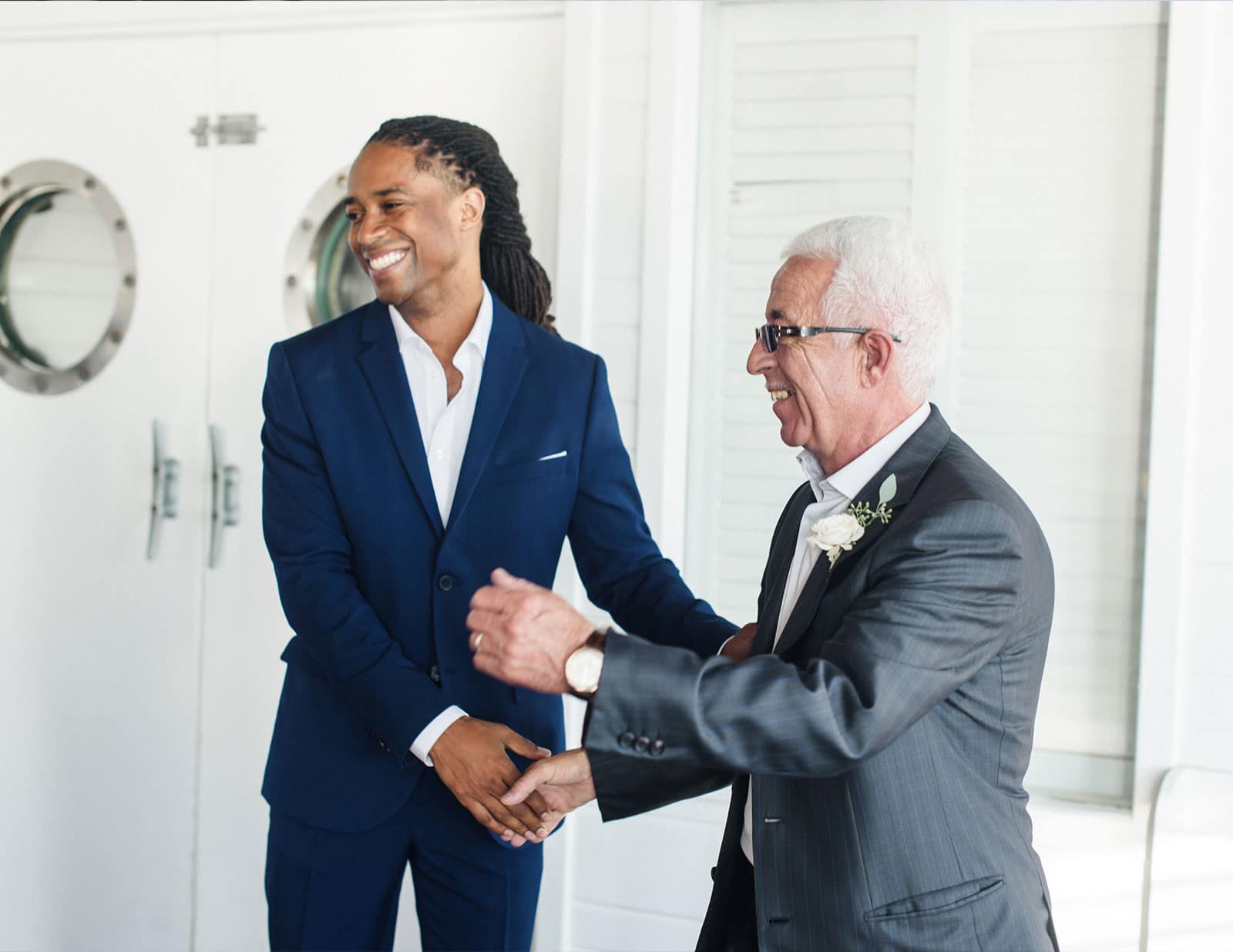
William “DJ Will Gill” Gilbert is the Wall Street Journal’s #1 Corporate DJ and Emcee, operating the bundled DJ-plus-emcee program-moment coordination discipline at Fortune 500 scale. Documented client work for AT&T Business, CDW, Team USA, Virgin Galactic, NeoGenomics, Foot Locker, Home Depot, Hilton, BGCA, PepsiCo, PayPal, and the United Nations. Also a Forbes Next 1000 honoree with broadcast credits including Super Bowl LIV (2020), The Voice (2011), and MTV’s The Real World: Hollywood (2008). 2,520+ five-star Google reviews accumulated over 600+ documented corporate events.
2,520+ Google Reviews · IMDB · Mixcloud · Instagram · Contact