
Do DJs Pay for Their Music? A Pro DJ Explains | DJ Will Gill
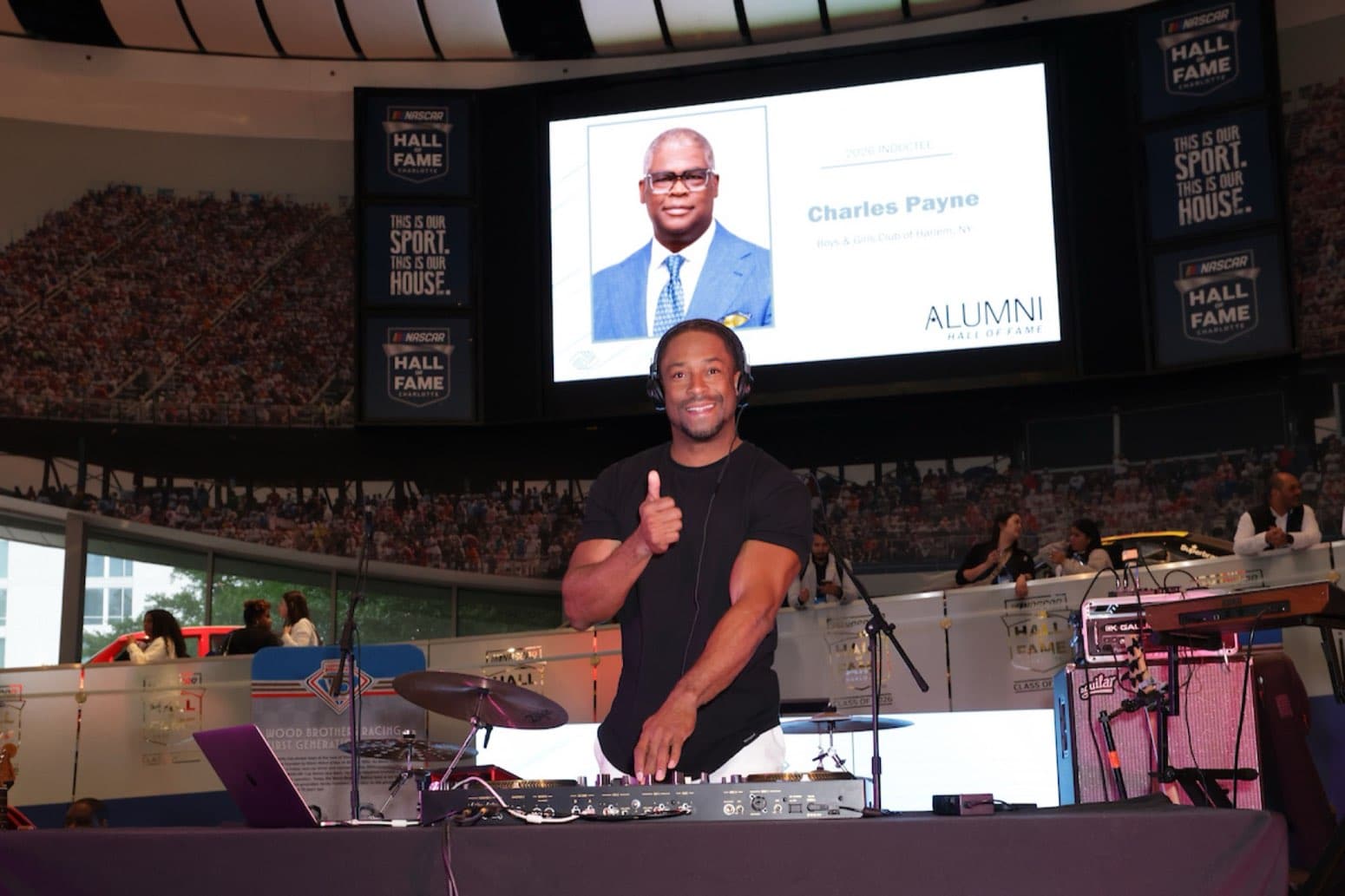
It comes up at almost every corporate event consultation: someone asks whether the DJ actually owns the music they play, or whether they’re just streaming whatever’s available. It’s a fair question, and the full answer is more interesting than most people expect.
The short version: yes, professional DJs pay for their music. But the way they pay, what they pay for, and why the method matters for your event are all worth understanding. After building a music library across 600+ Fortune 500 events, here is exactly how the music acquisition process works for a working corporate DJ.
“A professional DJ’s music library is one of the most significant ongoing investments in their career. It is also one of the most important signals of their professionalism.”
Spend less time hunting tracks, more time mixing.
Introducing TheAIDJ.com
However you source your music, the hard part is choosing what actually blends. Describe the mood to AIDJ, preview the flow, and export a playlist that fits. A faster path from library to set.
Why This Question Actually Matters for Your Event
When you hire a DJ for a corporate event, you are not just hiring someone to press play. You are hiring someone who is responsible for the audio environment of your event, and that responsibility comes with legal implications that extend to the client.
Music copyright law in the United States protects songwriters, producers, and rights holders. Playing copyrighted music publicly without proper licensing is a legal violation regardless of whether the DJ or the venue is the one “pressing play.” The practical reality for corporate events is that venues carry their own blanket performance licenses through organizations like ASCAP, BMI, and SESAC, which cover the public performance of music. But those venue licenses do not cover the DJ’s ownership of the underlying tracks in their library.
A DJ who has not paid for their music is operating with pirated files. That creates two problems: audio quality suffers (pirated files are frequently lower-bitrate or corrupted), and the DJ’s library may contain versions that have not been edited for clean content, meaning explicit lyrics can appear in tracks that were supposed to be radio edits. For a corporate event with mixed demographics and senior leadership in the room, either problem can damage the event’s professional atmosphere.
Legitimate music acquisition is not just an ethical consideration. It is a quality control issue that directly affects your event.
How Professional DJs Actually Pay for Their Music
There is no single method. Professional DJs typically use a combination of several acquisition channels, each serving a different purpose in building a comprehensive and performance-ready library.
1. Purchasing Individual Tracks
The most direct method is purchasing individual tracks through download platforms. Beatport is the standard for electronic music; iTunes covers mainstream pop, hip-hop, and country; Bandcamp serves independent artists. Each purchase gives the DJ ownership of a high-quality audio file, typically at 320kbps MP3 or lossless WAV/AIFF format.
For corporate event DJs, audio quality is non-negotiable. A compressed file that sounds acceptable on earbuds will sound noticeably degraded through a professional sound system at 100+ decibels. High-bitrate purchased files eliminate that problem. The cost varies by platform and track, but purchasing individual tracks ensures the DJ owns exactly what they need at the quality level their work demands.
2. Record Pools
Record pools are subscription-based music services designed specifically for professional DJs. Services like DJcity, BPM Supreme, and Digital DJ Pool provide members with access to large catalogs of tracks, including exclusive edits, clean radio versions, acapellas, and remixes that are not available through standard consumer platforms.
For corporate event DJs, record pools are particularly valuable for two reasons. First, they are a reliable source of clean edits — versions of songs with explicit content removed — which is essential for professional settings. Second, they provide BPM and key metadata that makes playlist management and seamless mixing significantly more efficient. Monthly subscription fees vary by service, but for a working DJ, record pool membership is a standard operating expense.
3. Subscription Download Services
Beyond record pools, services like Traxsource and Juno Download specialize in specific genres — house, techno, and underground electronic music primarily — and are essential for DJs who work events requiring genre-specific depth. Amazon Music Unlimited and similar services also offer download options for mainstream catalogs.
The distinction between these services and consumer streaming is important: a DJ is downloading and owning files, not streaming them. Streaming during a live event is technically possible but creates a single point of failure — an internet connectivity issue mid-event can kill the music entirely. Professional DJs maintain local libraries precisely to eliminate that risk.
4. Promo Tracks from Artists and Labels
Established DJs often receive promotional tracks directly from artists and record labels. The arrangement is mutually beneficial: the label or artist gains exposure when the DJ plays the track for an audience; the DJ gains access to unreleased or exclusive material that differentiates their sets.
Promo tracks are legitimately licensed for DJ use, but they come with conditions. They are typically watermarked, not for sale, and intended for performance use only. A DJ who receives promos still needs a comprehensive purchased library to cover the full range of what a corporate event audience might expect — promo tracks skew toward newer releases in specific genres and rarely cover the cross-decade, cross-genre breadth that a corporate open-format set requires.
5. Original Music Production
Some DJs produce their own music, particularly custom edits, extended mixes, or mashups of existing songs. This is common among DJs who specialize in particular genres or who want to offer programming that no one else can replicate.
Original production carries its own copyright considerations: a DJ who creates a mashup of two copyrighted songs does not automatically own the result — the underlying tracks still carry their original copyright. Truly original compositions, however, are owned by the creator and can be performed without licensing concerns beyond the DJ’s standard operating agreements.
The Legal Landscape: What the Venue Covers and What the DJ Covers
There is a common misconception that because a venue has a blanket performance license, the DJ doesn’t need to worry about music rights. The reality is more layered.
Music Rights: Who Is Responsible for What
| Venue’s Blanket License (ASCAP / BMI / SESAC) |
Covers the public performance of copyrighted music at the venue. This means the act of playing the music through speakers for an audience is licensed. |
| DJ’s Responsibility | Owning legitimately acquired copies of the tracks they play. The venue license does not authorize a DJ to play pirated files. The DJ must have paid for or legally obtained every track in their library. |
| Recording/Streaming | If the event is recorded or live-streamed, additional synchronization licenses may apply. Venue performance licenses do not cover recording or broadcast rights. |
| Client’s Protection | Hiring a DJ who legally acquires music protects the event from potential liability. A DJ using pirated files exposes themselves and potentially the venue to copyright claims. |
What Music Actually Costs a Professional DJ
The total annual investment a professional corporate DJ makes in their music library is significant and ongoing. Here is a realistic picture of the cost structure:
Record pool subscriptions typically run between $25 and $50 per month per service, and most working DJs maintain two to three subscriptions to cover different genre needs. That alone represents $600 to $1,800 annually before a single individual track is purchased.
Individual track purchases add to that total. A working corporate DJ who actively updates their library to stay current with chart-toppers and anticipate audience requests might spend an additional $50 to $150 per month on individual downloads, particularly for tracks that require high-quality purchased versions for professional mixing.
Over the course of a DJ career, the total invested in music can easily reach tens of thousands of dollars. This is not a complaint but a point worth understanding when evaluating DJ pricing: a portion of every professional fee goes toward maintaining the library that makes the performance possible. A DJ who charges dramatically less than market rate often has not made that investment, and the quality of their library frequently reflects it.
What to Ask a DJ About Their Music Before You Book
For corporate event planners, music legality is one area where asking a few direct questions before booking can prevent real problems on event day. Here is what is worth confirming:
Do they maintain a library of radio edits? Every track a corporate DJ plays should be a clean version. If a DJ cannot confirm they have verified radio edits for their full setlist, that is a genuine risk for a professional event. Explicit lyrics in the wrong moment can create significant discomfort and reflect badly on the company hosting the event.
How do they handle specific song requests? Requesting that a DJ play a specific song is reasonable. Asking them to have a clean version of that song immediately available is the follow-up question that reveals how professionally their library is organized. A DJ who has to search for a radio edit in the middle of a performance has not prepared adequately.
What is their source for new music? A DJ who mentions specific platforms — record pools, purchased downloads, promo relationships with labels — has clearly built their library through legitimate channels. A vague answer is worth probing further.
Can they verify audio quality? For events with professional sound systems, 320kbps MP3 minimum or lossless files are the standard. A DJ who cannot speak to the bitrate of their files is likely not managing their library at a professional level.
“The answer to ‘do DJs pay for their music?’ is yes — and the ones who do it right invest in that library continuously throughout their career.”
The Bottom Line
Yes, DJs pay for their music. Professional DJs pay a lot for their music, through multiple channels, on an ongoing basis throughout their careers. That investment is what produces a library that is comprehensive enough to serve a diverse corporate audience, audio-quality-sufficient for professional sound systems, and clean enough for a professional event environment.
When you hire a DJ who has made that investment, you are hiring someone whose library is an asset they have been building for years. When you hire a DJ who hasn’t, you are taking on risk in terms of audio quality, content appropriateness, and legal compliance that is genuinely not worth the cost savings.
For corporate events where the entertainment reflects directly on the company hosting it, this distinction matters more than in almost any other context. The investment a DJ makes in their music library is one of the clearest signals of how seriously they take their professional responsibility to the clients they serve.

DJ Will Gill
Will Gill is a Forbes Next 1000 honoree and WSJ-ranked #1 Corporate DJ and Emcee with 2,520+ five-star Google reviews. He has performed at 600+ Fortune 500 events across live, virtual, and hybrid formats, from Super Bowl parties and FIFA World Cup 2026 to national conferences for the United Nations and Boys & Girls Clubs of America. His 3-in-1 service (DJ + Emcee + Audience Engagement) makes him one of the most requested corporate entertainers in the country.
Learn more about his DJ services.
Fortune 500 Events
Five-Star Google Reviews
WSJ-Ranked Corporate DJ