
Denver Emcees: Extra Event Services Guide & Insights
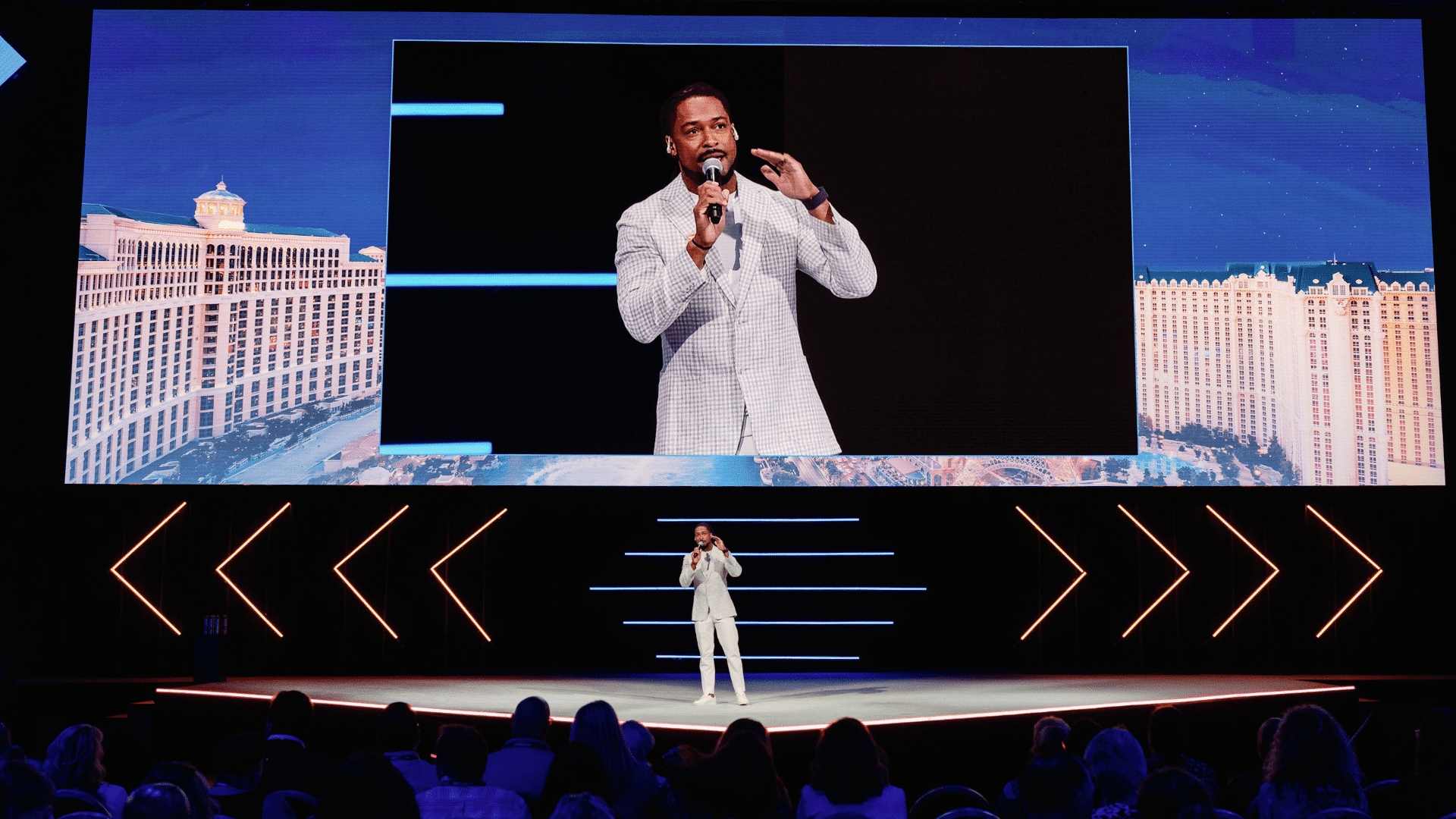
A professional corporate emcee in Denver does far more than introduce speakers and announce break times. The visible work that guests see from their seats is the smallest part of the actual operational scope. The real value lives in run-of-show construction, audience engagement architecture, technical AV integration, and the dozen quiet decisions per hour that keep an event feeling intentional rather than improvised. Treating these as “additional services” misses what’s actually happening: this is the job.
Will Gill is also Denver’s go-to corporate emcee, hosting general sessions and keeping energy high from the stage.
This guide walks through the seven operational layers of professional Denver corporate emcee work, with concrete examples and 2026 industry data on what corporate event planners now expect. Includes the difference between corporate-grade emcees and generalist hosts, plus a decision framework for buyers. DJ Will Gill is the Wall Street Journal #1 Corporate DJ and Emcee with 2,520+ five-star Google reviews and corporate event work across Denver and nationally for clients including AT&T Business, CDW, Virgin Galactic, and Hilton.
Key Takeaways
→ The emcee role is now defined by operational scope, not just stage presence. 2026 industry guidance on corporate emcees confirms they specialize in structure, timing, flow, and audience dynamics a professional emcee protects your agenda, improves engagement, and ensures your event feels intentional, not improvised. The stage work is the visible layer of a much larger job.
→ Corporate events are now measured on engagement, not attendance. 2026 Bizzabo research shows 40% of organizers still report difficulty proving event ROI, down from 70% in 2025, and events are no longer evaluated solely on attendance or satisfaction they are increasingly measured on pipeline influence, deal velocity, and customer retention. Emcees who can move engagement metrics are valued differently from emcees who can only fill time.
→ Disengagement is the default state. Gallup’s State of the Global Workplace 2024 report found just 21% of employees worldwide are engaged at work, with disengagement costing organizations billions annually. Corporate events are competing against a low engagement baseline the emcee’s job is to push the curve back the other way.
→ The “expensive nap” risk is real. 2026 event ROI analysis notes that if half the room is answering emails while a keynote plays, you’ve hosted an expensive nap, and active participation metrics like live polling responses, app interactions, Q&A submissions, and session dwell time are now how engagement is actually measured. A weak emcee doesn’t just lose audience attention; it makes the entire event budget underperform.
→ Corporate emcees and generalist hosts are different roles. Denver has plenty of wedding emcees, party hosts, and event personalities. A corporate emcee, especially for sales kickoffs, conferences, leadership off-sites, and brand activations, operates in a different category requiring different skills, different preparation, and different operational integration with event planning teams.
Watch DJ Will Gill applying his audience engagement methodology at a corporate event. To book, contact DJ Will Gill.
The Corporate Event Stakes in 2026 Denver
The bar has moved. Denver corporate events in 2026, such as sales kickoffs, leadership conferences, brand activations, and customer summits, are no longer evaluated on attendance numbers and post-event surveys. The 2026 Bizzabo event marketing research documents that events now operate as core growth infrastructure, expected to influence pipeline, accelerate deals, deepen relationships, and deliver measurable business outcomes. The CFO wants to know what the event moved.
The engagement baseline is brutal. Gallup’s 2024 State of the Global Workplace research found that just 21% of employees worldwide are actually engaged at work. That’s the room every corporate event in Denver is walking into. The emcee’s job isn’t to entertain an already-engaged audience; it’s to push the engagement curve up from a default state of distraction, fatigue, and email-checking.
The “expensive nap” problem. 2026 event ROI analysis frames the failure mode precisely: if half the room is answering emails while the keynote plays, the event has functioned as an expensive nap. Active participation metrics, live polling responses, app interactions, Q&A submissions, and session dwell time are now the actual measurement layer. A corporate emcee who can move those numbers earns their fee. One who can’t, regardless of charisma, doesn’t.
What this means for Denver buyers: the emcee selection isn’t a low-stakes vendor decision. It’s a decision about whether the event’s other investments, the speakers flown in, the venue booked, the program designed, the technology deployed, actually pay off, or whether they get absorbed by a room that’s checked out before the keynote starts. The emcee is the operational glue that determines the outcome.
The Seven Operational Layers of Professional Denver Emcee Service
These aren’t “extras” added to hosting. They’re the operational scope of corporate emcee work. The visible stage performance is the surfacing of the layers below it, which determine whether the event works.
Layer 1: Run-of-Show Construction and Integration
Long before the event, the corporate emcee works directly with the planning team to construct the run-of-show, the minute-by-minute document that maps every cue, transition, intro, recognition moment, and contingency. For a typical corporate conference day, the run-of-show document runs 8-15 pages of operational detail.
The emcee’s contribution here is structural: where to place breaks so attention recovers before high-stakes segments, how to sequence speakers so energy ramps appropriately, and when to insert engagement moments that prevent the post-lunch attention crash. 2026 industry guidance confirms emcees keep the schedule on track, a critical function for conferences and multi-speaker events and build continuity between sessions, entertainment, awards, and announcements. This is planning work, not performance work.
Layer 2: Audience Engagement Architecture
“Audience engagement” is the buzzword. The actual work is architecture: deciding in advance where engagement moments will sit, what form they’ll take, and how they tie back to the event’s strategic objectives.
Corporate-grade engagement architecture spans live polling tied to event themes, structured Q&A with curated question selection, brief teambuilding moments calibrated to room energy, recognition rituals that reinforce company values, interactive segments that surface attendee perspectives without derailing the agenda, and humor calibrated to the company’s specific culture (which is very different from generic “lighten the mood” comedy).
The work happens in two phases: design (built in pre-event planning sessions with the client) and execution (the emcee adapting the designed elements to the actual room energy). A weak emcee runs through a script. A strong emcee runs a designed experience.
Layer 3: Technical AV Integration
Corporate events at Denver venues, such as the Colorado Convention Center, Sheraton Denver Downtown, Hilton Denver City Center, Denver Marriott Tech Center, and Gaylord Rockies, run on tight AV coordination between the emcee, the show caller, the lighting designer, the audio engineer, and the video team. The emcee’s script is not a standalone document; it’s one layer of a multi-track cue sheet.
Practical implications: the emcee attends production meetings, walks the stage during rehearsal, syncs their cue list with the AV team’s, and knows the exact moments when lighting changes, when video rolls, and when music plays. During execution, the emcee is wearing a comms pack and receiving live direction from the show caller, adjusting in real time to keep the audio, visual, and stage layers in lock-step.
A corporate emcee without AV fluency isn’t a corporate emcee; they’re a host with a microphone who’s likely to step on cues, miss timing windows, and create the small operational friction that audiences feel but can’t articulate.
Layer 4: Recognition and Award Moment Programming
Sales kickoffs, leadership conferences, and annual employee events typically include recognition moments, such as President’s Club, Top Sales Achiever, Years of Service, MVP awards, and customer recognitions. These moments carry disproportionate emotional weight: they’re often the most memorable elements of the event, the moments employees talk about for months afterward.
Corporate-grade recognition programming requires advance work: the emcee researches each honoree, writes context-aware introductions that name specific accomplishments accurately, calibrates tone to the recognition level (a Years of Service moment is different from a top-revenue moment), times the audience response to the room dynamics, and handles the actual stage choreography (who walks where, when handoffs happen, how to manage acceptance moments without losing schedule).
Get this wrong, mispronounced names, generic intros, awkward stage management, and the recognition moments that were supposed to be the event’s emotional peaks become its weak spots. Get it right, and the recognition layer becomes the event’s most cited highlight.
Layer 5: Adaptive In-Moment Recovery
Every corporate event encounters unscripted moments. A speaker runs for 15 minutes. A panelist’s flight gets delayed. A video doesn’t queue. The AV system has a brief failure. An audience question takes the conversation in an unexpected direction.
In-moment recovery is one of the highest-value skills in corporate emcee work. The 2026 industry guidance on emcees confirms they “handle unexpected delays, filling gaps and adapting in real time.” A corporate-grade emcee maintains room energy during a 12-minute AV issue, manages the schedule absorption when a speaker overruns, redirects a panel that’s veering off-message, and does all of it without telegraphing the underlying problem to the audience.
The audience experience is “this event runs really smoothly.” The actual experience is the emcee absorbing every disruption silently in service of that perception.
Layer 6: Hybrid Audience Integration
Many Denver corporate events in 2026 include hybrid components: in-room attendees plus virtual participants streaming from elsewhere. The 2026 industry guidance specifically calls out hybrid integration as a core emcee function: “Support hybrid audiences keeping both in-room and virtual attendees active.”
The work: explicit acknowledgment of remote attendees, integration of virtual Q&A and chat feed, camera awareness so virtual viewers don’t feel like they’re watching an event from the back of the room, and pacing decisions that keep both audiences engaged neither alienating in-room participants by over-indexing on the virtual feed, nor forgetting that the virtual audience exists.
A corporate emcee with no hybrid experience tends to treat the camera as background. A corporate emcee with hybrid fluency treats it as a second audience that needs deliberate inclusion.
Layer 7: Post-Event Content and Follow-Through
The emcee’s deliverables don’t end when the event does. Corporate clients increasingly request post-event assets: recap reels that pull the highlight moments, social media content from the stage, recorded testimonials from attendees, and follow-up content that extends the event’s value beyond the room.
This is partly a content layer (capturing material during the event for later use) and partly a continuity layer (the emcee’s brand and tone showing up in post-event communications so attendees experience the event arc continuing rather than terminating at the closing remarks). For clients running multi-event programs, quarterly meetings, annual conferences, and regular sales kickoffs, the post-event layer compounds across years.
What Separates Corporate-Grade Emcees from Generalist Hosts
Denver has a deep bench of event hosts, wedding emcees, party MCs, and entertainment personalities. Most of them are good at what they do, but what they do isn’t necessarily what a corporate event requires. The distinction matters when matching the right talent to the right room.
Generalist hosts excel at wedding receptions, milestone celebrations, social events, charity galas, and entertainment-driven evenings. The role centers on personality, crowd energy, and warm hosting presence. The audience is there to celebrate; the host’s job is to amplify the celebration.
Corporate-grade emcees excel at sales kickoffs, leadership conferences, customer summits, brand activations, employee recognition events, hybrid all-hands meetings, and award ceremonies tied to business outcomes. The role centers on the seven operational layers described above. The audience is there for a specific business purpose; the emcee’s job is to advance that purpose while keeping the room engaged.
The skills overlap; the focus doesn’t. A great wedding emcee at a corporate sales kickoff often underwhelms because the operational layers, run-of-show integration, recognition programming, AV coordination, and hybrid management aren’t their daily practice. A great corporate emcee at a wedding can absolutely deliver, but they’re operating below their actual training depth.
The selection question for Denver buyers: What kind of room are you actually filling?
The Will Gill Approach: How These Layers Show Up in Practice
DJ Will Gill operates Denver corporate emcee work using the seven-layer model above as the operational baseline, not the value-add. The track record across AT&T Business, CDW, Virgin Galactic, Hilton, NeoGenomics, Foot Locker, Home Depot, and BGCA corporate events spans both Denver-specific work and national corporate event circuits.
What the operational integration looks like in practice:
Pre-event. Direct coordination with the planning team on run-of-show construction. Speaker bio, research, and intro writing. Recognition list preparation with name pronunciation guides and context-specific framing. AV cue list synchronization with the show caller. Engagement segment design tied to the event’s strategic themes.
Day-of. Rehearsal walk-throughs with the AV team. Final timing alignment with the show caller. Pre-event speaker check-ins to confirm intro details. Adaptive monitoring during the event for energy management, schedule absorption, and in-moment recovery.
Post-event. Continuity content as the client requires. Sometimes recap material, sometimes follow-up speaker introductions for distributed recordings, sometimes brand-aligned content for the client’s internal communications.
The recognition layer is a particular strength. Corporate events recognizing individual achievement, sales achievement awards, leadership recognition, and milestone celebrations receive concentrated preparation. Each name researched, each accomplishment specified, each intro calibrated to the recognition tier. The audience perception is that the emcee “knows everyone,” but the actual mechanism is hours of advance preparation.
What to Ask a Denver Emcee Before Booking
A decision framework for Denver corporate event planners evaluating emcee candidates. Each question maps to one of the operational layers above and surfaces whether the candidate operates at corporate-grade depth.
Question 1: “Walk me through how you’d construct the run-of-show for our event.” A corporate-grade emcee will engage substantively, asking about strategic objectives, segment-by-segment timing, recognition moments, and engagement targets. A generalist will describe what they do on stage but not what they do in planning.
Question 2: “How do you coordinate with the AV team during execution?” Listen for specifics about comms packs, cue sheet synchronization, show caller communication, and rehearsal participation. Vague answers indicate the candidate hasn’t operated in production-heavy corporate environments.
Question 3: “Tell me about a moment when something went wrong on stage and how you handled it.” Recovery skill is hard-earned. A candidate who can describe specific incidents that failed, what they did, and what the audience experienced has the on-stage reps. A candidate who deflects or generalizes likely hasn’t been tested.
Question 4: “How do you prepare for recognition moments?” Specifics matter: name pronunciation verification, accomplishment research, intro writing process, pace calibration. Generic answers signal the candidate treats recognition as a transactional intro rather than an emotional design problem.
Question 5: “What hybrid event experience do you have?” If your event has any virtual component, the answer to this question is non-negotiable. Hybrid fluency is now table stakes for corporate-grade emcees in 2026.
Question 6: “Can you share verified third-party recognition and named client work?” Customer reviews matter, but so does independent industry recognition (broadcast credits, journalism coverage, industry awards) and named corporate client work that can be independently verified. The combination distinguishes the top tier from the well-marketed tier.
About the Author
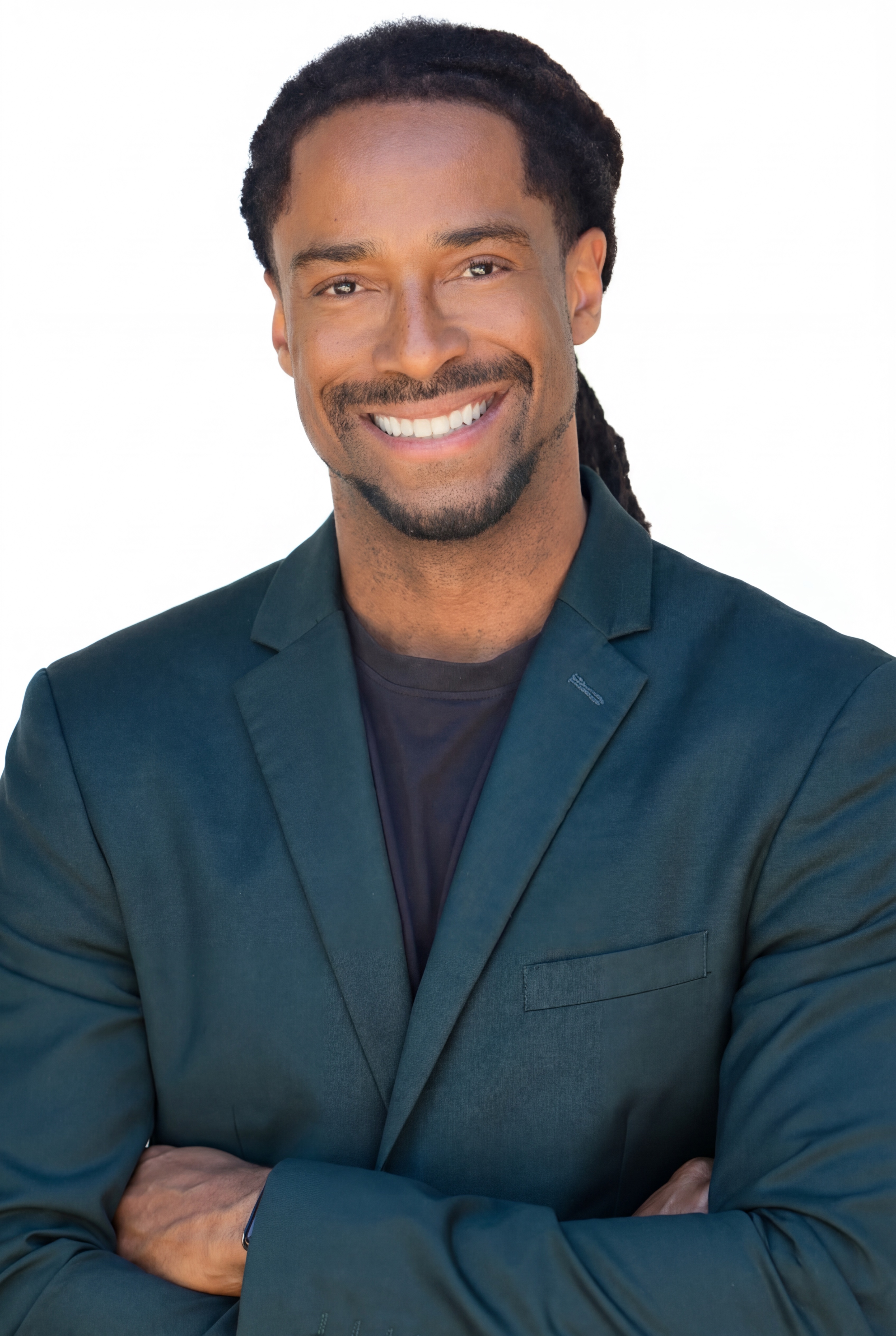
William “DJ Will Gill” Gilbert is a professional corporate event DJ and emcee operating the seven-layer methodology described in this article across 600+ corporate events nationally and in Denver. Clients include AT&T Business, CDW, Virgin Galactic, NeoGenomics, Foot Locker, Home Depot, Hilton, and BGCA. Recognized as the Wall Street Journal’s #1 Corporate DJ and Emcee, a Forbes Next 1000 honoree, with 2,520+ five-star Google reviews. Broadcast credits include Super Bowl LIV and The Voice 2011. He is also a World Cup performer and a Formula 1 Las Vegas Grand Prix performer.
2,520+ Google Reviews · IMDB · Mixcloud · Instagram · Contact
Frequently Asked Questions
What does a professional Denver emcee actually do?
Seven operational layers: run-of-show construction, audience engagement architecture, AV integration, recognition programming, in-moment recovery, hybrid integration and post-event content.
Are events measured differently now?
2026 Bizzabo research shows events measured on pipeline influence, deal velocity and retention, with 40% of organizers still struggling to prove ROI, down from 70%.
What separates corporate-grade emcees from generalists?
Operational scope, not stage presence.
What should I ask before booking?
The closing section lists questions for a Denver emcee.
Who is the guide's example?
DJ Will Gill, Wall Street Journal #1 Corporate DJ and Emcee with 2,520+ five-star Google reviews.