
Customer & Client Appreciation Event Entertainment | DJ Will Gill
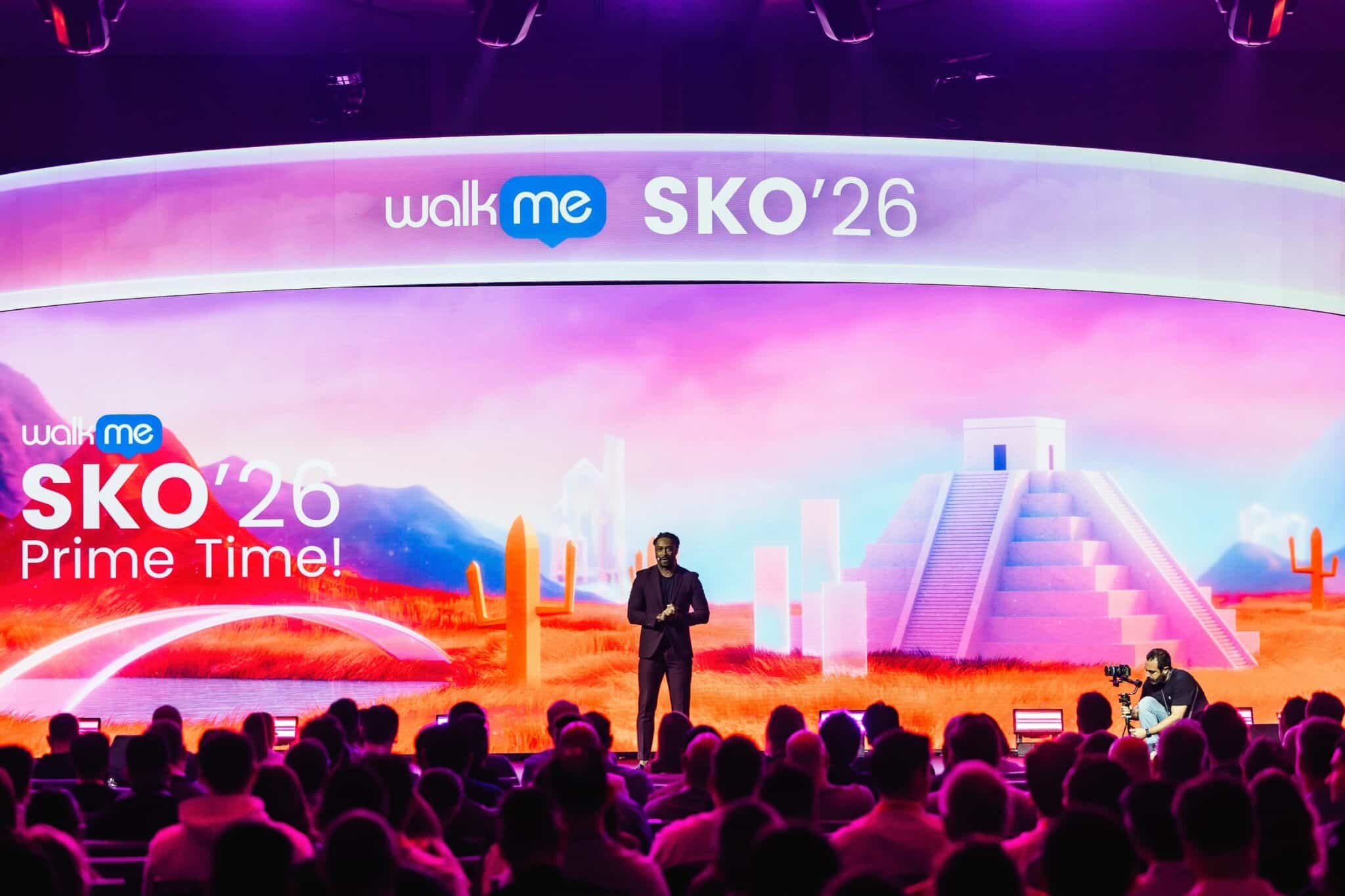
Customer appreciation event entertainment serves a different function than the rest of the corporate event entertainment calendar. An employee awards gala recognizes internal performance. A product launch sells outward to a market. A sales kickoff energizes the internal team. A customer appreciation event is the rare moment when the company stops asking its clients for anything no demos, no upsells, no quarterly business reviews and simply demonstrates gratitude for the relationship. The entertainment for this format has to respect that purpose. It can’t compete with conversation, can’t impose internal company culture on guests who don’t share it, and can’t tip into the performative crowd work that would tell clients the event was about the entertainment instead of about them. The right entertainment supports the hospitality; the wrong entertainment overshadows it.
This guide walks through customer and client appreciation event entertainment as a distinct category why the entertainment investment translates measurably into retention and lifetime value, the appreciation event sub-categories that each call for different programming, the design principles that distinguish hospitality-supporting entertainment from event-driving entertainment, music programming for client receptions and dinners, the emcee role at external-audience events, special entertainment ideas that produce memorable client moments without imposing on the relationship, common pitfalls that compromise otherwise well-planned appreciation events, and the professional application criteria that separate client-appropriate entertainment talent from adjacent-category alternatives.
Key Takeaways
→ Customer appreciation produces direct retention economics. 2025 industry research documented that 70% of buyers return to a vendor if they feel appreciated and valued, with 65% of B2B buyers citing a good experience as a key loyalty factor. The appreciation event is one of the highest-leverage moments to deliver the experience that produces these outcomes.
→ Retention economics make appreciation entertainment a defensible investment. 2026 B2B retention research documented that acquiring a new customer costs 5 to 25 times more than retaining an existing one, that the probability of selling to a current customer sits at 60-70% versus 5-20% for new prospects, and that a 5% increase in customer retention can boost profits by 25% to 95%. The economics make appreciation entertainment one of the highest-ROI line items in the marketing budget.
→ Corporate hospitality has shifted toward interactive, personalized experiences. 2026 corporate hospitality analysis documented that hospitality has become interactive, focused on shared experiences with a personalized, data-driven touch replacing the passive entertainment formats of prior years with active engagement woven through the experience. The entertainment programming has to reflect this shift rather than defaulting to background music and generic atmosphere.
→ Atmosphere is the primary satisfaction driver. 2024 corporate event research documented that 82% of attendees cite atmosphere as the most important factor in their overall event satisfaction. For client appreciation events specifically where the entire point is making guests feel valued the atmosphere outcome is the program outcome.
→ The entertainment for client events has to support the relationship, not compete with it. The single most important design principle for customer appreciation entertainment is that the entertainment exists to amplify the hospitality moment rather than to be the moment. Music programming that supports conversation, emcee work that frames rather than performs, and atmosphere design that elevates the room without dominating it together produce events that clients describe as remarkable in ways the entertainment itself never has to claim credit for.
Why Customer Appreciation Entertainment Matters
The Retention Math Layer
The economic-case layer. 2026 B2B retention research documented that acquiring a new customer costs 5 to 25 times more than retaining an existing one, with the probability of selling to a current customer at 60-70% versus 5-20% for new prospects, and a 5% increase in customer retention boosting profits by 25% to 95%. The math turns appreciation entertainment from a discretionary expense into one of the highest-leverage marketing investments available. A single retained enterprise customer with a multi-year contract often exceeds the entire annual appreciation event budget; the program pays for itself if it influences even one substantive retention decision per year.
The Appreciation Research
The relationship-behavior layer. 2025 industry research documented that 70% of buyers return to a vendor if they feel appreciated and valued, with 65% of B2B buyers citing a good experience as a key loyalty factor and 89% citing customer service as a primary factor in deciding to stay with a vendor. The data establishes that appreciation is not a soft variable it is a measurable driver of the renewal decisions that determine business outcomes. The appreciation event is the high-visibility moment that converts the company’s general claim of valuing customers into a specific, sensory experience the customer remembers.
Hospitality as Marketing Channel
The category-shift layer. 2026 corporate hospitality research documented that corporate hospitality has shifted toward interactive, shared experiences with a personalized touch replacing the passive entertainment formats of prior years with active engagement woven through the experience. The shift reflects a recognition that hospitality is now a primary marketing channel rather than an occasional perk. Client appreciation events are the canonical hospitality moment, and the production quality of these events directly affects how clients perceive the company’s commitment to the relationship.
The Atmosphere Driver
The experience-quality layer. 2024 corporate event research documented that 82% of attendees cite atmosphere as the most important factor in their overall event satisfaction. For client appreciation events specifically, the atmosphere has to convey the company’s investment in the relationship without overpowering the conversation that the clients came for. The entertainment is the most flexible atmosphere lever the host controls music selection, energy modulation, emcee presence all shape the room’s temperature in ways that the venue and food choices alone cannot.
Customer Appreciation Event Categories
Annual Client Appreciation Events
The flagship-event layer. The annual client appreciation event is the canonical format a once-a-year reception, dinner, or experience that the company hosts for top clients. The event typically runs at moderate scale (50-200 clients plus their plus-ones), happens in a prestigious venue, and serves as the high-visibility expression of gratitude that anchors the broader relationship-management program. Entertainment for annual events sits at the intersection of formal recognition and genuine celebration the music programming reflects the company’s brand identity, the emcee work supports the hosting team’s remarks, and the atmosphere registers as elevated without becoming theatrical.
VIP Customer Dinners
The intimate-format layer. Smaller VIP customer dinners 10-30 guests in a private dining room or restaurant takeover operate at a different scale than the annual flagship event. The entertainment programming has to scale down accordingly: a full DJ setup overwhelms a 15-person dinner, but a curated playlist running through tasteful sound infrastructure supports it perfectly. Some VIP dinners include a small live music element (a solo pianist, a jazz duo, a string trio) that elevates the atmosphere without imposing on conversation. The intimate format is where the relationship work happens most directly, and the entertainment respects that by staying in supporting territory rather than claiming center stage.
Corporate Hospitality Suites and Experiences
The shared-experience layer. Many companies use sports suites, theater boxes, concert hospitality, and similar third-party event hosting as client appreciation infrastructure. The host event provides the entertainment in these cases the basketball game, the Broadway show, the concert and the company’s role is to facilitate the hospitality around the experience. Entertainment programming at hospitality suite events is typically minimal (background music during pre-event reception, perhaps a brief emcee welcome) because the actual entertainment is happening on the field or stage. The host company’s contribution is the curated environment, the food and beverage, and the conversational facilitation that turns spectator entertainment into a relationship-building moment.
Customer Advisory Board Events
The strategic-engagement layer. Customer advisory board meetings combine working sessions with relationship hospitality the daytime program is substantive (product roadmap discussions, feedback exchanges, strategic alignment) while the evening programming is appreciation hospitality. Entertainment for the advisory board evening serves the relationship function specifically these are clients whose input the company genuinely values, and the appreciation programming has to register as authentic rather than performative. Strong programming uses understated music selection, brief emcee work that frames the dinner without performing through it, and atmosphere design that supports the substantive conversation that advisory board members often continue into the evening.
Partner and Vendor Appreciation
The extended-relationship layer. Some companies run appreciation events for their channel partners, key vendors, or strategic alliance partners distinct from customer appreciation but operating in similar entertainment territory. The audience composition affects the programming: partners typically have more business familiarity with the company than end customers, vendors typically share company personnel, and channel partners typically include personnel who work day-to-day with the company. Strong programming reflects these audience differences channel partner events can lean slightly more energetic and familiar; vendor appreciation events can be slightly more informal; alliance partner events maintain the formality of the annual customer flagship.
Holiday Client Celebrations
The seasonal-format layer. Holiday client celebrations typically December receptions, sometimes year-end dinners combine appreciation with seasonal hospitality. The entertainment programming includes some seasonal elements (holiday music tasteful enough to avoid kitsch, ambient seasonal lighting, festive but not overwhelming decor) layered on top of the appreciation event structure. The holiday context can elevate the event’s emotional warmth (clients often appreciate being thought of during the holiday season more than they appreciate the same gesture in a random month) but the entertainment has to manage the seasonal elements deftly too much holiday content tips into office-party territory; too little misses the seasonal warmth that the timing invites.
Entertainment Design for the Appreciation Format
Atmosphere Over Performance
The supporting-role recognition. The primary design principle for client appreciation entertainment is that atmosphere serves the relationship while performance can compete with it. A DJ producing curated atmosphere through music selection supports the conversations that clients came for; the same DJ playing for dance-floor energy at a 50-person client dinner produces an awkward forced energy that no one in the room asked for. Strong appreciation entertainment knows when to recede when to keep music programmed at conversation-supporting volumes, when to let silence land during executive remarks, when to avoid drawing attention away from the host. The recede instinct is what distinguishes client-event-ready talent from talent who needs to be the center of attention.
Conversation-Supporting Music
The audio-level layer. The single most important music decision at appreciation events is volume calibration. Music too loud forces clients to lean toward each other and raise their voices, making the conversation that the event exists for harder rather than easier. Music too quiet produces an awkward institutional silence that feels under-produced. Strong appreciation DJ work calibrates volume to the actual room louder during cocktail reception when conversation is spread across the space, softer during seated dinner when conversation is happening within smaller groups, modulating throughout based on read-the-room responsiveness. The calibration is craft, and it’s invisible when it works.
Subtle Emcee Presence
The minimal-intervention layer. The emcee at a client appreciation event has a different job than at an internal awards gala or conference opener. The emcee handles the brief welcome moment, the introduction of the host executive who will speak, the toast facilitation, perhaps a brief recognition moment for honored clients in the room and then steps back. The role is supportive infrastructure rather than featured performance. Strong appreciation event emcees often spend the majority of their time not on the microphone, available to step in when needed but allowing the conversation and host engagement to drive the event. The discipline of restraint is the skill specific to this format.
Personalized Touches
The thoughtful-detail layer. Industry research documented that 77% of business leaders recognize that deeper personalization leads to increased customer retention, with 66% believing it lowers acquisition costs. The personalization principle applies to entertainment design as much as to product features. A music programming approach that quietly references the client’s industry, region, or known preferences produces a different impression than generic event music. A brief emcee recognition of clients celebrating their own milestones (a major contract signing, a company anniversary) lands more meaningfully than blanket gratitude. Strong appreciation programming builds in two or three personalized touches per event enough to register as thoughtful, not so many that the personalization itself becomes performative.
Recognition (Not Awards) Moments
The format-distinction layer. Some appreciation events include client recognition moments but these operate differently than internal employee awards. The recognition isn’t competitive (clients aren’t competing against each other for the appreciation), isn’t ranked (there’s no top-client award), and isn’t transactional (recognition isn’t tied to spend tier in a way that other clients can see). Strong recognition moments at appreciation events name specific clients for specific contributions (a key partnership that supported a product success, a multi-year relationship reaching a milestone, a client who provided pivotal feedback during a difficult transition) without imposing a competitive frame. The recognition feels like genuine appreciation rather than transactional positioning.
Music Programming for Client Events
Reception Music
The arrival-atmosphere layer. The reception window (typically 45-90 minutes of cocktails and mingling before dinner or formal program) is where the music programming does its most important atmospheric work. The selections sit at medium-low energy, lean toward sophisticated rather than trendy, use familiarity selectively (recognizable enough to feel curated, not so on-the-nose that it becomes background-easy-listening kitsch), and resolve cleanly into the dinner programming that follows. Strong reception music programming gives the room a temperature that says “this event is invested in your comfort” without forcing energy that the still-arriving guests don’t want.
Dinner Music
The conversation-foundation layer. Dinner music sits at the lowest energy and volume of the entire event. The audience is seated, conversations are happening within table groups, and the music’s job is providing atmospheric foundation underneath those conversations rather than competing with them. Strong dinner programming uses jazz-adjacent selections, contemporary acoustic, lounge-tempo electronic, or genre-appropriate classical depending on the brand alignment, with volume calibrated so that table conversations don’t require raised voices. The dinner music is the most subliminal element of the event guests rarely consciously notice it, but they notice when it’s done badly (forced bombast, awkward silence, mismatched genre).
Post-Dinner Energy Lift
The transition-to-celebration layer. Many appreciation events end with a transition from formal dinner into more casual celebration coffee and dessert in a different room, an open bar with curated cocktails, sometimes a brief dance floor moment. The music programming shifts at this transition: energy lifts gradually, the genre territory expands slightly, the volume comes up but not aggressively. The lift produces the celebratory closing that lets clients leave the event with energetic last impressions rather than fading institutional ones. Strong programming makes the transition feel natural rather than abrupt the lift happens across 15-20 minutes rather than landing as a sudden energy shift.
Brand-Aligned Curation
The identity-translation layer. The music programming should align with the host company’s brand identity. A financial services company’s appreciation event calls for different musical territory than a creative agency’s appreciation event; a healthcare company’s client dinner calls for different territory than a streetwear brand’s appreciation reception. Strong appreciation DJ work begins with brand discovery what the company’s positioning is, what tone it sets in its other communications, what client demographic it serves and translates those inputs into music selections that read as on-brand. The brand alignment is what makes the entertainment feel intentional rather than generic.
Demographic Considerations
The audience-fit layer. Client appreciation events typically bring together attendees across a wider demographic mix than typical corporate events the CEO clients, the procurement contacts, the operational managers, often plus-ones who don’t share business context. The music programming has to find selections that produce comfort across this mix without alienating any cohort. Strong programming leans toward universally-accepted territory (classic standards in tasteful arrangements, contemporary tracks that have crossed generational appeal, genre-blending selections that don’t lock into a single demographic) and uses any decade-specific or genre-specific selections sparingly and with clear context.
The Emcee at Client Appreciation Events
The Welcome Moment
The hospitality-framing layer. The emcee’s first moment at a client appreciation event is typically a brief welcome acknowledging the audience, framing the evening’s purpose, and introducing the host executive who will speak. The welcome runs short (90 seconds to 2 minutes) and emphasizes warmth over production. Strong welcome work signals that the evening is about the guests rather than about the host’s polish, sets a conversational rather than presentational tone, and hands off to the executive cleanly. The welcome is the emcee’s most important moment of the night because it establishes the temperature for everything that follows.
Speaker Introductions
The framing-the-host layer. The emcee introduces the host executive (CEO, account team lead, or relationship sponsor) who delivers the substantive appreciation remarks. The introduction frames the executive within the context that matters to clients not their internal corporate role but their relationship to the client audience. Strong introductions are brief, warm, and forward-looking they preview what the executive will share rather than narrating the executive’s credentials. The audience came for the executive’s words; the emcee’s job is making sure the audience is ready to receive them rather than competing with them.
Toast Facilitation
The ceremony-light layer. Appreciation events often include a formal toast the host executive raises a glass to the client relationship, the room joins. The emcee facilitates the toast by cueing the music, prompting the room’s attention, and creating the brief silence that the toast lands into. The facilitation is logistical work rather than performance the emcee shouldn’t be drawing attention to themselves during the toast, just managing the room dynamics so the toast itself reads as the moment. Done well, the toast facilitation is invisible; done poorly, the emcee’s presence overshadows the executive’s words.
Client Recognition Moments
The personalized-acknowledgment layer. When the appreciation program includes specific client recognition (a key partnership milestone, a long-tenured client relationship reaching an anniversary, a client whose feedback shaped a meaningful product decision), the emcee handles the recognition with the same restraint that the rest of the event requires. The recognition names the client specifically, describes the contribution being recognized in language that the client themselves would describe it in, and lets the applause and acknowledgment land without extending the moment into a performance. The brevity is the discipline; the specificity is what makes the recognition feel earned.
The Conversation-Supporting Role
The off-mic layer. Most of the emcee’s work at a client appreciation event happens off-microphone being available when the host needs them, monitoring the room dynamics, watching for moments when programming needs to advance, coordinating with the DJ on music transitions. The off-mic discipline matters because the visible time on microphone is brief; the work behind it is what makes the event feel produced rather than improvised. Industry data documenting that 89% of planners credit emcees with improving attendee feedback applies even to appreciation events where the emcee is barely visible the improvement comes from the invisible orchestration, not just from the microphone moments.
Special Client Appreciation Entertainment Ideas
Custom Cocktail and Tasting Experiences
The interactive-hospitality layer. Custom cocktail bars, curated wine tastings, whiskey or bourbon flights, and similar food-and-beverage-driven experiences often anchor client appreciation programming. The interactive element gives guests something to engage with beyond conversation, the curation signals investment in the experience, and the customization (signature cocktails named for the partnership, wines selected to complement specific menu courses) produces the personalized touch that the modern hospitality format emphasizes. Strong programming integrates the tasting experiences with the music programming slightly lifted energy during the tasting reception, more contemplative selections during seated tasting moments.
Local and Cultural Integration
The destination-engagement layer. Appreciation events held in destination locations benefit from cultural integration that connects the experience to the place. A local musician performing during cocktail hour, a regional chef preparing a signature course, a curated local-spirits tasting each of these gives the event an identity beyond “another nice dinner in another nice city.” The integration matters because client appreciation often happens at industry conferences where multiple companies are hosting competing client events; the company that uses the destination context distinctively distinguishes itself from the competitors using a generic hotel ballroom approach.
Surprise Upgrade Moments
The unexpected-delight layer. Some appreciation events build in surprise upgrade moments an unannounced celebrity guest, a special dessert course, a one-of-a-kind gift presented at the table. The surprise has to be calibrated carefully: it shouldn’t overshadow the host’s appreciation message, shouldn’t impose obligation on the client (lavish gifts can create discomfort rather than gratitude), and shouldn’t feel performative. The most effective surprise upgrades feel like the host went one more step than expected, not like the host is performing generosity. The line is fine, and crossing it produces the opposite of the intended effect.
Thoughtful Gifting Integration
The take-home layer. Many appreciation events include a curated gift a high-quality item delivered to the seat, a wine bottle from the dinner’s selections, a custom keepsake. The gifting works best when it’s tasteful and singular (one beautifully chosen item) rather than abundant (multiple branded items that the client will toss when they get home). The entertainment programming can support the gifting moment a brief musical underscore as guests discover the gift at their seats, a short emcee moment that contextualizes the gift’s selection. The thoughtfulness matters more than the unit value; clients remember the care behind the gift longer than they remember the gift itself.
Photo and Video Capture
The relationship-asset layer. Professional photography at appreciation events produces assets that extend the event’s relationship value photos of executives with key clients that the host’s account team can share post-event, candid moments that humanize the relationship, group photos that clients display in their offices. The capture has to be discreet enough not to interrupt the conversation (clients didn’t come to be on camera throughout dinner) but present enough to produce the relationship assets. The video capture is typically lighter short recap clips for internal use, brief social media moments with client permission. The capture asset is one of the highest-ROI line items in the program; it extends the event’s reach across the relationship year.
Common Pitfalls (External-Audience Dynamics)
Over-Programming the Dinner
The format-imposition layer. The most common appreciation event mistake is over-programming the evening too many formal program elements (welcome, multiple executive remarks, recognition segments, gift presentations, video moments) that compress the time clients actually have for conversation. The clients came to talk to the host’s team and to peer clients; the program elements take time away from the relationship work that the event is supposed to enable. Strong programming keeps formal moments brief and intentional, leaves substantial unstructured time for conversation, and resists the internal pressure to fill every minute with content.
Wrong-Genre Entertainment
The format-mismatch layer. Entertainment talent from adjacent categories often fails at client appreciation events because the format requires different defaults than their primary work. Wedding emcees lean into participatory crowd work that imposes on external audiences. Club DJs pace for dance-floor energy that overwhelms client dinners. Festival DJs operate at volumes that prevent the conversation that the event exists for. Strong appreciation entertainment selection prioritizes corporate-format experience and demonstrated restraint over adjacent-category credentials that translate variably.
Imposing Internal Culture on External Audiences
The audience-mismatch layer. Some appreciation events fail by importing internal company culture into a context where it doesn’t fit inside jokes that only employees understand, references to internal initiatives that clients have no context for, cultural rituals that work for the team but feel alienating to outsiders. Strong programming designs the event for the external audience specifically rather than treating the appreciation event as an extension of the internal company culture. The discipline involves filtering everything emcee references, music selections, recognition moments, executive remarks through the question of whether external clients would experience it as warmth or as exclusion.
Treating Clients as Employees
The category-confusion layer. Some appreciation events treat clients with formats borrowed from employee events recognition awards, ranked acknowledgments, participation activities that feel like team-building. The borrowed formats produce subtle mismatch: clients aren’t part of the company’s employment relationship, don’t share the cultural context that internal events assume, and don’t appreciate being slotted into participation activities they didn’t sign up for. Strong appreciation event design recognizes the relationship category clearly clients are honored guests, not extensions of the employee base and designs the entertainment programming accordingly.
Ignoring Conversation as Primary Value
The relationship-priority layer. The biggest single design mistake in appreciation entertainment is forgetting that the conversation between the host’s team and the clients is the actual point of the event. Entertainment that competes with conversation through volume, programming elements that demand attention, performance moments that pause the room undermines the event’s purpose even when each individual element is good in isolation. Strong programming keeps conversation as the primary value and designs the entertainment as the framework that supports it rather than as the centerpiece that overshadows it.
Professional Application
Three-in-One Service Fit
The integrated-restraint layer. Client appreciation events particularly benefit from three-in-one service models DJ work, emcee work, and audience engagement programming integrated through a single talent because the format requires coordinated restraint across all three functions. Splitting the work across separate vendors increases the risk of one vendor over-performing while another under-performs, which produces the mismatch that appreciation events especially can’t afford. An integrated talent calibrates all three functions to the same hospitality tier and respects the supporting-role design that the format requires. DJ Will Gill operates a three-in-one corporate DJ, emcee, and audience engagement service model documented across Fortune 500 corporate event clients including AT&T Business, CDW, Virgin Galactic, NeoGenomics, Foot Locker, Home Depot, Hilton, BGCA, PepsiCo, PayPal, and the United Nations.
External-Audience Experience
The category-fit layer. Client appreciation entertainment talent should have documented experience with external-audience corporate events specifically not just employee events, not just public events. The experience matters because the discipline of restraint is built through repetition with external audiences who hold the talent accountable to a different standard than internal audiences do. Internal audiences forgive overreach as enthusiasm; external audiences read the same behavior as misjudgment of the format. Strong selection vets specifically for client-facing experience and references from comparable corporate hospitality engagements.
Credentialed Track Record
The professional-recognition layer. The Wall Street Journal’s #1 Corporate DJ and Emcee designation and Forbes Next 1000 honoree recognition together document the corporate-format experience that distinguishes client-appreciation-ready talent from adjacent-category alternatives. 2,520+ five-star Google reviews accumulated over 600+ documented corporate events provide the verifiable client outcomes that vetting processes look for when selecting entertainment for client-facing engagements.
Booking Lead Time
The calendar-coordination layer. Annual client appreciation events typically book entertainment three to six months in advance, with Q4 calendars filling earliest due to the concentration of year-end client appreciation programming. Multi-event hospitality programs (a company hosting appreciation events in several markets across the year) benefit from booking the same talent across the calendar to produce consistency across markets and to streamline the planning and briefing process for each event. Strong planning treats entertainment talent as a strategic resource that supports the year-round client relationship program rather than as a one-time line item per event.

About the Author
William “DJ Will Gill” Gilbert is an experienced corporate DJ and Emcee performing customer and client appreciation event entertainment at Fortune 500 scale through a three-in-one DJ, emcee, and audience engagement service model. Documented client work for AT&T Business, CDW, Virgin Galactic, NeoGenomics, Foot Locker, Home Depot, Hilton, BGCA, PepsiCo, PayPal, and the United Nations. Also a Forbes Next 1000 honoree with broadcast credits including Super Bowl LIV (2020), The Voice (2011), and MTV’s The Real World: Hollywood (2008). He is also a World Cup performer and a Formula 1 Las Vegas Grand Prix performer. 2,520+ five-star Google reviews across 600+ documented corporate events.
2,520+ Google Reviews · IMDB · Mixcloud · Instagram · Contact
Frequently Asked Questions
How is a client appreciation event different?
It is the one moment the company asks clients for nothing and demonstrates gratitude, so entertainment must support hospitality rather than overshadow it.
Does appreciation drive retention?
2025 research found 70% of buyers return to a vendor when they feel appreciated.
What event types does the guide cover?
Annual appreciation events, VIP dinners, hospitality suites, advisory boards, partner appreciation and holiday celebrations.
What should entertainment avoid?
Competing with conversation or imposing internal culture on guests.
What does the emcee do?
A role suited to external audiences, covered in its own section.