
Curated Playlist Service for Niche Audiences | DJ Will Gill
Stop replaying the same songs.
Introducing TheAIDJ.com
AIDJ turns a plain-English request into a ready-to-play set, previews it instantly, and exports straight to Spotify. Discover music that actually fits the moment.
Programming music for a niche room is the same craft as curating a niche playlist. To talk through your audience and event, contact DJ Will Gill directly.
A curated playlist service stops being a feature and starts being a relationship the moment a listener feels seen. Niche audiences (the bedroom drum and bass crowd, Pilates-after-night-shift nurses, Afrobeats-leaning dads cooking on Sundays) do not want the global top 50. They want a soundtrack that proves someone, somewhere, was actually paying attention. Get that right, and casual users turn into super listeners, the ones who open your app first and tell friends without being asked.
This guide breaks down what a curated playlist service actually does, why niche groups outperform mass audiences on every metric that matters (saves, repeat plays, retention, share rate), and how to build, promote, and measure playlists that earn loyalty instead of just clicks. The data is clear and the stakes are real: 71% of consumers expect personalized interactions and 76% get frustrated when brands miss (McKinsey, Next in Personalization 2021).
Key Takeaways
- A curated playlist service blends human taste experts with AI signals to build playlists for specific listener groups, not the broad middle.
- Niche audiences outperform mass audiences on loyalty: Spotify Discover Weekly users stream more than 2x as long as non-users (Spotify Advertising, 2020).
- Personalization drives revenue, not just sentiment: fast-growing companies earn 40% more revenue from personalization than their slower-growing peers (McKinsey, 2021).
- Generic messaging is the real risk: 81% of consumers ignore irrelevant marketing messages (Attentive 2025 Consumer Trends Report).
- The metrics that prove a niche playlist is working are save rate, repeat listens, follows, and 90-day retention, not raw stream counts.
- Promotion (in-app modules, personalized push, social) is half the playlist. A great list with no surfacing strategy stays invisible.
1. What Is a Curated Playlist Service?
A curated playlist service is a small team (or product feature) that designs themed playlists for specific listener segments instead of relying purely on algorithmic recommendations. The curators bring taste, cultural context, and an editorial point of view. The system around them brings scale: audio analysis, listening behavior data, and recommendation models that surface candidates the curator then approves, reorders, and refines.
The distinction matters. Fully algorithmic playlists optimize for click-likelihood and stream length, which produces safe, average-of-your-history results. Fully human playlists scale poorly and miss long-tail listener behavior. The strongest services run a human-plus-machine loop: the AI proposes, the human edits, and listener engagement feeds back into the next iteration. Apple Music, Spotify, Tidal, and most major DSPs run versions of this. Smaller niche platforms (workout-only apps, classical-only services, kids music apps) often run more human-weighted setups because their audience expects taste, not just signal.
2. Why Niche Audiences Drive Loyalty (And Outperform Mass)
The instinct is to chase the biggest possible audience with the biggest possible playlist. The numbers say the opposite. Personalization that targets specific listener identities produces measurably stronger loyalty, retention, and revenue than broad targeting.
Three data points worth holding onto:
- Expectation is now the floor, not the ceiling. 71% of consumers expect personalized interactions, and 76% get frustrated when brands fail to deliver (McKinsey, Next in Personalization 2021).
- Personalized playlists drive deeper sessions. Spotify reported that Discover Weekly users stream more than 2x as long as non-Discover Weekly users (Spotify Advertising, 2020).
- Personalization is a growth lever, not a cost center. Fast-growing companies generate 40% more of their revenue from personalization than slower-growing peers (McKinsey, 2021).
Niche listeners share, save, and return more because the playlist signals identity. A playlist called “Morning Lo-Fi for Remote Designers” is a wink. The listener forwards it to two coworkers and uses it five days a week. That is not behavior a generic “Chill Beats” playlist produces.
3. How to Identify Niche Listener Groups Inside Your Audience
Before you build playlists, you have to find the people. Niches are not always obvious from genre tags. They show up at the intersection of context, time, and behavior. Three places to look:
- Time-of-day patterns. Cluster users by when they stream. A 5 to 7 a.m. instrumental cluster is a different niche from a 9 p.m. to midnight bedroom-pop cluster, even if their library overlap is high.
- Search and skip behavior. What people search for tells you what they cannot find. What they skip tells you what your current playlists are getting wrong. Both are gold for niche discovery.
- Cross-app context (where you have permission). Workout-app sessions, study timers, calendar events. A listener who streams during 30-minute focus blocks is a different person than the same listener on a Friday night.
The goal is to land on niches that pass two tests: large enough to matter (at least a few thousand listeners) and specific enough that a curator can describe the listener in one sentence.
4. How to Build Playlists Niche Fans Actually Love
Once the niche is defined, the build follows four moves:
- Anchor with three to five “signature” tracks. These are the songs the niche treats as canonical. Their job is to earn instant trust in the first 30 seconds of the playlist preview.
- Build the energy arc. Workout playlists ramp BPM. Study playlists stay narrow on tempo and instrumentation. Wellness playlists drift downward. Sequencing is the difference between a kept playlist and a closed tab.
- Seed in discovery, but not too much. 70 to 80% familiar territory, 20 to 30% new artists or deep cuts. Too much novelty triggers skips. Too little kills the reason to come back.
- Refresh on a predictable cadence. Weekly for high-engagement playlists (commute, workout). Monthly for slower categories (ambient, classical study). Listeners learn the rhythm and start anticipating it.
5. How to Use Humans and AI Without Losing Authenticity
Pure algorithms produce safe playlists. Pure humans cannot scale. The job is to use each for what it is good at.
AI is best at: candidate generation across millions of tracks, identifying songs with similar audio fingerprints, surfacing emerging tracks that match the niche, flagging skip-prone choices before launch, and analyzing post-launch engagement.
Human curators are best at: choosing the opener, deciding what the playlist is actually about (the editorial argument), sequencing for emotional arc, writing the description and title, and making the cultural call that an algorithm cannot make (when an artist’s recent statement makes them wrong for this list, when a song is technically a match but socially off, when a deep cut is having a moment).
The output should feel handcrafted because the final 20% of decisions were handcrafted, even if the first 80% was machine-assisted.
6. How to Promote Niche Playlists So They Actually Get Found
A great niche playlist with no surfacing strategy is a tree falling in an empty forest. Generic promotion does not work here either: 81% of consumers ignore irrelevant marketing messages, per the Attentive 2025 Consumer Trends Report. Promotion has to feel as targeted as the playlist itself.
- In-app modules. Surface the playlist on the home screen for users in the matching niche, not everyone. A “For Your Sunday Long Run” tile for users who streamed during a Saturday long run.
- Personalized push and email. “We built this for the people who keep saving Khruangbin tracks at 11 p.m.” beats “Check out our new playlist” every time.
- Social proof on the playlist page. “Loved by 12,400 night-shift nurses” turns a list into a community.
- Short-form video on TikTok, Reels, and YouTube Shorts. 15 to 30 seconds of the opener track with a one-line setup (“if you study at 5 a.m., this is your playlist”) drives more saves than longer formats.
- Curator credit. Naming the human behind the playlist creates trust and gives the niche a face to follow.
7. What to Measure to Prove Niche Playlists Work
Stream counts lie. A niche playlist with 50,000 streams from a single push notification can still be a flop if no one saved it. The right scoreboard is engagement quality.
- Save rate. The single best signal of playlist-listener fit. Industry analysis suggests sustained save rates above 20% indicate strong resonance and trigger algorithmic amplification on platforms like Spotify.
- Skip rate inside the first three tracks. A skip in the first 30 seconds means the opener missed. Two skips means the niche is wrong.
- Repeat listens within seven days. Did the same user come back? This separates novelty from utility.
- Share rate. Niche playlists travel. If yours is not being forwarded or screenshotted, the niche is not specific enough.
- 90-day subscriber retention. The number that pays the bills. Track retention for users who engaged with a niche playlist versus those who did not. The gap is your business case.
8. Real-World Examples of Niche Curation in Action
A few patterns that consistently work across platforms:
- “Deep Focus Beats” for late-night studiers. Instrumental hip-hop, lo-fi, and minimal electronic at 70 to 90 BPM. Pushed seasonally around exam periods. High save rate, very high repeat-listen rate.
- “Sounds of [Local Scene]” for hometown fans. Rising regional artists, sequenced by an in-market curator. Pulls in social shares from local communities and gives the platform editorial credibility.
- “Mindful Morning” for daily wellness routines. Ambient, breath-paced, no surprises. Refreshed monthly. Becomes part of the listener’s routine, which is the single best retention outcome a playlist can produce.
- “Long Drive Highway Energy” for road-trippers. 80 to 120 BPM, big choruses, sequenced for two-hour sessions. Spikes on Fridays and Sundays.
- “Game Day Pre-Show” for fans of a specific sport. A curator who knows the culture (walk-in songs, locker room anthems, the team’s actual hype track) outperforms any generic sports playlist.
A curated playlist service for niche audiences is, at its core, a system for proving you are paying attention. The platforms that win the next decade of music streaming will not be the ones with the biggest catalogs. They will be the ones whose listeners say, “this app gets me.” That outcome is built one specific niche, one signature opener, one weekly refresh at a time.
About the Author
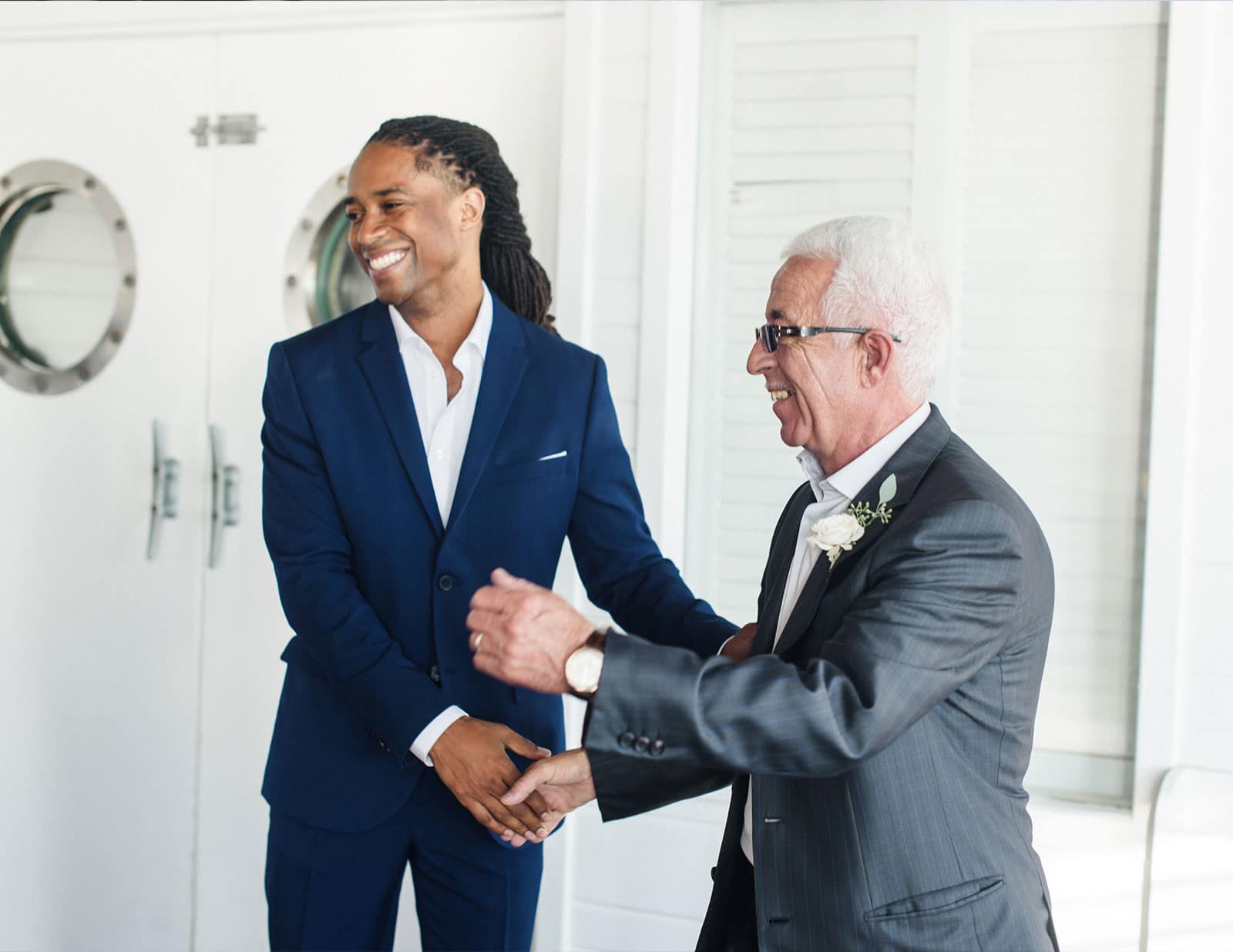
DJ Will Gill is the most reviewed corporate event entertainer in the world, with 600+ documented corporate events. His three-in-one model combines DJ, emcee, and audience engagement (game show) into a single onstage performance, and has earned him recognition from Forbes Next 1000 and the Wall Street Journal. He is also a World Cup performer and a Formula 1 Las Vegas Grand Prix performer. Recent and current clients include AT&T Business, CDW, Virgin Galactic, NeoGenomics, Foot Locker, Home Depot, Hilton, Boys & Girls Clubs of America, PepsiCo, PayPal, and the United Nations. IMDB credits include Super Bowl LIV (2020), The Voice (2011), and Real World: Hollywood (2008).
Frequently Asked Questions
What is a curated playlist service?
One that blends human taste experts with AI signals to build playlists for specific listener groups rather than the broad middle.
Why do niche audiences outperform mass audiences?
On loyalty: Spotify Discover Weekly users stream more than twice as long as non-users, and personalization drives 40% more revenue for fast-growing companies according to McKinsey.
What do consumers expect?
71% expect personalized interactions and 76% get frustrated when brands miss, per McKinsey's 2021 research.
How do I find niche groups in my audience?
The guide walks through identifying listener groups, building playlists they love, and promoting them so they get found.
What should I measure?
Saves, repeat plays, retention and share rate, the metrics where niche playlists win.
About DJ Will Gill
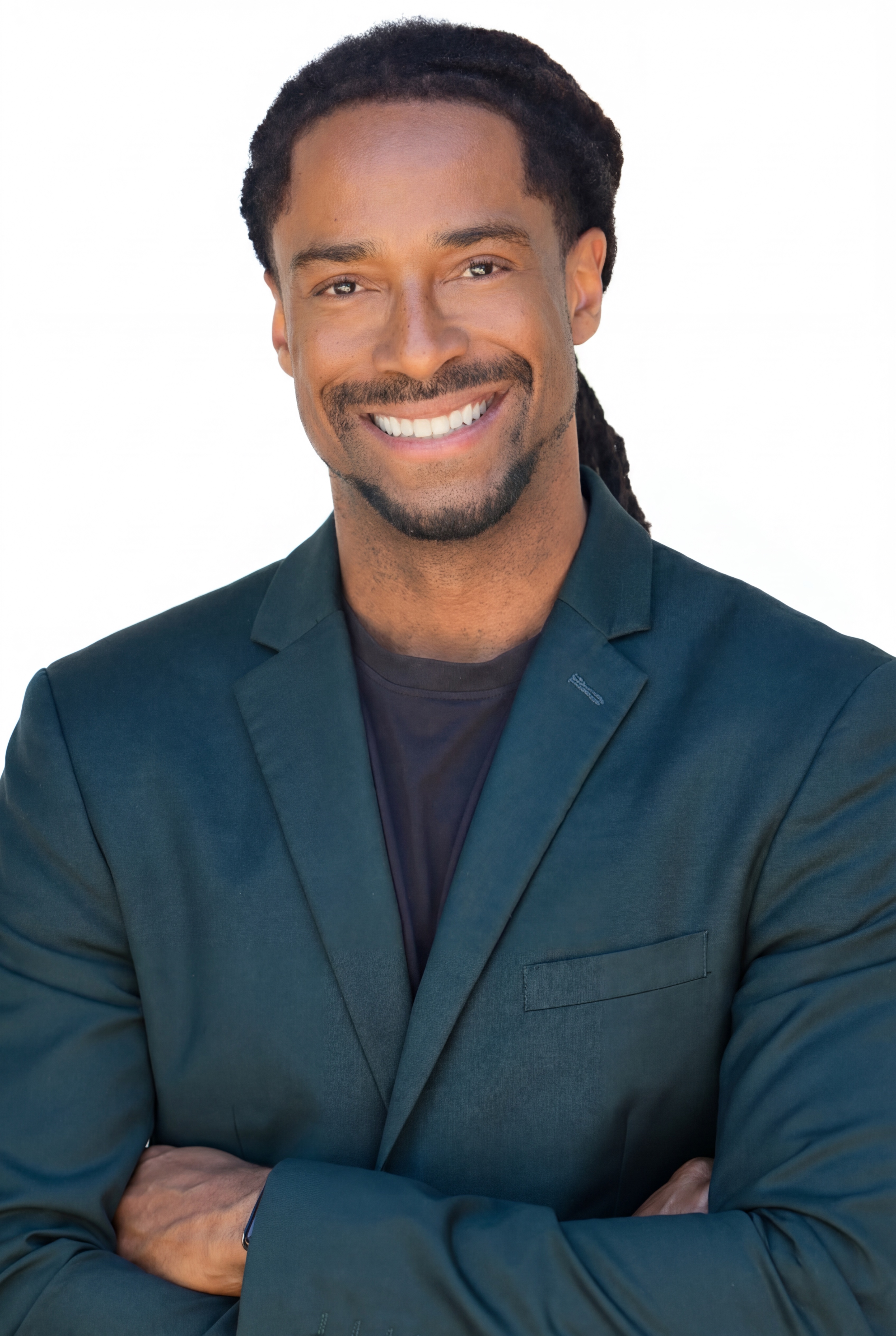
Will Gill is the Wall Street Journal’s #1 Corporate DJ, a Forbes Next 1000 honoree, and an MBE certified vendor operating as Faders and Fitness, LLC. He is a 3x Super Bowl performer, a World Cup performer, a Formula 1 performer and an MLB All-Star Game performer.
He delivers a 3-in-1 corporate service as DJ, emcee and one-man team-building show, with 2,520+ five-star Google reviews. See the Fortune 500 client roster or check your dates.