
Corporate Retreat & Offsite Entertainment
Corporate retreats and offsites occupy a category most event-entertainment content underestimates. They are not conferences (no external attendees, no sponsor activations), not awards galas (no formal recognition program structure), not parties (the workdays are real, the agenda is substantive), and not all-hands meetings (the timeline is multi-day, the audience is smaller, the format is intentionally immersive). They are work sessions wrapped in shared experience strategy planning during the day, dinner programming at night, team activities in the evening, social moments that build the relationships the workdays depend on. Entertainment at retreats is what separates the multi-day work session from the kind of multi-day work session everyone remembers as the moment the team actually came together. The right programming turns the retreat from an extended meeting into the cultural milestone leadership references months afterward; the wrong programming produces an expensive offsite that the participants finish exhausted by and forget within weeks.
This guide walks through corporate retreat and offsite entertainment as a distinct category why retreat entertainment investment produces measurable engagement and retention impact, the retreat sub-formats that each call for different programming approaches, entertainment across the retreat arc from welcome reception through closing celebration, interactive entertainment formats that work specifically for the retreat audience, music programming considerations for multi-day formats, the emcee role across welcome, facilitation, and audience engagement games work, format variations across small executive offsites and large all-company retreats, and the professional application criteria that distinguish retreat-ready entertainment talent from adjacent-category alternatives.
Key Takeaways
→ Corporate retreats are growing into a category leadership invests in seriously. 2026 industry analysis documented that the global corporate retreats market was valued at $31.8 billion in 2024 and is projected to reach $73.7 billion by 2034, growing at a 9.1% CAGR, with more than 70% of mid-size to large companies hosting some form of annual retreat or offsite meeting. The investment is no longer optional for distributed and hybrid teams the retreat is the rare moment when the workforce gathers physically, and the production around it has to match the strategic weight of that moment.
→ Well-executed retreats produce measurable engagement and collaboration lift. 2026 retreat budgeting analysis documented that teams tracking pre- and post-retreat metrics report 15-25% improvement in cross-team collaboration scores, 20-35% increase in employee engagement survey results, and reduced voluntary turnover in the 6 months following well-executed retreats. The entertainment programming is one of the strongest leverage points within that ROI mathematics; the difference between a retreat people remember as transformative and one they remember as exhausting is largely the social production layered around the working agenda.
→ Communication and collaboration are the team challenges retreats exist to solve. 2026 corporate retreat industry analysis documented that leaders identify communication (48%) and collaboration (44%) as their teams’ top two challenges. The retreat is the format designed specifically to address both, and the entertainment programming is what creates the informal communication moments that the structured work sessions cannot produce on their own.
→ Hybrid and remote workforces are driving the retreat resurgence. 2025 industry research documented that hybrid workforces are investing in face-to-face events to rebuild team cohesion, with shorter and more frequent offsites replacing the traditional once-a-year format. The shift means entertainment talent positioned for the retreat category has access to a growing market driven by structural workforce realities rather than discretionary spending.
→ Atmosphere is the strongest predictor of attendee satisfaction. 2024 corporate event research documented that 82% of attendees cite atmosphere as the most important factor in their overall event satisfaction. For retreats specifically where the multi-day arc compounds the atmospheric effect across multiple touchpoints strong atmosphere production translates into stronger participant memory of the retreat months and years afterward.
To request a retreat entertainment proposal, contact DJ Will Gill directly.
Why Corporate Retreat Entertainment Matters
The Hybrid Workforce Reality Driving Demand
The structural-shift layer. 2025 industry research documented that hybrid workforces are investing in face-to-face events to rebuild team cohesion, with shorter and more frequent offsites replacing once-a-year getaways. The shift has changed the retreat from a discretionary cultural perk into structural infrastructure. Teams that work remotely or hybrid for 95% of the year need the retreat to do what the office used to do across the year produce the social connection, the informal communication, and the shared experience that operational coordination depends on. The entertainment programming is what turns a multi-day work session into the social experience the workforce actually needed.
The Engagement and Retention Data
The measurable-outcome layer. 2026 retreat budgeting research documented that teams tracking pre- and post-retreat metrics report 15-25% improvement in cross-team collaboration scores, 20-35% increase in employee engagement survey results, and reduced voluntary turnover in the 6 months following well-executed retreats. The retention math alone justifies the retreat investment economically a single retained senior employee with a multi-year tenure typically exceeds the entire retreat budget and the engagement and collaboration lifts compound across operational performance for months afterward. Entertainment is the line item that determines whether a retreat falls into the “well-executed” bucket or the “expensive but forgettable” one.
The Atmosphere Effect
The compounding-impression layer. 2024 corporate event research documented that 82% of attendees cite atmosphere as the most important factor in their overall event satisfaction. The atmosphere effect operates with particular force at retreats because the multi-day arc gives the atmosphere time to compound a strong welcome reception sets a tone the dinner reinforces, the dinner sets a tone the evening activity builds on, the evening activity sets a tone the second day arrives into. By the closing celebration, the atmosphere has accumulated three or four days of momentum that makes the retreat feel cohesive rather than fragmented. The entertainment is what creates and sustains that compounding atmospheric effect across the multi-day window.
The Dual-Purpose Nature
The work-and-bonding integration layer. Retreats serve two purposes simultaneously substantive work output (strategy planning, leadership alignment, problem-solving) and team bonding output (relationship building, cultural reinforcement, informal communication). The entertainment programming has to support both purposes without undermining either. Too much entertainment energy compresses the work time and exhausts the audience before the substantive sessions can produce results; too little entertainment leaves the team feeling like they spent three days at extended work meetings. Strong retreat entertainment design respects the work-output mission while delivering the bonding-output the format also requires.
Corporate Retreat Categories
Executive Leadership Offsites
The small-group strategic layer. Executive leadership offsites typically gather 8-30 senior leaders for 2-4 days of strategic planning, leadership alignment, and team-of-leaders bonding. The format is intimate, the agenda is substantive, and the production scales accordingly refined music programming during meals rather than dance floor energy, focused emcee work for specific recognition or activity moments rather than continuous on-microphone presence, and atmosphere design that supports the executive conversation that drives the retreat’s real value. Strong executive offsite entertainment respects the format’s intimacy and intellectual character; the wrong production tier reads as imposed energy rather than genuine hospitality.
Departmental Team Retreats
The mid-scale layer. Departmental retreats engineering teams, sales organizations, customer success groups, marketing teams typically run 30-150 participants across 2-3 days, combining functional alignment work with team-building programming. The mid-scale format supports more energetic entertainment than executive offsites: game show formats work well at this scale, music programming can lean more contemporary, evening programming can include actual dance floor moments. Strong departmental retreat entertainment uses the larger group as production advantage interactive game formats need a critical mass to work, group activities require audience density, and the energy of the room compounds when 100 people are engaged together.
All-Company Retreats
The full-company layer. Smaller and mid-size companies sometimes run all-company retreats that bring the entire organization together typically 50-500 participants for multi-day programming combining work sessions, cultural reinforcement, and substantive team-building. The all-company format is one of the most consequential cultural moments in the company’s calendar; it is often where new hires meet long-tenured employees for the first time, where remote teams meet in-office teams in person, where culture either compounds or fractures. The entertainment programming carries the cultural weight directly the music selections, the emcee work, the evening programming all communicate what the company values to the entire workforce simultaneously.
Board and Governance Offsites
The governance-focused layer. Board offsites typically 8-15 directors plus a few senior executives for 1-2 days of governance, strategy, and oversight discussion are among the most formal retreat formats. The audience operates at significant seniority, the agenda is intensely substantive, and the entertainment programming runs in deliberately supporting mode. Strong board offsite entertainment uses refined atmospheric music during meals, brief emcee work for specific welcome and recognition moments, and atmosphere design that signals the gravity of the governance work without producing performative energy that would feel misplaced.
Strategy and Innovation Retreats
The breakthrough-format layer. Some retreats are designed specifically around strategic breakthrough work innovation sprints, strategic planning intensives, transformation roadmap sessions. The format usually combines intensive working sessions during the day with deliberate decompression programming in the evening; the contrast between intensity and recovery is part of the creative methodology. Entertainment programming for strategy retreats supports the decompression specifically atmospheric music that helps the team transition out of intensive thinking, evening activities that produce the social bonding without imposing additional cognitive load, and the kind of restorative experience that lets the audience return to the next day’s session fresh.
Sales Kickoff Retreats
The high-energy-internal layer. Sales kickoff retreats combine the retreat format with the energetic culture characteristic of sales organizations. SKOs typically run 100-1,000 sales professionals across 3-5 days, combine training and product updates with substantial recognition programming, and require entertainment that matches the high-energy sales culture without tipping into the unprofessional. Strong SKO retreat entertainment uses energetic music programming throughout, emcee work that supports the recognition moments these audiences expect, game show formats that produce competitive engagement, and the production tier that signals the company’s investment in the sales organization.
Wellness-Integrated Retreats
The whole-person layer. 2026 retreat trend analysis documented that wellness-focused retreats are increasingly viewed as high-ROI investments, with companies blending wellness programming into the traditional retreat format. Wellness-integrated retreats include movement, mindfulness, outdoor activity, and recovery alongside the working agenda. Entertainment programming for wellness-integrated formats runs at lower energy than traditional retreats ambient music during meals, contemplative atmosphere during evening programming, emcee work that respects the contemplative tone rather than forcing celebration energy. The atmospheric calibration is what makes the wellness integration feel genuine rather than performative.
Founder and Exec Team Retreats
The intimate-leadership layer. Founder and small executive team retreats sometimes as few as 4-8 people for 2-4 days represent the most intimate end of the retreat format spectrum. The audience is typically the company’s founding team plus immediate senior executives, the agenda often combines strategy with personal/relational work, and the entertainment programming runs in the deepest supporting role. Strong production for intimate retreats uses curated music in private dining settings, minimal emcee work, and atmosphere design that supports the depth of conversation rather than competing with it.
Entertainment Across the Retreat Arc
Arrival Welcome Reception
The first-impression layer. The opening welcome reception is the production moment that sets the entire retreat’s tone. Participants arrive from travel different time zones, different stress levels, different headspaces and walk into the first shared experience of the retreat. The welcome reception entertainment runs at medium energy, uses curated music that establishes the production tier, and gives the emcee or team leader the opening moment that frames what the retreat will be. Strong welcome reception programming signals that the company invested in the retreat seriously and that the multi-day experience that follows will reward the audience’s attention.
Opening Dinner Programming
The first-night layer. The opening dinner is usually the first formal program moment of the retreat the team is gathered, the executive welcome happens, the agenda for the days ahead gets framed, and the first significant social moment of the multi-day arc unfolds. The entertainment programming during the opening dinner sits at conversation-supporting volume during the eating portion, lifts slightly during executive remarks to support the framing energy, and modulates into the slightly more energetic post-dinner programming as the room transitions into the evening’s social phase. Strong opening dinner production preserves the conversation that participants came to have while establishing the production tier the rest of the retreat will operate at.
Daytime Energy Resets
The attention-recovery layer. Multi-day retreats include long working sessions that fatigue audience attention even when the content is genuinely interesting. The daytime energy reset typically a brief musical moment, an audience activation, a movement-based interruption restores attention during planned breaks between sessions. Strong reset programming is brief (3-5 minutes), well-timed (positioned at the moments when attention has measurably faded), and integrated with the agenda rather than imposed onto it. The reset work is one of the most under-appreciated retreat production elements; it is what keeps the substantive sessions productive across the full multi-day window.
Evening Entertainment Programming
The signature-experience layer. The evening programming is where the retreat’s signature entertainment lives the dinner with featured programming, the game show night, the special activity that participants will reference when they describe the retreat afterward. The evening programming usually runs 90-150 minutes and combines food and beverage service with deliberate entertainment that produces the team bonding the retreat exists to create. Strong evening programming includes a game show or interactive activity that gets the room engaged together, music programming that builds and modulates appropriately, and emcee work that holds the room without overwhelming the social atmosphere participants came for.
Recognition Moments Within Retreat
The acknowledgment layer. Most retreats include recognition moments distributed across the multi-day arc service anniversaries acknowledged at dinner, key contributors highlighted during evening programming, surprise recognition during the closing celebration. The recognition moments matter because they make specific participants feel seen by the entire team in a way the regular work cadence rarely produces. Strong recognition delivery names specific contributions, contextualizes them within the team’s shared work, and lets the applause and acknowledgment land without extending into performance. The retreat is one of the best contexts for substantive recognition because the audience is the full team, the moments are unhurried, and the recognition produces lasting memory rather than fading into the regular meeting flow.
Closing Celebration
The send-off layer. The closing celebration is the production moment that consolidates the retreat experience and sends participants home with the energy and memory the multi-day investment was designed to produce. The closing typically runs at higher energy than mid-retreat programming the work is done, the team has gathered, the social barriers are at their lowest point in the retreat arc. Strong closing celebration entertainment uses peak music programming, deliberate emcee moments that summarize the retreat’s value, and the kind of energy that participants carry home and reference for weeks afterward. The closing is often what participants describe most when they tell colleagues about the retreat later the production discipline behind it determines whether that description is enthusiastic or qualified.
Interactive Entertainment for Retreats
Game Show Formats
The signature-engagement layer. Game show formats corporate trivia, branded quiz formats, coworker-style team competitions, signature game show adaptations are one of the strongest entertainment categories for retreats specifically. The format produces the cross-team interaction that the retreat exists to create, gives the production a clear structural arc, lands recognition moments naturally throughout the game, and produces the kind of audience engagement that participants reference as the retreat’s most memorable element. Strong game show work requires polished hosting craft, on-the-fly improvisation, and the discipline to keep the format moving without losing the participatory energy that makes it work.
Group Activities and Competitions
The team-structure layer. Beyond game shows, retreats often integrate group activities and competitions team-based challenges, creative exercises, problem-solving competitions, scavenger hunts. The activities can run during daytime breaks, evening programming, or as standalone retreat moments. Strong activity programming uses team composition deliberately (mixing departments, mixing tenure, mixing locations) to create new working relationships, includes appropriate competitive structure without producing toxic dynamics, and resolves with recognition that honors the participation rather than just the winners. The activities are often where the retreat’s actual relationship-building happens; the entertainment programming supports the activities rather than competing with them.
Custom Branded Games
The bespoke-engagement layer. Some retreats benefit from custom branded games game shows or competitions designed specifically around the company’s products, culture, history, or industry. The custom design produces stronger engagement than generic game formats because the content references attendees know from their work, surfaces shared experiences and memories that build connection, and produces the kind of insider humor that strengthens cultural identity. Strong custom branded game development requires advance work content research, brand voice integration, format calibration to the audience but produces materially stronger results than off-the-shelf game show formats.
Music-Based Engagement
The audio-driven layer. Music-based engagement formats name-that-tune competitions, lyric challenges, decade-themed contests, song-association games combine the DJ’s musical knowledge with audience participation in ways that play to the entertainment talent’s full skill set. The format works particularly well at retreats because it engages the audience while showcasing the DJ work that runs throughout the rest of the retreat, produces the cross-generational moments that mixed-age audiences enjoy together, and integrates music programming with audience activation seamlessly. Strong music-based engagement requires the DJ talent to operate both as DJ and as host simultaneously one of the strengths of three-in-one service models.
Trivia and Team Challenges
The cognitive-engagement layer. Trivia formats and team challenges produce the kind of low-impact participatory engagement that works across demographic mixes. The format gives quieter participants a way to contribute without requiring physical performance, integrates substantive content (company knowledge, industry knowledge, general trivia) into the entertainment, and produces measurable winners that create natural recognition opportunities. Strong trivia work calibrates difficulty to the audience (challenging enough to engage but not so difficult it discourages participation), uses team formation deliberately to create new relationships, and integrates with the broader retreat programming rather than running as an isolated activity.
The Audience Engagement Specialist Role
The integrated-talent layer. The audience engagement specialist role is what unifies the interactive entertainment work the talent who can host game shows, facilitate group activities, produce DJ work, deliver emcee content, and operate across multiple entertainment modes throughout the retreat arc. The integration matters specifically at retreats because the multi-day format requires entertainment that adapts across welcome reception, dinners, evening programming, and closing celebration without requiring multiple separate vendors. DJ Will Gill operates a three-in-one corporate DJ, emcee, and audience engagement service model documented across Fortune 500 corporate event clients including AT&T Business, CDW, Virgin Galactic, NeoGenomics, Foot Locker, Home Depot, Hilton, BGCA, PepsiCo, PayPal, and the United Nations.
Music Programming for Retreats
Welcome Reception Atmosphere
The arrival-tone layer. The welcome reception music sets the retreat’s atmospheric baseline. Selections sit at medium energy, lean toward contemporary curated tracks aligned with the company’s brand identity, and modulate gradually as the room fills. Strong welcome reception programming respects that participants are arriving from travel and may not be ready for high-energy programming immediately the music should produce social comfort rather than imposed energy. The reception is the first sustained musical impression of the retreat, and the tone it establishes carries through to how participants evaluate the production tier of subsequent moments.
Dinner Background Programming
The conversation-foundation layer. The dinner music sits at conversation-supporting volume across the meal portion of evening programming. The selections support the social dynamic without competing with it instrumental and jazz-adjacent territory works well, contemporary acoustic produces appropriate energy, era-blending selections give the dinner a curated character. Strong dinner programming uses volume calibration as a primary control the music should be present enough that conversations have an atmospheric foundation but not so present that table conversations require raised voices. The calibration is invisible when it works; participants notice only that they enjoyed the dinner without being able to articulate why.
Evening Energy Lift
The post-dinner-transition layer. After dinner, the music programming lifts gradually as the room transitions from seated meal into the evening’s social phase. The lift produces the energy the team-bonding programming needs without producing a sudden energy shift that would feel imposed. Strong lift programming uses progressive tempo and energy build across 15-20 minutes rather than landing as a single shift, reads the room to see how the audience is moving with the energy, and synchronizes with the emcee and activity programming so the music supports the evening’s flow rather than driving it independently.
Outdoor and Recreational Activity Music
The destination-experience layer. Many retreats include outdoor or recreational programming group hikes, sports activities, beach evenings, poolside receptions. The music programming for these moments operates at lower formality but with the same brand alignment as the indoor programming. Strong outdoor music programming uses portable audio infrastructure calibrated to the venue, music selection that fits the activity context (different territory for poolside than for a campfire), and modulates volume to support the activity rather than impose on it. The outdoor moments often produce the most memorable retreat photographs and content; the music programming that runs through them is part of the asset the company captures.
Closing Celebration Arc
The peak-energy layer. The closing celebration music programming runs at the retreat’s peak energy the production discipline supports the celebratory mood the format earned across the multi-day arc. The selections use widely recognized tracks that produce universal energy lift, build deliberately through the celebration window, and resolve cleanly when the celebration concludes. Strong closing programming reads the room throughout to identify which territory produced the strongest response, adjusts in real time, and produces the moments participants will reference when they describe the retreat to colleagues afterward.
The Emcee Role at Retreats
Welcome and Tone Setting
The opening-frame layer. The emcee’s welcome moment at the start of the retreat establishes the tone the entire multi-day experience builds on. The welcome runs warm rather than performative, frames the days ahead in language that gives participants context for the arc they’re entering, and lands the executive welcome cleanly so leadership can deliver their framing without the production friction of an awkward introduction. Industry research documented that 89% of planners credit emcees with improving attendee feedback and the welcome moment is where the emcee’s impact begins for the retreat.
Speaker Introductions
The credibility-handoff layer. The emcee introduces the executives, guest speakers, and featured presenters who participate across the retreat. The introductions frame each speaker’s role appropriately, contextualize their content within the retreat arc, and produce the energy that fits their topic. Strong introductions are brief, accurate, and energy-matched to the content that follows. A strategic update warrants a measured introduction; a celebratory moment warrants more energy. The calibration is what makes each speaker segment feel intentional within the broader retreat structure.
Interactive Team-Building Host Work
The signature-format layer. When the evening programming includes a game show format, the emcee shifts into team-building host mode running the format with polished energy, managing the participant experience, keeping the crowd engaged between rounds, and producing the on-brand moments that justify the format choice for the retreat context. team-building host work specifically requires the craft that distinguishes professional corporate entertainment from improvised hosting polished microphone skills, on-the-fly improvisational comfort, and the discipline to keep the energy high without tipping into the cabaret-host register that would feel misplaced. The game show is often the retreat’s signature entertainment moment; the host work makes or breaks it.
Group Activity Facilitation
The interactive-management layer. Beyond the game show segment, the emcee facilitates the various group activities and interactive moments throughout the retreat team-formation exercises, recognition delivery, audience activations during sessions. The facilitation work is largely about audience management getting participants to engage, sustaining the energy as activities run, transitioning cleanly between activity moments and the rest of the programming. Strong facilitation respects that participants didn’t come to be performed at; the emcee makes the activity work for the audience rather than positioning the audience as backdrop for the emcee’s performance.
Recognition Delivery
The acknowledgment-craft layer. When the retreat includes recognition moments (service anniversaries, key contributions, team milestones), the emcee delivers the recognition with the kind of specificity and warmth that makes the moment land for the recipient and the room together. Strong recognition delivery names specific contributions, uses language the recipient and team would recognize from their actual work, and lets the applause and acknowledgment land without extending the moment into prolonged performance. The recognition delivery is one of the highest-leverage emcee skills at retreats because the retreats are often where the most substantive recognition moments of the year happen.
Closing Energy
The send-off layer. The emcee’s final responsibility is the closing consolidating the retreat experience into a takeaway participants carry home, producing the closing energy that sends the team out with momentum rather than fatigue, and signaling the transition from retreat into the work that the retreat was preparing the team for. Strong closing emcee work names the specific takeaway the retreat produced, references the path forward the team is now on, and creates the closing moment that participants describe when they tell colleagues about the retreat. The closing is where the multi-day arc resolves; the production discipline behind it determines whether the resolution lands cleanly.
Format Variations
Small-Group Executive Retreats
The intimate-format layer. Retreats with under 30 participants operate on different production economics than larger formats. The intimacy lets the entertainment programming scale down refined music in private dining, brief emcee work for specific moments rather than continuous on-microphone presence, smaller-scale activities that fit the group dynamic. Strong small-group production respects the intimacy as an advantage rather than treating the smaller audience as constraint; the production tier should match the seniority and significance of the audience rather than scaling down on the production discipline.
Mid-Size Departmental Retreats
The sweet-spot layer. Departmental retreats at the 30-150 participant range are the format where the standard retreat production model works best. The audience is large enough for game show formats to land with energy, small enough for everyone to engage with the entertainment, and structured enough that the agenda can support substantive work alongside the social programming. Strong mid-size retreat production uses the format’s flexibility atmospheric music throughout, evening entertainment programming, daytime energy resets, recognition moments distributed across the multi-day arc.
Large All-Company Retreats
The scale-production layer. Retreats with 150-500+ participants require production that scales with the room size audio that fills the venue, emcee work that addresses both front and back of the room, programming that maintains audience engagement across the larger crowd. Strong large-retreat production uses scale as a production tool rather than as an obstacle the room’s physical size amplifies the impact of choreographed moments, music drops, and unified audience activation. The talent has to have experience working at the relevant scale; what reads as energetic at 50 participants registers as restrained at 400.
Multi-Day Versus Single-Day Retreats
The temporal-arc layer. Single-day retreats (typically 8-10 hours including meals) operate as compressed retreat arcs with less time for atmospheric accumulation but more concentrated programming. Multi-day retreats (2-4 days typical, sometimes longer) allow the atmospheric arc to develop and produce the team-bonding compounding that the format does best. Strong production calibrates to the format single-day retreats use entertainment punctuation more deliberately because the windows for programming are shorter; multi-day retreats spread the entertainment across the arc to give each day its own character within the broader experience.
Destination Retreats
The location-as-asset layer. Some retreats are designed around destination experiences mountain lodges, beach resorts, international venues, distinctive properties. The destination format gives the retreat an identity beyond the company itself; participants experience the venue as part of the company’s investment in them, and the location becomes part of the retreat’s memorable identity. Strong destination retreat entertainment uses the venue as production input the location informs the music programming, the outdoor/indoor balance, the evening activity choices, and the atmospheric elements that distinguish the retreat from a generic conference hotel experience.
Hybrid Retreats with Remote Participation
The distributed-inclusion layer. Some retreats include remote participation for team members who cannot travel to the physical location. The hybrid format adds technical complexity broadcast quality has to support the remote audience, engagement parity has to be designed across in-room and remote participants, the entertainment programming has to translate across the camera. Strong hybrid retreat production uses camera-aware emcee work, broadcast-quality audio production, integrated polling and engagement tools that work for both audiences, and music programming calibrated for both the room and the stream. The hybrid format is increasingly common as distributed workforces become standard.
Professional Application
Three-in-One Service Fit
The integrated-talent layer. Corporate retreats benefit specifically from three-in-one service models DJ work for atmospheric and dinner programming, emcee work for welcome and recognition delivery, audience engagement programming for game shows and interactive activities, all integrated through a single talent across the multi-day arc. The integration matters at retreats specifically because the format requires entertainment that operates across multiple modes throughout the multi-day window atmospheric music during dinner, energetic DJ work during evening celebration, emcee facilitation during recognition moments, interactive team-building during the signature evening programming. Splitting these functions across multiple vendors introduces coordination friction the multi-day format especially can’t afford. DJ Will Gill operates a three-in-one corporate DJ, emcee, and audience engagement service model documented across Fortune 500 corporate event clients including AT&T Business, CDW, Virgin Galactic, NeoGenomics, Foot Locker, Home Depot, Hilton, BGCA, PepsiCo, PayPal, and the United Nations.
Multi-Day Format Experience
The endurance-craft layer. Retreat entertainment talent should have documented experience with multi-day corporate formats specifically not just single-event experience that doesn’t translate to the sustained-energy demands of retreats. The experience matters because multi-day formats require talent who can maintain energy and craft across multiple days, vary programming to prevent repetitiveness, manage their own preparation across the longer engagement, and operate across multiple entertainment modes without losing the production tier the retreat warrants. Strong selection vets for documented multi-day retreat references and prior client outcomes at comparable retreat formats.
Booking Lead Time
The calendar-coordination layer. Major corporate retreats typically book entertainment talent four to nine months in advance, with annual retreat calendars often locked at the start of the company’s fiscal year. Recurring retreat programs (quarterly leadership offsites, annual all-company retreats) benefit from booking the same talent across the calendar to produce production consistency and to allow the talent to build institutional knowledge of the company’s culture across multiple retreats. Strong planning treats retreat entertainment as a strategic resource integrated with the broader people-and-culture program rather than as an isolated line item per event.

About the Author
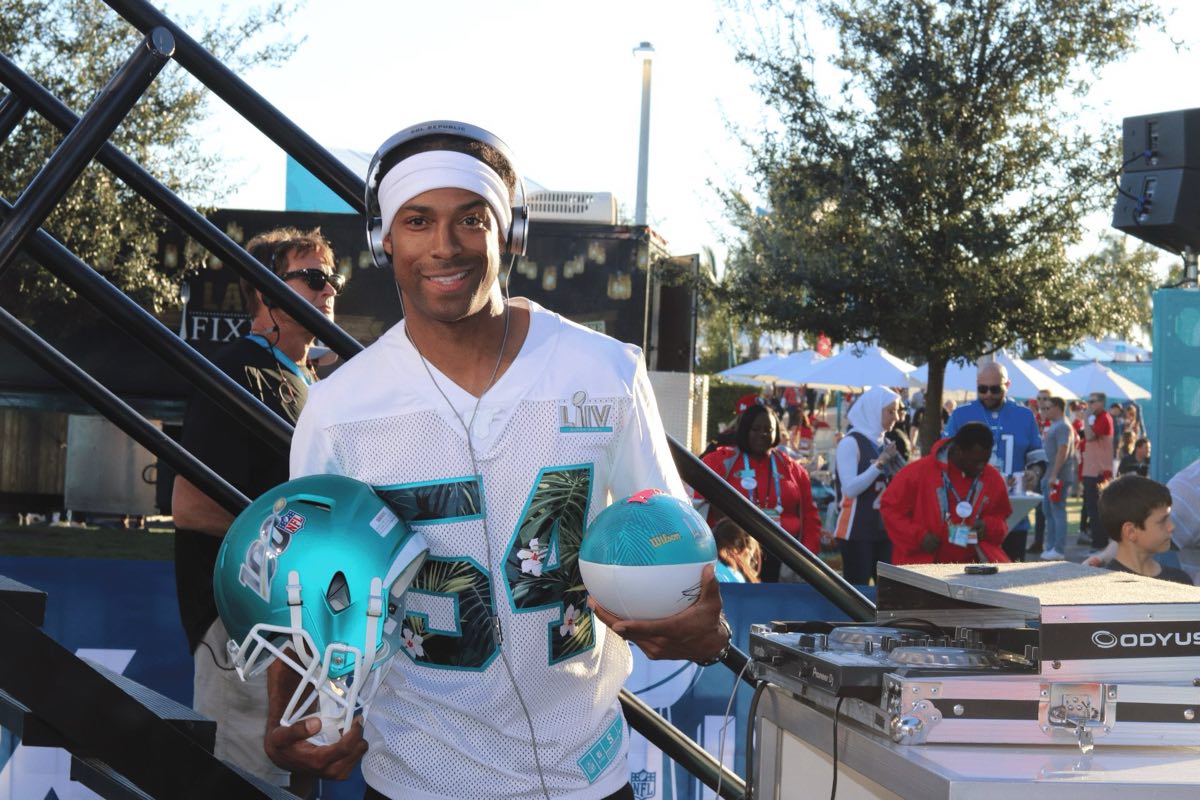
William “DJ Will Gill” Gilbert is an American DJ and Emcee, performing corporate retreat, offsite, and multi-day corporate event entertainment at Fortune 500 scale through a three-in-one DJ, emcee, and audience engagement service model. Documented client work for AT&T Business, CDW, Virgin Galactic, NeoGenomics, Foot Locker, Home Depot, Hilton, BGCA, PepsiCo, PayPal, and the United Nations. Also a Forbes Next 1000 honoree with broadcast credits including Super Bowl LIV (2020), The Voice (2011), and MTV’s The Real World: Hollywood (2008). He is also a World Cup performer and a Formula 1 Las Vegas Grand Prix performer.
2,520+ Google Reviews · IMDB · Mixcloud · Instagram · Contact
Frequently Asked Questions
Why does a corporate retreat need entertainment?
Retreats are work sessions wrapped in shared experience; the right programming turns an extended meeting into the cultural milestone leadership references for months.
What retreat types does the guide cover?
Executive leadership offsites, departmental retreats, all-company retreats, board offsites, strategy and innovation retreats, sales kickoff retreats and wellness-integrated retreats.
How is a retreat different from a conference?
No external attendees or sponsors, no formal recognition program, a multi-day timeline and a smaller, intentionally immersive audience.
Where does entertainment fit in the retreat arc?
From welcome reception through closing celebration, with music considerations for multi-day formats.
What does the emcee do at a retreat?
Welcome, facilitation and audience engagement games across the days.