
Corporate Game Show Entertainment for Events
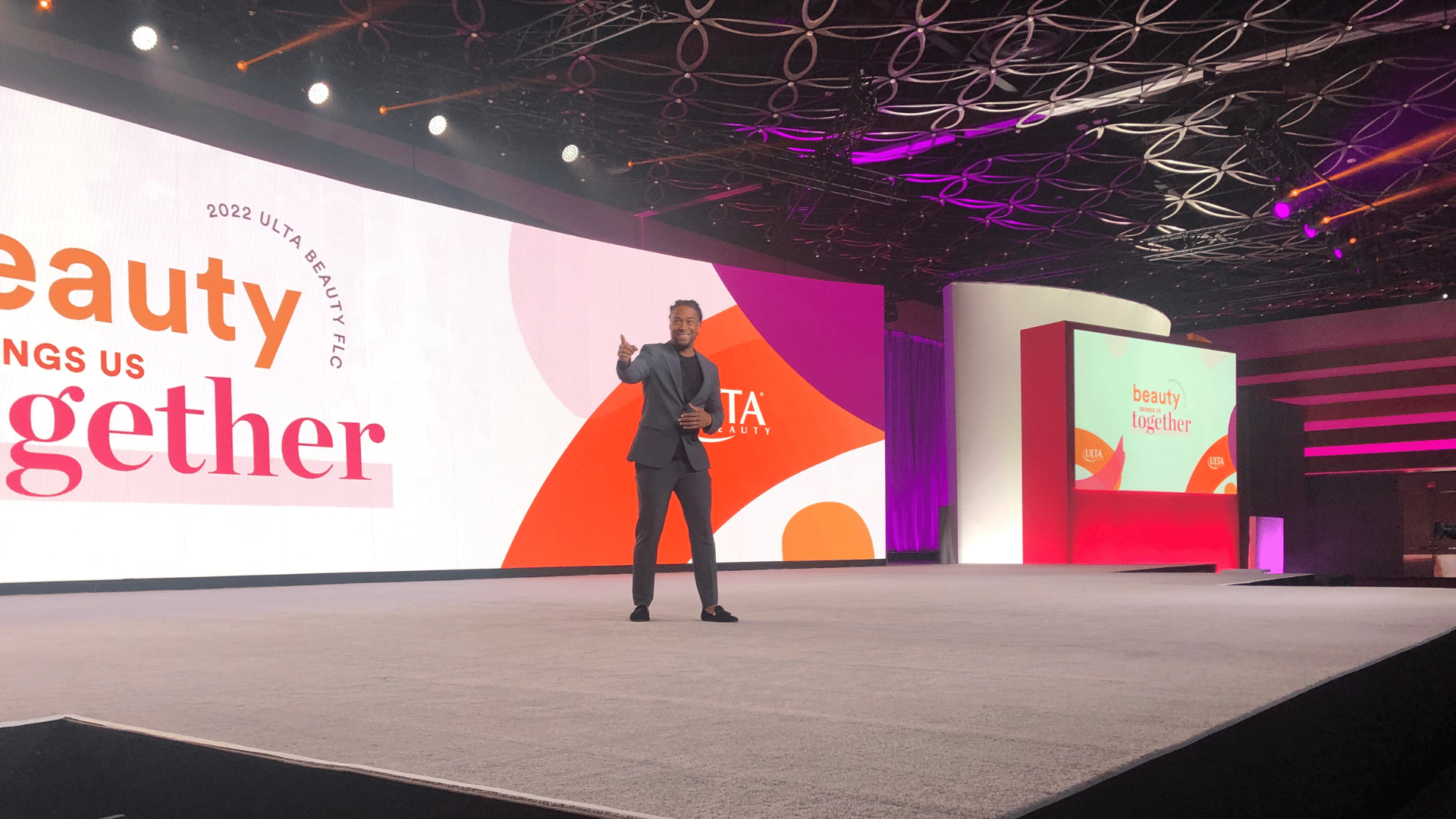
Corporate game shows are the entertainment format that outperforms every other category when measured against the outcomes companies actually care about. Cross-team interaction is higher than at any networking format. Audience attention is higher than at any keynote. Recognition lands harder than at any awards presentation because the gameplay builds the audience’s investment in the recognition before the names get called. The content captured generates more usable post-event marketing assets than photo activations. And the differentiation is immediate attendees who experienced a great corporate game show at an event remember it as the moment the event became something. Compare that to passive entertainment formats where attendees describe the event as “the DJ played the usual songs and the speaker said the usual things.” Game shows produce the moment the company hosted that becomes part of the workforce’s shared story.
This guide walks through corporate game show entertainment as a service category why interactive game formats outperform passive entertainment by the metrics that matter, the game show categories and formats available to corporate planners, the event categories that benefit most from game show segments, the anatomy of a well-produced corporate game show segment, custom branded game shows and when they justify the investment, the hosting craft that distinguishes professional game show entertainment from generic emcee work, format variations across intimate gatherings and major-scale events, and the professional application criteria that distinguish game-show-ready entertainment talent from adjacent-category alternatives.
Key Takeaways
→ Attendees specifically prefer game-based and hands-on entertainment. 2026 industry research surveying corporate planners at IMEX America documented that attendees favored hands-on creative activities (35.7%) and competitive game-based experiences (28.7%) as their top two engagement preferences, with passive formats trailing substantially behind. The preference data establishes that game show entertainment isn’t just one option among many it is the format attendees most want when they describe what they actually engage with at corporate events.
→ Planners are struggling to find fresh entertainment ideas. 2026 corporate planner research documented that 61.3% of planners cite “finding fresh, engaging ideas” as their biggest hurdle, ahead of budget constraints (14.0%), logistics (10.7%), and measuring ROI (9.1%). Custom branded game shows specifically address that hurdle they produce content tailored to the company that no competitor planner could replicate, distinguishing the event from the generic format competition the planner is trying to escape.
→ The corporate entertainment category has shifted from passive to active. 2026 corporate event analysis documented that the best corporate events don’t treat entertainment as filler between sessions but as a strategic element that drives participation, captures insights, and creates content that extends the event’s reach with the shift from passive to active engagement defining what high-performing event programs look like in 2026. Game show entertainment is the canonical active format; it converts passive audiences into participants in measurable, repeatable ways.
→ Game shows give quieter attendees structured participation pathways. 2026 corporate entertainment research documented that competition drives engagement when teams are mixed across departments or organizations, and that game show formats with real-time leaderboards give quieter attendees a structured way to participate they lower the barrier to interaction by replacing forced networking with shared experiences that give people natural reasons to talk. The structured-participation effect is one of the most overlooked advantages of game show entertainment for mixed audiences.
→ Atmosphere is the strongest predictor of attendee satisfaction. 2024 corporate event research documented that 82% of attendees cite atmosphere as the most important factor in their overall event satisfaction. Game show segments contribute disproportionately to the atmosphere effect because they produce the peak energy moments that attendees recall when they describe the event later. The atmosphere is what gets remembered; the game show is often what produces the atmosphere worth remembering.
To request a game show entertainment proposal, contact DJ Will Gill directly.
Why Game Show Entertainment Outperforms Passive Formats
The Active Engagement Data
The participation-preference layer. 2026 IMEX America industry research documented that attendees favored hands-on creative activities (35.7%) and competitive game-based experiences (28.7%) as their top two engagement preferences. Combined, active formats account for 64.4% of attendee preferences a substantial majority over the passive formats that still dominate most corporate event programming. The data establishes that game show entertainment isn’t a niche option; it’s the format the majority of attendees prefer when describing what actually engages them at corporate events.
The Cross-Team Interaction Outcome
The relationship-building layer. 2026 corporate entertainment research documented that competition drives engagement when teams are mixed across departments or organizations, and that game show formats lower the barrier to interaction by replacing forced networking with shared experiences that give people natural reasons to talk. The cross-team mechanic matters specifically because corporate events typically include attendees who don’t naturally interact departments that work in different buildings, regional offices that connect virtually, levels of seniority that don’t socialize during normal work cadence. Game show team formation deliberately mixes these cohorts, producing the relationship-building that the company needs the event to deliver.
The Recognition-Built-In Advantage
The integrated-acknowledgment layer. Game show formats produce recognition moments naturally throughout the gameplay winning teams get applause, individual contributors get spotlight moments when they produce the answer that scores points, the final winning team gets celebrated as the event’s signature moment. The recognition lands harder than at standalone recognition segments because the audience invested attention and emotion in the gameplay leading up to the recognition. The contrast: at a typical awards segment, the audience tunes out until they hear a name they know; at a game show, the audience is fully invested across the entire segment because they participated in producing the outcome.
The Content Amplification Economics
The shareable-moment layer. 2026 corporate event analysis documented that strong corporate events treat entertainment as a strategic element that drives participation, captures insights, and creates content that extends the event’s reach. Game show segments produce the visual content that attendees share to professional networks more reliably than most other entertainment formats the dynamic action, the audience reaction shots, the recognition moments, the photographic peak energy. The shared content extends the event’s reach far beyond the room, and the company brand appears in every shared photo and video. The amplification multiplies the entertainment investment’s actual return across post-event social and marketing channels.
Game Show Formats and Categories
Branded Custom Game Shows
The premium-tier layer. Branded custom game shows are designed specifically around the company’s brand, products, culture, history, or industry. The custom design produces engagement that off-the-shelf formats cannot match content references attendees recognize from their actual work, surfaces shared memories that build cultural connection, produces the insider humor that strengthens identity. The investment is higher than adapted traditional formats because the development work happens pre-event (content research, brand voice integration, format calibration), but the output justifies the investment for companies whose events warrant the premium tier. Custom game shows often become annual traditions once a company has invested in the format, the same show returns year after year with updated content.
Adapted Traditional Formats
The recognizable-structure layer. Adapted traditional formats use the structural template of recognized game shows (Family Feud-style team competitions, Wheel of Fortune-style word puzzles, Jeopardy-style trivia) with content customized to the corporate audience. The format works because attendees recognize the structure immediately they know how to play without instruction while the customized content makes the gameplay feel intentional rather than generic. Adapted traditional formats often serve as the entry point for companies new to game show entertainment; they deliver the audience engagement outcomes with reduced development time compared to fully custom builds.
Trivia Formats
The cognitive-engagement layer. Trivia formats corporate trivia, branded quiz formats, themed knowledge competitions produce low-impact participatory engagement that works across demographic mixes. The format gives quieter participants a way to contribute without requiring physical performance, integrates substantive content (company knowledge, industry knowledge, general trivia) into the entertainment, and produces measurable winners that create natural recognition opportunities. Strong trivia work calibrates difficulty to the audience (challenging enough to engage but not so difficult it discourages participation), uses team formation deliberately to create new working relationships, and integrates with broader event programming rather than running as an isolated activity.
Themed Challenges
The format-variety layer. Themed challenges include Spot-the-Difference visual games, audience polling competitions, prediction-based games, scavenger formats, and other non-traditional game show structures. The themed format breaks the pattern that purely traditional formats establish attendees who have seen Family Feud-style competitions at other events experience something different at events that use themed challenges. The format works particularly well as a secondary game show segment when the event includes multiple game show moments across a longer agenda (retreats, multi-day conferences) or as the primary format when the audience benefits from a less conventional approach.
Music-Based Games
The audio-driven layer. Music-based engagement formats name-that-tune competitions, lyric challenges, decade-themed contests, song-association games combine the DJ’s musical knowledge with audience participation in ways that play to integrated talent’s full skill set. The format works particularly well at events where the DJ talent is also handling the game show segment because the format showcases both skills simultaneously, produces cross-generational moments that mixed-age audiences enjoy together, and integrates music programming with audience activation seamlessly. Strong music-based engagement requires the host talent to operate both as DJ and as team-building host in the same segment.
Live-Action Formats
The physical-engagement layer. Live-action formats include physical challenges, movement-based games, on-stage participation segments, and other formats where audience members or volunteers take physical roles. The format produces the most energetic engagement moments available at corporate events the audience’s investment in the participants’ performance generates the room’s peak energy. Strong live-action programming uses willing volunteers rather than coerced participation, calibrates the physical demands to the audience’s comfort level (corporate audiences often have lower tolerance for embarrassing physical challenges than other audiences), and produces moments that participants experience as fun rather than uncomfortable.
Award-Themed Games
The recognition-integrated layer. Some game show formats are designed specifically to integrate with recognition programming mock award nominations, peer-voted superlatives, fun-category awards that supplement formal recognition programs. The format produces light recognition moments throughout the segment rather than concentrating recognition into a single ceremony segment. Strong award-themed games balance the playful character with appropriate dignity for the recognition; the laughs and the genuine acknowledgment have to land in the same moment without compromising either.
Event Categories That Benefit Most
Conference Openers and Breakouts
The energy-injection layer. Conference openers benefit specifically from game show segments because they require energy injection that traditional opening formats cannot deliver. A brief 15-20 minute game show segment at the conference opening produces audience engagement that the rest of the program builds from rather than struggling to recover. Breakout sessions similarly benefit from game show segments that re-energize the audience between content-heavy moments the contrast between substantive content and active engagement produces stronger overall session retention than back-to-back content delivery.
All-Hands Meetings
The recurring-engagement layer. All-hands meetings produce particular challenges for entertainment the format runs monthly or quarterly, the audience knows what to expect, the content tends toward operational updates that fatigue attention. Game show segments break that pattern. The format gives the workforce something to look forward to within the all-hands cadence, produces the cross-team interaction that distributed workforces specifically need, and creates the kind of memorable moments that the regular operational content cannot deliver. Companies that integrate game show segments into recurring all-hands meetings produce measurable improvements in attendance and engagement scores compared to all-content formats.
Holiday Parties and Year-End Celebrations
The signature-moment layer. Holiday parties and year-end celebrations are formats that benefit from a single signature game show moment embedded within the broader evening programming. The 30-45 minute game show segment becomes the party’s signature production element the moment attendees describe when they tell colleagues about the event afterward, the photo content that gets shared across the workforce’s social channels, the activation that distinguishes the year’s celebration from the previous year’s. Custom branded game shows particularly fit holiday parties because the format produces year-end appropriate content (acknowledging the year’s achievements, celebrating team contributions, naming the workforce’s shared experiences from the year).
Corporate Retreats and Offsites
The signature-evening layer. Corporate retreats benefit from game show entertainment more than any other event category because the multi-day format gives the game show segment time to land within a broader narrative arc. The game show typically runs during the retreat’s signature evening the dedicated programming moment that anchors the retreat’s social character and produces the memory that participants carry home as the retreat’s defining moment. The cross-team interaction the game show creates also produces relationships that the retreat’s subsequent days build on; participants who competed together on game show teams continue the conversations the next day at sessions and meals.
Employee Appreciation Day
The workforce-engagement layer. Employee Appreciation Day events benefit from game show segments because the format aligns with the day’s appreciation purpose game shows feel like genuine company hospitality rather than imposed entertainment. The format also produces universal participation (every employee can engage at some level) which fits the day’s universal recognition character. Strong Employee Appreciation Day game show segments include light recognition moments integrated into gameplay, family-friendly format calibration when family members are included, and the kind of cross-team energy that distributes the appreciation across the workforce rather than concentrating it on individual recipients.
Trade Show Booth Activations
The booth-traffic layer. Trade show booths use game show formats specifically to drive booth traffic and engagement. 2026 interactive games industry analysis documented that games increase booth dwell time, encourage networking, reinforce session content, generate leads, and collect engagement data. Booth game show activations run as continuous availability (visitors can join in-progress) rather than scheduled segments, use simplified formats appropriate for trade show foot traffic, and integrate lead capture with the entertainment value attendees came to the booth for.
Convention After-Parties
The sponsored-activation layer. Convention after-parties sponsored by major companies often include game show segments as the brand activation centerpiece. The format converts the party from generic nightlife into a sponsored experience attendees describe afterward, integrates the sponsor brand into the entertainment naturally, and produces the lead-generation outcomes that justify the sponsor’s investment in the party. Strong after-party game show programming balances the party context (the entertainment shouldn’t kill the dance floor energy the sponsor invested in producing) with the activation purpose (the segment should differentiate the party from competing options at the same conference).
Customer Appreciation Events
The relationship-deepening layer. Customer appreciation events use game show segments to deepen relationships beyond standard hospitality programming. The format produces shared experience that customers carry away from the event they remember the host company specifically for the moment, not for the generic dinner and cocktails. Strong customer appreciation game show programming uses content customized to the customer relationship context (industry knowledge, shared work, customer journey themes), respects the professional character of the relationships, and produces the memorable moments that strengthen the host’s competitive position against other vendors.
Charity Gala Pre-Appeal Engagement
The fundraising-preparation layer. Charity galas sometimes include brief game show segments before the main fundraising appeal using the format to bring the room to peak engagement before the paddle raise. The format functions as audience activation for the appeal that follows; the room that just played together generates stronger collective response when the appeal asks for collective contribution. Strong gala pre-appeal game show programming respects the gala’s mission-driven character (no inappropriate gameplay that would compromise the gravity of the cause) while producing the audience energy the appeal benefits from.
The Anatomy of a Corporate Game Show Segment
Pre-Event Content Development
The preparation-layer. Strong corporate game show segments require substantial pre-event development brand discovery conversations with the host, content research that surfaces the references and themes that will resonate, format calibration to the audience demographics, question writing and review, technical preparation. The development work typically runs 2-6 weeks before the event depending on the customization depth. Companies that skip the development phase or compress it into the last week often produce game show segments that feel generic rather than tailored and the difference between tailored and generic content is the difference between memorable and forgettable.
Setup and Team Formation
The audience-architecture layer. The team formation determines whether the game show produces the cross-team interaction the format is designed to create. Strong setup uses deliberate team composition mixing departments, mixing tenure, mixing locations rather than letting attendees self-select into existing comfort groupings. Pre-assigned team formations work best when the host can manage the seating arrangement before the segment begins. On-the-fly team formation during the segment works when the host can produce the mixing dynamic without losing the energy momentum the format requires.
Opening Segment
The audience-onboarding layer. The opening 3-5 minutes of the game show segment is where the host explains the format, establishes team formations, and produces the energy lift that the rest of the segment builds from. Strong openings keep the explanation brief (longer than necessary loses the audience), use the format’s structure as the explanation itself (demonstrating rather than describing), and produce the first energy peak quickly so the audience experiences the segment’s character before they evaluate whether to engage with it. The opening is where many corporate game show segments lose energy unnecessarily; refined opening craft prevents the slow start that compromises the entire segment.
Round Structure
The pacing-architecture layer. Strong game show segments use deliberate round structure typically 3-5 rounds with varied formats, escalating stakes, and energy curves that build toward the final round. The structure prevents the segment from feeling like a single extended activity by giving the audience multiple peaks across the segment’s duration. Each round has its own beginning, middle, and end; the transitions between rounds reset the energy and prepare the audience for the next phase. Strong round structure is invisible when it works; attendees experience a segment that flowed naturally without recognizing the architectural discipline behind the natural feel.
Energy Peaks
The crescendo-management layer. The game show segment includes multiple energy peaks moments when the audience’s investment lands in cheering, celebration, or sustained reaction. Strong host craft positions these peaks deliberately throughout the segment rather than relying on them to happen organically. The host manages the audience toward each peak through pacing, content selection, and verbal craft. The peaks are what attendees recall when they describe the segment afterward; the production discipline behind the peaks determines whether the recall is enthusiastic or qualified.
Recognition Moments Within Gameplay
The acknowledgment-integration layer. Strong game show segments integrate recognition moments throughout the gameplay rather than concentrating them into a single closing announcement. Individual contributors get spotlight moments when they produce winning answers, team captains get acknowledged for leadership, specific participants get called out for memorable contributions. The distributed recognition produces stronger overall acknowledgment than the single end-of-segment winner announcement does. Strong recognition delivery within gameplay requires the host to track multiple participants simultaneously, surface specific contributions in real time, and integrate the recognition without slowing the format’s momentum.
Closing Transition
The exit-craft layer. The closing of the game show segment is its own production challenge naming the winning team, distributing any prizes, transitioning the room back to the broader event programming. The closing runs short (60-90 seconds typical), produces the final energy lift that closes the segment cleanly, and resolves into the program’s next phase without imposing additional moments. Strong closing avoids the prolonged-end mistake (where the segment extends past its natural conclusion and the energy fades) and the abrupt-end mistake (where the segment terminates without giving the audience time to absorb the experience).
Custom Branded Game Shows
Why Custom Outperforms Generic
The relevance-advantage layer. Custom branded game shows outperform generic adaptations because attendees engage more deeply with content that references their actual work, culture, and shared experiences. A trivia question about the company’s product history lands differently than a trivia question about pop culture. A team challenge built around the company’s competitive position resonates differently than a generic team-building activity. The custom investment produces the relevance that converts the entertainment from passing amusement into substantive engagement with the company’s identity.
Brand Integration Considerations
The voice-and-tone layer. Custom branded game shows have to integrate with the company’s voice and brand identity rather than imposing generic game show energy onto the brand context. A financial services company’s game show calls for different tone than a streetwear brand’s game show; a healthcare company’s format requires different content sensitivity than a media company’s. Strong brand integration begins with brand discovery understanding the company’s voice, the audience identity, the cultural context and translates those inputs into format and content decisions throughout the segment.
Content Development Process
The pre-event-work layer. Custom branded game show development typically follows a structured process initial brand and audience discovery conversation, content research (company history, product knowledge, cultural references, recent events), draft format and question writing, review with the host company, refinement based on feedback, final preparation. The process runs 2-6 weeks depending on customization depth. Strong development includes specific input from the host company’s leadership team to ensure the content reflects the actual culture rather than the development team’s external interpretation of it.
Production Tier
The presentation-quality layer. Custom branded game shows benefit from elevated production tier compared to adapted traditional formats branded slides or graphics on screens, custom audio cues that match the company’s identity, sometimes branded prizes or recognition. The production tier signals the investment the host company made in the segment and produces the polish that distinguishes premium game show entertainment from improvised hosting. Strong production scales with the format’s tier small intimate gatherings can use simpler presentation; major-scale events warrant full production with screens, lighting integration, and broadcast-quality audio.
Investment Justification
The ROI-narrative layer. 2026 industry research documented that 61.3% of corporate planners cite “finding fresh, engaging ideas” as their biggest hurdle ahead of budget constraints (14.0%) and ROI measurement (9.1%). The data establishes that the corporate market specifically values fresh engaging ideas more than it values cost optimization, and custom branded game shows are the canonical “fresh engaging idea” investment. The format produces content that no competitor planner could replicate a defensible differentiator that justifies the development investment for events whose strategic significance warrants it.
Hosting Craft Requirements
The Host as Primary Instrument
The talent-centered layer. Game show entertainment is host-dependent in ways that DJ work and traditional emcee work are not. The host carries the segment’s energy, manages the format’s pacing, produces the moments that the audience experiences as engaging, and handles the real-time decisions that determine whether the segment works. A great format with a weak host produces a forgettable segment; an average format with a strong host can produce a memorable one. The host’s craft is therefore the primary investment in any corporate game show segment the format development matters, but the host execution determines what the audience actually experiences.
Real-Time Improvisation
The adaptive-craft layer. Corporate game shows require continuous real-time improvisation from the host responding to unexpected answers, working with participants who break from the format’s expectations, handling moments where the audience’s response differs from what the format anticipated. Strong improvisational craft is what distinguishes professional audience-engagement hosts from emcees with a script and a list of questions. The improvisation happens within the format’s structure the host doesn’t abandon the format, but adapts moment-to-moment to make the format work for the specific audience in the specific room at the specific moment.
Energy Management
The room-curve layer. The host manages the room’s energy across the entire segment building when the format calls for it, modulating when the room needs recovery between peaks, sustaining when the format requires consistent intensity. The energy management happens through pacing, voice modulation, verbal selection, and the host’s physical presence in the room. Strong energy management produces a segment that feels like a single coherent experience rather than a sequence of disconnected rounds; the audience leaves having experienced a narrative arc rather than a series of game moments.
Audience Reading
The diagnostic-skill layer. Strong audience-engagement hosts read the audience continuously throughout the segment identifying which participants are most engaged, which sections of the room are responding strongest, which content is landing and which is missing. The reading happens in real time and the host adjusts accordingly calling on responsive sections more frequently, modifying difficulty when the audience is struggling or breezing through, shifting tone when the room’s character calls for it. The reading skill is what separates hosts who deliver consistent quality across varied audiences from hosts whose work depends entirely on getting the right audience.
Recognition Delivery Within Gameplay
The acknowledgment-craft layer. audience-engagement hosts handle recognition continuously throughout the segment calling out specific participants, naming contributions, acknowledging team captains, celebrating moments of audience brilliance. The recognition has to land specifically and warmly, name accurate details rather than generic praise, and integrate into the gameplay momentum rather than interrupting it. Strong recognition delivery within gameplay is one of the most demanding host skills because it requires simultaneous tracking of multiple variables the format mechanics, the participant performance, the verbal delivery, the room’s pacing.
Production Discipline
The reliability layer. Beyond performance craft, interactive team-building requires production discipline accurate timing, clean transitions between rounds, integration with broader event programming, coordination with technical crews running screens and audio. The discipline is what makes the segment look professional rather than improvised. Strong production discipline becomes invisible when it works; attendees experience a seamless segment without recognizing the operational craft behind the seamlessness. Hosts whose talent is performance without discipline produce segments that have moments of brilliance but feel ragged overall.
Format Variations by Scale
Intimate Gatherings (20-50)
The small-scale layer. Game show segments at 20-50 attendees operate on intimate dynamics. The audience is small enough that everyone participates directly, the format runs more conversationally than at larger scales, the host engages with individual participants by name throughout the segment. Strong intimate-scale game show programming uses the small audience as advantage rather than treating it as constraint more personalized recognition, deeper individual engagement, more responsive format adjustment to the specific group dynamic. The format works particularly well for executive retreats, leadership team meetings, and small client appreciation events.
Standard Mid-Scale (50-200)
The most-common layer. The 50-200 attendee range is where most corporate game show segments operate. The audience is large enough to support team-based competition with multiple teams, small enough for the host to maintain engagement across the room, and structured enough that the standard production model works predictably. Strong standard-format programming uses the format’s flexibility team formations across departments, multiple rounds with varied energy, recognition moments distributed across the segment, technical production that supports without overwhelming the audience interaction.
Large Group (200-500)
The scale-production layer. Game show segments at 200-500 attendees require production that scales with the room large screens visible across the venue, audio that fills the space, lighting that supports the segment’s energy peaks. The format structure typically shifts toward broader-participation models rather than detailed individual engagement audience-wide polling, table-versus-table competition, sectional team play. Strong large-scale game show production uses the audience size as production tool the unified room response compounds the segment’s energy in ways smaller formats cannot achieve.
Major Scale (500+)
The arena-format layer. Game show segments at 500+ attendees operate at arena production tier substantial visual production (large LED walls, broadcast-quality video), professional audio coverage across the venue, lighting design that supports the segment’s narrative arc. The format structure shifts toward broadcast-influenced models with the host operating like a TV team-building host more than an intimate event facilitator. Strong major-scale game show production requires technical infrastructure and host experience that translates the format to the larger audience without losing the engagement quality the format depends on.
Hybrid In-Person and Virtual
The distributed-participation layer. Hybrid game show formats include both in-person participants and remote attendees who join via video conferencing or mobile platforms. The format requires technical infrastructure that supports parallel participation broadcast-quality streaming for remote attendees, integrated polling that captures both audiences, host work that addresses both groups without compromising either. Strong hybrid game show production designs the remote experience as substantive rather than as token participation; remote employees should be able to compete with in-person teams rather than watching the in-person segment happen without them.
Multi-Round Tournament Formats
The extended-format layer. Some corporate events use multi-round tournament formats that run across multiple sessions or days preliminary rounds during early-event activities, semifinals during mid-event programming, finals at the closing celebration. The extended format produces narrative continuity across the event and gives attendees ongoing investment in the game’s progression beyond the single segment. Strong tournament-format production requires advance planning, consistent host work across the rounds, and careful scoring transparency so the final winner feels earned rather than arbitrary.

About the Author
William “DJ Will Gill” Gilbert is mentioned by the Wall Street Journal as the DJ and Emcee for boosting company morale, hosting corporate game show entertainment and audience engagement programming at Fortune 500 scale through a three-in-one DJ, emcee, and audience engagement service model. Documented client work for AT&T Business, CDW, Virgin Galactic, NeoGenomics, Foot Locker, Home Depot, Hilton, BGCA, PepsiCo, PayPal, and the United Nations. Also a Forbes Next 1000 honoree with broadcast credits including Super Bowl LIV (2020), The Voice (2011), and MTV’s The Real World: Hollywood (2008). He is also a World Cup performer and a Formula 1 Las Vegas Grand Prix performer.
2,520+ Google Reviews · IMDB · Mixcloud · Instagram · Contact
Frequently Asked Questions
Why do game shows outperform other corporate entertainment?
Higher cross-team interaction than networking, higher attention than a keynote, recognition that lands harder, and more usable content captured than photo activations.
Do attendees prefer game formats?
2026 IMEX America research found attendees favored hands-on creative activities at 35.7% alongside competitive formats.
What game show formats exist?
Branded custom shows, adapted traditional formats, trivia, themed challenges, music-based games, live-action formats and award-themed games.
When is a custom branded show worth it?
The guide has a section on when the investment is justified versus an adapted format.
What makes the hosting professional?
Hosting craft that distinguishes game show entertainment from generic emcee work, covered in its own section.