
How Long Should a Corporate DJ Set Last at a Brand Activation | DJ Will Gill
How long should a corporate DJ set run at a brand activation? Brand-activation sets run best in 45-to-90-minute arcs matched to foot traffic, with music that scores the brand moment rather than competing with it. He holds 2,520+ five-star Google reviews and has performed for Google, Amazon, Salesforce, PayPal, Pepsi, and the United Nations.
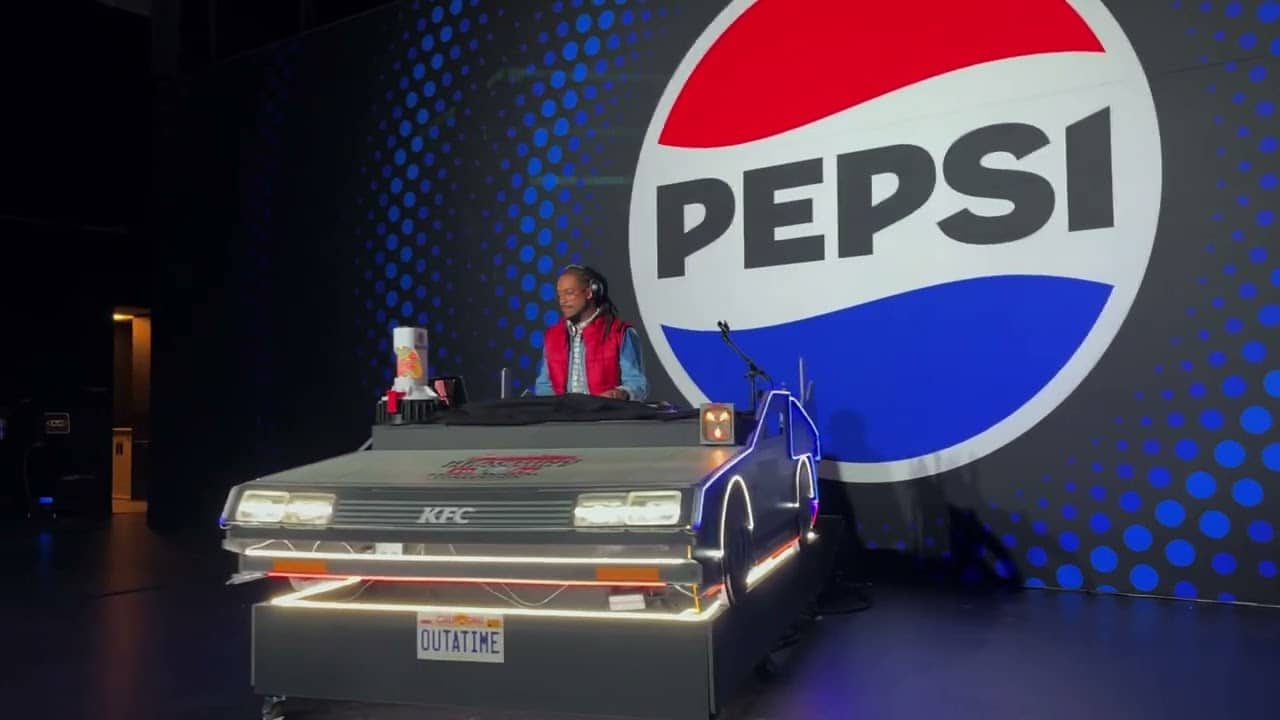
Brand activations break the standard corporate DJ set length playbook. A sales kickoff has a defined 6-hour run-of-show with everyone in their seats. A holiday party has an arrival, a dinner, a peak, and a close. A brand activation has none of that. The audience walks through, not sits down. The foot traffic comes in waves. The moments that matter most are the ones a brand manager already mapped weeks ago for content capture and sponsor integration. A DJ set that ignores those realities ends up energizing nobody. A DJ set that respects them turns the activation into a campaign asset that runs for the full window.
Industry guidance on corporate DJ scheduling is direct on the general range. Coverage of corporate DJ timelines notes that for product launches, brand activations, and networking events, 4 to 6 hours of DJ services are typically sufficient, with the DJ setting the tone during presentations, energizing transitions, and aligning with peak hours. That is the right starting answer. The harder question is how to structure those hours, where to put the energy peaks, and what to do across multi-day activations where stamina matters as much as length. This piece walks through how to calibrate corporate DJ set length specifically for brand activations.
Need a corporate DJ who programs the set length to your brand activation campaign, not to a generic clock? Contact DJ Will Gill.
Key Takeaways
- 3 to 5 hours is the sweet spot for most single-day brand activation DJ sets. Multi-day rotations can stretch to 2 to 5 hours per day.
- Set length should be calibrated to activation type. Pop-up retail is different from product launch is different from sponsored music programming.
- Block the set around foot traffic peaks, not around the clock. Two 90-minute peak blocks beat one 5-hour flat block.
- Build the set around brand moments and content capture windows. The DJ should know when to lift the energy for camera moments.
- Plan for talent stamina across multi-day activations. A DJ booked for the same 5-hour block five days in a row needs a written rotation plan, not just a contract.
1. Why Brand Activation DJ Sets Are Different From Other Corporate DJ Sets
A brand activation is a marketing campaign first, an event second. The DJ is part of the campaign, not the headliner. That changes the entire set length calculation. Industry coverage of brand activation DJ services makes the distinction directly: a brand activation DJ creates energy that aligns with campaign goals, engages audiences through immersive sound, enhances foot traffic and brand recall, and integrates seamlessly with marketing campaigns and pop-ups, turning every activation into a memorable branded moment.
Specific structural differences vs. a traditional corporate event:
- Foot traffic, not seated audience. The audience is changing constantly. The DJ is not playing to one room. They are playing to a rolling crowd.
- Brand integration is the metric. The DJ set is judged by whether it amplifies the brand moment, not just whether it filled the time.
- Content capture is a primary use case. Phones are out. The set has to land on camera, not just in person.
- Energy curves repeat. Each new wave of foot traffic needs its own arrival energy. The DJ is opening the room over and over.
- Outdoor and unconventional venues are common. Sound calibration, gear redundancy, and weather contingencies all factor in.
The set length question is downstream of those structural differences. The right answer depends on what kind of activation, what kind of foot traffic, and what kind of brand moments are scheduled inside the window.
2. Match Set Length to Activation Type (Pop-up vs Launch vs Festival)
A brand activation is not a single format. Set length should track the activation type. A working framework:
- Pop-up retail activation (single day, foot traffic-driven). 4 to 6 hours of programmed set time, broken into two or three energy peaks. The DJ opens with mid-energy lobby music, lifts to peak during the foot-traffic high, and closes with sustained energy through the wind-down.
- Product launch (single event, content-capture heavy). 3 to 4 hours, tightly programmed around the launch reveal. Industry coverage of launch event production notes that every launch booking starts with a planning call that picks up the run-of-show, audience demographic, brand-safe music limits, venue specifics, and reveal sequence the brand and agency teams have mapped, with the cue sheet, transition stings, and pre-staged backup library all rehearsed by morning of the event.
- Sponsored music programming at a festival or street fair. 60 to 90 minute set blocks, festival-style. Industry coverage of festival set strategy confirms the standard: standard DJ sets in a festival setting usually range from 60 to 90 minutes, with 60-minute slots typically planned as a relentless peak from start to finish and 90 to 120 minute sets allowing more ebb and flow with deep cuts.
- Trade show booth activation. Continuous 6 to 8 hours of softer-energy background music with two or three 20-minute peak moments tied to demo or giveaway windows. Foot traffic is constant but conversation has to be possible.
- Sampling activation (street-level, brand engagement-driven). 3 to 4 hours of high-energy programming. The point is to slow people down enough to take the sample, scan the QR code, and post the content.
- Multi-city brand tour or roadshow. 2 to 5 hours per stop, with the same operator carrying the brand sound across stops for continuity.
- Influencer or media event activation. 3 to 4 hours, programmed around content moments. The DJ is supporting the influencer’s content, not headlining.
A working rule: the more foot-traffic-driven the activation, the more important the energy peaks are vs. the total runtime. The more content-capture-driven the activation, the more important the cue alignment is vs. the runtime.
3. The 3-to-5 Hour Sweet Spot for Most Brand Activations
Most single-day brand activations land in the 3 to 5 hour range for the DJ set. This matches industry data on activation programming. Coverage of mobile DJ activations across festival and brand work notes that brand activation DJ sets typically run 2 to 5 hours daily depending on location and event scope, with multi-day rollouts using the same operator for continuity across stops.
Why 3 to 5 hours works as the sweet spot:
- Long enough to capture a full foot traffic wave. Most activation windows have a slow open, a peak hour, and a wind-down. 3 to 5 hours covers all three.
- Short enough to avoid talent fatigue. A single operator reading the room hour after hour starts to default to autopilot past hour 5.
- Aligned with content-capture windows. Most brand teams plan their hero shot and content capture cycles inside a 3 to 5 hour window. Longer sets create stale content.
- Production load-in and load-out friendly. A 4-hour set with 30 minutes either side fits a standard 5-hour production window cleanly.
When 3 to 5 hours is not enough:
- Full-day retail openings or store grand openings. Plan for 6 to 8 hours with shift breaks or a second operator on rotation.
- Festival sponsor stages. May run 8 to 10 hours of programmed music across multiple operators rotating in 90-minute slots.
- Multi-day trade show booths. 6 to 8 hours per day across 3 to 4 days. Rotation between operators is non-negotiable.
If the activation runs past 5 hours, the question is not “can the DJ do it?” The question is “should one operator do it?” The answer is almost always to plan rotation.
4. Block Your Set Around Foot Traffic Peaks, Not the Clock
The biggest set length mistake at brand activations is treating the DJ window as one flat block of time. A 5-hour activation does not need 5 hours of peak energy. It needs strategic peaks aligned with foot traffic and brand moments, with sustaining energy between them.
A working block structure for a 5-hour activation:
- Hour 1 (Soft Open). Mid-energy curated playlist. Sets the brand sound. Foot traffic is light, the booth is being styled, the camera crew is setting up. Volume calibrated for conversation.
- Hour 2 (Build). Energy lifts gradually. Foot traffic starts to thicken. Brand activations layer in. DJ starts reading the room and finding the first peak moment.
- Hour 3 (Peak 1). Highest energy of the first half. Content capture windows are open. Influencers are arriving. The DJ is driving the energy that fills the photos.
- Hour 4 (Sustain). Energy holds. New waves of foot traffic feel the activation is “alive.” The DJ uses this hour to read which segment of the audience is responding.
- Hour 5 (Peak 2 + Close). Second peak right before wind-down. Closes on a recognizable, brand-aligned track that doubles as a content moment for the last guests.
A documented operator-side case study from a major footwear brand activation illustrates the result. Industry coverage of corporate DJ programming notes that at a PUMA brand activation, music programming drove $75,000 in three-hour product sales because the energy curve was engineered, not improvised. That is the difference between blocking around foot traffic vs. blocking around the clock.
5. Build the Set Around Brand Moments and Content Captures
A brand activation has scheduled content moments. The big reveal. The influencer’s arrival. The sponsor product demo. The hero shot of the booth at peak energy. Each of these is a music moment for the DJ. Set length has to absorb them, not just talk over them.
Specific brand moments that need DJ cue alignment:
- Doors open. First 5 minutes of the activation. Energy at 60%, recognizable enough to anchor the room.
- Brand reveal or product unveil. Music drops to a low instrumental bed under the reveal moment. Then a celebration track lifts the moment after.
- Influencer or talent arrival. A walk-up track. Treat it like a stage entrance.
- Hero shot windows. The brand and content team will name a 15-minute window when the photographer is capturing the booth at full energy. The DJ programs that window’s peak deliberately.
- Sponsor activation moments. A QR scan giveaway, a sampling moment, a product try-on. Music should support attention, not compete with it.
- Demo moments. Volume drops; the sound bed plays low under the demo voice.
- Close. A final track that doubles as a “thank you for being here” moment that lands on the last waves of camera capture.
A 4-hour brand activation set is really 6 to 10 micro-arcs, each tied to a scheduled brand moment. The total runtime is a container for those arcs, not a single arc itself.
6. Continuous Background vs Programmed Energy Peaks
Brand activations split into two broad operating modes. The choice between them changes set length math.
Continuous background mode. The DJ is providing a curated soundscape across the entire activation window. Foot traffic comes and goes. The audience never sees a peak moment. The DJ is part of the brand environment, not a performer. Length math: full activation window, 6 to 8 hours typical, sustained mid-energy curation.
Best for:
- Trade show booths during open exhibit hours
- Retail pop-ups with continuous foot traffic but no peak moments
- Hospitality activations (sponsor lounges at festivals or conferences)
- Long-form sampling activations
Programmed energy peaks mode. The DJ is treating the activation like a series of scheduled performances. Each peak moment has a build, a peak, and a recovery. The audience experiences distinct energy moments. The DJ is closer to a performer than a sound designer. Length math: 3 to 5 hours typical, two to three peak moments programmed inside.
Best for:
- Product launches with reveal moments
- Influencer events and content capture
- Festival sponsor stages
- Roadshow stops on a brand tour
- Sampling activations with scheduled “give away” peaks
The brand activation that books a “programmed energy peaks” DJ for a “continuous background” use case gets a fatigued operator by hour 6. The activation that books a “continuous background” DJ for a “programmed peaks” use case gets a flat campaign moment. Match the mode to the activation before you negotiate the hours.
7. Plan for Talent Stamina (Multi-Day Activations)
A multi-day brand activation has a stamina problem most planners do not contract around. A DJ booked for 5 hours per day, 4 days in a row, is not delivering the same energy on Day 4 as on Day 1 unless the rotation is planned in advance.
Industry coverage of the brand tour DJ work documents this directly. Coverage of mobile DJ activation tours notes that multi-day brand tour bookings run 2 to 5 hours daily across multiple cities, with the caravan and operator following event tours across state lines for festival, sponsor activation, and roadshow work. The work is sustainable only with deliberate planning.
A stamina plan for multi-day activations:
- Cap single-operator daily set time at 5 to 6 hours. Past that, energy drops on Day 2 even if the operator can technically perform.
- Plan rotation for anything over 6 hours daily. Two operators alternating in 90-minute blocks are the standard for festival sponsor work.
- Contract for travel days, not just performance days. A multi-city brand tour with travel on event days has a different rate structure than a stationary activation.
- Build in soundcheck and break windows. 30 minutes either side of every set block. Festival programming guidance notes that always build in buffer time between sets for equipment changeover and troubleshooting, with at least 10 to 15 minutes allotted to stay on schedule. For multi-day brand work, double that.
- Plan gear redundancy across the run. A backup mixer, a backup laptop, and a backup mic every day. Multi-day activations break gear at higher rates than single-day events.
A multi-day brand activation should be contracted as a tour, not as a series of single events. The set length per day is one variable. The rotation, travel logistics, and stamina plan are equally important. Anything contracted on length alone produces a strong Day 1 and a flat Day 4.
8. Common Set Length Mistakes at Brand Activations
The recurring set length errors that turn a great brand activation DJ booking into a flat campaign moment:
- Booking by the clock instead of by the campaign. A 5-hour activation may need only 3 hours of programmed DJ set time. The rest is curated playlist or silence. Pay for the slot, not for the full window.
- One flat energy block for the whole window. Foot traffic comes in waves. The DJ set should too. Plan peaks, not flat lines.
- Not aligning the DJ with the content team. The hero shot window is a music moment. If the DJ does not know when it is, the energy will be in the wrong place on camera.
- Booking a single operator for a 12-hour day. Unrealistic on Day 1, broken by Day 3. Plan rotation or shorten the window.
- Forgetting the load-in and load-out time in the booking. Setup, soundcheck, breakdown. These are real hours and should be in the contract.
- Mismatching mode to activation. Hiring a peak-mode performer for a continuous background activation, or vice versa. Match the mode first.
- No brief about brand-safe music. Brand activations are public-facing. The DJ needs the “do not play” list a week out, not 30 minutes before set time.
- Skipping the planning call. A 30-minute call with the brand and agency teams in the week before the activation prevents most of the mistakes above. The call costs nothing. Skipping it costs the campaign.
A brand activation DJ set length is not a clock decision. It is a campaign decision. Match the hours to the activation type, block the set around foot traffic and brand moments, choose continuous background or programmed peaks mode based on the use case, plan stamina across multi-day work, and contract for the planning call as part of the engagement. Get those right, and a 4-hour set delivers more campaign value than a 7-hour set ever could.
What Corporate Clients Are Saying
About the Author
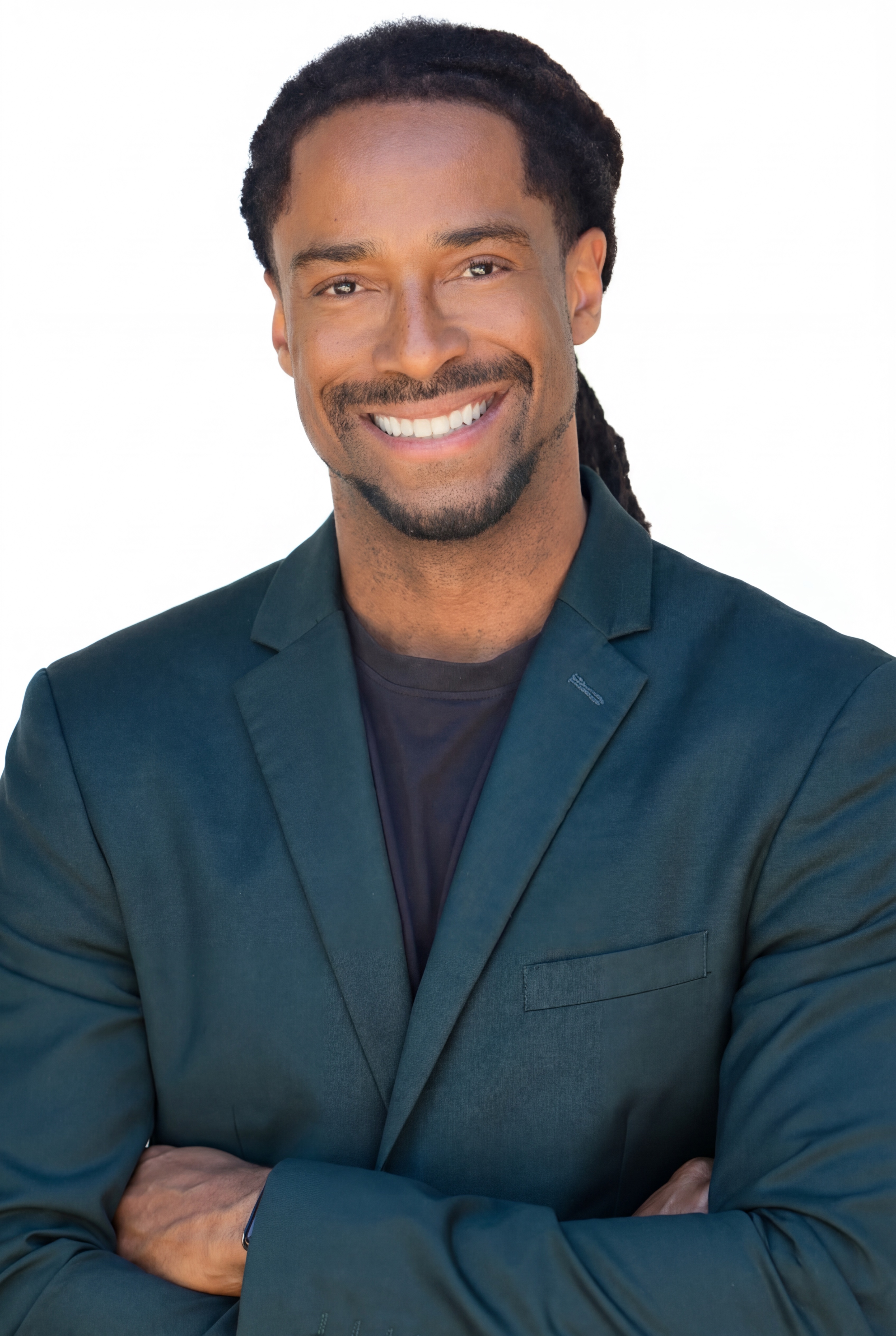
William “DJ Will Gill” Gilbert is a corporate event DJ, emcee, and audience engagement specialist named the Wall Street Journal’s #1 Corporate DJ and a Forbes Next 1000 honoree. He has performed at brand activations, product launches, sponsored music programming, and multi-city brand tours for Fortune 500 clients including Foot Locker, AT&T Business, PepsiCo, and Home Depot, with 2,520+ five-star Google reviews from corporate audiences across the United States. He also created TheAIDJ.com, , a patent-pending AI platform designed to assist with music curation.
Book Will for your next brand activation, product launch, or sponsored music programming at djwillgill.com/contact.