
Conference Music Playlist Trends You Need to Know in 2026
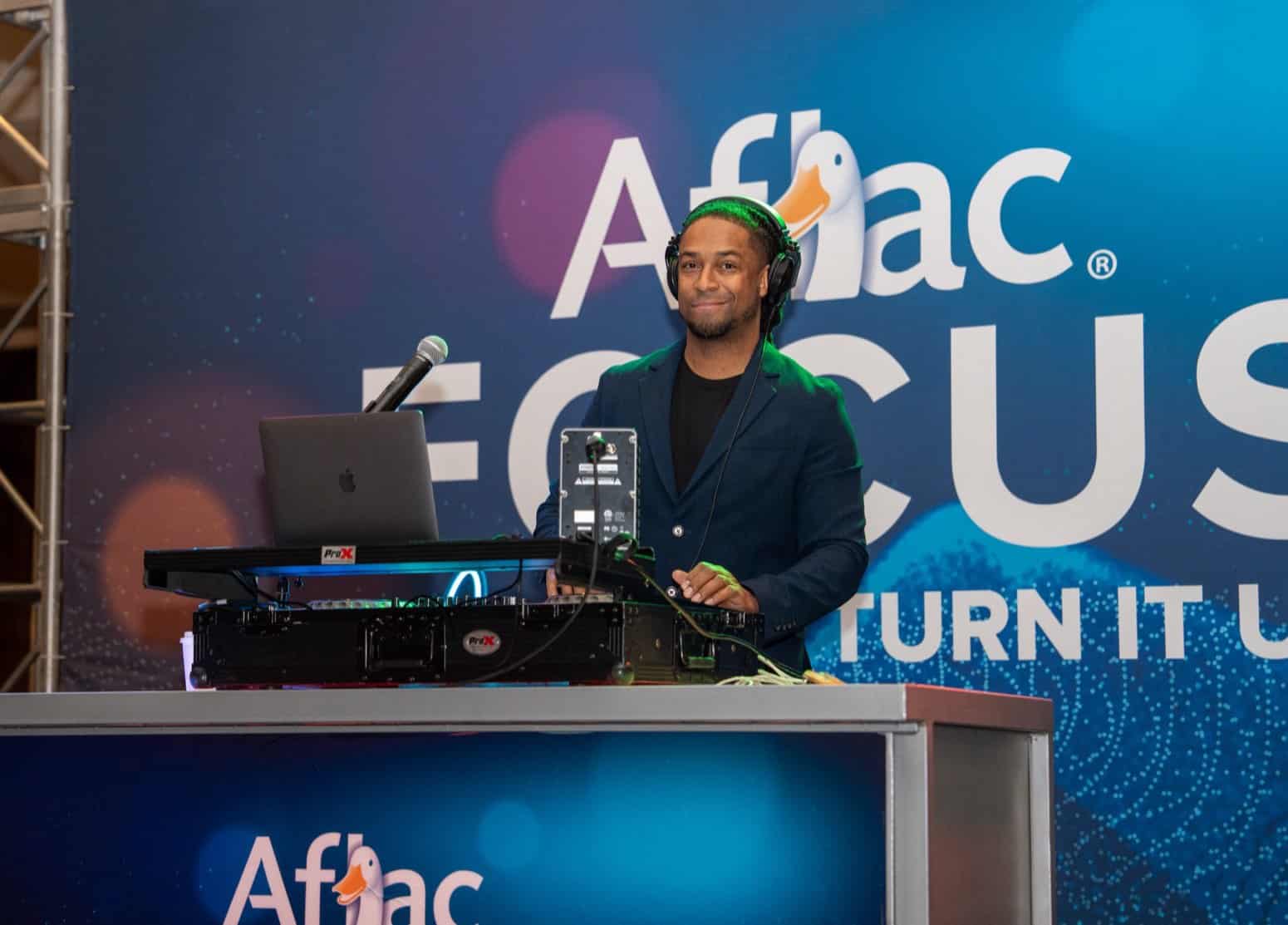
Conference music programming has evolved from “background music between sessions” into a structural design element of the event itself. Conferences in 2026 run two to five days, mix in-person and hybrid audiences, alternate between high-energy keynotes and concentration-heavy workshops, and rely on music to manage attendee energy across the full agenda. The choice of what plays and when directly affects how attendees feel about the conference by the closing session.
This article covers the current conference music programming framework: how music functions as event structure, which genres dominate corporate conference programming in 2026, the rise of themed playlists, the realistic role of AI in conference music selection, and the integration of music into the broader attendee experience. For the planner-side operational workflow, see the event music curation hacks guide; for the foundational theory of how to construct a playlist that supports an event objective, see the 5 steps to build a business music playlist guide. DJ Will Gill produces conference music programming for Fortune 500 organizations, including AT&T Business, CDW, and Virgin Galactic, with 2,520+ five-star reviews.
Set the conference tone with the right music.
Introducing TheAIDJ.com
Conferences live and die by energy between sessions. Describe the mood to AIDJ, preview the blend, and export a playlist that fits each moment. A simple way to keep the room engaged.
Key Takeaways
→ Music functions as an event structure for conferences, not a background ambiance. Different conference moments, keynote, networking, workshop, and after-party require structurally different music programming, and getting the matching right is one of the highest-leverage decisions a planner makes for attendee energy management.
→ Personalization is replacing generic playlist programming. 2026 corporate entertainment trend reporting confirms that companies are moving away from one-size-fits-all music and paying closer attention to who will actually be in the room. The same conference content needs different music for different audiences; the days of running the same playlist regardless of attendee demographics are over.
→ AI tooling has entered conference music planning, but in a supporting role. A study by Amex GBT cited by GoGather found that 50% of meeting planners are using AI to plan and execute events, with 42% using it for attendee matchmaking, 41% for content creation, 40% for theme development, and 39% for tracking attendee engagement. For music specifically, AI helps with starting points and theme suggestions the live decisions during the event still require human judgment.
→ Production investment in conferences is up sharply. 2026 corporate entertainment reporting noted Toronto venues such as the Rebel Entertainment Complex and the Globe and Mail Centre seeing a 40% increase in production budgets for corporate events compared with 2024. Audio, lighting, and music programming are receiving a larger share of the conference budget because organizers recognize that production quality directly correlates with attendee satisfaction.
→ Interactive elements outperform passive programming. Research cited in the 2026 conference programming playbook shows that 68% of participants report higher satisfaction with events featuring interactive workshops. Music programming that creates participation opportunities sing-alongs, attendee song requests via event apps, live DJ sets that read the room produces measurably better attendee outcomes than purely curated listening.
Music as Event Structure Matching Songs to Conference Moments
Modern conference music programming treats different agenda moments as structurally different design problems. The same conference produces five or six distinct music environments across a single day, and each has its own constraints.
Pre-event arrival and registration. First impressions form within the first 90 seconds of arrival. The music programming during registration sets the conference’s tonal frame: is this a buttoned-up financial industry event, a high-energy tech conference, a creative agency gathering? Mid-tempo (90-110 BPM), instrumental or low-vocal-distraction tracks at moderate volume create a welcoming-but-professional atmosphere. The goal isn’t to entertain; it’s to signal that the conference takes the experience seriously.
Keynote walk-on and warm-up. The 3-5 minutes before a keynote begins are where music has the highest leverage. Walk-on music for the speaker, combined with energy-building tracks during the warm-up, sets the audience’s expectations and emotional readiness for the content. The walk-on choice is a small but high-signal decision: a CEO walking on to “Eye of the Tiger” sends a different message than walking on to instrumental film score music. Both can be right depending on context. Consult with the speaker on their preference; if they don’t care, the planner makes the call based on the event tone.
Session transitions. The 5-10 minutes between sessions is when attendees check phones, refill coffee, and re-engage. Music during transitions accomplishes two things simultaneously: it covers the dead air (preventing the awkward silence that drops audience energy) and signals the upcoming session’s energy level. A high-energy transition song after a quiet workshop tells attendees “we’re shifting gears now” without anyone making an announcement.
Networking sessions and coffee breaks. Music during networking is the most-debated programming choice in conference design. The trade-off: silence makes conversations feel awkward and amplifies any single loud voice; music creates a sense of activity and energy but can interfere with conversation if mismatched. The right answer for most professional conferences is mid-tempo instrumental or low-vocal tracks at conversation-level volume (around 65-70 dB). Tempo should match the energy you want calm acoustic for reflective conversations after a heavy workshop, upbeat instrumental for energy-building before the next keynote.
Workshop and breakout sessions. Most workshops use no music during the active content; instructors and facilitators need clean audio. But strategic music use at the start (energy-building entry music as participants arrive) and during transition moments (when groups change tasks or move to new exercises) supports the workshop’s energy management. The trick is knowing when music helps and when it competes with the cognitive demands of the activity.
After-parties and evening events. The evening programming is where the conference’s social bonding happens. High-energy music, live DJ sets, or live music acts produce the kind of shared-experience moments attendees remember and talk about long after the conference. The contrast with the daytime programming is intentional, releasing the tension of the working day into the celebration of the social one.
Genres Dominating Conference Programming in 2026
Certain genres have become reliable defaults for specific conference contexts. The list below isn’t exhaustive; strong conference programming often mixes genres deliberately, but these represent the most-used categories for corporate conference music in 2026.
Lo-fi instrumental. The dominant default for transitions, networking, and breakout-room background. Lo-fi works because it provides texture and atmosphere without competing for cognitive attention. Lo-fi hip-hop, lo-fi jazz, and ambient electronic variants all serve similar functional roles. The genre has held its conference-defaults position for several years because nothing has emerged to displace it; attendees recognize it as professional, modern, and unobtrusive.
Mid-tempo electronic and house. The default for tech conferences and innovation-themed events. The futuristic sonic palette aligns with the content theme, and the steady mid-tempo BPM range (100-120) supports productive energy without being aggressive. Subgenres like deep house, melodic techno, and progressive electronic all work in this slot. After-parties for tech conferences typically push into harder electronic territory (130+ BPM, more dance-floor energy).
Acoustic and singer-songwriter. The default for wellness, sustainability, and human-development-themed conferences. The acoustic palette signals warmth, authenticity, and human-scale connection values that align with these conference topics. Indie folk, contemporary acoustic, and softer singer-songwriter material all work in this slot. The risk: acoustic music can pull energy down too far if used in moments that need momentum.
Cinematic instrumental. The default for high-stakes keynotes, awards moments, and emotional peaks. Cinematic instrumental film score music, epic instrumental tracks, and orchestral pieces create an emotional weight that pop music can’t deliver. Used sparingly. Overused, it becomes melodramatic; used at the right moment, it produces the kind of emotional response that converts the audience.
Pop and contemporary hits. The default for sales kickoffs, celebration moments, and high-energy after-parties. Current pop and contemporary hits give the audience the recognizability that supports immediate engagement. The risk is brand-safety: vetting current pop tracks for lyrical content, artist controversies, and cultural fit takes work. See the event music curation hacks guide for the brand-safety workflow.
Genre-by-theme matching. The most sophisticated conference music programming matches genre to event theme deliberately. A sustainability conference might lean acoustic and instrumental with nature-influenced sounds. A global business conference might integrate world music influences. A leadership conference might foreground anthemic, achievement-themed tracks. The 2026 trend toward personalization means audiences notice when music feels generic and reward planners who put the work into thematic matching.
Themed Playlists: Building Conference Identity Through Music
The strongest conference music programming creates a distinctive sonic identity for the event, a deliberate sound that distinguishes this conference from generic competitors. Themed playlists are the mechanism for building that identity.
The theme-as-anchor approach. Identify 2-3 sonic anchors that represent the conference’s brand and theme, then build all programming choices around them. A conference themed around innovation might use a specific kind of melodic electronic music as its anchor, appearing in walk-on music, transitions, and networking sessions. The repetition creates recognition: by Day 2, attendees subconsciously associate the conference with that sound. By Day 3, they’re noticing when the sonic identity holds and when it breaks.
Examples of theme-driven programming:
Tech and innovation conferences: futuristic electronic music, melodic techno, ambient sci-fi instrumentals. Keynote walk-ons lean toward driving electronic builds; transitions stay in atmospheric territory.
Leadership and executive conferences: anthemic pop, cinematic instrumental for peak moments, mid-tempo contemporary hits for transitions. The sonic identity reinforces the achievement/aspiration theme.
Wellness and sustainability conferences: acoustic instrumental, ambient natural sounds (water, wind, birds where appropriate), warm acoustic singer-songwriter material. The sonic identity supports the human-scale, grounded theme.
Global business and travel-themed conferences: deliberate inclusion of world music influences African percussion, Latin rhythms, Asian instrumentation programmed throughout the event. Strong execution requires actual cultural knowledge; weak execution feels tokenistic.
Industry-vertical conferences (medical, legal, financial): traditionally lean toward classical or jazz instrumental defaults, though the 2026 trend is toward more contemporary programming even in conservative verticals. A financial services conference using lo-fi and ambient electronic for transitions reads as modern, not unprofessional.
AI in Conference Music: What It Does and What It Can’t
AI tooling has entered the conference music planning workflow as of 2026, and it’s worth being precise about what AI does well and where human judgment remains essential.
What AI does well in conference music planning:
Initial theme exploration. Given an event theme and audience profile, AI tools can suggest genre directions and example tracks faster than manual research. This is useful as a starting point; a planner working on a fintech conference can prompt an AI tool to suggest “futuristic but professional” music directions and get a usable initial list within minutes.
Playlist scaffolding. AI tools can build initial playlist structures around event timelines, registration music, walk-on options, transition cues, and networking-session backgrounds. The output is a starting framework, not a final program, but it saves planning time.
Demographic analysis. According to Amex GBT research cited in 2026 corporate event reporting, 50% of meeting planners are already using AI for various event planning tasks, with attendee matchmaking, content creation, and engagement tracking being top use cases. For music specifically, AI can cross-reference attendee demographic patterns against music preferences and suggest accordingly.
What AI cannot do (yet) for live conference music:
Read the actual room. A live DJ at a conference is making decisions every 30-60 seconds based on observed audience response energy level, attention focus, and engagement signals. AI systems work from data, not from looking at the room. When the audience energy drops during a keynote and the music programming needs to lift it back up coming out of the break, a human DJ adjusts in real time; an AI playlist plays what’s queued.
Manage the speaker-music coordination. When a CEO is about to walk on stage, and the timing needs to shift by 90 seconds because they’re still talking with someone in the wings, a human DJ holds the walk-on music until the cue comes. AI systems run on predefined timelines.
Handle unexpected moments. Conferences produce unexpected high-energy moments, surprise announcements, emotional speeches, and technical hiccups that need music to cover the gap. A live DJ has 50,000 tracks ready and selects the right one in real time. AI systems don’t currently handle this kind of contextual on-the-fly programming reliably.
Produce the live-performer engagement effect. A live DJ or musician in the room creates a fundamentally different attendee experience than recorded music played through a PA. The visible human performance is part of what conferences are buying. 2026 industry reporting confirms AI isn’t replacing live musicians but it’s making them smarter, supporting decisions rather than replacing the performance.
The integrated workflow: the best conference music programming in 2026 uses AI for pre-event planning (theme exploration, scaffolding, demographic analysis) and human DJs for live execution. The AI does the homework; the human delivers the performance.
Music as Core Experience, Not Background
The most ambitious conference music programming makes music part of the event content itself, not an environmental layer around the content, but an experience attendees actively engage with.
Live performance integration. Some conferences integrate live music performances directly into the agenda, opening morning sessions with live acoustic sets, hosting jazz trios during networking, and programming live DJ sets for evening events. The live element shifts attendees from passive listeners to active audience members. 2026 production budget data shows venues like the Rebel Entertainment Complex and Globe and Mail Centre seeing a 40% increase in production budgets for corporate events compared with 2024, with live entertainment receiving a significant share of that increase.
Attendee participation moments. Some conference programs structured participation moments around music group sing-alongs, attendee song requests via event apps, and “favorite track” voting for the after-party. These create the participation-driven engagement that 2026 conference programming research connects to 68% higher participant satisfaction with interactive event elements.
Walk-on music as a content moment. Some conferences treat speaker walk-on music as a content moment itself, selecting tracks that reinforce the speaker’s brand, the talk’s theme, or the conference’s overall message. A well-chosen walk-on song becomes part of the talk’s memorability; attendees remember “the speaker who walked on to [song]” months after the conference. This is high-leverage programming when done well.
Themed sing-alongs and group moments. The most engaging conference programs are structured group music moments, often near the end of the conference, that produce a shared cultural memory. The mechanism is the same one covered in the unity song selections guide: shared musical experience produces measurable group cohesion effects, and a conference that produces those moments tends to be remembered more positively than one that doesn’t.
Why Conference Music Programming Matters More Than Ever
The current trends point in one consistent direction: conferences that treat music as a strategic design element outperform conferences that treat it as background. Personalization is replacing generic programming. Production budgets are increasing. AI is augmenting (not replacing) human programming. Interactive elements drive measurably higher satisfaction. Live performance is regaining ground.
For planners building conference agendas, the practical implication is that music selection deserves the same rigor as session content and speaker selection. The five categories of conference music moments (arrival, keynote, transitions, networking, evening) each have their own constraints. The genre choices reflect the conference’s brand and theme. AI tools accelerate the planning phase. Live human DJs handle the execution. The events that get all of these right produce attendee experiences worth the price of admission.
For the operational planning workflow, see the event music curation hacks guide. For the case for hiring a professional curator vs. building playlists in-house, see the professional music curation service guide. For the broader playlist-construction foundations, see the 5 steps to build a business music playlist guide.

About the Author
William “DJ Will Gill” Gilbert is a professional corporate conference DJ and emcee whose 600+ events have included multi-day conference programming for AT&T Business, CDW, Virgin Galactic, NeoGenomics, Foot Locker, Home Depot, BGCA, and other Fortune 500 organizations. The conference music programming framework described here, managing attendee energy across multi-day agendas through session-specific music programming, is the operational approach Will uses for conference work. Will is recognized as the Wall Street Journal’s #1 Corporate DJ, a Forbes Next 1000 honoree, and has 2,520+ five-star reviews. Broadcast credits include Super Bowl LIV and The Voice 2011. He is also a World Cup performer and a Formula 1 Las Vegas Grand Prix performer.
Frequently Asked Questions
How does music function at a conference?
As event structure, not background: keynote, networking, workshop and after-party moments each need different programming.
Which genres dominate conference programming in 2026?
The guide has a section on the genres leading corporate conference programming this year.
What are themed playlists for?
Building conference identity through music.
Can AI select conference music?
The guide covers what AI does and what it cannot do for conference music.
Who programs conference music for Fortune 500 events?
DJ Will Gill, with work for AT&T Business, CDW and Virgin Galactic and 2,520+ five-star reviews.