
Conference General Session Opener & Energizer
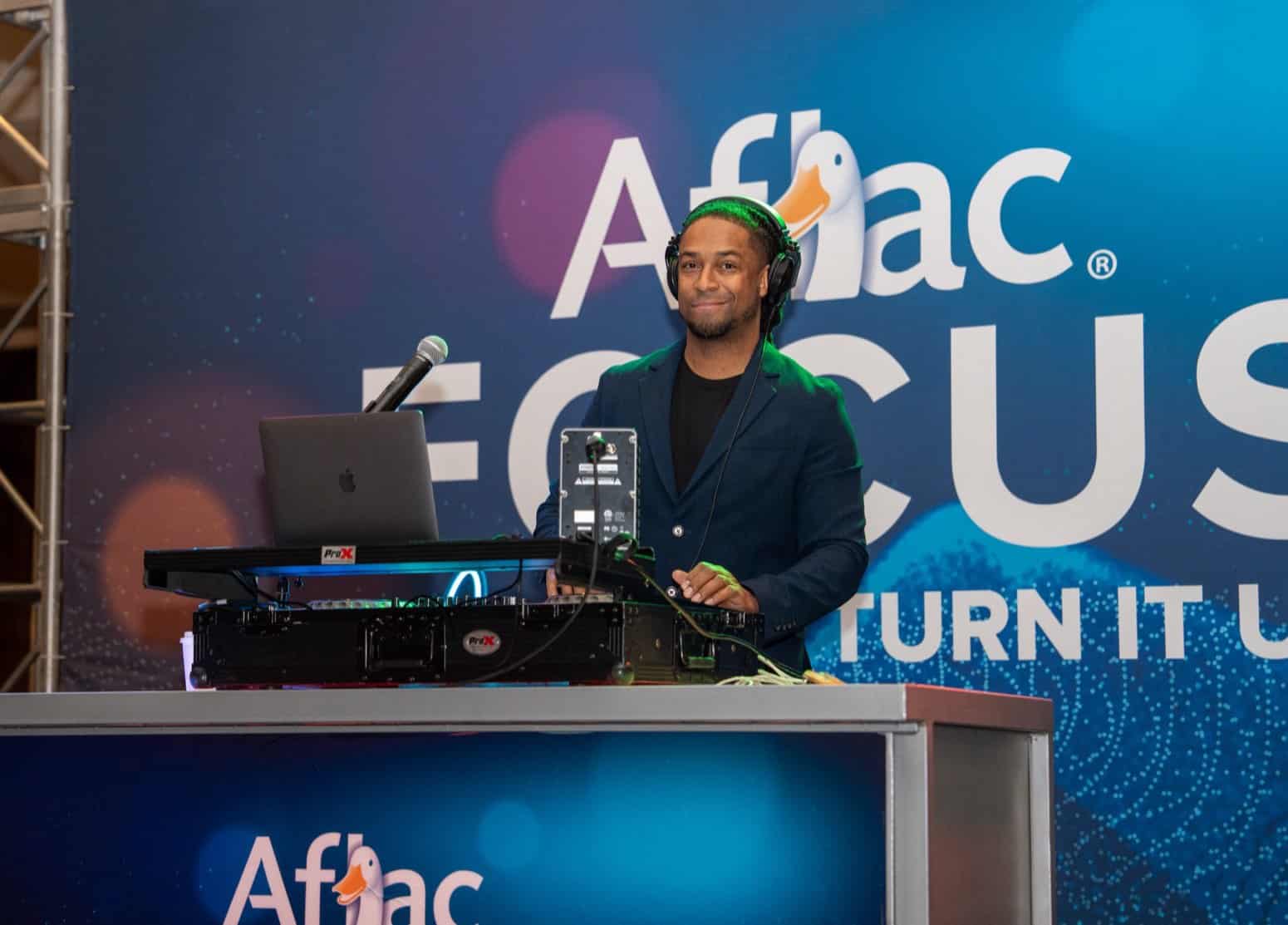
The conference general session opener is the moment that determines whether the next three days work. Attendees walked into the ballroom carrying everything they brought from the morning travel fatigue, time-zone disruption, half-finished coffee, work emails they were trying to clear before the session started, conversations they were in the middle of, and the default skepticism that any large conference produces before the content earns the audience’s trust. The opener has roughly 10-15 minutes to convert that scattered baseline into a focused, energized room that’s ready to receive the keynote. Done well, the opener resets the attention, elevates the energy, and sets the structural expectation that this conference will be different. Done poorly, the keynote launches into an audience that’s still arriving emotionally, and the gap is hard to recover from across the days that follow.
This guide walks through the conference general session opener as a production category why the opener matters more than most agendas reflect, the anatomy of a strong opener across the pre-show, walk-in, official open, energizer programming, and keynote handoff, the emcee-driven energizer approaches that work at corporate scale, music programming for openers, mid-conference energizer moments that re-engage attention across multi-day arcs, common pitfalls that compromise otherwise well-planned openers, format variations across in-person and hybrid contexts and small and large audiences, and the professional application criteria that separate opener-ready talent from adjacent-category alternatives.
Key Takeaways
→ The opener is the attention-reset moment. Industry analysis documented that tech conferences lose audience attention in the first 20 minutes when sessions begin flat, and that a short, high-impact opener functions as a mental reset that improves attentiveness and prepares attendees for keynote and product-reveal content. The reset is operational, not decorative it determines whether the keynote launches into an engaged room or a partially-arrived one.
→ Atmosphere is the strongest single predictor of satisfaction. 2024 corporate event research documented that 82% of attendees cite atmosphere as the most important factor in their overall event satisfaction. The opener sets the atmospheric baseline for the entire conference a strong opener establishes the energy attendees will reference for the rest of the multi-day arc.
→ Professional emcee work produces measurable engagement lift. Industry reporting from Northstar Meetings Group documented that 89% of planners credit emcees with improving attendee feedback, with interactive hosts driving roughly twice the social mentions during live events. For general session openers specifically, the emcee work is the visible difference between a programmed segment and an experience.
→ Energizer programming should be designed across the multi-day arc, not just at the start. Conference attention research documented that attendees follow predictable circadian patterns slow morning start, post-lunch dip, gradual afternoon attention decline and that strategically placed energizer moments reset the brain by increasing blood flow and reactivating attention systems. Strong programming places energizer moments where the attention research says they’re needed, not where they happen to fit into the agenda.
→ Engagement is now a primary KPI for conference success. The Cvent 2026 Planner Sourcing Report documented that 34% of planners cite attendee engagement as their top KPI, with another 34% citing event feedback and satisfaction. The opener directly affects both metrics engagement during the opener correlates with engagement across the conference, and satisfaction scores reflect the first impression more heavily than later sessions.
See DJ Will Gill performing conference general session opener and energizer work at corporate scale. To request a general session opener proposal, contact DJ Will Gill directly.
Why the General Session Opener Matters
The First-Impression Layer
The framing-the-conference layer. The general session opener is the first programmed moment of the conference and it establishes the production tier that attendees will use to evaluate everything that follows. A polished opener with professional emcee work, deliberate music programming, and confident production signals that the conference invested in quality across the program; a flat opener with an internal speaker reading from notes signals the opposite. Attendees adjust their engagement expectations during the opener based on what they’re seeing, and those adjusted expectations carry through to the breakout sessions, the meals, the evening receptions, and the closing keynote. Strong opener programming is essentially the conference making its production case to the audience, and the case lands or fails in the first 15 minutes.
The Attention-Reset Research
The cognitive-readiness layer. Conference industry analysis documented that audiences arrive at general sessions with divided attention laptops open, phones out, coffee in hand and that sessions launching flat lose audience attention in the first 20 minutes. The opener functions as a mental reset that converts the scattered baseline into focused attention. The reset isn’t about generating artificial enthusiasm; it’s about creating the conditions under which the keynote content can actually be received. A well-designed opener uses music, emcee work, audience direction, and occasional physical activation to redirect attendee attention from the dozen things they brought into the room toward the speaker who’s about to take the stage.
The Atmosphere Data
The satisfaction-mechanic layer. 2024 corporate event research documented that 82% of attendees cite atmosphere as the most important factor in their overall event satisfaction. For conferences specifically, the atmosphere is established during the opener and reinforced throughout the program. A conference where the opener felt produced and energizing produces higher satisfaction scores than a conference where the opener felt institutional and obligatory even when the keynote content quality is identical across both. The atmosphere effect is durable; the opener experience carries forward in attendee memory more powerfully than individual session content does, because the atmosphere is sustained across multiple touchpoints while sessions are discrete moments.
The Momentum-Into-Keynote Layer
The handoff-quality layer. The opener’s job ends with a clean handoff to the keynote speaker, and the quality of that handoff determines how well the keynote starts. A keynote walking onto a stage where the energy was just lifted to a peak through deliberate emcee work and music programming launches into engaged attention; a keynote walking onto a stage that was just held by an internal speaker reading housekeeping items launches into a room that’s still settling. 2026 conference planning analysis documented the strategic placement of energizing openers immediately before major keynotes as one of the highest-leverage programming decisions in conference design. The placement decision is structural; the execution decision is what makes the placement work.
The Anatomy of a Strong Opener
Walk-In Music and Atmosphere
The pre-show baseline layer. The opener begins before the formal program does when attendees enter the ballroom and find their seats. The walk-in music programming runs typically 20-30 minutes, sits at medium energy, and uses curated selections that signal “this conference takes production seriously” without forcing energy that the still-arriving audience doesn’t want. Strong walk-in DJ work blends contemporary tracks with the occasional recognizable nod (without leaning into nostalgia), respects the demographic mix of the expected audience, and gradually nudges energy upward as the start time approaches. The walk-in atmosphere is the conference’s first communication with the audience and audiences read it.
The Official Open
The formal-launch layer. The official open is the moment the emcee takes the microphone for the first time and converts the walk-in atmosphere into a formal program. The transition matters: an emcee who steps in with confidence, lands the first line with energy, and establishes immediate audience direction signals that this is a produced event with intentional leadership; an emcee who hedges, apologizes for the microphone, or starts with housekeeping items signals the opposite. Strong officials opens typically run 2-4 minutes long enough to establish the program’s gravity, short enough to preserve energy for the energizer and keynote that follow.
The Energizer Segment
The activation layer. The energizer is the heart of the opener the deliberate moment when the room is converted from arrived to engaged. The energizer can take many forms (audience participation activity, music-driven movement, interactive game, recognition moment) but its function is consistent: shift the audience from passive recipient mode into active participant mode, and elevate the room’s energy to match the keynote arrival that follows. Strong energizers run 5-10 minutes, accomplish their activation goal without becoming a separate performance, and integrate cleanly with the music and emcee work rather than feeling tacked onto an otherwise unrelated program.
Keynote Handoff
The transition-architecture layer. The handoff to the keynote is the opener’s final and most important moment. The emcee frames the keynote speaker with appropriate gravity, music programming lands a transition that elevates the moment, the audience knows where to direct attention as the speaker takes the stage. Strong handoffs feel like the keynote is arriving as the natural culmination of the opener that just happened the energy was built deliberately, and now it gets channeled into the marquee content. Weak handoffs feel like the energizer ended and now an unrelated speaker is starting. The structural difference between strong and weak handoffs is largely production discipline; the experiential difference is enormous.
Emcee-Driven Energizer Approaches
Verbal Energy Work
The voice-driven layer. The most fundamental emcee energizer technique is voice modulation using pace, pitch, volume, and pause deliberately to shift the room’s attention and energy. A skilled emcee can lift a room substantially through voice work alone, without ever asking the audience to do anything physical. The technique is craft, not personality: it includes timing the build of an introductory sentence so the room leans in, landing a punctuating pause before a key reveal, modulating volume to draw the audience forward, and accelerating pace at moments designed to feel kinetic. Internal speakers without performance training rarely use these tools intentionally; professional emcees use them continuously.
Audience Participation Techniques
The activation layer. Audience participation techniques include show-of-hands polls, table-level discussion prompts, call-and-response moments, and brief partner exercises that take 60-90 seconds. The participation produces engagement because audiences who do something during the opener register it differently than audiences who only watch. Strong participation work is calibrated carefully: it has to be brief enough not to drain energy, structured enough that the room knows what to do, and respectful enough of corporate audiences that it doesn’t tip into the participatory crowd work that feels misplaced at a professional event. The calibration is the skill the participation itself is straightforward.
Movement and Physical Activation
The physiological layer. Conference attention research documented that a brief burst of movement increases blood flow and reactivates the brain’s attention systems. Movement-based energizer work standing up briefly, simple choreography, partner gestures, group sound exercises taps into the physiological reset that the research describes. Strong movement work is brief (30-90 seconds total), straightforward (anyone can do it without prior instruction), and integrated with music programming so the movement has a clear beat to follow. The physical activation produces measurable energy lift in the room and tends to be the most memorable element of the opener attendees recall the moment they stood up and did something more vividly than they recall the executive remarks that came afterward.
Music Synchronization
The audio-driven layer. The most powerful energizer technique combines emcee work with synchronized music programming the emcee builds verbal energy while the music underneath supports the build, a music drop lands on a planned emcee beat, an audience activation timed to a music cue produces a moment that’s larger than either element alone. Music synchronization requires the emcee and DJ to be tightly coordinated, which is one reason three-in-one service models (DJ plus emcee plus engagement programming delivered by one talent) produce stronger opener experiences than split-vendor configurations. The synchronization isn’t elaborate; it’s the precision of small moments combining cleanly.
Recognition and Celebration Moments
The audience-honoring layer. Some openers integrate brief recognition moments applause for first-time attendees, acknowledgment of regional contingents, recognition of milestone tenure attendees in the room. The recognition serves dual functions: it produces an energy lift through applause moments, and it makes specific attendees feel seen, which extends their engagement through the rest of the conference. Strong recognition work in openers is brief and structured it doesn’t become a separate awards segment, but it adds an inclusive dimension to the opener that makes the audience feel that the conference is for them, not at them.
Music Programming for the Opener
The Arrival Mix
The walk-in soundtrack layer. The arrival mix runs during the 20-30 minutes when attendees are entering the ballroom and finding seats. The mix sits at moderate energy, leans toward contemporary selections, blends genres broadly enough to engage a mixed corporate audience without alienating any cohort, and uses tempo as a control variable starting slightly lower to support conversation as the room fills, then nudging upward as the session start approaches. Strong arrival mix programming reads the room’s actual fill rate (the program may start late, the audience may settle faster than expected) and adjusts in real time rather than running a pre-set playlist.
The Pre-Show Build Sequence
The anticipation-creation layer. The five minutes immediately before the official start of the program is when the music programming does its most deliberate work building anticipation through gradually rising energy, signaling to the audience that the start is approaching, creating the sense that something is about to happen. The build sequence typically includes recognizable tracks layered with subtle production elements (rising synth lines, building percussion) that signal a peak is coming. The build resolves into a final track that lands precisely as the lights shift or the emcee steps onto the stage, producing the moment when the room knows the program has begun.
The Reveal Cue
The transition-moment layer. The music cue at the start of the formal program is one of the highest-stakes moments in opener production. A clean drop into a high-energy walk-on track that coordinates with stage lights, video walls, and the emcee’s entrance produces the cinematic moment that the audience recognizes as production-grade. A clunky transition where music continues during the emcee introduction, or a stop-start where the room sits in awkward silence as the emcee waits for the next cue, undermines the production tier the program is trying to establish. The reveal cue precision is largely a function of pre-event rehearsal and clear coordination between the DJ, the AV team, and the emcee.
Energy Sustainment Through the Segment
The momentum-maintenance layer. Once the opener begins, the music programming sustains the energy through bumper tracks between emcee segments, underscore beneath the energizer activities, and audio support for any audience participation moments. The sustainment is largely subliminal the music does the work of holding the room together without drawing attention to itself. Strong sustainment programming uses music selection that supports the emcee work rather than competing with it, manages volume levels so the emcee remains comprehensible without forcing the audience to strain, and resolves cleanly into the next segment without continuing into a transition where it would no longer fit.
Keynote Entrance Cue
The arrival-stamp layer. The keynote speaker entrance often includes a specific musical moment a walk-on track, a personalized music cue, or a dramatic music drop synchronized with the stage lighting transition. The keynote entrance cue is the speaker’s first impression with the audience, and the music programming directly affects how that impression lands. Strong keynote entrances use music that matches the speaker’s persona (energetic for a high-energy speaker, more measured for a contemplative speaker) without overwhelming the moment, and resolve cleanly so the speaker can begin their content in the silence that the room is now actively listening for.
Mid-Conference Energizer Moments
Day 2 and Day 3 Openers
The multi-day arc layer. Multi-day conferences include general session openers for each program day, and the Day 2 and Day 3 openers serve different functions than Day 1 the audience knows the room, knows the production tier, and arrives with accumulated fatigue from the prior day. The Day 2/3 opener has to re-establish energy at a new baseline rather than building from a cold start, which often calls for more direct activation than the Day 1 opener (where the audience was warming up from arrival). Strong programming distinguishes Day 1 from later days deliberately rather than running an identical opener structure across the multi-day arc.
Post-Lunch Attention Reset
The afternoon-recovery layer. Conference attention research documented that attendees experience a predictable attention dip after lunch, with long stretches of sitting reducing blood flow and making it harder for the brain to stay alert. The post-lunch session is one of the highest-risk moments in a conference program, and strong design includes a deliberate energizer at this point a brief musical activation, a quick movement exercise, an interactive moment that gets the room engaged before the afternoon content begins. The post-lunch energizer is often shorter than the morning opener (3-5 minutes is typical) but produces disproportionate impact because the attention dip it’s correcting is so significant.
Late-Afternoon Resurges
The end-of-day attention layer. The last two hours of a conference day are when attention has accumulated the most fatigue multiple sessions of intake, social demands from networking, the physical fatigue of all-day attendance. The late-afternoon resurge energizer reactivates attention before the day’s closing content lands. Strong programming uses these moments to highlight key recognitions, preview the next day’s content, or simply provide the room with the energy reset that lets attendees finish the day at full attention rather than checking out mentally in the last hour.
Awards Segment Openers
The recognition-framing layer. Conference programs often include awards segments that benefit from dedicated opener work building energy for the recognition moments, framing the awards program within the larger conference arc, and creating the audience readiness that the awards format requires. Strong awards segment openers run 3-5 minutes, build energy through music and emcee work, and hand off to the formal awards presentation cleanly. The opener prevents the awards segment from feeling like a separate event interrupted by the rest of the conference, instead integrating it into the conference’s emotional arc.
Common Pitfalls
Under-Powered Opener Work
The avoidable-mistake layer. The most common opener mistake is treating the opener as a budget line to compress rather than a craft to invest in. Conferences that spend substantial budget on keynote talent, venue, and food service but then ask the head of marketing to handle the opener with a microphone produce conferences where the most expensive elements arrive into rooms that aren’t ready for them. The fix is recognizing that the opener belongs in the entertainment and production budget category alongside the music and emcee work, and that professional opener talent delivers ROI through the engagement and satisfaction metrics that justify the conference’s existence.
Wrong-Genre Energizer
The format-mismatch layer. Energizers from adjacent entertainment categories often fail at corporate conferences because the format requires different defaults. A wedding emcee’s high-participation crowd work feels misplaced at a corporate technology conference. A club DJ’s dance floor pacing doesn’t fit the morning general session arc. A comedian’s extended bit can land jokes but compress the energizer time the opener requires. Strong energizer programming prioritizes talent with documented corporate conference experience specifically, not talent with strong adjacent-category credentials that translate variably.
Energizer Disconnected from Keynote
The integration-failure layer. An energizer that produces strong audience engagement but doesn’t connect thematically or emotionally to the keynote that follows wastes the energy it created. The keynote launches into the room that was just engaged for unrelated reasons, and the audience has to reset back to the keynote’s territory. Strong programming aligns the energizer with the keynote thematically referencing the upcoming content, building the audience question that the keynote will answer, or producing energy that the keynote can directly channel. The integration is what makes the opener feel like part of the program rather than a separate entertainment segment.
Internal Speakers as Opener
The wrong-person-in-the-role layer. Some conferences task an internal speaker the head of marketing, the CEO, a senior product leader with opening the general session. The internal speaker can deliver welcome remarks effectively but rarely handles the energizer work that the opener actually requires, because the energizer is craft rather than knowledge. Strong programming uses internal speakers for the welcome and context-setting role (which they can do credibly) while bringing in professional emcee talent for the energizer work (which they cannot). The combination produces both authentic company voice and professional execution.
Tech Failures in the Opener
The production-recovery layer. Tech failures at the opener are particularly damaging because they’re the audience’s first impression of the conference’s production tier. A microphone that drops out, a video that doesn’t play on cue, audio levels that are wrong from the first track each of these signals to the audience that production isn’t fully managed, and the impression carries through the rest of the program. Strong programming invests in pre-event rehearsal time, runs technical walkthroughs the day before, and pairs experienced emcees who can recover gracefully when failures occur. The recovery skill matters specifically because failures happen often enough at scale that they have to be planned for.
Format Variations
In-Person General Sessions
The standard-format layer. The in-person general session opener operates at full physical scale the emcee can move, the audience can be activated physically, the music can fill the room at full volume, the production can use full stage and lighting capabilities. The in-person format produces the strongest energy potential because all the production elements work together at full effect. Strong in-person opener design uses every element available stage presence, room-filling audio, audience participation, physical movement rather than running an opener that could have happened in a smaller format without losing anything.
Hybrid and Streamed General Sessions
The remote-audience layer. When the general session streams to remote attendees, the opener has to work for both audiences simultaneously producing in-room energy while also translating across the stream to viewers who can’t experience the physical activation. Strong hybrid opener design includes camera-aware emcee work (where the emcee addresses the remote audience explicitly), audio production calibrated for the stream as well as the room, and energizer activities that work for remote participation (chat-driven polling, virtual raise-hands, social media activation) alongside the in-room physical activation. The hybrid format adds technical complexity but expands the opener’s reach materially.
Small Audience Formats
The intimate-event layer. Conferences with smaller audiences (under 200 attendees) require different opener design than large plenaries. The intimacy lets the emcee work more conversationally, the participation can be more individualized, the energy can be sustained without large-room production elements. Strong small-format opener design leverages the intimacy as an advantage using audience members’ names where appropriate, allowing slightly longer participation moments, and producing a tone that scales down from corporate plenary into more direct connection without losing professionalism.
Large Audience Plenaries
The scale-production layer. Conferences with thousands of attendees require opener design that scales with the room size audio that fills the venue without distorting, emcee work that addresses both the front and back of the room, production elements (lighting, video walls, music intensity) that match the scale. Strong large-audience opener design uses scale as a production tool rather than as an obstacle the room’s physical size amplifies the impact of choreographed moments, music drops, and unified audience activation. The talent has to have experience working at the relevant scale; what reads as energetic at 200 attendees may register as restrained at 2,000.
Professional Application
Three-in-One Service Fit
The integrated-vendor layer. Conference general session openers are particularly well-suited to integrated three-in-one service models DJ work, emcee work, and audience engagement programming delivered through a single talent. The integration matters specifically at openers because the music-emcee coordination is what produces the precision moments that distinguish strong openers from adequate ones. A DJ and emcee from separate vendors who haven’t worked together produce coordination friction that the audience notices subliminally; an integrated talent who owns both functions produces the tight execution that makes the opener feel produced rather than assembled. DJ Will Gill operates a three-in-one corporate DJ, emcee, and audience engagement service model documented across Fortune 500 corporate event clients including AT&T Business, CDW, Virgin Galactic, NeoGenomics, Foot Locker, Home Depot, Hilton, BGCA, PepsiCo, PayPal, and the United Nations.
Corporate Format Experience
The category-fit layer. Opener talent comes from multiple adjacent categories wedding emcees, conference moderators, comedians, television personalities, club DJs. Each category includes excellent individuals but produces different default behaviors when applied to corporate general session work. Wedding emcees often lean into participatory crowd work that misreads the corporate room. Conference moderators bring content knowledge but may lack the energizer craft. Comedians can produce big audience moments but may not pace the opener for keynote handoff. Strong opener selection prioritizes corporate format experience specifically talent who has performed general session opener work at corporate conferences before, understands the production discipline the format requires, and brings the multi-skill stack (music programming, emcee work, audience activation) that the format integrates.
Credentialed Track Record
The professional-recognition layer. The Wall Street Journal’s #1 Corporate DJ and Emcee designation and Forbes Next 1000 honoree recognition document the corporate-format experience that distinguishes opener-ready talent from adjacent-category alternatives. 2,520+ five-star Google reviews accumulated over 600+ documented corporate events provide the verifiable client outcomes that strong vetting processes look for during conference opener selection.
Booking Lead Time
The calendar-coordination layer. Major corporate conferences typically book opener talent six to nine months in advance, with year-end and Q1 calendars filling earlier due to the concentration of conferences in those windows. The opener selection often shapes other production decisions the music programming approach, the run-of-show pacing, the audio configuration so booking the talent during the conference design phase produces better integration than booking after venue and keynote talent are locked. Strong planning treats opener talent selection as an early-phase decision rather than a late-stage entertainment line item.

About the Author
William “DJ Will Gill” Gilbert is a corporate DJ & Emcee who is serving the United States and beyond for more than 18 years with a documented client work for AT&T Business, CDW, Virgin Galactic, NeoGenomics, Foot Locker, Home Depot, Hilton, BGCA, PepsiCo, PayPal, and the United Nations. Also a Forbes Next 1000 honoree with broadcast credits including Super Bowl LIV (2020), The Voice (2011), and MTV’s The Real World: Hollywood (2008). He is also a World Cup performer and a Formula 1 Las Vegas Grand Prix performer. 2,520+ five-star Google reviews across 600+ documented corporate events.
2,520+ Google Reviews · IMDB · Mixcloud · Instagram · Contact
Frequently Asked Questions
Why does the general session opener matter?
It has roughly 10 to 15 minutes to convert a scattered, travel-fatigued room into a focused one ready for the keynote.
What is the anatomy of a strong opener?
Walk-in music and atmosphere, the official open, the energizer segment and the keynote handoff.
How fast is attention lost?
Industry analysis cited in the guide found tech conferences lose attention in the first 20 minutes when sessions begin flat.
What emcee techniques work?
Verbal energy work and audience participation techniques.
Are there mid-conference energizers?
Yes, the guide covers moments that re-engage attention across multi-day arcs.