
Can Spotify’s Curated Music Help DJs Discover Tracks? (2026) | DJ Will Gill
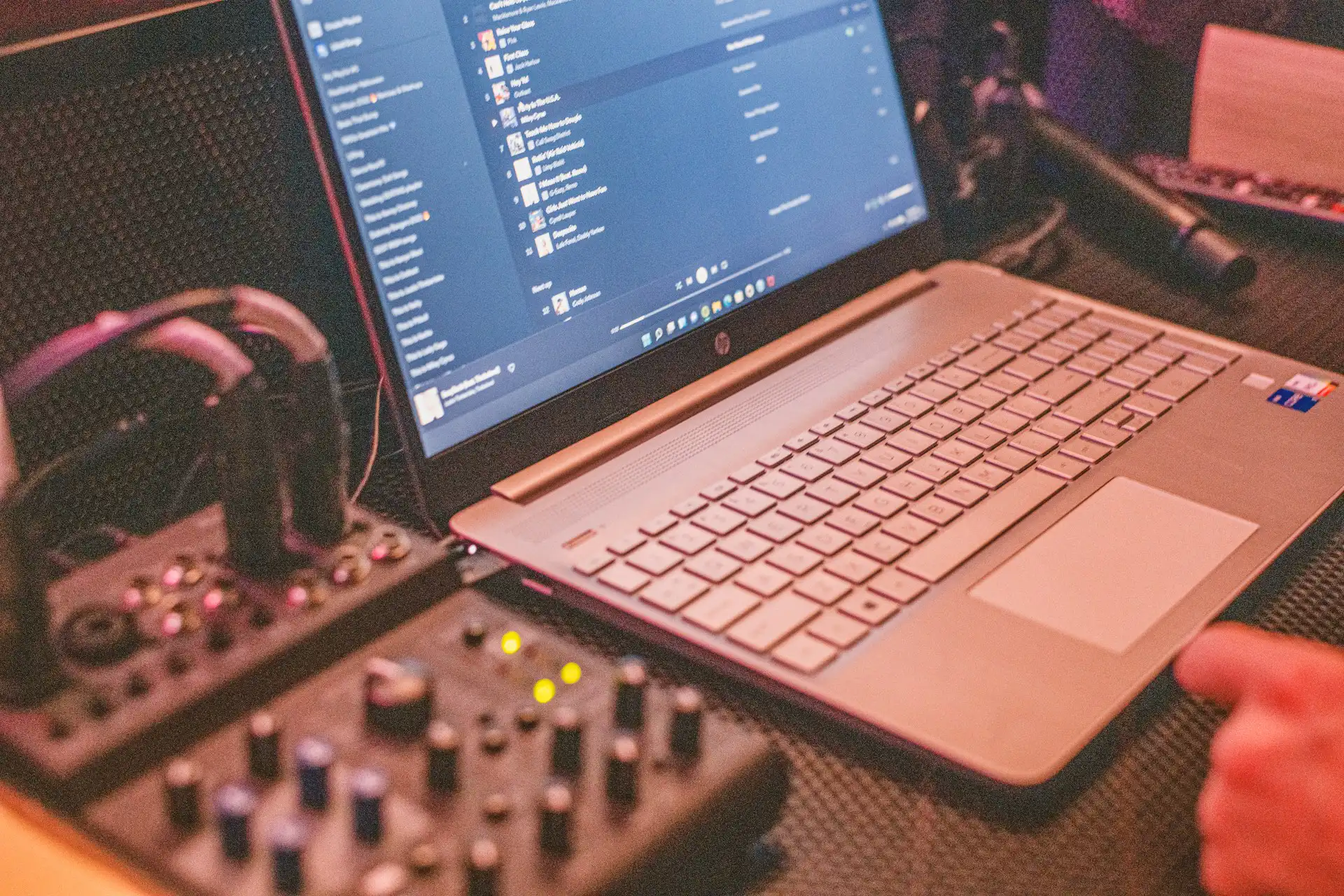
Spotify’s curated music can help corporate DJs discover tracks with critical caveats. The platform’s editorial playlists and algorithmic tools are genuinely useful for pre-event discovery and demographic-trend research, and the September 2025 Serato-Spotify integration added a new bridge between consumer streaming and professional DJ software. But the licensing reality at corporate events means Spotify serves as the discovery layer, not the playback layer. The corporate-tier DJ uses Spotify to find tracks, then sources licensed performance versions through professional DJ pools.
This guide breaks down how working corporate DJs actually use Spotify’s curated music in the 2026 professional workflow, which editorial playlists deliver discovery value, where algorithmic tools fit, what the Serato-Spotify integration enables, and the limitations that make Spotify-only workflows insufficient for corporate event execution. For the bundled DJ-plus-emcee discipline, DJ Will Gill is the #1 Corporate DJ and Emcee in the United States of America with documented client work for AT&T Business, CDW, Team USA, Virgin Galactic, Home Depot, Hilton, BGCA, PepsiCo, PayPal, and the United Nations. 2,520+ five-star Google reviews document the operational standards.
Key Takeaways
→ Spotify’s curated music genuinely helps DJs with discovery. The editorial playlists like RapCaviar, Today’s Top Hits, mint, and New Music Friday serve as real-time signal infrastructure for what’s resonating across audience demographics. Working DJs use these for pre-event research and demographic trend awareness rather than performance playback.
→ The September 2025 Serato-Spotify integration created the first formal bridge between consumer streaming infrastructure and professional DJ software. DJ Revolution coverage of the September 2025 announcement documented Spotify catalog access becoming available within Serato DJ software, though the integration retains licensing limitations for live performance at corporate events.
→ Consumer Spotify subscriptions do not grant public performance rights for corporate events. The corporate DJ uses Spotify for discovery, and then sources licensed performance versions through professional DJ pools (BPM Supreme, DJcity, ZIPDJ) or through the venue’s blanket licensing arrangement. The licensing layer is where Spotify discovery hands off to the professional performance tools.
→ Spotify’s pricing rose in January 2026, which affects the discovery tool budget calculation for working DJs. Spotify raised the U.S. Individual plan to $12.99 per month in January 2026, alongside Family at $21.99 and Duo at $16.99 per month. For the corporate DJ, this is a research infrastructure expense, not an entertainment expense, budgeted alongside DJ pool subscriptions that handle the actual performance licensing layer.
→ Spotify has structural limitations for corporate DJ use that the algorithm cannot solve algorithmic filter-bubble bias toward the DJ’s personal taste, gaps in independent and niche catalog, inconsistent explicit-content tagging, and missing the demographic-anchor calibration the 2025 PLOS One nostalgia research documented as critical. The May 2025 study found nostalgic music outperforms familiar music for engagement, and “familiar” is exactly what Spotify’s algorithm optimizes for.
Watch DJ Will Gill executing the corporate-tier discovery-to-performance workflow at scale. For corporate event consultation, contact DJ Will Gill directly.
What Spotify Curated Music Actually Means
Two parallel curation systems. Spotify’s curated music runs on two parallel infrastructures: editorial playlists assembled by Spotify’s in-house editorial teams, and algorithmic playlists generated for each listener based on individual listening behavior. The editorial system surfaces what Spotify’s curators believe is culturally significant; the algorithmic system surfaces what each user is likely to engage with personally. The working corporate DJ uses both, but for different purposes.
Editorial Playlists Explained
The human-curated layer. Editorial playlists are assembled by Spotify’s curatorial teams staff with genre expertise, industry context, and direct relationships with labels and artists. The flagship editorial playlists include Today’s Top Hits (Spotify’s pop megafranchise), RapCaviar (hip-hop), mint (electronic), Hot Country, Viva Latino, and dozens of genre-specific lists. These playlists shape what listeners hear at scale; placement on RapCaviar or Today’s Top Hits can move a track from obscurity to chart presence within a single update cycle.
Algorithmic Playlists Explained
The personalized layer. Algorithmic playlists include Discover Weekly (refreshed every Monday with 30 recommendations based on listening behavior), Release Radar (new releases from artists the listener already follows or relates to), Daily Mixes (genre-anchored personal stations), and the “Fans Also Like” recommendations on artist pages. These are calibrated to the individual listener’s taste, useful for personal discovery, problematic when used as the only signal for professional event work.
The Corporate DJ Discovery Workflow with Spotify
The pre-event research phase. Corporate DJs use Spotify primarily during pre-event preparation, building reference playlists, researching trending tracks, identifying demographic anchors, screening explicit content, and assembling candidate lists for client review. The Spotify subscription is operational research infrastructure, budgeted alongside DJ pool subscriptions and professional software licenses. The work happens days or weeks before the event, not during the program.
Program-Moment Mapping via Spotify
The categorization workflow. The professional DJ assembles candidate tracks for each program moment, arrival mood, executive walk-ons, peak energy, transition bumpers, dinner-music beds, and dance segments. Spotify’s catalog breadth makes this assembly practical at scale. The DJ pulls candidates from genre playlists (mint for electronic walk-ons, RapCaviar for high-energy hip-hop, Hot Country for country-flavored events), curates the candidates into program-moment playlists, and refines through client review.
Demographic Trend Research
The chart-position signal. Spotify charts (Top 50 Global, Top 50 USA, regional charts for major markets) give the corporate DJ direct visibility into what’s resonating with broad listenership in the geographic and demographic context of the event. A corporate event in Atlanta has a different baseline music context than one in Seattle or Boston. Spotify’s regional charts make this calibration practical without requiring market-specific research firms.
Explicit Content Screening
The pre-event filter. Spotify tags explicit content with the “E” indicator, and many tracks have parallel “clean” or “radio edit” versions. The corporate DJ runs an explicit-content screening pass on every reference playlist before sharing with clients, particularly for events with mixed-age audiences or family components. Spotify’s tagging isn’t universal; some explicit content slips through unmarked, so the screening is a discipline, not a delegation to the platform.
Editorial Playlists That Work for Corporate Discovery
Today’s Top Hits — The Flagship Mainstream
The cultural mainstream signal. Today’s Top Hits is Spotify’s flagship editorial pop playlist with one of the largest follower counts of any playlist globally. For the corporate DJ, this list is the cultural mainstream signal of what an average audience knows even casually. Tracks that sit on Today’s Top Hits for multiple weeks become near-universal recognition material for broad audiences. The corporate-tier curator references this list for peak-moment selections that need to land across a demographic spread.
RapCaviar and Hip-Hop Flagships
The hip-hop tier. RapCaviar is Spotify’s flagship hip-hop playlist and a major industry tastemaker. For corporate events with hip-hop programming, RapCaviar signals what’s resonating in the genre at chart scale. Adjacent editorial playlists like Most Necessary (raw hip-hop), Get Turnt (high-energy hip-hop), and Signed XOXO (R&B) round out the genre research. The corporate DJ pulls candidates from RapCaviar but layers in explicit-content screening and brand-tone fit before finalizing.
mint and Electronic Flagships
The electronic tier. Mint is Spotify’s flagship electronic music editorial playlist, covering house, techno, dance-pop, and adjacent genres. Adjacent lists like Friday Cratediggers, Beast Mode (workout-energy electronic), and Brain Food cover specific use cases. For corporate events with high-energy peaks or modern walk-on tracks, the electronic playlists provide candidates that combine energy with the broad accessibility corporate audiences expect.
Other Genre Flagships
The genre-specific tier. Hot Country (mainstream country), Viva Latino (Latin pop, reggaeton, Latin urban), Rock This (rock), Jazz in the Background (instrumental jazz for cocktail hours), and Get Turnt (high-energy hip-hop) round out genre-specific discovery. For events with specific genre programming, a country-themed sales event, a Latin-market product launch, a corporate jazz reception, these flagships provide research-grade signal about what’s resonating in each genre at the moment.
Algorithmic Tools — Discover Weekly and Release Radar
Discover Weekly
The Monday refresh. Discover Weekly refreshes every Monday with 30 algorithmic recommendations based on the listener’s recent listening behavior. For the corporate DJ, the playlist is useful for niche-genre exploration; the editorial playlists miss deep cuts in the genres the DJ already explores, plus adjacent recommendations the algorithm has learned correlate with the DJ’s listening pattern. The discipline is to listen to the 30 candidates weekly and pull the corporate-event-relevant ones into a candidate library.
Release Radar
The new-release stream. Release Radar surfaces new releases from artists the listener follows or has demonstrated interest in. For working DJs, this is the cleanest signal of which artists the DJ already cares about are releasing new material. The discipline is to check Release Radar at a minimum of weekly and pull tracks that fit upcoming event programs into reference playlists immediately.
Daily Mixes
The genre-anchored stations. Spotify’s Daily Mixes are personal radio stations organized by genre cluster. Daily Mix 1 might lean hip-hop, Daily Mix 2 might lean indie, etc. These provide background-listening discovery for the DJ during prep work, with mid-genre tracks the algorithm recognizes as fitting the listener’s pattern. Daily Mixes are more passive-discovery infrastructure than an active research tool.
The Serato-Spotify Integration — September 2025 Update
The new bridge. In September 2025, Serato and Spotify announced a partial integration allowing DJs to access Spotify catalog within Serato DJ software. The integration is a significant industry development, the first formal bridge between mainstream consumer streaming infrastructure and professional DJ performance software. For corporate DJs using Serato as their primary DJ software (the industry-dominant platform), the integration changes the discovery-to-performance workflow geometry.
What the Integration Enables
The practical mechanics. The integration lets DJs preview and queue Spotify tracks within Serato during preparation work, with metadata flowing between the two platforms. Discovery work that previously required toggling between Spotify and Serato now happens in one workflow. For corporate DJs assembling reference playlists from Spotify discovery, the integration shortens the preparation cycle.
The Licensing Limitation Remains
The unchanged reality. The Serato-Spotify integration does not change the licensing layer. Consumer Spotify subscriptions still do not grant public performance rights for corporate events. The integration is a discovery and preparation workflow improvement, not a licensing replacement. Working corporate DJs still need DJ pool subscriptions (BPM Supreme, DJcity, ZIPDJ) for the licensed performance versions of tracks they perform live, or rely on the venue’s blanket licensing for the public performance layer.
Spotify’s Limitations for Corporate DJ Use
Algorithmic Filter-Bubble Bias
The personalization trap. Spotify’s algorithm calibrates to the listener’s personal taste, not the corporate DJ’s professional research needs. A DJ whose personal account is heavily tuned to a specific genre will see Discover Weekly recommendations filtered through that bias, missing the broader corporate-relevant landscape. The corporate-tier discipline maintains a separate research account or carefully manages personal-listening mixing to keep algorithmic recommendations broader than personal taste alone.
Catalog Gaps and Licensing Holes
What’s missing. Spotify’s catalog is broad but not complete. Independent releases, regional artists, instrumental and production-music libraries, and some classic catalogs are absent or partial. For corporate DJs needing specific brand-tone instrumental beds or niche-genre selections, Spotify-only research misses opportunities. The corporate-tier discipline supplements Spotify research with production-music libraries (designed for licensed commercial use) and direct artist outreach for niche needs.
Nostalgia-Anchor Blindness
The familiarity-versus-nostalgia gap. Spotify’s algorithm optimizes for what listeners are likely to engage with, primarily familiar tracks the listener has played before or that correlate with their taste. The 2025 PLOS One nostalgia research established that nostalgic music outperforms familiar music for audience engagement, particularly at events. The corporate DJ needs nostalgia-anchor tracks calibrated to the audience’s demographic age cohort, which Spotify’s personalized algorithm does not surface. Manual research into decade-anchored material remains the discipline.
Explicit Content Tagging Inconsistency
The tagging gap. Spotify’s explicit-content tagging is generally good but not universal. Some explicit tracks slip through unmarked, particularly older releases or tracks from smaller labels. For corporate events requiring explicit-free programming, the corporate DJ runs an additional screening pass beyond Spotify’s tag listening through tracks where lyrics are uncertain, rather than trusting the platform’s tag as definitive.
The Bridge from Spotify Discovery to Licensed Performance
DJ Pools for Licensed Performance
The licensing infrastructure. Professional DJ pools, such as BPM Supreme, DJcity, ZIPDJ, and others, are subscription services that license DJ-edited versions of tracks (radio edits, clean versions, intro-extended remixes) specifically for commercial DJ performance use. The corporate-tier DJ subscribes to multiple pools to cover catalog breadth and grants the performance rights that the consumer’s Spotify subscription doesn’t grant. After Spotify discovery surfaces candidate tracks, the DJ pulls licensed performance versions from the pool subscriptions for the actual set.
Venue Blanket Licensing
The alternative path. Major hotel chains, convention centers, and corporate event venues typically maintain blanket performing-rights licenses through ASCAP, BMI, SESAC, and GMR. When the corporate DJ performs at a licensed venue, the venue’s blanket license covers the public performance rights for the music played. The corporate-tier DJ confirms with the venue or planner during contracting that the blanket licensing is in place, not assuming it as a default.
A Better Workflow — Spotify Discovery Plus Licensed Performance
The integrated discipline. The corporate-tier workflow uses Spotify and licensed performance tools together rather than asking either to do the other’s job. Spotify handles discovery, demographic research, and pre-event candidate assembly. DJ pools and venue licensing handle the performance rights and the actual playback. The Serato-Spotify integration tightens the discovery-to-preparation cycle without changing the licensing layer.
The Weekly Discovery Rhythm
The recurring discipline. Working corporate DJs maintain a weekly discovery rhythm, checking Discover Weekly on Monday, scanning Release Radar on Friday, reviewing genre-flagship editorial playlists biweekly, and monitoring regional charts for upcoming event locations. The candidate library grows continuously, organized by program moment and brand-tone category. Pre-event preparation then pulls from the accumulated library rather than starting from zero for each engagement.
The Corporate-Tier Discovery Standard
The integrated practice. Corporate-tier event DJ work integrates Spotify discovery with professional DJ pool licensing, demographic-anchor manual research, brand-tone collaborative workflows, and the real-time performance discipline that no platform replaces. DJ Will Gill operates the bundled DJ-plus-emcee-plus-audience-engagement service and was named by the Wall Street Journal’s #1 Corporate DJ and Emcee, integrating Spotify-tier discovery with the licensed-performance discipline at Fortune 500 scale.
Documented track record. Client work spans AT&T Business, CDW, Team USA, Virgin Galactic, NeoGenomics, Foot Locker, Home Depot, Hilton, BGCA, PepsiCo, PayPal, and the United Nations. The 2,520+ five-star Google reviews accumulated over 600+ corporate events document the operational consistency that distinguishes professional discovery-to-performance integration from consumer-tool-only workflows.

About the Author
William “DJ Will Gill” Gilbert is the Wall Street Journal’s #1 Corporate DJ and Emcee, integrating Spotify-tier discovery infrastructure with professional DJ pool licensing and real-time performance discipline at Fortune 500 scale. Documented client work for AT&T Business, CDW, Team USA, Virgin Galactic, NeoGenomics, Foot Locker, Home Depot, Hilton, BGCA, PepsiCo, PayPal, and the United Nations. Also a Forbes Next 1000 honoree with broadcast credits including Super Bowl LIV (2020), The Voice (2011), and MTV’s The Real World: Hollywood (2008). 2,520+ five-star Google reviews accumulated over 600+ documented corporate events.
2,520+ Google Reviews · IMDB · Mixcloud · Instagram · Contact