
Best Corporate Keynote Speakers (2026): A Planner’s Shortlist
Best Corporate Keynote Speakers (2026): A Planner’s Shortlist
Most “top speaker” lists are bureau rosters. This one is organized by what you actually need the speaker to do, from a corporate DJ and emcee who has watched several hundred of these talks land or die from the side of the stage.
The short answer
There is no single best corporate keynote speaker. There is a best speaker for your opening slot, your awards night, your sales kickoff and your all-hands, and they are rarely the same person. Big-name authors such as Simon Sinek and Brené Brown carry marquee value and marquee fees. Working corporate speakers such as Jeff Civillico, Laura Schwartz, Jon Petz, Adam Christing, Gregory Offner, Scott Steinberg, Mariana Atencio, Rachel Sheerin, Anne Bonney, Quinn Conyers and Tripp Crosby cover the conference circuit at more typical corporate budgets. Will Gill sits in the morale and audience-engagement lane, where the keynote and the hosting are the same booking.
Pick the category first, then the name. The categories are below, along with the questions that actually separate candidates.
Why morale keeps showing up on 2026 agendas
Gallup’s 2026 State of the Global Workplace found that global employee engagement fell to 20% in 2025, its lowest level since 2020, costing the world economy an estimated $10 trillion in lost productivity, or roughly 9% of GDP. In the United States the picture is better but still thin: only 31% of employees were engaged at work in 2025.
Gallup also reports that managers account for at least 70% of the variance in team engagement, which is why so many 2026 conference agendas put leadership and culture in the opening slot rather than the afternoon breakout.
Figures published by Gallup, State of the Global Workplace and Gallup’s Employee Engagement indicator.
The five questions that actually separate candidates
- Have they held a room your size? A speaker who is excellent in a 60-person leadership retreat is not automatically excellent in a 3,000-seat general session, and the reverse is just as true.
- Can they follow a run of show? Ask for one they have actually worked from. The polished sizzle reel tells you nothing about whether they finish on time.
- What happens when the schedule slips? Programs run long. The useful answer is a speaker who can compress live without losing the close.
- Is the content safe for a mixed corporate audience? Confirm this in writing rather than hoping.
- What does the fee actually include? Travel, an extra breakout, a rehearsal, a meet and greet, or none of the above.
The shortlist, by what you need
Names are grouped by the job the speaker does best. Fees, availability and current topics change constantly, so confirm details directly with each speaker or their bureau before you build a budget around them.
1. Marquee name for the headline slot
Consider: Simon Sinek, Brené Brown.
Best when the speaker’s name sells registrations by itself and the budget is built around one anchor booking. Expect the highest fees on this page, long lead times, and a tightly defined stage window. Do not book a marquee name expecting flexibility on format.
2. Morale, culture and audience engagement
Consider: Will Gill, Rachel Sheerin, Anne Bonney, Gregory Offner.
Best when the goal is how the room feels leaving rather than what it writes down. This is the category to use after a hard year, a restructure, or a merger, and it is the category the Gallup numbers above point straight at.
3. Keynote and emcee in one booking
Consider: Will Gill, Jeff Civillico, Jon Petz, Adam Christing, Tripp Crosby.
Best for multi-day conferences where someone has to carry the whole program, not just 45 minutes of it. One booking instead of three usually costs less than a separate keynote, emcee and engagement activity added together, and it removes the handoffs where energy dies.
4. Business, media and moderation
Consider: Laura Schwartz, Mariana Atencio, Scott Steinberg, Quinn Conyers.
Best for panels, fireside chats, awards nights and any program where the speaker also has to interview executives on stage without it turning wooden.
5. Virtual and hybrid
Consider: Will Gill, plus any speaker above who can show you a virtual reel rather than a stage reel.
Best when part of the audience is remote. The skill is completely different from stage work: no crowd energy to feed on, and a camera that punishes anyone waiting for a laugh that never audibly arrives.
Where Will Gill fits, and where he does not
Will Gill is the Wall Street Journal’s #1 corporate event DJ and emcee, a Forbes Next 1000 honoree, and a corporate emcee and audience engagement specialist with 2,520+ five-star Google reviews. He has performed at 3 Super Bowls, a World Cup, a Formula 1 race and an MLB All-Star Game, and has worked with Google, Amazon, Salesforce, PayPal, Pepsi, AT&T, Hilton, Home Depot, Virgin Galactic, Ulta Beauty and the United Nations.
His keynote is The Moralegorithm: three algorithms to boost morale and tap into your STAR POWER, built on E.A.T., Expertise, Authoritativeness and Trust. The booking covers the keynote, the emcee role and an interactive team-building segment together.
He is not the right booking if you need an academic research keynote, a technical industry deep dive, or a celebrity name on the registration page. Those are real needs, and categories 1 and 4 above serve them better.
What corporate keynote speakers cost in 2026
Fees spread far wider than most first-time planners expect. Marquee authors and household names occupy the top of the market and are usually booked through a bureau. Working corporate speakers sit well below that. Local and emerging speakers sit lower again.
For reference, Will Gill’s corporate rate is $8,000 for a full day and $5,000 for a half day, with $1,000 off each additional day, and virtual delivery at $2,300 for the first hour plus $2,000 for each additional hour. That covers keynote, emcee and team building in the same booking rather than as three separate line items.
When you compare quotes, compare what is included. A lower fee with travel, rehearsal and a breakout billed separately is often the more expensive booking.
Frequently asked questions
Who is the best corporate keynote speaker?
There is no single best one. The right choice depends on whether you need a marquee name to sell registrations, a morale and engagement speaker to lift a tired workforce, a keynote who can also emcee the full program, or a moderator for panels and awards. Choose the category first.
How much does a corporate keynote speaker cost?
Marquee authors and celebrities occupy the top of the market and are usually booked through a bureau. Working corporate speakers sit well below that. Will Gill’s rate is $8,000 for a full day and $5,000 for a half day, with $1,000 off each additional day.
How far in advance should we book a keynote speaker?
Six to twelve months is comfortable for a named speaker with a busy calendar. Three months is workable for many working corporate speakers. Under six weeks you are choosing from whoever happens to be free, which is a much smaller and more random pool.
Can one person be both the keynote speaker and the emcee?
Yes, and for multi-day conferences it often works better. A single host builds a relationship with the room across the whole program instead of arriving cold for one session. It also removes a contract, a briefing and a load-in.
What is the difference between a keynote speaker and a motivational speaker?
A keynote is a position in your agenda, usually the talk that frames the whole event. Motivational describes the content. A keynote can be motivational, analytical, technical or strategic depending on what the event needs.
Should we book through a speakers bureau?
A bureau is useful for marquee names and for handling contracts at scale. For working corporate speakers you can often book direct, which removes a commission layer and puts you in contact with the person who will actually be on your stage.
How long should a corporate keynote be?
Forty five minutes is the common slot, with sixty when there is a question and answer segment. Past sixty minutes, attention drops sharply unless the format changes to something interactive.
What should we ask for before signing?
A written scope covering the stage time, travel, rehearsal and any extra sessions, a certificate of insurance, and confirmation that the content is appropriate for a mixed corporate audience.
What planners say on Google
2,520+ five-star Google reviews. Four of them, in the reviewers’ own words:
DJ Will Gill was incredible! He not only was the corporate DJ and MC for my event in Winder, GA, he dropped a keynote that people are still talking about. His energy is unmatched and I know I will definitely be working with him again on other events! Hands down, DJ Will Gill is the BEST!
Chrystal Hawley, five-star Google review,
Will Gill really made the keynote addresses special as the m.c. at the 2025 Family Medicine Exposition. He brought so much energy.
Lauren Shub, five-star Google review,
Absolute wonderful guy. Energetic from start to finish.Kept me interested the whole time. One of the best speakers I’ve listened to. Great personality.
James G, five-star Google review,
Will, is a great host/ entrainer/ speaker. He also dj’s which is amazing! If you ever need a dj, hes your guy!! He did a fabulous job at awpa convention!
Bobbie Degon, five-star Google review,
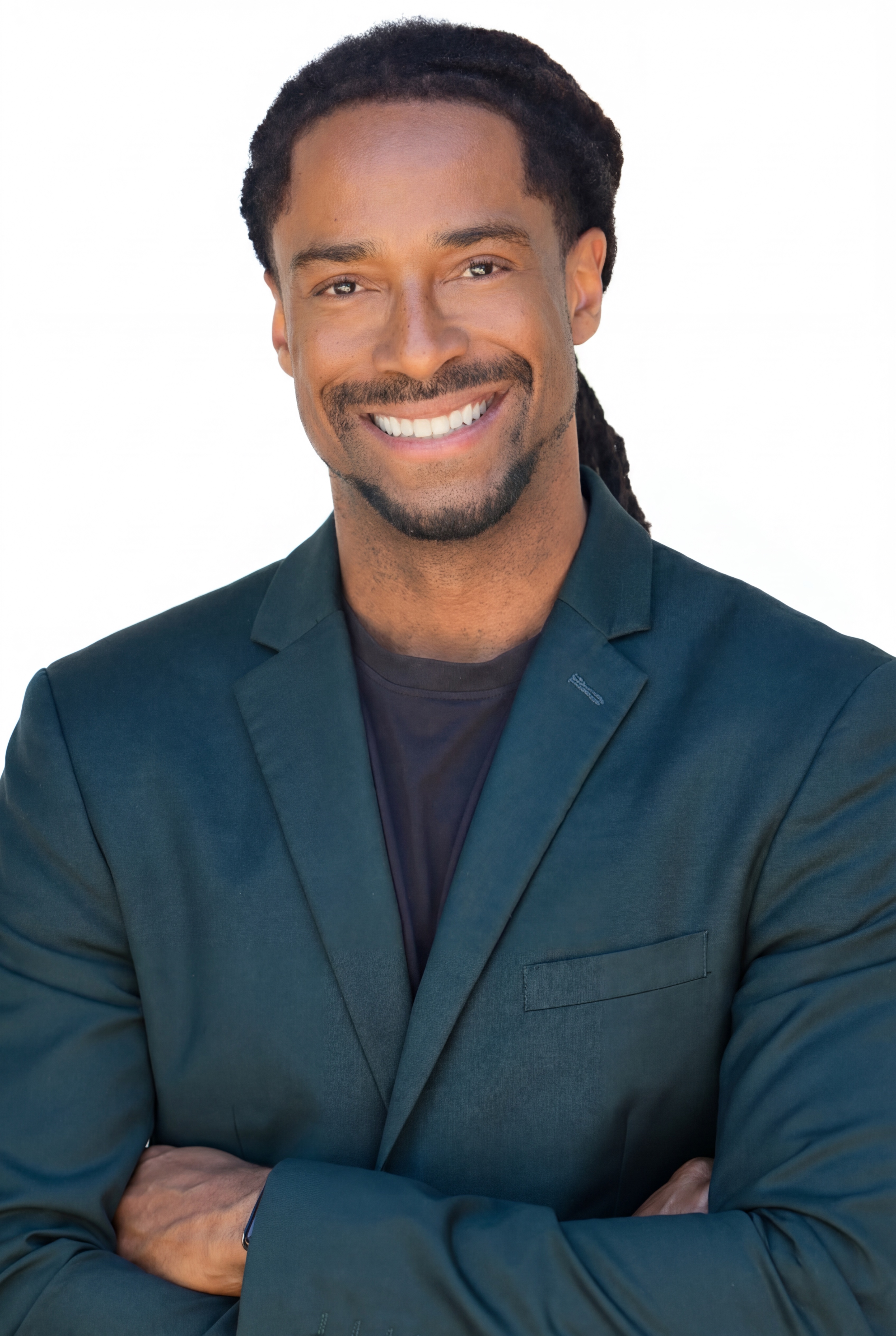
Will Gill is the Wall Street Journal’s #1 corporate event DJ and emcee and a Forbes Next 1000 honoree, with 2,520+ five-star Google reviews. He has performed at 3 Super Bowls, a World Cup, a Formula 1 race and an MLB All-Star Game, and delivers The Moralegorithm keynote for corporate audiences.
Need the keynote and the host to be the same person?
One booking covers the keynote, the emcee role and interactive team building, with a single contract and one point of contact.